Curated recipes from 193 countries  •  New seasonal Mediterranean issue out now

Overview

Moroccan Sardines

Sardines M'chermel, Sardines Mariées, Chermoula Sardines

This moroccan sardines recipe marinates whole sardines in chermoula — parsley, coriander, garlic, cumin, paprika and lemon — then grills them over high heat until the skin blisters. They are served with roasted baby potatoes and a warm red pepper and onion salad, the way Morocco's coastal grill stalls serve them. One serving is about 467 g.

Morocco is the world's largest producer of sardines, and the Atlantic port of Safi is the country's best-known sardine town, where the day's catch is grilled on the docks. The fish are rubbed in chermoula — the green paste of cilantro, parsley, garlic, cumin, paprika, lemon and olive oil that is the backbone of Moroccan seafood cooking — and grilled or fried within minutes. Sardines mariées, 'married sardines', are fillets sandwiched together with chermoula between them; m'chermel simply means marinated in chermoula. This version grills the sardines whole, the way the coastal grill stalls do, with the raw chermoula spooned over at the end.

Pairs well with: Roasted baby potatoes and a warm red pepper and onion salad, with lemon wedges.

Provenance

Morocco flag Morocco

Atlantic Coast Classic

Middle Eastern

Time Dedication

45m

30m prep • 15m cook

Batch Yield

4 Servings

574 kcal per serving

1 serving ≈ 467 g

Technical Skill

Intermediate

Medium (Grill)

Meal Timing & Digestive Fit

Breakfast

Not Advised

Lunch

Prime Metabolic Fit

Dinner

Ideal Hearty Main

Snack & Tea

Inappropriate

High Protein Occasions: Family lunches, warm evenings, seaside meals, grill nights Cost: Low — about $3–4 per serving at home
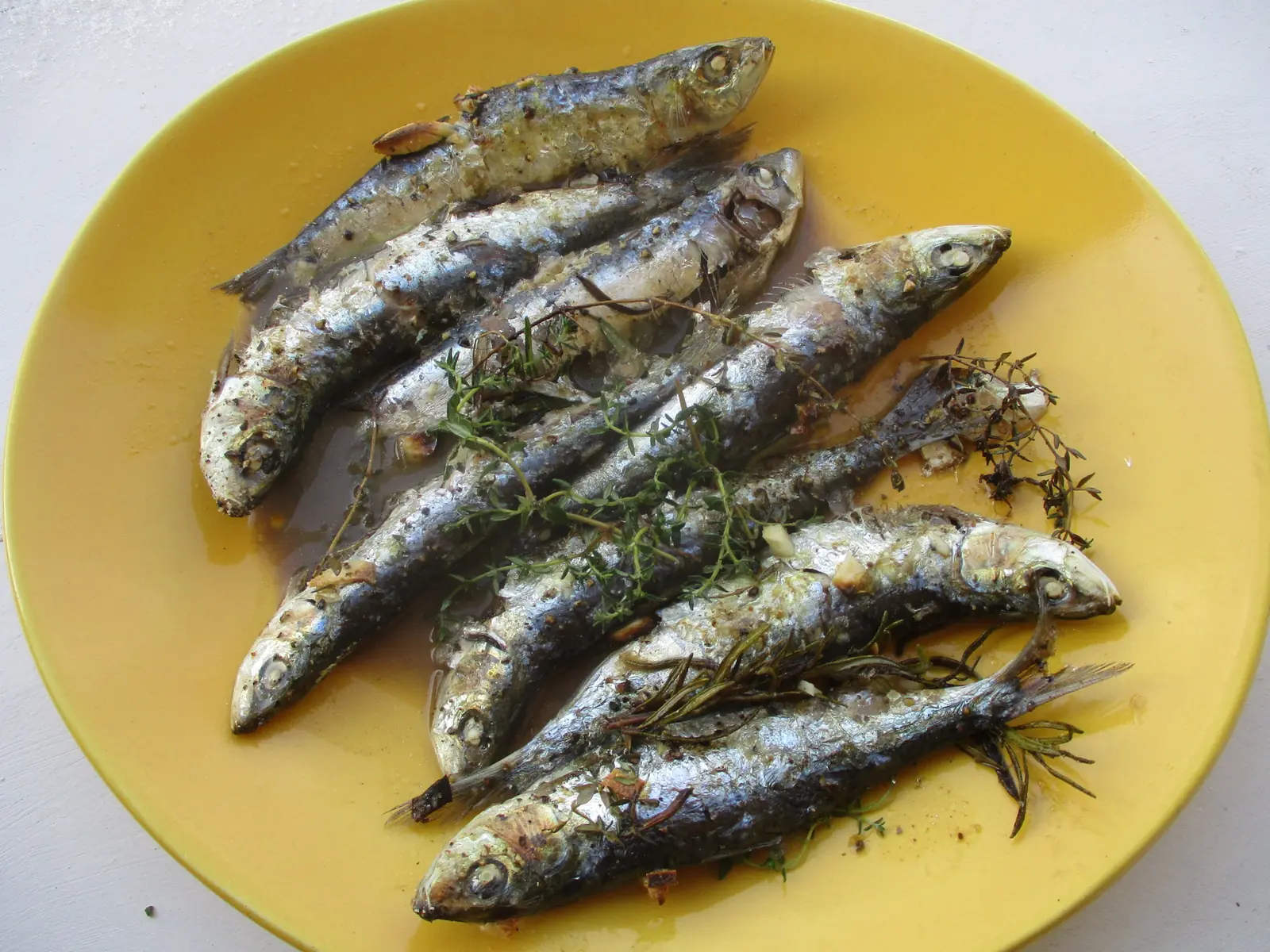
Seven whole grilled sardines with charred herbs on a bright yellow plate

Atlantic Coast Classic

Photo: Arnaud 25, CC BY-SA 4.0, via Wikimedia Commons

The Heritage Formulary

Measured Ingredients

Estimated cost: Low — about $3–4 per serving at home (USD)

Good chermoula sardines are judged by the skin: crisp and lightly charred, with flesh that flakes cleanly and tastes of lemon, garlic and cumin.

Execution Methodology & Culinary Technique

Step-by-Step Cooking Guide

Active 45m
P

Prep Stage: Make the Chermoula and Marinate the Sardines

30 Mins • Knife Work

Pound the chermoula in a mortar or blitz it briefly, score the sardines and rub them with the paste, then leave them to marinate while you halve the potatoes and slice the pepper and onion for roasting.

Maestro Tip: Dry fish grills; wet fish steams. Pat the sardines thoroughly dry before the chermoula goes on.

  1. 1

    Make the Chermoula

    10 Mins No heat, room temperature ~22°C (72°F)

    Pound the parsley, coriander, garlic, cumin, paprika, chilli flakes, preserved lemon, lemon juice and 2 tablespoons of the olive oil in a mortar, or pulse briefly in a small food processor, until you have a coarse, vivid green paste. Season with half the salt and taste — it should be bright, garlicky and punchy.

    Do not purée it smooth — a little texture is the mark of real chermoula.

    Done when: The paste is coarse, bright green and smells of lemon, garlic and cumin.

  2. 2

    Marinate the Sardines

    20 Mins No heat, room temperature ~22°C (72°F)

    Rub the sardines all over with the chermoula, working it into the scores, and leave them for 15–20 minutes at room temperature while the grill heats. Keep about a quarter of the chermoula back for serving.

    Fifteen minutes is enough — much longer and the lemon starts to 'cook' the flesh.

    Done when: Every fish is evenly coated green, with the paste sitting in the scores.

  3. 3

    Roast the Potatoes and Peppers

    25 Mins Oven 200°C (400°F)

    Toss the halved potatoes, pepper strips and onion rings with the remaining tablespoon of olive oil and a pinch of salt, spread them on a baking tray and roast at 200°C (400°F) for 20–25 minutes until the potatoes are golden and tender.

    Start the tray before the fish goes on — the sardines cook in minutes and wait for no one.

    Done when: The potatoes are golden at the edges and a knife slides in easily.

  4. 4

    Grill the Sardines

    8 Mins High heat, ~230°C (450°F)

    Heat a charcoal grill until the coals are white-hot, or a grill pan over high heat, and oil the bars lightly. Lay the sardines on in a single layer, skin-side down, and cook for 3–4 minutes per side, turning once with a fish slice.

    One turn only. Every extra flip risks breaking these small, delicate fish.

    Done when: The skin is crisp and charred in places, the flesh flakes easily and reaches 63°C (145°F).

  5. 5

    Plate and Serve

    2 Mins Off the heat, serving at ~60°C (140°F)

    Spoon the reserved chermoula over the hot sardines, scatter a little chopped coriander over the top and serve 3 sardines per person with the roasted potatoes and peppers and the lemon wedges.

    Serve straight off the grill — the crisp skin softens as it sits, and the raw chermoula on top is part of the dish.

    Done when: The fish are hot, crisp-skinned and whole, glossy with green chermoula, with potatoes and peppers alongside.

Finishing Touches & Plating

Serve the sardines hot off the grill with the reserved raw chermoula spooned over and lemon wedges for squeezing — the lemon cuts the richness of the oily fish and is part of the dish, not a garnish.

Nutritional Physiology & Benefits

Nutrition

Energy

574

kcal / serving

Protein

41g

Complete AA

Carbs

36g

Complex

Fats

30g

Healthy

Per serving (4 servings · 1 serving ≈ 467 g)
Energy574 kcal
Protein41 g
Carbohydrates36 g
Fat30 g
Fibre6.2 g
Sugar4.9 g
Sodium686 mg
Per 100g
Energy123 kcal
Protein8.7 g
Carbohydrates7.7 g
Fat6.5 g
Fibre1.3 g
Sugar1 g
Sodium147 mg

Nutrition values are estimated — calculated from USDA FoodData Central values for the listed ingredients.

Vitamins & minerals: Sardines are rich in vitamin D, B12, calcium and omega-3 fats; the red pepper adds vitamin C; potatoes add potassium and vitamin C. Nutrition is estimated.

40.7 g of Protein a Serving

Three whole sardines give about 41 g of protein per serving, so the meal is deeply filling without feeling heavy.

Omega-3, Vitamin D and Calcium

Sardines are one of the richest natural sources of omega-3 fats and vitamin D, and the soft edible bones add calcium.

Chermoula, Not a Heavy Sauce

Fresh herbs, garlic, cumin and lemon carry all the flavour, so the fish needs no butter, cream or frying.

Food Pairings

What to Eat With

To optimize nutrient absorption and elevate the sensory depth, pair with these authentic accompaniments:

Sides

Warm Crusty Bread

A piece of crusty bread is the Moroccan grill-stall habit — it mops up the chermoula and lemon on the plate.

Lemon and Herb Couscous

Fluffy couscous with lemon and herbs soaks up the chermoula and turns the grill plate into a fuller meal.

Vegetables

Zaalouk — Smoky Eggplant Salad

Smoky, garlicky eggplant salad is the classic Moroccan side for grilled fish; its softness balances the crisp sardine skin.

Drinks

Mint Tea or Sparkling Water

Sweet mint tea is the Moroccan table drink and its freshness suits the rich fish; sparkling water with lemon does the same job without sugar.

Complete menu

Serve the grilled chermoula sardines on a platter with roasted baby potatoes, warm red pepper and onion salad, crusty bread and lemon wedges, and mint tea or sparkling water on the table.

Digestive Guardrails

What NOT to Combine

To prevent digestive distress, sluggishness, or palate clash, avoid pairing the dish with these elements:

A Heavy Tomato Sauce Over the Fish

A thick sauce would hide the crisp skin and the chermoula that make these sardines what they are — lemon and the green paste are enough. This is general guidance, not medical advice.

Very Sugary Drinks With the Meal

Sweet sodas add a lot of sugar and dull the bright lemon and herb flavours; mint tea, water or sparkling water are better matches. This is general guidance, not medical advice.

General information only, not medical advice — consult a doctor for personal dietary decisions.

Who Should Eat It

Who Should Eat

  • General adultsA light, complete lunch — grilled fish, potatoes and peppers in one plate.
  • ChildrenSuitable from age 5+; serve the flesh only, carefully checked for bones, and keep the chilli out of a child's portion.
  • ElderlyVery suitable — the flesh is soft and easy to eat; take care with small bones.
  • Pregnant womenGenerally suitable; make sure the sardines are cooked through to 63°C (145°F) and eat them freshly cooked and hot. Ask your clinician if you are unsure about fish choices.
  • Breastfeeding womenGenerally suitable; the protein, omega-3 fats and fluids support recovery.
  • AthletesA good post-training lunch — about 41 g of protein per serving with potatoes to replenish energy.
  • Weight gainA generous portion with extra potatoes and bread adds energy without extra cooking.
  • Weight lossThe fish itself is rich in healthy fats; keep the potatoes to about a cup and skip the bread. Ask your clinician about a portion that fits your plan.

Health Conditions — Adjust or Avoid

Conditions

  • DiabetesPotatoes are the main source of carbs — keep them to about a cup per serving and ask your clinician about portion size.
  • High blood pressureMost of the sodium comes from the added salt and the preserved lemon; use a light hand and let the lemon do the work. Ask your clinician about a suitable portion.
  • Kidney diseaseSardines and potatoes both add potassium and phosphorus, so keep portions moderate and ask your clinician about portion size.
  • GoutEat occasionally and in moderate portions — sardines are high in purines and can raise uric acid. Ask your clinician about how often it fits your diet.
  • Stomach issuesGrilled oily fish is usually well tolerated, but the chilli flakes can irritate a sensitive stomach; leave them out. Ask your clinician if symptoms persist.
  • Cardiovascular diseaseOily fish with omega-3 fats fits well; keep added salt low and skip fried sides. Ask your clinician about a suitable portion.
  • Fatty liverGrilled sardines with potatoes and peppers is a light choice; avoid extra oil or bread. Ask your clinician about a suitable portion.
  • Food allergiesContains fish (sardines). This dish is naturally gluten-free and dairy-free as written.
  • Special therapeutic dietsFits a gluten-free, dairy-free and halal diet; for a low-sodium diet, halve the salt and leave out the preserved lemon. Ask your clinician or dietitian before changing a prescribed diet.

If you have a medical condition, consult your doctor before changing your diet.

Storage & Use

Storage & Use

How to store
Cool quickly and store the fish and the vegetables in separate airtight containers.
In the fridge
1–2 days.
In the freezer
Not recommended — grilled sardines dry out and the peppers go soft.
How to reheat
Reheat gently in a covered pan or a low oven until steaming, and make sure it reaches 74°C (165°F) throughout; do not reheat more than once. The skin will not stay crisp.
Freezing recommended
No — the fish is best eaten fresh off the grill.
Signs it has spoiled
Sour or ammonia smell, slimy flesh, or a dull, grey colour.

More recipes to explore

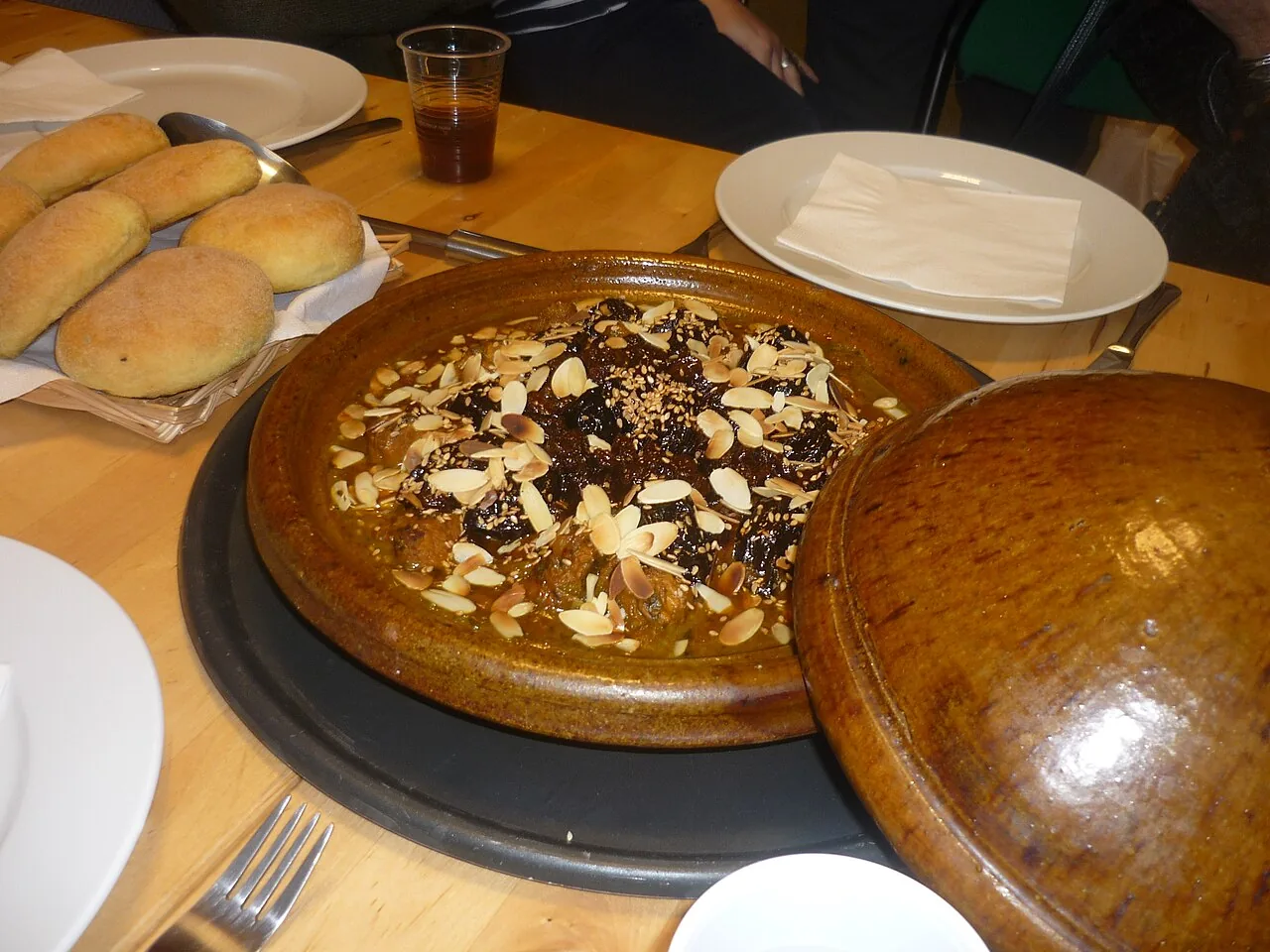
Moroccan lamb and prune tagine with almonds and sesame Morocco flag Morocco 2h 35m
Lunch •Atlas Mountains

Lamb & Prune Tagine

Clay vessel braised lamb shoulder infused with Ras el Hanout, saffron stamens, and natural sun-dried fruit pectins.

Immunity & Warming

Slow-braised lamb with prunes, almonds and couscous.

Pairs Well With
Spiced Couscous & Preserved Lemon Salad
High Protein
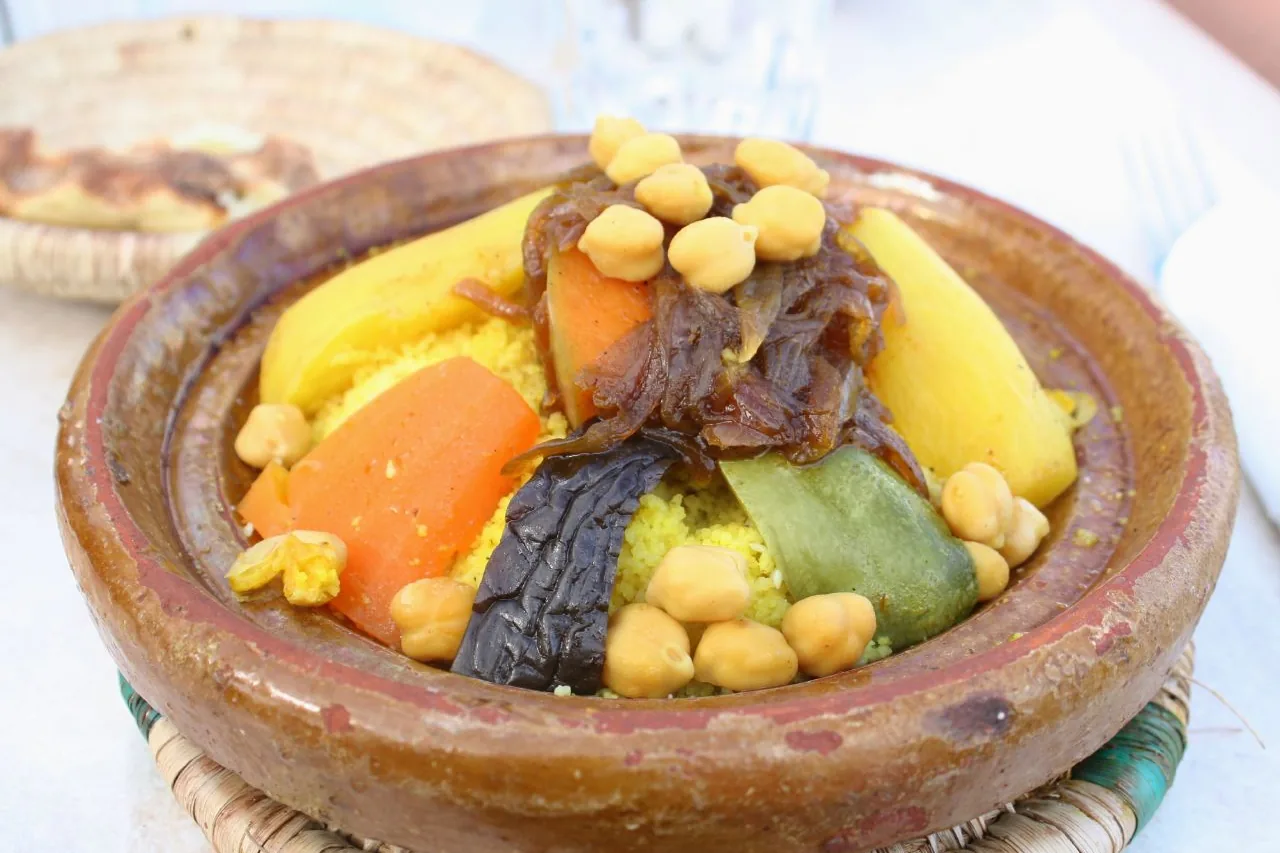
A clay bowl of Moroccan couscous with vegetables, chickpeas, carrot and pumpkin Morocco flag Morocco 1h 15m
Dinner •Maghreb Friday Table

Moroccan Couscous with Vegetables

This moroccan couscous recipe steams fine semolina until fluffy, then ladles over a slow-cooked stew of seven vegetables, chickpeas and warm spices. One serving is about 475 g.

Comfort & Warmth

Fluffy steamed semolina with a slow vegetable stew and chickpeas.

Pairs Well With
Harissa, mint tea and crusty bread
Quick Prep (<30m)
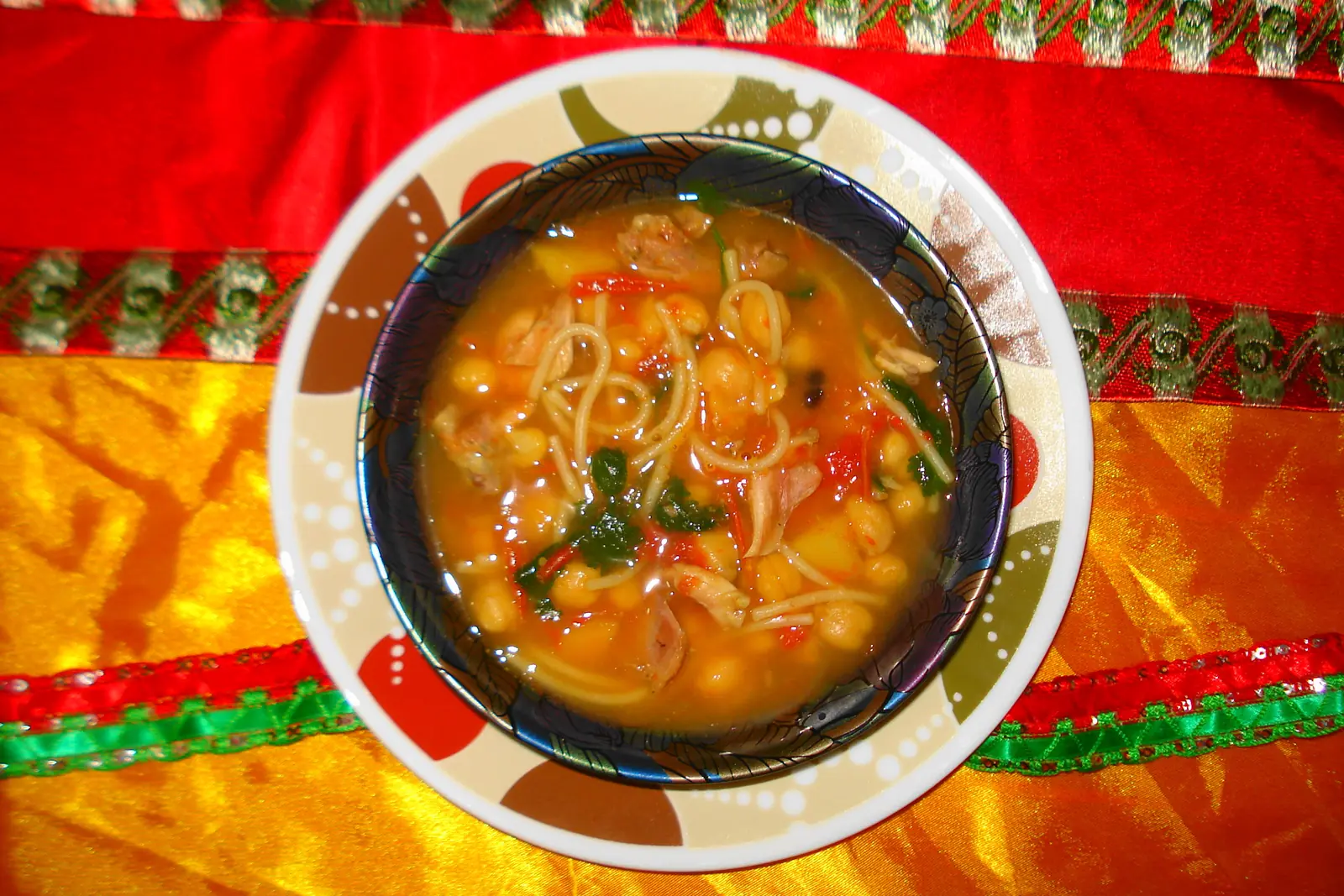
A bowl of Moroccan harira soup with chickpeas, noodles and fresh herbs Morocco flag Morocco 1h 15m
Lunch •Ramadan Iftar Table

Harira Soup

This harira soup recipe simmers lentils, chickpeas, tomatoes and lamb with ginger, cinnamon and fresh herbs, then thickens it the traditional way with a flour slurry. One serving is about 450 g.

Comfort & Warmth

A thick, warming tomato and lentil soup, the soup Moroccans break their fast with.

Pairs Well With
Dates, chebakia and mint tea
Soups & Broths • High Protein
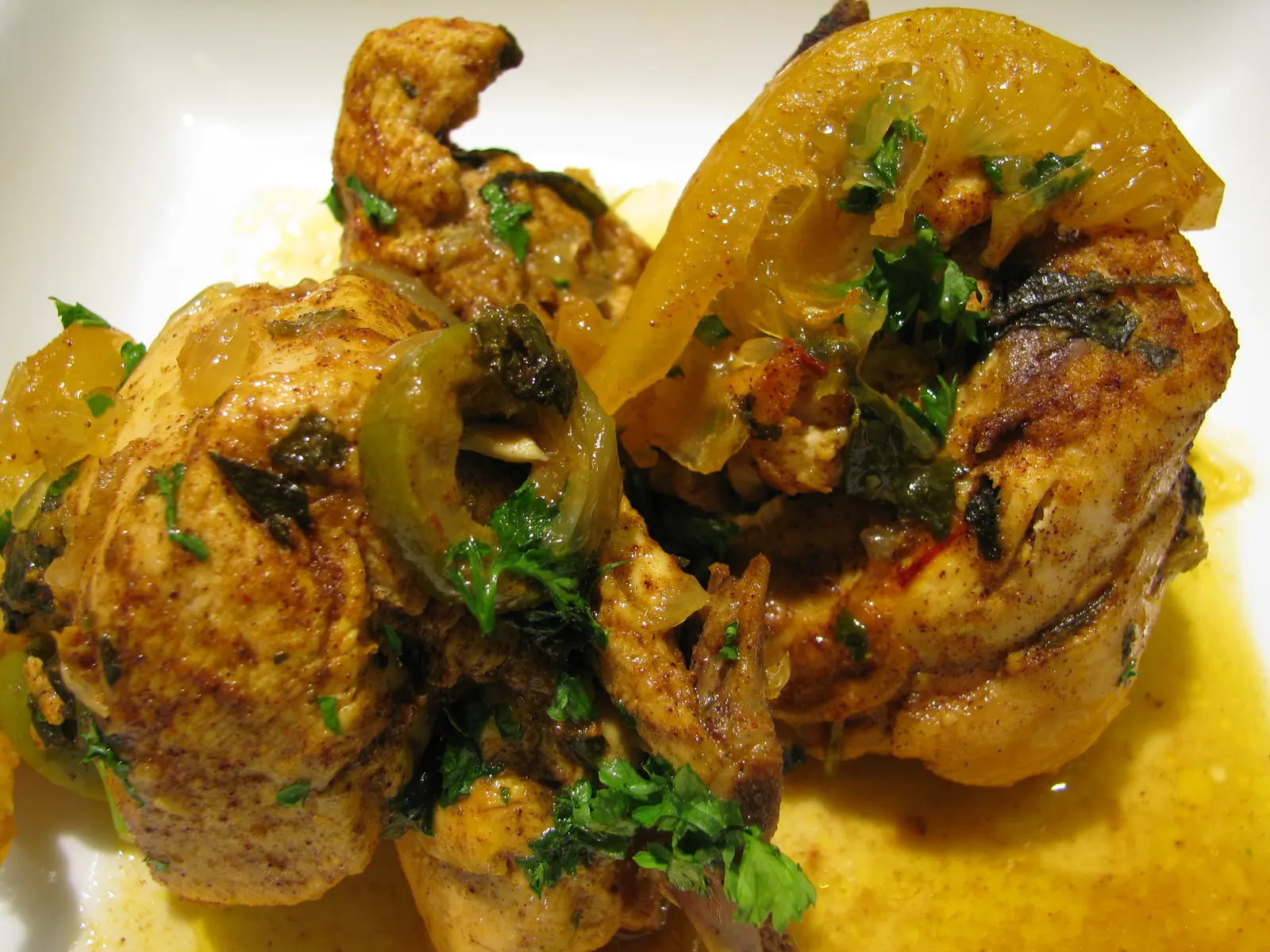
Moroccan chicken tagine with preserved lemon slices, green olives and fresh parsley Morocco flag Morocco 1h 15m
Dinner •Moroccan Heritage

Moroccan Chicken Tagine

Moroccan chicken tagine is the dish Morocco is best known for: chicken braised slowly with onions, ginger and saffron, then finished with salty preserved lemon and green olives. This moroccan chicken tagine recipe uses a heavy pot instead of a clay tagine, so anyone can make it — the conical lid's job is done by a tight-fitting lid and a gentle flame. One serving is about 315 g.

Slow-Cooked Comfort

Chicken braised slowly with ginger, saffron, preserved lemon and green olives until the meat falls from the bone.

Pairs Well With
Couscous, khobz bread and mint tea.
High Protein

The Dinner Gazette

Never wonder what’s for dinner again

One email a week with easy dinner ideas from around the world — ingredients, steps and nutrition, tested in our kitchen first.

Delivered every Thursday morning. Unsubscribe anytime.