Curated recipes from 193 countries  •  New seasonal Mediterranean issue out now

Overview

Pain au Chocolat

Chocolatine — Petit Pain au Chocolat

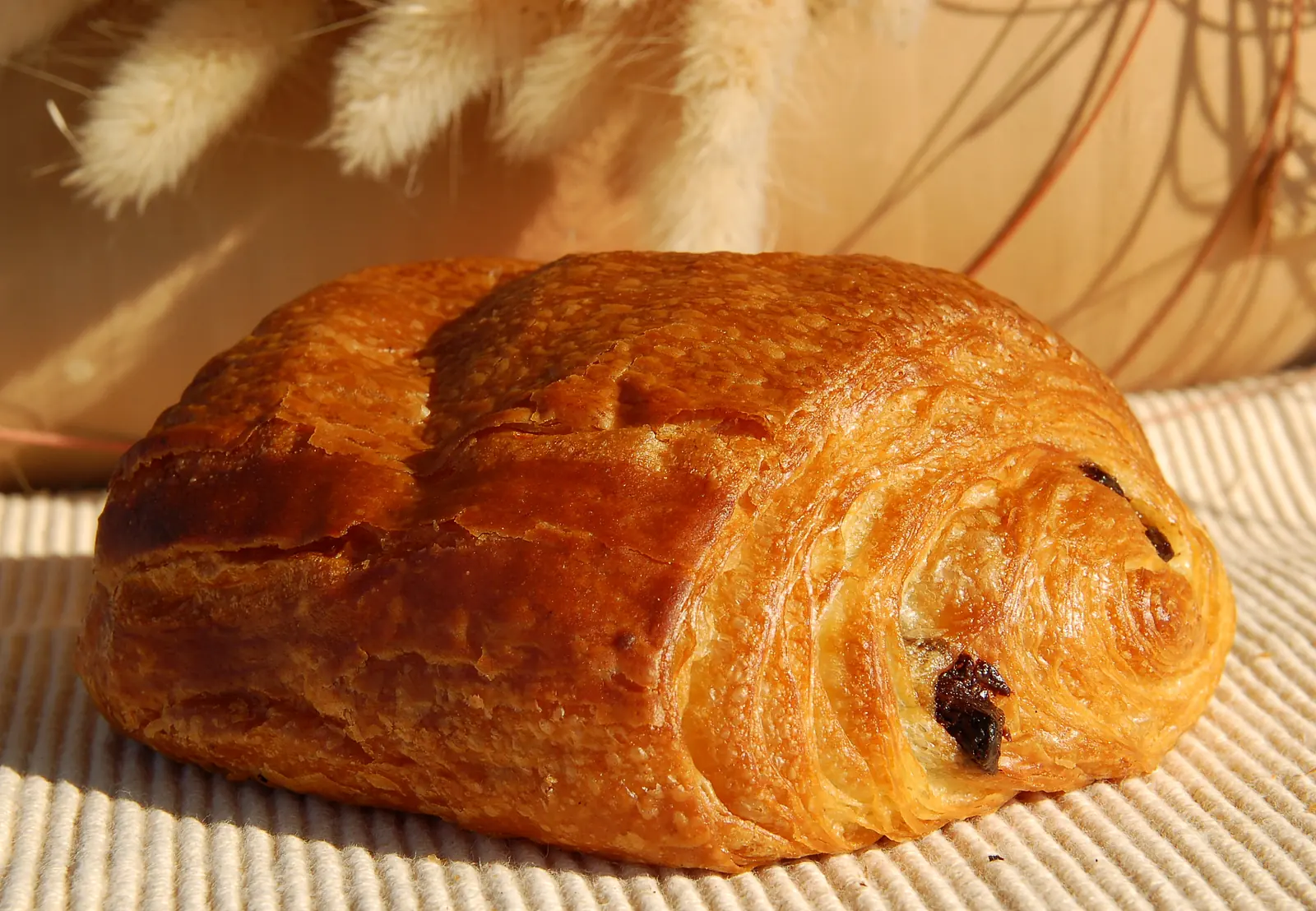
This pain au chocolat recipe layers buttery laminated dough around dark chocolate batons and bakes them crisp and golden. One pastry is about 121 g. It is the chocolate-filled cousin of the croissant: the same flaky dough, but rolled around chocolate instead of left plain.

Pain au chocolat is the chocolate-filled cousin of the croissant, born in French bakeries in the 19th century when Viennese laminated dough met French chocolate. In southwestern France it is still called chocolatine, and the name is a matter of fierce regional pride — the pastry itself is the same: layers of butter dough rolled around two batons of dark chocolate, baked until the outside shatters and the inside melts. It is the difference from a plain croissant: the chocolate is not a topping, it is the heart of the pastry.

Pairs well with: Strong coffee, a glass of milk, fresh berries or orange segments

Provenance

France flag France

French Bakery Classic

Nordic & European

Time Dedication

2h 50m

150m prep • 20m cook

Batch Yield

8 Servings

545 kcal per serving

1 serving ≈ 121 g

Technical Skill

Advanced

Hard (Laminated Dough)

Meal Timing & Digestive Fit

Breakfast

Prime Morning Fit

Lunch

Inappropriate

Dinner

Inappropriate

Snack & Tea

Inappropriate

Occasions: Slow weekend breakfasts, French bakery mornings, brunch, coffee breaks Cost: Low — about $1–2 per pastry at home
A golden, flaky pain au chocolat with dark chocolate visible at one end, in warm sunlight

French Bakery Classic

Photo: Luc Viatour, CC BY-SA 3.0, via Wikimedia Commons

The Heritage Formulary

Measured Ingredients

Estimated cost: Low — about $1–2 per pastry at home (USD)

True pain au chocolat uses laminated dough with two dark chocolate batons inside — never a croissant with chocolate spread on top.

Execution Methodology & Culinary Technique

Step-by-Step Cooking Guide

Active 2h 50m
P

Prep Stage: Make the Dough and the Butter Block

150 Mins • Mix, Fold, Chill & Rest

Mix the flour, milk, sugar, yeast, salt and 30 g of butter into a smooth dough and chill it for 30 minutes. Flatten 190 g of cold butter into a square, then fold the dough around it and give it three letter-folds, chilling for 30 minutes between each fold. Roll the laminated dough out, cut 8 rectangles, lay two chocolate batons on each, and roll up.

Maestro Tip: Cold is everything: if the butter softens and melts into the dough, the layers are gone. Work in a cool kitchen, chill between folds, and put the dough straight back in the fridge the moment it feels soft.

  1. 1

    Mix the Dough and Chill It

    20 Mins No heat — mix cool, about 20°C (68°F)

    Mix the flour, milk, sugar, yeast and salt in a large bowl, then knead in the 30 g of softened butter until the dough is smooth and elastic, about 8 minutes. Shape into a flat rectangle, wrap, and chill for 30 minutes.

    The dough should be smooth and spring back when poked; if it tears easily, knead a little longer.

    Done when: The dough is smooth, elastic and cold to the touch.

  2. 2

    Laminate with Three Folds

    60 Mins Work cold, about 4°C (39°F) in the fridge between folds

    Flatten the 190 g of butter into a square between baking paper. Roll the dough out, place the butter in the centre, and fold the dough over it like an envelope. Roll out and fold in thirds, like a letter. Repeat for three folds in total, chilling for 30 minutes between each one.

    If the butter pokes through the dough, dust with flour and chill at once — a tear now is a lost layer later.

    Done when: After three folds the dough is smooth, cold and layered — 27 layers of butter and dough.

  3. 3

    Cut, Fill and Shape

    20 Mins Work cool, about 20°C (68°F)

    Roll the dough into a rectangle about 40 cm by 24 cm (16 by 9 inches) and cut 8 rectangles. Lay two chocolate batons across one end of each rectangle, roll up firmly, and place seam-side down on a lined tray.

    Roll snugly but not tight — the dough needs room to puff, and loose rolls uncurl in the oven.

    Done when: Eight neat rolls, seam down, with the chocolate hidden inside.

  4. 4

    Prove Until Puffy

    60 Mins Warm prove, about 26°C (79°F)

    Cover the tray loosely and leave the rolls in a warm spot for about 60 minutes, until they are visibly puffy and wobble gently when you shake the tray. Brush with the beaten egg wash.

    Do not rush the prove — under-proved pain au chocolat stays dense and buttery inside instead of flaky.

    Done when: The rolls are puffy, doubled in size, and jiggle like jelly when shaken.

  5. 5

    Bake Until Deep Golden

    20 Mins 200°C (400°F), then 190°C (375°F)

    Bake at 200°C (400°F) for 10 minutes, then lower to 190°C (375°F) and bake for 8–10 minutes more, until deep golden and crisp. Cool on a rack for 10 minutes before eating — the chocolate inside is molten.

    If the tops brown too fast, cover loosely with foil; the inside must be cooked through, not doughy.

    Done when: Deep golden, crisp and flaky, with chocolate just starting to peek out at the ends.

Finishing Touches & Plating

Cool for 10 minutes on a rack so the layers set and the chocolate firms just enough to bite — serve warm, when the pastry shatters and the chocolate is still soft.

Nutritional Physiology & Benefits

Nutrition

Energy

545

kcal / serving

Protein

9g

Complete AA

Carbs

54g

Complex

Fats

33g

Healthy

Per serving (8 servings · 1 serving ≈ 121 g)
Energy545 kcal
Protein9 g
Carbohydrates54 g
Fat33 g
Fibre3.7 g
Sugar11.3 g
Sodium319 mg
Per 100g
Energy449 kcal
Protein7.3 g
Carbohydrates44.5 g
Fat27 g
Fibre3.1 g
Sugar9.3 g
Sodium263 mg

Nutrition values are estimated — calculated from USDA FoodData Central values for the listed ingredients.

Vitamins & minerals: B vitamins and iron (bread flour, yeast), calcium (milk, butter), iron and magnesium (dark chocolate). Nutrition is estimated.

A Real Bakery Treat, Made at Home

Homemade pain au chocolat uses real butter, flour, milk and dark chocolate — no preservatives or mystery fats from a factory pastry.

Dark Chocolate in Every Bite

The 70% dark chocolate brings iron, magnesium and fibre to a sweet pastry, and its bitterness balances the rich butter.

Proper Breakfast Energy

At about 545 kcal a pastry, this is a substantial breakfast — best saved for a slow morning when you want something that lasts.

Food Pairings

What to Eat With

To optimize nutrient absorption and elevate the sensory depth, pair with these authentic accompaniments:

Drinks

Strong Black Coffee

Bitter coffee cuts through the butter and makes the chocolate taste darker — the classic French pairing for a reason.

Vegetables

Fresh Berries or Orange Segments

Sharp, fresh fruit lifts the richness of the pastry and cleanses the palate between bites.

Sides

A Glass of Cold Milk

Cold milk is the gentle partner — it softens the sweetness and is the favourite of children with a warm pastry.

Full Menus

French Breakfast Table

Serve warm pain au chocolat with coffee, fruit and yoghurt for a slow French-style breakfast — the pastry is the centrepiece, not the whole meal.

Complete menu

Serve pain au chocolat warm from the oven with strong coffee and fresh berries, as the centrepiece of a French-style breakfast.

Digestive Guardrails

What NOT to Combine

To prevent digestive distress, sluggishness, or palate clash, avoid pairing the dish with these elements:

Eating It Straight from the Oven

The chocolate inside is molten and the pastry needs 10 minutes to set — biting in too soon burns the mouth and crushes the layers. This is general information, not medical advice.

Skipping the Chilling Between Folds

Warm butter melts into the dough instead of staying in layers, and the pastry comes out dense and greasy instead of flaky — chill every time, without exception.

General information only, not medical advice — consult a doctor for personal dietary decisions.

Who Should Eat It

Who Should Eat

  • General adultsA rich, sweet breakfast pastry at about 545 kcal each — enjoy one, warm, with coffee.
  • ChildrenChildren love them — cut one in half for younger children and wait until the chocolate has cooled enough not to burn.
  • ElderlySoft and easy to eat once cooled a little, but rich — one pastry is plenty.
  • Pregnant womenGenerally suitable in moderation; the pastry is rich in butter and sugar, so one is enough.
  • Breastfeeding womenA calorie-dense breakfast that fits a hungry morning; balance it with fruit.
  • AthletesA high-energy pre-training breakfast, but heavy — eat it at least 2 hours before hard exercise.
  • Weight gainA helpful calorie-dense food at about 545 kcal a pastry.
  • Weight lossBest as an occasional treat — halve a pastry and add fresh fruit to keep the meal balanced.

Health Conditions — Adjust or Avoid

Conditions

  • DiabetesHigh in fast carbs and sugar — keep it to an occasional small portion and ask your clinician.
  • High blood pressureLow in sodium, which helps; the concern is sugar and saturated fat, so keep portions small. Ask your clinician.
  • Kidney diseaseButter and chocolate are high in potassium and phosphorus; keep portions small and ask your clinician.
  • GoutLow in purines as written; the main concern is sugar and fat, so enjoy occasionally. Ask your clinician if you are unsure.
  • Stomach issuesRich, buttery pastry can feel heavy on a sensitive stomach — eat a small portion slowly. Ask your clinician about your triggers.
  • Cardiovascular diseaseHigh in saturated fat and sugar, so enjoy as an occasional treat in a small portion. Ask your clinician.
  • Fatty liverThe sugar and saturated fat make this a treat, not an everyday breakfast; keep portions small. Ask your clinician.
  • Food allergiesContains gluten (wheat), milk (butter) and egg. Free from nuts, peanut, fish and soy as written — check your chocolate label.
  • Special therapeutic dietsNot suitable for low-sugar or low-fat diets as written; ask your clinician or dietitian before adapting it.

If you have a medical condition, consult your doctor before changing your diet.

Storage & Use

Storage & Use

How to store
Cool completely, then store in an airtight container or paper bag at room temperature.
In the fridge
Do not refrigerate baked pastries — the fridge dries them out and dulls the chocolate.
In the freezer
Up to 1 month, well wrapped; freeze unbaked shaped rolls for the best result and bake from frozen, adding 5 minutes.
How to reheat
Re-crisp in a 180°C (350°F) oven for 5 minutes until warm and flaky; the centre should reach 74°C (165°F) if reheating filled pastries.
Freezing recommended
Yes — unbaked shaped rolls freeze best.
Signs it has spoiled
Stale, soft pastry, sour or rancid smell from the butter, or mould.

More recipes to explore

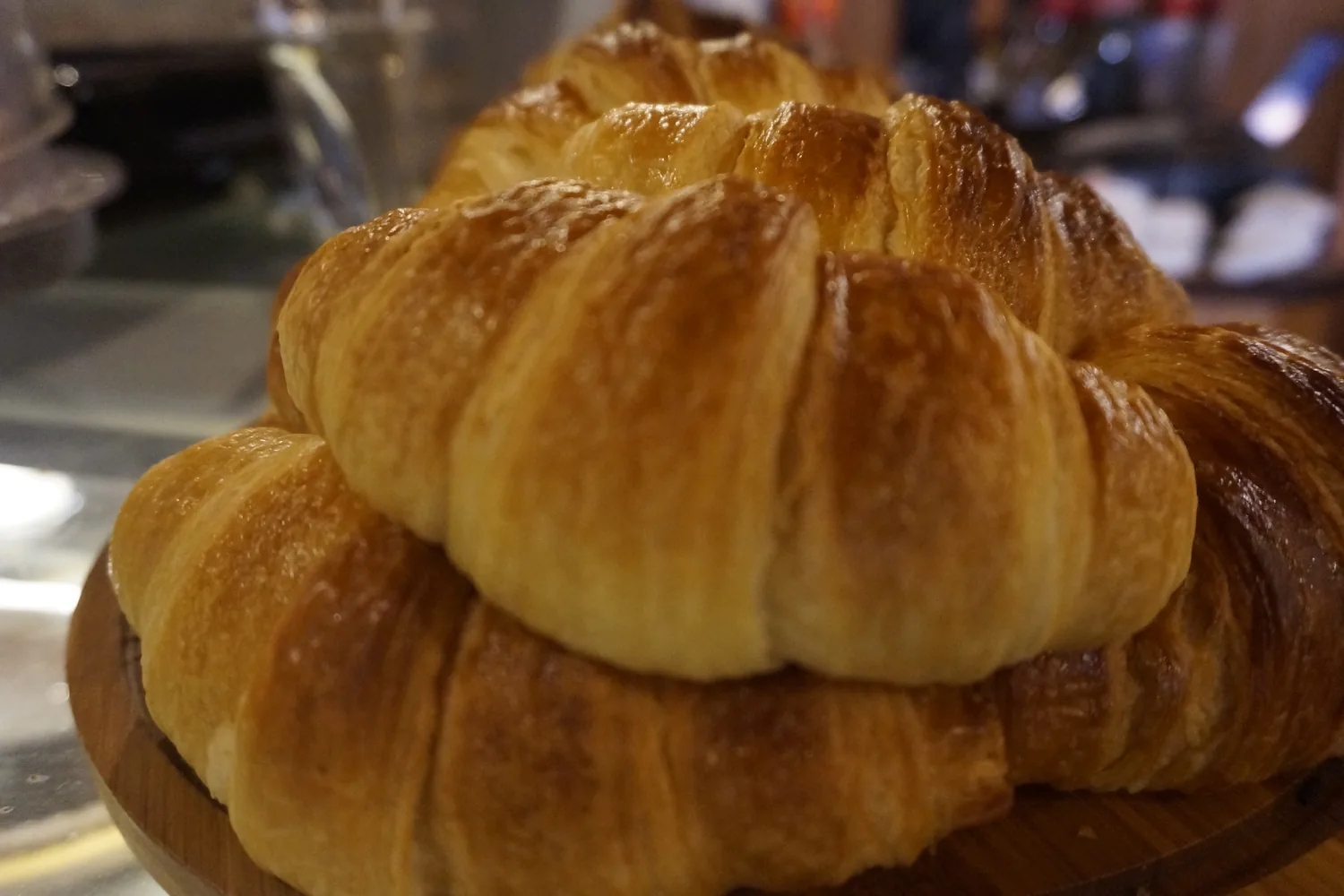
Golden butter croissants on a wooden board France flag France 20m
Breakfast •Parisian Boulangerie

Croissant au Beurre & Café

Laminated cultured butter pastry paired with washed Arabica, for a slow, pleasurable Parisian morning — best with a little protein alongside. One serving is about 390 g.

Sustained Focus

Flaky all-butter croissant with café au lait, Comté and green apple.

Pairs Well With
Comté cheese wedge & Green apple slices
Quick Prep (<30m)
Bœuf bourguignon — French beef braised in red wine France flag France 4h
Dinner •Burgundy Terroir

Bœuf Bourguignon

Beef braised gently in red wine until the connective tissue melts into a velvet, gelatin-rich sauce — the classic Burgundy Sunday dinner.

Cellular Repair

Beef braised in red wine until spoon-tender, with mushrooms and pearl onions.

Pairs Well With
Parsnip Purée & Steamed French Haricots Verts
High Protein
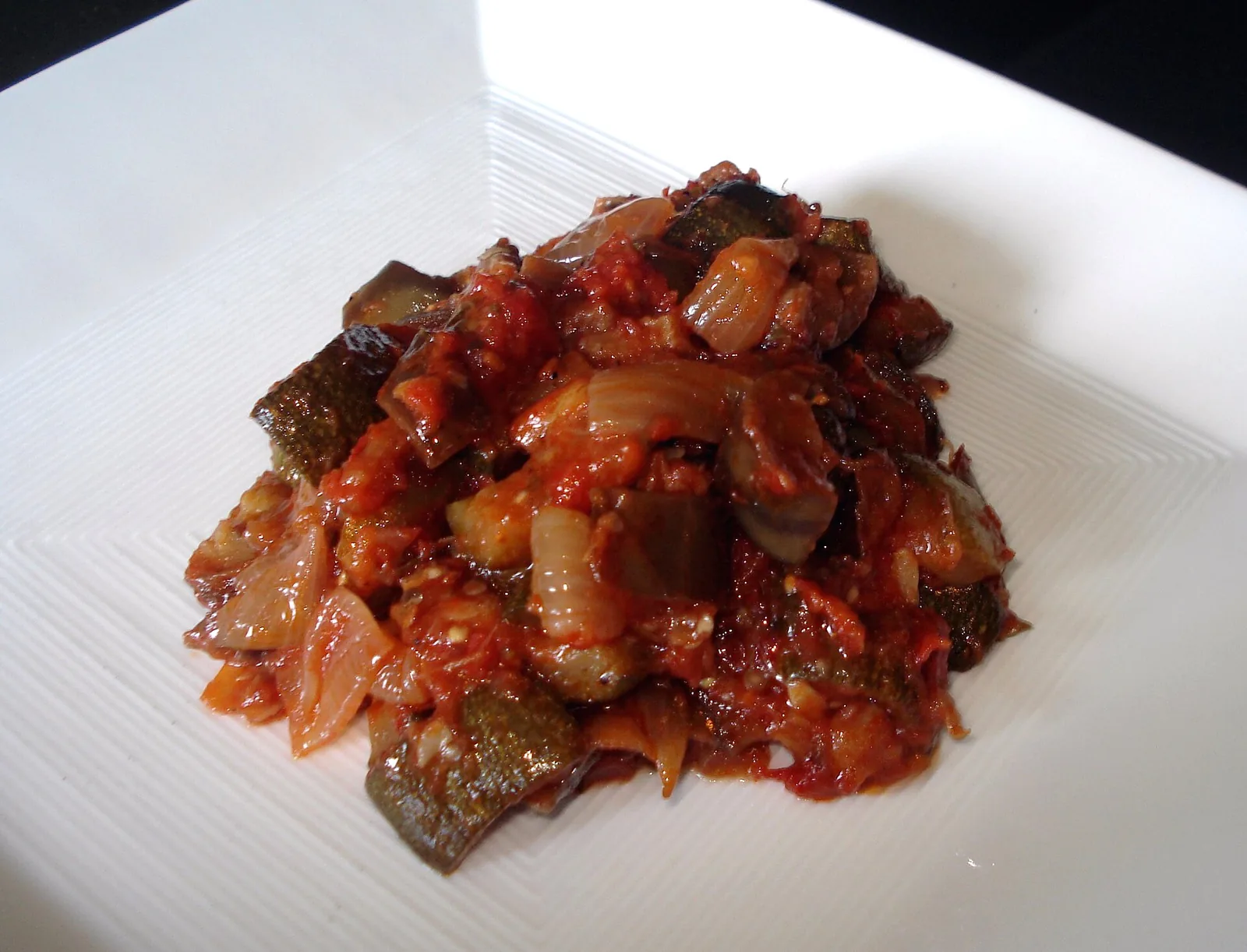
A mound of classic ratatouille with eggplant, zucchini, tomato and onion on a white plate France flag France 1h 15m
Dinner •Nice Provençal

Ratatouille

This ratatouille recipe cooks eggplant, zucchini, peppers and tomatoes separately first, so each vegetable keeps its own texture, then brings them together for a slow, fragrant simmer. One serving is about 400 g.

Light & Vegetable-Rich

Slow-simmered summer vegetables in olive oil — light, fragrant and full of fibre.

Pairs Well With
Crusty sourdough bread, grilled fish or a fried egg
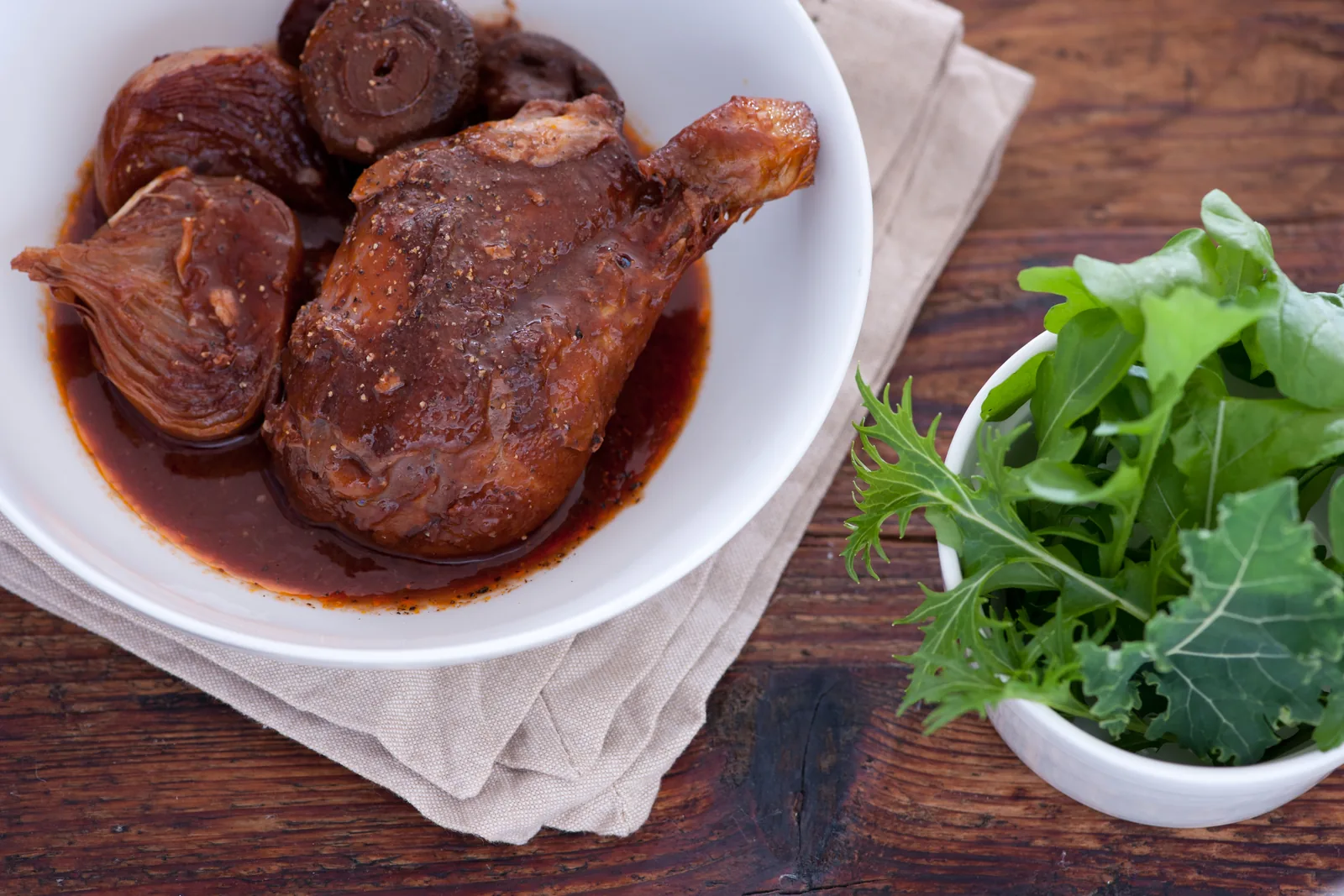
A bowl of coq au vin with a braised chicken leg in dark red wine sauce with mushrooms and onions, greens on the side France flag France 1h 40m
Dinner •Burgundy Classic

Coq au Vin

This coq au vin recipe is the Burgundy classic: chicken thighs browned with bacon, then braised in red wine with mushrooms, pearl onions and carrots until the meat is tender and the sauce is dark and glossy. One serving is about 375 g. It takes 1 hour 40 minutes, most of it hands-off while the pot simmers.

Comfort & Warmth

Chicken braised slowly in red wine with mushrooms, pearl onions and bacon until it falls off the bone.

Pairs Well With
Mashed potatoes, crusty bread & Burgundy wine

The Dinner Gazette

Never wonder what’s for dinner again

One email a week with easy dinner ideas from around the world — ingredients, steps and nutrition, tested in our kitchen first.

Delivered every Thursday morning. Unsubscribe anytime.