Curated recipes from 193 countries  •  New seasonal Mediterranean issue out now

Overview

Paraguayan Asadito

Asadito Paraguayo, Paraguayan Beef Skewers, Asadito de Carne

Paraguayan asadito is Paraguay's late-night street food: small cubes of beef threaded onto wooden skewers, seasoned with coarse salt, garlic and oregano, grilled over charcoal or on a flat-top griddle, and eaten standing up with a squeeze of lime and boiled mandioca. This paraguayan asadito recipe makes 4 servings of 3 skewers each with mandioca. One serving is about 305 g. Do not confuse it with Argentine asado or Uruguayan asado — those are large-cut barbecue feasts cooked for hours, not skewers — and it is not shish kebab or adana kebab, which use different seasoning, come from other countries, and are never served with boiled mandioca.

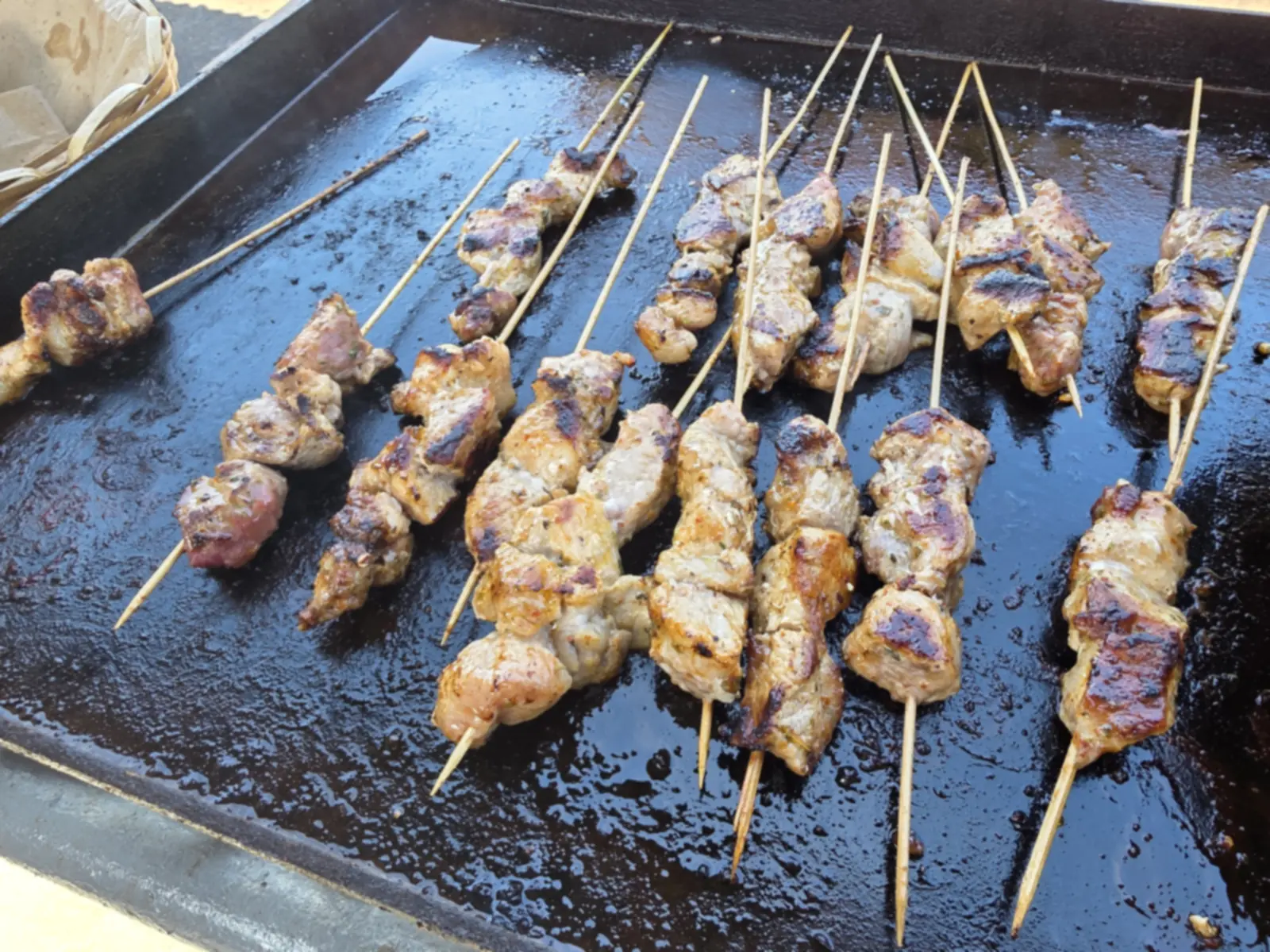
Asadito is the small, quick cousin of the Paraguayan asado: instead of large cuts cooked for hours at a family gathering, vendors thread small cubes of beef onto wooden sticks and grill them in minutes over charcoal or on a flat-top griddle at street stalls, markets and bus terminals. It is late-night food, eaten standing up with lime, coarse salt and boiled mandioca — the same mandioca that accompanies the big asado, in miniature. The photograph used here was taken at a street stall in Encarnación, in the Itapúa department of Paraguay, where the skewers cook on the griddle in front of waiting customers. Some vendors also grill pork or chicken the same way, but beef is the classic asadito.

Pairs well with: Boiled mandioca with coarse salt and lime wedges, plus a cold beer or tereré.

Provenance

Paraguay flag Paraguay

Encarnación Street-Food Classic

Latin America & Caribbean

Time Dedication

50m

25m prep • 25m cook

Batch Yield

4 Servings

579 kcal per serving

1 serving ≈ 305 g

Technical Skill

Easy

Easy (Griddle or Grill)

Meal Timing & Digestive Fit

Breakfast

Not Advised

Lunch

Inappropriate

Dinner

Inappropriate

Snack & Tea

Ideal Light Bite

High Protein Occasions: Late-night snack, Street-food nights, Barbecue gatherings Cost: Low — about $3–4 per serving at home
Beef skewers grilling on a flat-top griddle at a street-food stall in Encarnación, Paraguay — golden-brown cubes of meat with dark char marks on wooden sticks.

Encarnación Street-Food Classic

Photo: Horacio Cambeiro, CC BY-SA 3.0, via Wikimedia Commons

The Heritage Formulary

Measured Ingredients

Estimated cost: Low — about $3–4 per serving at home (USD)

Cooked the street way: beef seasoned simply with coarse salt, garlic, oregano and lime, grilled fast over high heat, served with boiled mandioca.

Execution Methodology & Culinary Technique

Step-by-Step Cooking Guide

Active 50m
P

Prep Stage: Beef, Skewers and Mandioca

25 Mins • Beef, Skewers and Mandioca

Soak the wooden skewers in cold water. Cut the beef into 48 even cubes about 3 cm across, then rub them with the coarse salt, crushed garlic, dried oregano and the juice of one lime, and leave them to season. Peel the mandioca, remove the woody core, and cut it into chunks.

Maestro Tip: Cut the beef cubes as evenly as you can — cubes of different sizes cook unevenly, and the small ones dry out while the big ones are still pink inside.

  1. 1

    Season the beef and soak the skewers

    15 Mins Room temperature, about 20°C (68°F)

    Put the wooden skewers in a tray of cold water to soak. Toss the beef cubes in a bowl with the coarse salt, crushed garlic, crumbled oregano and the juice of one lime, rubbing the seasoning into every piece. Leave the beef to season for 15 minutes while you start the mandioca.

    Fifteen minutes is enough — the lime juice starts to firm the surface of the meat if it sits much longer, and street vendors season and grill in the same hour.

    Done when: Every cube is evenly coated and glistening with lime juice.

  2. 2

    Boil the mandioca until soft

    20 Mins Rolling boil, about 100°C (212°F)

    Bring the water to a rolling boil with the 5 g of salt for the mandioca water, add the mandioca chunks, and boil for about 20 minutes until a knife slides in with no resistance. Drain well and keep warm. Never eat mandioca raw or undercooked — it must be boiled through.

    Start the mandioca first: it takes the longest, and it holds its heat well while the skewers grill.

    Done when: The mandioca is soft all the way through and splits easily with a fork.

  3. 3

    Heat the griddle or grill

    5 Mins High heat, about 200–220°C (400–425°F)

    Heat a flat-top griddle, cast-iron pan or charcoal grill over high heat until a drop of water sizzles and evaporates on contact. Brush the surface lightly with the vegetable oil just before the skewers go on.

    The surface must be properly hot before the meat touches it — that is what gives asadito its dark char marks instead of a grey, steamed surface.

    Done when: The griddle is shimmering hot and the oil smokes faintly.

  4. 4

    Thread the skewers and grill

    10 Mins High heat, about 200–220°C (400–425°F)

    Thread 4 beef cubes onto each soaked skewer, leaving a small gap between cubes so the heat reaches all sides. Grill the skewers for 8 to 10 minutes, turning every 2 minutes, until browned with dark char marks on all sides. The beef must reach at least 63°C (145°F) inside, then rest for 3 minutes.

    Do not press the cubes flat with a spatula — squeezing pushes the juices out and leaves the meat dry. Let the heat do the work.

    Done when: The outside is golden-brown with char marks and the centre is hot through, at least 63°C (145°F), with a 3-minute rest.

  5. 5

    Salt the mandioca and cut the lime

    2 Mins Off the heat, about 85°C (185°F)

    Sprinkle the hot drained mandioca with a pinch of the coarse salt if you like it salty, and toss once. Cut the second lime into wedges for the table.

    Salt the mandioca while it is still steaming so the crystals cling instead of sliding off.

    Done when: The mandioca is hot, salted and ready to eat with your fingers or a fork.

  6. 6

    Serve standing up, street style

    3 Mins Serving temperature, about 65°C (150°F)

    Hand each person 3 hot skewers and a piece of boiled mandioca, with lime wedges on the side. Squeeze lime over the beef just before eating, and eat the skewers standing up, as they do at the stalls in Encarnación and Asunción.

    Serve the skewers the moment they come off the griddle — asadito is at its best in the first few minutes, while the outside is still crisp.

    Done when: The skewers are steaming, the mandioca is hot, and the lime is squeezed over at the last moment.

Finishing Touches & Plating

Squeeze lime over the hot skewers at the table and eat them with the boiled mandioca while the char is still crisp. A pinch more coarse salt on the mandioca is the street way.

Nutritional Physiology & Benefits

Nutrition

Energy

579

kcal / serving

Protein

47g

Complete AA

Carbs

59g

Complex

Fats

16g

Healthy

Per serving (4 servings · 1 serving ≈ 305 g)
Energy579 kcal
Protein47 g
Carbohydrates59 g
Fat16 g
Fibre3.0 g
Sugar2.7 g
Sodium686 mg
Per 100g
Energy190 kcal
Protein15.5 g
Carbohydrates19.3 g
Fat5.2 g
Fibre1 g
Sugar0.9 g
Sodium225 mg

Nutrition values are estimated — calculated from USDA FoodData Central values for the listed ingredients.

Vitamins & minerals: Provides iron, zinc and vitamin B12 from beef, vitamin C from lime, and potassium from mandioca.

High in protein

One serving gives about 47 g of protein from beef, which supports muscle maintenance and keeps you full for hours.

Steady energy from mandioca

Boiled mandioca supplies slow-release carbohydrates and fibre, so the snack fuels you without a quick crash.

Iron, zinc and B12

Beef is a natural source of iron, zinc and vitamin B12, and the lime juice adds a little vitamin C.

Food Pairings

What to Eat With

To optimize nutrient absorption and elevate the sensory depth, pair with these authentic accompaniments:

Sides

Boiled mandioca

Mandioca is the defining partner: its soft, starchy flesh soaks up the beef juices and the lime, and it is what makes the snack a Paraguayan one.

Vegetables

Simple tomato and onion salad

Sliced tomato and onion with a pinch of salt add cool acidity that cuts through the charred, salty beef.

Drinks

Tereré or cold beer

Iced tereré or a cold beer is what Paraguayans drink with grilled meat on a hot night — cold, bitter and refreshing against the heat of the griddle.

More Pairings

Lime wedges

Lime is not a garnish here: its sharp juice is the seasoning that wakes up the salty, smoky beef, squeezed over at the last second.

Complete menu

Paraguayan asadito — 3 beef skewers each with boiled mandioca, a tomato and onion salad, lime wedges and tereré — a full Paraguayan street-food snack.

Digestive Guardrails

What NOT to Combine

To prevent digestive distress, sluggishness, or palate clash, avoid pairing the dish with these elements:

Undercooked beef or raw mandioca

Grill the beef until it reaches at least 63°C (145°F) inside with a 3-minute rest, and always boil mandioca until fully soft — raw or undercooked cassava is unsafe to eat. This is general information, not medical advice.

Crowding the griddle

Skewers packed too tightly steam instead of searing, so the meat turns grey and tough rather than charred and juicy; grill in batches if your griddle is small. This is general information, not medical advice.

General information only, not medical advice — consult a doctor for personal dietary decisions.

Who Should Eat It

Who Should Eat

  • General adultsA satisfying, protein-rich snack for most adults; 3 skewers with mandioca is a full portion.
  • ChildrenChildren enjoy the skewers, but slide the meat off the stick for younger children and check the mandioca is cool enough to hold.
  • ElderlyGood for older adults if the beef is cut small and grilled tender; the soft mandioca is easy to eat.
  • Pregnant womenFine in normal portions as long as the beef is cooked through to at least 63°C (145°F) and the mandioca is fully boiled; ask your clinician if unsure.
  • Breastfeeding womenFine in normal portions; the beef and mandioca add protein, iron and energy, which many nursing mothers need.
  • AthletesAbout 47 g of protein and slow carbohydrates from mandioca make this a strong post-training snack.
  • Weight gainEnergy-dense at about 579 kcal a serving, so it helps add weight when eaten regularly as a snack or light meal.
  • Weight lossFilling but calorie-dense at about 579 kcal, so take 2 skewers instead of 3 and a smaller piece of mandioca if you are watching calories.

Health Conditions — Adjust or Avoid

Conditions

  • DiabetesMandioca adds about 59 g of carbohydrate per serving; take a smaller piece and ask your clinician about fitting it into your plan.
  • High blood pressureOne serving carries about 686 mg of sodium from the coarse salt; season lightly and skip extra salt at the table, and ask your clinician if you are watching salt.
  • Kidney diseaseBeef and mandioca are high in protein and potassium, so portion control matters; ask your clinician before eating it regularly.
  • GoutBeef is moderate in purines, so people with gout should eat asadito only occasionally and in small portions, and ask their clinician.
  • Stomach issuesThe grilled meat and lime can feel heavy on a sensitive stomach; eat slowly, chew well, and keep the portion modest.
  • Cardiovascular diseaseBeef adds saturated fat, so enjoy asadito as an occasional snack rather than a daily habit, and ask your clinician if unsure.
  • Fatty liverHigh in calories and starch, so keep portions small and balance the plate with salad rather than extra mandioca.
  • Food allergiesContains no common allergens except beef itself; check that your skewers and oil are free of cross-contact if you have a severe food allergy.
  • Special therapeutic dietsNot suitable for low-protein, low-sodium or low-potassium therapeutic diets; ask your clinician or dietitian for a tailored alternative.

If you have a medical condition, consult your doctor before changing your diet.

Storage & Use

Storage & Use

How to store
Slide the meat off the skewers and store beef and mandioca in separate sealed containers in the fridge.
In the fridge
Keeps 3 days in the fridge; the mandioca firms up when cold.
In the freezer
Freezes well for up to 2 months; the mandioca turns a little crumbly after thawing.
How to reheat
Reheat the beef on a hot griddle or in a pan until it reaches 74°C (165°F); steam or microwave the mandioca until hot through.
Freezing recommended
Yes for the grilled beef; the mandioca freezes acceptably but is best fresh.
Signs it has spoiled
Sour or off smell, slimy texture on the meat, or grey spots on the mandioca — throw it away if any of these appear.

More recipes to explore

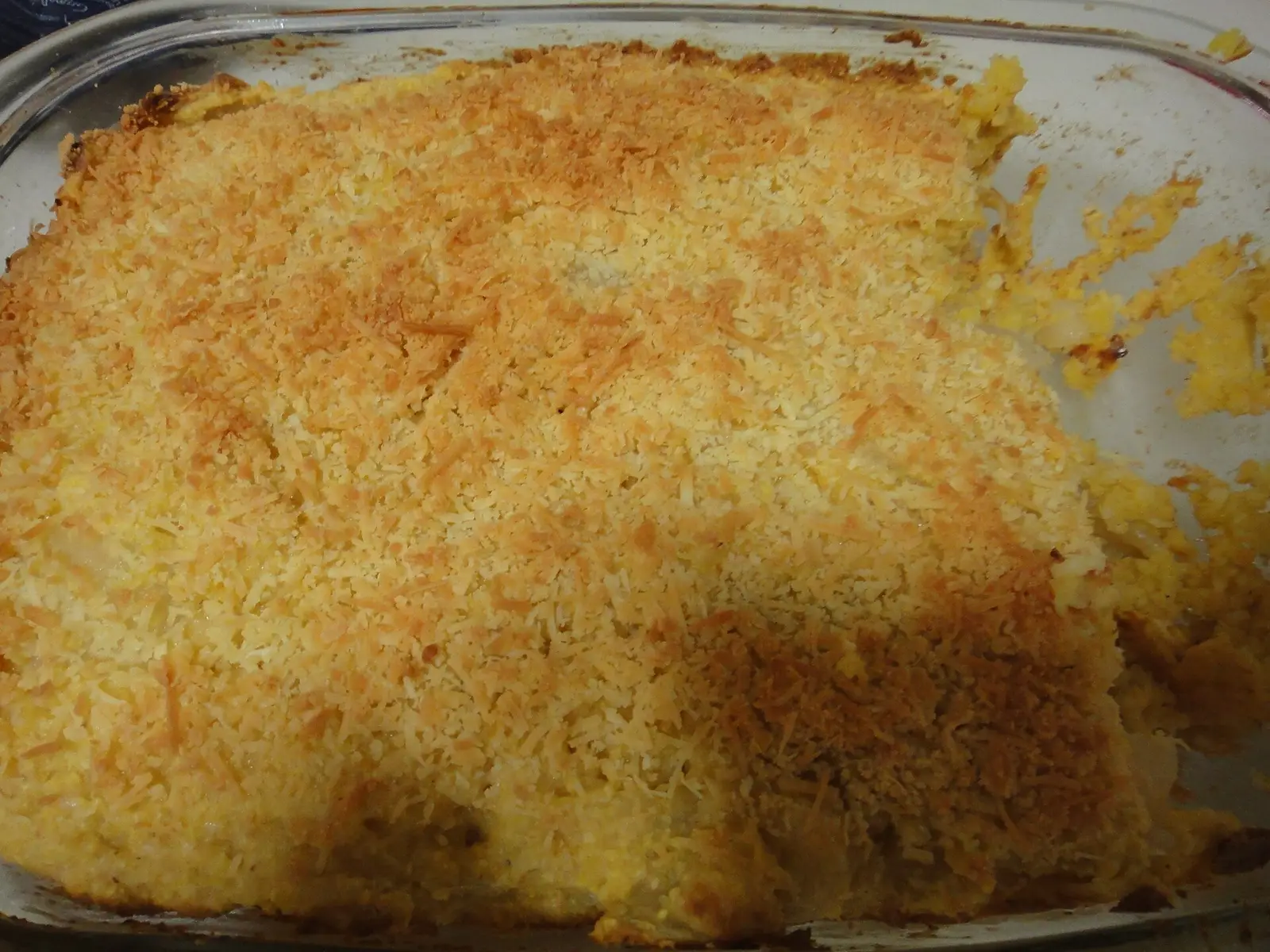
A golden baked sopa paraguaya cornmeal and cheese cake in a glass baking dish with one square cut out Paraguay flag Paraguay 1h 5m
Lunch •Asunción Heritage

Sopa Paraguaya

This sopa paraguaya recipe turns cornmeal, salty Paraguay cheese, onion, milk and eggs into a golden, spongy cake that slices like bread. Despite the name — sopa means soup — there is no broth here: the dish is solid, rich and meant to be cut into squares. One serving is about 180 g.

Comfort & Warmth

A golden, spongy cornmeal and cheese cake — Paraguay’s national dish, baked until the top is crisp and the inside stays soft.

Pairs Well With
Warm squares with grilled meat or a bowl of soup
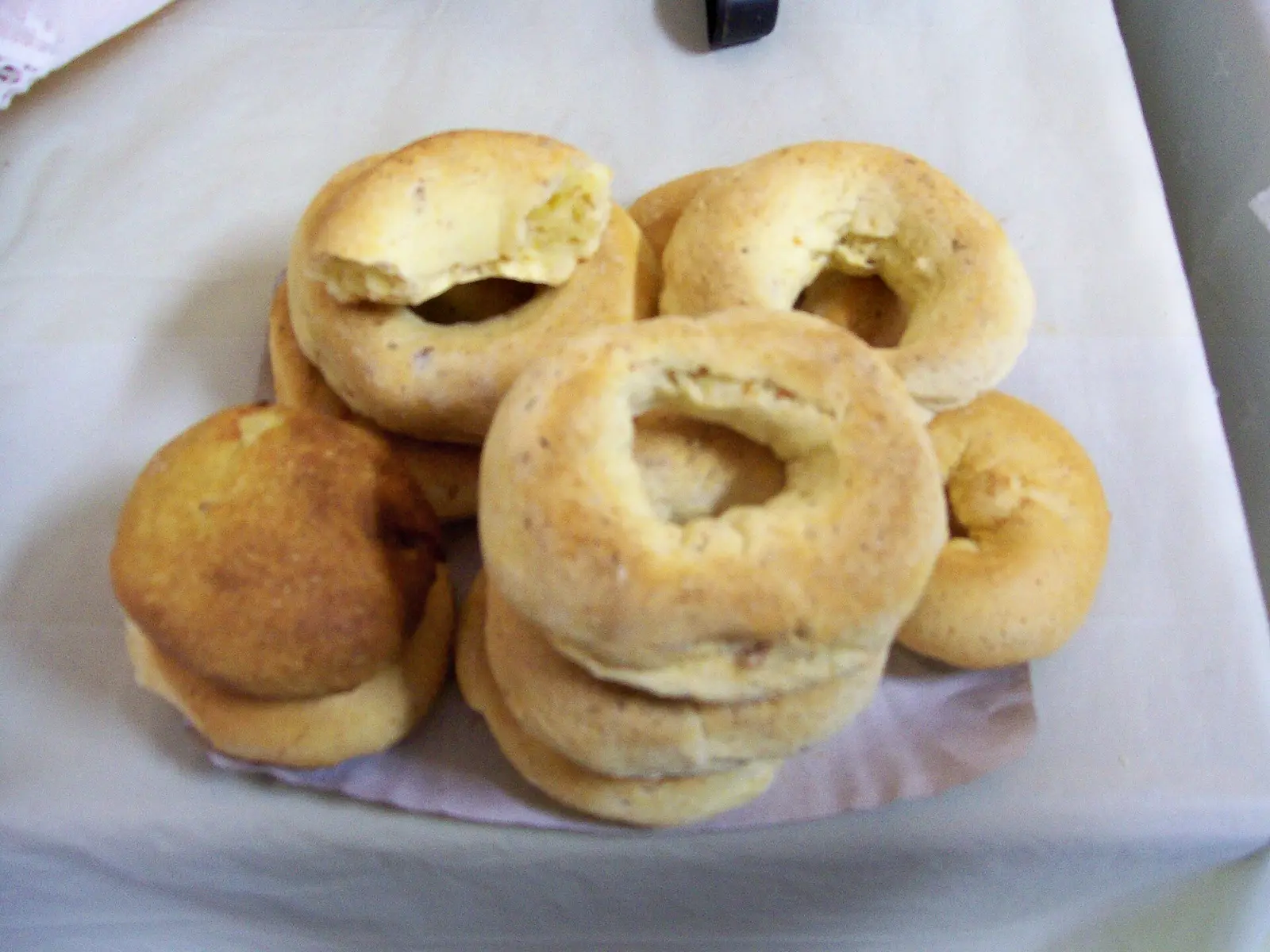
A pile of golden baked chipa cheese bread rings, one broken open to show the soft crumb Paraguay flag Paraguay 50m
Snack & Tea •Paraguayan Heritage

Chipa

This chipa recipe makes 12 golden Paraguayan cheese bread rings from cassava starch, salty cheese, eggs and a pinch of anise. The dough is rolled into ropes, closed into rings and baked until puffed and lightly cracked — crisp on the outside, soft and chewy inside. One serving is about 185 g (two rings).

Snack & Sharing

Small baked cheese bread rings made from cassava starch — crisp outside, chewy inside, best eaten warm.

Pairs Well With
Warm rings with a cup of cocido (mate cocido)
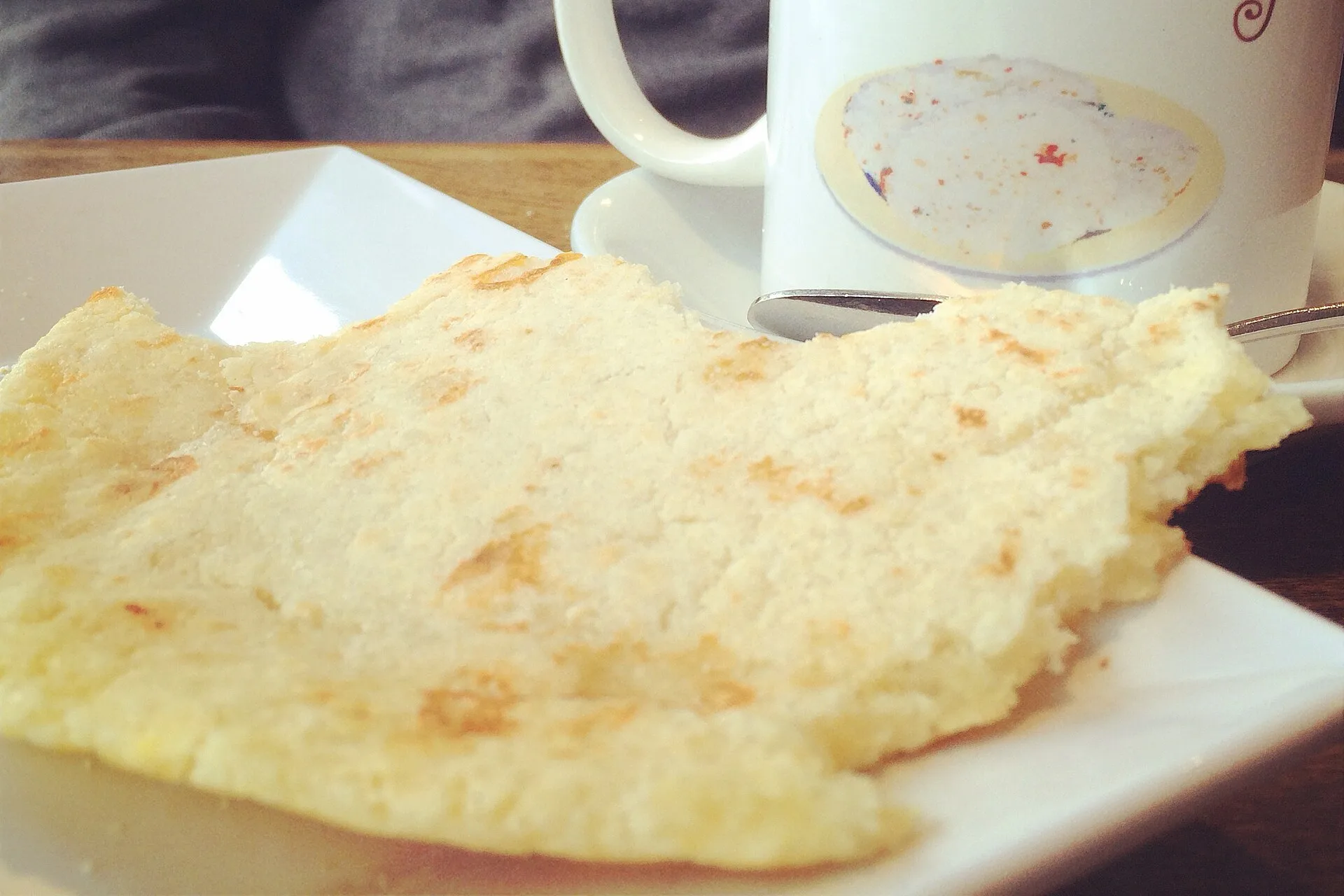
A golden mbejú cassava cheese pancake on a white plate beside a mug of cocido Paraguay flag Paraguay 30m
Snack & Tea •Guaraní Heritage

Mbejú

This mbeju recipe presses cassava starch and cheese into a golden griddled pancake — Paraguay’s classic snack, cooked in a dry pan and flipped once. It shares its two main ingredients with chipa, but the form is entirely different: chipa is kneaded and baked into bread rings, while mbejú stays a crumbly, sandy mixture that is pressed flat in the pan and never sees an oven. One serving is about 215 g (one pancake).

Snack & Sharing

A flat, griddled cassava-starch and cheese pancake — crisp at the edges, soft inside, cooked in a pan, never baked.

Pairs Well With
A warm pancake with a cup of mate cocido
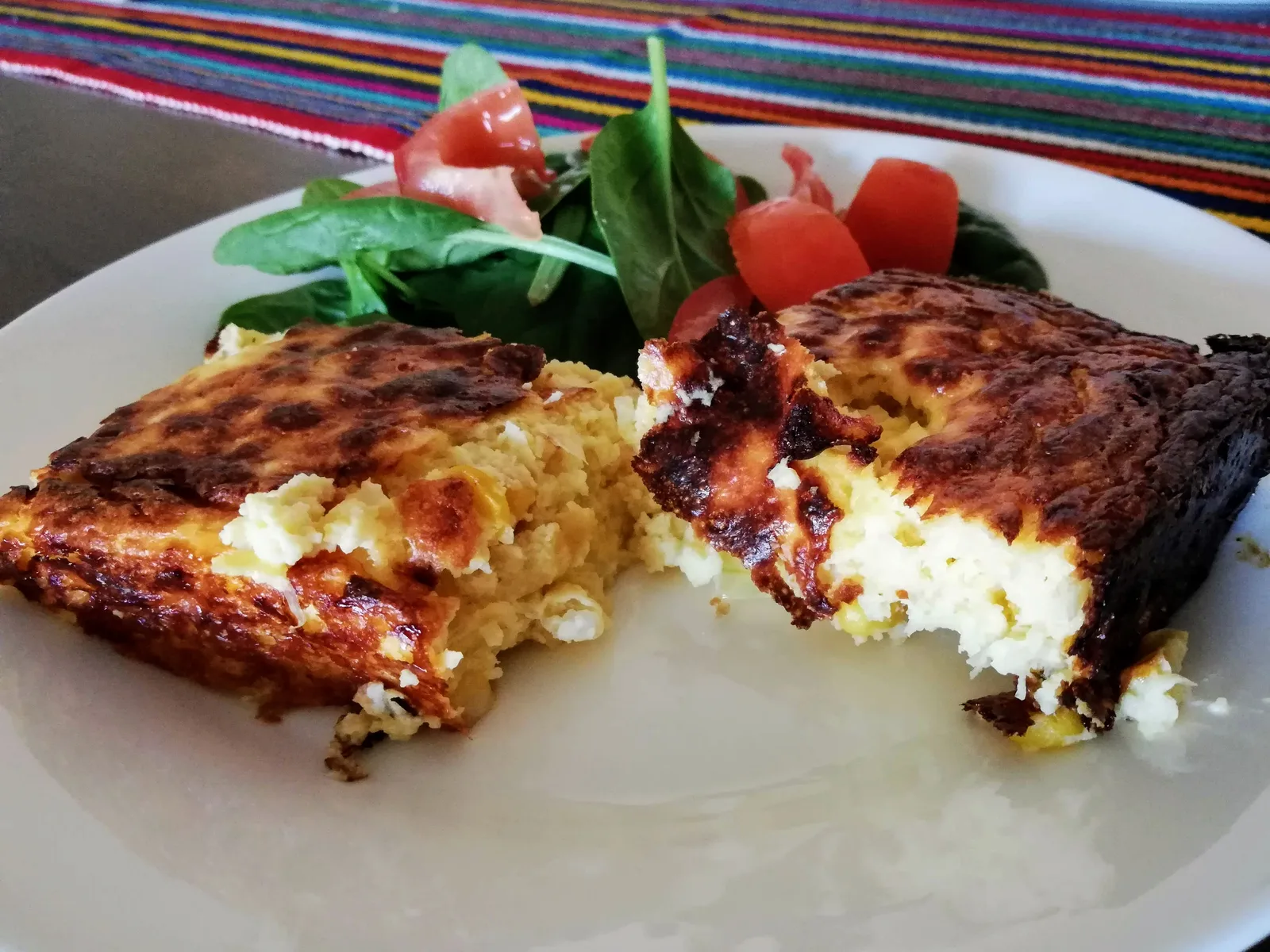
Two golden squares of chipa guasu with a fresh corn and cheese crumb, served with tomato and spinach salad Paraguay flag Paraguay 1h 5m
Lunch •Guaraní Heritage

Chipa Guasu

This chipa guasu recipe blends fresh corn kernels with eggs, milk, onion and salty Paraguay cheese, then bakes the mixture into a golden, moist cake that is cut into squares. It is not sopa paraguaya: chipa guasu is made with whole fresh corn kernels, while sopa paraguaya is made with cornmeal — the two dishes look alike but taste quite different. One serving is about 222 g.

Comfort & Warmth

A golden, moist bake of fresh corn kernels, Paraguay cheese, eggs and milk — the national side dish, served warm in squares.

Pairs Well With
Warm squares of chipa guasu with grilled meat and salad

The Dinner Gazette

Never wonder what’s for dinner again

One email a week with easy dinner ideas from around the world — ingredients, steps and nutrition, tested in our kitchen first.

Delivered every Thursday morning. Unsubscribe anytime.