Curated recipes from 193 countries  •  New seasonal Mediterranean issue out now

Overview

Paraguayan Cocido

Cocido Quemado, Cocido con Leche, Mate Cocido con Leche, Burnt-Sugar Mate

Paraguayan cocido is a hot drink of yerba mate toasted with sugar until it turns smoky and caramel-sweet, then brewed in hot milk and strained into a mug. This paraguayan cocido recipe makes 2 mugs in about 15 minutes. One serving is about 262 g. It is a drink, not a stew — the only thing it shares with Spanish cocido madrileño is the name: that cocido is a slow-cooked chickpea and meat stew, while this one is a 15-minute milky mate infusion drunk at breakfast and afternoon merienda, usually with chipa or mbeju.

Yerba mate has been drunk in Paraguay since long before colonisation — the Guaraní people drank the leaves as a stimulating infusion, and Jesuit missions in the 1600s turned it into a crop traded across South America. Cocido is the brewed, cup-drunk form of mate, and the quemado version — yerba and sugar toasted together, traditionally with a glowing charcoal ember dropped into the pot — is the rural Paraguayan way of making it sweet, dark and smoky. Served with hot milk it becomes cocido con leche, the breakfast drink of Paraguayan homes and schools, always with chipa or mbeju to dunk. It shares only a name with Spanish cocido madrileño, a slow chickpea and meat stew from Madrid; the two dishes have no ingredient, method or history in common.

Pairs well with: Chipa rings or mbeju for dunking, plus a spoonful of honey if you like it sweeter.

Provenance
Paraguay flag Paraguay

Paraguayan Breakfast Classic

Latin America & Caribbean

Time Dedication

15m

5m prep • 10m cook

Batch Yield

2 Servings

204 kcal per serving

1 serving ≈ 262 g

Technical Skill

Easy

Easy (One Pot)

Meal Timing & Digestive Fit

Breakfast

Not Advised

Lunch

Inappropriate

Dinner

Inappropriate

Snack & Tea

Ideal Light Bite

Occasions: Breakfast, Afternoon merienda, Cold mornings, School mornings Cost: Low — about $1 per serving at home

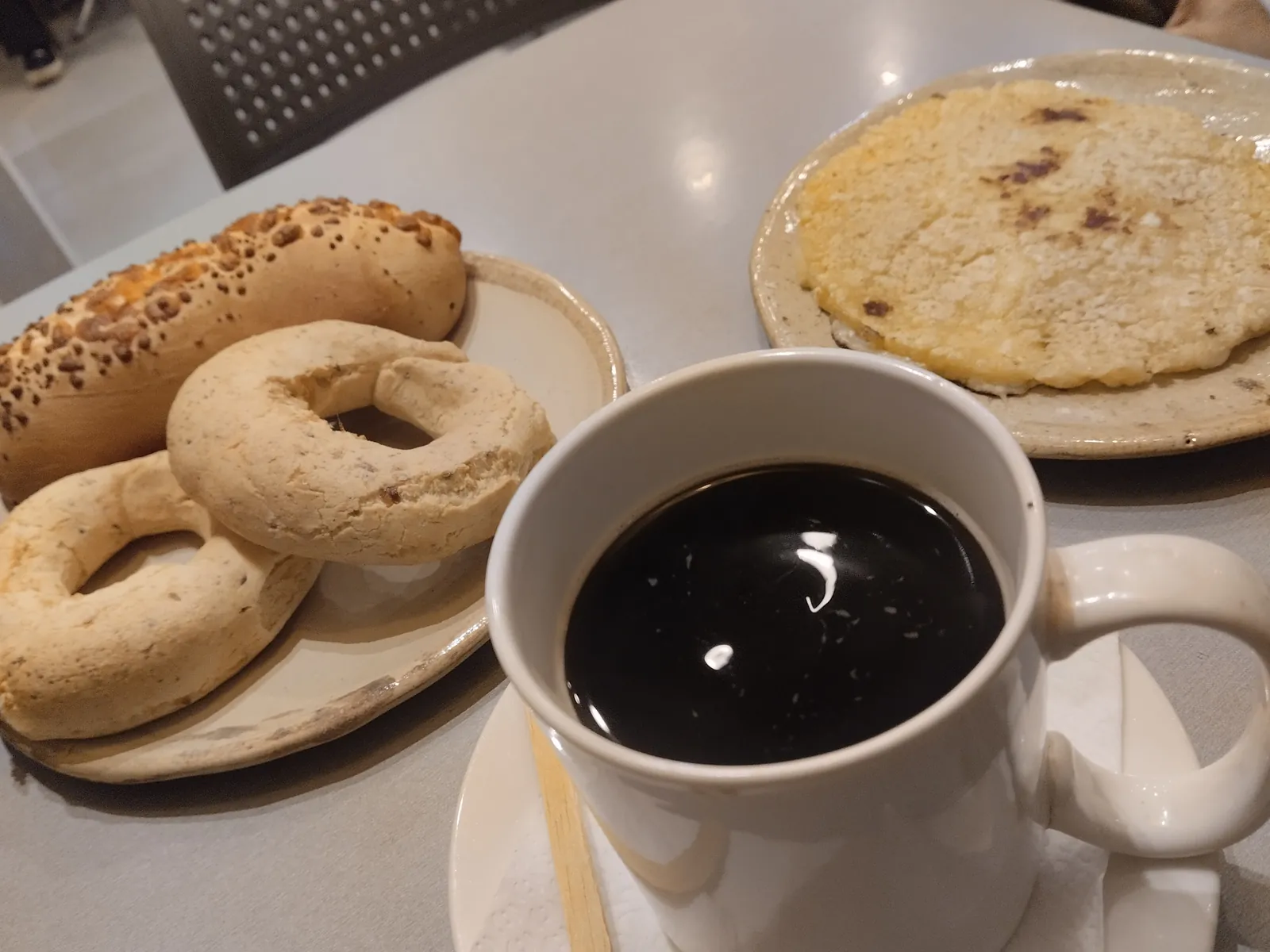
A white mug of dark Paraguayan cocido quemado on a cafe table, with chipa rings and a mbeju flatbread beside it.

Paraguayan Breakfast Classic

Photo: Writin, CC0, via Wikimedia Commons

The Heritage Formulary

Measured Ingredients

Estimated cost: Low — about $1 per serving at home (USD)
Made the traditional way: yerba and sugar toasted in a dry pan until caramelised, then brewed in hot milk and strained — never boiled.

Execution Methodology & Culinary Technique

Step-by-Step Cooking Guide

Active 15m
P

Prep Stage: Milk, Yerba and Sugar

5 Mins • Milk, Yerba and Sugar

Measure the milk into a small saucepan and drop in the cinnamon stick if using. Put the loose yerba mate and the sugar together in a second, dry saucepan — no liquid yet. Set a fine strainer and two mugs by the stove.

Maestro Tip: Keep the yerba and sugar in a dry pan: the toasting step only works if the pan starts dry, so do not add milk to it yet.

  1. 1

    Heat the milk

    5 Mins Medium heat, to about 80°C (175°F)

    Warm the milk in the saucepan over medium heat, stirring now and then, until it is steaming and small bubbles form at the edge — about 80°C (175°F). Do not let it boil: boiled milk tastes flat and can scald onto the pan.

    If you have a thermometer, use it; 80°C is hot enough to brew the mate without cooking the milk.

    Done when: The milk is steaming with tiny bubbles at the edge and reads about 80°C (175°F).

  2. 2

    Toast the yerba and sugar

    3 Mins Medium heat, about 175°C (350°F)

    While the milk heats, set the dry saucepan with the yerba and sugar over medium heat. Stir constantly for 2 to 3 minutes until the sugar melts and turns amber and the yerba smells toasty and faintly smoky. In rural Paraguay this is done by dropping a glowing charcoal ember into the yerba and sugar; the stovetop gives the same caramelised flavour without the ember.

    Do not walk away — sugar goes from amber to burnt in seconds, and burnt sugar turns the whole drink bitter.

    Done when: The sugar is melted and amber, the yerba is fragrant and lightly toasted, and nothing is blackened.

  3. 3

    Pour in the milk and steep

    5 Mins Off the heat, about 75°C (167°F)

    Take the toasted yerba off the heat and carefully pour in the hot milk — it will hiss and steam. Stir once, put the lid on, and leave it to steep for 5 minutes so the toasted yerba gives up its flavour and the milk takes on a deep brown colour.

    Pour slowly down the side of the pan: the toasted sugar is hot and the milk can bubble up sharply.

    Done when: The milk is a deep, dark brown and smells sweet, smoky and milky at once.

  4. 4

    Strain into mugs

    1 Min About 70°C (158°F)

    Pour the cocido through a fine strainer into two warm mugs, pressing the leaves gently with the back of a spoon to get the last of the liquid out. Throw the spent yerba away.

    Warm the mugs with hot water first so the drink stays hot while you sit down with it.

    Done when: Both mugs are full of clear, dark-brown liquid with no leaves floating in it.

  5. 5

    Taste, adjust and serve

    1 Min Serving temperature, about 65°C (150°F)

    Taste and stir in a little more sugar or a splash of cold milk if you like it sweeter or gentler. Serve hot at once, with chipa rings or mbeju for dunking — that is how Paraguayans drink it at breakfast and at afternoon merienda.

    Cocido is best in the first 15 minutes; as it cools the milk flavour fades and the mate turns more bitter.

    Done when: The drink is hot, sweet, smoky and milky, ready to drink with something to dunk.

Finishing Touches & Plating

Drink the cocido hot, dunking chipa or mbeju into the mug as you go — the bread soaks up the sweet, smoky milk and turns soft in a minute or two.

Nutritional Physiology & Benefits

Nutrition

Energy

204

kcal / serving

Protein

8g

Complete AA

Carbs

24g

Complex

Fats

8g

Healthy

Per serving (2 servings · 1 serving ≈ 262 g)
Energy204 kcal
Protein8 g
Carbohydrates24 g
Fat8 g
Fibre0.0 g
Sugar25.0 g
Sodium111 mg
Per 100g
Energy78 kcal
Protein3.1 g
Carbohydrates9.3 g
Fat3.2 g
Fibre0 g
Sugar9.5 g
Sodium42 mg

Nutrition values are estimated — calculated from USDA FoodData Central values for the listed ingredients.

Vitamins & minerals: Provides calcium, vitamin B12 and riboflavin from the milk, plus small amounts of potassium and magnesium from the yerba mate.

Gentle caffeine lift

Yerba mate contains caffeine — roughly 30–50 mg per mug, similar to a cup of black tea — which gives a gentle lift without the sharpness of coffee.

Calcium and protein from milk

One mug gives about 8 g of protein and a good share of the day's calcium from the milk, which supports bones and keeps you full.

A small breakfast in a mug

The milk and sugar make this a small, real breakfast in a mug — about 204 kcal — rather than just a stimulant on an empty stomach.

Food Pairings

What to Eat With

To optimize nutrient absorption and elevate the sensory depth, pair with these authentic accompaniments:

Sides

Chipa rings

Chipa is the classic partner: the chewy cassava-cheese rings are made for dunking, and they soak up the sweet, smoky milk without falling apart.

Mbeju

The crisp, cheesy cassava flatbread balances the soft, milky drink with crunch, and it is the other half of the traditional Paraguayan breakfast plate.

Drinks

A glass of cold water

A glass of water beside the mug is the Paraguayan habit: it cools the palate between sips of the hot, sweet drink and keeps you hydrated.

Full Menus

Merienda with chipa and fruit

Cocido with chipa and a piece of fruit makes a complete afternoon merienda — warm drink, starchy bread and something fresh, the way Paraguayan families serve it.

Complete menu

Paraguayan cocido — a hot mug of milk-brewed mate with chipa rings and mbeju for dunking, plus a piece of fruit — a full Paraguayan breakfast or merienda.

Digestive Guardrails

What NOT to Combine

To prevent digestive distress, sluggishness, or palate clash, avoid pairing the dish with these elements:

Boiling the milk

Milk that boils tastes cooked and flat, and it can scald onto the pan and burn the yerba's flavour; heat it to about 80°C (175°F) and no further. This is general information, not medical advice.

Drinking it late at night

Yerba mate contains caffeine, so a mug late in the evening can make it harder to fall asleep; keep cocido to the morning or afternoon if you are sensitive to caffeine. This is general information, not medical advice.

General information only, not medical advice — consult a doctor for personal dietary decisions.

Who Should Eat It

Who Should Eat

  • General adultsA warming, gently caffeinated drink for most adults; one mug is a light breakfast on its own.
  • ChildrenChildren in Paraguay do drink cocido, but it contains caffeine and 25 g of sugar per mug, so keep the portion small and the sugar low for young children.
  • ElderlyEasy to drink and easy on the stomach, and the milk adds calcium; keep the sugar modest if blood sugar is a concern.
  • Pregnant womenContains caffeine (roughly 30–50 mg per mug), so count it toward your daily caffeine limit and ask your clinician if unsure.
  • Breastfeeding womenFine in normal amounts, but caffeine passes into breast milk in small amounts, so drink it earlier in the day and ask your clinician if unsure.
  • AthletesA decent recovery drink: milk gives protein and the sugar replaces energy, but it is light at about 204 kcal, so pair it with chipa or fruit after training.
  • Weight gainAt about 204 kcal a mug with milk and sugar, it adds energy easily, especially with chipa alongside.
  • Weight lossThe 25 g of sugar is the main cost; use half the sugar or skip it, and the same mug drops to about 160 kcal.

Health Conditions — Adjust or Avoid

Conditions

  • DiabetesOne mug carries about 24 g of carbohydrate, mostly sugar; use half the sugar or a sugar substitute and ask your clinician about fitting it into your plan.
  • High blood pressureVery low in sodium at about 111 mg per mug, and the milk adds potassium; the caffeine is modest, but ask your clinician if you are sensitive to it.
  • Kidney diseaseMilk adds potassium and phosphorus, so people on a restricted-potassium diet should keep the portion small and ask their clinician.
  • GoutNo purine-rich ingredients, so it is generally fine for gout; the sugar is the only thing to watch, and ask your clinician if unsure.
  • Stomach issuesWarm milk is usually gentle, but strong mate can feel acidic on an empty stomach; drink it with chipa rather than alone if your stomach is sensitive.
  • Cardiovascular diseaseWhole milk adds saturated fat, so use semi-skimmed milk if you drink it daily, and ask your clinician if unsure.
  • Fatty liverThe 25 g of sugar per mug adds up; halve the sugar or skip it to keep the drink light.
  • Food allergiesContains milk — the main allergen here. Use oat milk if you are allergic to dairy, and check your yerba is free of cross-contact.
  • Special therapeutic dietsNot suitable for dairy-free or very-low-sugar therapeutic diets unless made with a plant milk and no sugar; ask your clinician or dietitian for a tailored alternative.

If you have a medical condition, consult your doctor before changing your diet.

Storage & Use

Storage & Use

How to store
Best drunk fresh; if you must keep it, strain it, cool it quickly and store it in a sealed jug in the fridge.
In the fridge
Keeps 1 day in the fridge; the flavour fades and the milk can turn, so drink it the same day.
In the freezer
Do not freeze — the milk splits when thawed.
How to reheat
Reheat gently to about 70°C (158°F) without boiling, stirring as it warms.
Freezing recommended
No — milk-based drinks do not freeze well.
Signs it has spoiled
Sour smell, curdled look or a sharp off taste — throw it away if any of these appear.

More recipes to explore

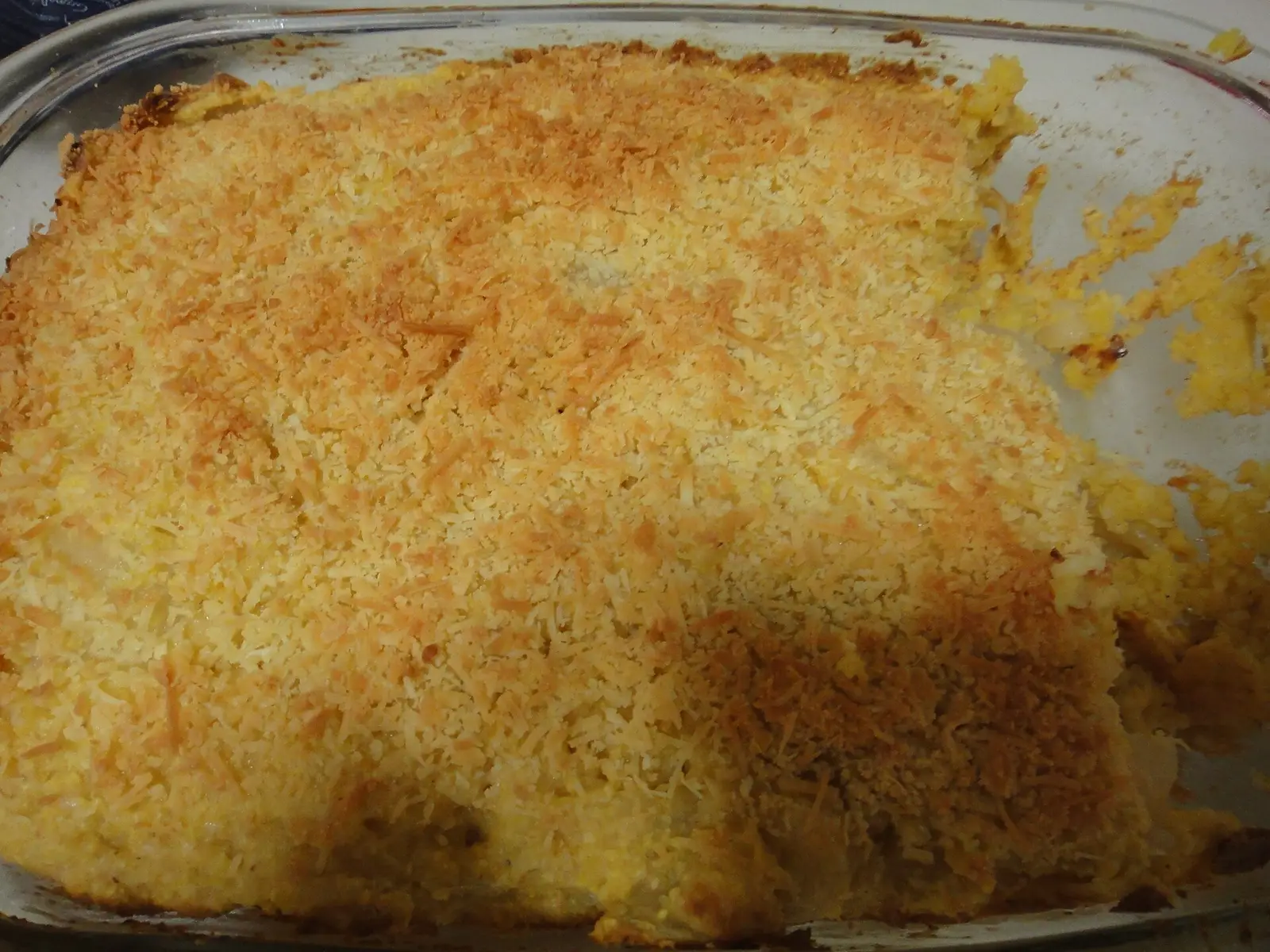
A golden baked sopa paraguaya cornmeal and cheese cake in a glass baking dish with one square cut out Paraguay flag Paraguay 1h 5m
Lunch •Asunción Heritage

Sopa Paraguaya

This sopa paraguaya recipe turns cornmeal, salty Paraguay cheese, onion, milk and eggs into a golden, spongy cake that slices like bread. Despite the name — sopa means soup — there is no broth here: the dish is solid, rich and meant to be cut into squares. One serving is about 180 g.

Comfort & Warmth

A golden, spongy cornmeal and cheese cake — Paraguay’s national dish, baked until the top is crisp and the inside stays soft.

Pairs Well With
Warm squares with grilled meat or a bowl of soup
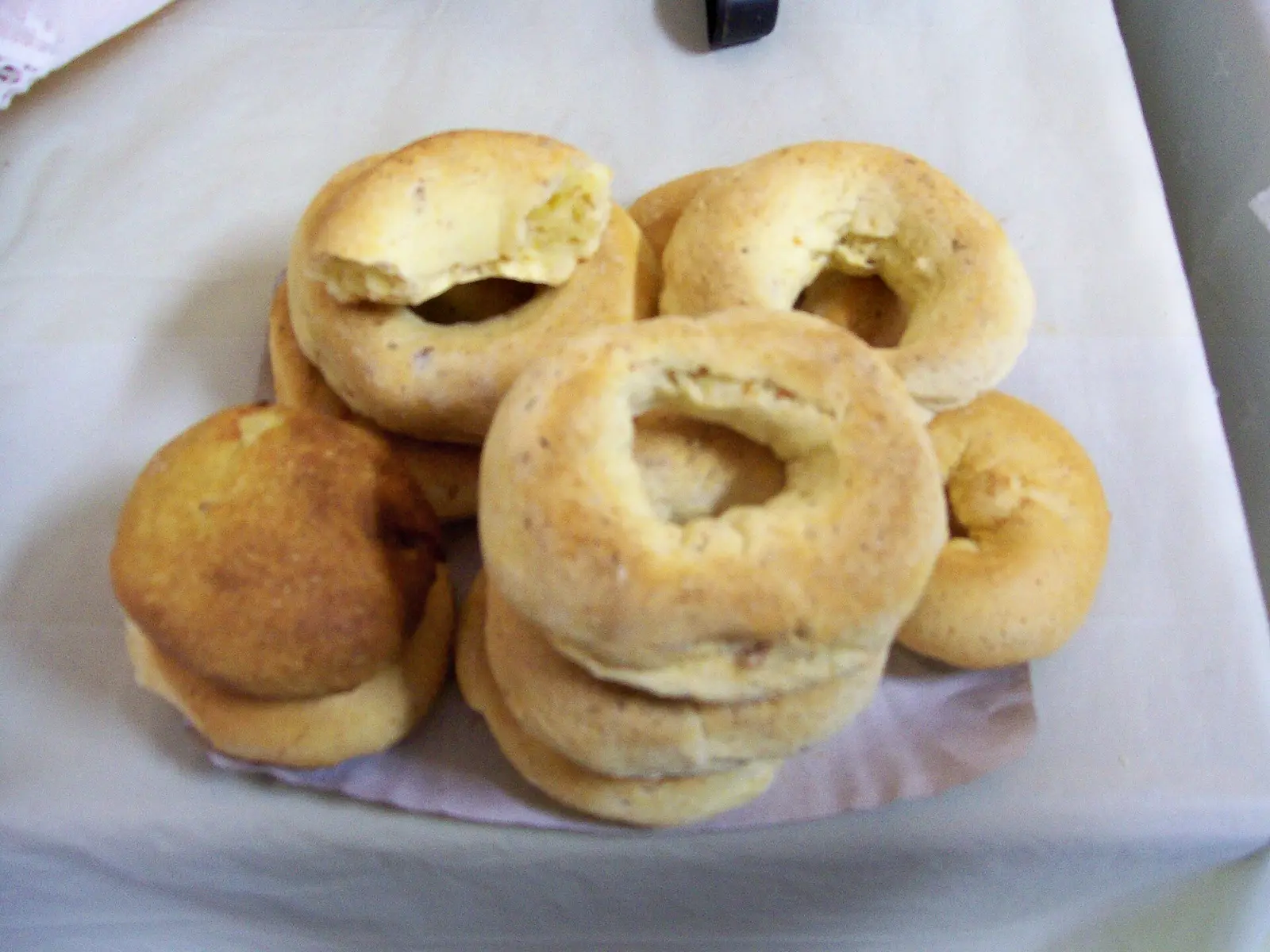
A pile of golden baked chipa cheese bread rings, one broken open to show the soft crumb Paraguay flag Paraguay 50m
Snack & Tea •Paraguayan Heritage

Chipa

This chipa recipe makes 12 golden Paraguayan cheese bread rings from cassava starch, salty cheese, eggs and a pinch of anise. The dough is rolled into ropes, closed into rings and baked until puffed and lightly cracked — crisp on the outside, soft and chewy inside. One serving is about 185 g (two rings).

Snack & Sharing

Small baked cheese bread rings made from cassava starch — crisp outside, chewy inside, best eaten warm.

Pairs Well With
Warm rings with a cup of cocido (mate cocido)
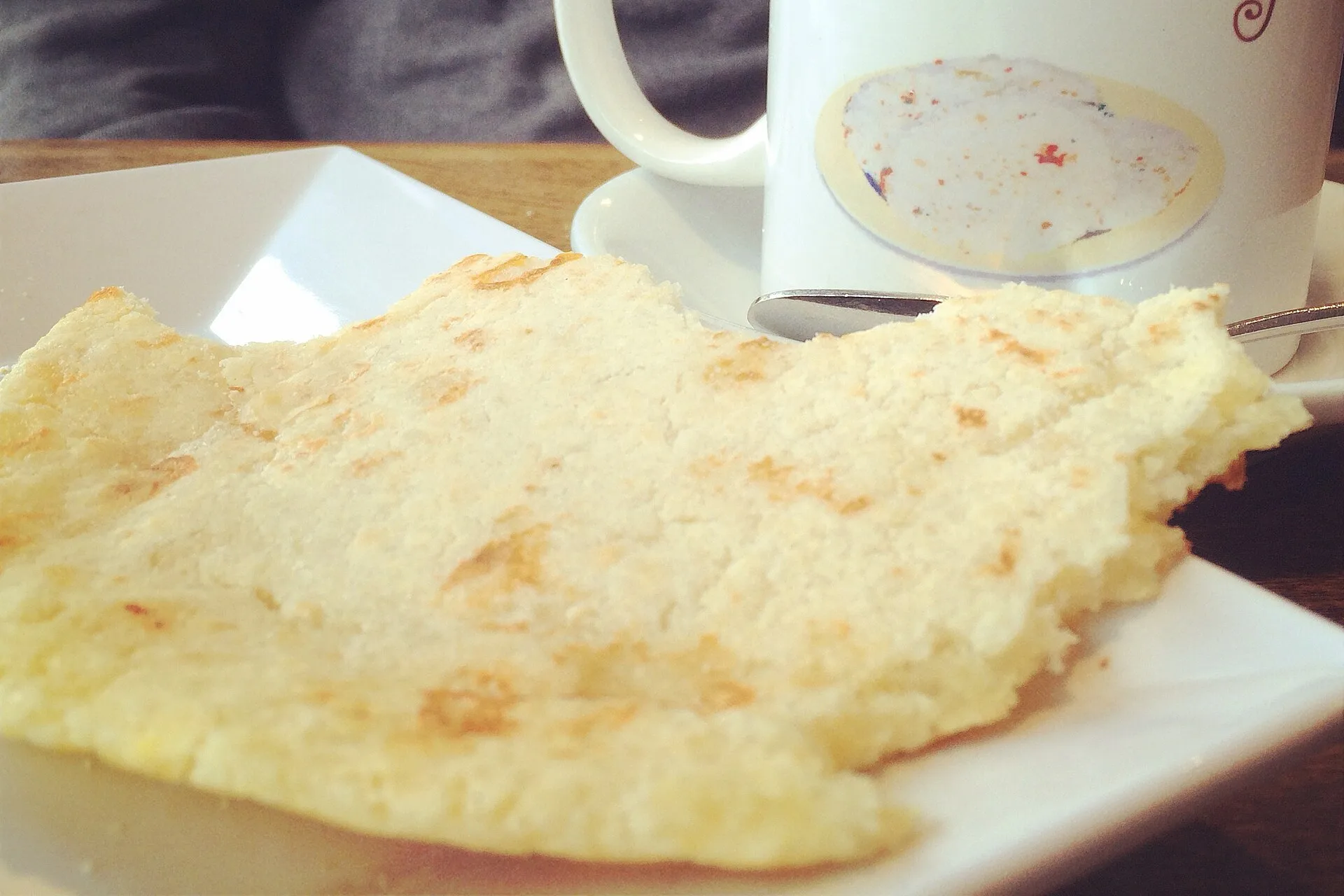
A golden mbejú cassava cheese pancake on a white plate beside a mug of cocido Paraguay flag Paraguay 30m
Snack & Tea •Guaraní Heritage

Mbejú

This mbeju recipe presses cassava starch and cheese into a golden griddled pancake — Paraguay’s classic snack, cooked in a dry pan and flipped once. It shares its two main ingredients with chipa, but the form is entirely different: chipa is kneaded and baked into bread rings, while mbejú stays a crumbly, sandy mixture that is pressed flat in the pan and never sees an oven. One serving is about 215 g (one pancake).

Snack & Sharing

A flat, griddled cassava-starch and cheese pancake — crisp at the edges, soft inside, cooked in a pan, never baked.

Pairs Well With
A warm pancake with a cup of mate cocido
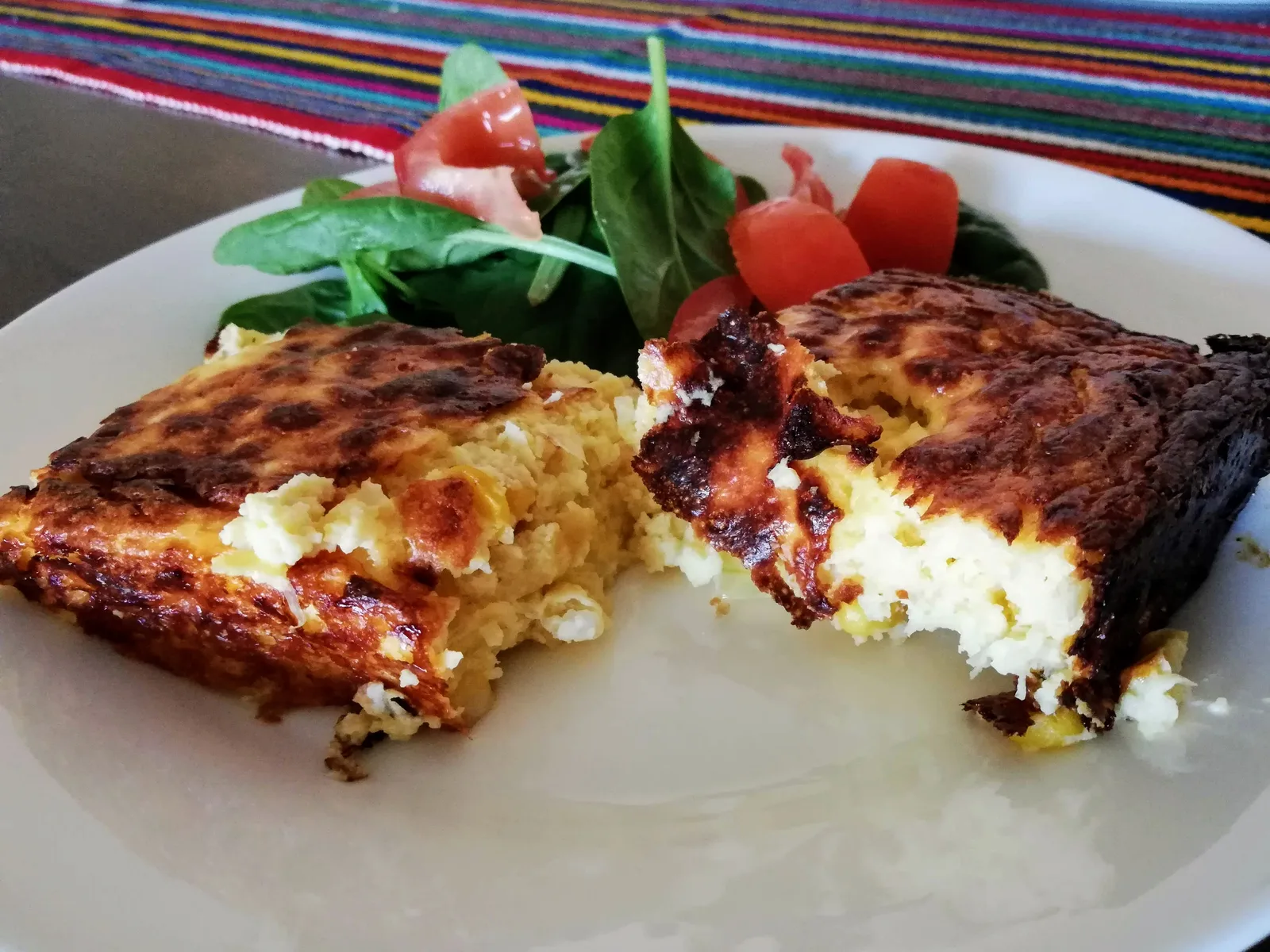
Two golden squares of chipa guasu with a fresh corn and cheese crumb, served with tomato and spinach salad Paraguay flag Paraguay 1h 5m
Lunch •Guaraní Heritage

Chipa Guasu

This chipa guasu recipe blends fresh corn kernels with eggs, milk, onion and salty Paraguay cheese, then bakes the mixture into a golden, moist cake that is cut into squares. It is not sopa paraguaya: chipa guasu is made with whole fresh corn kernels, while sopa paraguaya is made with cornmeal — the two dishes look alike but taste quite different. One serving is about 222 g.

Comfort & Warmth

A golden, moist bake of fresh corn kernels, Paraguay cheese, eggs and milk — the national side dish, served warm in squares.

Pairs Well With
Warm squares of chipa guasu with grilled meat and salad

The Dinner Gazette

Never wonder what’s for dinner again

One email a week with easy dinner ideas from around the world — ingredients, steps and nutrition, tested in our kitchen first.

Delivered every Thursday morning. Unsubscribe anytime.