Curated recipes from 193 countries  •  New seasonal Mediterranean issue out now

Overview

Paraguayan Empanada de Carne

Empanadas de Carne Paraguayas, Paraguayan Beef Empanadas, Empanadas Paraguayas de Carne

This Paraguayan empanada de carne recipe bakes golden half-moon pastries of tender lard pastry around a filling of slow-braised shredded beef chuck, onion, green pepper, hard-boiled egg and green olives, sealed with the rope crimp called the repulgue. Unlike the ground-beef empanadas of neighbouring Argentina, the Paraguayan filling is beef cooked until it shreds, and the pastry is made with hot milk and lard. One serving is about 272 g, two empanadas, and carries 827 calories.

Empanadas are sold on almost every street corner in Paraguay, and the Paraguayan version has its own character: the pastry is made with hot milk and lard, soft and tender rather than flaky, and the filling is beef chuck braised until it shreds, mixed with onion, green pepper, hard-boiled egg and green olives. They are baked, not fried, and eaten warm with lemon, often with terere on a hot afternoon. The rope crimp that seals each half-moon, the repulgue, is the mark of a well-made empanada, keeping the juicy filling inside until the first bite.

Pairs well with: A squeeze of lemon and a simple tomato and onion salad.

Provenance

Paraguay flag Paraguay

Paraguayan Heritage

Latin America & Caribbean

Time Dedication

1h 50m

40m prep • 70m cook

Batch Yield

6 Servings

827 kcal per serving

1 serving ≈ 272 g

Technical Skill

Intermediate

Medium (Pastry & Filling)

Meal Timing & Digestive Fit

Breakfast

Not Advised

Lunch

Inappropriate

Dinner

Inappropriate

Snack & Tea

Ideal Light Bite

High Protein Occasions: Afternoon snacks, street food, family gatherings, picnics, parties Cost: Low — about $2–3 per serving at home

A pile of golden, flaky baked beef empanadas with rope-crimped edges on a plain white plate on a mustard-yellow tablecloth

Paraguayan Heritage

Photo: Horacio Cambeiro, CC BY 4.0, via Wikimedia Commons

The Heritage Formulary

Measured Ingredients

Estimated cost: Low — about $2–3 per serving at home (USD)
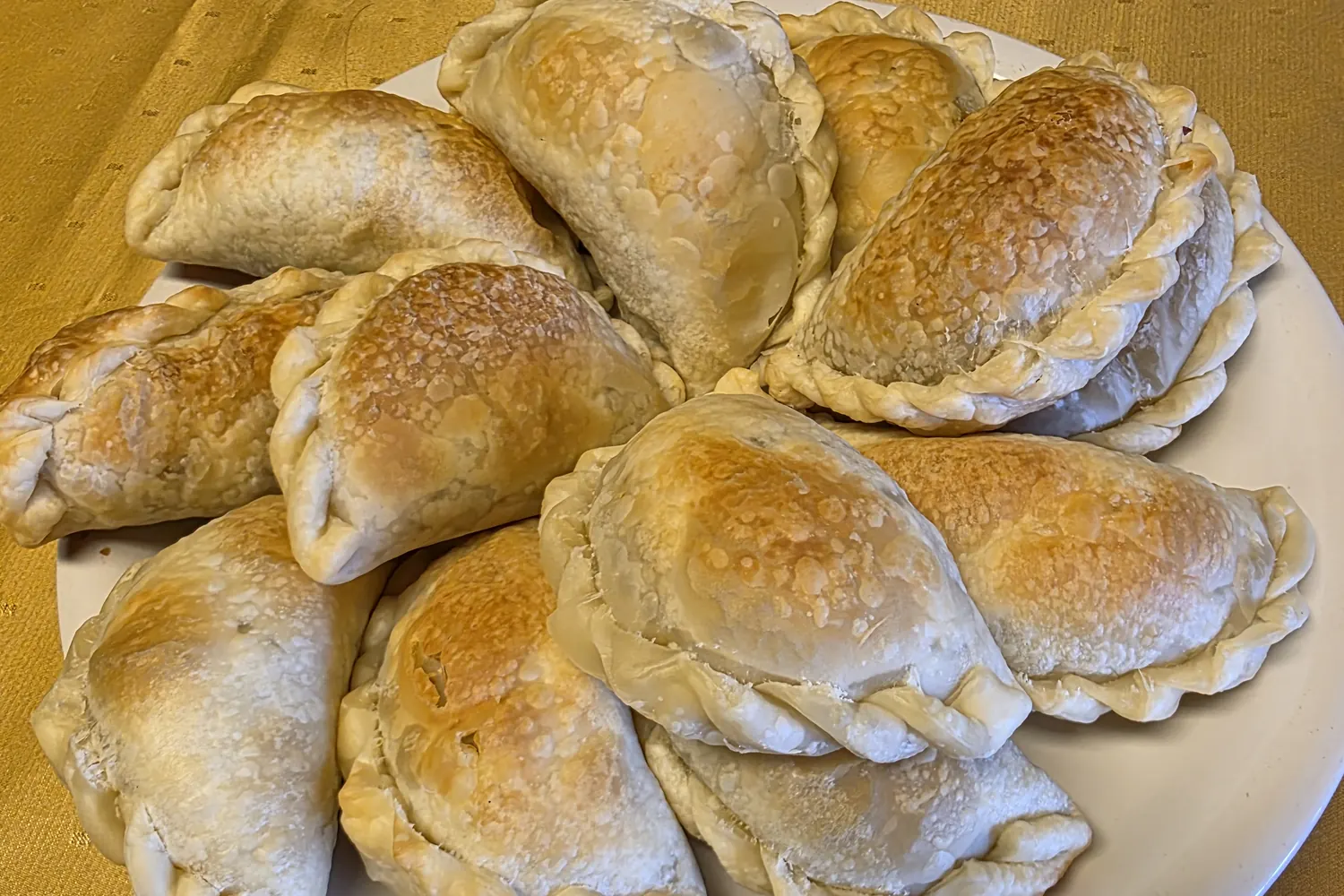
Made the Paraguayan way: braised shredded beef, hot-milk lard pastry, rope crimp, baked until deep golden.

Execution Methodology & Culinary Technique

Step-by-Step Cooking Guide

Active 1h 50m
P

Prep Stage: Beef & Dough

40 Minutes • Braising & Resting

Braise the beef chuck until it shreds, then make the hot-milk lard dough and let it rest while the filling cools completely — warm filling tears the pastry.

Maestro Tip: Cook the filling the day before if you can: cold filling is much easier to seal.

  1. 1

    Braise the Beef

    45 Mins Simmering, about 95°C (200°F)

    Heat half the olive oil in a heavy pot over medium-high heat and brown the beef chunks on all sides. Add water to just cover, bring to a gentle simmer, cover and cook for about 45 minutes until the beef shreds easily. Lift it out, let it cool, then shred it with two forks. The beef reaches well above 74°C (165°F) during the braise.

    Keep the heat low: a gentle simmer keeps the beef juicy.

    Done when: Beef shreds easily with two forks.

  2. 2

    Make the Dough

    15 Mins + 30 Mins Resting Hot milk, about 70°C (160°F)

    Mix the flour and 8 g of the salt in a large bowl. Pour in the melted lard and the hot milk and mix until a soft dough forms, then knead on a floured surface for 5 minutes until smooth. Cover and rest for 30 minutes.

    Hot milk makes the dough soft and easy to roll.

    Done when: Smooth, soft dough that rests without cracking.

  3. 3

    Cook the Filling

    15 Mins Medium heat

    Heat the remaining olive oil in a pan and cook the onion, green pepper and garlic for 5 minutes until soft. Add the shredded beef, cumin, paprika, black pepper and the remaining 5 g of salt and cook for 5 more minutes. Take off the heat and cool completely, then fold in the chopped hard-boiled eggs, sliced olives and parsley.

    Let the filling cool completely before filling: warm filling melts the lard in the pastry.

    Done when: Savoury, well-seasoned filling, cool to the touch.

  4. 4

    Roll & Fill

    20 Mins Room temperature

    Divide the dough into 12 pieces and roll each into a round about 12 cm across. Spoon about two tablespoons of filling onto one half of each round, fold the dough over, press the edges shut and seal with a rope crimp, pinching and folding the edge over itself.

    Do not overfill: two tablespoons of filling is enough.

    Done when: Twelve sealed half-moons with a firm rope crimp.

  5. 5

    Egg Wash & Bake

    25 Mins Oven at 200°C (400°F)

    Heat the oven to 200°C (400°F). Brush each empanada with the beaten egg and bake on a lined tray for about 25 minutes until deep golden and crisp.

    Bake on the middle rack so the bottoms crisp without burning the tops.

    Done when: Deep golden, crisp, and hot through.

  6. 6

    Cool & Serve

    10 Mins Serve warm

    Rest the empanadas for 10 minutes so the filling sets, then serve warm with lemon wedges and tomato and onion salad.

    A 10-minute rest keeps the filling from spilling when you bite in.

    Done when: Warm, crisp, ready to eat.

Finishing Touches & Plating

Serve warm with a squeeze of lemon and a tomato and onion salad, the way they are eaten from street stalls in Asuncion.

Nutritional Physiology & Benefits

Nutrition

Energy

827

kcal / serving

Protein

33g

Complete AA

Carbs

70g

Complex

Fats

45g

Healthy

Per serving (6 servings · 1 serving ≈ 272 g)
Energy827 kcal
Protein33 g
Carbohydrates70 g
Fat45 g
Fibre3.7 g
Sugar3.7 g
Sodium1112 mg
Per 100g
Energy304 kcal
Protein12.2 g
Carbohydrates25.8 g
Fat16.4 g
Fibre1.4 g
Sugar1.3 g
Sodium409 mg

Nutrition values are estimated — calculated from USDA FoodData Central values for the listed ingredients.

Vitamins & minerals: Beef supplies iron, zinc and vitamin B12; the egg adds vitamin D, and the pepper adds vitamin C.

Real Beef, Slowly Cooked

Chuck braised until it shreds gives deep beef flavour with no shortcuts.

High-Protein Snack

Two empanadas carry about 33 g of protein, which makes them a genuinely filling snack.

No Packet Mixes

Flour, lard, milk, beef and vegetables: a short list of real ingredients.

Food Pairings

What to Eat With

To optimize nutrient absorption and elevate the sensory depth, pair with these authentic accompaniments:

More Pairings

Lemon Wedges

A squeeze of lemon cuts the richness of the lard pastry and brightens the beef.

Vegetables

Tomato & Onion Salad

Fresh tomato and onion salad adds acidity and crunch against the hot, savoury pastry.

Drinks

Terere

Paraguay's ice-cold yerba mate is the traditional drink with empanadas on a hot afternoon.

Sides

Boiled Mandioca

Boiled mandioca turns two empanadas into a full meal, the way they are often served at home.

Complete menu

Serve two empanadas with boiled mandioca, tomato and onion salad, lemon wedges and a jug of ice-cold terere.

Digestive Guardrails

What NOT to Combine

To prevent digestive distress, sluggishness, or palate clash, avoid pairing the dish with these elements:

Filling While Warm

Warm filling melts the lard pastry and the empanadas leak in the oven; always fill cold. This is general food information, not medical advice.

Overfilling

Too much filling bursts the crimp in the oven; two tablespoons per empanada is enough. This is general food information, not medical advice.

General information only, not medical advice — consult a doctor for personal dietary decisions.

Who Should Eat It

Who Should Eat

  • General adultsTwo warm empanadas with salad make a satisfying snack or light lunch for most adults.
  • ChildrenChildren love the golden pastry; serve one empanada with the pepper kept mild.
  • ElderlySoft inside the crisp pastry and easy to eat; serve warm with salad.
  • Pregnant womenBeef cooked through to above 74°C (165°F) is safe; keep the olives and salt modest. Ask your clinician about portions.
  • Breastfeeding womenA filling snack that covers protein and energy; pair with salad for a fuller meal.
  • AthletesHigh in protein after training; two empanadas with mandioca make a solid recovery meal.
  • Weight gainTwo empanadas with mandioca are energy-dense, which helps when more calories are needed.
  • Weight lossOne empanada with a big salad is the lighter choice; the lard pastry already adds fat.

Health Conditions — Adjust or Avoid

Conditions

  • DiabetesThe pastry adds carbohydrate; one empanada with salad is a better portion than two. Ask your clinician about portions.
  • High blood pressureThe olives and salt add sodium; keep to one empanada and go light on extra salt. Ask your clinician about portions.
  • Kidney diseaseBeef is high in protein and the filling adds salt, so keep portions modest and ask your clinician about portions.
  • GoutBeef is moderate in purines; a smaller portion with more salad is the safer choice. Ask your clinician about portions.
  • Stomach issuesThe rich lard pastry can be heavy; eat slowly and keep the pepper mild. Ask your clinician about portions.
  • Cardiovascular diseaseThe lard pastry adds saturated fat; keep to one empanada with salad. Ask your clinician about portions.
  • Fatty liverThe pastry makes this energy-dense; one empanada with salad fits better than two with mandioca. Ask your clinician about portions.
  • Food allergiesContains wheat (pastry), egg and milk. Use a gluten-free flour blend and skip the egg wash to adapt. Ask your clinician about allergies.
  • Special therapeutic dietsEasy to adapt: bake with a butter pastry, use lean beef, and leave out the olives. Ask your clinician about portions.

If you have a medical condition, consult your doctor before changing your diet.

Storage & Use

Storage & Use

How to store
Cool completely and store in a sealed container.
In the fridge
Baked empanadas keep 3 days in the fridge at 4°C (40°F) or below.
In the freezer
Freeze unbaked empanadas up to 2 months; bake from frozen, adding 5 minutes.
How to reheat
Reheat in a hot oven at 190°C (375°F) until hot through, to 74°C (165°F).
Freezing recommended
Yes — unbaked, in portions.
Signs it has spoiled
Sour smell, soft soggy pastry, or mould.

More recipes to explore

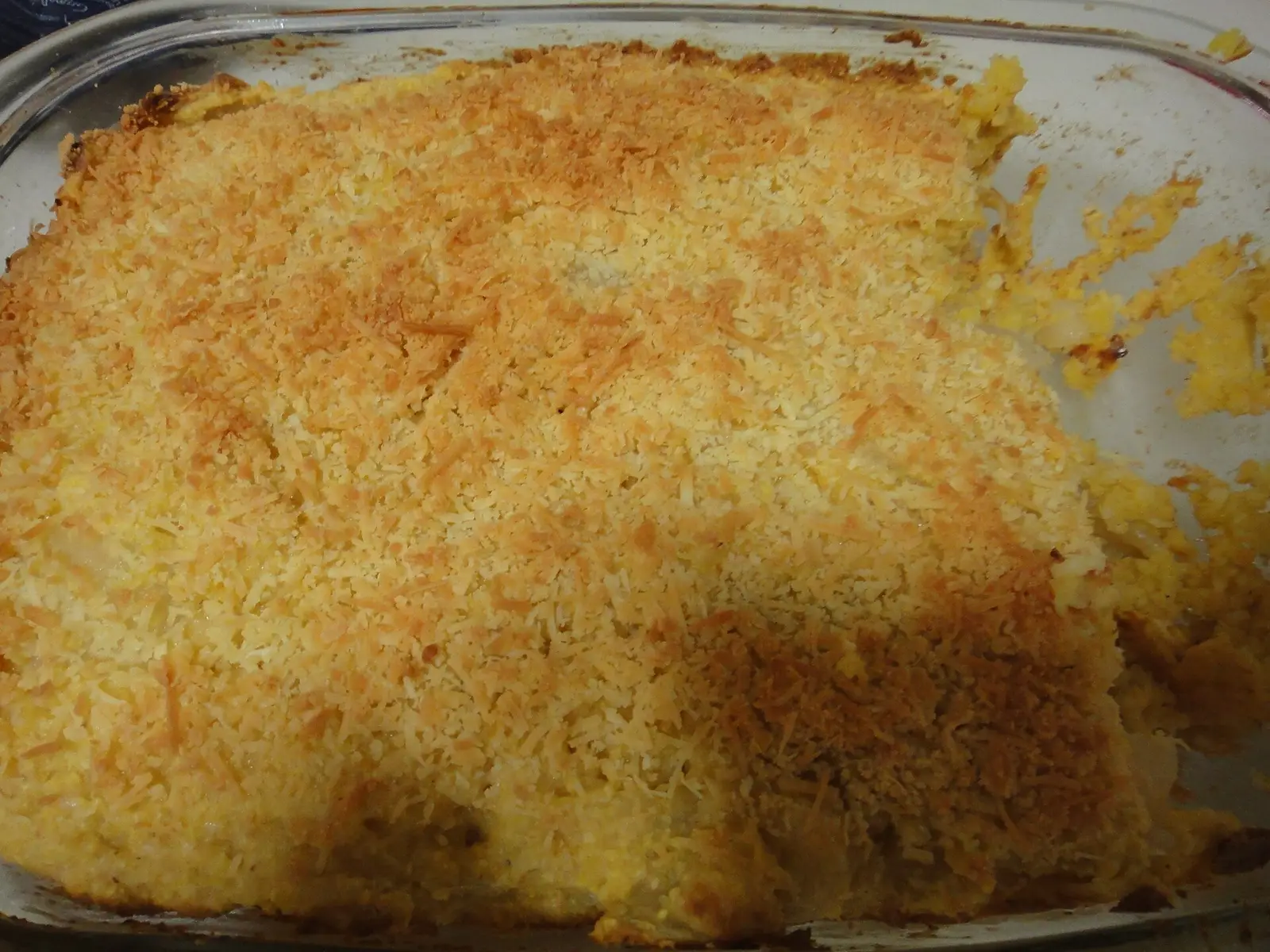
A golden baked sopa paraguaya cornmeal and cheese cake in a glass baking dish with one square cut out Paraguay flag Paraguay 1h 5m
Lunch •Asunción Heritage

Sopa Paraguaya

This sopa paraguaya recipe turns cornmeal, salty Paraguay cheese, onion, milk and eggs into a golden, spongy cake that slices like bread. Despite the name — sopa means soup — there is no broth here: the dish is solid, rich and meant to be cut into squares. One serving is about 180 g.

Comfort & Warmth

A golden, spongy cornmeal and cheese cake — Paraguay’s national dish, baked until the top is crisp and the inside stays soft.

Pairs Well With
Warm squares with grilled meat or a bowl of soup
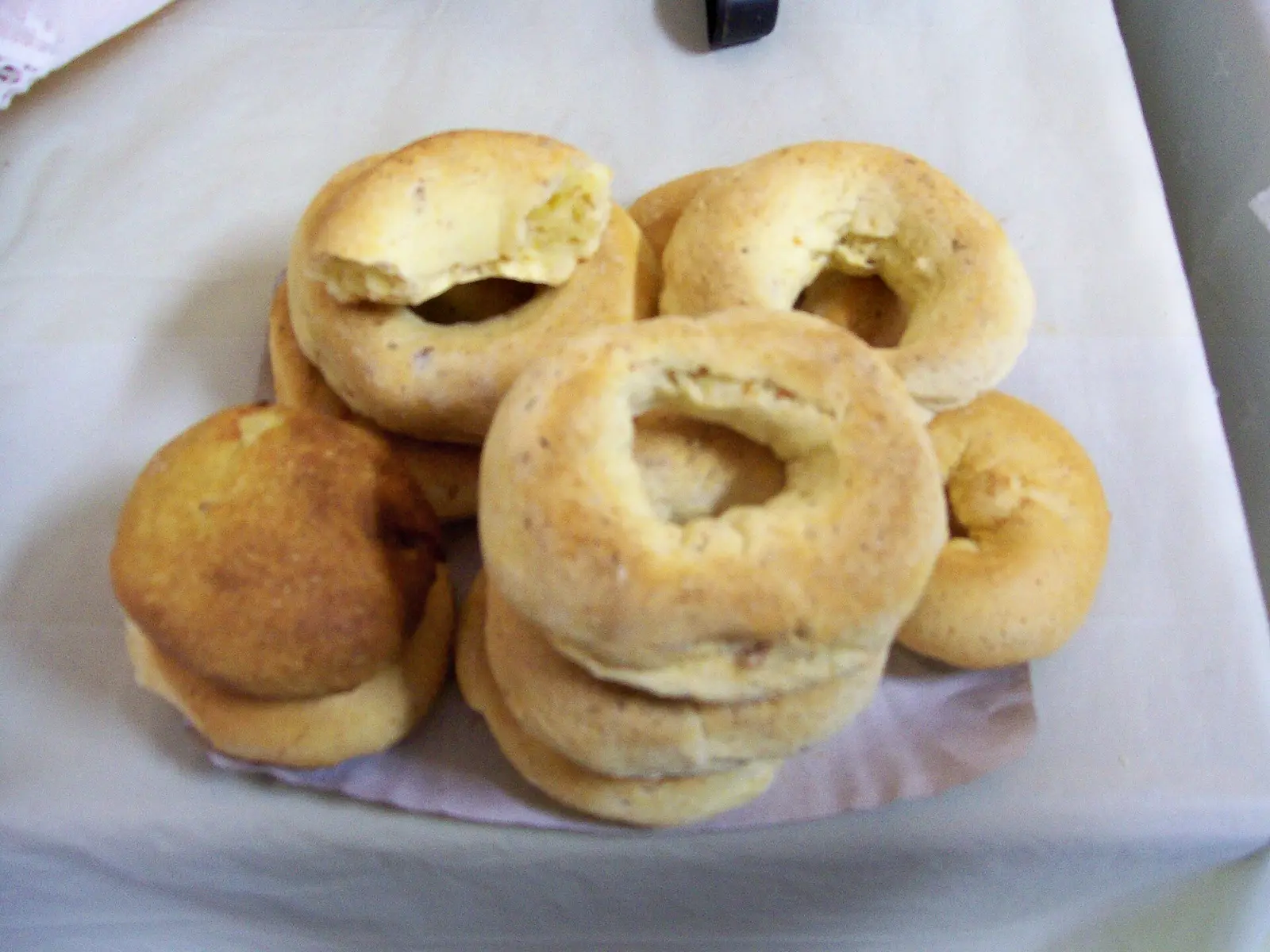
A pile of golden baked chipa cheese bread rings, one broken open to show the soft crumb Paraguay flag Paraguay 50m
Snack & Tea •Paraguayan Heritage

Chipa

This chipa recipe makes 12 golden Paraguayan cheese bread rings from cassava starch, salty cheese, eggs and a pinch of anise. The dough is rolled into ropes, closed into rings and baked until puffed and lightly cracked — crisp on the outside, soft and chewy inside. One serving is about 185 g (two rings).

Snack & Sharing

Small baked cheese bread rings made from cassava starch — crisp outside, chewy inside, best eaten warm.

Pairs Well With
Warm rings with a cup of cocido (mate cocido)
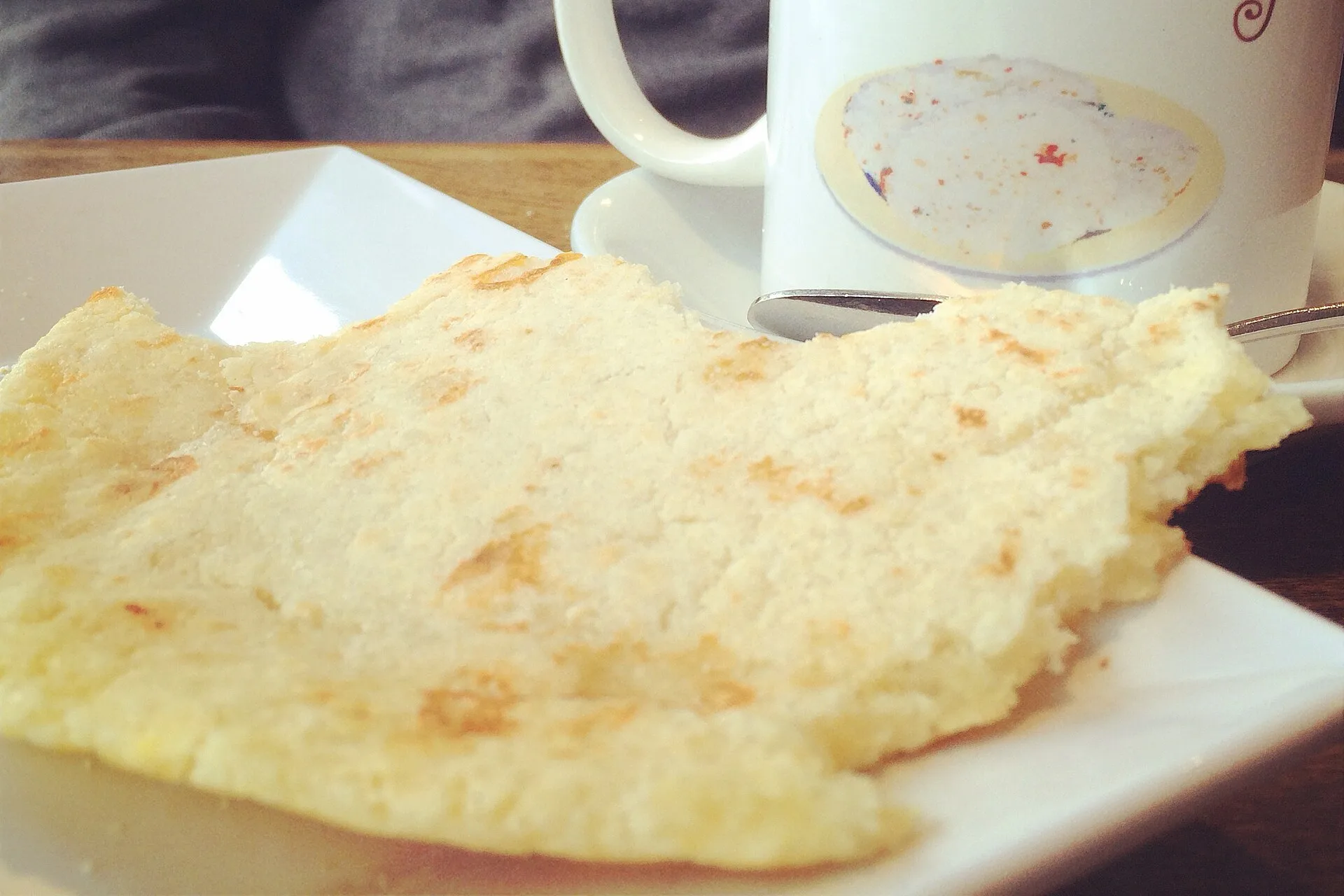
A golden mbejú cassava cheese pancake on a white plate beside a mug of cocido Paraguay flag Paraguay 30m
Snack & Tea •Guaraní Heritage

Mbejú

This mbeju recipe presses cassava starch and cheese into a golden griddled pancake — Paraguay’s classic snack, cooked in a dry pan and flipped once. It shares its two main ingredients with chipa, but the form is entirely different: chipa is kneaded and baked into bread rings, while mbejú stays a crumbly, sandy mixture that is pressed flat in the pan and never sees an oven. One serving is about 215 g (one pancake).

Snack & Sharing

A flat, griddled cassava-starch and cheese pancake — crisp at the edges, soft inside, cooked in a pan, never baked.

Pairs Well With
A warm pancake with a cup of mate cocido
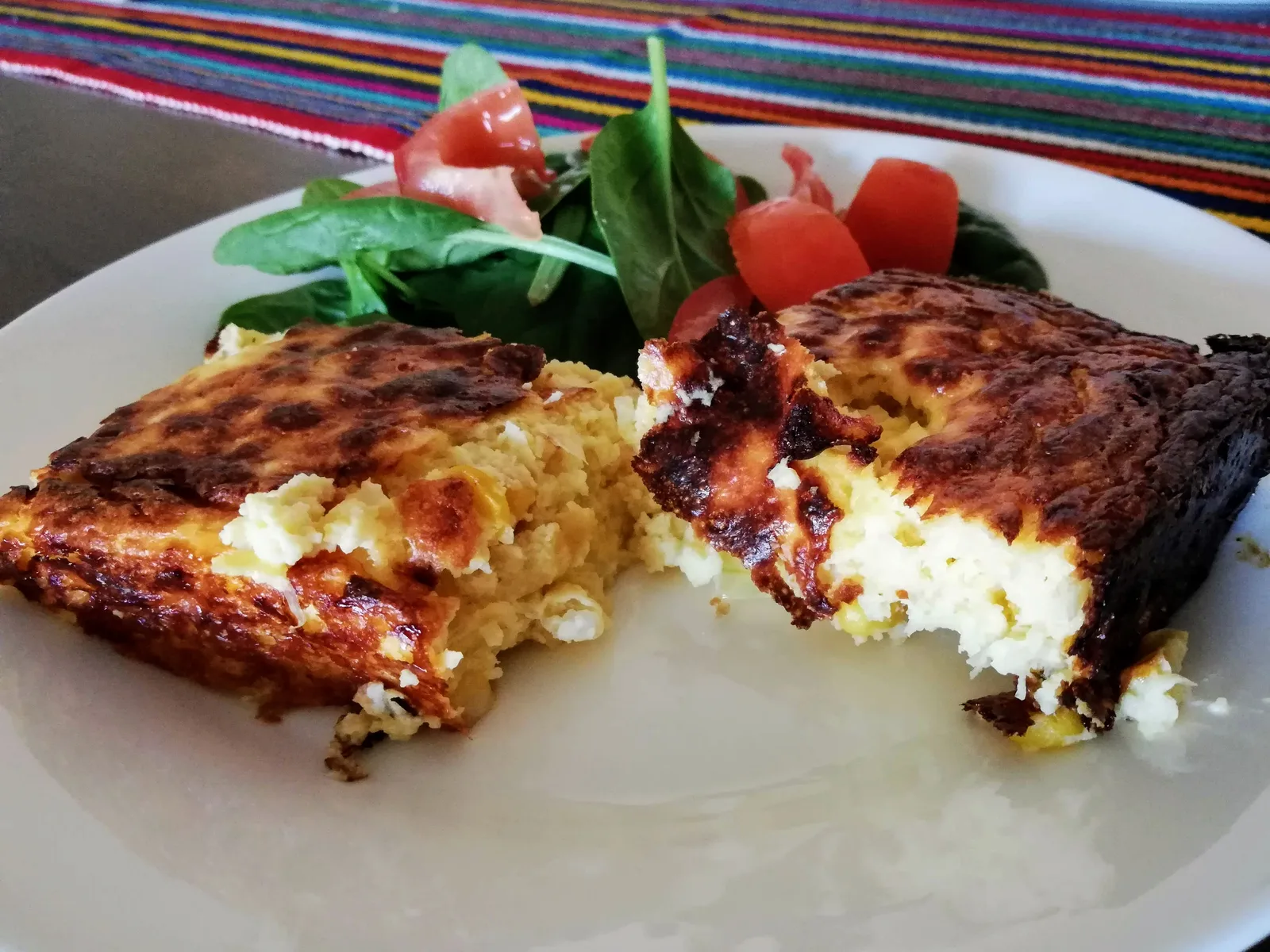
Two golden squares of chipa guasu with a fresh corn and cheese crumb, served with tomato and spinach salad Paraguay flag Paraguay 1h 5m
Lunch •Guaraní Heritage

Chipa Guasu

This chipa guasu recipe blends fresh corn kernels with eggs, milk, onion and salty Paraguay cheese, then bakes the mixture into a golden, moist cake that is cut into squares. It is not sopa paraguaya: chipa guasu is made with whole fresh corn kernels, while sopa paraguaya is made with cornmeal — the two dishes look alike but taste quite different. One serving is about 222 g.

Comfort & Warmth

A golden, moist bake of fresh corn kernels, Paraguay cheese, eggs and milk — the national side dish, served warm in squares.

Pairs Well With
Warm squares of chipa guasu with grilled meat and salad

The Dinner Gazette

Never wonder what’s for dinner again

One email a week with easy dinner ideas from around the world — ingredients, steps and nutrition, tested in our kitchen first.

Delivered every Thursday morning. Unsubscribe anytime.