Curated recipes from 193 countries  •  New seasonal Mediterranean issue out now

Overview

Paraguayan Honey Cake

Torta de Miel Negra, Paraguayan Torta de Miel, Dark Honey Loaf Cake

This paraguayan honey cake recipe bakes flour, dark cane honey and molasses into a deep brown, sticky loaf, spiced with cinnamon and lemon zest and finished with a thin white glaze. It is the Paraguayan torta de miel negra, the dark honey cake home bakers make for merienda, the afternoon snack, with mate or cocido. One serving is about 105 g, a thick slice with a hot drink.

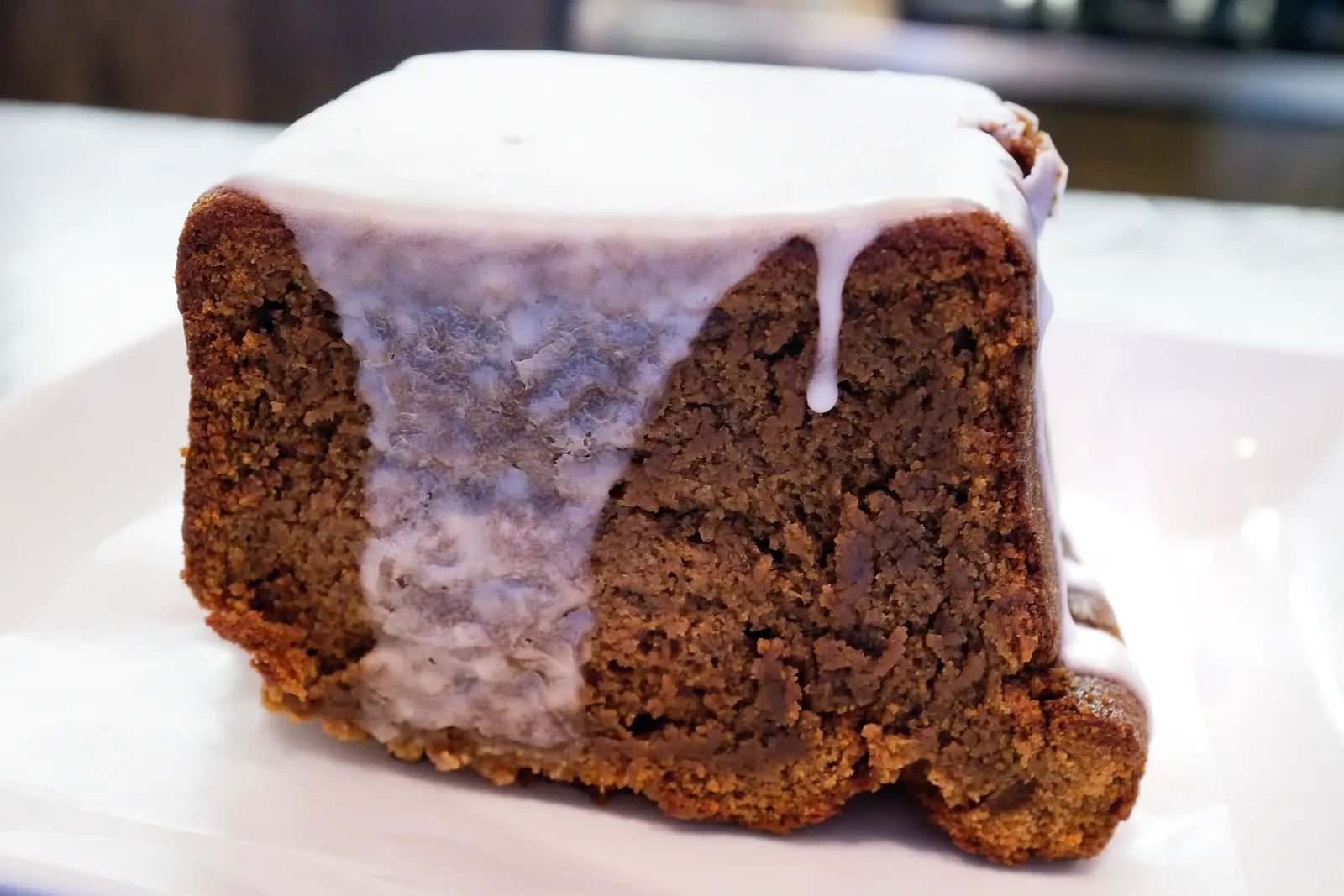
Torta de miel negra is the dark honey cake of Paraguay, made with miel de cana, the dark cane honey that is closer to molasses than to pale bee honey, and baked in home kitchens for merienda, the afternoon snack, with mate. Paraguayan home recipes use a loaf tin, two eggs, butter, milk, baking soda and cinnamon, and bake the dark batter slowly at a low oven until a skewer comes out clean. It is a different cake from the pale butter sponge of the Paraguayan orange cake on this site, which is sweetened with white sugar and flavoured with citrus juice — this one is dark, sticky and spiced, with honey and molasses doing all the sweetening. The hero photo shows a dark honey loaf with a white glaze, the same kind of cake this recipe makes.

Pairs well with: Hot mate or cocido, with nothing else needed.

Provenance

Paraguay flag Paraguay

Paraguayan Home Baking

Latin America & Caribbean

Time Dedication

1h 10m

20m prep • 50m cook

Batch Yield

8 Servings

348 kcal per serving

1 serving ≈ 105 g

Technical Skill

Intermediate

Easy (One Bowl, Dark Loaf)

Meal Timing & Digestive Fit

Breakfast

Not Advised

Lunch

Inappropriate

Dinner

Inappropriate

Snack & Tea

Ideal Light Bite

Occasions: Afternoon snack, merienda, family gatherings, everyday baking Cost: Low — about $1–2 per serving at home
A dark honey loaf cake with a white glaze dripping down its sides, on a white plate

Paraguayan Home Baking

Photo: Ralph Daily from Birmingham, United States, CC BY 2.0, via Wikimedia Commons

The Heritage Formulary

Measured Ingredients

Estimated cost: Low — about $1–2 per serving at home (USD)

The batter is mixed in one bowl, baked at 160°C (320°F) until a skewer comes out clean, glazed once cold, and sliced thickly.

Execution Methodology & Culinary Technique

Step-by-Step Cooking Guide

Active 1h 10m
P

Prep Stage: Honey Warmed, Tin Ready

20 Mins • Hands On

Grease a 23 x 13 cm loaf tin with a little butter and dust it with flour, or line it with baking paper. Zest the lemon. Warm the honey and molasses together in a small pan over low heat until they run freely, then take them off the heat — they should be warm, not hot.

Maestro Tip: Warm honey pours and mixes in seconds; cold honey fights the spoon and leaves streaks.

  1. 1

    Heat the Oven and Ready the Tin

    5 Mins • Hands On Oven 160°C (320°F)

    Heat the oven to 160°C (320°F). Grease a 23 x 13 cm loaf tin with a little butter, dust it with flour, and tap out the excess, or line it with baking paper.

    A light tin browns the dark loaf evenly; a dark tin can burn the edges before the middle is done.

    Done when: Oven at 160°C (320°F); tin greased and floured.

  2. 2

    Warm the Honey, Molasses and Butter

    5 Mins • Hands On Warm, about 50°C (120°F)

    Put the 150 g of honey, the 100 g of molasses and the 80 g of butter in a small pan over low heat. Stir until the butter has melted and the mixture runs freely, then take it off the heat and leave it to cool for 5 minutes.

    Do not let the honey boil — boiling darkens the flavour and can make the cake bitter.

    Done when: Butter melted; mixture warm and runny, not hot.

  3. 3

    Beat in the Eggs, Milk and Vanilla

    5 Mins • Hands On Room temperature, about 21°C (70°F)

    Pour the warm honey mixture into a large bowl. Beat in the 2 eggs one at a time, then the 120 ml of milk, the vanilla and the lemon zest. Mix until smooth and glossy.

    If the honey mixture is still hot it will scramble the eggs — it should feel warm on your wrist, not hot.

    Done when: Batter smooth, dark and glossy.

  4. 4

    Fold in the Flour and Spices

    5 Mins • Hands On Room temperature, about 21°C (70°F)

    Sift the 300 g of flour, the baking soda, the cinnamon and the salt over the bowl and fold gently with a spatula until just combined — a few small lumps are fine.

    Stop folding as soon as the flour disappears; over-mixing makes a tough, heavy loaf.

    Done when: Batter just combined, thick and dark.

  5. 5

    Bake Until a Skewer Comes Out Clean

    50 Mins • Oven Oven 160°C (320°F)

    Pour the batter into the tin and smooth the top. Bake 45–50 minutes until the loaf is dark, firm and springy, and a skewer pushed into the centre comes out clean, with just a few moist crumbs.

    If the top darkens too fast, lay a sheet of foil loosely over it for the last 15 minutes.

    Done when: Skewer clean; loaf firm and springy to the touch.

  6. 6

    Cool, Glaze and Slice

    15 Mins • Hands On Cooling, about 21°C (70°F)

    Leave the loaf in the tin for 10 minutes, then turn it out onto a rack and cool completely. Whisk the 30 g of powdered sugar with the 15 ml of milk until smooth, drizzle it over the cold loaf so it drips down the sides, and leave it to set before slicing thickly.

    Glaze a cold loaf — on a warm loaf the glaze melts and slides straight off.

    Done when: Glaze set; slices thick and even.

Finishing Touches & Plating

Turn the loaf out onto a rack, cool completely, drizzle with the thin white glaze, and slice thickly once the glaze has set.

Nutritional Physiology & Benefits

Nutrition

Energy

348

kcal / serving

Protein

6g

Complete AA

Carbs

59g

Complex

Fats

10g

Healthy

Per serving (8 servings · 1 serving ≈ 105 g)
Energy348 kcal
Protein6 g
Carbohydrates59 g
Fat10 g
Fibre1.4 g
Sugar29.5 g
Sodium301 mg
Per 100g
Energy331 kcal
Protein5.9 g
Carbohydrates55.9 g
Fat9.7 g
Fibre1.3 g
Sugar28.1 g
Sodium286 mg

Nutrition values are estimated — calculated from USDA FoodData Central values for the listed ingredients.

Vitamins & minerals: Small amounts of iron and calcium from the molasses and milk, plus B vitamins from the eggs and flour. All nutrition values are estimated.

Steady Afternoon Energy

About 348 kcal a slice makes this a satisfying afternoon snack with mate, without the extra sugar of a frosted cake.

Honey and Molasses, No Refined Sugar in the Crumb

The loaf is sweetened with honey and molasses rather than white sugar, which gives it a deep, dark flavour.

Warm Spice, Simply Made

Cinnamon and lemon zest bring warmth and brightness with no artificial flavouring — just pantry spices.

Food Pairings

What to Eat With

To optimize nutrient absorption and elevate the sensory depth, pair with these authentic accompaniments:

Drinks

Hot Mate

Mate is the true home of this cake — the bitter, grassy drink balances the dark sweetness of the honey and molasses.

Cocido (hot mate with milk)

Warm, milky cocido softens the cake's dark edge and is the classic merienda partner in Paraguay.

Strong Coffee

A small strong coffee cuts the sweetness and suits a morning slice.

More Pairings

Fresh Cheese

A slice of fresh white cheese next to the cake adds salt and creaminess against the dark, sticky crumb.

Complete menu

Serve the honey cake with hot mate or cocido and a slice of fresh cheese as an afternoon snack, or with coffee after a Paraguayan dinner.

Digestive Guardrails

What NOT to Combine

To prevent digestive distress, sluggishness, or palate clash, avoid pairing the dish with these elements:

Underbaked Centre

The centre must be fully baked — a skewer should come out clean. An underbaked cake can carry raw egg, which is a food-safety risk, especially for children and pregnant women. This is general food-safety information, not medical advice.

Wheat, Egg and Milk Allergens

This cake contains wheat (flour), egg and milk — all major allergens. Anyone with one of these allergies must not eat it. Ask your clinician if you are unsure. This is general food-safety information, not medical advice.

General information only, not medical advice — consult a doctor for personal dietary decisions.

Who Should Eat It

Who Should Eat

  • General adultsA rich, sweet cake — one slice with mate is a fine afternoon snack.
  • ChildrenChildren enjoy the sweet, spiced crumb; keep the slice small because of the sugar.
  • ElderlySoft and easy to chew; a small slice suits a light snack, with a hot drink.
  • Pregnant womenFully baked and safe to eat, but it is high in sugar — keep the portion small and ask your clinician if unsure.
  • Breastfeeding womenA small slice is fine as an occasional snack; the sugar means it should not be an everyday habit.
  • AthletesA useful quick source of energy after training, but it is mostly sugar — pair it with protein, not as a meal.
  • Weight gainAbout 348 kcal a slice, so it can help add energy — but the sugar is high, so keep it to one slice.
  • Weight lossHigh in sugar at 29.5 g a serving, so it is not a good weight-loss snack — choose fruit or plain yoghurt instead.

Health Conditions — Adjust or Avoid

Conditions

  • DiabetesAbout 58.7 g of carbohydrate and 29.5 g of sugar per serving, so blood-sugar impact is high — keep the slice small and ask your clinician.
  • High blood pressureSodium is moderate at 301 mg a serving; one small slice is usually fine, but ask your clinician about your overall daily intake.
  • Kidney diseaseNo special kidney concern beyond the sugar and sodium — keep portions small and ask your clinician.
  • GoutHoney and molasses add sugar but no purines; the main concern is the sugar load, so keep the slice small and ask your clinician.
  • Stomach issuesA soft, plain crumb that is usually gentle on the stomach, but the rich sweetness can bother some people — eat a small slice and ask your clinician if unsure.
  • Cardiovascular diseaseHigh in sugar and low in fibre, so it is not a heart-friendly everyday food — keep it an occasional treat and ask your clinician.
  • Fatty liverHigh in sugar with little fibre, so it is best kept as a rare small treat — ask your clinician.
  • Food allergiesContains wheat (flour), egg and milk. Anyone with one of these allergies must not eat it. Ask your clinician if you are unsure.
  • Special therapeutic dietsHigh in sugar, so it does not fit a low-sugar therapeutic diet — ask your clinician before eating it.

If you have a medical condition, consult your doctor before changing your diet.

Storage & Use

Storage & Use

How to store
Cool completely, then keep in a sealed container or wrapped in cling film.
In the fridge
Keeps 5 days refrigerated, wrapped.
In the freezer
Freeze in thick slices, wrapped, for up to 2 months (glaze after thawing).
How to reheat
Warm slices in a 150°C (300°F) oven for 5 minutes; the crumb stays moist.
Freezing recommended
Yes — slices freeze well.
Signs it has spoiled
Dry, stale crumb, sour smell, or mould — discard if any of these appear.

More recipes to explore

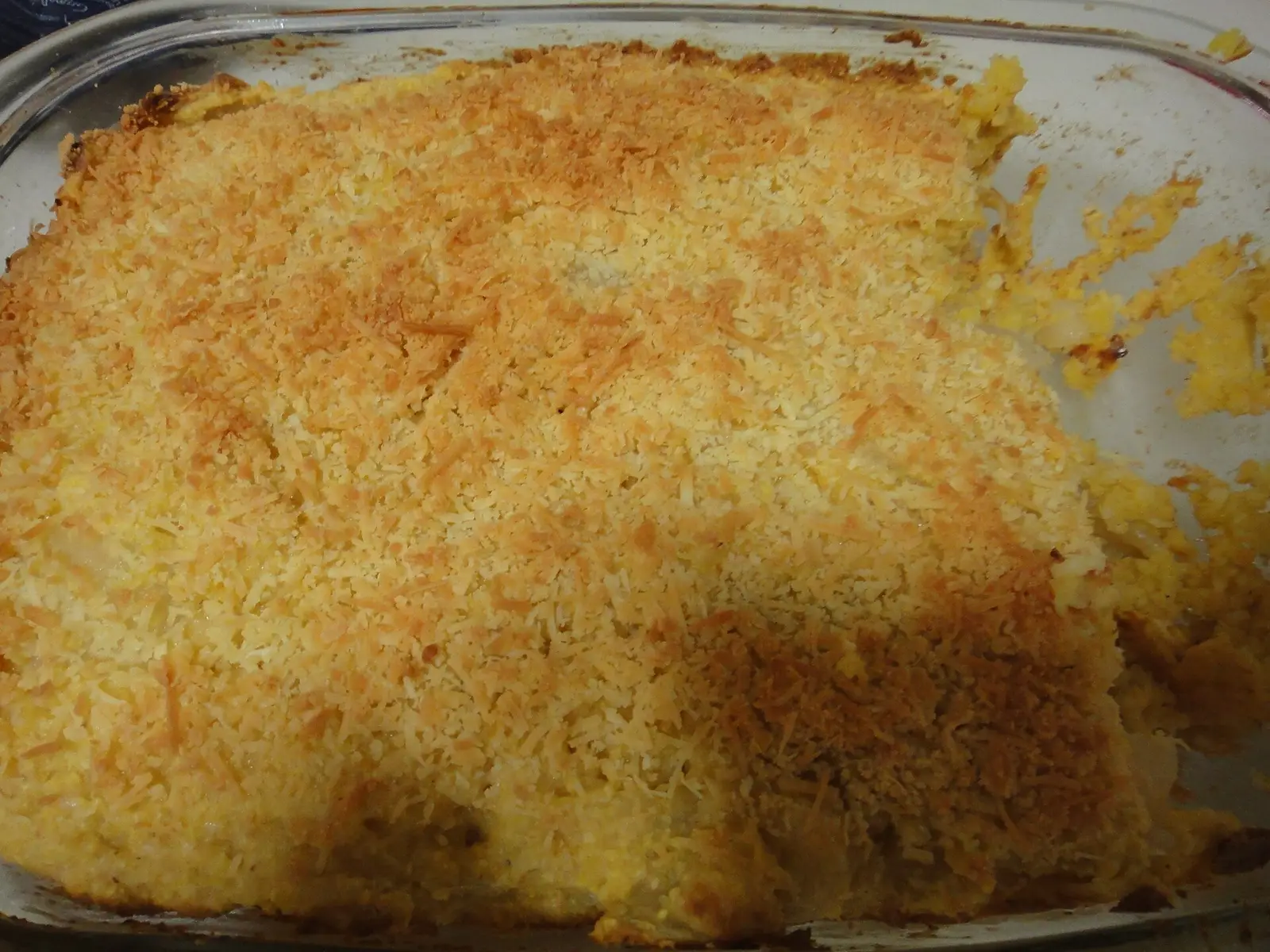
A golden baked sopa paraguaya cornmeal and cheese cake in a glass baking dish with one square cut out Paraguay flag Paraguay 1h 5m
Lunch •Asunción Heritage

Sopa Paraguaya

This sopa paraguaya recipe turns cornmeal, salty Paraguay cheese, onion, milk and eggs into a golden, spongy cake that slices like bread. Despite the name — sopa means soup — there is no broth here: the dish is solid, rich and meant to be cut into squares. One serving is about 180 g.

Comfort & Warmth

A golden, spongy cornmeal and cheese cake — Paraguay’s national dish, baked until the top is crisp and the inside stays soft.

Pairs Well With
Warm squares with grilled meat or a bowl of soup
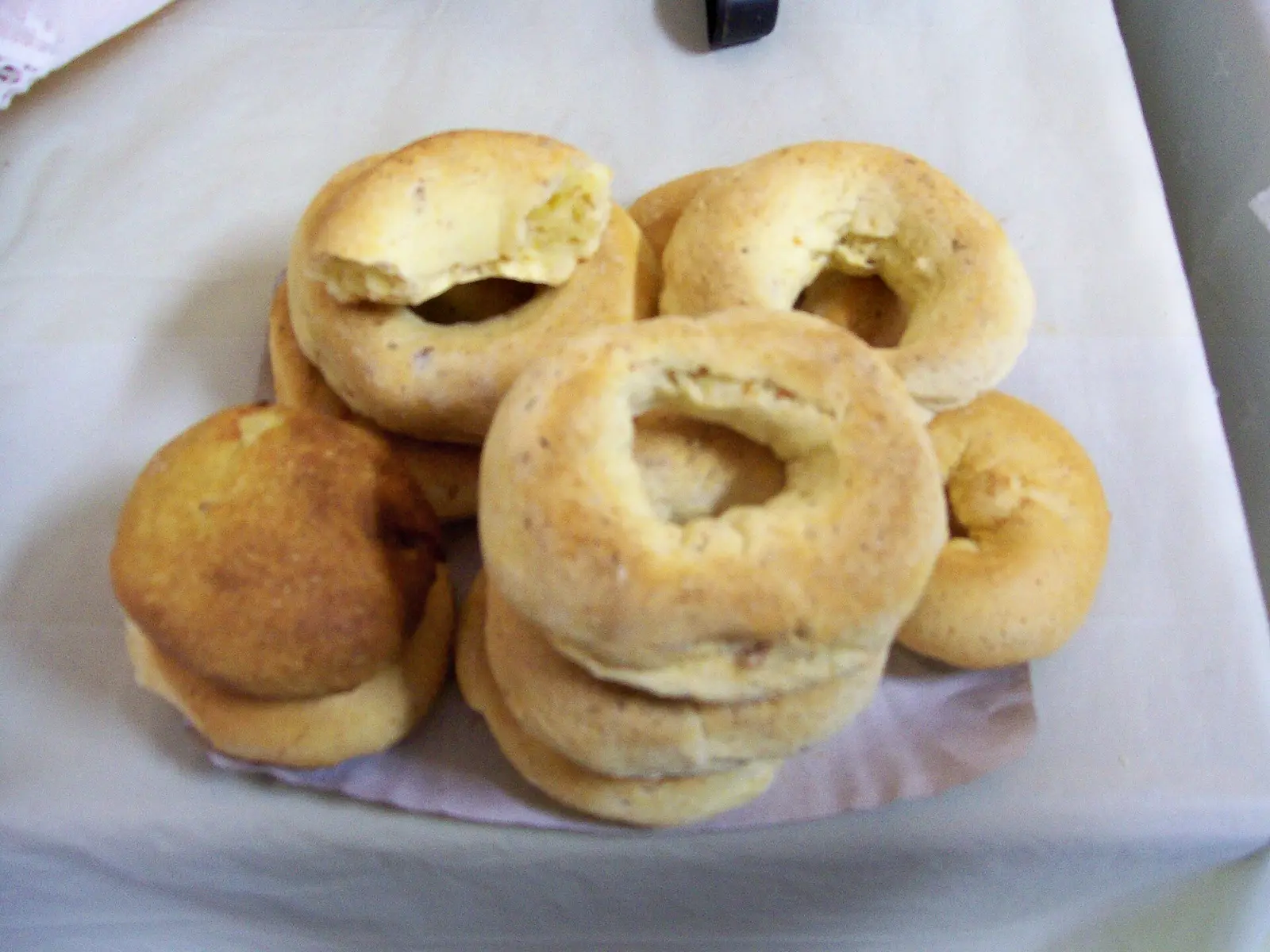
A pile of golden baked chipa cheese bread rings, one broken open to show the soft crumb Paraguay flag Paraguay 50m
Snack & Tea •Paraguayan Heritage

Chipa

This chipa recipe makes 12 golden Paraguayan cheese bread rings from cassava starch, salty cheese, eggs and a pinch of anise. The dough is rolled into ropes, closed into rings and baked until puffed and lightly cracked — crisp on the outside, soft and chewy inside. One serving is about 185 g (two rings).

Snack & Sharing

Small baked cheese bread rings made from cassava starch — crisp outside, chewy inside, best eaten warm.

Pairs Well With
Warm rings with a cup of cocido (mate cocido)
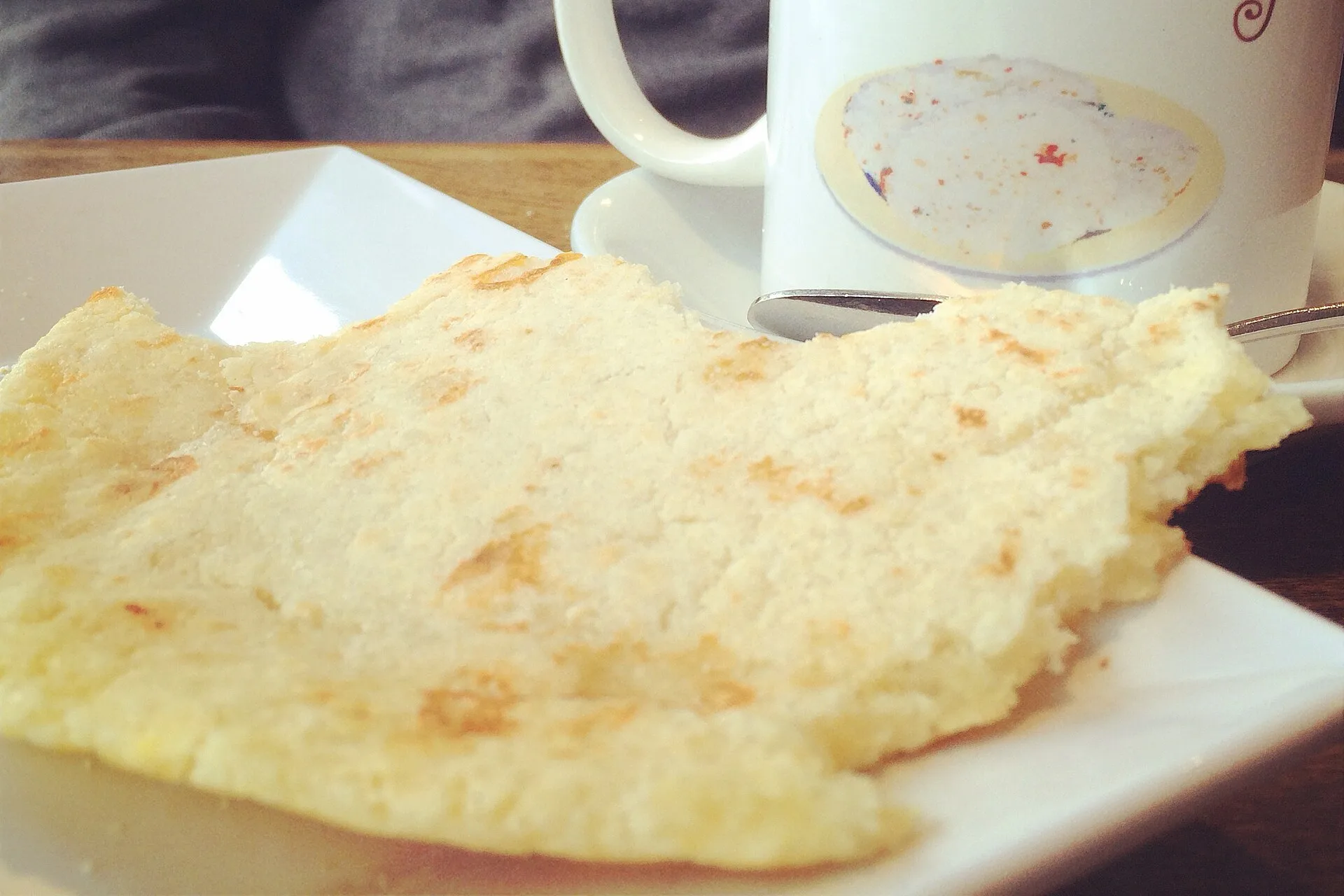
A golden mbejú cassava cheese pancake on a white plate beside a mug of cocido Paraguay flag Paraguay 30m
Snack & Tea •Guaraní Heritage

Mbejú

This mbeju recipe presses cassava starch and cheese into a golden griddled pancake — Paraguay’s classic snack, cooked in a dry pan and flipped once. It shares its two main ingredients with chipa, but the form is entirely different: chipa is kneaded and baked into bread rings, while mbejú stays a crumbly, sandy mixture that is pressed flat in the pan and never sees an oven. One serving is about 215 g (one pancake).

Snack & Sharing

A flat, griddled cassava-starch and cheese pancake — crisp at the edges, soft inside, cooked in a pan, never baked.

Pairs Well With
A warm pancake with a cup of mate cocido
Two golden squares of chipa guasu with a fresh corn and cheese crumb, served with tomato and spinach salad Paraguay flag Paraguay 1h 5m
Lunch •Guaraní Heritage

Chipa Guasu

This chipa guasu recipe blends fresh corn kernels with eggs, milk, onion and salty Paraguay cheese, then bakes the mixture into a golden, moist cake that is cut into squares. It is not sopa paraguaya: chipa guasu is made with whole fresh corn kernels, while sopa paraguaya is made with cornmeal — the two dishes look alike but taste quite different. One serving is about 222 g.

Comfort & Warmth

A golden, moist bake of fresh corn kernels, Paraguay cheese, eggs and milk — the national side dish, served warm in squares.

Pairs Well With
Warm squares of chipa guasu with grilled meat and salad

The Dinner Gazette

Never wonder what’s for dinner again

One email a week with easy dinner ideas from around the world — ingredients, steps and nutrition, tested in our kitchen first.

Delivered every Thursday morning. Unsubscribe anytime.