Curated recipes from 193 countries  •  New seasonal Mediterranean issue out now

Overview

Paraguayan Orange Cake

Torta de Naranja Paraguaya, Paraguayan Torta de Naranja, Orange Sponge Cake

This paraguayan orange cake recipe creams butter and sugar, then bakes them with fresh orange juice and zest, milk and eggs into a soft, golden loaf — a plain, sunny sponge with no frosting, just a dusting of powdered sugar. It is the cake Paraguayan home bakers make for merienda, the afternoon snack, with cocido or mate. One serving is about 110 g, a thick slice with a hot drink.

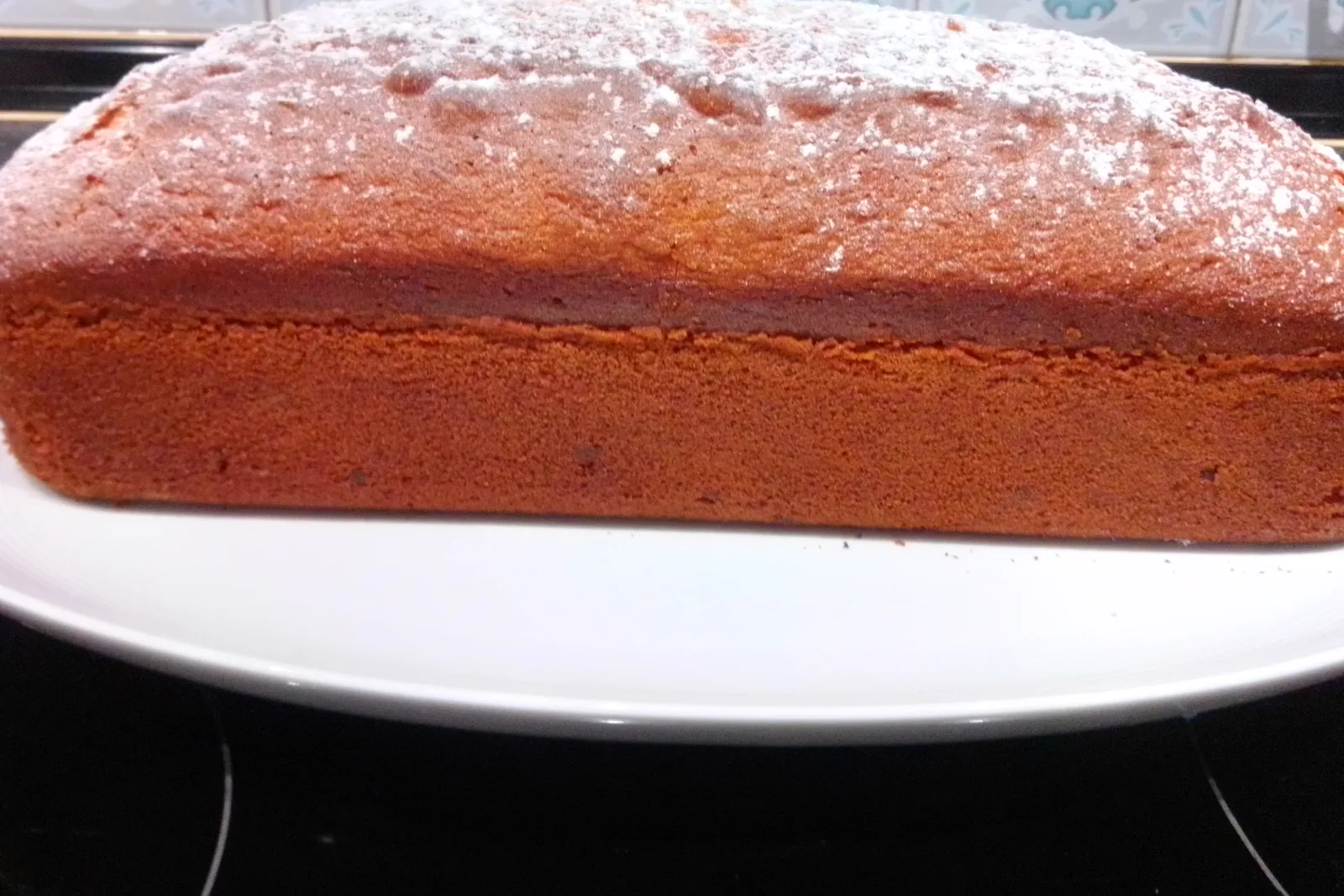
Torta de naranja is the everyday orange cake of Paraguay, a plain butter sponge made with fresh orange juice and zest, baked in home kitchens for merienda, the afternoon snack, and served with cocido or mate. It is different from Morocco's meskouta, the other orange cake on this site, which is made with olive oil and yogurt and finished with an orange glaze — this one is butter and milk, with no glaze, just a dusting of powdered sugar. The hero photo shows the same kind of plain orange loaf, a golden sponge dusted with sugar, photographed by MiguelAlanCS.

Pairs well with: Hot cocido or mate, with a few orange slices.

Provenance

Paraguay flag Paraguay

Paraguayan Home Baking

Latin America & Caribbean

Time Dedication

1h 5m

15m prep • 50m cook

Batch Yield

8 Servings

368 kcal per serving

1 serving ≈ 110 g

Technical Skill

Easy

Easy (One Bowl)

Meal Timing & Digestive Fit

Breakfast

Not Advised

Lunch

Inappropriate

Dinner

Inappropriate

Snack & Tea

Ideal Light Bite

Occasions: Afternoon snack, merienda, family gatherings, everyday baking Cost: Low — about $1–2 per serving at home
A whole golden orange loaf cake dusted with powdered sugar on a white plate

Paraguayan Home Baking

Photo: MiguelAlanCS, CC BY-SA 4.0, via Wikimedia Commons

The Heritage Formulary

Measured Ingredients

Estimated cost: Low — about $1–2 per serving at home (USD)

The batter is mixed in one bowl, baked at 180°C (350°F) until a skewer comes out clean, and dusted with powdered sugar once cool.

Execution Methodology & Culinary Technique

Step-by-Step Cooking Guide

Active 1h 5m
P

Prep Stage: Oranges Zested, Tin Ready

15 Mins • Hands On

Zest the oranges before you juice them, then squeeze out 120 ml of juice. Grease a 23 x 13 cm loaf tin with a little butter and dust it with flour, or line it with baking paper. Measure everything into bowls — the batter comes together in minutes once the oven is hot.

Maestro Tip: Zest only the orange skin, not the white pith underneath, or the cake turns bitter.

  1. 1

    Heat the Oven and Ready the Tin

    5 Mins • Hands On Oven 180°C (350°F)

    Heat the oven to 180°C (350°F). Grease a 23 x 13 cm loaf tin with a little butter, dust it with flour, and tap out the excess, or line it with baking paper.

    A light tin bakes more evenly than a dark one for this pale sponge.

    Done when: The oven is hot and the tin is coated and ready.

  2. 2

    Cream the Butter and Sugar

    5 Mins • Hands On Room temperature, about 21°C (70°F)

    In a large bowl, beat the softened butter and sugar for 3 minutes until pale and fluffy. Beat in the orange zest so the citrus oils work into the butter — the bowl should smell bright and orangey.

    Soft butter creams; cold butter will not. If the butter is still firm, give it a few seconds in the microwave.

    Done when: The mixture is pale, fluffy and smells of fresh orange.

  3. 3

    Add the Eggs, Orange and Milk

    5 Mins • Hands On Room temperature, about 21°C (70°F)

    Beat in the eggs one at a time, mixing well after each one. Pour in the 120 ml of orange juice, the 120 ml of milk and the vanilla, and mix until smooth — the batter may look slightly curdled at this point, which is fine.

    Room-temperature eggs mix in cleanly; cold eggs can make the batter split.

    Done when: The batter is smooth and pale gold, with the orange zest flecked through it.

  4. 4

    Fold in the Flour

    5 Mins • Hands On Room temperature, about 21°C (70°F)

    Sift the flour, baking powder and salt over the bowl and fold gently with a spatula until just combined — a few small lumps are fine.

    Stop folding as soon as the flour disappears; overmixing makes a tough cake.

    Done when: The batter is smooth, thick and pourable.

  5. 5

    Bake Until Golden

    45 Mins • Oven Oven 180°C (350°F)

    Pour the batter into the tin and smooth the top. Bake 45–50 minutes until deep golden and a skewer pushed into the centre comes out clean, with just a few moist crumbs.

    If the top browns too fast, cover loosely with foil for the last 10 minutes.

    Done when: The loaf is risen, golden, and springs back when pressed lightly; a skewer comes out clean.

  6. 6

    Cool and Dust

    10 Mins • Hands On Cooling, about 21°C (70°F)

    Leave the loaf in the tin for 10 minutes, then turn it out onto a rack and cool completely. Dust with the powdered sugar just before serving and slice thickly.

    Dusting while the loaf is still warm melts the sugar — wait until it is fully cool for a snowy finish.

    Done when: The loaf is cool, the top is dusted white, and it slices cleanly.

Finishing Touches & Plating

Turn the loaf out onto a rack, cool completely, then dust with powdered sugar and slice thickly.

Nutritional Physiology & Benefits

Nutrition

Energy

368

kcal / serving

Protein

6g

Complete AA

Carbs

54g

Complex

Fats

14g

Healthy

Per serving (8 servings · 1 serving ≈ 110 g)
Energy368 kcal
Protein6 g
Carbohydrates54 g
Fat14 g
Fibre1.1 g
Sugar29.1 g
Sodium265 mg
Per 100g
Energy335 kcal
Protein5.7 g
Carbohydrates49.2 g
Fat13 g
Fibre1 g
Sugar26.4 g
Sodium241 mg

Nutrition values are estimated — calculated from USDA FoodData Central values for the listed ingredients.

Vitamins & minerals: Vitamin C from the orange juice and zest, calcium from the milk, and small amounts of B vitamins from the eggs and flour. All nutrition values are estimated.

Quick Energy, No Frosting

About 368 kcal a slice makes this a satisfying afternoon snack without the extra sugar of a frosted cake.

Butter Keeps It Tender

Butter gives the crumb a soft, tender texture and a rich flavour that needs no icing to enjoy.

Real Orange, Real Vitamin C

Fresh orange juice and zest bring vitamin C and bright flavour — no artificial flavouring needed.

Food Pairings

What to Eat With

To optimize nutrient absorption and elevate the sensory depth, pair with these authentic accompaniments:

Drinks

Cocido (hot mate with milk)

Cocido is the true home of this cake — the warm, milky mate drink balances the cake's citrus sweetness at merienda.

Strong Coffee

A small strong coffee cuts the sweetness and is a fine partner for a morning slice.

More Pairings

Fresh Orange Slices

Fresh orange segments echo the cake's flavour and add bright acidity and juice.

Vanilla Ice Cream

A scoop of vanilla ice cream turns a warm slice into dessert — cold cream against the citrus sponge.

Complete menu

Serve the orange cake with cocido or mate and fresh orange slices as an afternoon snack, or with coffee after a Paraguayan dinner.

Digestive Guardrails

What NOT to Combine

To prevent digestive distress, sluggishness, or palate clash, avoid pairing the dish with these elements:

Underbaked Centre

The centre must be fully baked — a skewer should come out clean. An underbaked cake can carry raw egg, which is a food-safety risk, especially for children and pregnant women. This is general food-safety information, not medical advice.

Wheat, Egg and Milk Allergens

This cake contains wheat (flour), egg and milk — all major allergens. Anyone with one of these allergies must not eat it. Ask your clinician if you are unsure. This is general food-safety information, not medical advice.

General information only, not medical advice — consult a doctor for personal dietary decisions.

Who Should Eat It

Who Should Eat

  • General adultsA sweet but simple cake — one slice with cocido or mate is a fine afternoon snack.
  • ChildrenChildren love this soft, sweet orange cake; serve a small slice and make sure the centre is fully baked.
  • ElderlySoft, moist and easy to chew, with a gentle citrus flavour; serve a modest slice with a hot drink.
  • Pregnant womenA sweet cake with eggs and sugar — a small slice on occasion is the sensible choice, and the centre must be fully baked.
  • Breastfeeding womenEnergy-dense and satisfying, which suits the extra energy needs of breastfeeding; keep to one slice.
  • AthletesA good source of quick carbohydrate energy, but high in sugar, so it suits a treat rather than a training meal.
  • Weight gainEnergy-dense from butter and sugar, so it suits a weight-gain goal as a tasty way to add calories.
  • Weight lossHigh in sugar and calories, so keep to one slice, skip the ice cream, and balance the day with lighter meals.

Health Conditions — Adjust or Avoid

Conditions

  • DiabetesAbout 54 g of carbohydrate and 29 g of sugar per serving, so blood-sugar impact is high — keep the slice small and ask your clinician.
  • High blood pressureSodium is about 265 mg per serving; the sugar is the bigger concern here — ask your clinician about portion size.
  • Kidney diseaseProtein is modest and potassium from the orange is moderate; people with kidney disease should ask their clinician about portion size.
  • GoutOranges and cake are low in purines, so this is a gentle choice for gout — keep the portion modest and ask your clinician.
  • Stomach issuesThe cake is soft and easy on the stomach, but the citrus can bother some people with reflux — eat a small portion and ask your clinician if symptoms persist.
  • Cardiovascular diseaseButter is the main fat here, and the cake is high in sugar and calories; an occasional small slice is the sensible approach — ask your clinician.
  • Fatty liverHigh in sugar and calories, which can add to liver fat if eaten often — keep it an occasional treat and ask your clinician.
  • Food allergiesContains wheat (flour), egg and milk — major allergens. Check labels before serving, and ask your clinician if you are unsure.
  • Special therapeutic dietsThis is a general-information recipe, not a therapeutic diet. Anyone on a prescribed diet should ask their clinician or dietitian before making it a regular meal.

If you have a medical condition, consult your doctor before changing your diet.

Storage & Use

Storage & Use

How to store
Cool completely, then keep in a sealed container or wrapped in cling film.
In the fridge
Keeps 5 days refrigerated, wrapped.
In the freezer
Freeze in thick slices, wrapped, for up to 2 months.
How to reheat
Warm slices in a 150°C (300°F) oven for 5 minutes; the crumb stays moist.
Freezing recommended
Yes — slices freeze well.
Signs it has spoiled
Dry, stale crumb, sour smell, or mould — discard if any of these appear.

More recipes to explore

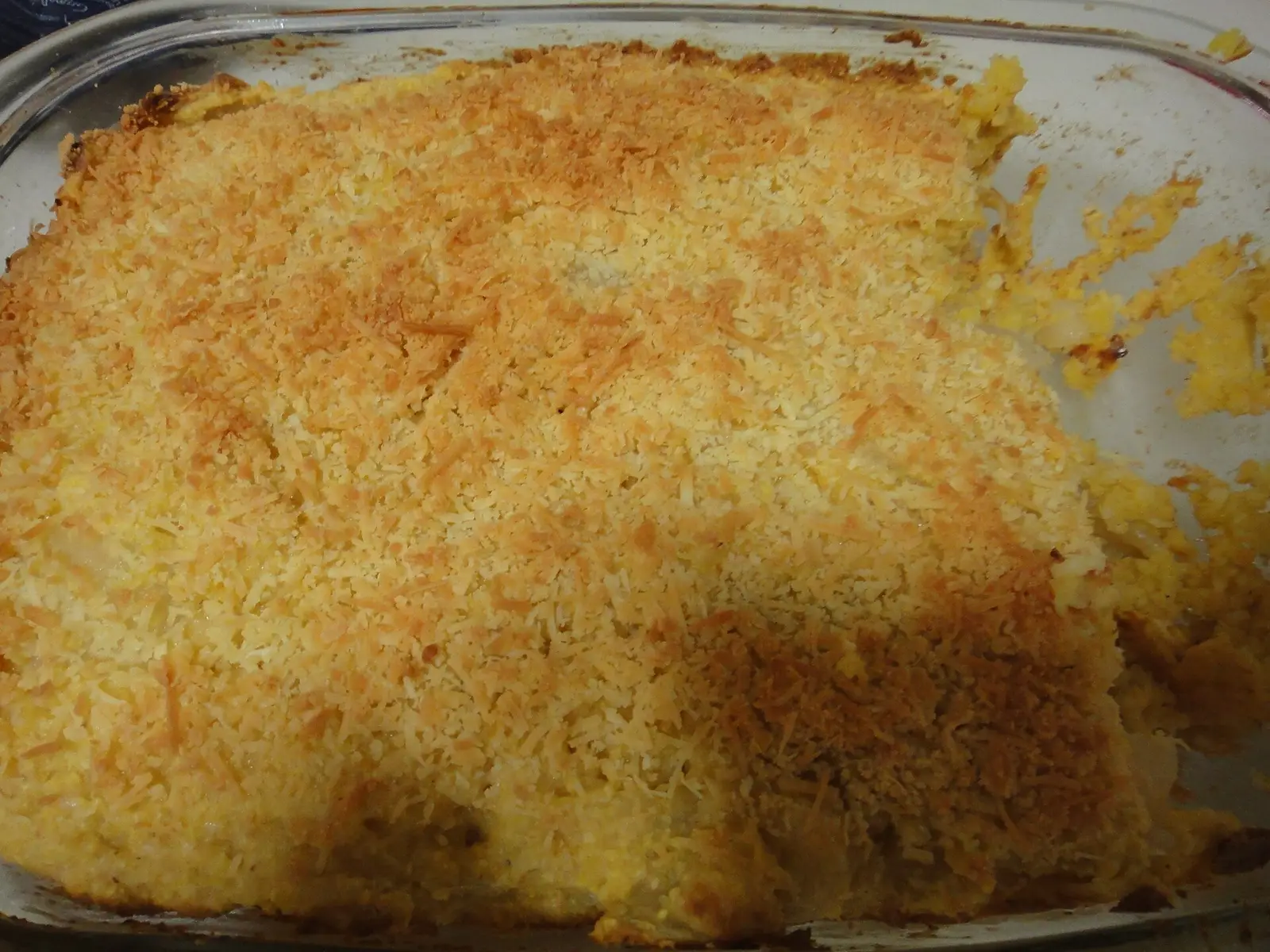
A golden baked sopa paraguaya cornmeal and cheese cake in a glass baking dish with one square cut out Paraguay flag Paraguay 1h 5m
Lunch •Asunción Heritage

Sopa Paraguaya

This sopa paraguaya recipe turns cornmeal, salty Paraguay cheese, onion, milk and eggs into a golden, spongy cake that slices like bread. Despite the name — sopa means soup — there is no broth here: the dish is solid, rich and meant to be cut into squares. One serving is about 180 g.

Comfort & Warmth

A golden, spongy cornmeal and cheese cake — Paraguay’s national dish, baked until the top is crisp and the inside stays soft.

Pairs Well With
Warm squares with grilled meat or a bowl of soup
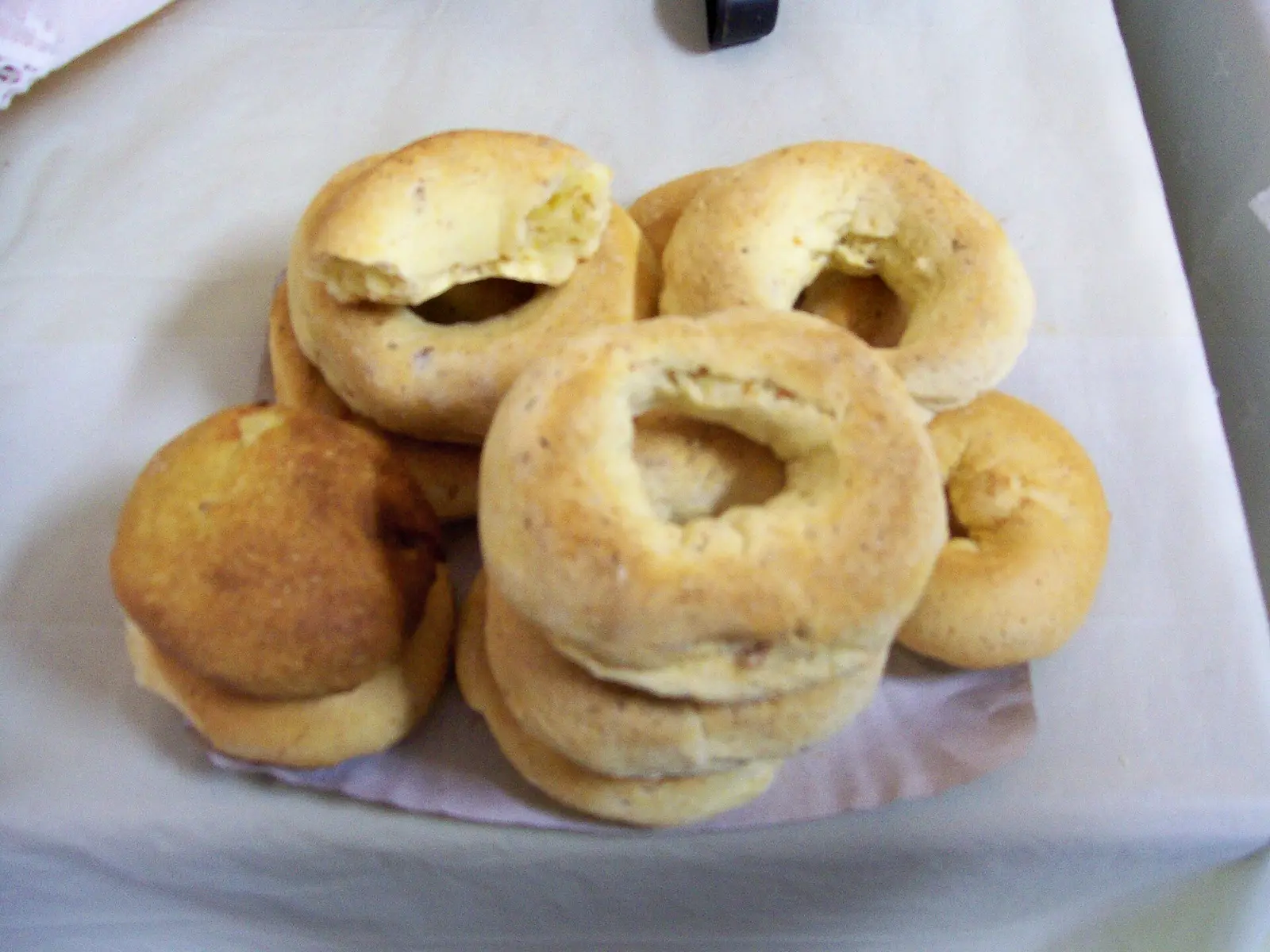
A pile of golden baked chipa cheese bread rings, one broken open to show the soft crumb Paraguay flag Paraguay 50m
Snack & Tea •Paraguayan Heritage

Chipa

This chipa recipe makes 12 golden Paraguayan cheese bread rings from cassava starch, salty cheese, eggs and a pinch of anise. The dough is rolled into ropes, closed into rings and baked until puffed and lightly cracked — crisp on the outside, soft and chewy inside. One serving is about 185 g (two rings).

Snack & Sharing

Small baked cheese bread rings made from cassava starch — crisp outside, chewy inside, best eaten warm.

Pairs Well With
Warm rings with a cup of cocido (mate cocido)
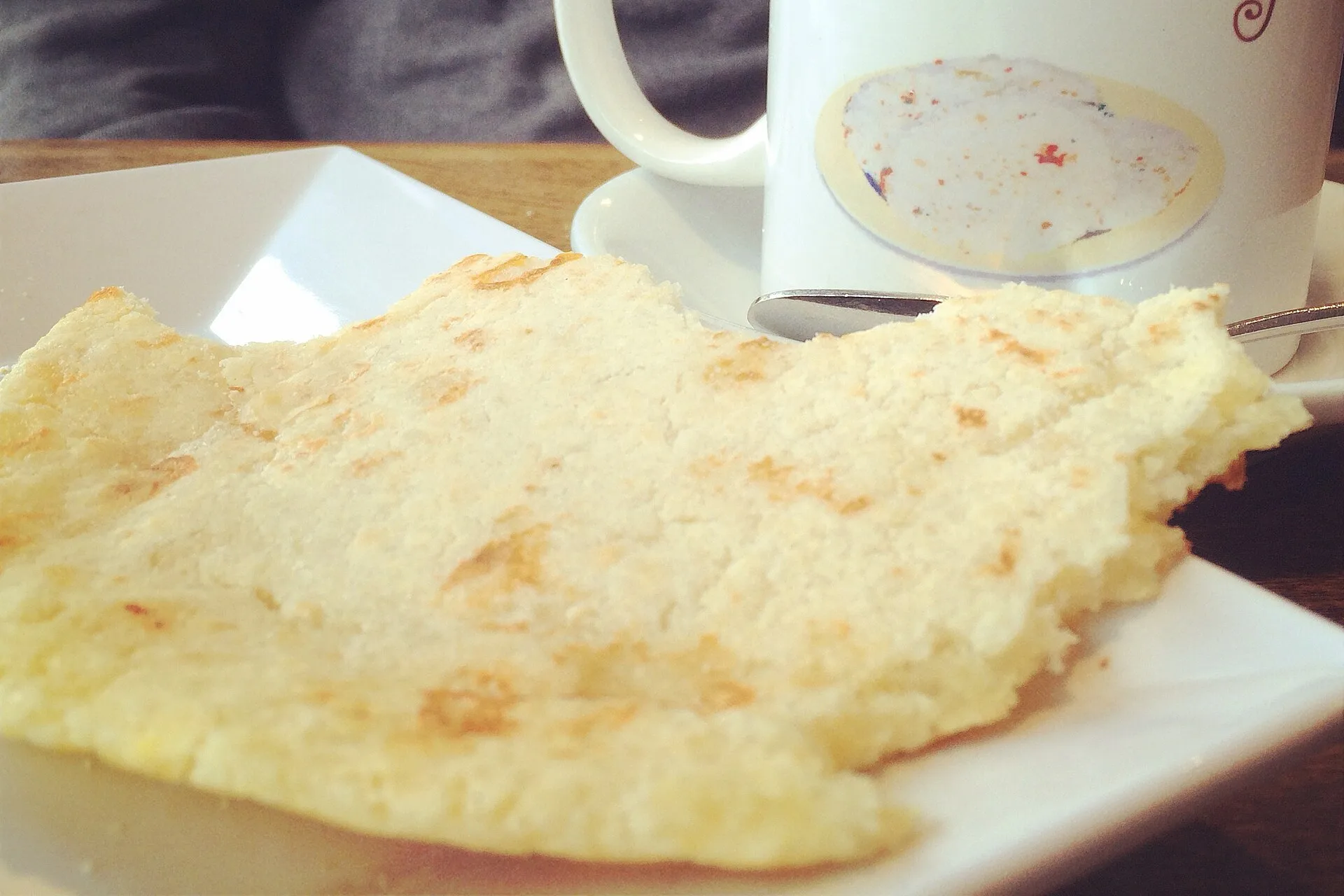
A golden mbejú cassava cheese pancake on a white plate beside a mug of cocido Paraguay flag Paraguay 30m
Snack & Tea •Guaraní Heritage

Mbejú

This mbeju recipe presses cassava starch and cheese into a golden griddled pancake — Paraguay’s classic snack, cooked in a dry pan and flipped once. It shares its two main ingredients with chipa, but the form is entirely different: chipa is kneaded and baked into bread rings, while mbejú stays a crumbly, sandy mixture that is pressed flat in the pan and never sees an oven. One serving is about 215 g (one pancake).

Snack & Sharing

A flat, griddled cassava-starch and cheese pancake — crisp at the edges, soft inside, cooked in a pan, never baked.

Pairs Well With
A warm pancake with a cup of mate cocido
Two golden squares of chipa guasu with a fresh corn and cheese crumb, served with tomato and spinach salad Paraguay flag Paraguay 1h 5m
Lunch •Guaraní Heritage

Chipa Guasu

This chipa guasu recipe blends fresh corn kernels with eggs, milk, onion and salty Paraguay cheese, then bakes the mixture into a golden, moist cake that is cut into squares. It is not sopa paraguaya: chipa guasu is made with whole fresh corn kernels, while sopa paraguaya is made with cornmeal — the two dishes look alike but taste quite different. One serving is about 222 g.

Comfort & Warmth

A golden, moist bake of fresh corn kernels, Paraguay cheese, eggs and milk — the national side dish, served warm in squares.

Pairs Well With
Warm squares of chipa guasu with grilled meat and salad

The Dinner Gazette

Never wonder what’s for dinner again

One email a week with easy dinner ideas from around the world — ingredients, steps and nutrition, tested in our kitchen first.

Delivered every Thursday morning. Unsubscribe anytime.