
Curated recipes from 193 countries  •  New seasonal Mediterranean issue out now

Overview

Pavê de Chocolate

Pavê de Chocolate, Brazilian Chocolate Pavê

Ladyfinger biscuits dipped in milk, layered with silky chocolate cream and fluffy whipped cream, then chilled until soft and cake-like. One serving is about 160 g. This pave de chocolate recipe serves 10 in about 40 minutes, plus 4 hours chilling.

Pavê is the Brazilian version of a layered icebox dessert, and its name comes from the French word pavé, meaning paving stone — the rows of biscuits laid in the dish look like a cobbled pavement. It became a fixture of family parties in the south and southeast of Brazil, where the classic versions layer ladyfingers or cornstarch biscuits with creams made from condensed milk, a pantry staple in Brazilian cooking. Chocolate is one of the most loved flavours, alongside dulce de leche, peanut and strawberry, and the dessert is always served cold, sliced in squares straight from the dish.

Pairs well with: Strong Brazilian coffee and fresh strawberries.

Provenance

Brazil flag Brazil

Brazilian Heritage

Latin America & Caribbean

Time Dedication

40m

30m prep • 10m cook

Batch Yield

10 Servings

505 kcal per serving

1 serving ≈ 160 g

Technical Skill

Intermediate

Easy (No-Bake)

Meal Timing & Digestive Fit

Breakfast

Not Advised

Lunch

Inappropriate

Dinner

Inappropriate

Snack & Tea

Ideal Light Bite

Occasions: Birthday parties, family lunches, Christmas, festive desserts, make-ahead treats Cost: Low — about $2–3 per serving at home
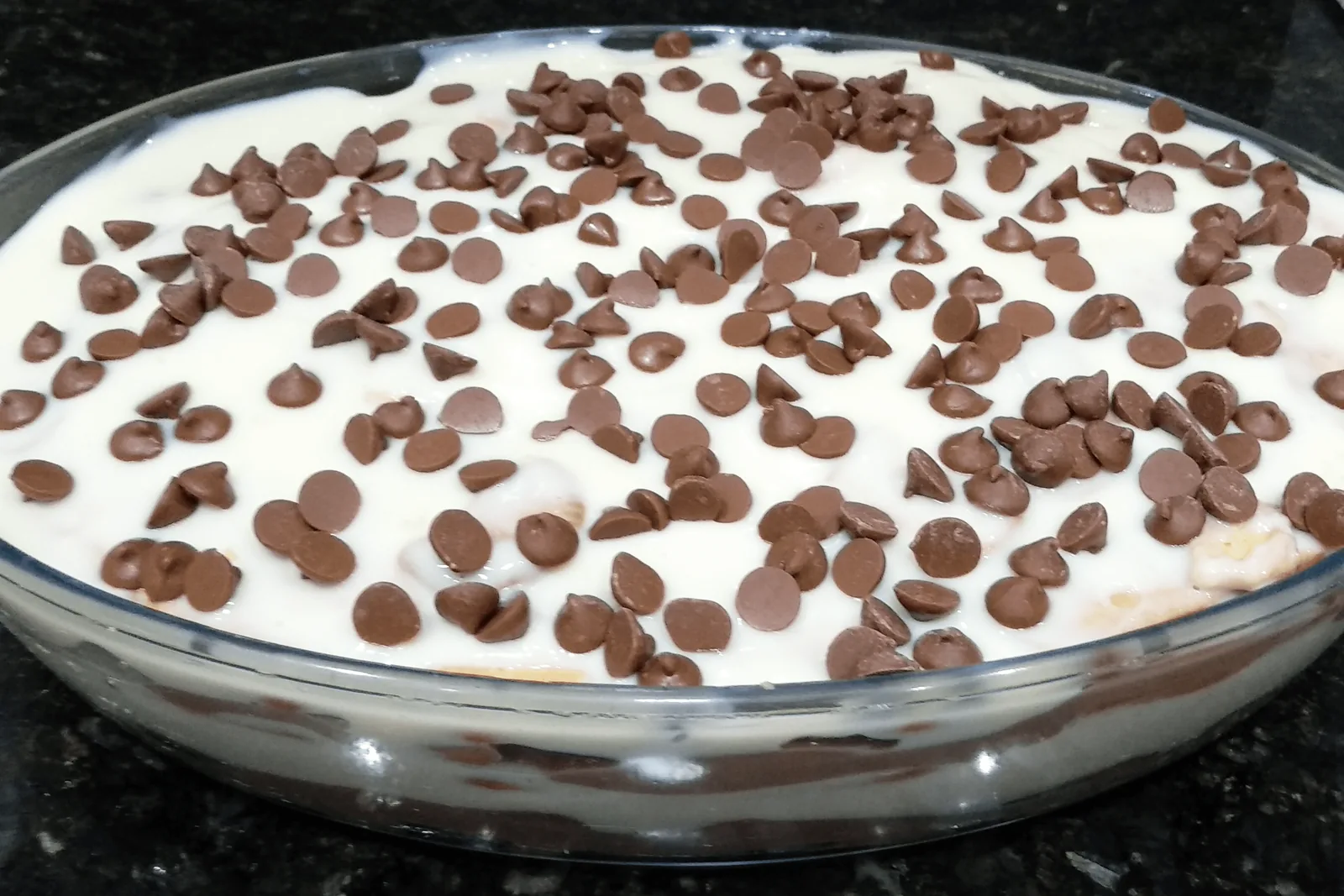
Chocolate pavê in a glass dish, white cream topped with chocolate chips over dark chocolate layers

Brazilian Heritage

Photo: Avelludo, CC BY-SA 4.0, via Wikimedia Commons

The Heritage Formulary

Measured Ingredients

Estimated cost: Low — about $2–3 per serving at home (USD)

Made the classic way: milk-dipped ladyfingers, chocolate cream from condensed milk and cocoa, whipped-cream topping, chilled overnight.

Execution Methodology & Culinary Technique

Step-by-Step Cooking Guide

Active 40m
P

Prep Stage: Creams & Biscuits

20 Mins • Creams & Whipping

Set out a 20 x 28 cm glass dish and a shallow dish of milk for dipping. Sift the cocoa, chop the chocolate, and keep the cream in the fridge until you need it — cold cream whips in half the time. Have the condensed milk, butter and sugar measured and ready.

Maestro Tip: Chill the bowl and whisk for 10 minutes before whipping — warm tools are the usual reason cream refuses to thicken.

  1. 1

    Make the Chocolate Cream

    10 Mins Medium heat, about 80°C (175°F)

    Put the condensed milk, sifted cocoa, butter and 100 ml of the milk in a saucepan over medium heat. Stir constantly for about 8 minutes until thick enough to coat a spoon, then take off the heat and stir in the chopped 100 g of dark chocolate until smooth. Cool for 10 minutes.

    Keep stirring — condensed milk scorches fast on the bottom of the pan, and one burnt patch spoils the whole cream.

    Done when: Thick, glossy cream that coats the spoon and holds a trail when stirred.

  2. 2

    Whip the Cream

    10 Mins Cold, about 4°C (40°F)

    Whip the remaining 300 ml of cold heavy cream with the sugar and vanilla until soft peaks form — the cream should hold its shape on the whisk but still look soft and billowy, not stiff.

    Stop at soft peaks: over-whipped cream turns grainy and will not spread smoothly over the layers.

    Done when: Soft peaks that hold on the whisk and fold over at the tip.

  3. 3

    Dip & Layer

    10 Mins Room temperature, ~20°C (68°F)

    Dip each ladyfinger quickly in the 200 ml of milk — one second per side — and lay a single layer in the dish. Spread over half the chocolate cream, then half the whipped cream. Repeat with a second layer of dipped biscuits, the rest of the chocolate cream, and the rest of the whipped cream.

    Dip fast: a soaked biscuit falls apart in your fingers, and a dry one stays crunchy in the finished dessert.

    Done when: Two neat biscuit layers with cream between them, top covered in whipped cream.

  4. 4

    Top & Chill

    5 Mins + 4 Hours Chilling Fridge, 4°C (40°F)

    Sprinkle the chocolate chips and shaved chocolate over the top, cover the dish loosely, and chill in the fridge for at least 4 hours, or overnight — the biscuits need this time to soften into cake.

    Overnight is best: the layers set cleanly and slice like a cake instead of sliding apart.

    Done when: Firm to the touch, biscuits soft when pressed with a spoon.

  5. 5

    Slice & Serve

    5 Mins Cold, about 4°C (40°F)

    Cut into squares with a hot, dry knife, wiping the blade between cuts, and serve cold straight from the fridge.

    A hot knife gives clean layers — a cold knife drags the cream and smears the stripes.

    Done when: Clean layers visible on the cut sides, cream holding its shape on the plate.

Finishing Touches & Plating

Slice with a hot, dry knife for clean layers and serve cold, straight from the fridge, with strong coffee on the side.

Nutritional Physiology & Benefits

Nutrition

Energy

505

kcal / serving

Protein

9g

Complete AA

Carbs

52g

Complex

Fats

31g

Healthy

Per serving (10 servings · 1 serving ≈ 160 g)
Energy505 kcal
Protein9 g
Carbohydrates52 g
Fat31 g
Fibre3.8 g
Sugar37.7 g
Sodium138 mg
Per 100g
Energy315 kcal
Protein5.7 g
Carbohydrates32.6 g
Fat19.2 g
Fibre2.4 g
Sugar23.6 g
Sodium86 mg

Nutrition values are estimated — calculated from USDA FoodData Central values for the listed ingredients.

Vitamins & minerals: Milk, cream and condensed milk supply calcium and vitamin B12, cocoa adds iron and magnesium, and dark chocolate adds B vitamins.

Real Cocoa & Milk

The cream is made from real cocoa, milk and dark chocolate — 505 kcal per serving, with 9.1 g of protein from the milk, cream and biscuits.

No Baking Needed

Everything comes together on the stove and in the fridge, so there is no oven heat and no risk of a dry or burnt sponge.

Make-Ahead Ease

The pavê must chill for hours, which makes it a true make-ahead dessert — assemble it the day before and it is ready when guests arrive.

Food Pairings

What to Eat With

To optimize nutrient absorption and elevate the sensory depth, pair with these authentic accompaniments:

Drinks

Brazilian Coffee

Strong, black Brazilian coffee cuts through the sweet cream and is the drink every Brazilian table serves with pavê.

Sides

Fresh Strawberries

Tart, juicy strawberries lighten each rich spoonful and add colour next to the dark chocolate layers.

More Pairings

Vanilla Ice Cream

A small scoop of vanilla ice cream turns the pavê into a fuller dessert and echoes the vanilla in the whipped cream.

Full Menus

Party Table

Serve pavê as the chilled centrepiece of a party table with brigadeiros and fresh fruit — it is the dessert Brazilians expect at birthdays.

Complete menu

Serve one square of pavê per person with strong Brazilian coffee and fresh strawberries, after a feijoada or barbecue lunch — the cold dessert is the perfect finish.

Digestive Guardrails

What NOT to Combine

To prevent digestive distress, sluggishness, or palate clash, avoid pairing the dish with these elements:

Leaving It Out at Room Temperature

The cream layers are dairy-based and spoil quickly in the heat — keep the pavê refrigerated and return leftovers to the fridge within 2 hours. This is general food information, not medical advice.

A Large Portion Late at Night

One serving carries 37.7 g of sugar and cocoa contains a little caffeine, so a big bowl before bed can disturb sleep — keep to one serving. This is general food information, not medical advice.

General information only, not medical advice — consult a doctor for personal dietary decisions.

Who Should Eat It

Who Should Eat

  • General adultsA rich party dessert — one serving (505 kcal) with coffee is a full dessert portion for most adults.
  • ChildrenChildren love the chocolate layers, but one serving carries 37.7 g of sugar, so keep portions small and save it for special occasions.
  • ElderlySoft, cold and easy to eat, but very sweet — a small portion is enough, and the chilled cream is gentle on the stomach.
  • Pregnant womenSweet and rich, with 52.1 g of carbohydrate per serving — keep to a small portion and check your plan. Ask your clinician about portions.
  • Breastfeeding womenA useful energy-dense treat after feeding, but high in sugar — enjoy a modest portion rather than a second helping.
  • AthletesGood quick energy after training, but low in protein for a recovery meal — pair it with a protein-rich main course.
  • Weight gainAt 505 kcal per serving it adds up fast, so it works as a calorie-dense dessert when you need extra energy.
  • Weight lossRich and sweet, so count the portion — one serving is 505 kcal, so keep to a single square and skip a second helping.

Health Conditions — Adjust or Avoid

Conditions

  • DiabetesOne serving carries 52.1 g of carbohydrate and 37.7 g of sugar, so keep to a small portion and check your plan. Ask your clinician about portions.
  • High blood pressureSodium is low at 138 mg per serving, but the dessert is very sweet — enjoy a small square. Ask your clinician about portions.
  • Kidney diseaseHigh in sugar and dairy, so keep portions small and discuss with your care team. Ask your clinician about portions.
  • GoutContains dairy and chocolate, which are moderate in purines — a small portion is usually fine, but check your plan. Ask your clinician about portions.
  • Stomach issuesRich, cold and very sweet — a large portion can cause discomfort, so eat slowly and keep to one serving. Ask your clinician about portions.
  • Cardiovascular diseaseHigh in saturated fat and sugar, so this is an occasional treat, not an everyday dessert. Ask your clinician about portions.
  • Fatty liverAt 505 kcal with 30.8 g of fat per serving, keep it occasional and small. Ask your clinician about portions.
  • Food allergiesContains milk, wheat (ladyfingers) and soy (in most chocolate) — people with milk, wheat or soy allergy must avoid it. It also contains caffeine from cocoa.
  • Special therapeutic dietsHigh in sugar and fat, so discuss portions and frequency with your clinician.

If you have a medical condition, consult your doctor before changing your diet.

Storage & Use

Storage & Use

How to store
Cover the dish tightly with cling film or a lid and keep refrigerated.
In the fridge
3 days in the fridge at 4°C (40°F) or below.
In the freezer
Up to 1 month; the cream softens and the biscuits turn very soft on thawing.
How to reheat
Do not reheat — serve cold. If frozen, thaw overnight in the fridge.
Freezing recommended
Yes, but best eaten fresh from the fridge within 3 days.
Signs it has spoiled
Sour smell, watery or separated cream, or mould on the surface.

More recipes to explore

A black clay pot of golden-orange bobó de camarão, a thick cassava cream with shrimp, with a serving spoon Brazil flag Brazil 1h 5m
Dinner •Bahian Cassava Cream

Bobó de Camarão

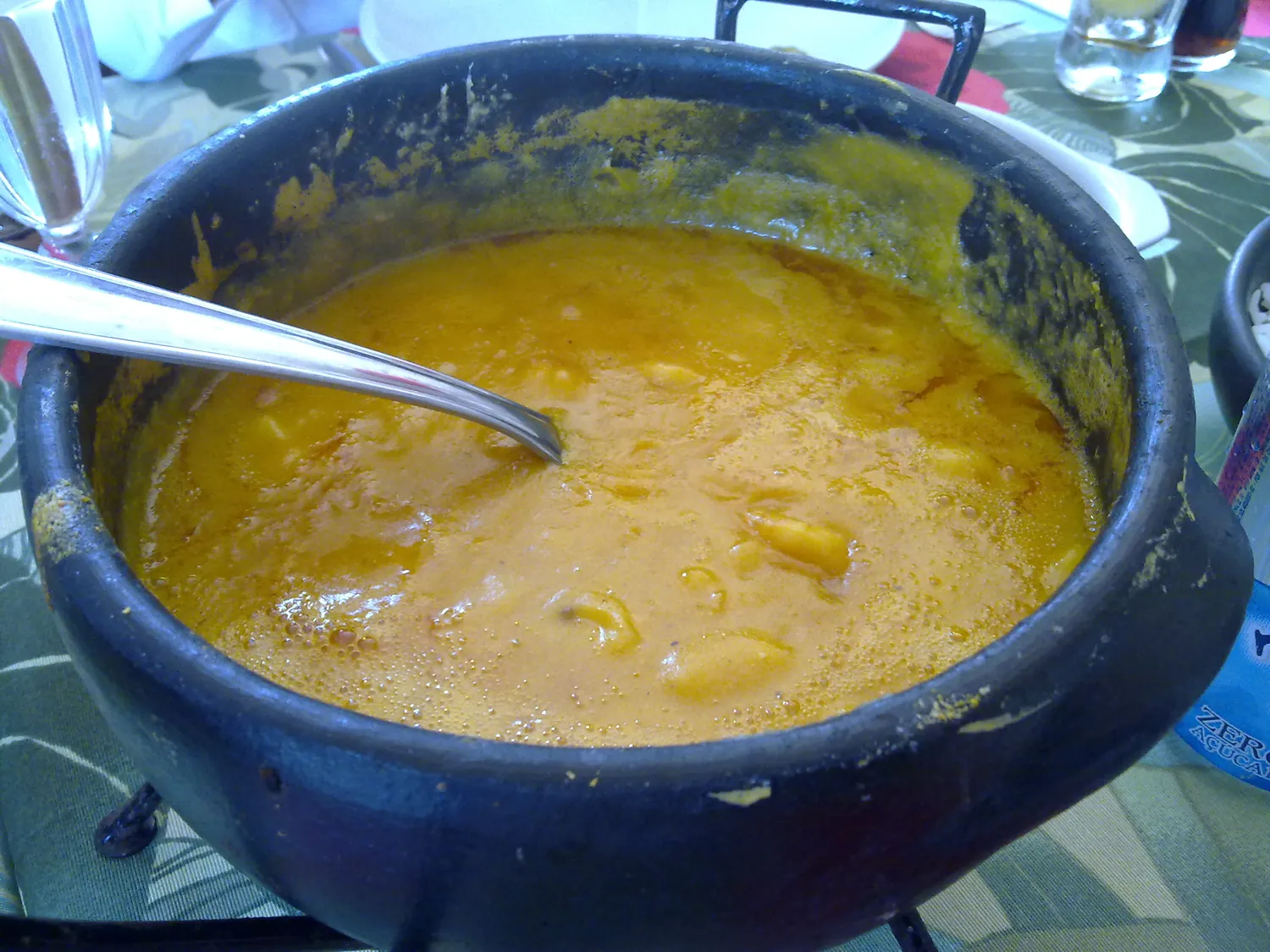
This bobo de camarao recipe is Bahia's creamy shrimp dish: fresh shrimp folded into a thick purée of boiled cassava blended with coconut milk, coloured golden-orange with dendê oil and finished with lime and cilantro. Unlike a stew, the cassava is blended smooth, so the whole dish eats like a rich, spoonable cream. One serving is about 470 g.

Rich & Comforting

Shrimp folded into a thick, smooth cassava cream made with coconut milk and red palm oil, served hot with rice.

Pairs Well With
Steamed white rice, farofa and a crisp green salad
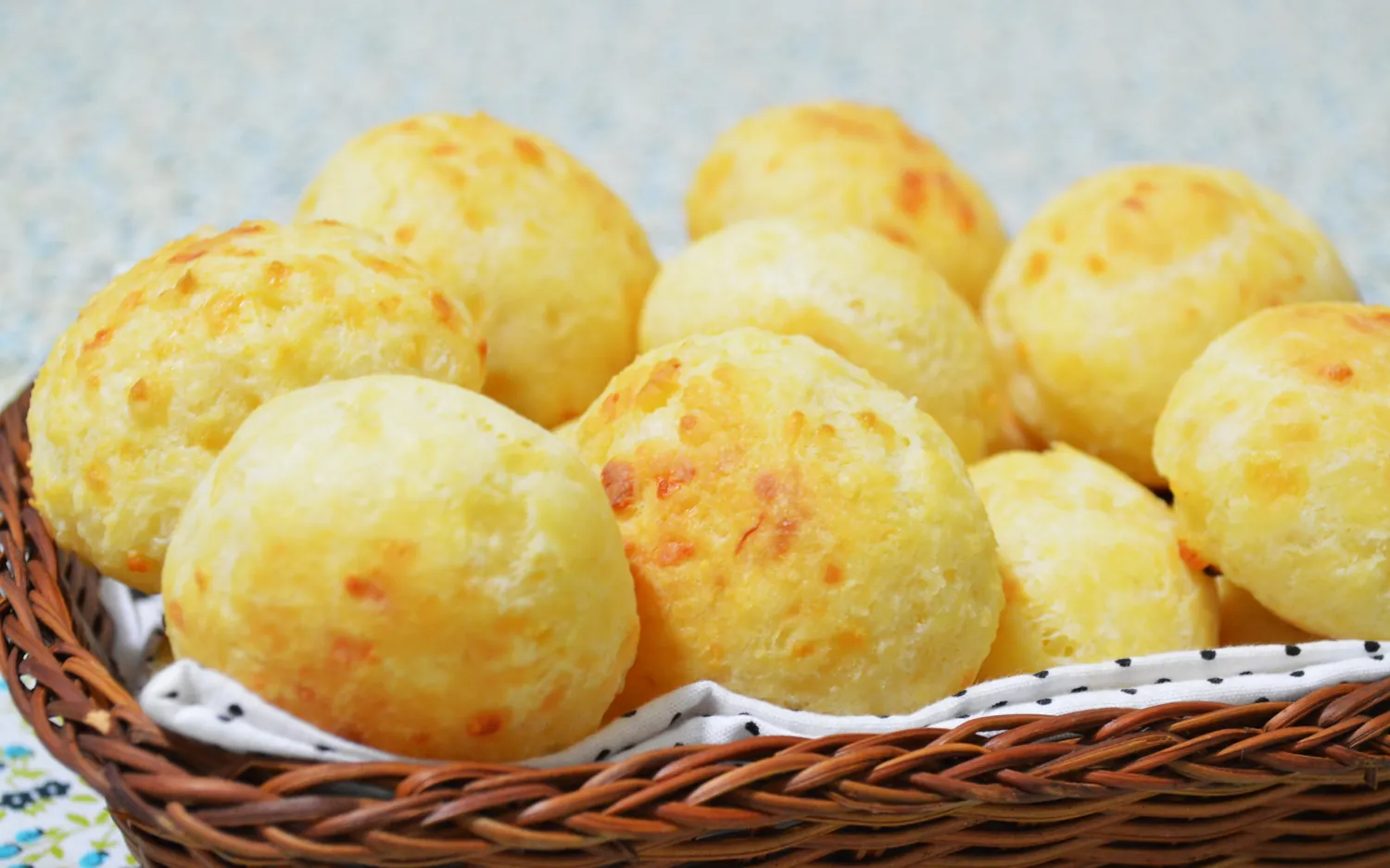
A basket of golden, round pão de queijo, Brazilian cheese bread rolls Brazil flag Brazil 45m
Snack & Tea •Minas Gerais Cheese Bread

Pão de Queijo

This pao de queijo recipe makes Brazil's famous cheese bread: small, golden rolls with a crisp shell and a soft, stretchy, chewy centre, made from tapioca starch, milk, oil, eggs and cheese. There is no wheat flour and no yeast — the rolls puff up on steam in a hot oven. One serving is 4 rolls, about 134 g.

Warm & Chewy Snack

Golden tapioca cheese rolls with a crisp shell and a soft, stretchy centre, baked in under half an hour.

Pairs Well With
Black coffee, fresh fruit, or a light soup
A black clay pot of moqueca baiana, fish chunks in a golden-orange coconut sauce with fresh herbs, beside rice and pirão Brazil flag Brazil 55m
Dinner •Bahian Fish Stew

Moqueca Baiana

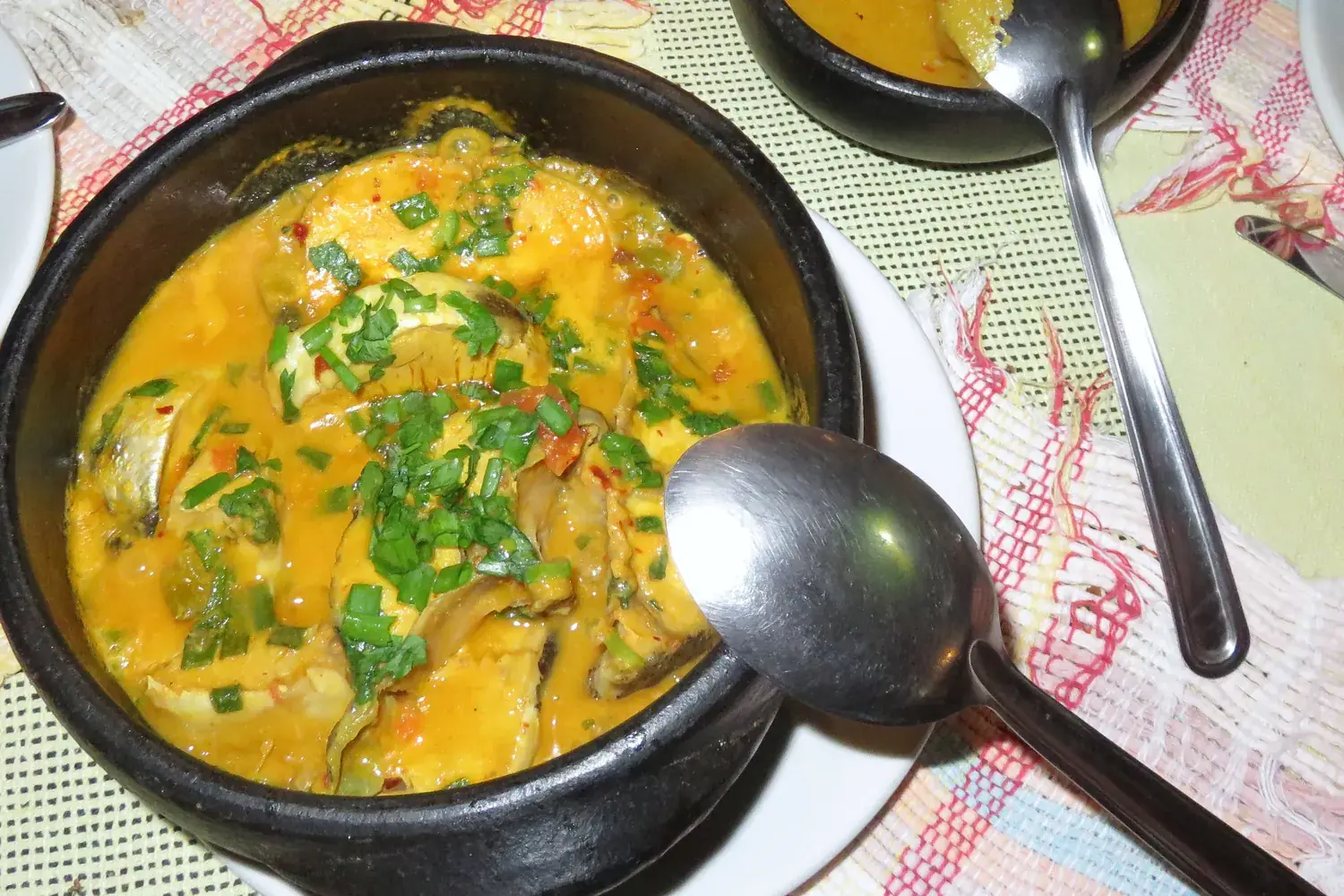
This moqueca baiana recipe is Bahia's famous fish stew: thick fillets of white fish layered with onion, peppers and tomato, then simmered gently in coconut milk with dendê oil until the sauce turns golden-orange. The fish stays in whole, flaky pieces in a fragrant broth — a stew, not a purée. One serving is about 450 g.

Coastal & Aromatic

Firm white fish simmered in coconut milk and red palm oil with peppers and tomato, served hot in its clay pot.

Pairs Well With
Steamed white rice, pirão and farofa
A bowl of Brazilian feijoada — black beans with rounds of sausage and pieces of pork Brazil flag Brazil 3h 30m
Dinner •Brazilian National Dish

Brazilian Feijoada

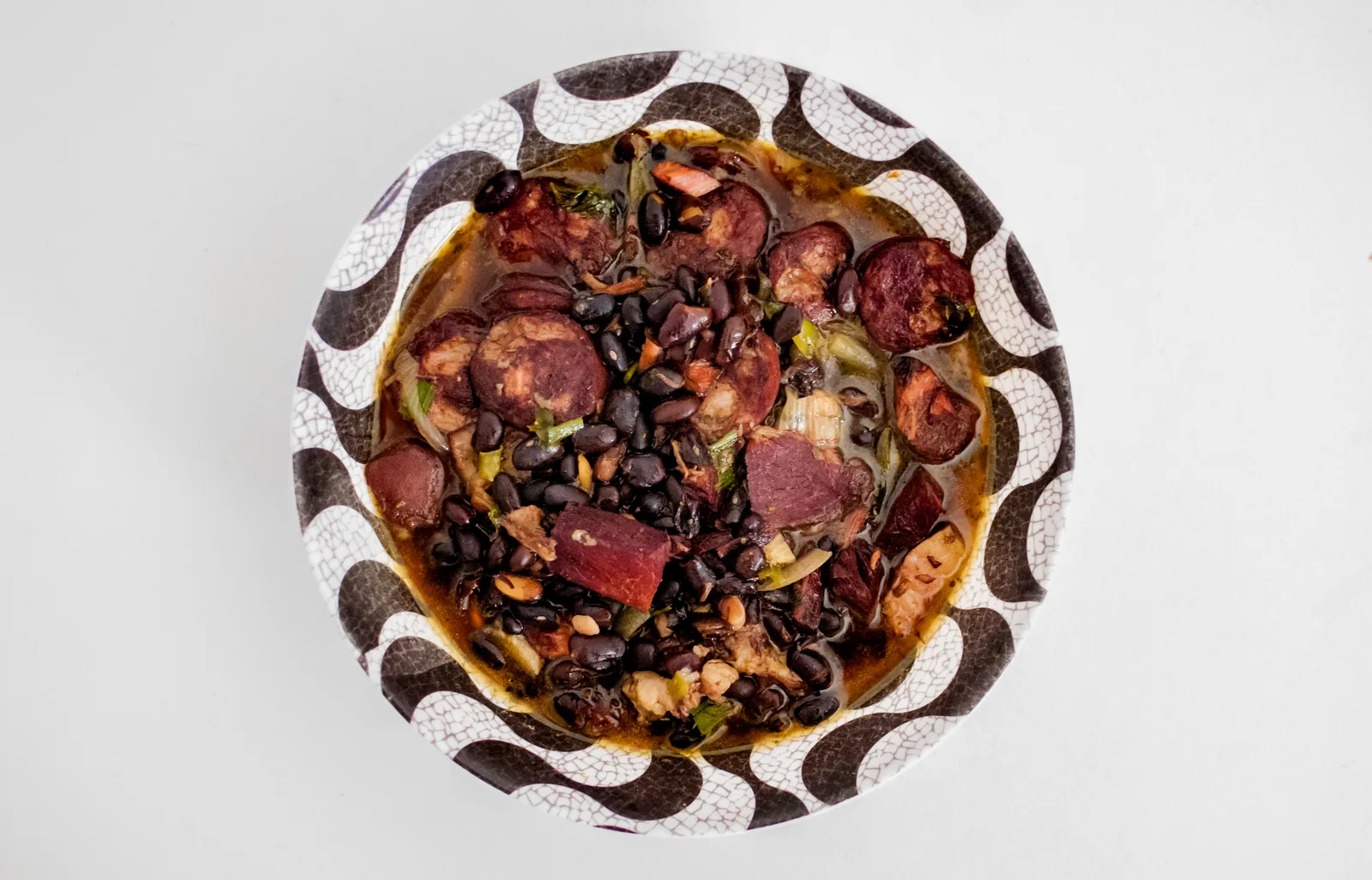
This Brazilian feijoada recipe is the real Saturday lunch: black beans simmered for hours with pork shoulder, smoky linguiça, bacon and beef until the broth turns thick and dark, then served with white rice, garlicky collard greens, orange slices and farofa. It is a slow, generous pot built for sharing. One serving is about 450 g.

Rich & Hearty

Brazil's national dish — black beans slow-cooked with pork, sausage and beef, served with rice, greens and orange.

Pairs Well With
Serve with white rice, sautéed collard greens, orange slices and farofa.

The Dinner Gazette

Never wonder what’s for dinner again

One email a week with easy dinner ideas from around the world — ingredients, steps and nutrition, tested in our kitchen first.

Delivered every Thursday morning. Unsubscribe anytime.