Curated recipes from 193 countries  •  New seasonal Mediterranean issue out now

Overview

Pesto Genovese

Pesto alla Genovese, Genoese Pesto, Basil Pesto

This pesto genovese recipe pounds fresh basil, pine nuts, garlic, Parmigiano-Reggiano and Pecorino Romano with Ligurian olive oil into a bright green sauce, then tosses it with trofie pasta, green beans and potato. It is the uncooked sauce of Genoa, made in minutes and never heated, so the basil stays vivid and fragrant. One serving is about 330 g, pasta and sauce together.

Pesto alla genovese comes from Genoa, the port city of Liguria, where the small-leafed Genovese basil grows. The name comes from pestare, to pound, because the sauce was traditionally crushed in a marble mortar with a wooden pestle. The first printed recipe appeared in 1863 in a Ligurian cookbook, and the classic serving is trofie or trenette pasta cooked with potato and green beans in the same pot — a thrifty, one-pot Ligurian habit that is still the standard today.

Pairs well with: A glass of dry white wine and a simple green salad on the side.

Provenance

Italy flag Italy

Genoa Ligurian Classic

Mediterranean & Italy

Time Dedication

32m

20m prep • 12m cook

Batch Yield

4 Servings

702 kcal per serving

1 serving ≈ 330 g

Technical Skill

Easy

Easy (No-Cook Sauce)

Meal Timing & Digestive Fit

Breakfast

Not Advised

Lunch

Hearty Midday Main

Dinner

Ideal Hearty Main

Snack & Tea

Inappropriate

Pasta & NoodlesQuick Prep (<30m) Occasions: Weeknight dinners, summer lunches, garden gatherings, quick family meals Cost: Medium — about $4–5 per serving at home

A bowl of cellentani pasta tossed in green basil pesto with pieces of tomato

Genoa Ligurian Classic

Photo: Paul Goyette, CC BY-SA 2.0, via Wikimedia Commons

The Heritage Formulary

Measured Ingredients

Estimated cost: Medium — about $4–5 per serving at home (USD)
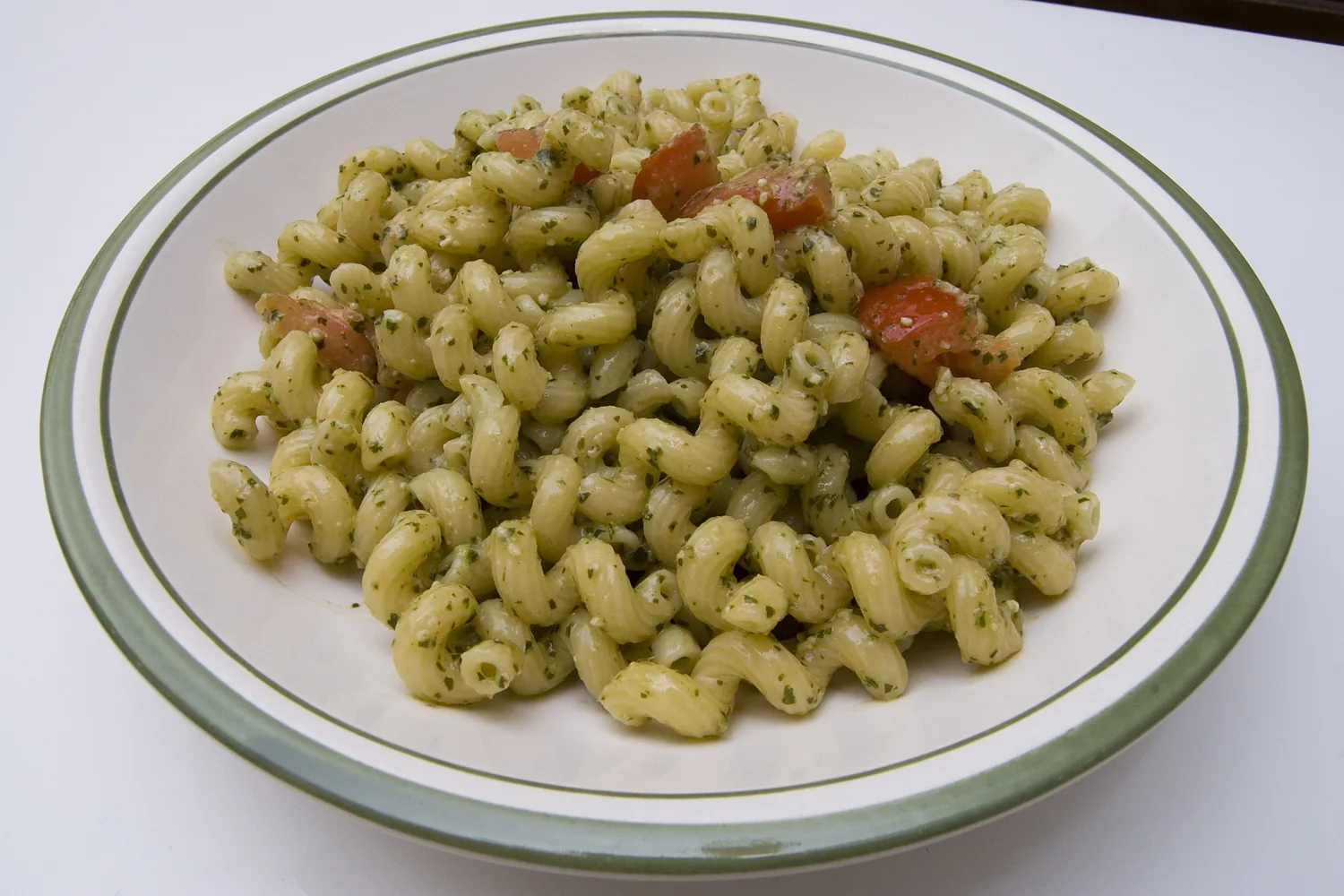
Made the Genoese way: pounded, never heated, with both Parmigiano and Pecorino, and the pasta cooked with potato and green beans.

Execution Methodology & Culinary Technique

Step-by-Step Cooking Guide

Active 32m
P

Prep Stage: Basil, Cheese & Vegetables

20 Mins • Washing & Grating

Wash the basil and dry it completely — wet leaves make a dull, watery sauce. Grate both cheeses, slice the garlic, dice the potato and trim the beans so everything is ready before the pasta water boils.

Maestro Tip: Dry the basil in a salad spinner or between clean towels; even a little water turns the pesto grey.

  1. 1

    Cook the Potato & Beans

    8 Mins Boiling water, 100°C (212°F)

    Bring a large pot of salted water to a rolling boil. Add the diced potato and cook for 4 minutes, then add the green beans and cook for 3 minutes more until both are just tender.

    Cooking the vegetables in the pasta water is the Ligurian trick — one pot, and the water picks up flavour.

    Done when: Potato that breaks with a fork and beans that are tender but still bright green.

  2. 2

    Cook the Pasta

    10 Mins Boiling water, 100°C (212°F)

    Add the trofie to the same pot and cook until al dente, about 9 minutes or as the packet says. Before draining, scoop out 120 ml of the starchy pasta water and set it aside.

    Salt the water well; it is the only seasoning the pasta itself gets.

    Done when: Pasta with a firm bite in the centre.

  3. 3

    Pound the Pesto

    8 Mins No heat

    While the pasta cooks, pound the garlic and pine nuts with the coarse salt in a mortar until creamy, then add the basil a handful at a time, grinding gently until it turns into a green paste. Stir in both cheeses, then drizzle in the olive oil a little at a time until the sauce is thick and glossy. A food processor works too — pulse in short bursts and keep it cool.

    Pound, do not chop hard; crushing releases the basil oils without bruising them dark. If using a processor, stop often so the blades do not heat the sauce.

    Done when: A thick, vivid green paste that smells strongly of basil.

  4. 4

    Toss & Serve

    2 Mins No heat

    Drain the pasta, potato and beans and tip them into a warm bowl. Add the pesto and a few spoonfuls of the reserved pasta water, then toss gently until every piece is coated and glossy. Serve at once, with extra grated Parmigiano on the side.

    Never heat the pesto in the pan; the pasta water loosens it without cooking the basil.

    Done when: Every strand coated in bright green sauce, glossy and fragrant.

Finishing Touches & Plating

Taste and add a pinch more salt or a drizzle of oil if the sauce feels flat; the pesto should taste of fresh basil first, then cheese, then garlic.

Nutritional Physiology & Benefits

Nutrition

Energy

702

kcal / serving

Protein

22g

Complete AA

Carbs

86g

Complex

Fats

30g

Healthy

Per serving (4 servings · 1 serving ≈ 330 g)
Energy702 kcal
Protein22 g
Carbohydrates86 g
Fat30 g
Fibre5.6 g
Sugar4.6 g
Sodium456 mg
Per 100g
Energy213 kcal
Protein6.7 g
Carbohydrates26.2 g
Fat9.2 g
Fibre1.7 g
Sugar1.4 g
Sodium138 mg

Nutrition values are estimated — calculated from USDA FoodData Central values for the listed ingredients.

Vitamins & minerals: Basil and green beans add vitamin K and vitamin C, the cheeses supply calcium and vitamin B12, and the olive oil brings vitamin E.

Fresh Basil, Never Cooked

Because the sauce is raw, the basil keeps its fresh flavour and its vitamin K and vitamin C.

Protein from Cheese & Pine Nuts

One serving carries about 22 g of protein from the two hard cheeses and the pine nuts, which makes this a satisfying dinner.

Olive Oil & Calcium

Extra virgin olive oil supplies monounsaturated fat and vitamin E, and the hard cheeses add calcium.

Food Pairings

What to Eat With

To optimize nutrient absorption and elevate the sensory depth, pair with these authentic accompaniments:

Vegetables

Simple Green Salad

A plain salad with lemon and oil refreshes the palate after the rich, garlicky sauce.

Sides

Crusty Bread

Crusty bread is made for wiping up the last of the pesto in the bowl.

Drinks

Dry White Wine

A dry Ligurian white wine matches the herbal sauce without overpowering the basil.

Full Menus

Lemon Sorbet

A light lemon sorbet after the pasta cleanses the palate and keeps the meal feeling fresh.

Complete menu

Serve pesto genovese pasta with a simple green salad and crusty bread, follow with lemon sorbet, and pour a dry white wine.

Digestive Guardrails

What NOT to Combine

To prevent digestive distress, sluggishness, or palate clash, avoid pairing the dish with these elements:

Heating the Pesto

Cooking the sauce turns the basil dark and bitter, so always toss it with hot pasta off the heat. This is general food information, not medical advice.

Heavy Cream Sauces on the Side

Pesto is already rich with oil and cheese, so a creamy sauce or buttery side makes one meal very heavy. This is general food information, not medical advice.

General information only, not medical advice — consult a doctor for personal dietary decisions.

Who Should Eat It

Who Should Eat

  • General adultsA satisfying dinner — about 22 g protein per serving, best eaten fresh while the sauce is bright.
  • ChildrenChildren usually love pesto pasta; go easy on the garlic for small children and cut the beans small.
  • ElderlySoft pasta and vegetables are easy to eat, but the dish is rich — a modest portion is the comfortable choice.
  • Pregnant womenFine as an occasional dinner; the cheeses are hard and aged, and the portion is moderate. Ask your clinician about portions.
  • Breastfeeding womenAn energy-rich meal with protein and calcium; one serving is enough because the sauce is filling.
  • AthletesA good post-training dinner — carbohydrate from the pasta and potato, plus protein from the cheese.
  • Weight gainA generous plate with pasta, potato and a rich sauce suits a weight-gain goal; add extra cheese.
  • Weight lossThe sauce is energy-dense, so take a smaller plate, add extra green beans and salad, and go light on the oil.

Health Conditions — Adjust or Avoid

Conditions

  • DiabetesOne serving carries about 86 g of carbohydrate from the pasta and potato, so count the plate. Ask your clinician.
  • High blood pressureOne serving carries about 456 mg of sodium, mostly from the cheeses, so keep the portion in mind. Ask your clinician.
  • Kidney diseaseThe cheeses and salt make this a salty plate, so portions matter. Ask your clinician.
  • GoutPasta, potato and cheese are low in purines, but the plate is large, so keep it moderate. Ask your clinician.
  • Stomach issuesGarlic and raw basil can bother a sensitive stomach; a smaller portion is gentler. Ask your clinician.
  • Cardiovascular diseaseThe sauce is rich in fat, so this is an occasional dish rather than an everyday one. Ask your clinician.
  • Fatty liverEnergy-dense and rich, so keep the portion modest and add salad. Ask your clinician.
  • Food allergiesContains milk, tree nuts (pine nuts) and wheat (pasta); pesto is not suitable for nut or dairy allergy. This is general food information, not medical advice.
  • Special therapeutic dietsContains wheat and dairy; a gluten-free pasta and dairy-free cheese change the dish, so ask your clinician or dietitian.

If you have a medical condition, consult your doctor before changing your diet.

Storage & Use

Storage & Use

How to store
Store the sauce and the pasta separately in covered containers; press cling film directly onto the pesto surface to stop it darkening.
In the fridge
The pesto keeps 3 days in the fridge at 4°C (40°F) or below; cooked pasta keeps 2 days.
In the freezer
The pesto alone freezes well for up to 3 months; thaw in the fridge.
How to reheat
Warm the pasta gently with a splash of water until steaming hot, to 74°C (165°F); stir the pesto in off the heat.
Freezing recommended
Yes — sauce only.
Signs it has spoiled
Dark brown sauce, sour smell, or mould on the surface.

More recipes to explore

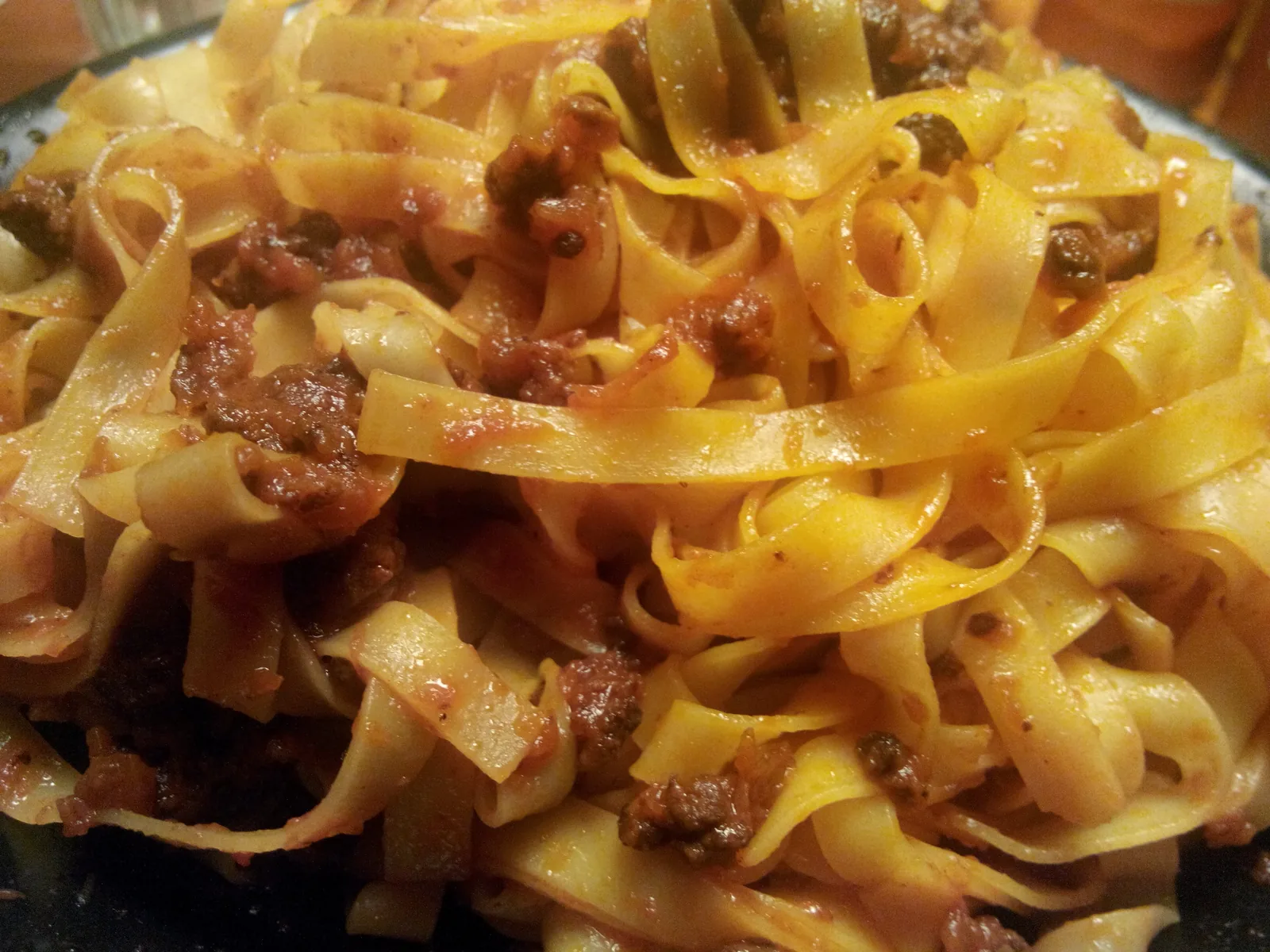
Tagliatelle al ragù Bolognese in a bowl with Parmigiano-Reggiano Italy flag Italy 4h 25m
Lunch •Emilia-Romagna

Tagliatelle al Ragù Bolognese

Slow-braised soffritto and coarse ground heritage meats layered over handmade egg yolk dough for mid-day stamina.

Lean Protein

Slow-simmered beef ragù tossed through fresh egg tagliatelle.

Pairs Well With
Bitter Radicchio & Aged Balsamico di Modena
Pasta & Noodles • High Protein
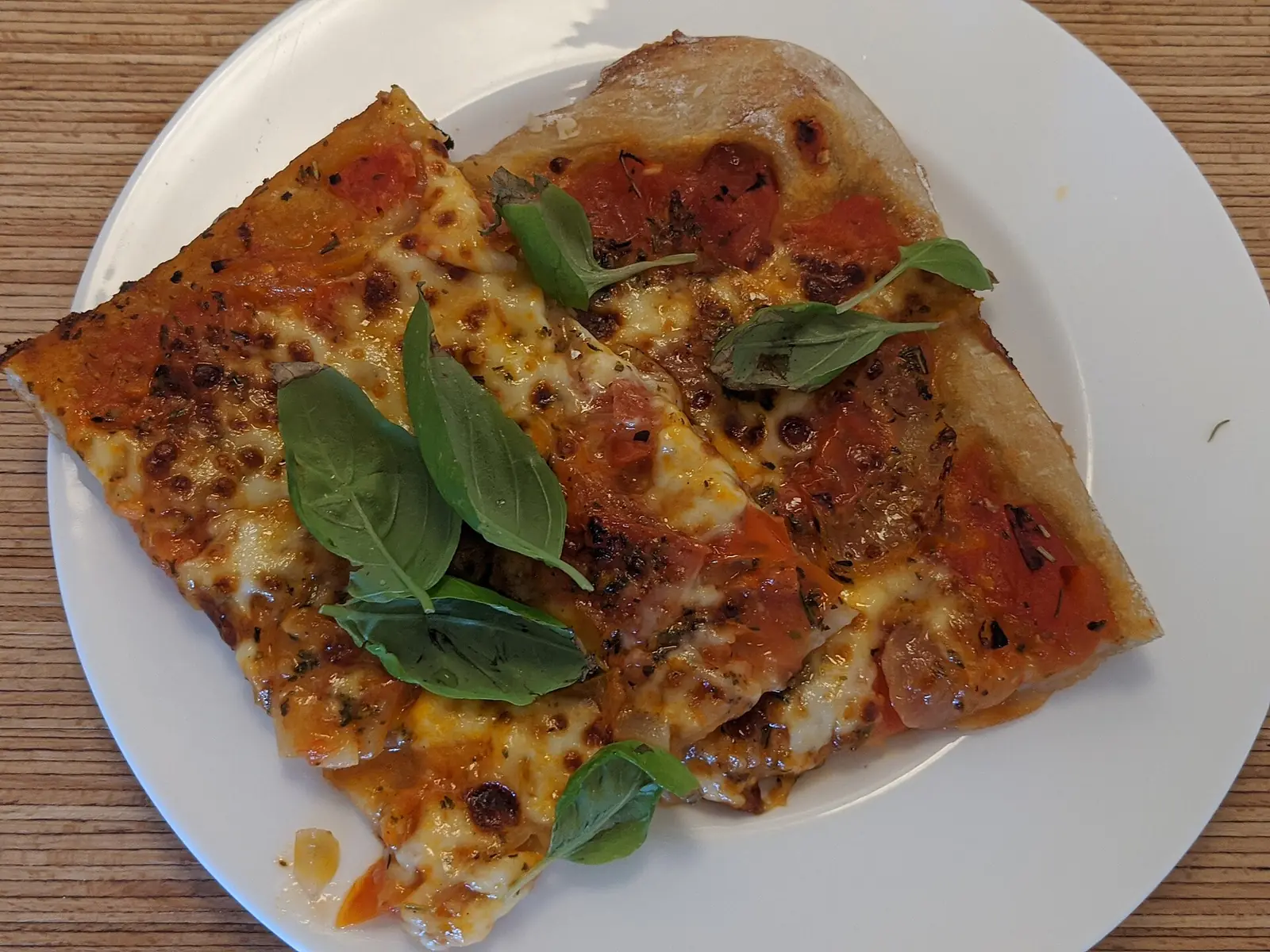
Two slices of pizza margherita with tomato, melted mozzarella and fresh basil on a white plate Italy flag Italy 45m
Dinner •Naples Classic

Pizza Margherita

This pizza margherita recipe makes a proper Neapolitan-style pizza at home: a soft, airy dough, San Marzano tomato sauce, fior di latte mozzarella and fresh basil. One serving is about 325 g — two slices.

Simple & Satisfying

Wood-fired-style pizza with tomato, fior di latte mozzarella and basil — three ingredients, done properly.

Pairs Well With
A simple green salad and a glass of Chianti or sparkling water
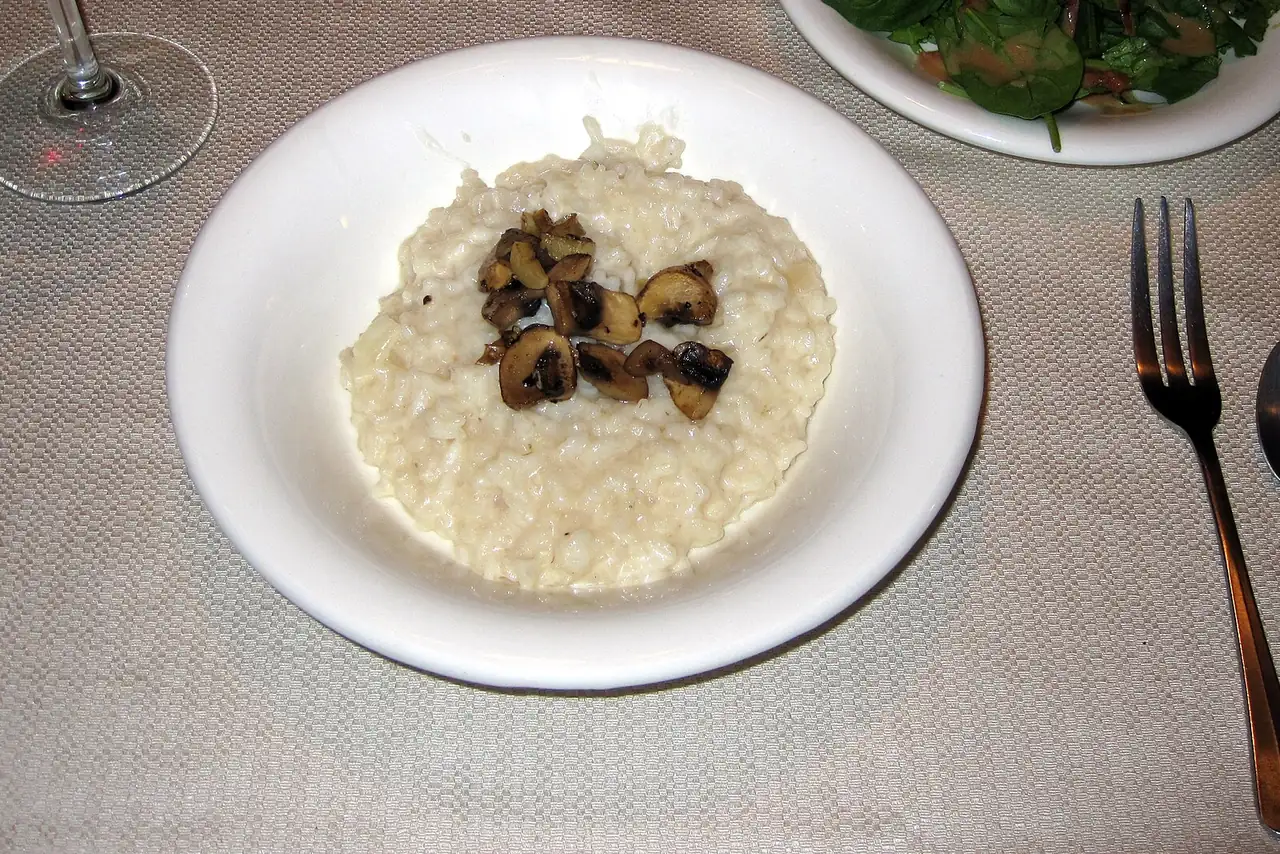
A bowl of creamy mushroom risotto topped with sautéed mushrooms, with a spinach salad beside it Italy flag Italy 50m
Dinner •Milanese Classic

Mushroom Risotto

This mushroom risotto recipe stirs Arborio rice slowly with hot stock, white wine and two kinds of mushrooms, then finishes it the Milanese way with cold butter and Parmesan. One serving is about 500 g.

Comfort & Warmth

Creamy Arborio rice, slowly stirred with mushrooms, white wine and Parmesan.

Pairs Well With
A rocket and Parmesan salad and a glass of dry white wine
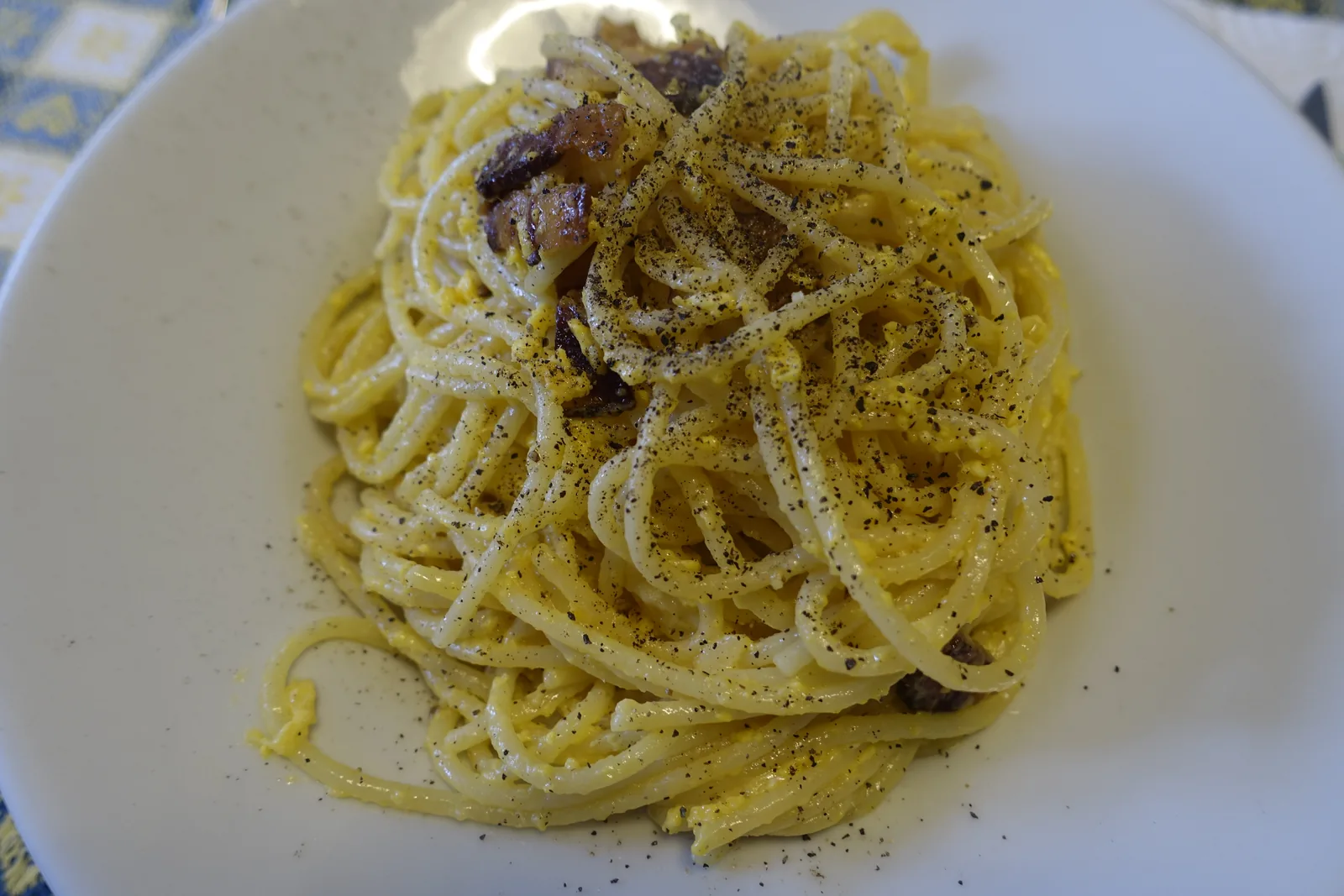
A plate of spaghetti carbonara with golden egg sauce, crisp guanciale and black pepper Italy flag Italy 30m
Dinner •Roman Classic

Spaghetti Carbonara

This spaghetti carbonara recipe is the Roman classic as it should be: spaghetti tossed with crisp guanciale, egg yolks, Pecorino Romano and black pepper — no cream, no bacon, no garlic. One serving is about 275 g. It takes 30 minutes, and the sauce comes together in the time the pasta cooks.

Comfort & Rich

Silky egg-and-cheese sauce over spaghetti with crisp guanciale and black pepper, ready in 30 minutes.

Pairs Well With
Pecorino Romano, black pepper & a crisp white wine
Pasta & Noodles • Quick Prep (<30m)

The Dinner Gazette

Never wonder what’s for dinner again

One email a week with easy dinner ideas from around the world — ingredients, steps and nutrition, tested in our kitchen first.

Delivered every Thursday morning. Unsubscribe anytime.