
Curated recipes from 193 countries  •  New seasonal Mediterranean issue out now

Overview

Salpicón de Frutas Colombiano

Salpicón de Frutas, Colombian Fruit Cup, Salpicón con Helado

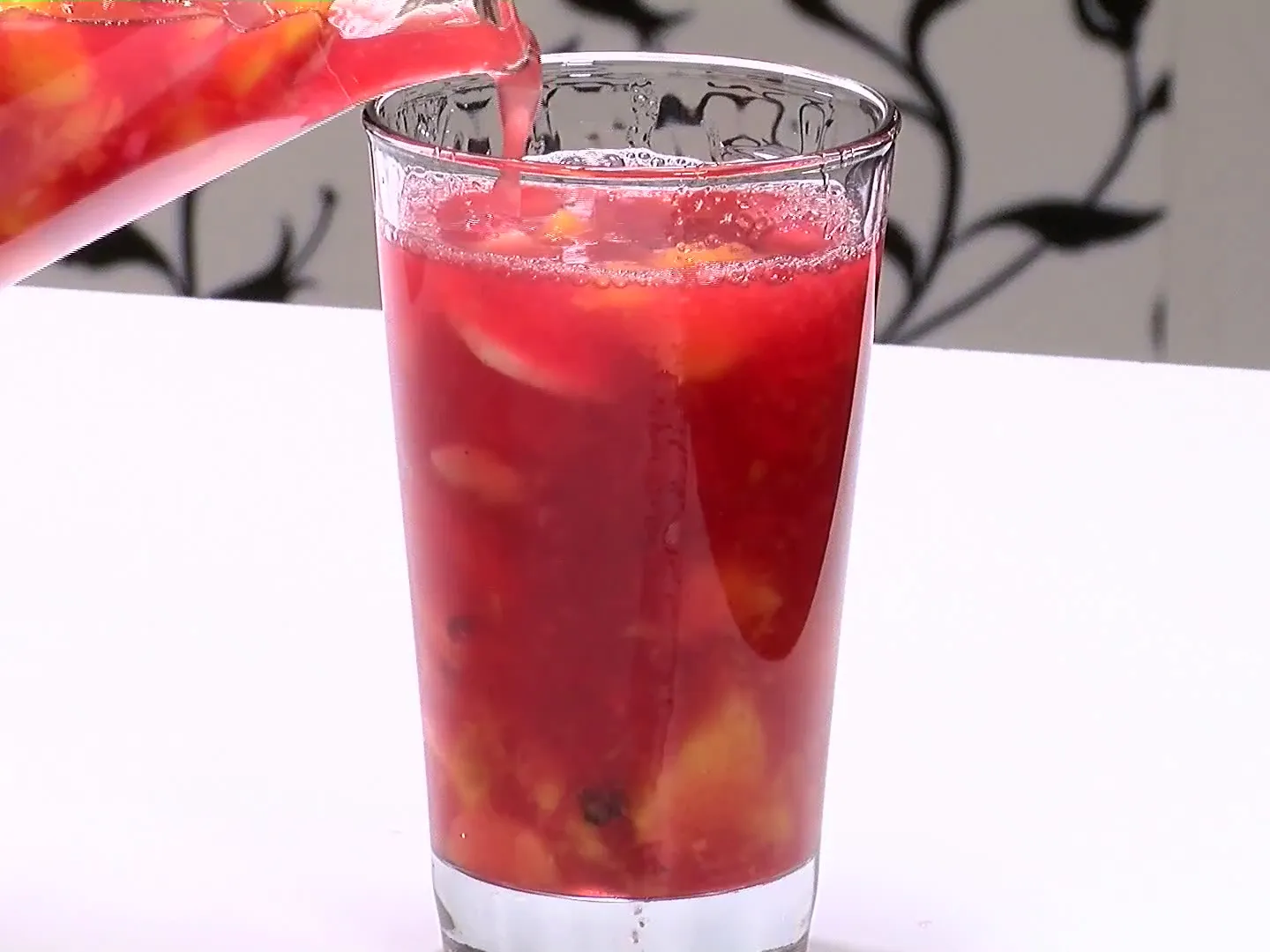
This salpicon de frutas recipe dices papaya, pineapple, banana, melon and watermelon into small pieces, chills them in red Colombiana soda with lime, and serves the mix in tall glasses with a scoop of vanilla ice cream and a crisp wafer. It is the cold, sweet cup sold by street vendors across Colombia on hot afternoons. One serving is about 510 g.

Salpicón de frutas is the drink of the Colombian street: vendors dice banana, pineapple, papaya, melon and watermelon into a tall glass, pour over the fruit's own juice — often mixed with red cola soda — and serve it ice-cold, sometimes with a scoop of ice cream on top. It is sold from stalls and small shops all over the country on hot afternoons, and the flavour is so well loved that the Postobón company has sold a Tutti Frutti salpicón-flavoured soda for more than sixty years.

Pairs well with: Serve the cold salpicón with a wafer and a long spoon, straight from the fridge

Provenance

Colombia flag Colombia

Caribbean Coast Heritage

Latin America & Caribbean

Time Dedication

40m

40m prep • 0m cook

Batch Yield

4 Servings

355 kcal per serving

1 serving ≈ 510 g

Technical Skill

Easy

Easy (No Cooking)

Meal Timing & Digestive Fit

Breakfast

Not Advised

Lunch

Inappropriate

Dinner

Inappropriate

Snack & Tea

Ideal Light Bite

Quick Prep (<30m) Occasions: Hot afternoons, street food, family gatherings, summer parties Cost: Low — about $2.00 per serving at home
A tall glass of red salpicón de frutas being poured from a jug, with chunks of fruit visible in the pink-red juice

Caribbean Coast Heritage

Photo: Juan Gonzalo Angel (CocinaTV), CC BY 3.0, via Wikimedia Commons

The Heritage Formulary

Measured Ingredients

Estimated cost: Low — about $2.00 per serving at home (USD)

A good salpicón is ice-cold, bright red and full of small, even fruit pieces — the soda still fizzing, the fruit fresh and the ice cream just starting to melt.

Execution Methodology & Culinary Technique

Step-by-Step Cooking Guide

Active 40m
P

Dice the Fruit and Chill the Glasses

25 Mins

Peel and dice the papaya, pineapple, melon and watermelon into small 1 cm pieces, and slice the bananas into small rounds. Put all the fruit in a large bowl, toss it gently with the lime juice, and chill it in the fridge for at least 15 minutes. Put the 4 tall glasses in the fridge too, so the drink stays cold.

Maestro Tip: Cut the fruit small and even — salpicón is eaten with a spoon and drunk from the glass, so every piece should fit on a spoon.

  1. 1

    Dice the Fruit

    20 Mins Room temperature

    Peel and dice the 300g of papaya, 300g of pineapple, 200g of melon and 300g of watermelon into pieces about 1 cm across. Peel the 2 bananas and slice them into 1 cm rounds, then cut the rounds in half. Put all the fruit in a large bowl.

    Work with a sharp knife and a steady board — small, even pieces look better and are easier to eat with a spoon.

    Done when: A bowl of small, even fruit pieces in five colours.

  2. 2

    Mix with Lime and Chill

    15 Mins Chilled, about 4°C (40°F)

    Pour the 30g of lime juice over the fruit and toss it very gently so every piece is coated — the lime keeps the banana and papaya from browning. Cover the bowl and chill it in the fridge for at least 15 minutes, and chill the 4 tall glasses at the same time.

    Toss gently, not hard — the banana and papaya bruise easily.

    Done when: Cold, bright fruit, evenly coated with lime juice.

  3. 3

    Pour the Soda

    2 Mins Ice-cold, about 4°C (40°F)

    Divide the chilled fruit between the 4 cold glasses. Pour 120ml of the ice-cold red soda into each glass, slowly, down the side of the glass so it does not fizz up too much. Stir once, gently, with a long spoon.

    Pour the soda at the last moment — it goes flat if it sits, and the fizz is part of the drink.

    Done when: Tall glasses of red fruit and soda, fizzing gently.

  4. 4

    Top with Ice Cream and Wafer

    2 Mins Ice-cold

    Set a scoop of vanilla ice cream (50g) on top of each glass and push a vanilla wafer into the ice cream so it stands up. Serve at once, before the ice cream melts.

    Scoop the ice cream straight from the freezer — soft ice cream slides off the glass.

    Done when: Each glass crowned with a scoop of ice cream and a crisp wafer.

  5. 5

    Serve at Once

    1 Min Ice-cold, about 4°C (40°F)

    Hand each glass out with a long spoon and a straw. The salpicón is drunk and spooned at the same time — the fruit at the bottom is the best part, so remind everyone to stir and scoop as they drink.

    Serve it the moment it is built — salpicón waits for no one, and the ice cream melts fast.

    Done when: Ice-cold glasses of red fruit, soda and melting ice cream, ready to drink.

Finishing Touches & Plating

Top each ice-cold glass with a scoop of vanilla ice cream and a crisp wafer, hand them out with long spoons, and serve at once — salpicón is at its best in the first few minutes, while the soda still fizzes and the ice cream is just starting to melt.

Nutritional Physiology & Benefits

Nutrition

Energy

355

kcal / serving

Protein

4g

Complete AA

Carbs

72g

Complex

Fats

8g

Healthy

Per serving (4 servings · 1 serving ≈ 510 g)
Energy355 kcal
Protein4 g
Carbohydrates72 g
Fat8 g
Fibre4.9 g
Sugar54.9 g
Sodium93 mg
Per 100g
Energy70 kcal
Protein0.9 g
Carbohydrates14 g
Fat1.5 g
Fibre1 g
Sugar10.8 g
Sodium18 mg

Nutrition values are estimated — calculated from USDA FoodData Central values for the listed ingredients.

Vitamins & minerals: Vitamin C (pineapple, papaya and melon), vitamin A (papaya and melon), potassium (banana and watermelon), and folate (papaya).

Vitamin C from Fresh Fruit

Each 510 g serving gives about 355 kcal from five fresh fruits — pineapple, papaya and melon all bring vitamin C, and the fruit is raw, not cooked.

Hydrating and Light

Watermelon and melon are mostly water, and the whole glass is served ice-cold — a refreshing drink on a hot afternoon, not a heavy dessert.

Quick Energy from Fruit

About 71.5 g of carbohydrate a serving, mostly natural fruit sugars, gives a quick lift — the kind of sweet pick-me-up street vendors sell for the afternoon.

Food Pairings

What to Eat With

To optimize nutrient absorption and elevate the sensory depth, pair with these authentic accompaniments:

Sides

Colombian Empanada

A salty, crisp corn empanada is the classic street-food partner — its savoury crunch balances the cold sweetness of the fruit cup.

Buñuelo

A warm, salty cheese buñuelo next to the ice-cold fruit cup makes the hot-and-cold contrast that Colombian street snacks are known for.

Drinks

Limonada de Coco

The coconut lemonade is another cold Colombian street drink, and its creamy tartness suits the same hot afternoon as the salpicón.

Full Menus

Afternoon Street Snack

Serve the salpicón as the sweet finish to an afternoon street snack, after empanadas or buñuelos, with a limonada de coco to drink.

Complete menu

Serve the ice-cold salpicón with a wafer and a long spoon after empanadas or buñuelos, with a limonada de coco to drink, for a full Colombian afternoon street snack.

Digestive Guardrails

What NOT to Combine

To prevent digestive distress, sluggishness, or palate clash, avoid pairing the dish with these elements:

Leaving Cut Fruit Warm

Cut fruit kept at room temperature for more than 2 hours can grow bacteria, so keep the diced fruit chilled and serve the salpicón within 2 hours of cutting. This is general information, not medical advice.

Too Much Soda for Children

Each serving carries about 54.9 g of sugar, much of it from the red soda, so children are better with a small glass or a version made with fruit juice instead of soda. This is general information, not medical advice.

General information only, not medical advice — consult a doctor for personal dietary decisions.

Who Should Eat It

Who Should Eat

  • General adultsA sweet, refreshing snack — one 510 g glass is a full afternoon treat for most adults.
  • ChildrenChildren love the sweet fruit and ice cream, but the sugar is about 54.9 g a glass — a small glass is the wiser choice.
  • ElderlySoft, easy to eat and hydrating, but very sweet — a half glass suits a light appetite.
  • Pregnant womenFresh fruit brings vitamins, but the sugar is high, so keep to a small glass and ask your clinician if you are unsure.
  • Breastfeeding womenA cold, hydrating snack between feeds, with vitamin C from the fresh fruit — one small glass is plenty.
  • AthletesA quick carbohydrate lift after training — about 355 kcal with 71.5 g of carbohydrate per serving.
  • Weight gainAt about 355 kcal a glass with ice cream, salpicón is an easy way to add energy to the day.
  • Weight lossA 510 g glass is sweet for 355 kcal, so a half glass without the ice cream is the lighter choice.

Health Conditions — Adjust or Avoid

Conditions

  • DiabetesAbout 71.5 g of carbohydrate and 54.9 g of sugar a serving, mostly from the soda and fruit, so a small glass or a juice version is the safer choice; ask your clinician about a suitable serving.
  • High blood pressureSodium is only about 93 mg a serving — the sugar, not the salt, is the thing to watch; ask your clinician if you are unsure.
  • Kidney diseaseThe dish is rich in potassium from banana and watermelon and has about 4.4 g of protein a serving; ask your clinician whether it fits your diet.
  • GoutFresh fruit is low in purines, so a small glass is fine for most people with gout; ask your clinician if you are unsure.
  • Stomach issuesA cold, sweet, fizzy drink — the soda and acidity can bother a sensitive stomach, so drink it slowly and in a small glass; ask your clinician if symptoms persist.
  • Cardiovascular diseaseAbout 7.7 g of fat a serving, mostly from the ice cream, so the sugar is the bigger concern — keep the portion small; ask your clinician if you are unsure.
  • Fatty liverA sweet drink with ice cream, so a small glass with less soda is better than a large one; ask your clinician if you are unsure.
  • Food allergiesContains milk (ice cream) and wheat (wafer cookies). No egg, peanut, tree nut, fish or shellfish.
  • Special therapeutic dietsThis is a sweet everyday snack, not a therapeutic food; anyone on a special diet should ask their clinician before eating it.

If you have a medical condition, consult your doctor before changing your diet.

Storage & Use

Storage & Use

How to store
Keep the diced fruit and the soda separate in the fridge; build each glass only when serving.
In the fridge
1 day for the diced fruit in a sealed container; the soda stays fizzy for 2 days once opened if capped tightly.
In the freezer
Do not freeze — the fruit turns mushy and the ice cream topping melts.
How to reheat
Do not heat — salpicón is served ice-cold; if the fruit has been out, chill it again before serving.
Freezing recommended
No — the fresh fruit and the soda do not freeze well.
Signs it has spoiled
A sour or fermented smell, slimy fruit, or fizzing fruit that has gone off.

More recipes to explore

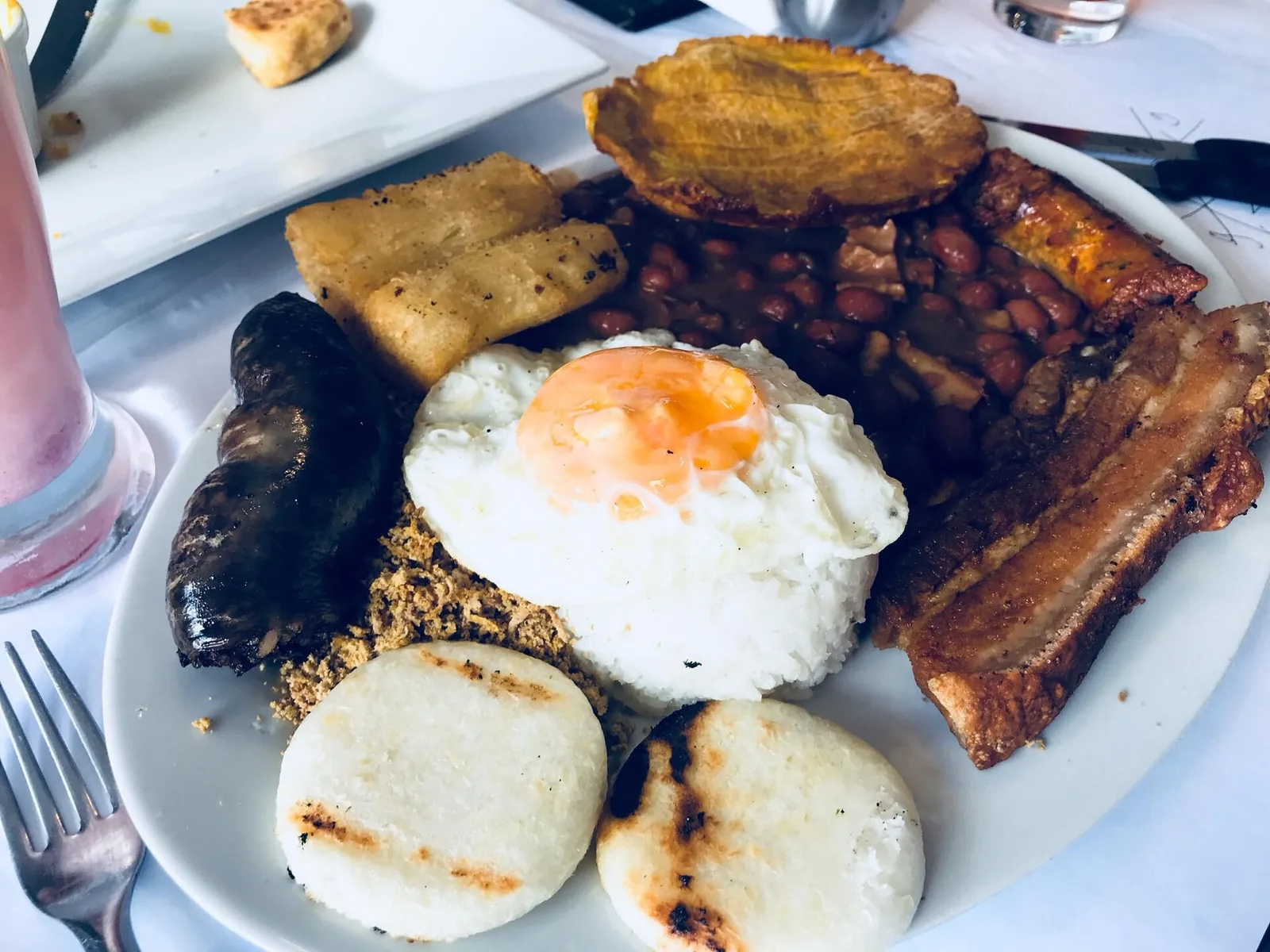
Bandeja paisa on a white plate with red beans, white rice, a fried egg, chicharrón, morcilla, chorizo, fried plantain and two small arepas Colombia flag Colombia 2h
Lunch •Antioquia Heritage

Bandeja Paisa

This bandeja paisa recipe builds the famous platter from Antioquia: red beans simmered with pork, white rice, crisp chicharrón, seasoned ground beef, chorizo and morcilla, a fried egg, sweet fried plantain, avocado, hogao sauce and a small grilled arepa. Every part is cooked separately, then piled onto one wide plate so each bite can mix a little of everything. One serving is about 894 g.

Hearty & Filling

A generous Antioquia platter of beans, rice, meats, egg, plantain and avocado, built to fuel a long working day.

Pairs Well With
A cold glass of panela lemonade or a light lager, with a small green salad on the side.
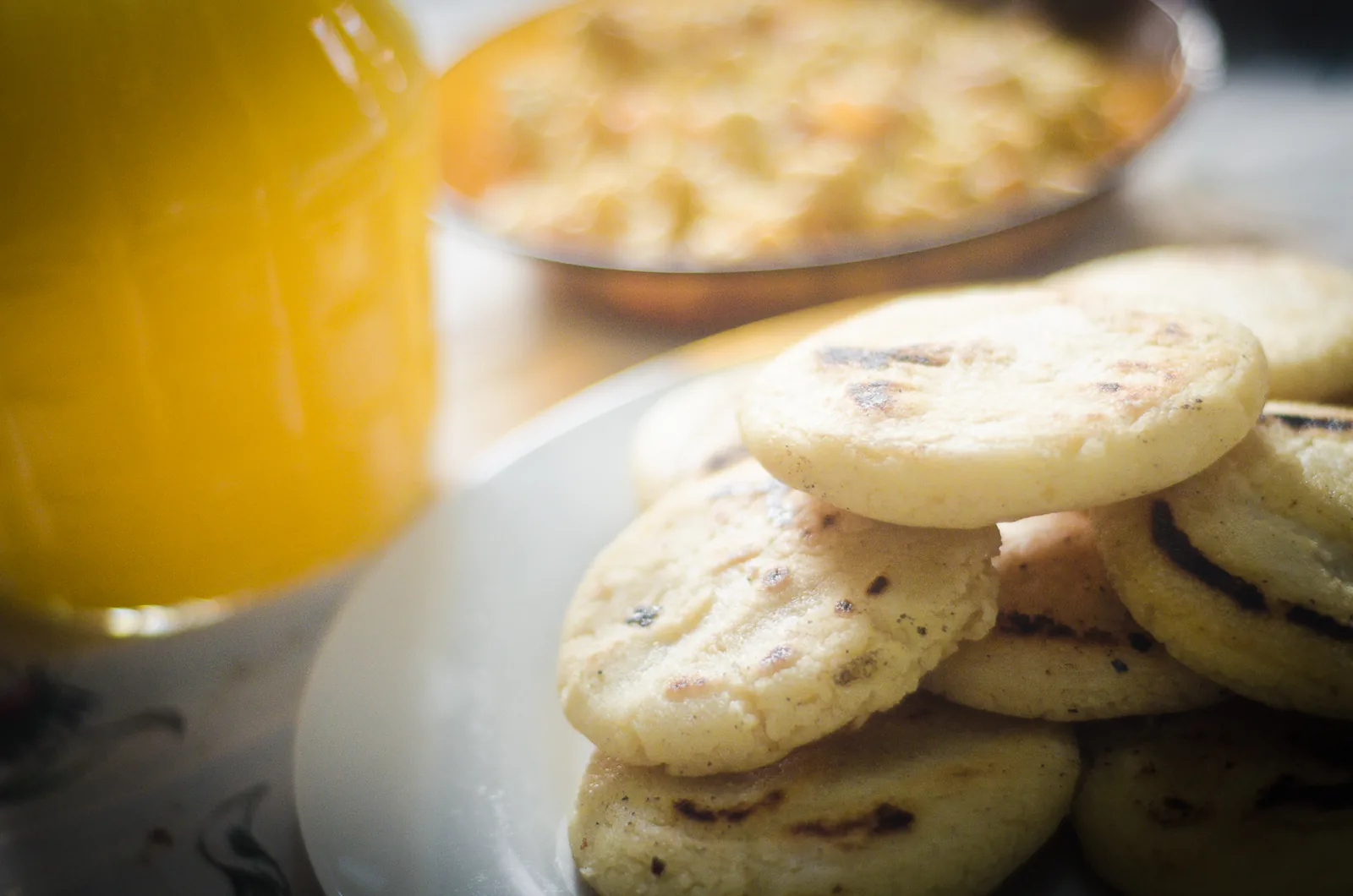
A stack of golden grilled Colombian arepas on a white plate, with a glass of orange juice beside them Colombia flag Colombia 35m
Breakfast •Andean Heritage

Colombian Arepas

This Colombian arepas recipe turns pre-cooked white cornmeal, warm water, butter and cheese into round corn cakes that are grilled until crisp outside and soft inside. The cheese is kneaded right into the dough, so every bite is savoury and gently melty. Colombian arepas are thinner and plainer than the stuffed Venezuelan kind: they are a breakfast bread, split open and filled at the table. One serving is about 220 g, two arepas.

Comfort & Warmth

Golden grilled corn cakes made from white masarepa, with melting cheese kneaded into the dough.

Pairs Well With
Hot chocolate or coffee, with butter and a slice of fresh cheese on the side.
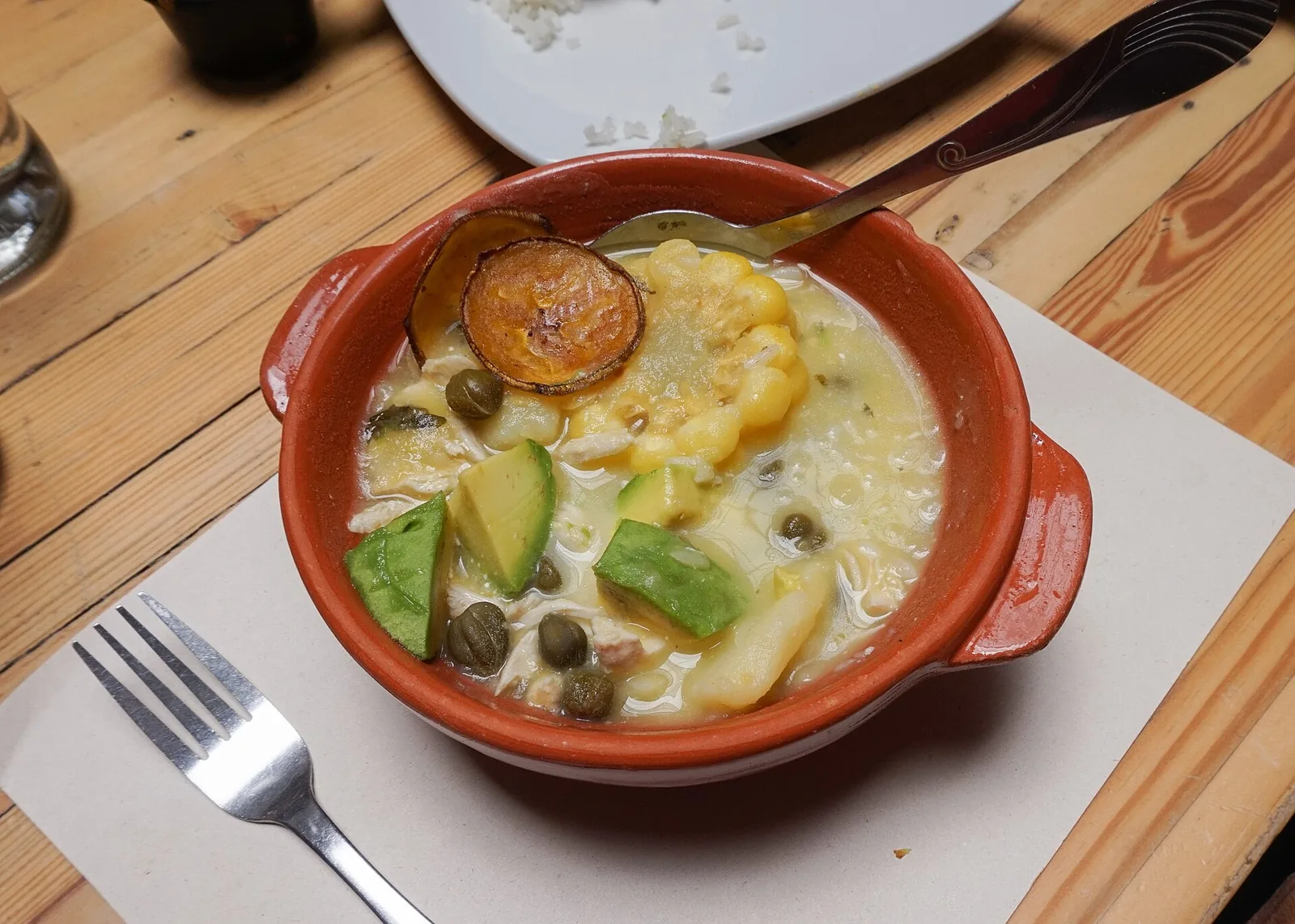
A bowl of ajiaco in a clay bowl, thick golden soup with corn, avocado, capers and shredded chicken Colombia flag Colombia 1h 30m
Lunch •Bogotá Heritage

Ajiaco

This ajiaco recipe is Bogotá's signature soup: chicken simmered with corn on the cob and three kinds of potato — pastusa, sabanera and criolla — until the criolla melts and thickens the broth golden. The herb guascas gives it its unmistakable earthy flavour, and every bowl is finished at the table with heavy cream, briny capers and sliced avocado. One serving is about 750 g, soup and toppings together.

Comfort & Warmth

Bogotá's thick chicken and potato soup, flavoured with guascas and served with cream, capers and avocado.

Pairs Well With
White rice and a small side salad, with the cream, capers and avocado passed around the table.
Soups & Broths
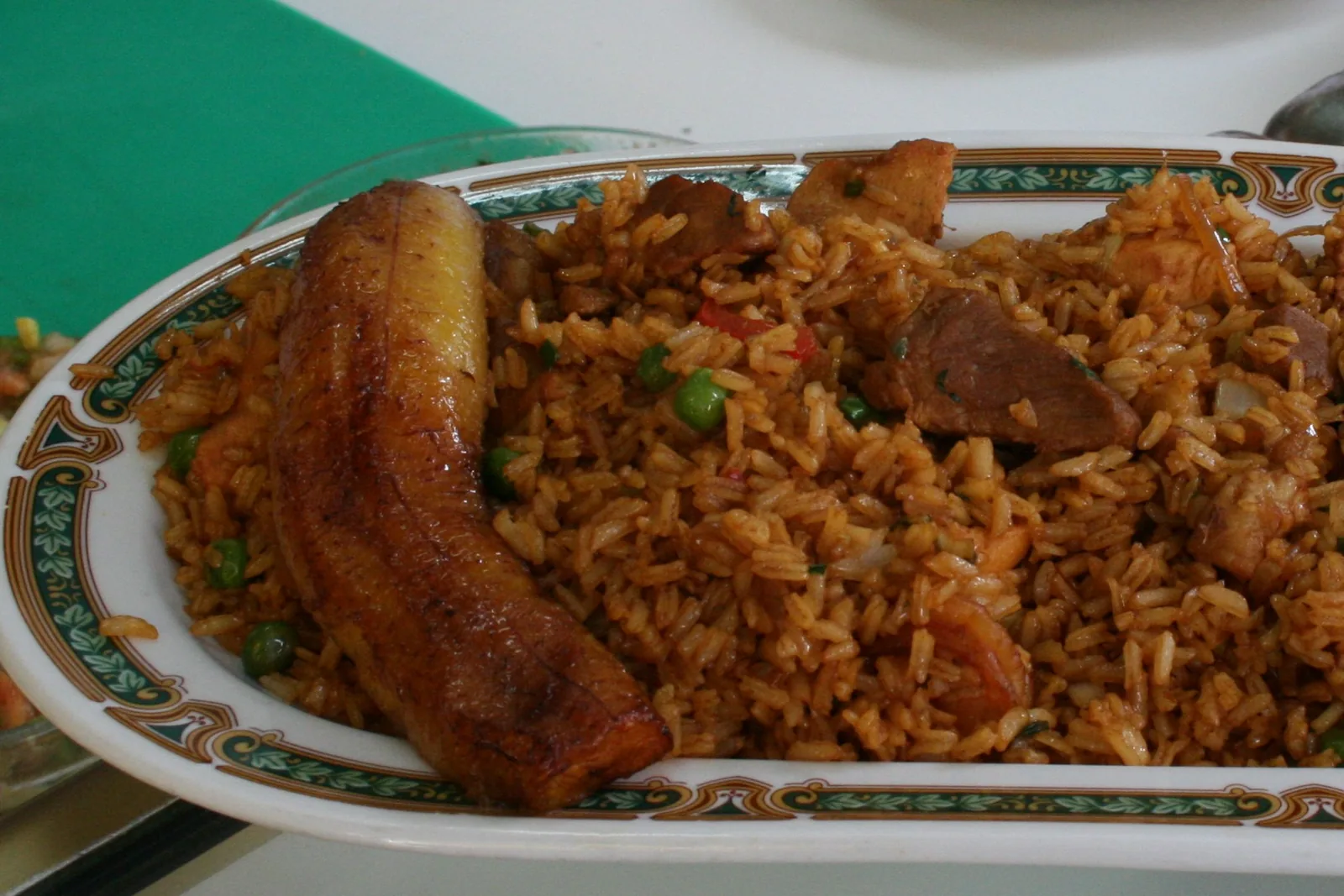
A platter of lechona with golden rice, roast pork pieces, green peas and a fried plantain Colombia flag Colombia 6h
Dinner •Tolima Heritage

Lechona

Lechona is Tolima's great festive roast: a deboned pig — here a pork shoulder with its skin — stuffed with rice and peas, sewn shut and roasted for hours until the meat is spoon-tender and the skin crackles. It is served chopped, a spoon of golden rice with every piece of pork, with arepas and fried plantain on the side. One serving is about 444 g.

Festive & Filling

Pork shoulder stuffed with rice and peas, roasted for hours until the meat is tender and the skin crackles.

Pairs Well With
White arepas, fried plantain and a cold beer
High Protein

The Dinner Gazette

Never wonder what’s for dinner again

One email a week with easy dinner ideas from around the world — ingredients, steps and nutrition, tested in our kitchen first.

Delivered every Thursday morning. Unsubscribe anytime.