
Curated recipes from 193 countries  •  New seasonal Mediterranean issue out now

Overview

Samgyeopsal

Samgyeopsal-gui, Korean Grilled Pork Belly

This samgyeopsal recipe grills thick slices of pork belly on a hot pan right at the table, then wraps the crisp-edged meat in lettuce leaves with kimchi, garlic and ssamjang. It is a loud, sociable dinner — everyone grills, cuts and wraps their own bites. One serving is about 364 g.

Samgyeopsal means three-layered flesh, named for the stripes of meat and fat in a cut of pork belly. It became a national favourite in South Korea in the 1970s and 1980s as barbecue restaurants spread, and the tabletop grill turned dinner into a social event: friends cook the meat themselves, wrap it in lettuce, and eat it in one bite. The ssam — the lettuce wrap — is the heart of the meal, and the balance of fatty pork, sour kimchi and savoury ssamjang is what keeps people coming back.

Pairs well with: Steamed short-grain rice, kimchi and cold barley tea or beer

Provenance

South Korea flag South Korea

Korean Barbecue Classic

East & South Asia

Time Dedication

35m

20m prep • 15m cook

Batch Yield

4 Servings

890 kcal per serving

1 serving ≈ 364 g

Technical Skill

Easy

Easy (Tabletop Grill)

Meal Timing & Digestive Fit

Breakfast

Not Advised

Lunch

Hearty Midday Main

Dinner

Ideal Hearty Main

Snack & Tea

Inappropriate

High Protein Occasions: Weekend dinner with friends, family barbecue night, celebration meals Cost: Medium — about $5–6 per serving at home
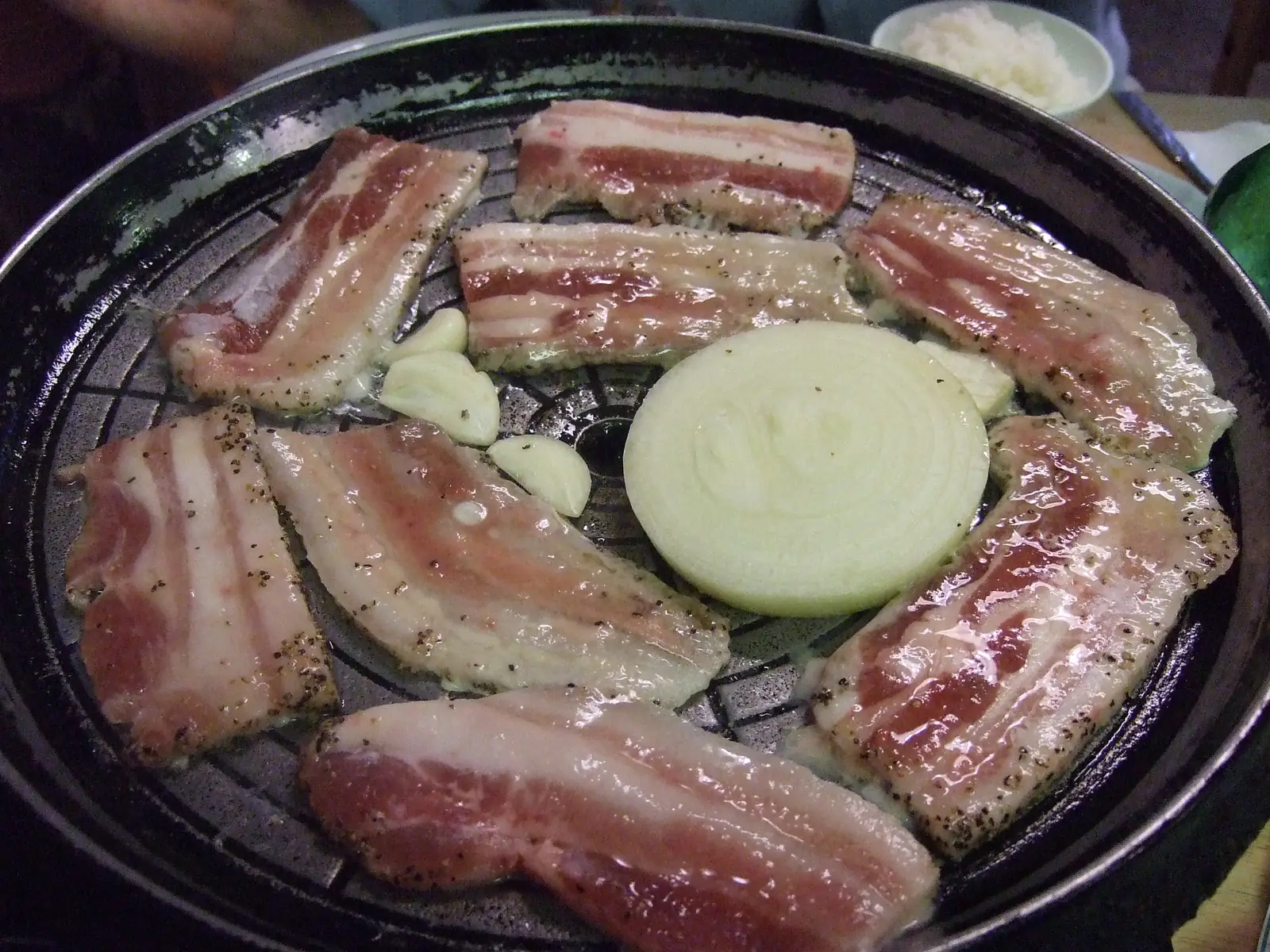
Thick slices of pork belly grilling on a round Korean grill pan with garlic cloves and a slice of onion

Korean Barbecue Classic

Photo: hellochris, CC BY 2.0, via Wikimedia Commons

The Heritage Formulary

Measured Ingredients

Estimated cost: Medium — about $5–6 per serving at home (USD)

Made with thick-cut pork belly grilled at the table, fresh lettuce wraps and fermented kimchi; nutrition is estimated from USDA values.

Execution Methodology & Culinary Technique

Step-by-Step Cooking Guide

Active 35m
P

Prep Stage: Slice, Wash and Set the Table

20 Mins • Slicing & Setting Up

Cook the rice and keep it warm. Pat the pork belly dry and season it lightly with salt and pepper. Peel the garlic, trim the green onions, wash and dry the lettuce, cut the kimchi, and put the ssamjang in a small bowl. Set the grill pan in the middle of the table with tongs, scissors and small plates for everyone.

Maestro Tip: Dry meat sears and crisps; wet meat steams and stays pale, so do not skip patting the belly dry.

  1. 1

    Heat the Grill

    5 Mins Medium-high heat, about 200°C (400°F)

    Set a heavy grill pan or cast-iron skillet over medium-high heat on the stove, or heat an electric tabletop grill. Brush it very lightly with sesame oil. The pan is ready when a drop of water sizzles and vanishes at once.

    A screaming-hot pan burns the fat before the meat cooks; medium-high gives crisp edges and a juicy centre.

    Done when: The pan shimmers and a water drop sizzles away instantly.

  2. 2

    Grill the Pork Belly

    8 Mins Medium-high heat, about 200°C (400°F)

    Lay the pork belly slices on the hot pan in a single layer, leaving space between them. Grill for about 4 minutes without moving them, until the underside is golden and crisp at the edges. Flip with tongs and grill the second side for about 3 to 4 minutes more. Move the slices to the cooler edge of the pan as they finish.

    Do not crowd the pan — slices that touch steam instead of browning, so grill in two batches if needed.

    Done when: Both sides are golden brown with crisp, caramelised edges, and the meat reaches at least 63°C (145°F) inside.

  3. 3

    Grill the Garlic and Green Onions

    3 Mins Medium heat, about 180°C (350°F)

    While the last slices cook, add the whole garlic cloves and green onion lengths to the pan. Turn them once or twice until the garlic is golden and soft and the onions are lightly charred at the tips, about 2 to 3 minutes.

    Garlic burns fast, so keep it moving and pull it off the moment it turns golden.

    Done when: The garlic is soft and golden, the onions are wilted with charred tips.

  4. 4

    Cut, Rest and Wrap

    5 Mins Off the heat, about 60°C (140°F)

    Let the pork rest for 2 minutes, then snip it into bite-size pieces with kitchen scissors right on the pan or a board. To eat, lay a lettuce leaf in your palm, add a piece of pork, a little kimchi, a garlic clove and a dab of ssamjang, then fold it into a small parcel and eat it in one bite. Sprinkle with sesame seeds.

    Resting keeps the juices in the meat instead of running out onto the board when you cut it.

    Done when: The pork is juicy inside with crisp edges, and each wrap holds together in one bite.

Finishing Touches & Plating

Serve the sliced pork on a warm platter with the grilled garlic and onions, and let everyone build their own lettuce wraps at the table with rice on the side.

Nutritional Physiology & Benefits

Nutrition

Energy

890

kcal / serving

Protein

18g

Complete AA

Carbs

50g

Complex

Fats

68g

Healthy

Per serving (4 servings · 1 serving ≈ 364 g)
Energy890 kcal
Protein18 g
Carbohydrates50 g
Fat68 g
Fibre2.5 g
Sugar2.3 g
Sodium998 mg
Per 100g
Energy245 kcal
Protein4.9 g
Carbohydrates13.8 g
Fat18.7 g
Fibre0.7 g
Sugar0.6 g
Sodium275 mg

Nutrition values are estimated — calculated from USDA FoodData Central values for the listed ingredients.

Vitamins & minerals: Provides B vitamins and selenium from the pork, vitamin C from the kimchi and green onions, and vitamin K from the lettuce. Nutrition is estimated.

Filling Protein and Energy

Pork belly with rice gives a filling, energy-rich dinner — about 17.7 g of protein per serving for a hungry evening.

Fresh Vegetables and Kimchi

Kimchi, lettuce and green onions add fibre, vitamin C and crunch, balancing the rich grilled meat.

Simple Grilled Cooking

Grilling at the table means the meat is eaten fresh off the pan, with no heavy sauce or deep frying.

Food Pairings

What to Eat With

To optimize nutrient absorption and elevate the sensory depth, pair with these authentic accompaniments:

Sides

Steamed Short-Grain Rice

Soft steamed rice soaks up the pork juices and cools the heat of the kimchi in each wrap.

Vegetables

Napa Cabbage Kimchi

Kimchi's sour, spicy crunch cuts through the fatty pork belly and keeps each bite from feeling heavy.

Drinks

Cold Barley Tea

Cold barley tea is the classic table drink with samgyeopsal — nutty, unsweetened and refreshing between rich bites.

Cold Lager

A cold lager cleanses the palate after fatty pork, and it is the drink most Korean barbecue tables reach for.

Complete menu

Serve the grilled pork belly with steamed rice, kimchi and a cold barley tea, then finish with fresh fruit for a complete Korean barbecue dinner.

Digestive Guardrails

What NOT to Combine

To prevent digestive distress, sluggishness, or palate clash, avoid pairing the dish with these elements:

Another Rich, Fatty Main

Pork belly is already rich, so a second fatty main such as fried chicken or creamy pasta makes the meal heavy and hard to digest. Keep the sides fresh and light. This is general food information, not medical advice.

Very Salty Soups or Sauces

Ssamjang and kimchi are both salty, so very salty soups or soy-heavy dishes on the same table can push sodium far higher than intended. This is general food information, not medical advice.

Undercooked Pork

Undercooked pork carries a food-safety risk, so never eat belly that is still pink and cool in the centre — it must reach 63°C (145°F) and rest 3 minutes. This is general food information, not medical advice.

General information only, not medical advice — consult a doctor for personal dietary decisions.

Who Should Eat It

Who Should Eat

  • General adultsA complete, sociable dinner — rich and filling, best shared at the table.
  • ChildrenChildren love building their own wraps; cut the meat small, go easy on the kimchi, and check the pork is not too hot.
  • ElderlyThe meat is soft and easy to chew once cut small, but the meal is rich and salty — a smaller portion with extra lettuce suits most older diners.
  • Pregnant womenFine when the pork is fully cooked through to 63°C (145°F) and rested; kimchi is safe in normal amounts.
  • Breastfeeding womenA hearty, protein-rich meal; the spice level is easy to control by skipping the kimchi.
  • AthletesHigh in energy and protein for recovery after training — add extra rice for a bigger portion.
  • Weight gainEasy to enrich: a larger portion of pork and rice, plus extra ssamjang.
  • Weight lossAt about 890 kcal a serving this is a heavy dinner; keep to a small portion of pork, load up on lettuce, and skip the second helping of rice.

Health Conditions — Adjust or Avoid

Conditions

  • DiabetesThe rice is the main carb source — about 50.1 g per serving. Keep the rice portion modest and fill up on lettuce wraps instead. Ask your clinician about portion size.
  • High blood pressureThe meal carries about 998 mg of sodium per serving, mostly from kimchi and ssamjang. Use less ssamjang and choose a low-salt kimchi. Ask your clinician about your sodium target.
  • Kidney diseaseThis dish is high in protein, fat and sodium, so it may not suit a restricted diet. Ask your clinician before making it a regular meal.
  • GoutPork belly is moderately high in purines. Enjoy occasionally in a small portion, and ask your clinician if flare-ups are frequent.
  • Stomach issuesKimchi and ssamjang can bother reflux or a sensitive stomach; use a milder kimchi or skip it. Ask your clinician if symptoms persist.
  • Cardiovascular diseasePork belly is high in saturated fat, so this is an occasional meal rather than an everyday one. Keep the portion small and load the plate with lettuce. Ask your clinician about fitting it into your eating plan.
  • Fatty liverA rich, fatty cut with a big portion of rice is a lot for one sitting; keep portions modest and balance the meal with vegetables. Ask your clinician for personal guidance.
  • Food allergiesContains pork, sesame and soy (in ssamjang). Sesame is a key allergen — people with sesame allergy should skip the oil and seeds.
  • Special therapeutic dietsNot suitable for vegetarian, vegan, pork-free or low-fat diets. For a gluten-free diet it is usually fine — just check the ssamjang label for wheat. Ask your clinician or dietitian about your specific plan.

If you have a medical condition, consult your doctor before changing your diet.

Storage & Use

Storage & Use

How to store
Cool leftover pork quickly and store the meat, rice and kimchi in separate airtight containers.
In the fridge
2 days for cooked pork; kimchi keeps for weeks in its own jar.
In the freezer
Cooked pork belly freezes for up to 2 months, though the crisp edges soften.
How to reheat
Reheat the pork in a hot pan until it reaches 74°C (165°F) and crisps again; do not microwave it or it turns rubbery.
Freezing recommended
Yes for the cooked pork only — freeze the meat, not the lettuce or kimchi.
Signs it has spoiled
Sour or off smell, slimy surface on the meat, or mould on the rice.

More recipes to explore

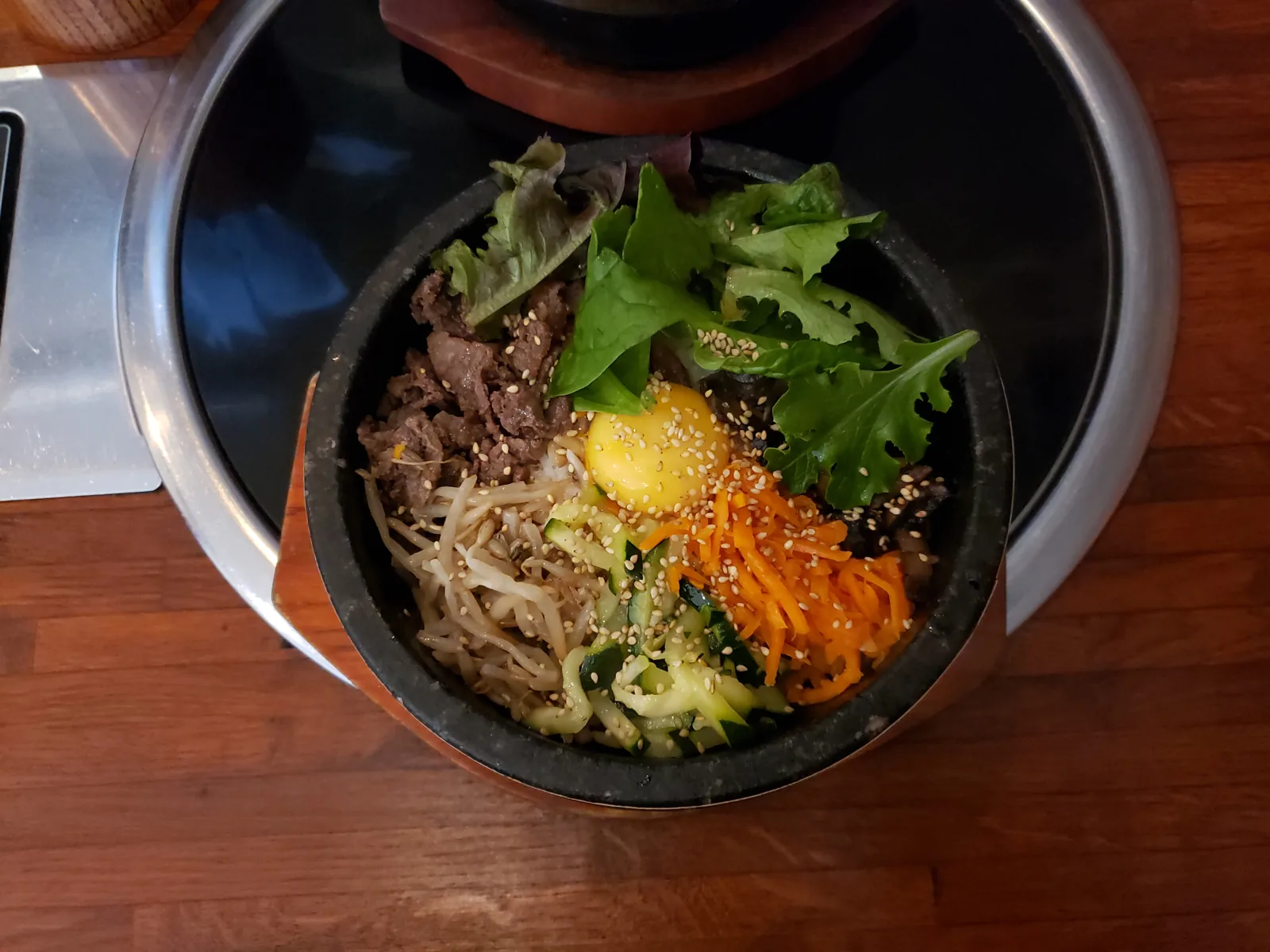
Dolsot bibimbap in a hot black stone bowl — bulgogi beef, egg yolk, carrots, zucchini, bean sprouts and sesame seeds over rice South Korea flag South Korea 1h 5m
Dinner •Korean Heritage

Bibimbap

This bibimbap recipe builds Korea's most famous rice bowl the dolsot way: hot rice in a sizzling stone pot, ringed with five separately seasoned namul vegetables, bulgogi beef and a fried egg, with gochujang to stir through at the table. The stone bowl crisps the bottom layer of rice into golden nurungji while you eat. One serving is about 510 g.

Colourful & Satisfying

Warm rice, five seasoned vegetables, bulgogi beef and a fried egg, mixed at the table with gochujang.

Pairs Well With
Kimchi, kongnamul-guk (bean sprout soup) & barley tea
Korean fried chicken pieces coated in a glossy red yangnyeom glaze South Korea flag South Korea 45m
Dinner •Korean Heritage

Korean Fried Chicken

This Korean fried chicken recipe is the real thing: boneless chicken in a thin potato-starch batter, fried twice — once to cook it through, once at higher heat to drive out moisture and shatter the crust — then tossed in a glossy yangnyeom glaze of gochujang, honey and garlic. The double fry is what keeps the skin crisp under the sauce. One serving is about 250 g.

Crispy & Bold

Double-fried chicken in a thin potato-starch crust, tossed in a sticky sweet-spicy yangnyeom glaze.

Pairs Well With
Pickled radish (chikin-mu), cold beer & steamed rice
High Protein • Quick Prep (<30m)
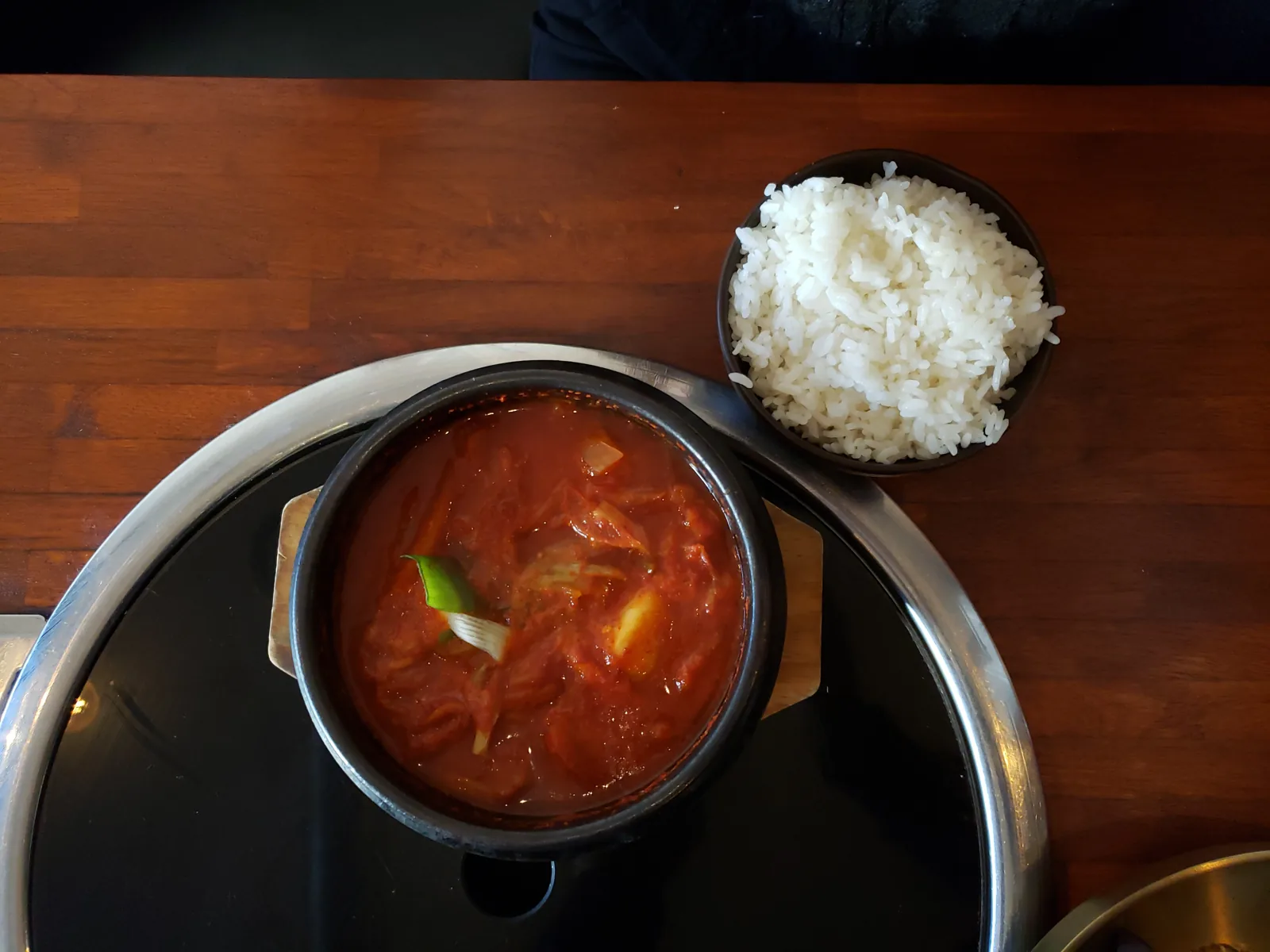
Kimchi jjigae — a red kimchi stew with tofu and spring onions in a black stone pot, served with a bowl of rice South Korea flag South Korea 45m
Dinner •Korean Heritage

Kimchi Jjigae

This kimchi jjigae recipe is the Korean comfort stew: aged, well-fermented kimchi fried with pork belly, then simmered in its own brine with tofu until the broth turns brick-red and rich. It is a stew, not the kimchi itself — the North Korean white kimchi published earlier is the pickled cabbage, while this is what you cook with it. One serving is about 425 g.

Comfort & Warmth

Aged kimchi and pork belly simmered in kimchi brine with tofu — sour, spicy and deeply savoury.

Pairs Well With
Steamed rice, fried egg & banchan
Soups & Broths • Fermented / Gut Health
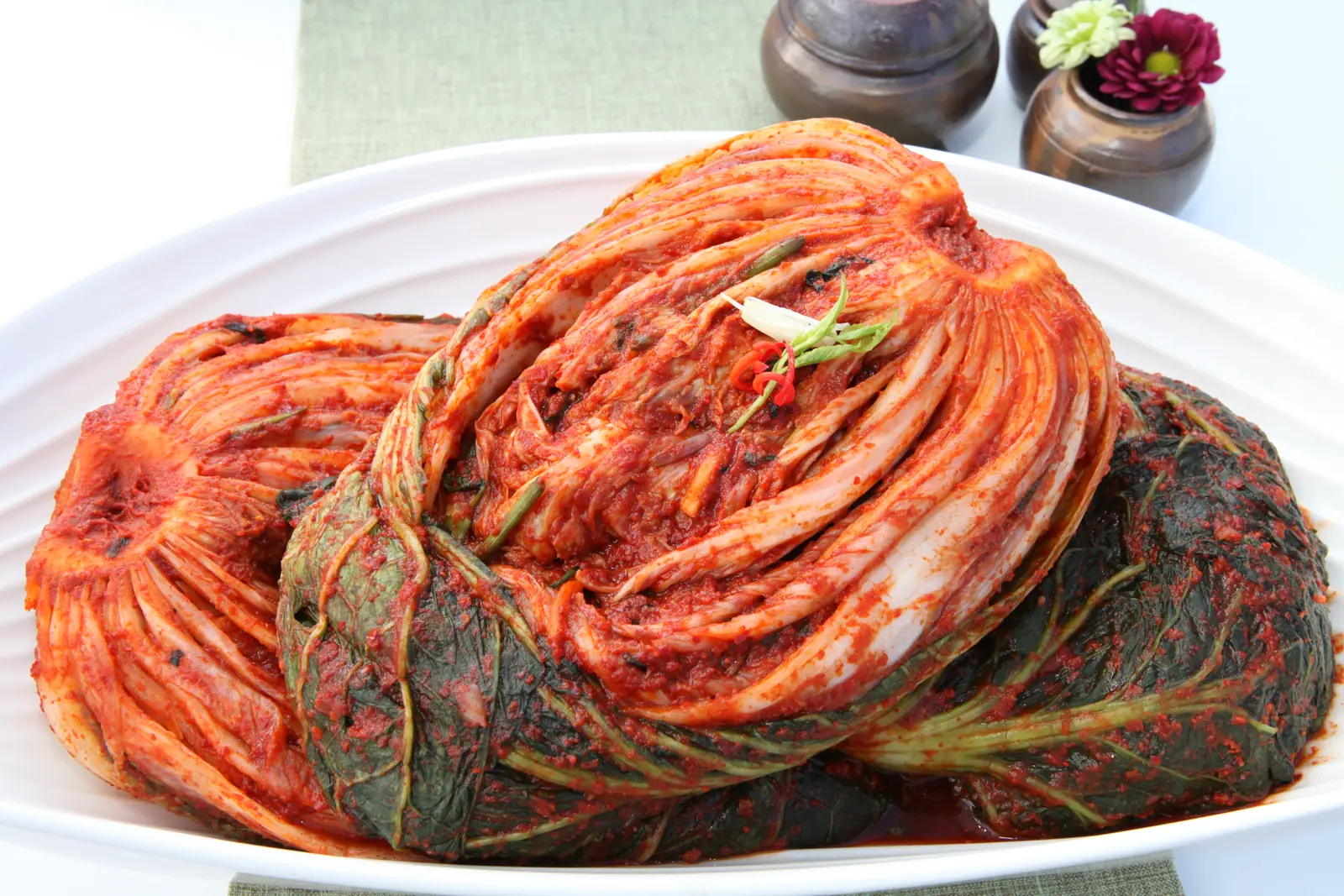
Whole heads of baechu kimchi coated in red gochugaru paste on a white platter South Korea flag South Korea 2h 35m
Dinner •Korean Kimjang Heritage

Baechu Kimchi

This kimchi recipe turns one head of napa cabbage into classic baechu kimchi: salted leaves packed with a bright red gochugaru paste, then left to ferment until tangy and fizzy. It is the spicy southern-style kimchi most people picture when they hear the word kimchi, and it keeps for weeks in the fridge. One serving is about 165 g.

Fermented & Fiery

Crisp, spicy, sour napa cabbage kimchi — Korea's everyday banchan, fermented at home in a jar.

Pairs Well With
Serve a small bowl with steamed rice, grilled meat or a fried egg.
Fermented / Gut Health

The Dinner Gazette

Never wonder what’s for dinner again

One email a week with easy dinner ideas from around the world — ingredients, steps and nutrition, tested in our kitchen first.

Delivered every Thursday morning. Unsubscribe anytime.