
Curated recipes from 193 countries  •  New seasonal Mediterranean issue out now

Overview

Singapore Kaya Toast

Kaya Butter Toast, Kopitiam Kaya Toast, Ya Kun-Style Kaya Toast

This singapore kaya toast recipe makes the classic kopitiam breakfast set: thin white bread toasted until crisp, spread thick with pandan-scented kaya (coconut-egg jam) and a cold slab of salted butter, served with two soft-boiled eggs cracked into a bowl with dark soy sauce and white pepper, and a cup of kopi sweetened with condensed milk. One serving is about 381 g.

Kaya toast comes from the kopitiams, the coffee shops of Singapore, where Hainanese cooks who had worked in British colonial households began toasting bread over charcoal and spreading it with kaya, a coconut-egg jam scented with pandan. The set — crisp toast, a cold slab of butter, soft-boiled eggs with soy sauce and white pepper, and strong kopi — became the island's everyday breakfast. Ya Kun, founded as a small coffee stall in 1944, helped turn it into a Singapore icon, and its outlets now serve the same set across the island and beyond.

Pairs well with: Soft-boiled eggs with dark soy sauce and white pepper, and hot kopi

Provenance

Singapore flag Singapore

Kopitiam Breakfast Heritage

East & South Asia

Time Dedication

15m

5m prep • 10m cook

Batch Yield

2 Servings

596 kcal per serving

1 serving ≈ 381 g

Technical Skill

Easy

Easy (Stovetop)

Meal Timing & Digestive Fit

Breakfast

Prime Morning Fit

Lunch

Inappropriate

Dinner

Inappropriate

Snack & Tea

Inappropriate

Quick Prep (<30m) Occasions: Weekday breakfasts, slow weekend mornings, a light breakfast before a morning walk, kopitiam-style brunch with friends Cost: Low — about $2–3 per serving at home
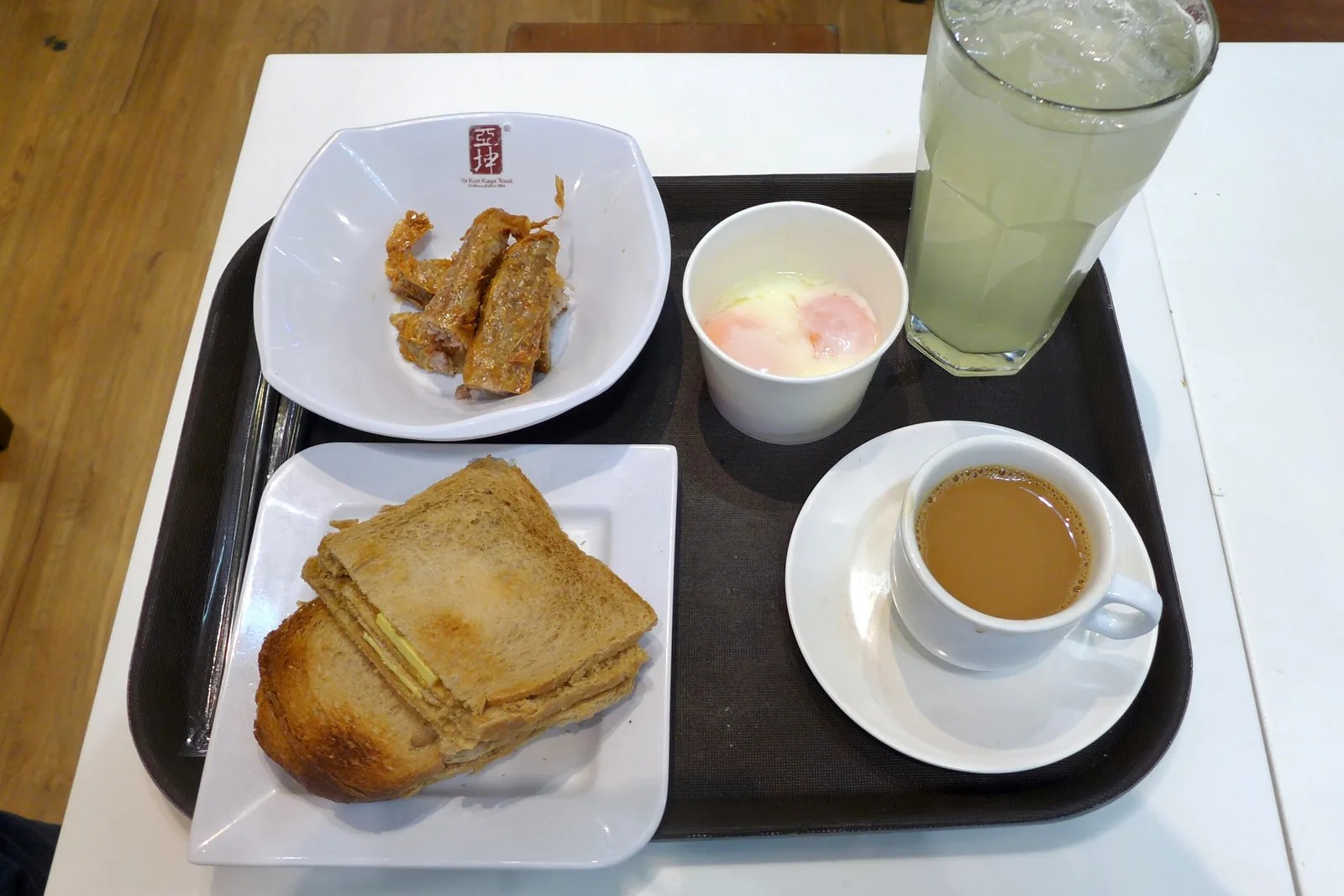
A Ya Kun kaya toast breakfast set on a tray: kaya and butter toast on a white plate, a cup of soft-boiled eggs, a cup of kopi, with ngo hiang and a glass of iced lemon tea beside them

Kopitiam Breakfast Heritage

Photo: Bahnfrend, CC BY-SA 4.0, via Wikimedia Commons

The Heritage Formulary

Measured Ingredients

Estimated cost: Low — about $2–3 per serving at home (USD)

A good kaya toast is judged by contrast: the bread must be dry and crisp, the kaya warm and fragrant, and the butter still a cold slab when it reaches the table.

Execution Methodology & Culinary Technique

Step-by-Step Cooking Guide

Active 15m
P

Prep Stage: Butter, Kaya and Eggs Ready

5 Mins • No Cooking

Cut the cold butter into 2 slabs and keep it chilled. Spoon out the kaya and let it come to room temperature so it spreads. Take the eggs out of the fridge so they do not crack in the hot water, and put the kettle on.

Maestro Tip: Cold butter on hot toast is the whole point — if the butter is soft it melts away instead of sitting in a cool slab against the warm kaya.

  1. 1

    Soft-Boil the Eggs

    7 Mins Rolling boil, 100°C (212°F), then off the heat

    Bring a small pot of water to a rolling boil, then lower the 4 eggs in gently with a spoon. Boil for exactly 1 minute, then take the pot off the heat, cover it, and leave the eggs in the hot water for 6 minutes. Lift them out and set aside in their shells. The whites should be just set and the yolks completely runny.

    Room-temperature eggs crack far less than fridge-cold ones, and lowering them in with a spoon stops them knocking against the pot.

    Done when: Whites are softly set and wobble; yolks are fully runny when cracked open.

  2. 2

    Brew the Kopi

    3 Mins Freshly boiled water, 100°C (212°F)

    While the eggs sit, brew the strong black coffee. Pour 150 ml into each of 2 cups and stir 15g of sweetened condensed milk into each cup until it dissolves. The kopi should be dark, sweet and hot.

    Brew the coffee double strength — the condensed milk thins it, and weak coffee turns milky and flat.

    Done when: Coffee is dark and steaming, with the condensed milk fully dissolved.

  3. 3

    Toast the Bread Crisp

    3 Mins Medium-high heat, about 200°C (400°F)

    Toast the 4 slices of bread in a toaster or on a dry grill pan over medium-high heat until golden and crisp on both sides, about 1–2 minutes per side. The kopitiam original is toasted over charcoal, which gives a smoky edge; a dry pan comes closest at home. Work in batches if the pan is small.

    Toast until the bread is properly crisp and dry — soft toast goes soggy under the kaya and butter in seconds.

    Done when: Bread is golden-brown, dry and crisp, and snaps lightly when bent.

  4. 4

    Spread Kaya and Butter

    2 Mins No heat — assemble while the toast is hot

    While the toast is still hot, spread each slice generously with kaya — about 20g per slice — then lay a cold slab of butter (about 14g) on one slice of each pair and sandwich the slices together. The heat softens the kaya while the butter stays in a cool slab. Cut each sandwich in half.

    Spread the kaya edge to edge and put the butter on last, straight from the fridge — a warm slab melts and disappears into the bread.

    Done when: Kaya is warm and glossy, butter is still a visible cold slab, sandwiches cut cleanly in half.

  5. 5

    Crack the Eggs and Serve

    2 Mins Serve warm; eggs at about 60°C (140°F)

    Crack 2 soft-boiled eggs into each small bowl, keeping the yolks whole. Add a few drops of dark soy sauce and a pinch of white pepper to each bowl. Set the toast on a plate beside the bowl with a spoon, and serve at once with the hot kopi. Dip the toast into the egg, or spoon the egg over the toast.

    Crack the eggs on the rim of the bowl and open them with your thumbs — the runny yolk should slide out whole.

    Done when: Eggs are warm with runny yolks, toast is crisp, kopi is steaming.

Finishing Touches & Plating

Serve the crisp kaya and butter toast the moment it is made, with the bowl of soft-boiled eggs, soy sauce and white pepper beside it and the hot kopi in hand. Eat it while the toast is still crackling — it softens fast.

Nutritional Physiology & Benefits

Nutrition

Energy

596

kcal / serving

Protein

22g

Complete AA

Carbs

51g

Complex

Fats

34g

Healthy

Per serving (2 servings · 1 serving ≈ 381 g)
Energy596 kcal
Protein22 g
Carbohydrates51 g
Fat34 g
Fibre2.4 g
Sugar24.2 g
Sodium877 mg
Per 100g
Energy156 kcal
Protein5.7 g
Carbohydrates13.3 g
Fat9 g
Fibre0.6 g
Sugar6.3 g
Sodium230 mg

Nutrition values are estimated — calculated from USDA FoodData Central values for the listed ingredients.

Vitamins & minerals: Vitamin A and choline (egg yolk), vitamin B12 and selenium (eggs), small amounts of calcium and vitamin D (butter, condensed milk), and vitamin B1 (white bread).

Protein to Start the Day

Two soft-boiled eggs give about 22 g of protein per serving, which keeps you full through the morning without a heavy meal.

Light and Easy to Digest

A small, warm breakfast of toast, egg and coffee is gentle on the stomach first thing, and the whole set comes together in 15 minutes.

Real, Simple Ingredients

Bread, egg, coconut, butter and coffee — nothing processed beyond the kaya itself, and you can make the kaya from scratch with four ingredients.

Food Pairings

What to Eat With

To optimize nutrient absorption and elevate the sensory depth, pair with these authentic accompaniments:

Sides

Soft-Boiled Eggs with Soy and Pepper

The runny, savoury eggs are the classic partner — dipping the sweet, crisp toast into the salty egg balances the kaya in every bite.

Drinks

Kopi (Singapore Coffee)

Strong, sweet kopi is the drink the set was built around — its bitterness cuts the sweetness of the kaya and the richness of the butter.

Vegetables

Fresh Fruit

A few slices of papaya or watermelon after the toast refresh the palate and lighten a sweet, buttery breakfast.

Full Menus

Teh Tarik to Finish

A small glass of teh tarik, pulled black tea with condensed milk, rounds off the set the way a second kopi would — warm, sweet and milky.

Complete menu

Serve the kaya toast set as the main breakfast with the soft-boiled eggs and kopi, then finish with fresh papaya or watermelon — the classic kopitiam morning.

Digestive Guardrails

What NOT to Combine

To prevent digestive distress, sluggishness, or palate clash, avoid pairing the dish with these elements:

Leaving the Toast Standing

Kaya toast softens within minutes as the butter melts and the steam gets to the bread, so eat it as soon as it is made rather than letting it sit. This is general guidance, not medical advice.

A Second Sweet Dish with the Set

The kaya, the condensed milk in the kopi and the bread already make this a sweet breakfast, so a sugary pastry or sweetened drink on the side adds a lot of sugar at once. Keep the rest of the meal plain. This is general guidance, not medical advice.

Runny Eggs for Vulnerable Groups

Soft-boiled eggs have runny yolks that may carry salmonella, so young children, pregnant women, elderly people and anyone with a weakened immune system should eat their eggs fully cooked instead. This is general guidance, not medical advice.

General information only, not medical advice — consult a doctor for personal dietary decisions.

Who Should Eat It

Who Should Eat

  • General adultsA classic light breakfast — sweet, crisp toast with protein from the eggs and a strong coffee.
  • ChildrenChildren love the sweet toast, but give them fully cooked eggs rather than runny ones, and keep the kopi to a small, weak cup or swap it for milk.
  • ElderlySoft toast and soft eggs are easy to eat; serve the eggs fully cooked if the person is frail or has a weakened immune system.
  • Pregnant womenEnjoy the toast and kopi in moderation, but eat the eggs fully cooked — runny yolks carry a small salmonella risk in pregnancy.
  • Breastfeeding womenA quick, nourishing breakfast with good protein; keep the kopi to one cup so the caffeine stays modest.
  • AthletesAbout 22 g of protein and 51 g of carbohydrate per serving make it a decent light pre-training breakfast, best eaten 1–2 hours before exercise.
  • Weight gainEnergy-dense for its size at about 596 kcal; add a second toast sandwich or a glass of milk to raise the energy further.
  • Weight lossKeep to one sandwich, use a thin spread of kaya, skip the extra condensed milk in the kopi, and have the eggs without extra butter.

Health Conditions — Adjust or Avoid

Conditions

  • DiabetesThe kaya, condensed milk and white bread are all high in fast-acting sugar and starch, so keep the portion small and the kaya thin. Ask your clinician about portion size.
  • High blood pressureThe soy sauce over the eggs is very salty, so use just a few drops or skip it. Ask your clinician about sodium limits.
  • Kidney diseaseThe eggs and the soy sauce make this high in protein and sodium for a small meal; discuss portion size and frequency with your clinician.
  • GoutEggs are low in purines, so the toast and eggs themselves are not a gout trigger; the main concern is the sugar in the kaya and kopi. Ask your clinician if you have frequent flares.
  • Stomach issuesStrong coffee and rich butter can irritate a sensitive stomach or trigger reflux — keep the kopi weak and the butter thin. Ask your clinician if symptoms persist.
  • Cardiovascular diseaseThe butter and the kaya are high in saturated fat, so keep the butter slab thin and the portion modest. Ask your clinician about fat intake.
  • Fatty liverThe sugar in the kaya and condensed milk is the main concern — keep the kaya thin and the kopi lightly sweetened. Ask your clinician for personal advice.
  • Food allergiesContains gluten (wheat bread), egg (kaya and soft-boiled eggs), milk (butter, condensed milk) and coconut (kaya). Check the kaya jar label for tree nuts and soy.
  • Special therapeutic dietsNot suitable as written for a low-sugar, low-sodium or dairy-free therapeutic diet; swap in sugar-free kaya, skip the soy sauce and use a dairy-free spread, and ask your clinician or dietitian.

If you have a medical condition, consult your doctor before changing your diet.

Storage & Use

Storage & Use

How to store
Store the kaya in a sealed jar in the fridge; keep bread, butter and eggs separate and assemble only when serving.
In the fridge
Kaya (opened jar or homemade) 2 weeks; butter 2 weeks; raw eggs 3 weeks in their shells; soft-boiled eggs do not keep — eat at once.
In the freezer
Kaya freezes well for 2 months; bread freezes for 2 months; butter freezes for 3 months; soft-boiled eggs do not freeze.
How to reheat
Toast the bread fresh each time — do not reheat assembled kaya toast. Reheat kopi gently to steaming; reheat to 74°C (165°F) if it has cooled and stood.
Freezing recommended
Only the kaya and the bread, separately — up to 2 months.
Signs it has spoiled
Kaya that smells sour or has mould on top, bread that is stale or mouldy, or eggs that smell of sulphur when cracked.

More recipes to explore

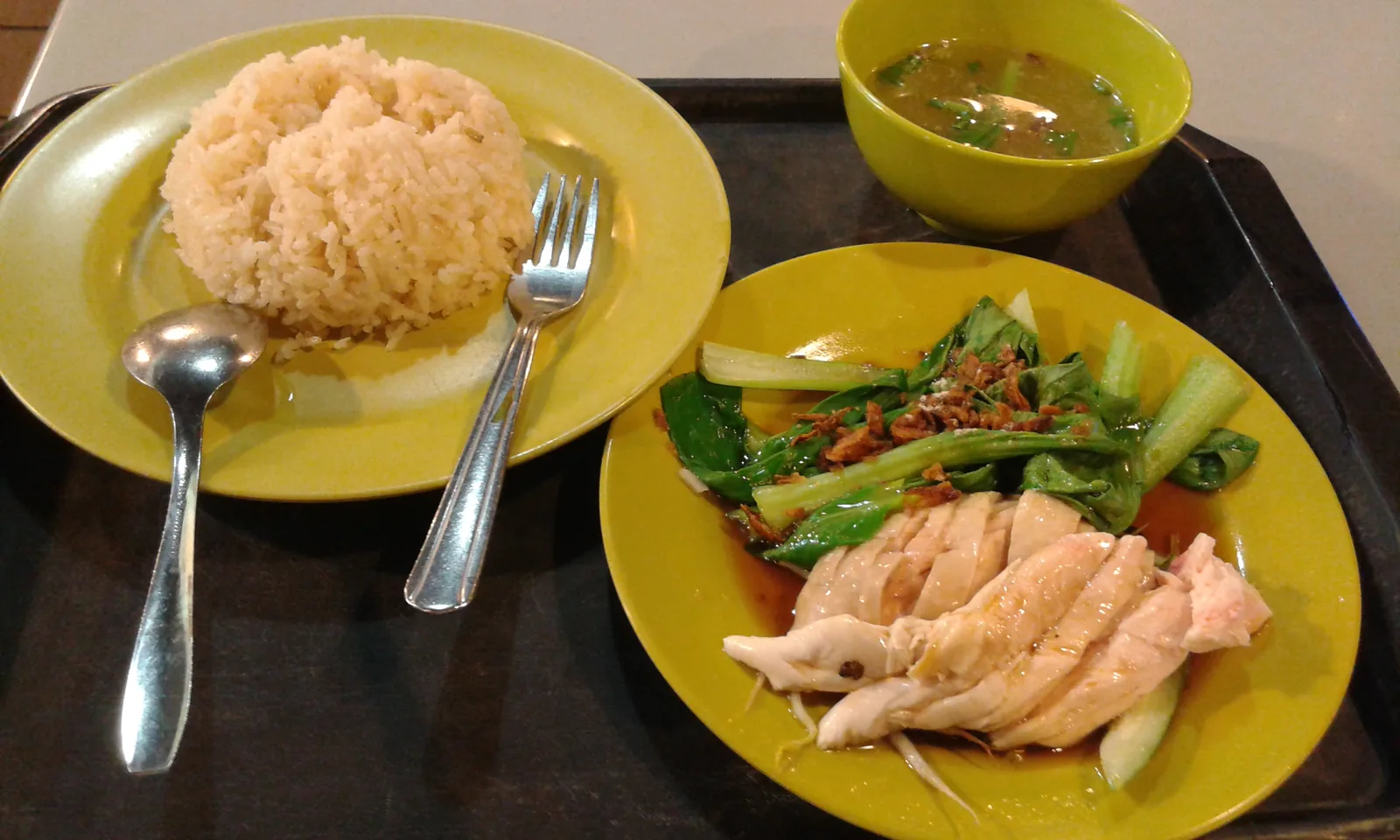
A hawker-centre tray of Hainanese chicken rice with sliced poached chicken, a mound of fragrant rice, greens and a bowl of clear soup Singapore flag Singapore 1h 30m
Dinner •Singaporean Heritage

Hainanese Chicken Rice

This hainanese chicken rice recipe poaches a whole chicken at a bare simmer, then cooks jasmine rice in the fragrant stock with chicken fat, ginger and pandan. It is served with fresh chilli sauce, ginger-scallion sauce and dark soy, plus cucumber and a bowl of the poaching broth. One serving is about 660 g.

Nourishing & Satisfying

Silky poached chicken with fragrant stock-cooked rice, fresh sauces and cucumber — a complete one-plate dinner.

Pairs Well With
Cucumber, a bowl of the poaching broth, and iced lime tea
High Protein
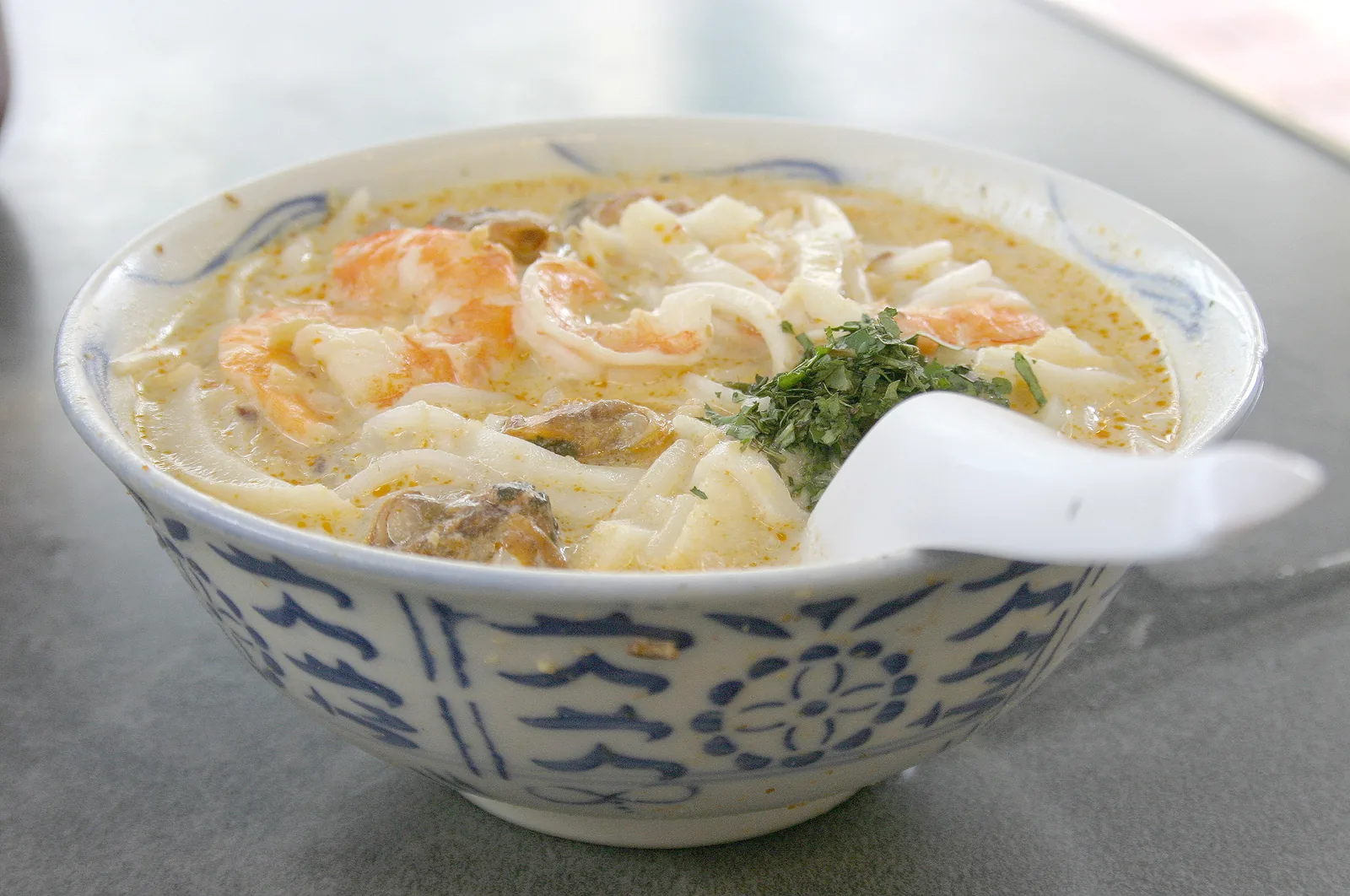
A bowl of Katong laksa with short-cut rice noodles in a creamy coconut broth, topped with prawns, cockles and chopped laksa leaf, with a spoon Singapore flag Singapore 1h
Lunch •Katong Laksa Heritage

Singapore Laksa

This singapore laksa recipe makes Katong-style laksa: thick rice noodles cut short so the bowl is eaten with a spoon, in a rich coconut broth thickened with ground dried shrimp, with prawns, cockles and fish cake. One serving is about 620 g.

Comfort & Warmth

A rich coconut laksa broth with short-cut noodles, prawns and cockles — a warming, spoon-only bowl.

Pairs Well With
Otah, cucumber salad and iced lime tea
Soups & Broths • Pasta & Noodles
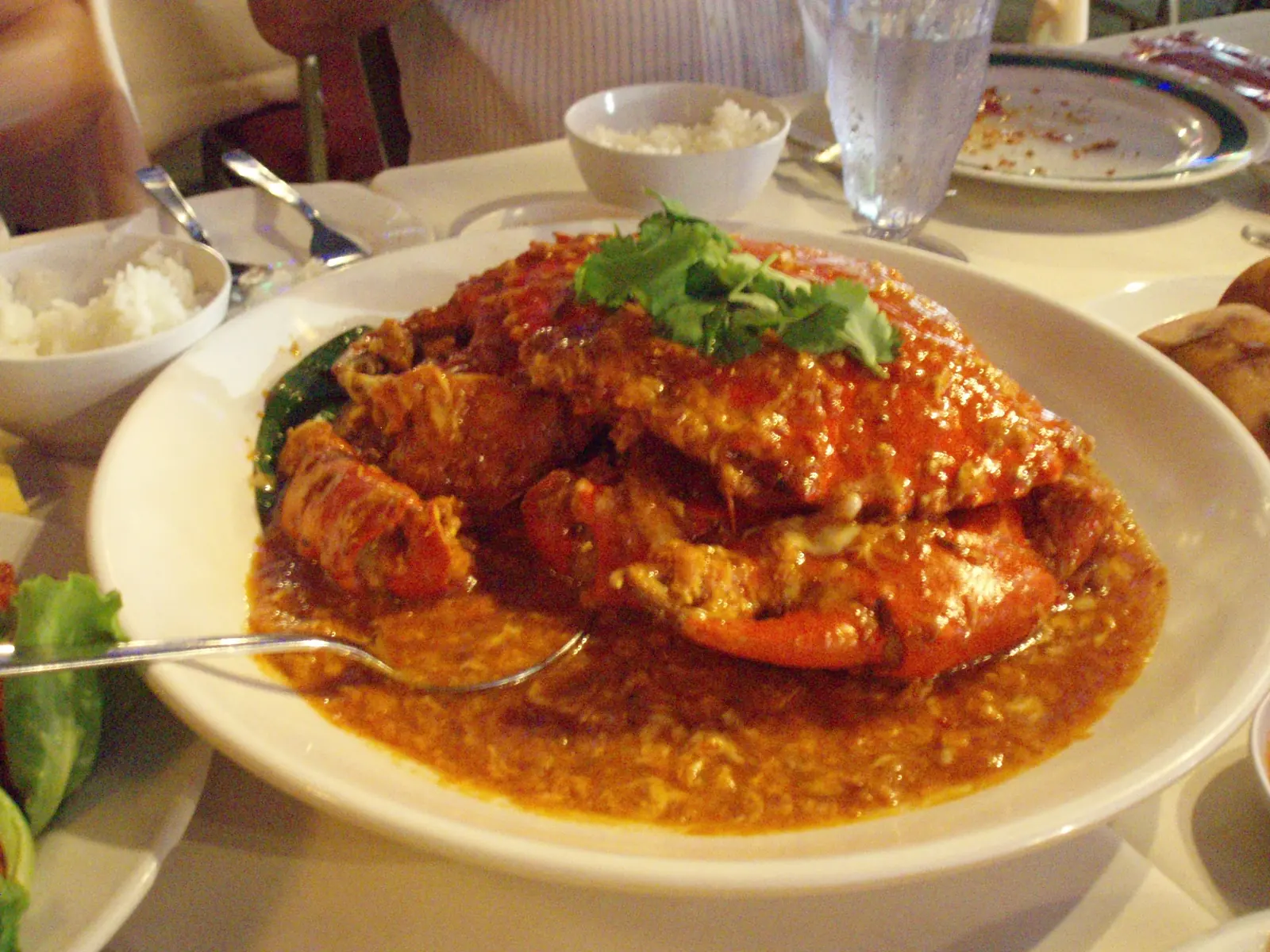
A whole chilli crab in a glossy red-orange tomato-chilli sauce with egg ribbons and coriander, served with mantou buns Singapore flag Singapore 55m
Dinner •Singaporean Heritage

Chilli Crab

This chilli crab recipe stir-fries mud crab in a sweet-spicy tomato-chilli sauce, finished with beaten egg ribbons, and serves it with steamed and fried mantou buns for mopping up the sauce. One serving is about 420 g.

Celebration & Sharing

Whole mud crab in a sweet-spicy tomato-chilli sauce with egg ribbons — a hands-on feast built for sharing.

Pairs Well With
Mantou buns, steamed rice and iced lime tea
High Protein
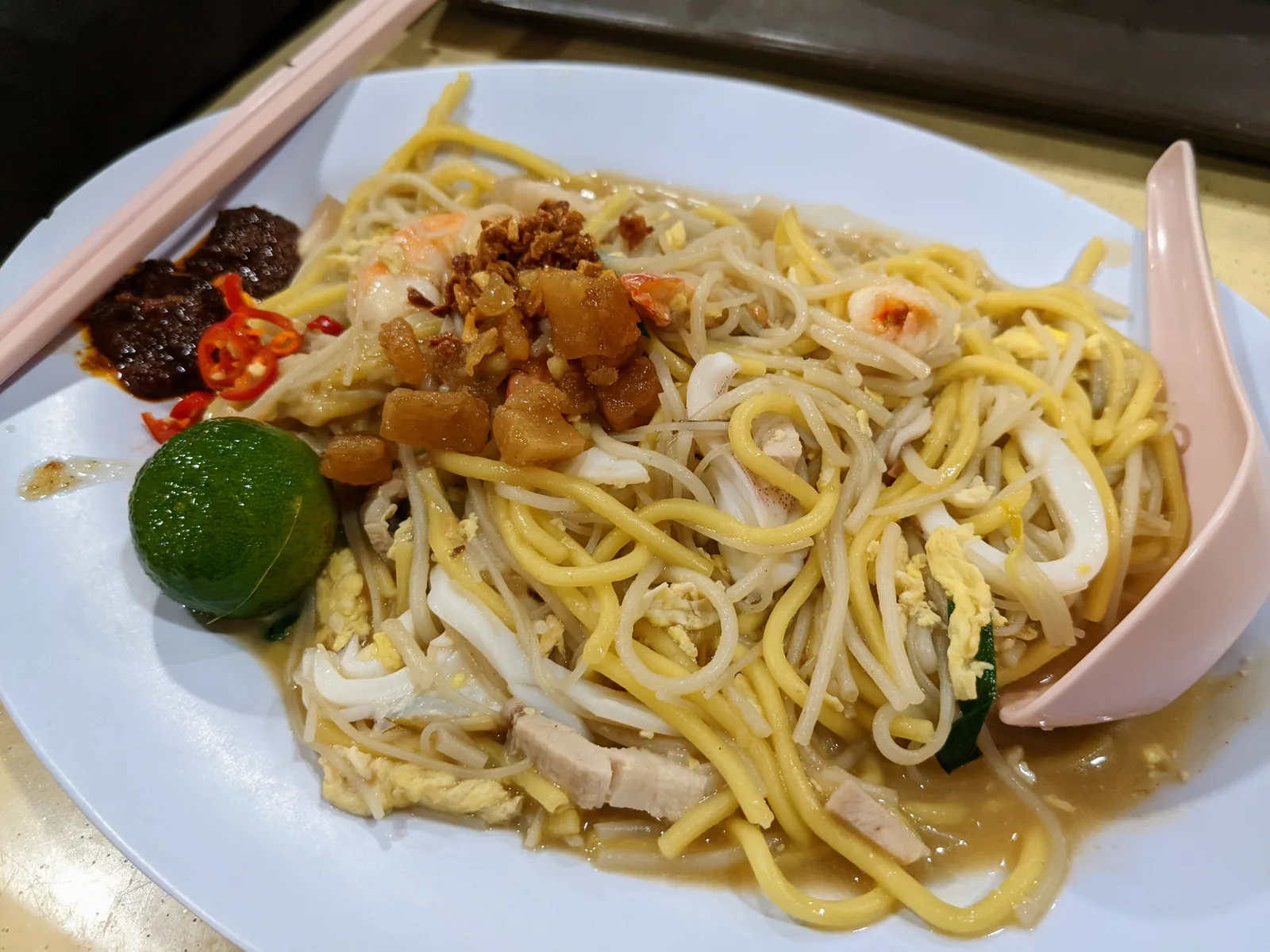
A plate of Singapore hokkien mee — pale yellow egg noodles and white rice vermicelli in a light prawn stock with prawns, squid rings and pork, topped with crisp lard and fried garlic, with sambal belacan and a whole calamansi lime on the side Singapore flag Singapore 55m
Lunch •Rochor Road Hawker Heritage

Singapore Hokkien Mee

Singapore hokkien mee is yellow egg noodles and thin rice vermicelli stir-fried in a rich prawn stock until the noodles drink it up and turn glossy and wet, loaded with prawns, squid rings, pork belly and bean sprouts. It is finished with a squeeze of calamansi and a spoon of fiery sambal belacan on the side. One serving is about 510 g.

Hearty & Satisfying

Yellow egg noodles and rice vermicelli braised in a rich prawn stock with prawns, squid and pork belly — a wet, saucy hawker lunch that eats like a full meal in one plate.

Pairs Well With
Serve with sambal belacan and a calamansi half on the side, and a cold glass of sugarcane juice or iced barley water.
Pasta & Noodles • High Protein

The Dinner Gazette

Never wonder what’s for dinner again

One email a week with easy dinner ideas from around the world — ingredients, steps and nutrition, tested in our kitchen first.

Delivered every Thursday morning. Unsubscribe anytime.