Curated recipes from 193 countries  •  New seasonal Mediterranean issue out now

Overview

Southern Fried Chicken

Buttermilk Fried Chicken, Pan-Fried Chicken

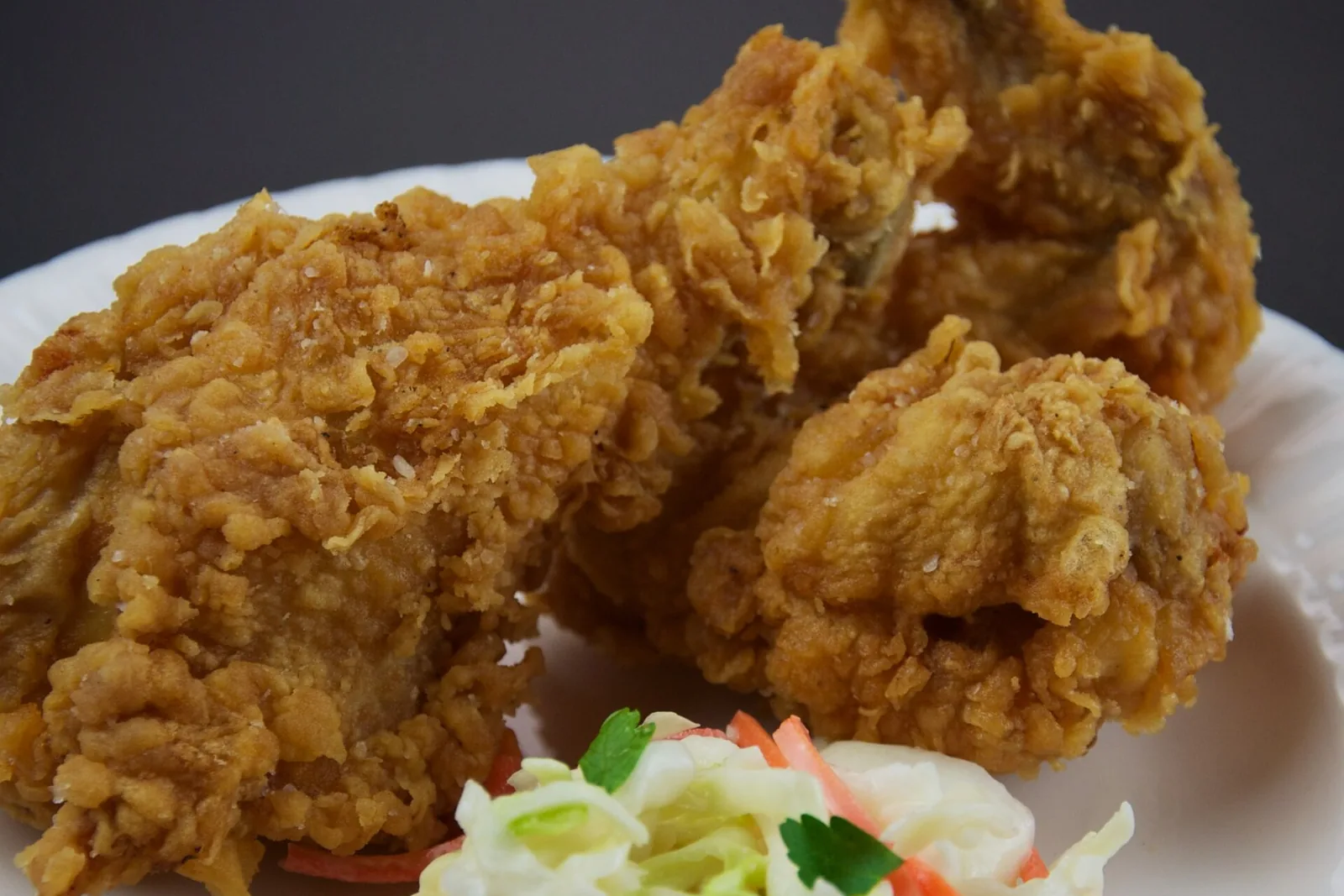
This southern fried chicken recipe starts with an overnight buttermilk brine, which is the Southern secret to juicy meat, then coats the chicken in paprika-spiced flour and fries it until the crust is deep golden and craggy. No glaze, no sauce — just crisp skin, tender meat and the smell of a Sunday dinner. One serving is about 240 g.

Fried chicken in the American South grew from two traditions meeting: Scottish immigrants who fried chicken in fat without seasoning, and enslaved African cooks who seasoned it boldly with pepper and spices and fried it in hot oil. Mary Randolph printed one of the earliest American fried chicken recipes in The Virginia Housewife in 1824. The buttermilk brine became the Southern signature, and the dish travelled from Sunday dinners to restaurants — Willie Mae Seaton opened Willie Mae's Scotch House in New Orleans in 1957, and the James Beard Foundation honoured it as an American Classic in 2005.

Pairs well with: Creamy coleslaw, mashed potatoes & buttermilk biscuits

Provenance

United States flag United States

Southern Heritage

North America

Time Dedication

1h

30m prep • 30m cook

Batch Yield

4 Servings

865 kcal per serving

1 serving ≈ 240 g

Technical Skill

Intermediate

Medium (Frying)

Meal Timing & Digestive Fit

Breakfast

Not Advised

Lunch

Hearty Midday Main

Dinner

Ideal Hearty Main

Snack & Tea

Inappropriate

High Protein Occasions: Sunday dinners, picnics, family gatherings, game days, potlucks Cost: Medium — about $3–4 per serving at home
Golden crispy southern fried chicken pieces with coleslaw on a white plate

Southern Heritage

Photo: TheCulinaryGeek, CC BY 2.0, via Wikimedia Commons

The Heritage Formulary

Measured Ingredients

Estimated cost: Medium — about $3–4 per serving at home (USD)

Real southern fried chicken is brined in buttermilk, dredged in seasoned flour — not batter — and fried bone-in, with no glaze or sauce.

Execution Methodology & Culinary Technique

Step-by-Step Cooking Guide

Active 1h
P

Brine, Dredge and Rest

30 Mins Active • Plus 4 Hours to Overnight Brining

Stir 10 g salt and half the pepper into the 480 ml buttermilk, pour over the 1,400 g chicken pieces and brine in the fridge for at least 4 hours, or overnight. Lift the chicken out, dip each piece in the beaten egg and buttermilk, then press into the seasoned flour and cornstarch and rest for 15 minutes so the coating sets.

Maestro Tip: Resting the dredged chicken for 15 minutes before frying is what stops the coating falling off in the oil — wet flour needs time to hydrate and grip the skin.

  1. 1

    Brine the Chicken in Buttermilk

    4 Hours to Overnight (mostly hands-off) Fridge temperature, about 4°C (39°F)

    Whisk 10 g of the salt and 2 g of the black pepper into the 480 ml buttermilk. Put the 1,400 g chicken pieces in a large bowl or zip-top bag, pour over the buttermilk, and refrigerate for at least 4 hours, or overnight for the juiciest result.

    Overnight is noticeably better than 4 hours — the buttermilk's acidity tenderises the meat slowly, and the salt seasons it all the way to the bone.

    Done when: Every piece is submerged in buttermilk, and the chicken has been in the fridge for at least 4 hours.

  2. 2

    Mix the Seasoned Dredge

    5 Mins Room temperature, about 22°C (72°F)

    Whisk the 200 g flour, 40 g cornstarch, the remaining 5 g salt, 2 g black pepper, 6 g paprika, 4 g garlic powder, 4 g onion powder and 1 g cayenne in a wide, shallow bowl. Beat the egg with 60 ml of the brine buttermilk in a second bowl.

    A wide, shallow bowl lets you press the chicken into the flour properly — a narrow bowl makes a mess and a thin coat.

    Done when: An even, speckled flour mixture with no pockets of plain flour.

  3. 3

    Dredge and Rest the Chicken

    15 Mins Room temperature, about 22°C (72°F)

    Lift each piece out of the brine and let the excess drip off. Dip in the egg and buttermilk, then press firmly into the seasoned flour, turning to coat every side and pressing the flour into the skin. Set the pieces on a rack and rest for 15 minutes.

    Pressing matters more than shaking — a firmly pressed coat sticks, a shaken coat falls off in the oil.

    Done when: A thick, dry-looking coat on every piece, with no wet patches showing.

  4. 4

    Fry Until Deep Golden and Cooked Through

    30 Mins 175°C (350°F)

    Heat the 750 ml oil in a deep, heavy pot or cast-iron skillet to 175°C (350°F). Fry the chicken in two batches, 13 to 15 minutes per batch, turning once halfway, until the crust is deep golden brown and the thickest part of every piece reaches 74°C (165°F) on a thermometer. Do not crowd the pot — the oil temperature must stay above 160°C (320°F).

    Crowding the pot drops the oil temperature and the crust soaks up oil instead of crisping. Two patient batches beat one soggy one.

    Done when: Deep golden, craggy crust, and 74°C (165°F) at the thickest part of every piece.

  5. 5

    Drain and Rest Before Serving

    10 Mins Room temperature, about 22°C (72°F)

    Lift the chicken onto a wire rack over a tray — never onto paper towels, which trap steam and soften the crust — and rest for 10 minutes so the juices settle and the crust sets.

    The rack is the whole trick: steam escapes underneath, so the crust stays crisp on every side.

    Done when: The crust is dry to the touch and crackles when pressed; the meat is juicy when cut.

Finishing Touches & Plating

Serve the chicken hot, piled on a platter with coleslaw, mashed potatoes and buttermilk biscuits — and a bottle of hot sauce on the table for anyone who wants it. Eat it the same day; fried chicken waits for no one.

Nutritional Physiology & Benefits

Nutrition

Energy

865

kcal / serving

Protein

51g

Complete AA

Carbs

33g

Complex

Fats

58g

Healthy

Per serving (4 servings · 1 serving ≈ 240 g)
Energy865 kcal
Protein51 g
Carbohydrates33 g
Fat58 g
Fibre1.9 g
Sugar0.8 g
Sodium777 mg
Per 100g
Energy361 kcal
Protein21.3 g
Carbohydrates13.6 g
Fat24.2 g
Fibre0.8 g
Sugar0.3 g
Sodium324 mg

Nutrition values are estimated — calculated from USDA FoodData Central values for the listed ingredients.

Vitamins & minerals: B vitamins, iron and zinc from the chicken, with small amounts of vitamin A from the paprika. Nutrition is estimated.

Very High in Protein

About 51.1 g of protein a serving makes this southern fried chicken recipe a genuinely filling dinner — one plate is usually enough.

Buttermilk Does the Work

The buttermilk brine tenderises the meat and seasons it through, so the chicken stays juicy without any extra fat or fuss.

Iron and Zinc

Chicken, especially the dark meat, brings iron and zinc along with its B vitamins — the nutrients that make a fried chicken dinner feel satisfying, not just heavy.

Food Pairings

What to Eat With

To optimize nutrient absorption and elevate the sensory depth, pair with these authentic accompaniments:

Vegetables

Creamy Coleslaw

Cold, crunchy, vinegary coleslaw is the classic counterpoint: its acidity cuts through the fried richness and resets your palate between bites.

Sides

Mashed Potatoes and Gravy

Buttery mashed potatoes soak up the chicken's juices, and a spoonful of gravy ties the whole plate together — the traditional Southern Sunday dinner.

Buttermilk Biscuits

Flaky buttermilk biscuits mop up every last drop and use up the same buttermilk as the brine — nothing wasted, everything matched.

Drinks

Sweet Tea

Ice-cold sweet tea is the Southern table drink for fried chicken: cold, sweet and refreshing against hot, salty, crispy chicken.

Complete menu

Serve the fried chicken piled on a platter with creamy coleslaw, mashed potatoes and gravy, and buttermilk biscuits — with ice-cold sweet tea and hot sauce on the table.

Digestive Guardrails

What NOT to Combine

To prevent digestive distress, sluggishness, or palate clash, avoid pairing the dish with these elements:

Frying Cold Chicken Straight From the Fridge

Ice-cold chicken drops the oil temperature and cooks unevenly — the crust browns before the meat near the bone is safe. Let the dredged chicken sit at room temperature for 15 minutes first, and always check the thickest part reaches 74°C (165°F). This is general food-safety information, not medical advice.

Reusing Old Frying Oil

Oil that has been used several times or heated past its smoke point gives the chicken a stale, bitter taste and breaks down into compounds you do not want to eat. Use fresh oil for this fry. This is general food-safety information, not medical advice.

General information only, not medical advice — consult a doctor for personal dietary decisions.

Who Should Eat It

Who Should Eat

  • General adultsA rich, satisfying dinner — best as an occasional treat rather than an everyday meal, given the fat and salt.
  • ChildrenChildren love it, but the cayenne adds gentle heat — leave the cayenne out of the dredge for younger children.
  • ElderlyEasy to chew if the meat is cooked tender, but it is salty and fatty — a small portion with plenty of coleslaw is enough.
  • Pregnant womenGenerally suitable if the chicken is cooked right through to 74°C (165°F); the salt is high, so keep the portion modest — ask your clinician.
  • Breastfeeding womenGenerally suitable; the protein is useful, but the fat and salt are high — a modest portion is wise.
  • AthletesAbout 51.1 g of protein a serving makes it a strong post-training meal — just watch the 865 kcal if you are counting energy.
  • Weight gainA good choice — the protein and energy are high, and the crust adds easy calories.
  • Weight lossAt 865 kcal a serving with 58.1 g of fat, this is a treat meal: take one piece instead of two and fill the plate with coleslaw and green beans.

Health Conditions — Adjust or Avoid

Conditions

  • DiabetesAbout 32.5 g of carbohydrate a serving from the coating — keep the portion to one piece and skip the biscuits; ask your clinician.
  • High blood pressureAbout 777 mg of sodium a serving is high — take one small piece and load up on unsalted sides; ask your clinician.
  • Kidney diseaseThe salt and protein are both high for a kidney diet — this is a dish to discuss with your clinician before eating.
  • GoutChicken is moderately high in purines, and the frying adds fat — keep the portion small and occasional; ask your clinician.
  • Stomach issuesFried food can be hard on a sensitive stomach — eat a small portion slowly, with plain sides; ask your clinician.
  • Cardiovascular diseaseThe 58.1 g of fat a serving, mostly from frying, is the concern — keep it rare and small; ask your clinician.
  • Fatty liverFried chicken is high in fat and energy, which a fatty-liver diet limits — keep it very occasional; ask your clinician.
  • Food allergiesContains gluten (wheat), egg and milk (buttermilk). The frying oil may be peanut oil in some kitchens — check before serving.
  • Special therapeutic dietsNot suitable for low-sodium, low-fat or gluten-free therapeutic diets without a full recipe change — ask your clinician or dietitian.

If you have a medical condition, consult your doctor before changing your diet.

Storage & Use

Storage & Use

How to store
Cool quickly and store in a single layer in an airtight container, lined with paper towel to absorb moisture.
In the fridge
Cooked fried chicken 2 days in the fridge.
In the freezer
Up to 1 month, unglazed and un-sauced; freeze pieces separately on a tray first, then bag.
How to reheat
Reheat in a hot oven at 200°C (400°F) for 10 to 12 minutes until the centre reaches 74°C (165°F); never microwave it or the crust turns rubbery.
Freezing recommended
Only if needed, for up to 1 month — the crust is never as crisp after freezing.
Signs it has spoiled
Sour or off smell, slimy coating, or a crust that has gone soft and grey.

More recipes to explore

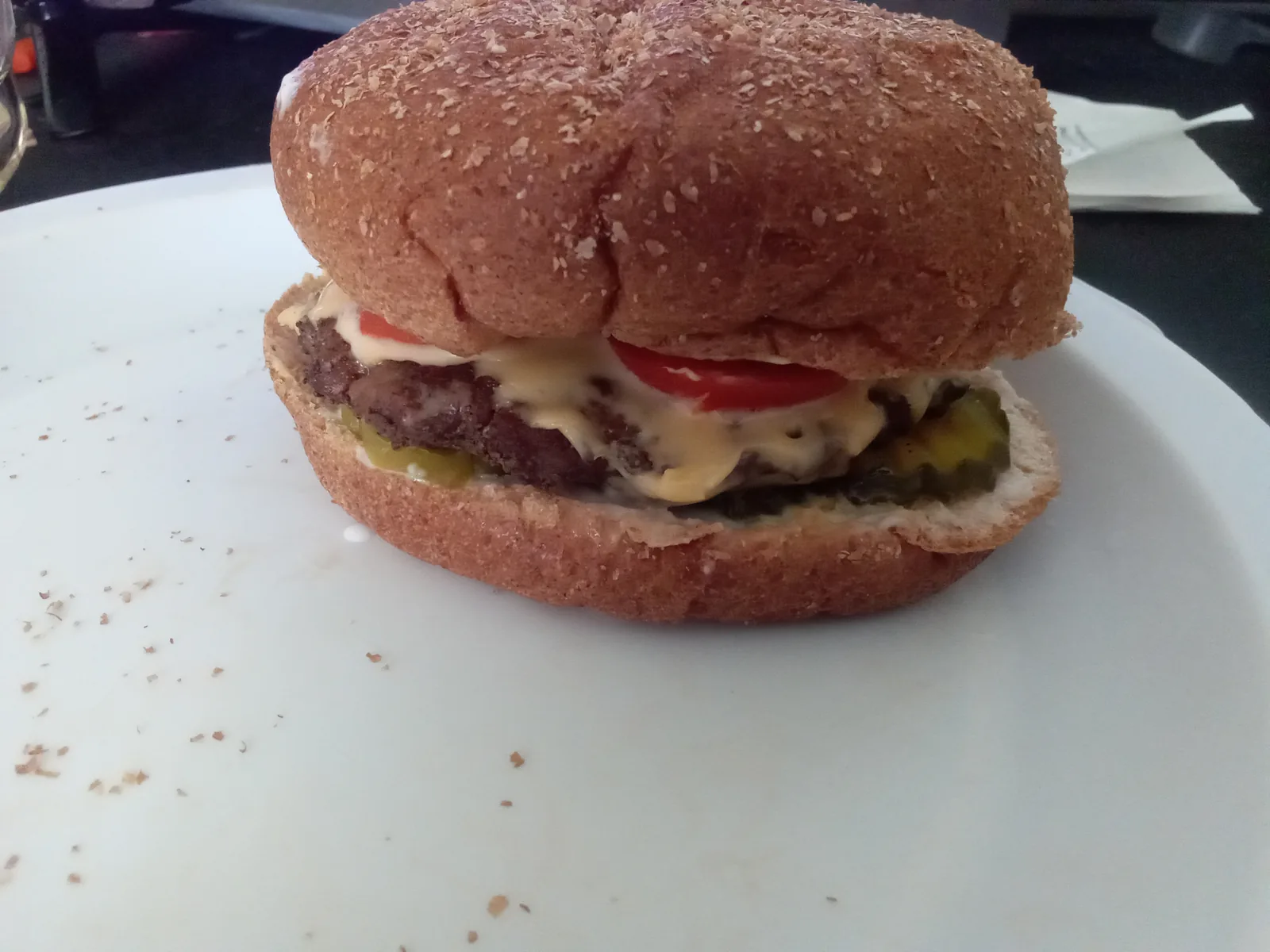
An American cheeseburger with a beef patty, melted cheese, tomato and pickles in a wholemeal bun on a white plate United States flag United States 35m
Lunch •American Heritage

American Cheeseburger

This american cheeseburger recipe turns a thick, well-seasoned beef patty, a slice of sharp cheddar and a soft toasted bun into the classic American lunch. The cheese melts over the hot patty, the pickles and tomato cut through the richness, and the whole thing comes together in about 35 minutes. One serving is about 340 g, one full burger.

Comfort & Satisfaction

A juicy grilled beef patty with melted cheddar, fresh tomato, lettuce and pickles in a soft toasted bun.

Pairs Well With
Crisp french fries or a simple coleslaw, with an ice-cold cola or lemonade.
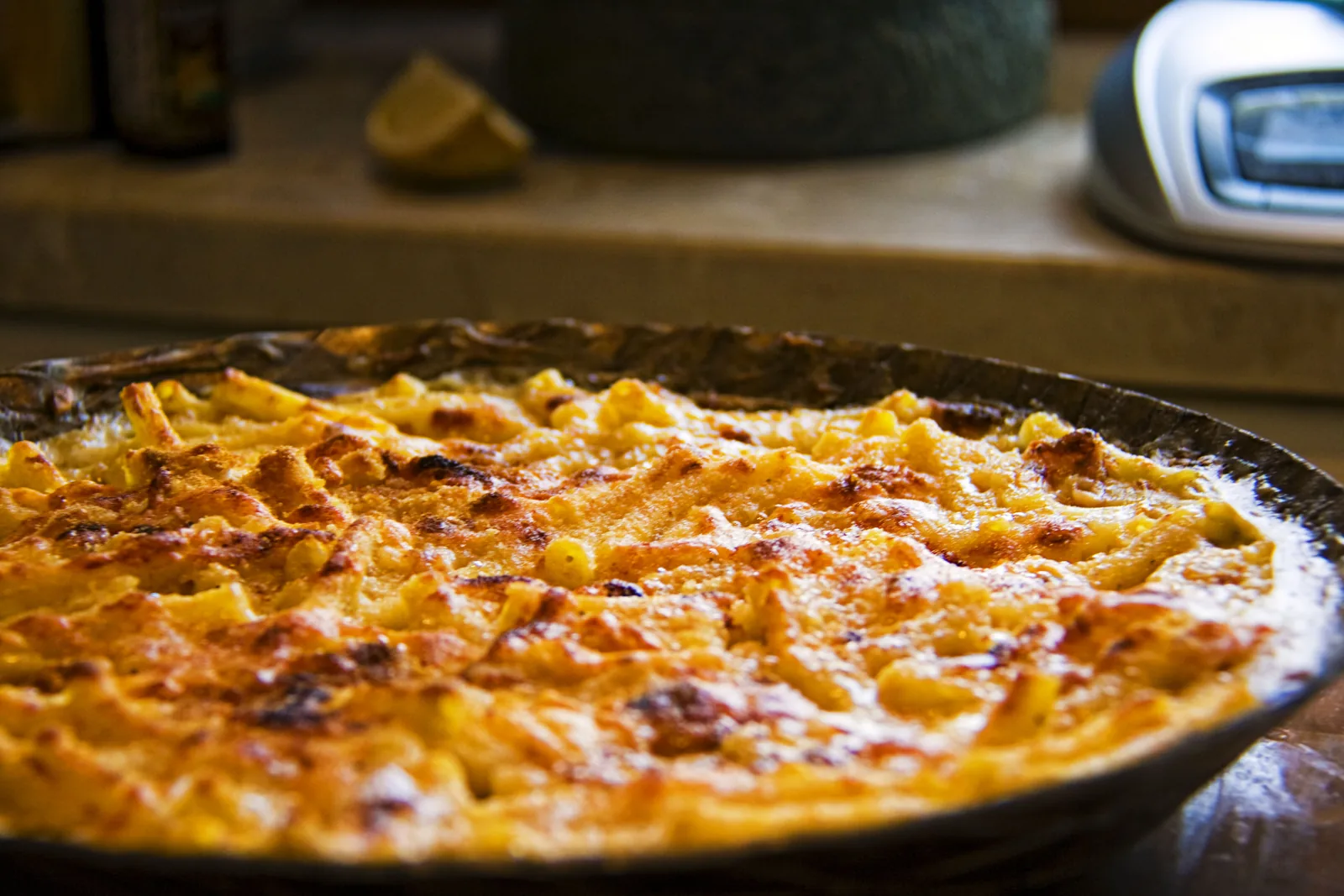
Baked mac and cheese in a baking dish with a golden-brown crust United States flag United States 1h 5m
Dinner •American Heritage

Baked Mac and Cheese

This baked mac and cheese recipe layers elbow macaroni in a smooth béchamel sauce made with sharp cheddar and Gruyère, then bakes it under a golden, buttered panko crust until the top is crisp and the sauce bubbles at the edges. It is the American comfort dish that turns up at family dinners, Thanksgiving tables and potlucks all over the country. One serving is about 290 g.

Comfort & Warmth

Elbow macaroni baked in a sharp cheddar and Gruyère béchamel under a golden panko crust — the classic American comfort casserole.

Pairs Well With
Roasted broccoli & green salad
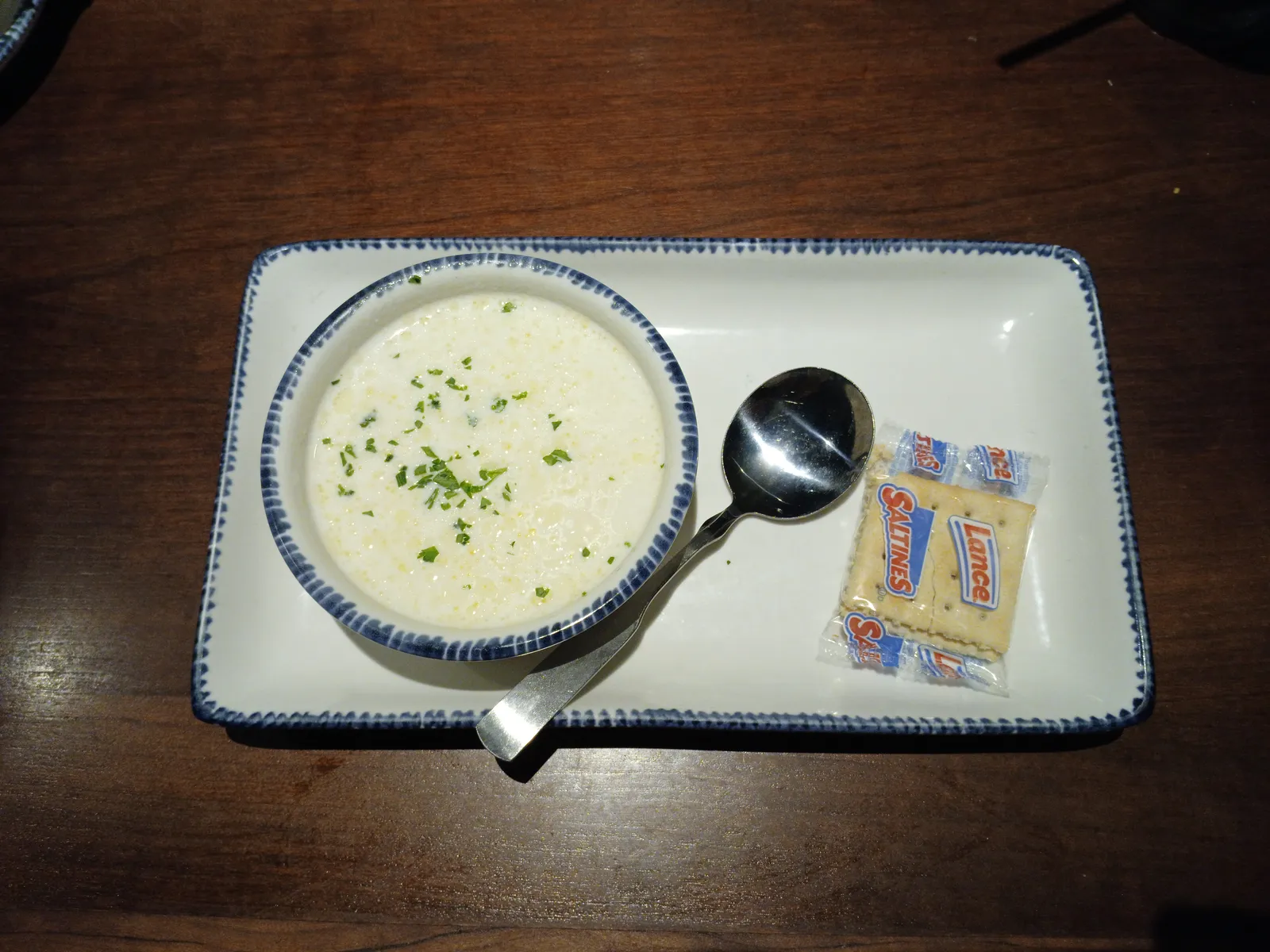
A cup of creamy white clam chowder with chopped parsley, served on a plate with saltine crackers and a spoon United States flag United States 55m
Lunch •New England Heritage

New England Clam Chowder

This new england clam chowder recipe turns fresh clam meat, potatoes, onion and celery into the creamy white soup New England is known for, with crisp bacon and a splash of cream at the end. It is a proper lunch in a bowl, best eaten with oyster crackers crumbled over the top. One serving is about 450 g.

Comfort & Warmth

A creamy white chowder of tender clams, potatoes and bacon, thickened lightly and served steaming hot with crackers.

Pairs Well With
Oyster crackers and a buttered slice of sourdough, with a cold glass of lemonade or iced tea.
Soups & Broths
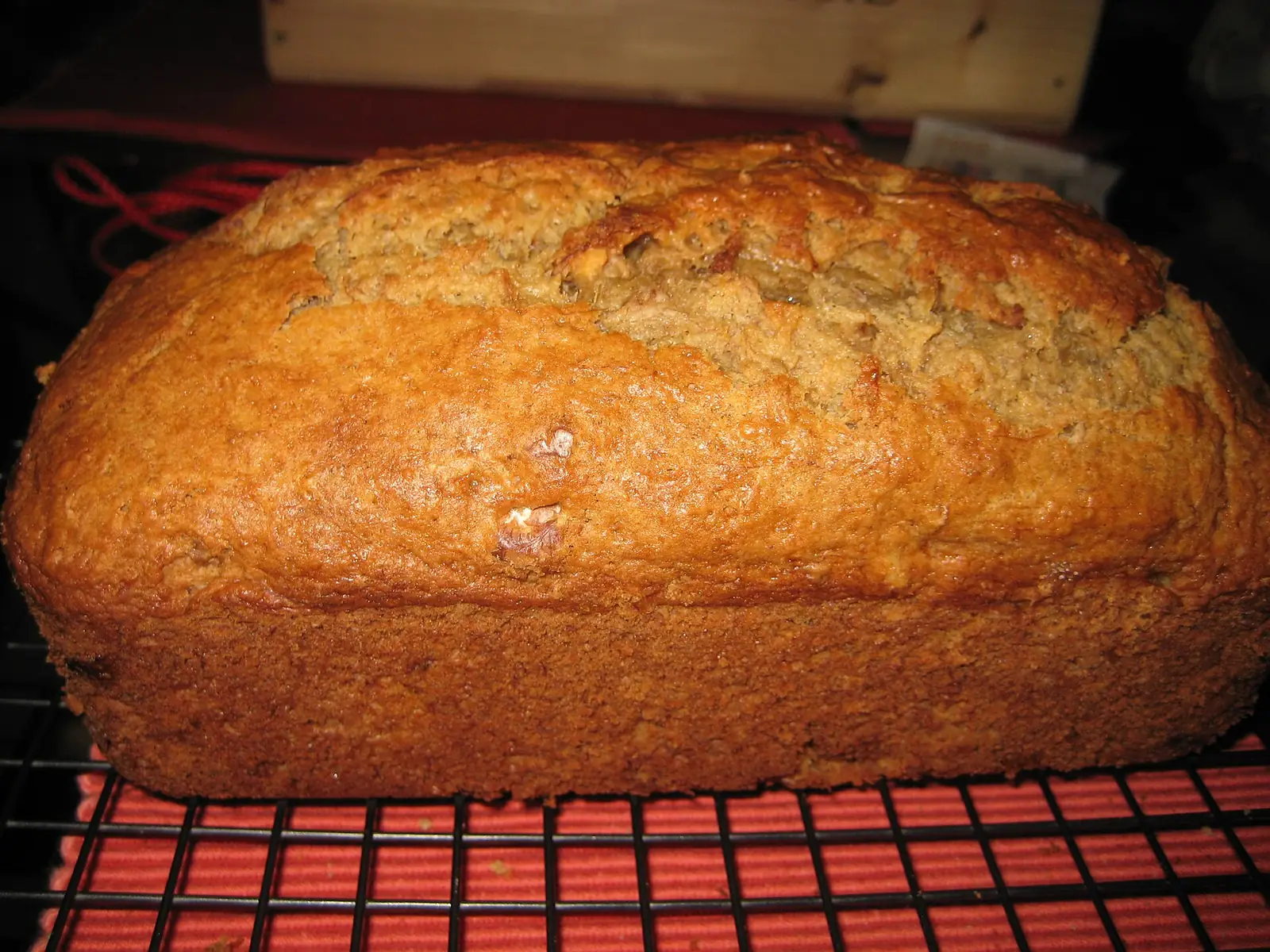
A whole golden-brown loaf of banana bread cooling on a wire rack United States flag United States 1h 15m
Breakfast •American Heritage

Banana Bread

This banana bread recipe turns four very ripe bananas into a moist, golden loaf with a tender crumb, a crackled top and crunchy walnuts in every slice. It is a one-bowl quick bread: no yeast, no mixer, no fuss — just mash, stir and bake. One serving is about 107 g.

Cozy & Comforting

A moist, golden loaf of mashed ripe bananas, butter and walnuts — the classic American way to rescue overripe bananas.

Pairs Well With
Salted butter, a smear of cream cheese & hot coffee

The Dinner Gazette

Never wonder what’s for dinner again

One email a week with easy dinner ideas from around the world — ingredients, steps and nutrition, tested in our kitchen first.

Delivered every Thursday morning. Unsubscribe anytime.