
Curated recipes from 193 countries  •  New seasonal Mediterranean issue out now

Overview

Saint Lucian Cocoa Tea

St Lucian Chocolate Tea

Saint Lucian cocoa tea is not hot chocolate from a packet. It starts with a real cocoa stick — roasted cocoa beans ground and pressed into a hard, dark stick — grated into spiced water, simmered until deep and fragrant, then softened with milk and sweetened to taste. The result is rich, lightly bitter, warmly spiced and deeply comforting. One serving is about 350 g.

Cocoa has been grown in Saint Lucia since its arrival in the 1660s, and cocoa tea is an island tradition passed down through generations, made with freshly ground cocoa sticks and fresh spices like nutmeg, cinnamon and bay leaf. The tradition of cocoa tea drinking is said to have originated in the west coast town of Soufriere around 1833, after abolition, when tea leaves were hard to source but cocoa was not. Today it remains the classic Saint Lucian breakfast drink, served hot with fried bakes and saltfish.

Pairs well with: Fried bakes & saltfish, fresh fruit

Provenance

Saint Lucia flag Saint Lucia

Saint Lucian Heritage

Latin America & Caribbean

Time Dedication

40m

8m prep • 32m cook

Batch Yield

4 Servings

237 kcal per serving

1 serving ≈ 350 g

Technical Skill

Easy

Easy (One Pot)

Meal Timing & Digestive Fit

Breakfast

Prime Morning Fit

Lunch

Inappropriate

Dinner

Inappropriate

Snack & Tea

Inappropriate

Occasions: Breakfast, rainy mornings, Christmas morning, family gatherings Cost: Low — about $1–2 per serving at home
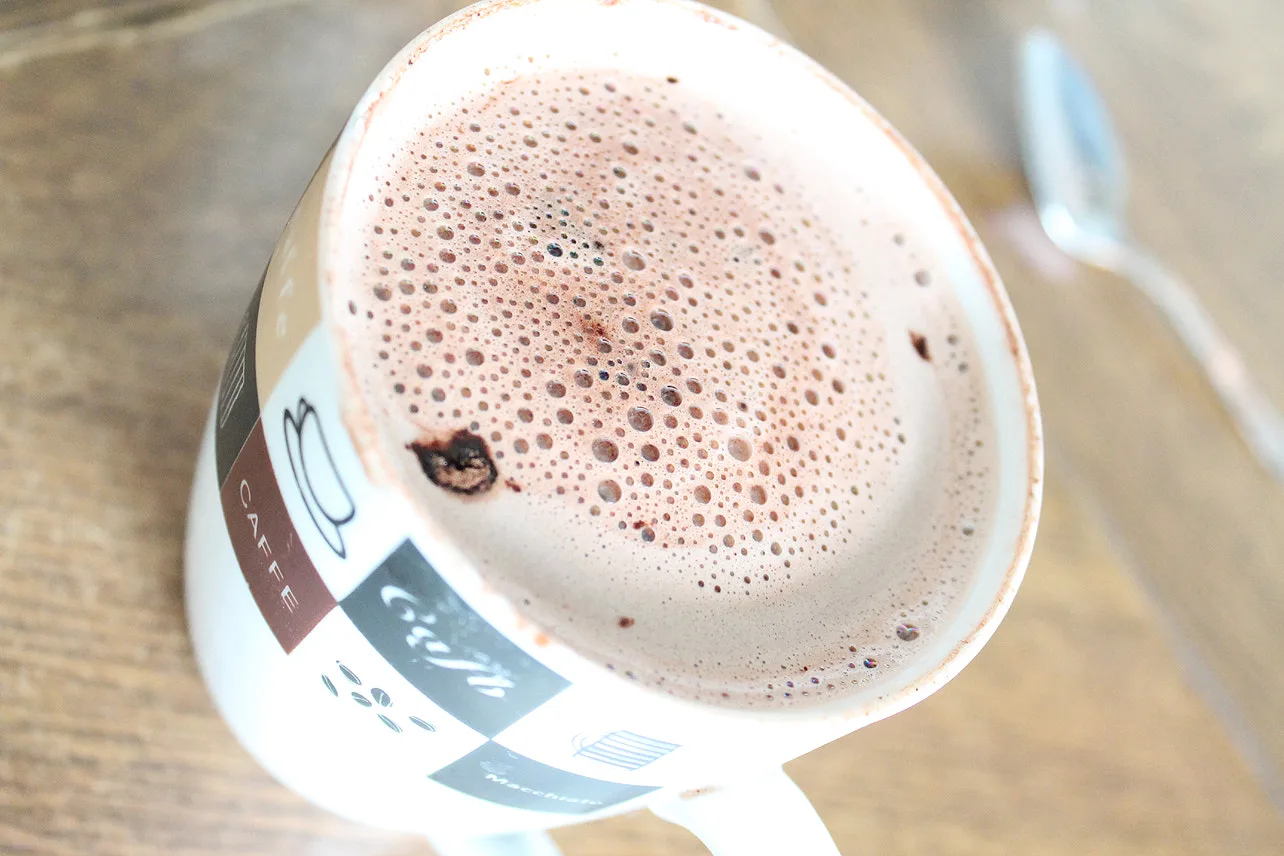
A plain mug of frothy cocoa tea with a spoon beside it

Saint Lucian Heritage

Photo: Dennis Lamczak, CC BY-SA 3.0, via Wikimedia Commons

The Heritage Formulary

Measured Ingredients

Estimated cost: Low — about $1–2 per serving at home (USD)

A true Saint Lucian cocoa tea is judged by its base: real grated cocoa stick and whole spices simmered slowly, never instant cocoa powder.

Execution Methodology & Culinary Technique

Step-by-Step Cooking Guide

Active 40m
P

Prep Stage: Grate & Measure

8 Mins • Grater Work

Grate the cocoa stick on the coarse side of a box grater — it is hard, so press firmly and keep your fingers clear of the blades. Break the cinnamon sticks in half, rinse the bay leaves, count out the cloves, and measure the milk, sugar and vanilla so everything is ready before the pot goes on the heat.

Maestro Tip: Grate the cocoa first while the stick is dry and cool; a damp or warm stick clogs the grater.

  1. 1

    Simmer the Spices

    5 Mins Rolling boil, 100°C (212°F)

    Put the water, cinnamon sticks, bay leaves and cloves in a medium saucepan. Bring to a rolling boil, then lower the heat and simmer for 5 minutes so the water takes on the warm, woody spice flavour before any cocoa goes in.

    Boiling the spices first — before the cocoa — is the Saint Lucian way; it gives the tea its extra warmth.

    Done when: The water smells clearly of cinnamon and bay, and has taken on a faint amber tint.

  2. 2

    Add the Cocoa and Simmer

    20 Mins Gentle simmer, ~95°C (203°F)

    Sprinkle in the grated cocoa stick and the pinch of salt, stirring well so no lumps form. Keep the pot at a gentle simmer — small bubbles, never a hard boil — for 20 minutes, stirring now and then. The liquid turns deep brown and thickens slightly as the cocoa melts into it.

    If a few flecks of cocoa stick refuse to melt, press them against the side of the pot with the back of a spoon.

    Done when: The tea is dark, smooth and fragrant, with no visible flecks of cocoa remaining.

  3. 3

    Add Milk and Sugar

    5 Mins Gentle heat, ~85°C (185°F) — do not boil

    Pour in the milk and add the sugar and vanilla extract. Stir until the sugar has fully dissolved, then heat gently for about 5 minutes until the tea is steaming hot and creamy. Do not let it boil — boiling makes the milk split and dulls the spice.

    Taste and adjust: add a spoonful more sugar if you like it sweeter, or a splash more milk if it is too strong.

    Done when: The tea is steaming, creamy and evenly coloured, with the sugar fully dissolved.

  4. 4

    Strain and Serve

    2 Mins Serve hot, ~70°C (158°F)

    Fish out the cinnamon sticks, bay leaves and cloves with a slotted spoon, or pour the tea through a fine strainer into a jug. Grate the fresh nutmeg over the top, stir once, and pour into warm mugs. Serve immediately, while it is hot and frothy.

    Warm the mugs with hot water first — a cold mug cools the tea too fast and the froth collapses.

    Done when: Each mug is hot, smooth and frothy, with a dusting of fresh nutmeg on top.

Finishing Touches & Plating

Serve the cocoa tea at once, hot and frothy, with a last grating of nutmeg over each mug. If it cools, reheat it gently — never boil it — and stir well before pouring.

Nutritional Physiology & Benefits

Nutrition

Energy

237

kcal / serving

Protein

6g

Complete AA

Carbs

25g

Complex

Fats

13g

Healthy

Per serving (4 servings · 1 serving ≈ 350 g)
Energy237 kcal
Protein6 g
Carbohydrates25 g
Fat13 g
Fibre2.4 g
Sugar21.9 g
Sodium103 mg
Per 100g
Energy68 kcal
Protein1.7 g
Carbohydrates7.1 g
Fat3.6 g
Fibre0.7 g
Sugar6.3 g
Sodium29 mg

Nutrition values are estimated — calculated from USDA FoodData Central values for the listed ingredients.

Vitamins & minerals: Nutrition is estimated. Milk provides calcium and vitamin B12, cocoa adds iron and magnesium, and cinnamon and nutmeg add small amounts of manganese and iron.

Cocoa, Milk and Spice in One Mug

Cocoa naturally contains flavanols, iron and magnesium, while milk adds calcium, protein and vitamin B12 — a more nourishing start than a plain sweetened drink.

Gentle Morning Energy

Cocoa contains a small amount of theobromine and caffeine, and the milk and sugar provide steady energy for the morning without the sharp jolt of coffee.

Warm and Easy on the Stomach

A warm, milky, lightly spiced drink is easy to sip first thing in the morning, and the bay, cinnamon and nutmeg give it flavour without chilli heat.

Food Pairings

What to Eat With

To optimize nutrient absorption and elevate the sensory depth, pair with these authentic accompaniments:

Sides

Fried Bakes

The classic Saint Lucian partner: warm, slightly sweet fried dough made for dunking. The soft bake soaks up the spiced cocoa, and the tea's bitterness balances the bake's richness.

Saltfish Buljol

Flaked saltfish with onion, tomato and sweet pepper brings salt and savoury bite to the table, and the sweet, creamy cocoa tea is the perfect counterpoint to it.

More Pairings

Fresh Mango and Banana

Ripe tropical fruit adds freshness and natural sweetness alongside the rich drink, and its vitamin C helps the body absorb the iron from the cocoa.

Full Menus

Saint Lucian Breakfast Plate

Serve the cocoa tea with fried bakes, saltfish buljol and fresh fruit for the full island breakfast — the combination of sweet, salty, fresh and spiced is what makes the meal work.

Complete menu

Serve the cocoa tea hot with fried bakes for dunking, saltfish buljol and fresh mango and banana on the side — the full Saint Lucian breakfast plate.

Digestive Guardrails

What NOT to Combine

To prevent digestive distress, sluggishness, or palate clash, avoid pairing the dish with these elements:

Drinking It Piping Hot

Cocoa tea is served near boiling, and sipping it straight from the pot can scald the mouth and throat. Let each mug stand for a minute or two until it is hot but comfortable to sip. This is general information, not medical advice.

Sugar and Condensed Milk Together

Some cooks sweeten with condensed milk instead of sugar. Using both at full strength pushes the sugar in one mug very high, so choose one sweetener and taste before adding more. This is general information, not medical advice.

General information only, not medical advice — consult a doctor for personal dietary decisions.

Who Should Eat It

Who Should Eat

  • General adultsA classic, comforting breakfast drink — rich, spiced and satisfying, best enjoyed as part of a real breakfast rather than on its own.
  • ChildrenSuitable for children over 2 in a small mug, with less sugar and served warm, not hot; cocoa contains a small amount of caffeine, so keep portions modest.
  • ElderlyWell suited — warm, easy to sip, and the milk adds calcium and protein; serve at a comfortable temperature and go easy on the sugar.
  • Pregnant womenGenerally suitable in a normal mug; cocoa contains a small amount of caffeine, so keep to one serving and ask your clinician if you are limiting caffeine.
  • Breastfeeding womenGenerally suitable; the milk and cocoa provide energy and calcium — keep sugar moderate and watch for any sensitivity in the baby.
  • AthletesA pleasant recovery drink: milk supplies protein and the sugar replaces energy after training, though it is not a substitute for a full meal.
  • Weight gainA good choice — use full-fat or evaporated milk, keep the sugar, and pair it with fried bakes for extra energy.
  • Weight lossEnjoy a smaller mug, halve the sugar or skip it, and use low-fat milk; the cocoa and spices still give plenty of flavour.

Health Conditions — Adjust or Avoid

Conditions

  • DiabetesMake it with little or no sugar and low-fat milk, and count the milk's natural sugars in your meal plan; ask your clinician about portion size.
  • High blood pressureThe drink itself is low in sodium, but keep the pinch of salt out if you are watching salt closely; ask your clinician if unsure.
  • Kidney diseaseMilk and cocoa are both sources of potassium and phosphorus, so keep portions small and ask your clinician whether this drink fits your diet.
  • GoutCocoa is low in purines, so an occasional mug is usually fine; ask your clinician if you are in an active flare.
  • Stomach issuesThe warm, milky drink is usually gentle, but the spices and cocoa can bother a sensitive stomach — try a small mug first and skip the cloves if needed.
  • Cardiovascular diseaseCocoa stick is high in saturated fat from cocoa butter, so keep portions modest and use low-fat milk; ask your clinician about how often to drink it.
  • Fatty liverKeep the sugar low and the portion to one mug; the main concern is the added sugar rather than the cocoa itself — ask your clinician if unsure.
  • Food allergiesContains milk. Naturally gluten-free as written. Check the cocoa stick label for shared-facility warnings if you have a severe nut or soy allergy, and confirm the vanilla extract is gluten-free if you have coeliac disease.
  • Special therapeutic dietsIf you follow a prescribed low-sugar, low-potassium or low-fat diet, adjust the sugar and milk to fit, and check with your clinician.

If you have a medical condition, consult your doctor before changing your diet.

Storage & Use

Storage & Use

How to store
Cool quickly and store in a covered jug or bottle; stir well before reheating, as the cocoa settles.
In the fridge
Up to 3 days in the fridge at 4°C (40°F) or below.
In the freezer
Not recommended — milk-based drinks separate and turn grainy on thawing.
How to reheat
Reheat gently in a saucepan over low heat, stirring often, until steaming hot to 74°C (165°F); do not boil.
Freezing recommended
No — the milk separates on thawing; fridge storage is better.
Signs it has spoiled
Sour smell, curdled or lumpy texture, or a sharp off taste.

More recipes to explore

A pot of bouyon soup with meat, long flour dumplings, root vegetables, plantain, carrots and leafy greens in broth Saint Lucia flag Saint Lucia 2h 35m
Dinner •Saint Lucian Heritage

St Lucian Bouyon

This st lucian bouyon recipe simmers seasoned chicken and pork with red kidney beans, dasheen, green banana and yam until the broth turns thick and golden, then finishes with hand-rolled flour dumplings and fresh spinach. The dumplings and red beans are what make it bouyon: without them it would be an ordinary meat soup. One serving is about 650 g.

Comfort & Warmth

A slow-simmered one-pot broth of chicken, pork, red beans, flour dumplings and ground provisions that eats as a complete meal.

Pairs Well With
Fried bakes, sliced avocado & iced lime squash
Soups & Broths
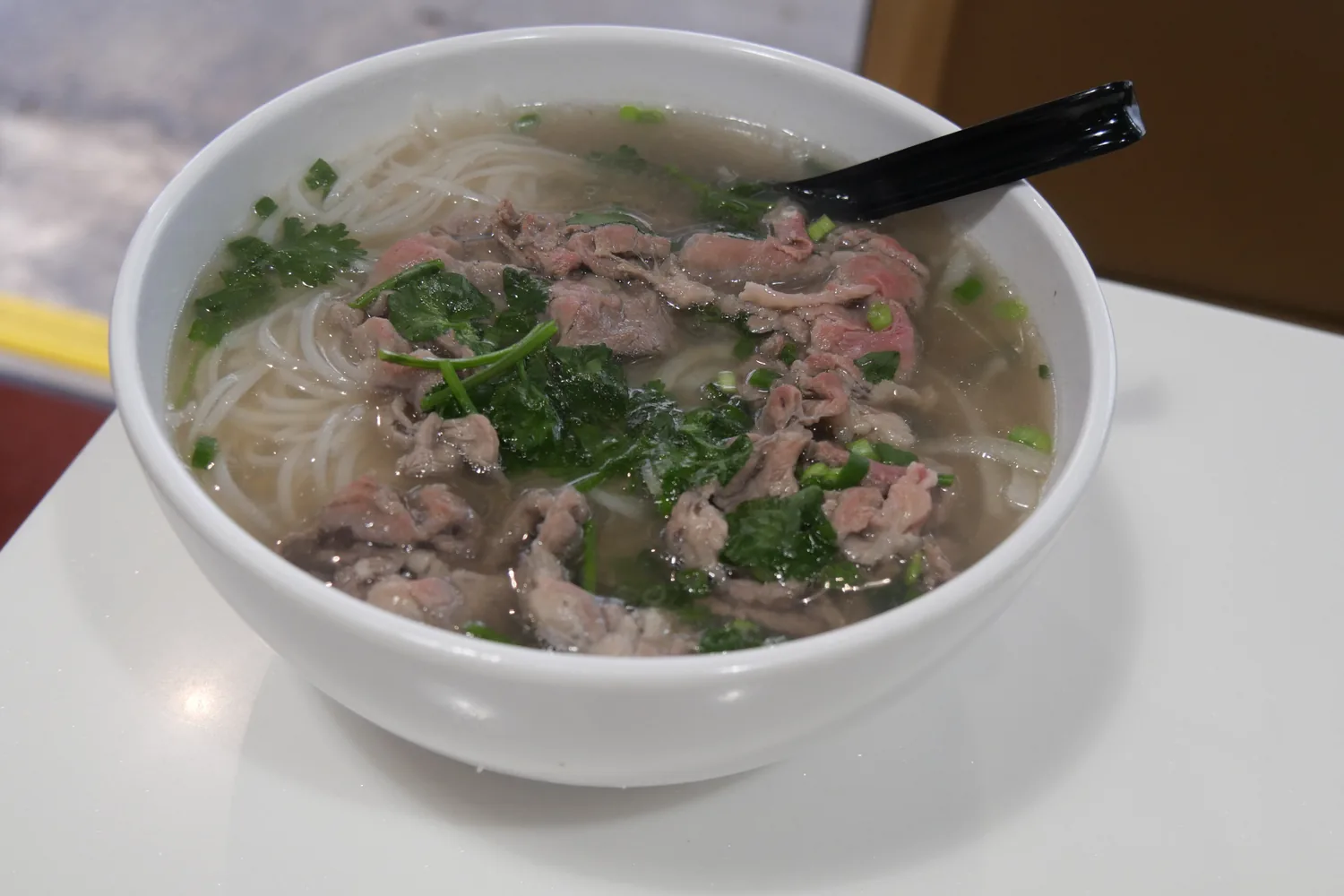
A bowl of Vietnamese phở bò with rare beef, rice noodles and fresh herbs Vietnam flag Vietnam 3h 30m
Breakfast •Hanoi Heritage

Phở Bò Tái Nạm

Slow-simmered star anise and cinnamon bone broth with hand-cut rice noodles, supplying clean restorative warmth and collagen. One serving is about 775 g.

Immunity & Warming

Slow-simmered bone broth with rice noodles, rare beef and fresh herbs.

Pairs Well With
Crispy quẩy, fresh lime & sawtooth coriander
Soups & Broths • High Protein
Golden butter croissants on a wooden board France flag France 20m
Breakfast •Parisian Boulangerie

Croissant au Beurre & Café

Laminated cultured butter pastry paired with washed Arabica, for a slow, pleasurable Parisian morning — best with a little protein alongside. One serving is about 390 g.

Sustained Focus

Flaky all-butter croissant with café au lait, Comté and green apple.

Pairs Well With
Comté cheese wedge & Green apple slices
Quick Prep (<30m)
Sliced tamagoyaki rolled omelette wrapped in nori on a blue plate Japan flag Japan 25m
Breakfast •Edo Traditional

Tamagoyaki, Miso & Gohan

Dashi-infused rolled omelet served with live cultured miso broth and sea kelp for foundational gastrointestinal conditioning. One serving is about 580 g.

Digestive Gut Health

Silky rolled omelette with miso soup and steamed rice.

Pairs Well With
Fermented Natto & Sencha Green Tea
High Protein • Fermented / Gut Health • Quick Prep (<30m)

The Dinner Gazette

Never wonder what’s for dinner again

One email a week with easy dinner ideas from around the world — ingredients, steps and nutrition, tested in our kitchen first.

Delivered every Thursday morning. Unsubscribe anytime.