
Curated recipes from 193 countries  •  New seasonal Mediterranean issue out now

Overview

Sutlac

Sütlaç, fırın sütlaç, Turkish baked rice pudding

This sutlac recipe cooks short-grain rice in milk until creamy, thickens it lightly, then bakes it in ovenproof bowls in a water bath until the top blisters and turns golden-brown. It is the baked version of Turkey's beloved rice pudding, served cold. One serving is about 225 g.

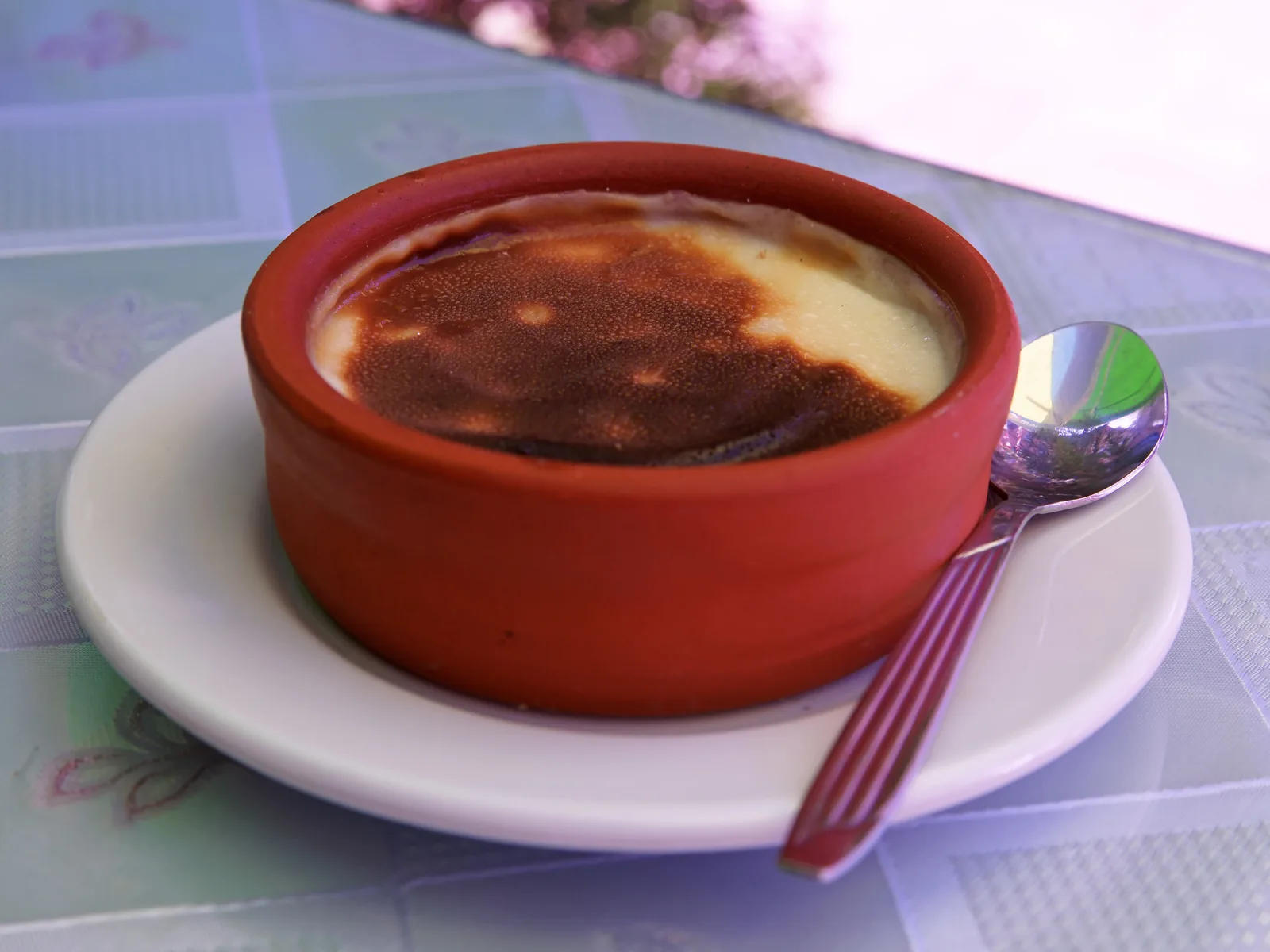
Sutlac is one of Turkey's oldest milk desserts: rice puddings cooked in milk were served in Ottoman palace kitchens, and the baked version in clay bowls, firin sutlac, became the version people ask for by name. The blistered top is its signature - it is baked until the surface browns and bubbles.

Pairs well with: Serve cold with Turkish tea and a few pistachios on the side.

Provenance

Turkey flag Turkey

Turkish Milk-Dessert Classic

Middle Eastern

Time Dedication

2h 5m

75m prep • 50m cook

Batch Yield

4 Servings

294 kcal per serving

1 serving ≈ 225 g

Technical Skill

Intermediate

Medium (Baked Pudding)

Meal Timing & Digestive Fit

Breakfast

Not Advised

Lunch

Inappropriate

Dinner

Inappropriate

Snack & Tea

Ideal Light Bite

Occasions: Afternoon snacks, dessert after dinner, festive gatherings, Ramadan evenings Cost: Low - about $1-2 per serving at home
A baked sutlac in a terracotta bowl, its top blistered golden-brown, with a spoon on the saucer

Turkish Milk-Dessert Classic

Photo: Sandstein, CC BY-SA 3.0, via Wikimedia Commons

The Heritage Formulary

Measured Ingredients

Estimated cost: Low - about $1-2 per serving at home (USD)

Good sutlac is creamy and just set, with a blistered golden-brown top - never runny, grainy or burnt.

Execution Methodology & Culinary Technique

Step-by-Step Cooking Guide

Active 2h 5m
P

Prep Stage: Rinse, Measure, Slurry

15 Mins • Pot, Bowls & Tray

Rinse the rice, measure the milk and sugar, and mix the cornstarch slurry before anything goes on the heat. The slurry must be ready when the milk is hot, and the bowls and water bath must be ready before the pudding is ladled.

Maestro Tip: Mix the cornstarch into cold milk, never hot - hot liquid turns it into lumps on contact.

  1. 1

    Cook the rice until soft

    15 minutes Simmering 95°C (203°F)

    Put the rinsed rice (80 g) and the water (240 ml) in a medium pot. Bring to a boil, then lower the heat, cover, and simmer for 12-15 minutes until the rice is soft and the water is almost gone.

    Do not skip rinsing - surface starch makes the pudding gluey instead of creamy.

    Done when: Rice grains are soft enough to squash between your fingers; almost no water left in the pot.

  2. 2

    Add the milk and sugar

    5 minutes Simmering 85°C (185°F)

    Pour in the milk (800 ml), add the sugar (80 g) and the salt (1 g), and stir until the sugar dissolves. Keep the heat low - the milk should steam and barely bubble, never boil hard.

    Stir every couple of minutes so the rice does not catch on the bottom of the pot.

    Done when: Sugar fully dissolved; milk hot and steaming, with the rice floating through it.

  3. 3

    Thicken with the cornstarch slurry

    10 minutes Simmering 85°C (185°F)

    Stir the cornstarch slurry (15 g cornstarch mixed into 60 ml of the cold milk) once more, then pour it into the pot in a thin stream while stirring. Cook for 8-10 minutes, stirring constantly, until the pudding coats the back of a spoon.

    Pour the slurry slowly - dumping it in makes lumps that never stir out.

    Done when: A spoon dragged through the pudding leaves a trail that holds for a second before closing.

  4. 4

    Bake until the top blisters

    20 minutes Oven 200°C (400°F), top heat

    Stir in the vanilla (5 ml). Ladle the pudding into four ovenproof bowls, about 225 g each, and set them in a deep tray. Pour boiling water into the tray to come halfway up the bowls. Bake at 200°C (400°F) for 15-20 minutes until the tops are blistered and golden-brown in patches.

    The water bath is what keeps the puddings creamy while the tops brown - dry bowls scorch at the edges.

    Done when: Tops are speckled deep brown with a few darker blisters; the puddings still wobble gently when shaken.

  5. 5

    Cool and chill

    5 minutes, then at least 1 hour chilling Fridge 4°C (40°F) or below

    Lift the bowls out of the water bath and leave them on the counter for 15 minutes, then chill in the fridge for at least 1 hour. Serve cold, straight from the fridge.

    Chilling is when sutlac sets - served warm it is a soup, served cold it is a pudding.

    Done when: Pudding holds its shape on a spoon and feels cold all the way through.

Finishing Touches & Plating

Serve the sutlac cold, one bowl per person, with the blistered top facing up. It keeps its shape on the spoon and tastes best on the day it is baked.

Nutritional Physiology & Benefits

Nutrition

Energy

294

kcal / serving

Protein

8g

Complete AA

Carbs

50g

Complex

Fats

7g

Healthy

Per serving (4 servings · 1 serving ≈ 225 g)
Energy294 kcal
Protein8 g
Carbohydrates50 g
Fat7 g
Fibre0.3 g
Sugar30.7 g
Sodium186 mg
Per 100g
Energy131 kcal
Protein3.6 g
Carbohydrates22 g
Fat3.1 g
Fibre0.1 g
Sugar13.6 g
Sodium83 mg

Nutrition values are estimated — calculated from USDA FoodData Central values for the listed ingredients.

Vitamins & minerals: Calcium and vitamin B12 from the milk, with small amounts of B vitamins from the rice. Nutrition values are estimated.

Gentle, milky comfort

Warm milk, soft rice and vanilla make a dessert that is soothing rather than rich - about 294 kcal a serving.

Calcium in every bowl

Each serving carries about 8.0 g of protein and a good share of the milk's calcium, from real milk rather than cream.

Five plain ingredients

Milk, rice, sugar, cornstarch and vanilla - the whole pudding is built from pantry staples, with nothing artificial.

Food Pairings

What to Eat With

To optimize nutrient absorption and elevate the sensory depth, pair with these authentic accompaniments:

Drinks

Turkish tea

Strong, unsweetened tea in a tulip glass is the classic partner - its bitterness balances the pudding's sweetness.

Sides

Chopped pistachios

A spoonful of chopped pistachios on top adds crunch and a nutty note against the soft, creamy pudding.

More Pairings

Fresh figs

Sliced fresh figs beside the bowl add a second, fruitier sweetness and a little colour to the plate.

Full Menus

After a kebab dinner

Sutlac is the usual sweet finish to a grilled-meat meal - light and milky after something rich and savoury.

Complete menu

Sutlac served cold after a kebab dinner, with Turkish tea and a small bowl of chopped pistachios on the side.

Digestive Guardrails

What NOT to Combine

To prevent digestive distress, sluggishness, or palate clash, avoid pairing the dish with these elements:

Boiling the milk hard

Milk that boils hard can split and scorch, giving the pudding a burnt taste that no amount of vanilla hides. Keep it at a gentle simmer. This is general information, not medical advice.

Skipping the water bath

Baking the bowls dry makes the edges overcook and the tops burn before the centres set. The water bath keeps the heat gentle and even. This is general information, not medical advice.

General information only, not medical advice — consult a doctor for personal dietary decisions.

Who Should Eat It

Who Should Eat

  • General adultsA light dessert at about 294 kcal a serving - milky and satisfying without being heavy.
  • ChildrenUsually enjoyed - soft, sweet and easy to eat. Serve a smaller bowl for young children because of the sugar.
  • ElderlySoft, easy to swallow and gentle; serve cold in a small bowl.
  • Pregnant womenA fully cooked milk dessert; the only concern is the sugar, so keep the portion to one small bowl.
  • Breastfeeding womenFine as an occasional dessert - milk gives calcium and protein; keep the portion small because of the sugar.
  • AthletesQuick carbohydrate for recovery, but low in protein - pair with nuts rather than eating it alone after training.
  • Weight gainAn easy, pleasant way to add energy: a serving with pistachios is a substantial snack.
  • Weight lossBest kept as a rare treat - one small bowl, eaten slowly, rather than a second helping.

Health Conditions — Adjust or Avoid

Conditions

  • DiabetesOne serving carries about 49.5 g of carbohydrate and 30.7 g of sugar, so count the portion and ask your clinician about serving size.
  • High blood pressureSodium is low at about 186 mg per serving; the milk and rice suit a blood-pressure-friendly pattern. Ask your clinician.
  • Kidney diseaseMilk is high in potassium and phosphorus, so this dessert is not ideal for a kidney diet. Ask your clinician before eating it regularly.
  • GoutMilk and rice are low in purines, so a small portion is usually fine; ask your clinician if you are managing gout.
  • Stomach issuesA mild milk dessert is usually easy on the stomach, but whole milk can trouble people with lactose intolerance - a lactose-free milk works in the same recipe. Ask your clinician if symptoms persist.
  • Cardiovascular diseaseThe fat is about 7.0 g per serving and mostly from whole milk; keep portions moderate and ask your clinician about saturated fat.
  • Fatty liverKeep the portion to one small bowl and the sugar in mind; ask your clinician about sugar for your situation.
  • Food allergiesContains milk (lactose) - check the labels and ask your clinician if you have a food allergy. The recipe is naturally gluten-free.
  • Special therapeutic dietsA simple dessert that can be made with lactose-free milk or less sugar, but any therapeutic diet should be checked with your clinician.

If you have a medical condition, consult your doctor before changing your diet.

Storage & Use

Storage & Use

How to store
Cover each bowl with cling film once cold and keep in the fridge.
In the fridge
Keeps 3 days in the fridge at 4°C (40°F) or below.
In the freezer
Do not freeze - the pudding separates and turns watery when thawed.
How to reheat
Not reheated - serve cold from the fridge.
Freezing recommended
No - freezing spoils the texture.
Signs it has spoiled
Sour smell, watery surface, or visible mould - discard if any appear.

More recipes to explore

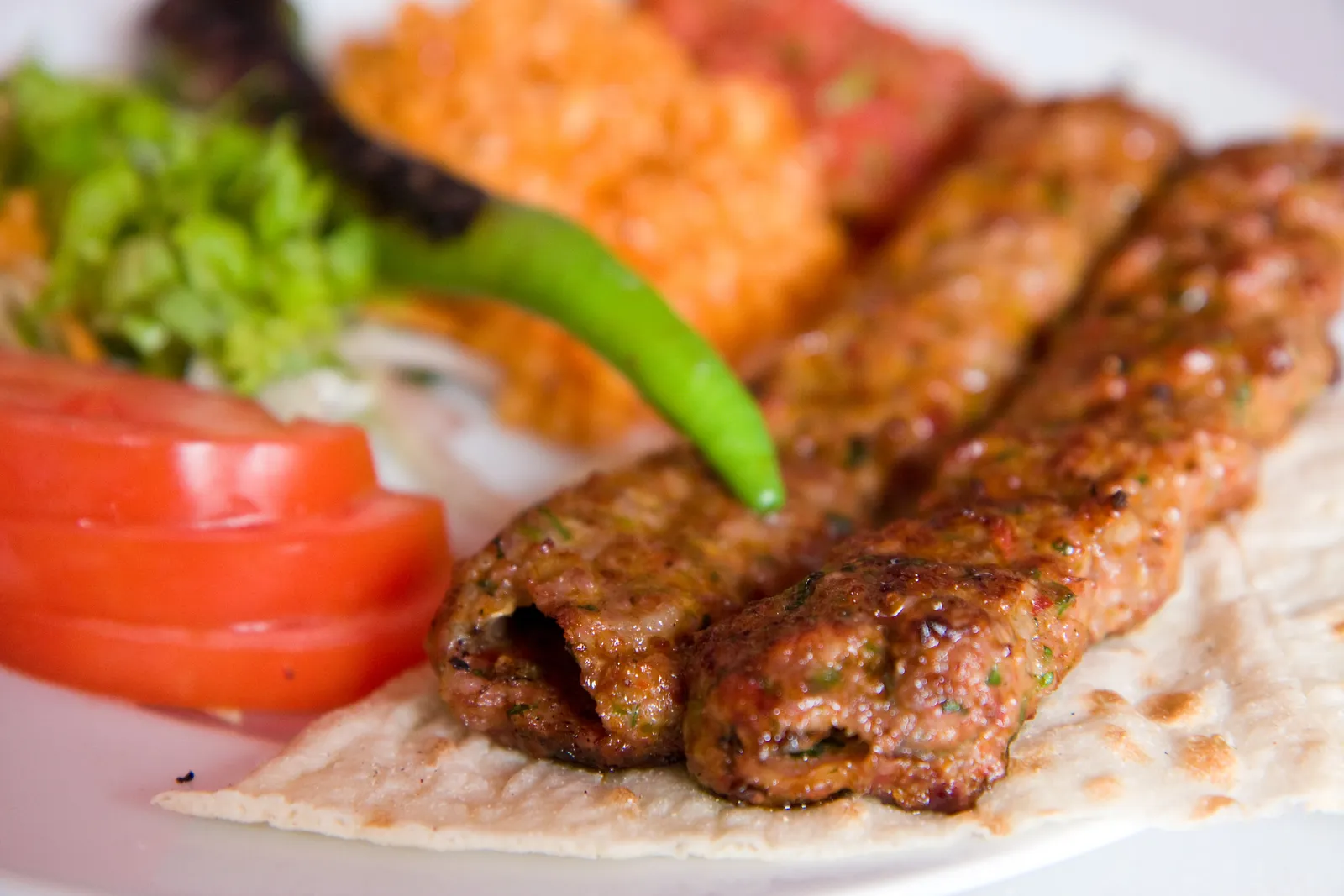
Adana kebab — long grilled minced-meat skewers on lavash with tomato, green chilli and salad Turkey flag Turkey 50m
Dinner •Adana Heritage

Adana Kebab

This adana kebab recipe is Adana's famous charcoal-grilled skewer: hand-minced lamb and beef mixed with lamb tail fat, sweet red pepper and pul biber, pressed onto wide flat skewers and grilled over glowing charcoal until the edges char and the juices run. It is served on warm lavash with grilled tomato, green chillies and a sharp sumac onion salad. One serving is about 439 g.

Adana's Charcoal-Grilled Icon

Hand-minced lamb and beef with tail fat and pul biber, pressed onto wide flat skewers and grilled over charcoal until charred at the edges — Adana's famous kebab.

Pairs Well With
Lavash, grilled tomato & sumac onion salad
High Protein
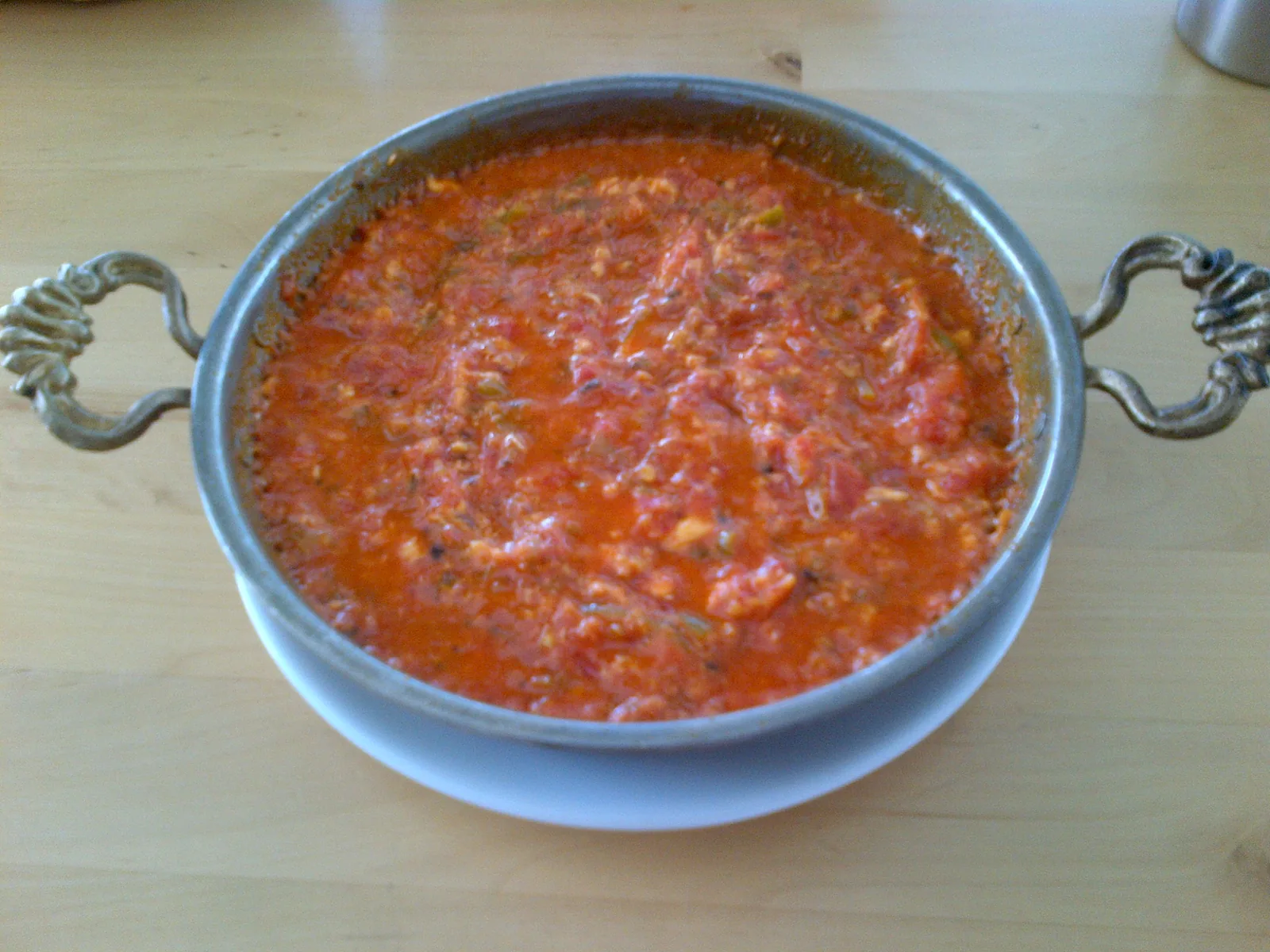
Menemen in a copper sahan pan — soft scrambled eggs stirred through a red tomato and green pepper sauce Turkey flag Turkey 30m
Breakfast •Izmir Breakfast Table

Menemen

This menemen recipe stirs beaten eggs into a soft tomato and green pepper sauce until they set into creamy curds — never poached whole, the way shakshuka does it. Cooked in one pan and served straight from it with bread, it is the classic Turkish breakfast. One serving is about 300 g.

Comfort & Warmth

Beaten eggs stirred into a soft tomato and green pepper sauce, scooped up with warm bread.

Pairs Well With
Crusty white bread, Turkish tea and sliced cucumber and tomato
Quick Prep (<30m)
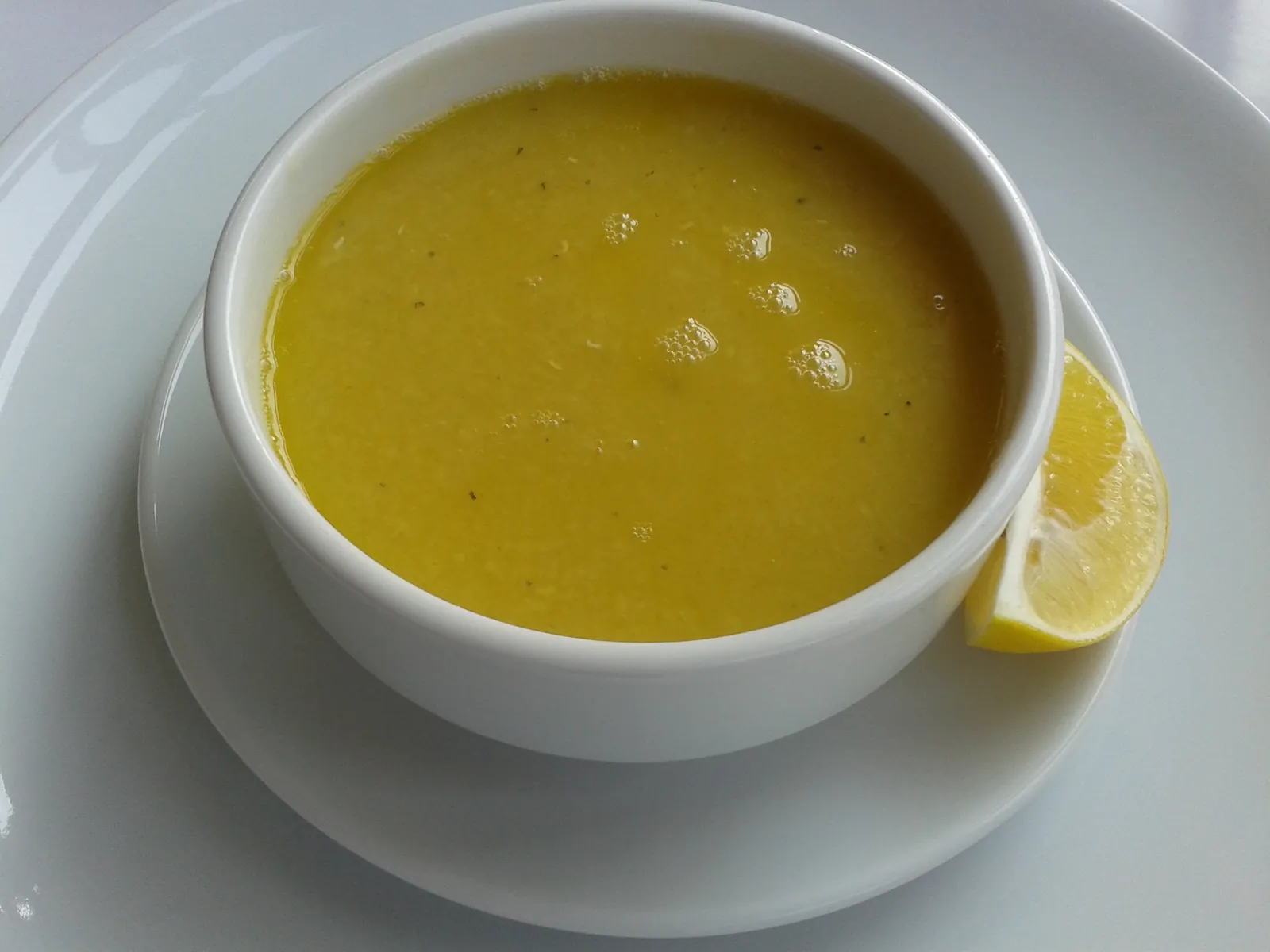
A white bowl of smooth golden Turkish lentil soup with a lemon wedge on the side Turkey flag Turkey 45m
Lunch •Ankara Lokanta Classic

Turkish Lentil Soup

This turkish lentil soup recipe turns red lentils, onion, carrot and potato into a smooth, golden soup, finished with lemon and a drizzle of paprika butter. One serving is about 325 g.

Comfort & Warmth

A silky red lentil soup, light enough for lunch and warm enough for a cold day.

Pairs Well With
Warm pide bread, lemon wedges and ayran
Soups & Broths
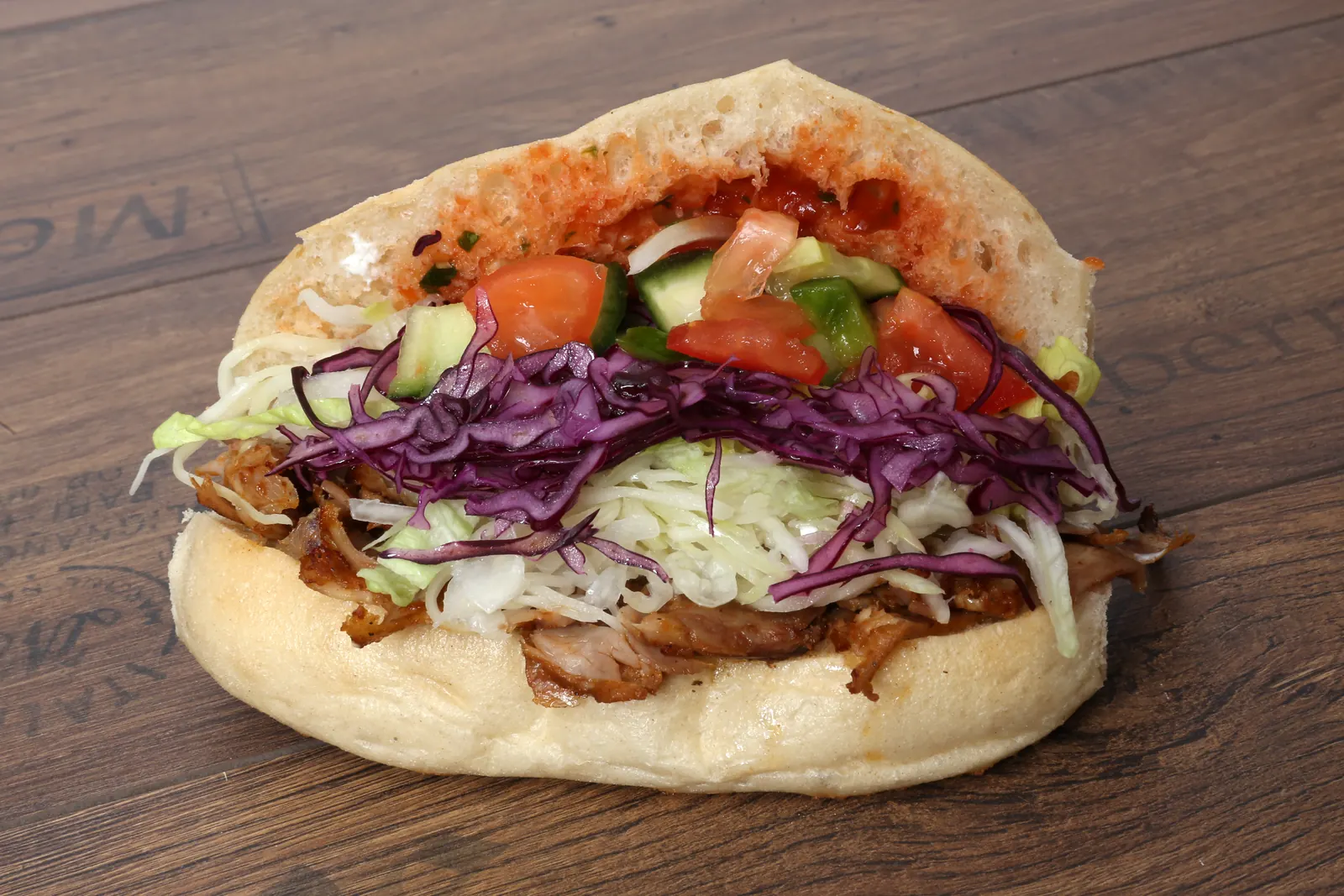
A doner kebab in flatbread filled with sliced lamb, red and white cabbage, tomato and cucumber Turkey flag Turkey 2h 55m
Dinner •Bursa Spit-Roast Heritage

Doner Kebab

This doner kebab recipe brings the Turkish spit-roast home: lamb leg marinated in yogurt, onion and spices, seared until charred at the edges, then sliced thin and tucked into warm pitta bread with crisp salad and a cool garlic yogurt sauce. No vertical spit needed — a ripping-hot pan does the job. One serving is about 415 g.

Charcoal-Grilled & Juicy

Home-style doner kebab — yogurt-marinated lamb, sliced thin and piled into warm pitta with salad and garlic sauce.

Pairs Well With
Serve in warm pitta with salad, garlic sauce and a little chilli sauce.
High Protein

The Dinner Gazette

Never wonder what’s for dinner again

One email a week with easy dinner ideas from around the world — ingredients, steps and nutrition, tested in our kitchen first.

Delivered every Thursday morning. Unsubscribe anytime.