
Curated recipes from 193 countries  •  New seasonal Mediterranean issue out now

Overview

Tarte Tatin

Upside-Down Caramel Apple Tart, Tatin Tart

This tarte tatin recipe is the upside-down apple tart of the Loire Valley: firm apples cooked in a dark butter caramel until they turn amber and tender, covered with puff pastry, baked until crisp, then flipped onto a plate so the glossy apples sit on top. It is best warm, with a spoonful of creme fraiche or vanilla ice cream melting into the caramel. One serving is about 180 g.

Tarte tatin comes from Lamotte-Beuvray, a small town in the Loire Valley, where the Tatin sisters ran the Hotel Tatin in the late 1800s. The story, repeated in the family for generations, is that Stephanie Tatin was making an apple pie, left the apples cooking too long in butter and sugar, and — rather than throw them away — covered them with pastry and baked the whole thing upside-down. The hotel's guests loved it, the recipe travelled to Paris, and the upside-down tart became one of France's most famous desserts. Whether the mistake really happened or not, the method is the point: apples cooked in caramel first, pastry second, and the flip at the end.

Pairs well with: Creme fraiche, vanilla ice cream and a cup of black coffee

Provenance

France flag France

Loire Valley Classic

Nordic & European

Time Dedication

1h 20m

25m prep • 55m cook

Batch Yield

8 Servings

372 kcal per serving

1 serving ≈ 180 g

Technical Skill

Intermediate

Medium (Caramel & Pastry)

Meal Timing & Digestive Fit

Breakfast

Not Advised

Lunch

Inappropriate

Dinner

Inappropriate

Snack & Tea

Ideal Light Bite

Occasions: Sunday lunch dessert, dinner party finish, autumn baking, afternoon tea Cost: Low — about $2–3 per serving at home
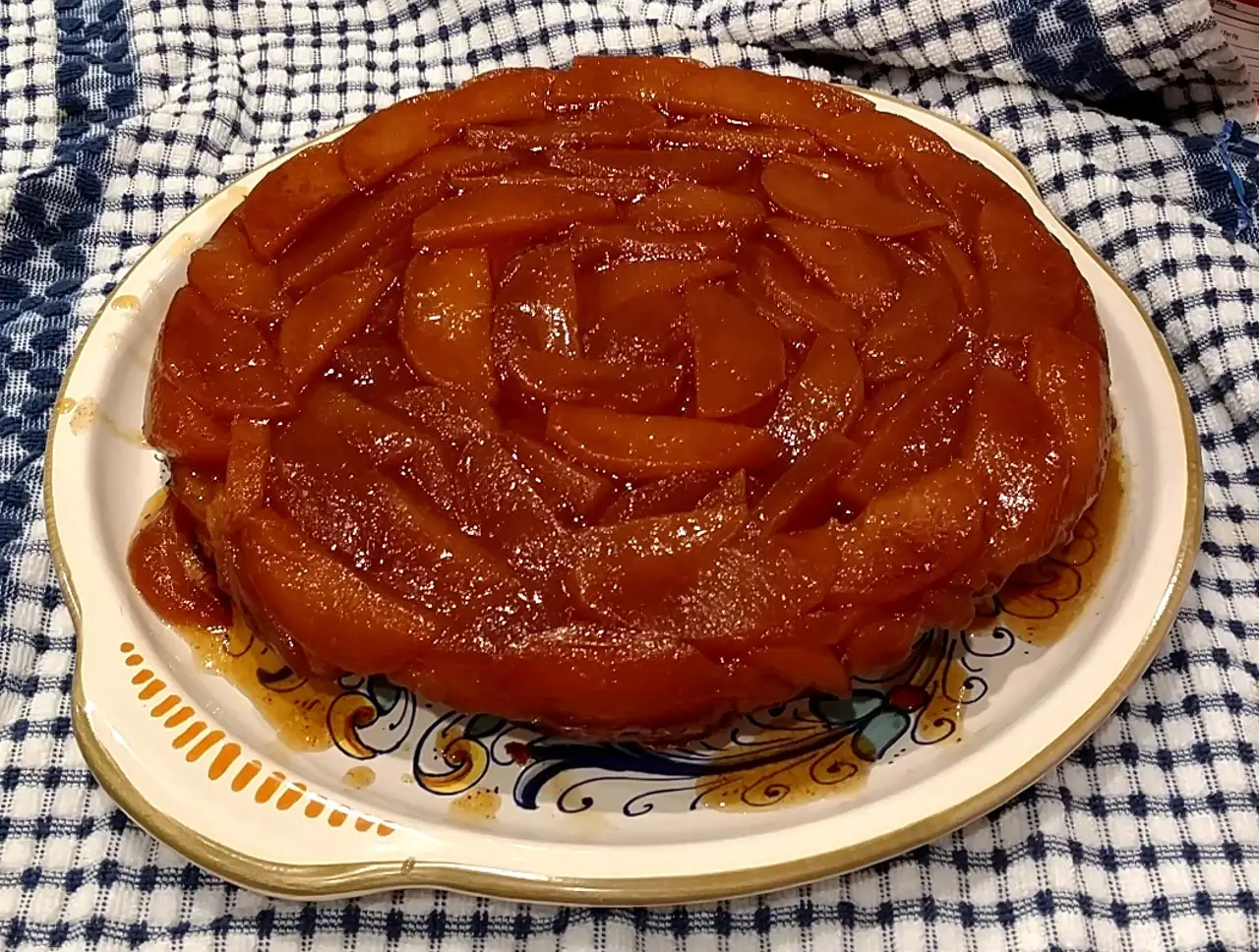
A whole tarte tatin on a plate — glossy caramelised apples arranged over golden pastry

Loire Valley Classic

Photo: Loslazos, CC BY-SA 4.0, via Wikimedia Commons

The Heritage Formulary

Measured Ingredients

Estimated cost: Low — about $2–3 per serving at home (USD)

Made with firm apples, butter caramel and all-butter puff pastry; nutrition is estimated from USDA values.

Execution Methodology & Culinary Technique

Step-by-Step Cooking Guide

Active 1h 20m
P

Prep Stage: Apples Ready, Pastry Chilled

25 Mins • Peeling & Rolling

Peel, quarter and core the apples and toss them with the lemon juice. Roll the puff pastry into a 28 cm round, prick it lightly with a fork, and put it back in the fridge — cold pastry puffs better. Measure the sugar, cube the butter, and have a serving plate larger than the pan ready.

Maestro Tip: Everything moves fast once the caramel starts, so have the apples and the pastry within arm's reach before the sugar hits the pan.

  1. 1

    Make the Caramel

    10 Mins Medium heat, about 170°C (340°F)

    Melt the butter in a 24 cm ovenproof pan over medium heat, then sprinkle in the sugar in an even layer. Cook without stirring for about 8 minutes, swirling the pan gently now and then, until the caramel turns a deep amber the colour of honey. Take it off the heat and stir in the vanilla and the pinch of salt.

    Do not stir the sugar with a spoon — it will seize into lumps. Swirl the pan instead, and watch it like a hawk: caramel goes from amber to burnt in under a minute.

    Done when: The caramel is deep amber, smells nutty, and flows like thin honey.

  2. 2

    Arrange the Apples

    10 Mins No heat — off the stove

    Pack the apple quarters into the caramel, rounded side down, standing them on their edges in tight concentric circles. Sprinkle over the cinnamon. Return the pan to medium heat and cook the apples in the caramel for about 15 minutes, spooning the bubbling caramel over them, until they are tender at the edges but still holding their shape.

    Pack the apples in as tightly as you can — they shrink as they cook, and gaps become holes in the finished tart.

    Done when: The apples are amber at the edges and a knife slides in with only a little resistance.

  3. 3

    Cover with Pastry and Bake

    30 Mins Oven 200°C (400°F)

    Take the pan off the heat. Lay the cold pastry round over the apples and tuck the edges down inside the pan, around the fruit. Bake at 200°C (400°F) for about 30 minutes, until the pastry is puffed, crisp and deep golden.

    Tuck the pastry in firmly — it shrinks as it bakes, and a loose edge leaves the apples bare.

    Done when: The pastry is puffed and deep golden, and caramel bubbles at the edges.

  4. 4

    Rest, Then Turn Out

    10 Mins Rest 5 minutes — pan about 90°C (190°F)

    Rest the tart for 5 minutes — no longer, or the caramel sets and the tart will not release. Run a knife around the edge, place the serving plate upside-down over the pan, and flip the whole thing over in one confident motion. Lift the pan slowly; if any apple sticks, lift it off with a spoon and press it back into place.

    Wear oven gloves and flip over the sink: hot caramel drips, and it sticks to skin. Confidence matters more than speed.

    Done when: The tart sits on the plate with the glossy apples facing up and the pastry underneath.

  5. 5

    Serve Warm

    5 Mins Serve warm — tart about 60°C (140°F)

    Cut the tarte tatin into 8 slices with a sharp knife while it is still warm, and serve each slice with a spoonful of creme fraiche or a scoop of vanilla ice cream.

    Cut with a serrated knife and a gentle sawing motion — pressing down crushes the pastry and squeezes the caramel out.

    Done when: The slices hold their shape, the apples are glossy, and the pastry is still crisp underneath.

Finishing Touches & Plating

Serve the tarte tatin warm, with the apples glossy and the pastry crisp, and let the creme fraiche or ice cream melt into the warm caramel at the table.

Nutritional Physiology & Benefits

Nutrition

Energy

372

kcal / serving

Protein

3g

Complete AA

Carbs

58g

Complex

Fats

16g

Healthy

Per serving (8 servings · 1 serving ≈ 180 g)
Energy372 kcal
Protein3 g
Carbohydrates58 g
Fat16 g
Fibre3.8 g
Sugar38.7 g
Sodium171 mg
Per 100g
Energy207 kcal
Protein1.5 g
Carbohydrates32.1 g
Fat9.1 g
Fibre2.1 g
Sugar21.5 g
Sodium95 mg

Nutrition values are estimated — calculated from USDA FoodData Central values for the listed ingredients.

Vitamins & minerals: Provides vitamin C and fibre from the apples, and a little calcium from the butter. Nutrition is estimated.

Real Fruit at the Centre

A kilo of apples makes up most of the tart — fibre, vitamin C and real fruit flavour, not just sugar.

No Cream in the Tart

The richness comes from butter and caramelised fruit, and the cream is served on the side, so you choose how much.

A Little Goes a Long Way

About 372 kcal a slice makes it a satisfying finish to a meal without needing a second helping.

Food Pairings

What to Eat With

To optimize nutrient absorption and elevate the sensory depth, pair with these authentic accompaniments:

Sides

Vanilla Ice Cream

Cold ice cream against warm caramel is the classic contrast — the cream melts into the sauce and softens its sweetness.

Creme Fraiche

Its gentle sourness cuts the caramel's sweetness better than whipped cream, and it holds its shape on a warm slice.

Drinks

Black Coffee

A strong black coffee balances the sugar and ends the meal cleanly, the way it is served in France.

Full Menus

After a Light Main

This is a rich finish, so it follows a light main best — a salad, a soup, or a simple roast chicken.

Complete menu

Serve the tarte tatin warm after a light main such as roast chicken and salad, with creme fraiche or vanilla ice cream and a cup of black coffee.

Digestive Guardrails

What NOT to Combine

To prevent digestive distress, sluggishness, or palate clash, avoid pairing the dish with these elements:

High in Sugar

About 38.7 g of sugar per slice from the apples and the caramel, so one slice is the right portion. This is general food information, not medical advice.

Hot Caramel Burns

Caramel at 170°C (340°F) sticks to skin and burns badly, so keep children away from the stove during the caramel step and flip the tart with oven gloves. This is general food information, not medical advice.

General information only, not medical advice — consult a doctor for personal dietary decisions.

Who Should Eat It

Who Should Eat

  • General adultsA classic dessert — one warm slice with creme fraiche is a proper finish to a meal.
  • ChildrenChildren usually love the sweet apples and crisp pastry; let their slice cool a little first — the caramel holds its heat.
  • ElderlySoft apples and crisp pastry are easy to eat; the sugar is the thing to watch.
  • Pregnant womenFine when freshly baked and served warm; the small amount of alcohol in vanilla extract cooks away.
  • Breastfeeding womenA satisfying dessert in a modest portion; one slice with a salad-light meal is a good balance.
  • AthletesAbout 57.8 g of carbs per slice gives quick energy after training; pair it with a protein-rich main.
  • Weight gainEnergy-dense and easy to eat — a slice with ice cream adds calories without much bulk.
  • Weight lossSweet and calorie-dense, so keep to one slice, skip the ice cream, and choose creme fraiche instead.

Health Conditions — Adjust or Avoid

Conditions

  • DiabetesAbout 57.8 g of carbs and 38.7 g of sugar per slice. Keep to a small slice and skip the ice cream. Ask your clinician about portion size.
  • High blood pressureAbout 171 mg of sodium per slice — low for a dessert. The sugar, not the salt, is the concern. Ask your clinician about sugar intake.
  • Kidney diseaseLow in protein and sodium, but high in sugar. A small slice now and then is usually the safer choice. Ask your clinician before eating it regularly.
  • GoutLow in purines as written. The sugar is the main concern during a flare. Ask your clinician for guidance.
  • Stomach issuesSweet, buttery and rich, which can feel heavy on a sensitive stomach. Eat a small slice and avoid eating late. Ask your clinician if symptoms flare.
  • Cardiovascular diseaseButter and pastry add saturated fat; keep to one slice and use creme fraiche instead of ice cream. Ask your clinician about saturated fat intake.
  • Fatty liverThe sugar and butter add up; keep the portion to one small slice. Ask your clinician about a suitable portion.
  • Food allergiesContains gluten (puff pastry) and milk (butter). Check the pastry label for egg and nut traces. Ask your clinician if you have a food allergy.
  • Special therapeutic dietsNot suitable for low-sugar or low-fat diets as written; the caramel is the whole point of the tart. Ask your clinician or dietitian for guidance.

If you have a medical condition, consult your doctor before changing your diet.

Storage & Use

Storage & Use

How to store
Cool the tart completely, then cover loosely and store at room temperature or in the fridge.
In the fridge
2–3 days, covered — the pastry softens, so re-crisp before serving.
In the freezer
1 month, wrapped tightly; thaw overnight in the fridge.
How to reheat
Warm in the oven at 180°C (350°F) for about 10 minutes until hot right through, 74°C (165°F).
Freezing recommended
Yes, but the pastry is best when fresh.
Signs it has spoiled
Sour smell, weeping caramel, or any mould.

More recipes to explore

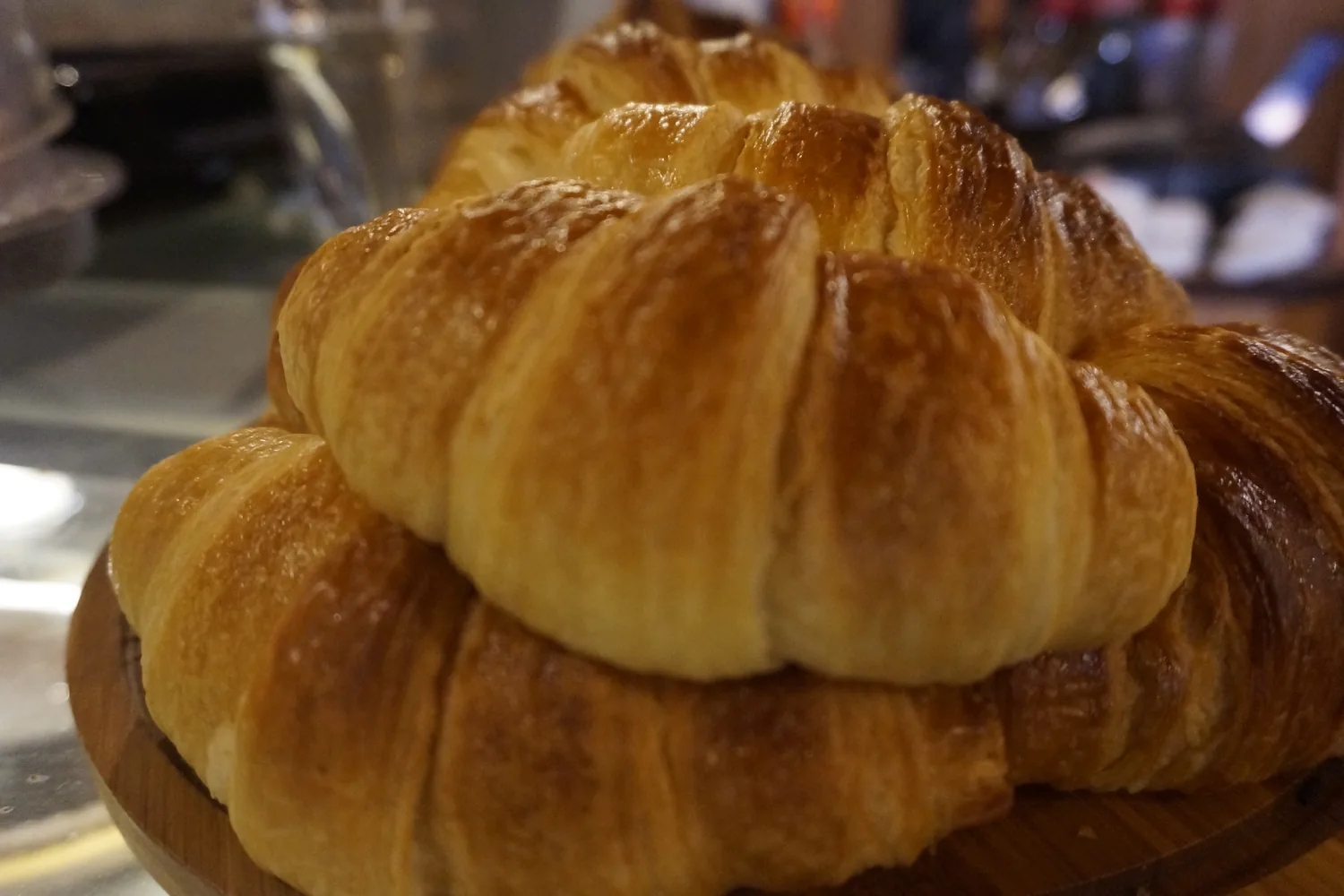
Golden butter croissants on a wooden board France flag France 20m
Breakfast •Parisian Boulangerie

Croissant au Beurre & Café

Laminated cultured butter pastry paired with washed Arabica, for a slow, pleasurable Parisian morning — best with a little protein alongside. One serving is about 390 g.

Sustained Focus

Flaky all-butter croissant with café au lait, Comté and green apple.

Pairs Well With
Comté cheese wedge & Green apple slices
Quick Prep (<30m)

Bœuf bourguignon — French beef braised in red wine France flag France 4h
Dinner •Burgundy Terroir

Bœuf Bourguignon

Beef braised gently in red wine until the connective tissue melts into a velvet, gelatin-rich sauce — the classic Burgundy Sunday dinner.

Cellular Repair

Beef braised in red wine until spoon-tender, with mushrooms and pearl onions.

Pairs Well With
Parsnip Purée & Steamed French Haricots Verts
High Protein
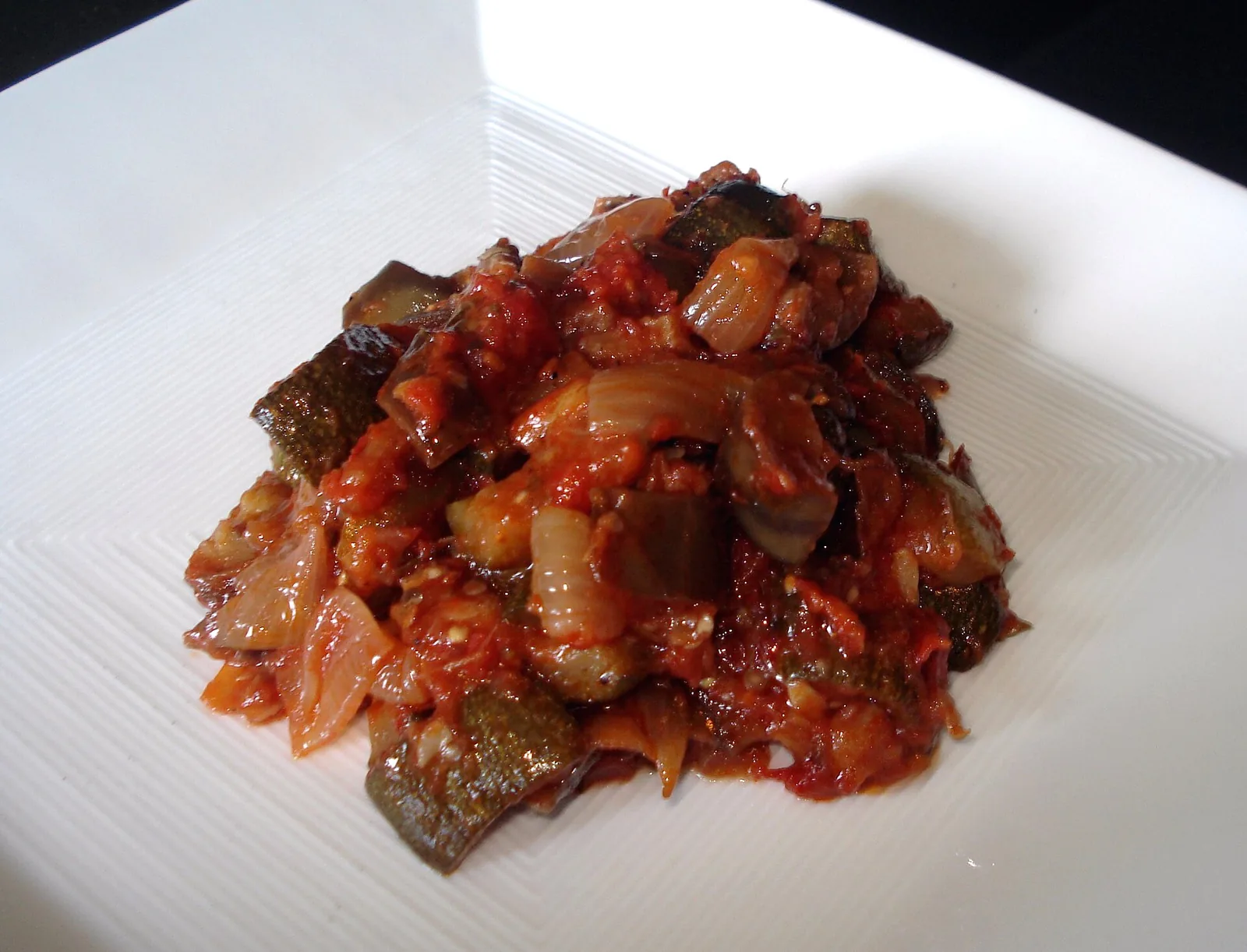
A mound of classic ratatouille with eggplant, zucchini, tomato and onion on a white plate France flag France 1h 15m
Dinner •Nice Provençal

Ratatouille

This ratatouille recipe cooks eggplant, zucchini, peppers and tomatoes separately first, so each vegetable keeps its own texture, then brings them together for a slow, fragrant simmer. One serving is about 400 g.

Light & Vegetable-Rich

Slow-simmered summer vegetables in olive oil — light, fragrant and full of fibre.

Pairs Well With
Crusty sourdough bread, grilled fish or a fried egg
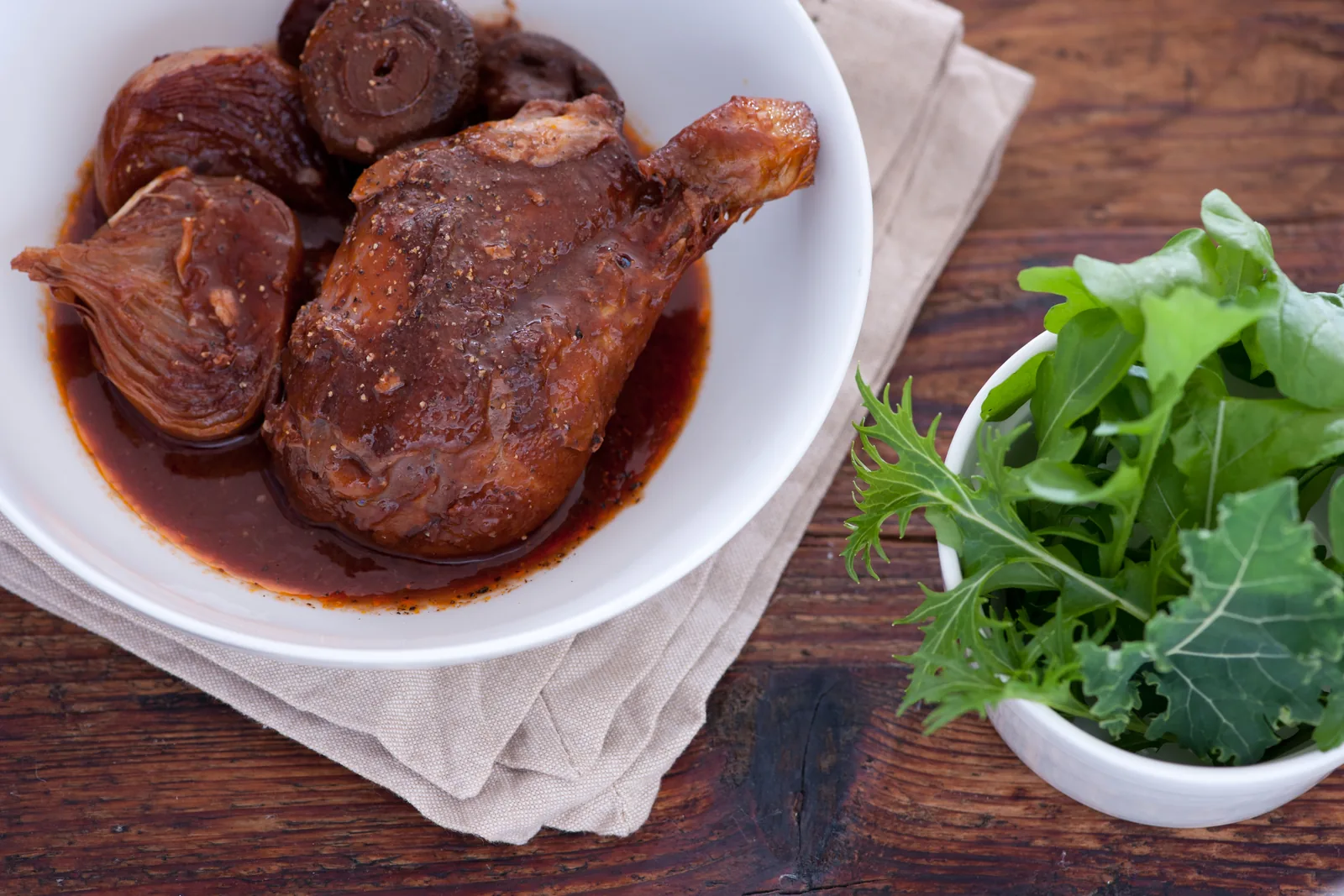
A bowl of coq au vin with a braised chicken leg in dark red wine sauce with mushrooms and onions, greens on the side France flag France 1h 40m
Dinner •Burgundy Classic

Coq au Vin

This coq au vin recipe is the Burgundy classic: chicken thighs browned with bacon, then braised in red wine with mushrooms, pearl onions and carrots until the meat is tender and the sauce is dark and glossy. One serving is about 375 g. It takes 1 hour 40 minutes, most of it hands-off while the pot simmers.

Comfort & Warmth

Chicken braised slowly in red wine with mushrooms, pearl onions and bacon until it falls off the bone.

Pairs Well With
Mashed potatoes, crusty bread & Burgundy wine

The Dinner Gazette

Never wonder what’s for dinner again

One email a week with easy dinner ideas from around the world — ingredients, steps and nutrition, tested in our kitchen first.

Delivered every Thursday morning. Unsubscribe anytime.