
Curated recipes from 193 countries  •  New seasonal Mediterranean issue out now

Overview

Tiramisu

Tiramisu Classico

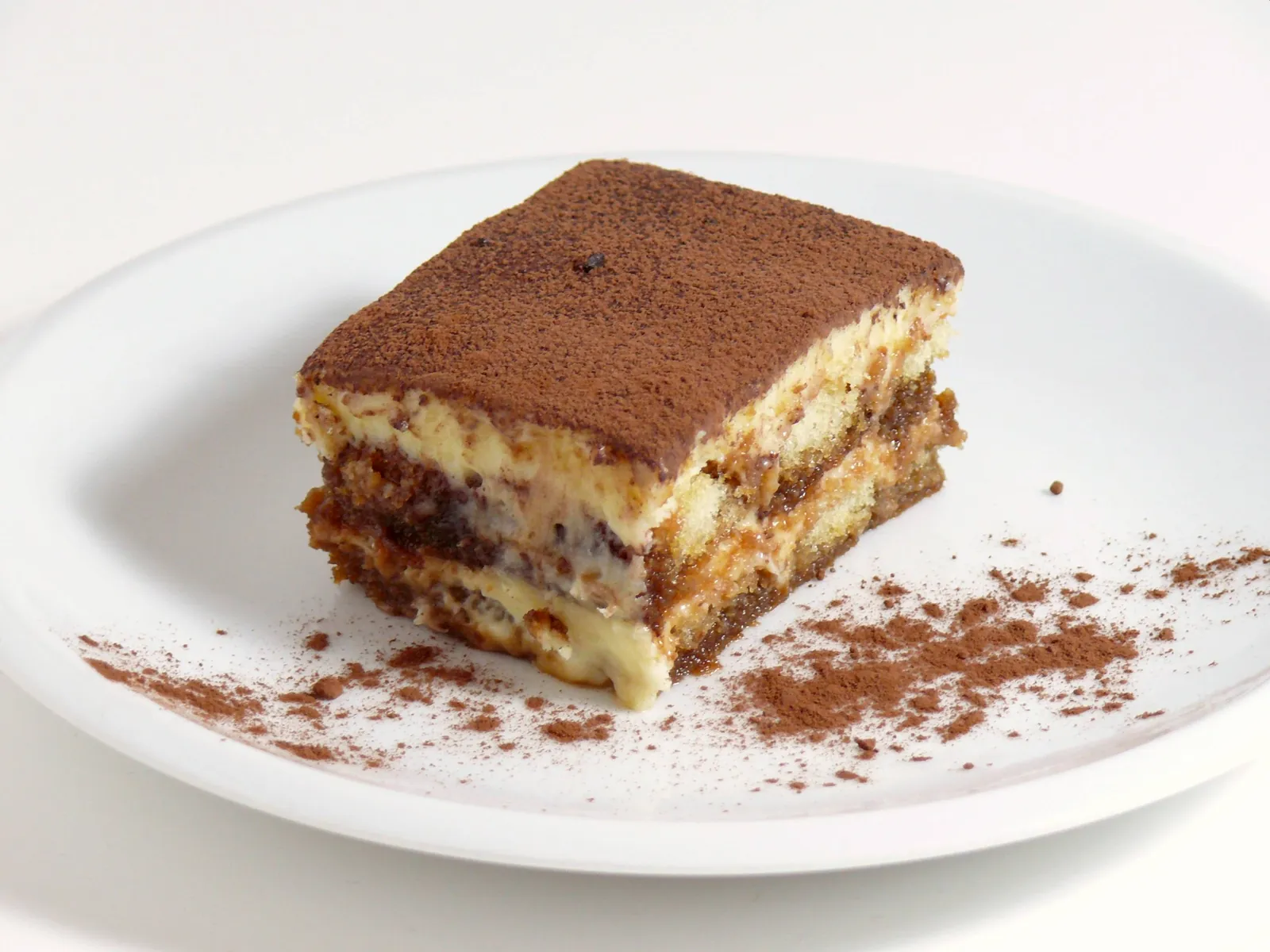
This tiramisu recipe layers coffee-soaked ladyfingers with a cloud of mascarpone cream and finishes with a dusting of cocoa. One serving is one slice, about 162 g. It needs no baking — just an hour of gentle layering and a long chill — and it is the dessert Italy is most famous for.

Tiramisu means “pick me up” in Italian, and it appeared in the Veneto region in the late 1960s — the restaurant Le Beccherie in Treviso is widely credited with serving it first, and the recipe was later recorded by the Italian Academy of Cuisine. It spread from Treviso and Venice across Italy and then the world, becoming the best-known Italian dessert. The classic version uses only ladyfingers, mascarpone, eggs, sugar, coffee, Marsala and cocoa — no cream, no gelatine.

Pairs well with: Serve with a small espresso after dinner, or with fresh berries to lighten the richness.

Provenance

Italy flag Italy

Veneto Classic

Mediterranean & Italy

Time Dedication

30m

30m prep • 0m cook

Batch Yield

8 Servings

458 kcal per serving

1 serving ≈ 162 g

Technical Skill

Intermediate

Intermediate (Layer & Chill)

Meal Timing & Digestive Fit

Breakfast

Not Advised

Lunch

Inappropriate

Dinner

Inappropriate

Snack & Tea

Ideal Light Bite

Occasions: Dinner parties, celebrations, Italian nights, make-ahead dessert Cost: Medium — about $3–4 per serving at home
A slice of tiramisu on a white plate, cocoa-dusted on top with visible layers of cream and coffee-soaked sponge

Veneto Classic

Photo: Raffaele Diomede, CC BY 2.0, via Wikimedia Commons

The Heritage Formulary

Measured Ingredients

Estimated cost: Medium — about $3–4 per serving at home (USD)

Made with real mascarpone, pasteurised eggs and strong espresso, following the classic Veneto layering method.

Execution Methodology & Culinary Technique

Step-by-Step Cooking Guide

Active 30m
P

Prep Stage: Brew, Separate and Set Up

15 Mins • Coffee and Eggs

Brew the espresso and leave it to cool, bring the mascarpone to room temperature, and separate the eggs into two clean bowls — the whites must have no trace of yolk, or they will not whip. Line up the dish, the ladyfingers and a shallow bowl for dipping so the layering goes quickly.

Maestro Tip: Cold coffee is essential: warm coffee melts the mascarpone cream on contact.

  1. 1

    Make the Mascarpone Cream

    8 Mins Room temperature

    Whisk the egg yolks with half the sugar (50 g) in a large bowl for 3–4 minutes until pale, thick and doubled in volume. Add the mascarpone, vanilla and a pinch of salt, and fold gently with a spatula until completely smooth — do not whisk hard or the cream turns grainy.

    Room-temperature mascarpone blends in seconds; cold mascarpone leaves lumps.

    Done when: Pale, thick and smooth, with no lumps of mascarpone.

  2. 2

    Whip and Fold the Whites

    7 Mins Room temperature

    In a clean bowl, whisk the egg whites with the remaining 50 g of sugar until they hold soft peaks — the tips should flop over when you lift the whisk. Fold the whites into the mascarpone cream in two additions, cutting down and over with a spatula until no white streaks remain.

    Any grease or yolk in the bowl stops the whites from whipping — wipe the bowl with lemon juice first.

    Done when: Light, airy cream with no white streaks.

  3. 3

    Dip the Ladyfingers

    5 Mins Room temperature

    Pour the cooled espresso into a shallow bowl and stir in the Marsala. Dip each ladyfinger for 1–2 seconds only — one quick turn — then lay it in a 20 × 20 cm dish. Arrange the first layer snugly, breaking fingers to fill gaps.

    Count to two and lift: a ladyfinger left in the coffee dissolves in seconds.

    Done when: Ladyfingers damp all over but still holding their shape.

  4. 4

    Layer and Chill

    240 Mins (passive chill) Fridge, 4°C (39°F)

    Spread half the mascarpone cream over the first layer of ladyfingers and smooth it gently. Repeat with a second layer of dipped ladyfingers, then the remaining cream. Smooth the top, cover and refrigerate for at least 4 hours — overnight is better — so the cream sets and the flavours marry.

    The long chill is not optional: a tiramisu cut too soon collapses on the plate.

    Done when: Cream set firm enough to slice cleanly.

  5. 5

    Dust and Serve

    5 Mins Fridge, 4°C (39°F)

    Just before serving, dust the top generously with cocoa powder through a fine sieve. Cut into 8 slices with a hot, dry knife, wiping the blade between cuts, and serve cold.

    Dust the cocoa at the last moment or it absorbs moisture and turns dark and patchy.

    Done when: Clean slices, cocoa dusted evenly, served cold.

Finishing Touches & Plating

Serve the tiramisu cold, straight from the fridge, dusted with fresh cocoa and cut with a hot, dry knife for clean slices.

Nutritional Physiology & Benefits

Nutrition

Energy

458

kcal / serving

Protein

8g

Complete AA

Carbs

34g

Complex

Fats

32g

Healthy

Per serving (8 servings · 1 serving ≈ 162 g)
Energy458 kcal
Protein8 g
Carbohydrates34 g
Fat32 g
Fibre1.0 g
Sugar23.1 g
Sodium161 mg
Per 100g
Energy283 kcal
Protein5 g
Carbohydrates20.7 g
Fat19.8 g
Fibre0.6 g
Sugar14.3 g
Sodium99 mg

Nutrition values are estimated — calculated from USDA FoodData Central values for the listed ingredients.

Vitamins & minerals: Good source of vitamin A and vitamin D from eggs and mascarpone, with calcium from the cheese and a little iron from the cocoa.

Coffee Lift and Protein

Espresso gives each slice a gentle lift, and the eggs and mascarpone add about 8 g of protein per serving.

Cocoa and Coffee

Cocoa powder brings flavanols and a little fibre, and the coffee adds antioxidants — small amounts, but real ones.

Calcium, No Baking

Mascarpone and eggs supply calcium and vitamin D in a dessert that needs no baking at all.

Food Pairings

What to Eat With

To optimize nutrient absorption and elevate the sensory depth, pair with these authentic accompaniments:

Drinks

Espresso

A small, strong espresso echoes the coffee in the dessert without adding sweetness.

Sides

Fresh Berries

Fresh raspberries or strawberries cut through the rich mascarpone with bright acidity.

Biscotti

A crisp almond biscotti gives crunch against the soft cream — and something to dunk in the coffee.

Full Menus

With Vin Santo

A glass of sweet Vin Santo or a small pour of Marsala matches the dessert's own wine note.

Complete menu

Serve the tiramisu after a light Italian dinner of pasta and salad, with a small cup of espresso on the side.

Digestive Guardrails

What NOT to Combine

To prevent digestive distress, sluggishness, or palate clash, avoid pairing the dish with these elements:

Raw Eggs and Storage

Raw eggs carry a small risk of salmonella — use pasteurised eggs, keep the tiramisu refrigerated at or below 4°C (39°F), and eat within 2 days. This is general guidance, not medical advice.

Over-Soaked Ladyfingers

Soaking the ladyfingers until they fall apart makes a soggy dessert; dip each one for 1–2 seconds only so it stays firm enough to layer. This is a cooking tip, not a health warning.

General information only, not medical advice — consult a doctor for personal dietary decisions.

Who Should Eat It

Who Should Eat

  • General adultsA rich dessert for coffee lovers — one slice is satisfying on its own.
  • ChildrenNot suitable for young children as written: it contains coffee, raw egg and Marsala wine. Make a cocoa-milk version without coffee or alcohol for children.
  • ElderlyEnjoy a smaller slice; the dessert is rich and sweet, and the coffee is best avoided late in the evening.
  • Pregnant womenUse pasteurised eggs and skip the Marsala, and keep the coffee modest — ask your clinician if you are unsure.
  • Breastfeeding womenA small slice is fine; keep the coffee modest and skip the alcohol. Ask your clinician if you are unsure.
  • AthletesA good post-training treat — about 34 g of carbs per slice for glycogen, best saved for a rest day.
  • Weight gainA good choice — the mascarpone and sugar make each slice energy-dense.
  • Weight lossBest as an occasional small slice — share the dish, or serve half portions with fresh berries.

Health Conditions — Adjust or Avoid

Conditions

  • DiabetesSugar is high at about 23 g per slice — keep to one small slice and ask your clinician about portion size.
  • High blood pressureSodium is low at 161 mg per slice; the main concern is the sugar and saturated fat. Ask your clinician if you are unsure.
  • Kidney diseaseMascarpone and eggs add protein and phosphorus — keep to a small slice. Ask your clinician whether this fits your plan.
  • GoutEggs and dairy are low in purines, but the sugar is high; one small slice is the sensible limit. Ask your clinician if you are unsure.
  • Stomach issuesCoffee and rich cream can irritate a sensitive stomach — a small slice after food is gentler than on an empty stomach. Ask your clinician if you are unsure.
  • Cardiovascular diseaseSaturated fat is high at about 32 g per slice — an occasional treat, not a regular dessert. Ask your clinician if you are unsure.
  • Fatty liverHigh in sugar and saturated fat, so keep it occasional and the slice small. Ask your clinician if you are unsure.
  • Food allergiesContains egg, milk (mascarpone) and gluten (ladyfingers). Marsala wine contains sulphites.
  • Special therapeutic dietsNot suitable for a low-sugar, dairy-free or egg-free diet as written. Ask your clinician or dietitian before changing your diet.

If you have a medical condition, consult your doctor before changing your diet.

Storage & Use

Storage & Use

How to store
Keep covered in the fridge; dust with cocoa only just before serving.
In the fridge
2 days, covered, at or below 4°C (39°F).
In the freezer
Do not freeze — the mascarpone cream turns grainy and weeps on thawing.
How to reheat
Do not reheat — serve cold, straight from the fridge.
Freezing recommended
No — the cream texture does not survive freezing.
Signs it has spoiled
Sour or off smell, watery cream, or ladyfingers that have turned grey.

More recipes to explore

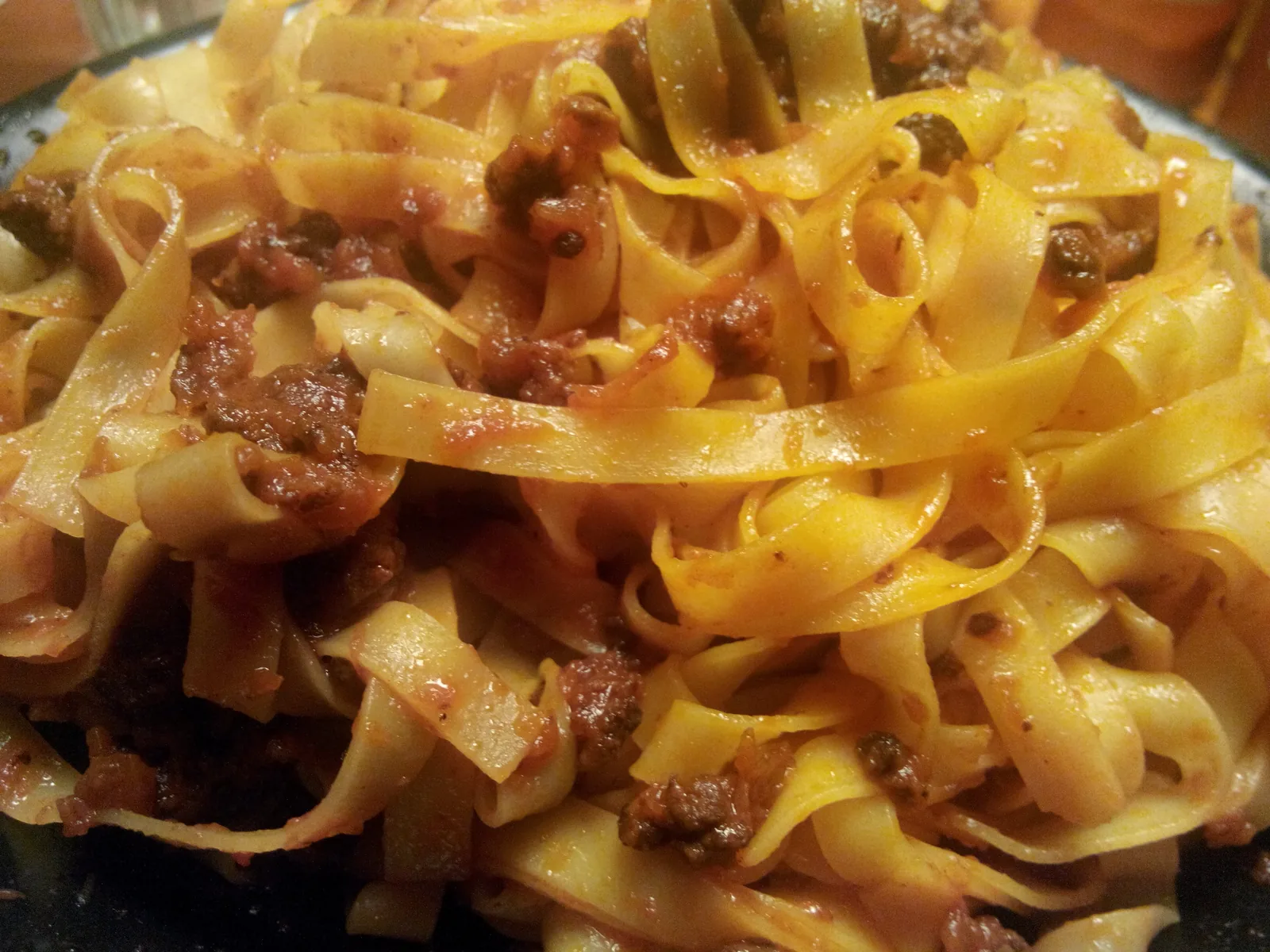
Tagliatelle al ragù Bolognese in a bowl with Parmigiano-Reggiano Italy flag Italy 4h 25m
Lunch •Emilia-Romagna

Tagliatelle al Ragù Bolognese

Slow-braised soffritto and coarse ground heritage meats layered over handmade egg yolk dough for mid-day stamina.

Lean Protein

Slow-simmered beef ragù tossed through fresh egg tagliatelle.

Pairs Well With
Bitter Radicchio & Aged Balsamico di Modena
Pasta & Noodles • High Protein
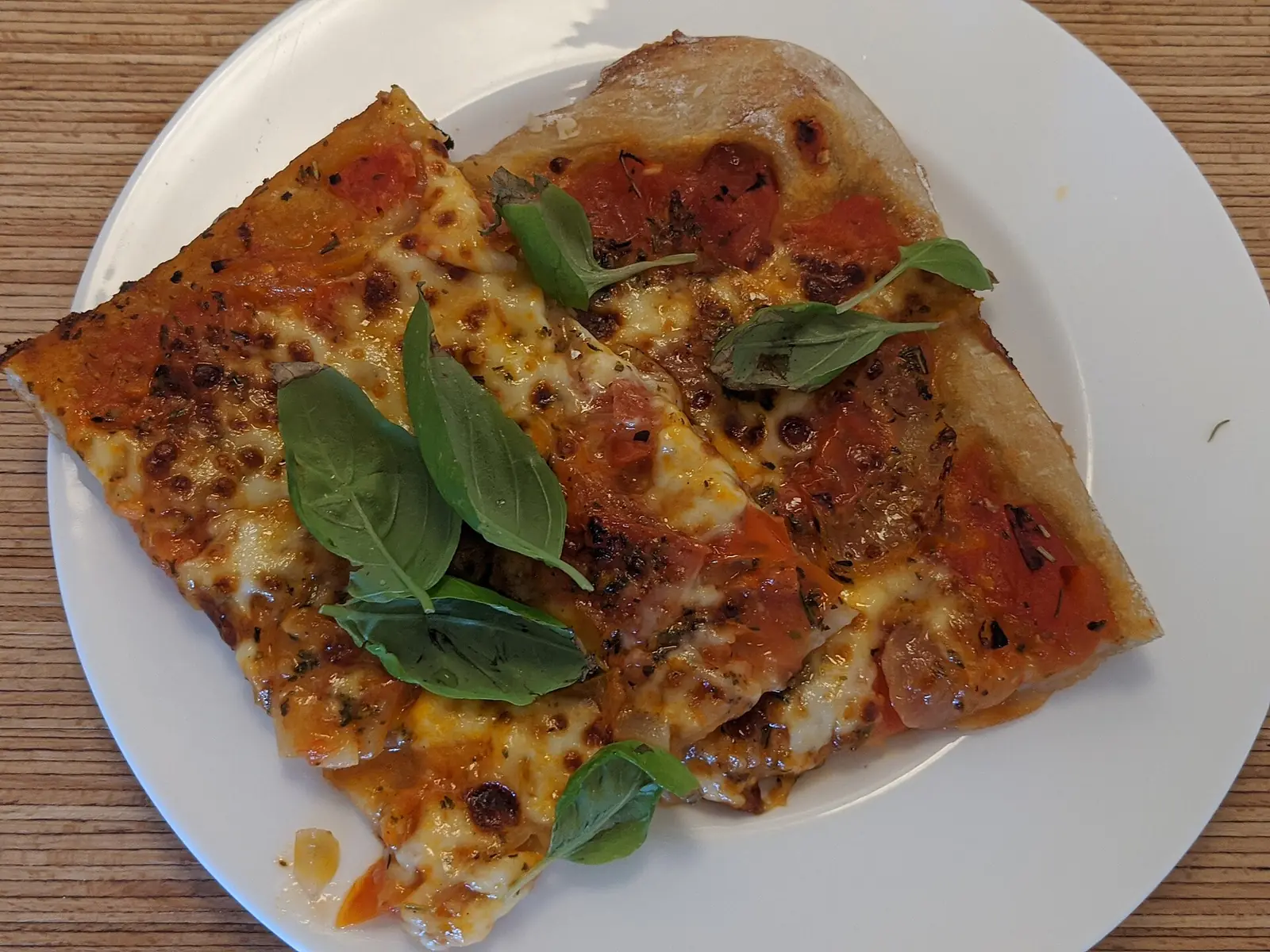
Two slices of pizza margherita with tomato, melted mozzarella and fresh basil on a white plate Italy flag Italy 45m
Dinner •Naples Classic

Pizza Margherita

This pizza margherita recipe makes a proper Neapolitan-style pizza at home: a soft, airy dough, San Marzano tomato sauce, fior di latte mozzarella and fresh basil. One serving is about 325 g — two slices.

Simple & Satisfying

Wood-fired-style pizza with tomato, fior di latte mozzarella and basil — three ingredients, done properly.

Pairs Well With
A simple green salad and a glass of Chianti or sparkling water
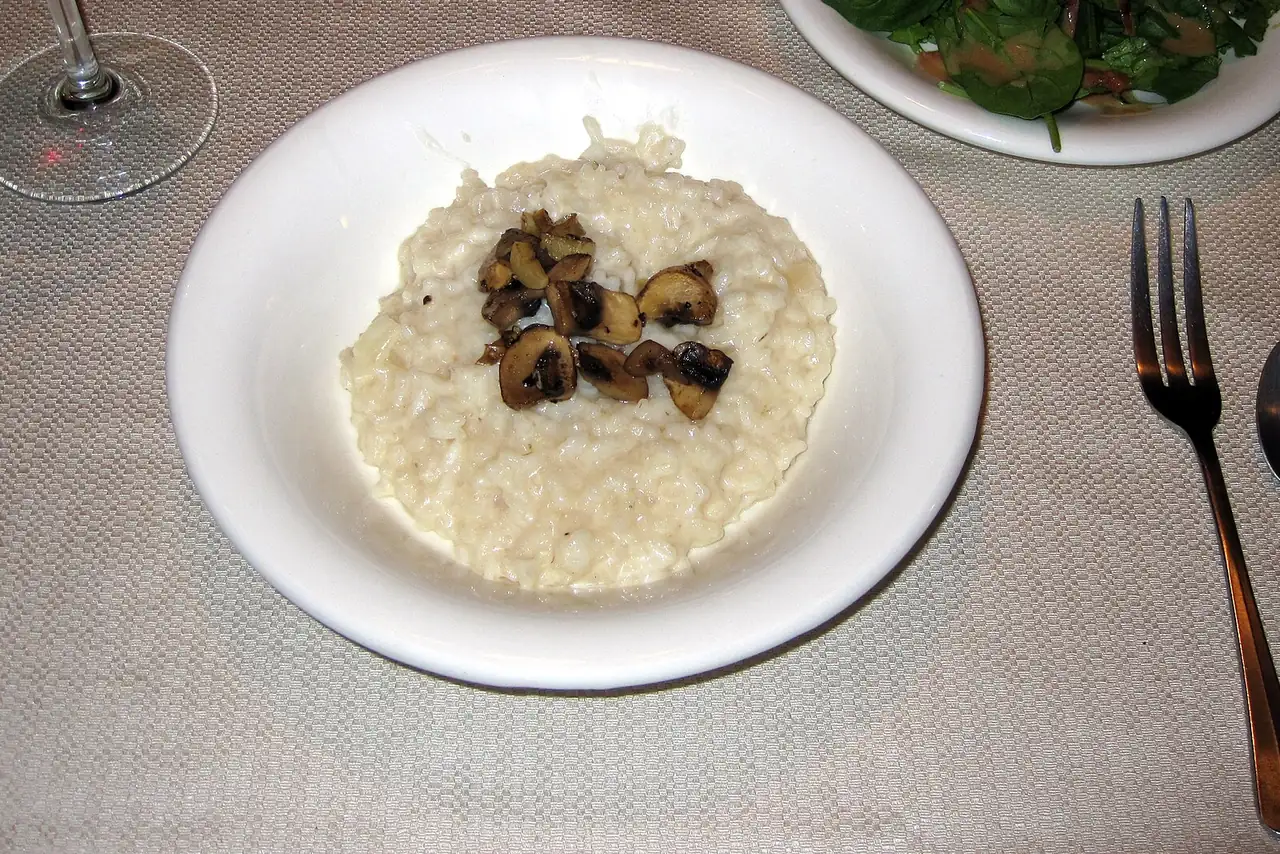
A bowl of creamy mushroom risotto topped with sautéed mushrooms, with a spinach salad beside it Italy flag Italy 50m
Dinner •Milanese Classic

Mushroom Risotto

This mushroom risotto recipe stirs Arborio rice slowly with hot stock, white wine and two kinds of mushrooms, then finishes it the Milanese way with cold butter and Parmesan. One serving is about 500 g.

Comfort & Warmth

Creamy Arborio rice, slowly stirred with mushrooms, white wine and Parmesan.

Pairs Well With
A rocket and Parmesan salad and a glass of dry white wine
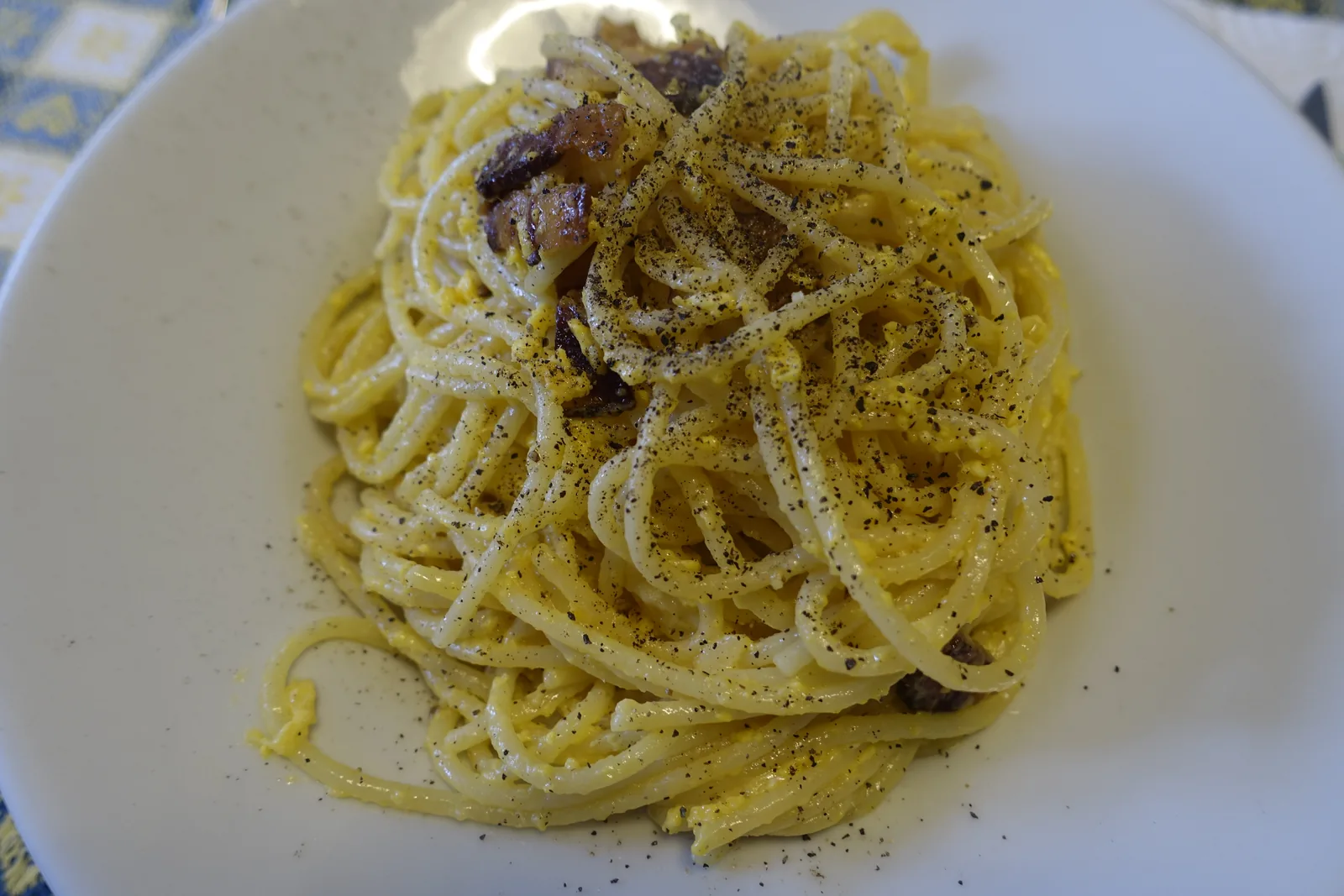
A plate of spaghetti carbonara with golden egg sauce, crisp guanciale and black pepper Italy flag Italy 30m
Dinner •Roman Classic

Spaghetti Carbonara

This spaghetti carbonara recipe is the Roman classic as it should be: spaghetti tossed with crisp guanciale, egg yolks, Pecorino Romano and black pepper — no cream, no bacon, no garlic. One serving is about 275 g. It takes 30 minutes, and the sauce comes together in the time the pasta cooks.

Comfort & Rich

Silky egg-and-cheese sauce over spaghetti with crisp guanciale and black pepper, ready in 30 minutes.

Pairs Well With
Pecorino Romano, black pepper & a crisp white wine
Pasta & Noodles • Quick Prep (<30m)

The Dinner Gazette

Never wonder what’s for dinner again

One email a week with easy dinner ideas from around the world — ingredients, steps and nutrition, tested in our kitchen first.

Delivered every Thursday morning. Unsubscribe anytime.