
Curated recipes from 193 countries  •  New seasonal Mediterranean issue out now

Overview

Tom Rim Nuoc Dua

Shrimp Braised in Coconut Water, Tom Rim, Vietnamese Caramel Shrimp

This tom rim nuoc dua recipe braises shell-on shrimp in fresh coconut water with fish sauce, garlic and a little sugar, simmering until the liquid reduces to a glossy, sweet-savoury glaze that clings to every shrimp. One serving is about 140 g, before rice.

Tom rim nuoc dua is a home dish of southern Vietnam, where coconut palms grow in every garden and fresh coconut water is the everyday cooking liquid. Shrimp are simmered in the coconut water with fish sauce and sugar until the liquid reduces to a glossy, caramel-like glaze — a technique that uses the coconut's own sweetness instead of plain water. It is a family-table dish, cooked in one pan and eaten with rice, the glaze spooned over each serving.

Pairs well with: Serve hot with steamed jasmine rice and a plate of cucumber and herbs.

Provenance

Vietnam flag Vietnam

Southern Vietnamese Home Cooking

East & South Asia

Time Dedication

40m

15m prep • 25m cook

Batch Yield

4 Servings

183 kcal per serving

1 serving ≈ 140 g

Technical Skill

Easy

Easy (One Pan)

Meal Timing & Digestive Fit

Breakfast

Not Advised

Lunch

Hearty Midday Main

Dinner

Ideal Hearty Main

Snack & Tea

Inappropriate

Occasions: A Vietnamese family dinner, a weeknight meal, when you want a sweet-savoury shrimp dish Cost: Medium — about $4–5 per serving at home
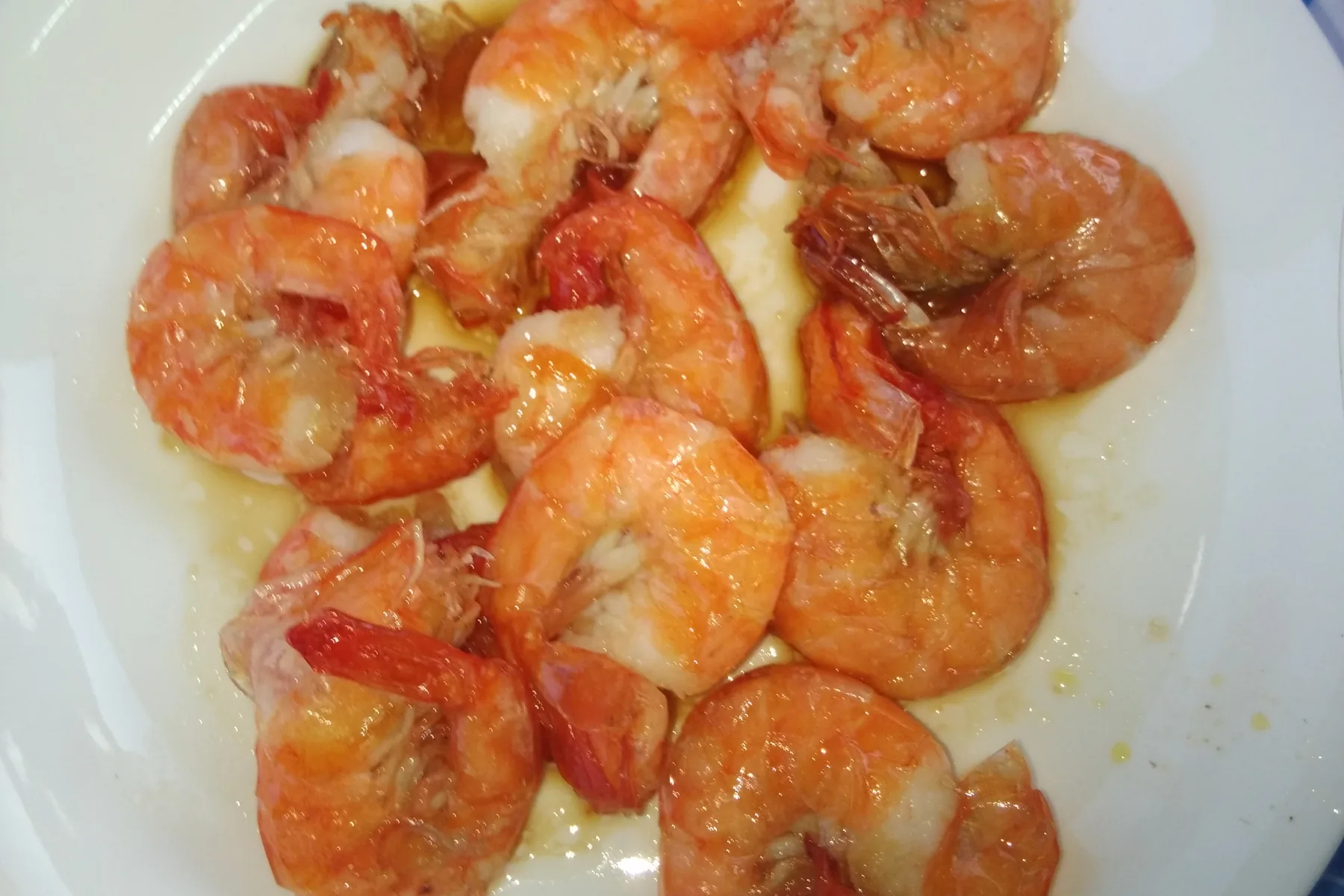
A plate of glossy braised shrimp in a sweet-savoury coconut-water glaze, shells on and caramelised

Southern Vietnamese Home Cooking

Photo: Phượng Huy, Public domain, via Wikimedia Commons

The Heritage Formulary

Measured Ingredients

Estimated cost: Medium — about $4–5 per serving at home (USD)

Good tom rim nuoc dua has glossy, pink-orange shrimp in a glaze that clings, sweet first and then salty — never watery sauce or rubbery, overcooked shrimp.

Execution Methodology & Culinary Technique

Step-by-Step Cooking Guide

Active 40m
P

Prep Stage: Clean the Shrimp and Chop the Aromatics

15 Mins • Cleaning and Knife Work

Rinse the shrimp, snip off the legs and devein through the back, keeping the shells on. Finely chop the garlic and shallot, slice the spring onion and chilli, and measure the coconut water, fish sauce and sugar into small bowls so everything is ready before the pan gets hot.

Maestro Tip: Devein with a small pair of scissors through the shell — it is faster than peeling and keeps the flavour in.

  1. 1

    Fry the Garlic and Shallot

    3 Mins Medium heat, about 160°C (320°F)

    Heat the oil in a wide pan or wok over medium heat. Fry the garlic and shallot for 1 to 2 minutes until fragrant and just turning golden at the edges.

    Do not let the garlic brown — it turns bitter and darkens the glaze.

    Done when: The garlic and shallot smell sweet and warm, with pale gold edges.

  2. 2

    Sear the Shrimp

    5 Mins High heat, about 200°C (390°F)

    Turn the heat up, add the shrimp in a single layer and sear for about 2 minutes on each side until the shells turn pink-orange. The shrimp must reach at least 63°C (145°F) and turn opaque inside.

    Do not crowd the pan — cook in two batches if needed so the shrimp sear instead of steaming.

    Done when: The shells are bright pink-orange and the flesh is opaque and curled.

  3. 3

    Braise in Coconut Water

    12 Mins Gentle simmer, about 95°C (203°F)

    Pour in the coconut water, fish sauce and sugar, and add the chilli and black pepper. Bring to a gentle simmer and cook for 10 to 12 minutes, turning the shrimp once or twice, until the liquid has reduced by about two-thirds and coats the shrimp in a glossy glaze. This is the heart of the tom rim nuoc dua recipe — the coconut water should reduce slowly, never boil hard, so the shrimp stay tender.

    If the glaze reduces too fast, add a splash of water; if it is still thin, lift the shrimp out and reduce the sauce alone for 2 minutes.

    Done when: The sauce is a dark, glossy glaze that clings to the shells, and the shrimp are firm and pink.

  4. 4

    Rest and Serve

    5 Mins Hot, about 75°C (167°F)

    Taste the glaze and add the pinch of salt if it needs balancing — it should taste sweet first, then salty, with a gentle heat. Take the pan off the heat, scatter the spring onion over the top, and serve the shrimp hot with the glaze spooned over them.

    Let the shrimp rest in the glaze for 2 minutes off the heat — they soak up the flavour and the glaze thickens slightly.

    Done when: The shrimp glisten with glaze and the spring onion is bright green on top.

Finishing Touches & Plating

Spoon the shrimp onto a plate with all the glaze from the pan, scatter the spring onion, and eat with steamed rice — peel the shells at the table and spoon the sweet-savoury glaze over the rice.

Nutritional Physiology & Benefits

Nutrition

Energy

183

kcal / serving

Protein

22g

Complete AA

Carbs

15g

Complex

Fats

4g

Healthy

Per serving (4 servings · 1 serving ≈ 140 g)
Energy183 kcal
Protein22 g
Carbohydrates15 g
Fat4 g
Fibre1.7 g
Sugar11.2 g
Sodium964 mg
Per 100g
Energy131 kcal
Protein15.6 g
Carbohydrates10.9 g
Fat3 g
Fibre1.2 g
Sugar8 g
Sodium689 mg

Nutrition values are estimated — calculated from USDA FoodData Central values for the listed ingredients.

Vitamins & minerals: Vitamin B12, selenium and iodine (shrimp), vitamin C (spring onion and chilli), and potassium (coconut water).

High in Protein

About 22 g of protein per serving from the shrimp, which helps keep you full for hours.

Lean and Light

About 183 kcal per serving with only 4 g of fat — the sweetness comes from coconut water and a little sugar, not oil.

Iodine and Selenium

Shrimp is a good source of iodine, selenium and vitamin B12, and coconut water adds potassium.

Food Pairings

What to Eat With

To optimize nutrient absorption and elevate the sensory depth, pair with these authentic accompaniments:

Sides

Steamed Jasmine Rice

Plain rice soaks up the sweet-savoury glaze — the dish is made to be eaten with rice.

Vegetables

Cucumber and Herbs

Cool cucumber, lettuce and mint refresh the palate between bites of the sweet, rich shrimp.

Soups

A Light Sour Soup

A small bowl of canh chua, the sour southern soup, balances the sweetness of the glaze.

Full Menus

As a Family Dinner

Serve the shrimp in the middle of the table with rice, a soup and a stir-fried green — the classic Vietnamese family meal.

Complete menu

Serve the shrimp with steamed jasmine rice, cucumber and herbs, and a small bowl of sour soup — a classic southern Vietnamese family dinner.

Digestive Guardrails

What NOT to Combine

To prevent digestive distress, sluggishness, or palate clash, avoid pairing the dish with these elements:

Extra Fish Sauce at the Table

One serving already carries about 964 mg of sodium — extra fish sauce pushes it higher still. This is general guidance, not medical advice.

A Heavy Dessert Straight After

The glaze is sweet, and one serving carries about 11 g of sugar — a very sweet dessert straight after is more than most people need at one sitting.

General information only, not medical advice — consult a doctor for personal dietary decisions.

Who Should Eat It

Who Should Eat

  • General adultsA light, flavourful dinner for most adults — one serving with rice is a full meal.
  • ChildrenVery suitable; the shrimp are soft and the glaze is sweet, but peel the shells for young children and keep the chilli out.
  • ElderlyA good choice — the shrimp are tender and easy to chew; serve with soft rice.
  • Pregnant womenFine to eat; the shrimp are cooked through and served hot. Keep the chilli modest if it bothers you.
  • Breastfeeding womenExcellent after training — about 22 g of lean protein with rice for carbohydrate recovery.
  • AthletesA good choice — take a full serving with rice and extra glaze.
  • Weight gainA light choice — take a smaller portion of shrimp and fill the plate with cucumber and herbs.
  • Weight lossA lean choice — about 183 kcal per serving, though the glaze is sweet, so keep the rice modest.

Health Conditions — Adjust or Avoid

Conditions

  • DiabetesOne serving carries about 15 g of carbohydrate and 11 g of sugar from the glaze — keep the rice portion modest and ask your clinician about sweet sauces.
  • High blood pressureOne serving carries about 964 mg of sodium from the fish sauce — a high amount; use less fish sauce and skip extra seasoning at the table, and ask your clinician about portion size.
  • Kidney diseaseThe dish is high in protein and sodium — a reasonable occasional choice; ask your clinician about shrimp and portion size.
  • GoutShrimp is moderately high in purines — a reasonable occasional choice; ask your clinician if you have frequent flare-ups.
  • Stomach issuesThe shrimp are soft and the glaze is gentle, but the chilli can trouble a sensitive stomach — leave the chilli out.
  • Cardiovascular diseaseA reasonable occasional choice — lean protein and little fat, though the glaze is sweet and salty.
  • Fatty liverA lean choice — keep the portion to one serving and favour the shrimp over extra glaze and rice.
  • Food allergiesContains shellfish (shrimp) and fish (fish sauce) — a serious allergen for some people; do not serve to anyone with a shellfish allergy.
  • Special therapeutic dietsA high-protein, low-fat dish that suits many therapeutic diets — check with your clinician about sodium, sugar and shellfish.

If you have a medical condition, consult your doctor before changing your diet.

Storage & Use

Storage & Use

How to store
Store the shrimp in their glaze in an airtight container, and the rice separately.
In the fridge
2 days for the shrimp in their glaze.
In the freezer
1 month for the shrimp in their glaze (texture softens a little).
How to reheat
Warm gently in a pan with a splash of water until steaming hot throughout, 74°C (165°F); do not boil hard or the shrimp turn rubbery.
Freezing recommended
Only if needed — the shrimp soften on thawing, so fresh is better.
Signs it has spoiled
A sour or ammonia smell, slimy shells, or a glaze that has gone cloudy.

More recipes to explore

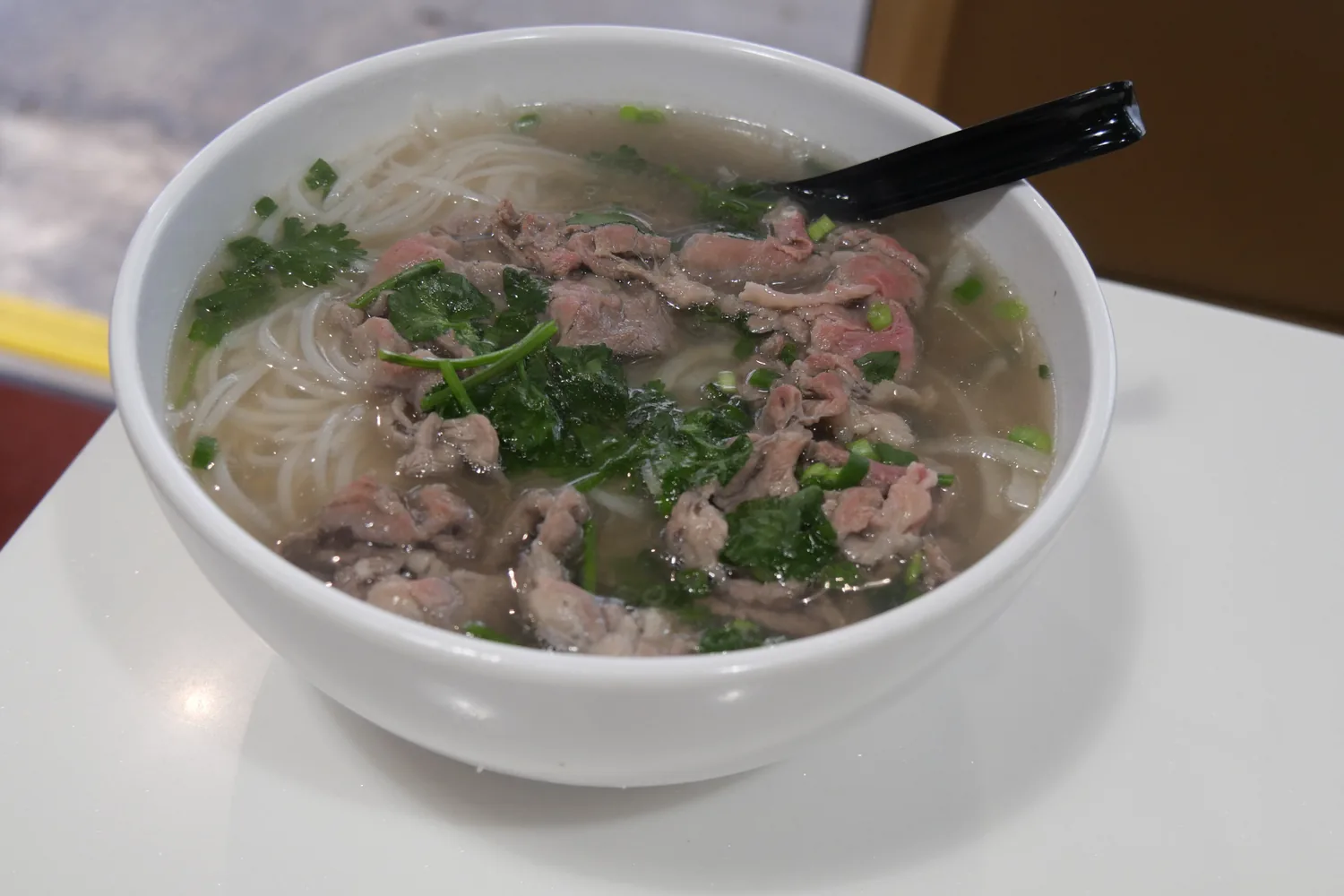
A bowl of Vietnamese phở bò with rare beef, rice noodles and fresh herbs Vietnam flag Vietnam 3h 30m
Breakfast •Hanoi Heritage

Phở Bò Tái Nạm

Slow-simmered star anise and cinnamon bone broth with hand-cut rice noodles, supplying clean restorative warmth and collagen. One serving is about 775 g.

Immunity & Warming

Slow-simmered bone broth with rice noodles, rare beef and fresh herbs.

Pairs Well With
Crispy quẩy, fresh lime & sawtooth coriander
Soups & Broths • High Protein
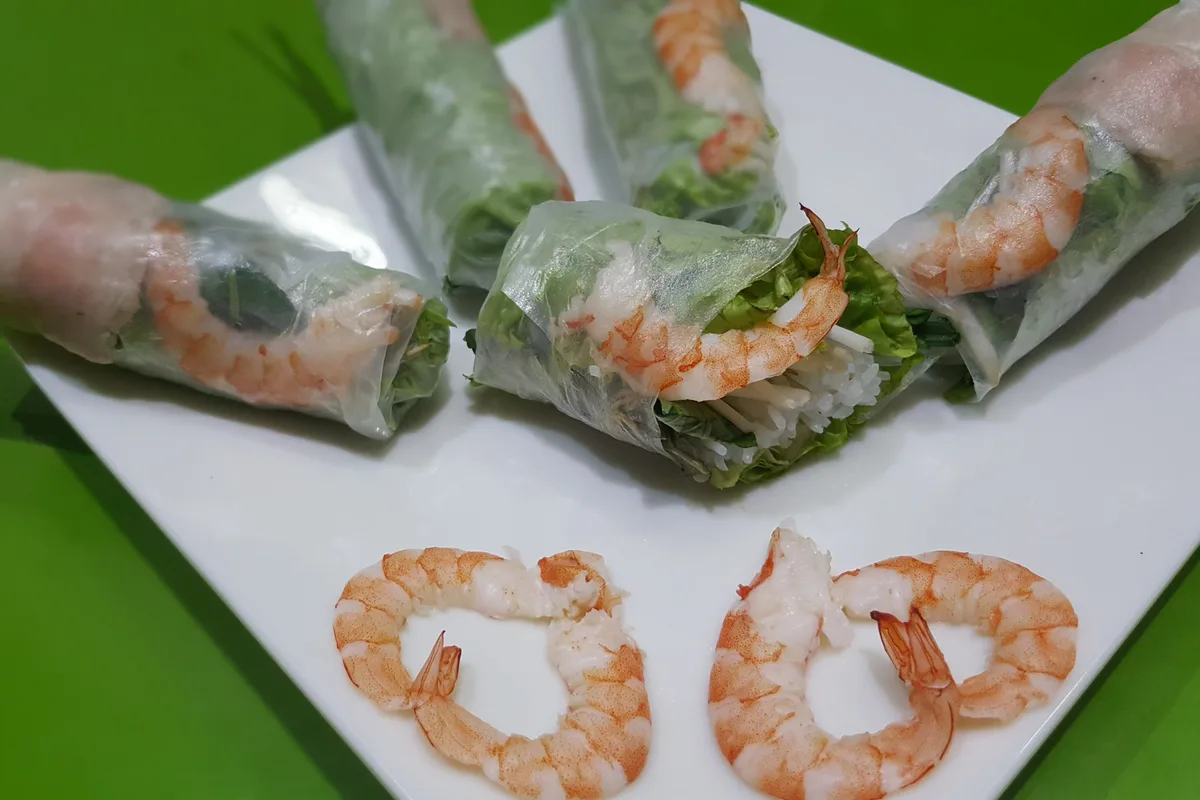
Gỏi cuốn — Vietnamese fresh spring rolls with prawn and pork Vietnam flag Vietnam 1h 5m
Snack & Tea •Saigon Refresh

Gỏi Cuốn Tôm Thịt

Fresh rice paper rolls filled with poached prawns, tender pork, rice vermicelli, lettuce, herbs and carrot, served with a peanut dipping sauce.

Light Digestion

Nothing is fried, so the rolls stay light and fresh — a cool, herb-filled snack for hot days.

Pairs Well With
Artisanal Peanut Dip & Fresh Lotus Root Water
High Protein
Vietnamese braised pork belly with golden eggs in caramel sauce Vietnam flag Vietnam 1h 45m
Dinner •One Pot

Vietnamese Braised Pork and Eggs

Pork belly slowly braised in coconut water and caramel until meltingly tender, with golden eggs that soak up the sweet-savoury sauce — the Vietnamese family dish that tastes better the next day.

Comfort & Sustained Energy

Slow-braised pork belly and eggs in coconut water and caramel.

Pairs Well With
Steamed rice & pickled mustard greens
High Protein
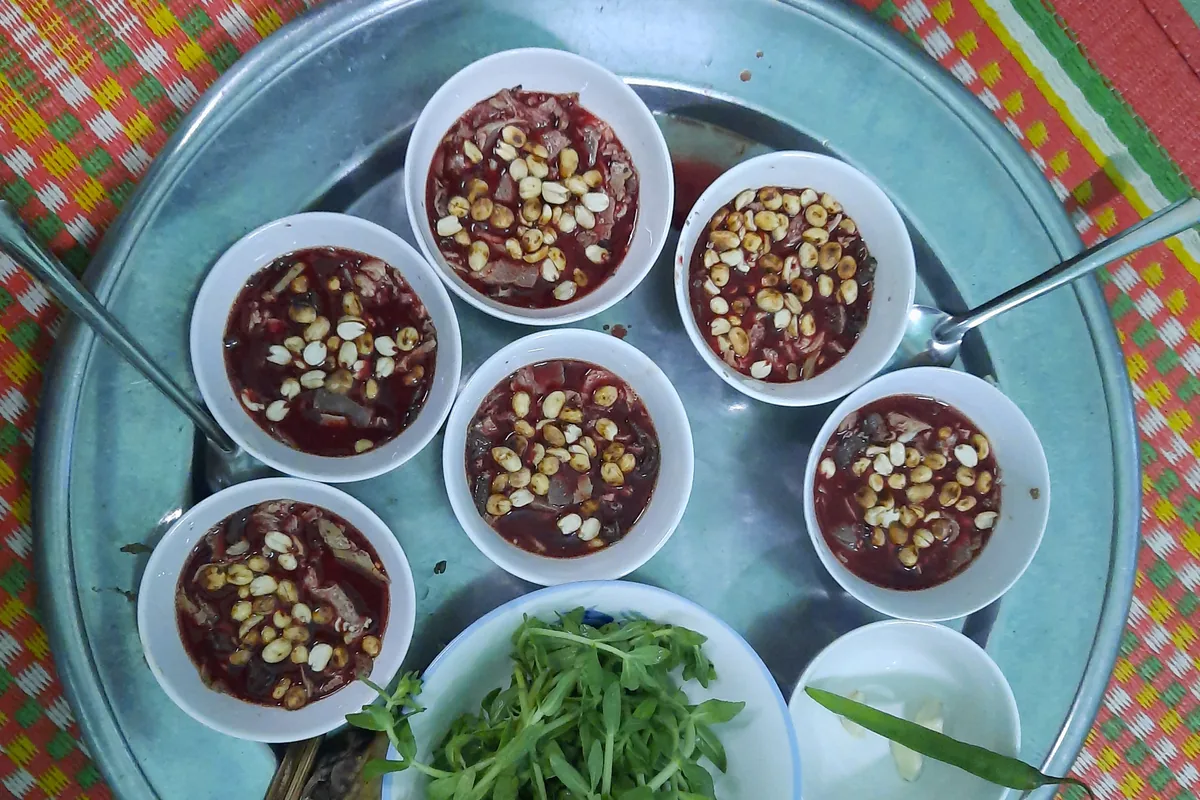
Six small bowls of Vietnamese duck blood pudding topped with roasted peanuts, with fresh herbs and a green chili on a metal tray Vietnam flag Vietnam 1h 10m
Snack & Tea •Hanoi Heritage

Vietnamese Tiết Canh

WARNING: This dish is made from raw duck blood and eating it is NOT recommended. Raw blood can carry Streptococcus suis (which causes meningitis and sepsis — people in Vietnam have died after eating pig-blood tiet canh), avian influenza from duck blood, salmonella and other dangerous germs. Vietnam's Ministry of Health advises against eating tiet canh, and no preparation method — not even blood from a fresh or trusted source — makes raw blood fully safe. This page describes the traditional Hanoi preparation, tiết canh vịt, for cultural knowledge only. One serving is about 241 g: a small bowl of fresh duck blood mixed with fish sauce, poured over finely chopped cooked duck meat and left to set into a soft, trembling jelly, then finished with crushed roasted peanuts, fresh herbs, lime and chili, and served cold.

Cultural Discovery

A traditional northern Vietnamese snack of raw duck blood set into a soft jelly with cooked duck meat, herbs and peanuts — described here for cultural knowledge, with a serious safety warning.

Pairs Well With
Fresh herbs, lime wedges, sliced chili and rice crackers on the side.

The Dinner Gazette

Never wonder what’s for dinner again

One email a week with easy dinner ideas from around the world — ingredients, steps and nutrition, tested in our kitchen first.

Delivered every Thursday morning. Unsubscribe anytime.