
Curated recipes from 193 countries  •  New seasonal Mediterranean issue out now

Overview

Tulumba

Turkish Syrup Fritters — Tulumba Tatlısı

This tulumba recipe pipes ridged choux dough into hot oil, fries it golden, then soaks it in cold lemon syrup until it turns crisp outside and syrupy inside. One serving is about 130 g. Unlike Greek loukoumades, which are round puffs, tulumba is piped in ridges — the ridges are what catch and hold the syrup.

Tulumba takes its name from the Turkish word for pump, after the syringe-like tool once used to pipe the dough — the same star-nozzle piping that gives the fritters their ridges today. It is an old Ottoman patisserie sweet, sold in sweet shops across Turkey and the Balkans, where each country has its own version. The Turkish form is defined by its ridges: piped fingers of choux, fried crisp and drowned in lemon syrup. It is not the same as Greek loukoumades, which are round puffs of yeasted dough — tulumba is ridged, choux-based and soaked, not puffed and honeyed.

Pairs well with: Turkish tea, strong coffee or a spoonful of kaymak with crushed pistachio

Provenance

Turkey flag Turkey

Turkish Patisserie Classic

Middle Eastern

Time Dedication

45m

20m prep • 25m cook

Batch Yield

6 Servings

388 kcal per serving

1 serving ≈ 130 g

Technical Skill

Intermediate

Medium (Piped & Fried)

Meal Timing & Digestive Fit

Breakfast

Not Advised

Lunch

Inappropriate

Dinner

Inappropriate

Snack & Tea

Ideal Light Bite

Occasions: Ramadan evenings, bayram tables, patisserie visits, sweet snacks with tea Cost: Low — about $1 per serving at home
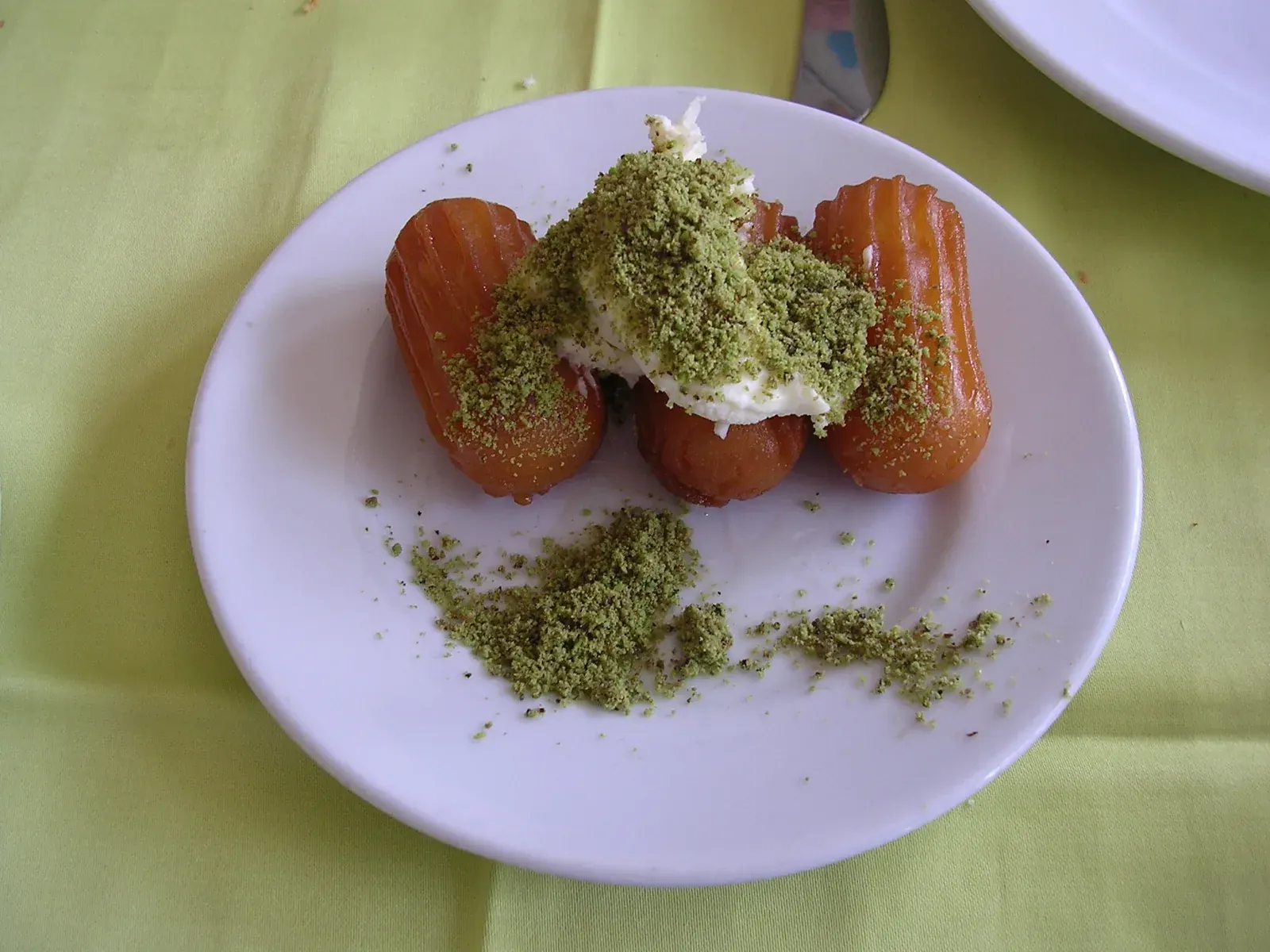
Three ridged golden tulumba fritters on a white plate with kaymak and crushed pistachio

Turkish Patisserie Classic

Photo: ChildofMidnight, CC BY 2.0, via Wikimedia Commons

The Heritage Formulary

Measured Ingredients

Estimated cost: Low — about $1 per serving at home (USD)

Real tulumba goes from hot oil straight into cold syrup — hot syrup would make it soggy, and the ridges from a star nozzle are what hold the syrup.

Execution Methodology & Culinary Technique

Step-by-Step Cooking Guide

Active 45m
P

Prep Stage: Make the Syrup and the Choux Dough

20 Mins • Syrup First, Then Dough

Start the syrup so it is completely cold before the fritters are fried. Then cook the choux dough: boil the water with the butter, sugar and salt, beat in the flour until the dough leaves the sides of the pan, cool it slightly, and beat in the eggs one at a time. Fill a piping bag fitted with a large star nozzle.

Maestro Tip: The syrup must be cold and the fritters hot — that contrast is what makes tulumba crisp outside and syrupy inside.

  1. 1

    Make the Cold Syrup

    10 Mins Boil at 100°C (212°F), then cool to room temperature, about 20°C (68°F)

    Put the 300 g of sugar, 250 ml of water and the lemon juice in a pan, bring to the boil and simmer for 5 minutes until clear. Pour into a wide bowl and leave to cool completely — the syrup must be cold before the fritters go in.

    Do not stir the syrup once it boils; stirring can make it crystallise and turn grainy.

    Done when: A clear syrup that coats a spoon thinly, fully cold to the touch.

  2. 2

    Cook the Choux Dough

    10 Mins Boil at 100°C (212°F), then cool to about 60°C (140°F) before adding eggs

    Bring the 250 ml of water, butter, sugar and salt to a rolling boil, then tip in all the flour at once and beat hard with a wooden spoon until the dough forms a smooth ball that leaves the sides of the pan. Cool for 5 minutes, then beat in the eggs one at a time until the dough is smooth, glossy and holds a soft peak.

    Beat the flour in fast and off the heat for the last few strokes — a smooth dough pipes clean ridges; a lumpy one tears.

    Done when: A glossy dough that falls slowly from the spoon in a thick ribbon.

  3. 3

    Pipe and Fry

    15 Mins Oil at 170°C (340°F)

    Heat the oil to 170°C (340°F). Pipe 5 cm (2 inch) lengths of dough straight into the oil, snipping each piece off with oiled scissors, and fry in batches for 4–5 minutes, turning once, until deep golden and crisp all over.

    Fry in small batches — a crowded pan drops the oil temperature and the fritters drink oil instead of crisping.

    Done when: Deep golden, ridged and crisp; a broken piece shows a dry, hollow centre, not wet dough.

  4. 4

    Soak in the Syrup

    5 Mins Fritters hot, about 170°C (340°F); syrup cold, about 20°C (68°F)

    Lift the hot fritters straight from the oil into the cold syrup and leave them for 2–3 minutes, turning once so they drink the syrup evenly. Lift out with a slotted spoon and drain briefly — they should glisten, not swim.

    Hot fritters into cold syrup, never the other way round — hot syrup makes tulumba soggy.

    Done when: The fritters are glossy, syrup-soaked through and still crisp at the edges.

  5. 5

    Serve

    5 Mins Serve warm or at room temperature, about 20–50°C (68–122°F)

    Pile the tulumba on a plate and scatter with crushed pistachio if you like, with a spoonful of kaymak on the side. Eat the same day — tulumba is at its best while the outside still has a little crackle.

    Serve within a few hours of frying; the ridges soften as the syrup settles in.

    Done when: Crisp-edged, syrupy, ridged fritters that hold their shape on the plate.

Finishing Touches & Plating

Serve the tulumba piled on a plate with crushed pistachio and kaymak — the ridges should still have a little crackle against the syrup, which is exactly what sets tulumba apart from round, soft loukoumades.

Nutritional Physiology & Benefits

Nutrition

Energy

388

kcal / serving

Protein

6g

Complete AA

Carbs

48g

Complex

Fats

20g

Healthy

Per serving (6 servings · 1 serving ≈ 130 g)
Energy388 kcal
Protein6 g
Carbohydrates48 g
Fat20 g
Fibre0.7 g
Sugar28.7 g
Sodium214 mg
Per 100g
Energy298 kcal
Protein4.5 g
Carbohydrates36.8 g
Fat15.2 g
Fibre0.5 g
Sugar22.1 g
Sodium165 mg

Nutrition values are estimated — calculated from USDA FoodData Central values for the listed ingredients.

Vitamins & minerals: B vitamins and iron (eggs, flour), vitamin E (sunflower oil), vitamin C (lemon). Nutrition is estimated.

A Small, Joyful Treat

At about 388 kcal a serving, tulumba is a proper patisserie treat — best enjoyed slowly, in a small portion, with tea.

Simple, Honest Ingredients

Flour, eggs, butter, sugar and lemon — no mixes or shortcuts, just a choux dough and a syrup made from scratch.

Crisp Outside, Syrupy Inside

The hot-fritter-into-cold-syrup trick gives tulumba its signature contrast: a crackling ridge and a soft, sweet centre.

Food Pairings

What to Eat With

To optimize nutrient absorption and elevate the sensory depth, pair with these authentic accompaniments:

Drinks

Turkish Tea

Strong, unsweetened tea in a tulip glass is the classic partner — its bitterness balances the syrup perfectly.

Strong Turkish Coffee

A small cup of bitter coffee after the fritters cleanses the palate and is the traditional way to finish.

Sides

Kaymak and Pistachio

A spoonful of clotted kaymak and crushed pistachio turns tulumba into a dessert — the cream cools the sweetness and the nuts add crunch.

Full Menus

Ramadan Dessert Table

Serve tulumba with baklava and fresh fruit after iftar, with tea all round — the fritters are the lightest thing on the table.

Complete menu

Serve tulumba with kaymak and crushed pistachio after a Turkish meal, with strong tea to finish.

Digestive Guardrails

What NOT to Combine

To prevent digestive distress, sluggishness, or palate clash, avoid pairing the dish with these elements:

Hot Syrup on Hot Fritters

Soaking hot fritters in hot syrup makes them collapse into soggy lumps — the syrup must be fully cold. This is general information, not medical advice.

Frying in Oil That Is Too Cool

Oil below about 160°C (320°F) soaks into the dough instead of crisping it, leaving greasy, heavy fritters — check the temperature before each batch.

General information only, not medical advice — consult a doctor for personal dietary decisions.

Who Should Eat It

Who Should Eat

  • General adultsA sweet fried treat at about 388 kcal a serving — enjoy a few pieces with tea rather than a whole plate.
  • ChildrenChildren love the sweet crunch, but the pieces are sticky and the syrup is very sweet — serve a small portion.
  • ElderlySoft enough to eat once soaked, but very sweet — a small portion with tea is the way to enjoy it.
  • Pregnant womenVery high in sugar, so keep to a small portion on an occasional basis; the fritters are fully cooked.
  • Breastfeeding womenA quick energy snack while breastfeeding, but the sugar is high — a few pieces with tea is plenty.
  • AthletesAn energy-dense snack at about 388 kcal a serving — useful for topping up calories after training.
  • Weight gainA calorie-rich sweet — useful for adding energy, in small portions through the day.
  • Weight lossHigh in sugar and fried, so keep the portion small and occasional.

Health Conditions — Adjust or Avoid

Conditions

  • DiabetesVery high in sugar, so keep the portion small and occasional; ask your clinician about a suitable serving.
  • High blood pressureAbout 214 mg of sodium a serving, which is moderate; the sugar is the bigger concern — ask your clinician.
  • Kidney diseaseLow in protein and potassium; a small portion is usually fine — ask your clinician about your limits.
  • GoutEggs, flour and sugar are low in purines; the sugar is the main concern — ask your clinician.
  • Stomach issuesFried and very sweet, so it can sit heavily on a sensitive stomach — eat a small portion slowly. Ask your clinician about your triggers.
  • Cardiovascular diseaseHigh in saturated fat and sugar, so keep it an occasional small treat. Ask your clinician.
  • Fatty liverHigh in sugar and fat, so keep portions small and occasional. Ask your clinician.
  • Food allergiesContains gluten (wheat flour), egg and milk (butter). Free from peanut, tree nuts, fish and soy.
  • Special therapeutic dietsFits a vegetarian diet; ask your clinician or dietitian before adapting it for a low-sugar or gluten-free plan.

If you have a medical condition, consult your doctor before changing your diet.

Storage & Use

Storage & Use

How to store
Cool completely, then store in a single layer in an airtight container — do not stack, or the ridges crush.
In the fridge
2–3 days, chilled. The syrup softens the ridges over time, so eat as soon as you can.
In the freezer
Not recommended — the syrup turns icy and the fritters go soggy on thawing.
How to reheat
Warm in a 180°C (350°F) oven for 5 minutes until just warm, reaching 74°C (165°F) at the centre; do not microwave.
Freezing recommended
No — tulumba is best eaten the day it is made.
Signs it has spoiled
Sour smell, mould, or a slimy surface — discard.

More recipes to explore

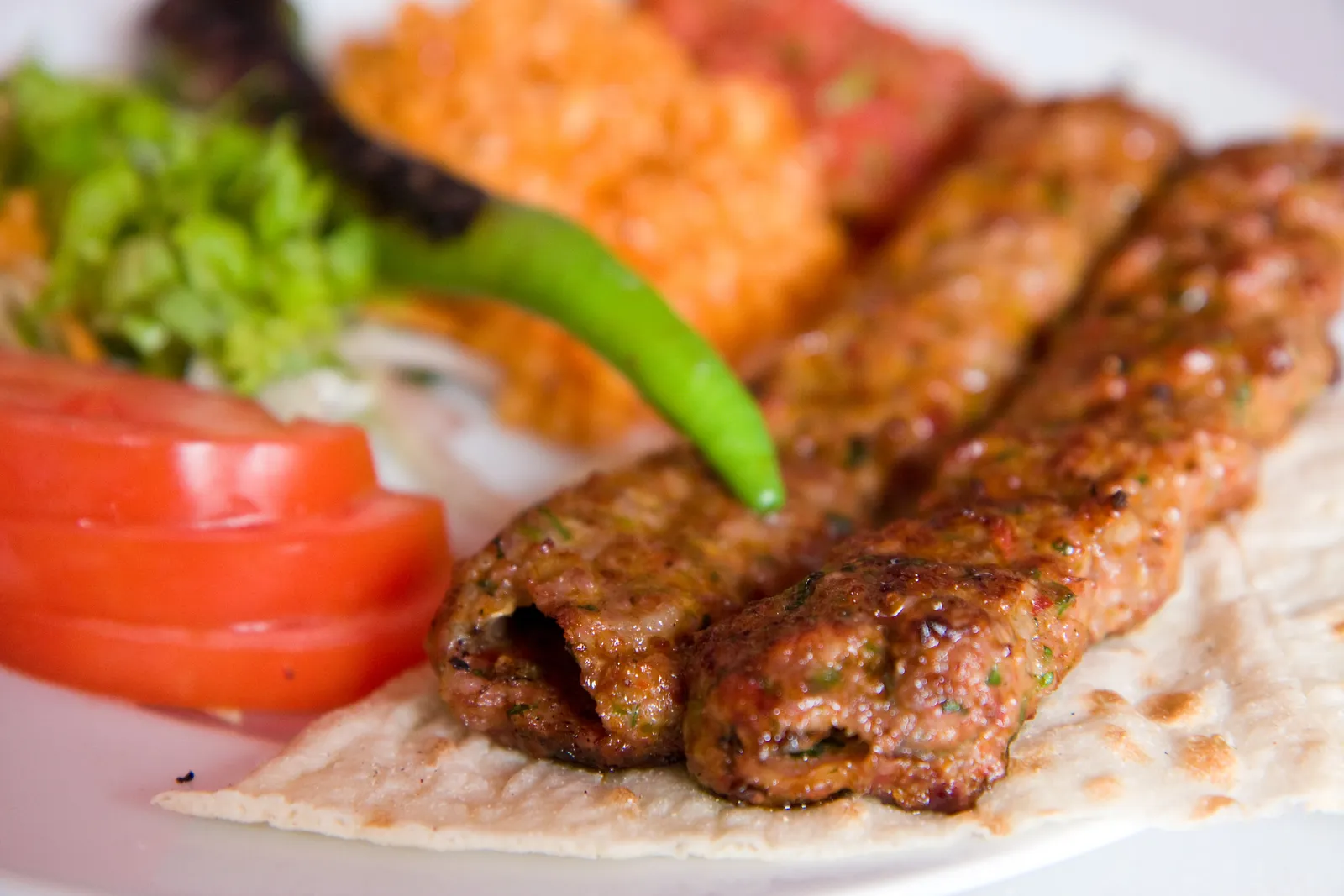
Adana kebab — long grilled minced-meat skewers on lavash with tomato, green chilli and salad Turkey flag Turkey 50m
Dinner •Adana Heritage

Adana Kebab

This adana kebab recipe is Adana's famous charcoal-grilled skewer: hand-minced lamb and beef mixed with lamb tail fat, sweet red pepper and pul biber, pressed onto wide flat skewers and grilled over glowing charcoal until the edges char and the juices run. It is served on warm lavash with grilled tomato, green chillies and a sharp sumac onion salad. One serving is about 439 g.

Adana's Charcoal-Grilled Icon

Hand-minced lamb and beef with tail fat and pul biber, pressed onto wide flat skewers and grilled over charcoal until charred at the edges — Adana's famous kebab.

Pairs Well With
Lavash, grilled tomato & sumac onion salad
High Protein
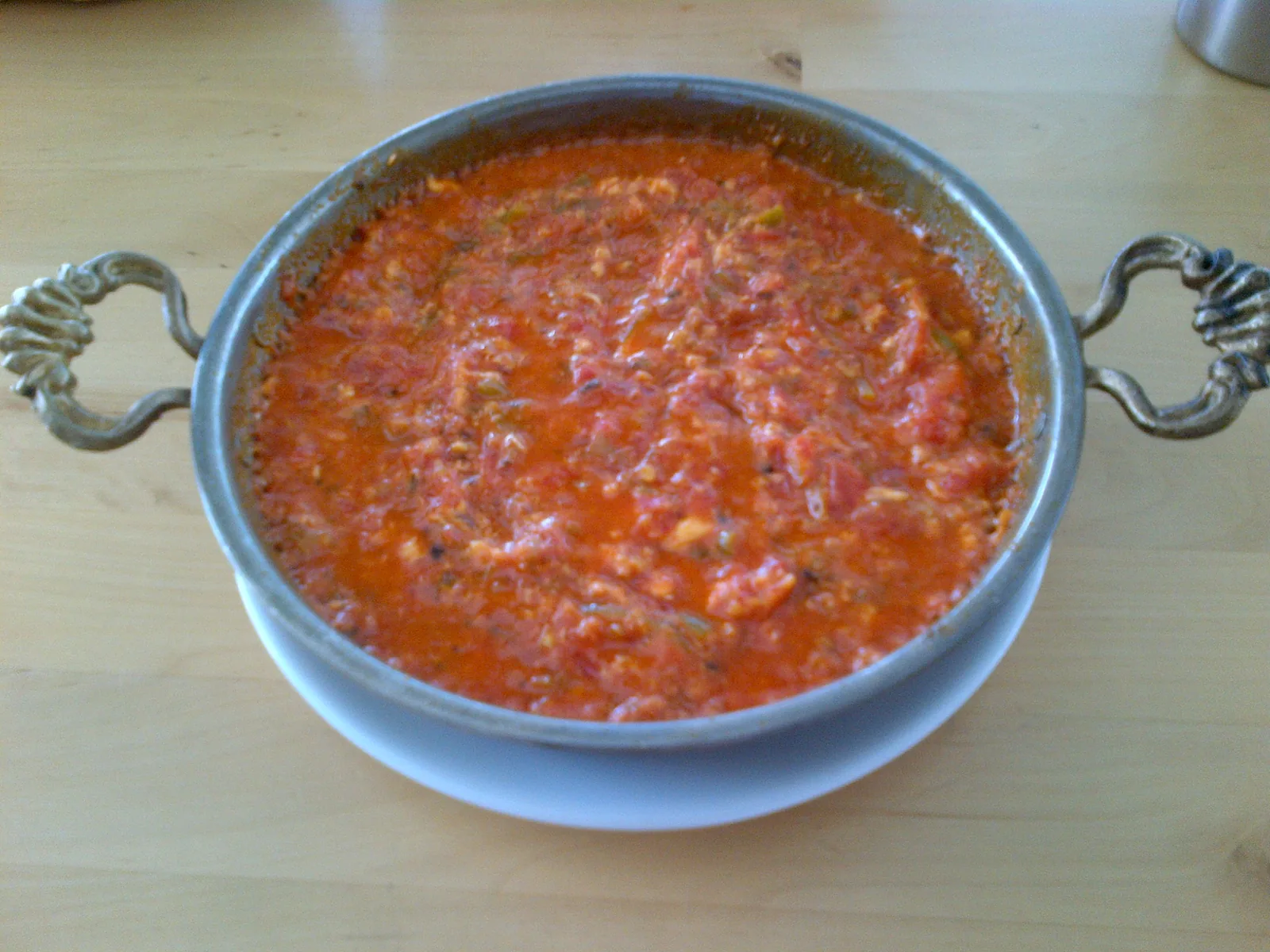
Menemen in a copper sahan pan — soft scrambled eggs stirred through a red tomato and green pepper sauce Turkey flag Turkey 30m
Breakfast •Izmir Breakfast Table

Menemen

This menemen recipe stirs beaten eggs into a soft tomato and green pepper sauce until they set into creamy curds — never poached whole, the way shakshuka does it. Cooked in one pan and served straight from it with bread, it is the classic Turkish breakfast. One serving is about 300 g.

Comfort & Warmth

Beaten eggs stirred into a soft tomato and green pepper sauce, scooped up with warm bread.

Pairs Well With
Crusty white bread, Turkish tea and sliced cucumber and tomato
Quick Prep (<30m)
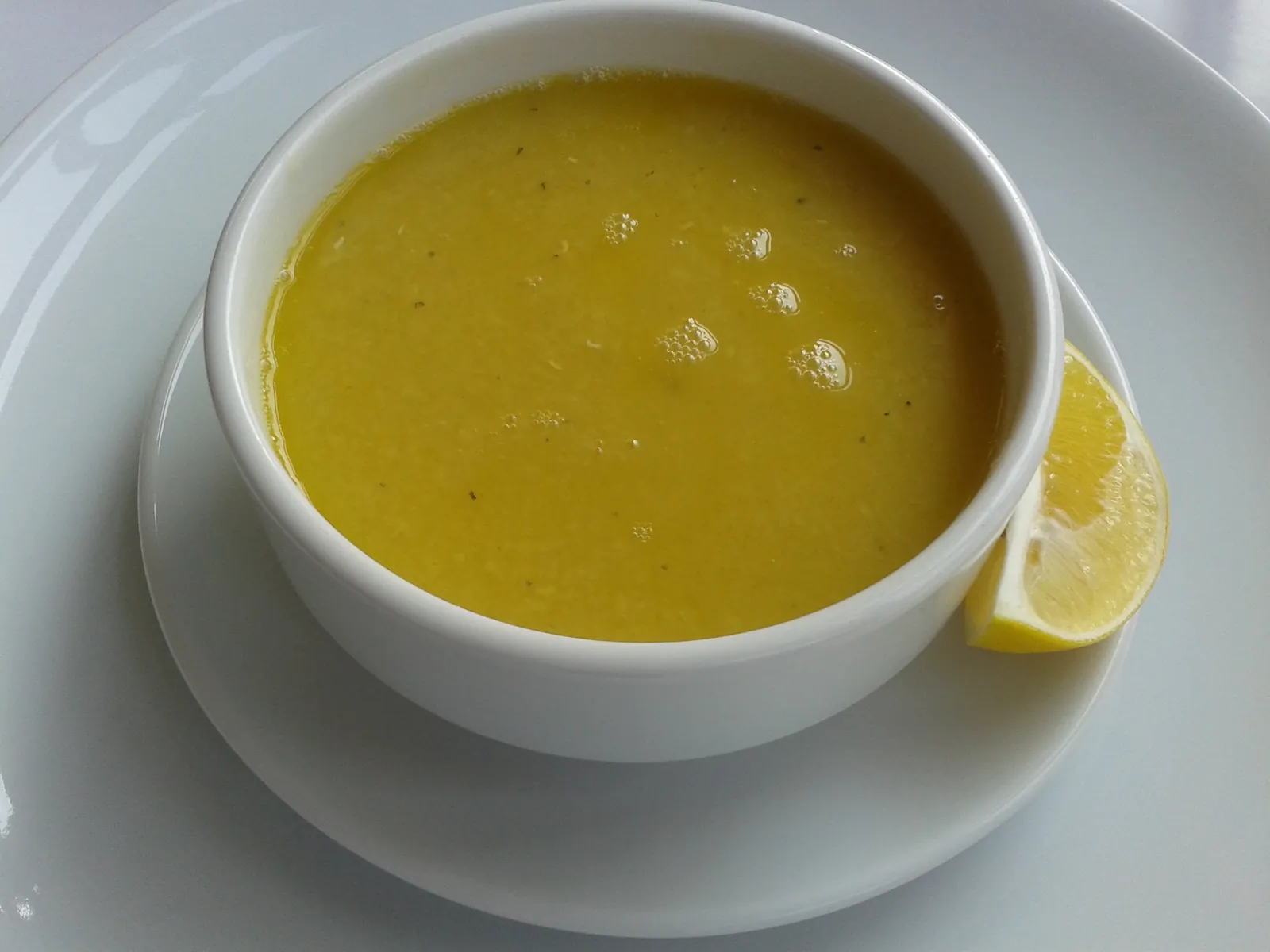
A white bowl of smooth golden Turkish lentil soup with a lemon wedge on the side Turkey flag Turkey 45m
Lunch •Ankara Lokanta Classic

Turkish Lentil Soup

This turkish lentil soup recipe turns red lentils, onion, carrot and potato into a smooth, golden soup, finished with lemon and a drizzle of paprika butter. One serving is about 325 g.

Comfort & Warmth

A silky red lentil soup, light enough for lunch and warm enough for a cold day.

Pairs Well With
Warm pide bread, lemon wedges and ayran
Soups & Broths
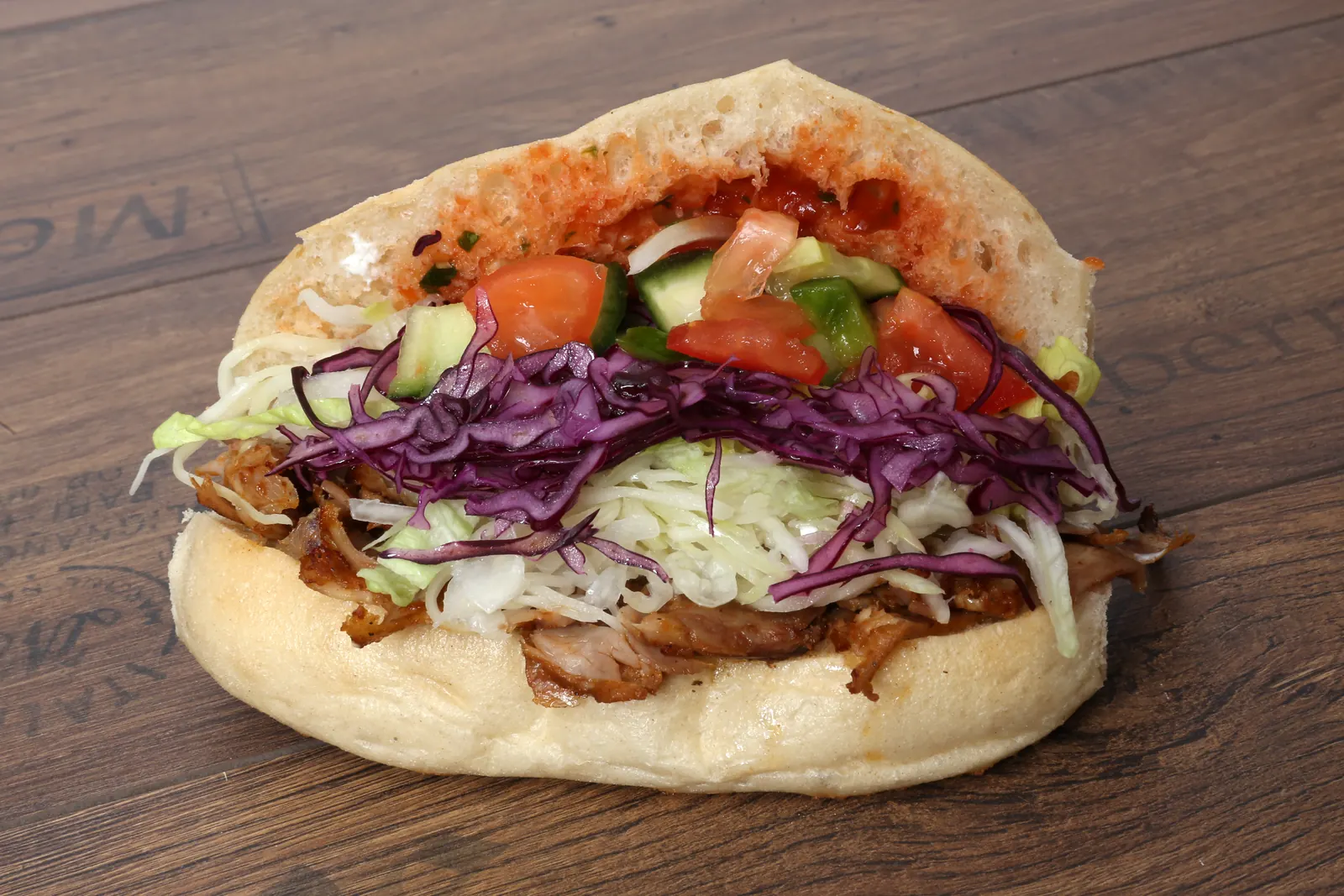
A doner kebab in flatbread filled with sliced lamb, red and white cabbage, tomato and cucumber Turkey flag Turkey 2h 55m
Dinner •Bursa Spit-Roast Heritage

Doner Kebab

This doner kebab recipe brings the Turkish spit-roast home: lamb leg marinated in yogurt, onion and spices, seared until charred at the edges, then sliced thin and tucked into warm pitta bread with crisp salad and a cool garlic yogurt sauce. No vertical spit needed — a ripping-hot pan does the job. One serving is about 415 g.

Charcoal-Grilled & Juicy

Home-style doner kebab — yogurt-marinated lamb, sliced thin and piled into warm pitta with salad and garlic sauce.

Pairs Well With
Serve in warm pitta with salad, garlic sauce and a little chilli sauce.
High Protein

The Dinner Gazette

Never wonder what’s for dinner again

One email a week with easy dinner ideas from around the world — ingredients, steps and nutrition, tested in our kitchen first.

Delivered every Thursday morning. Unsubscribe anytime.