-
1
Tap the Spathe at Dawn
5 Mins
No heat, about 28°C (82°F)
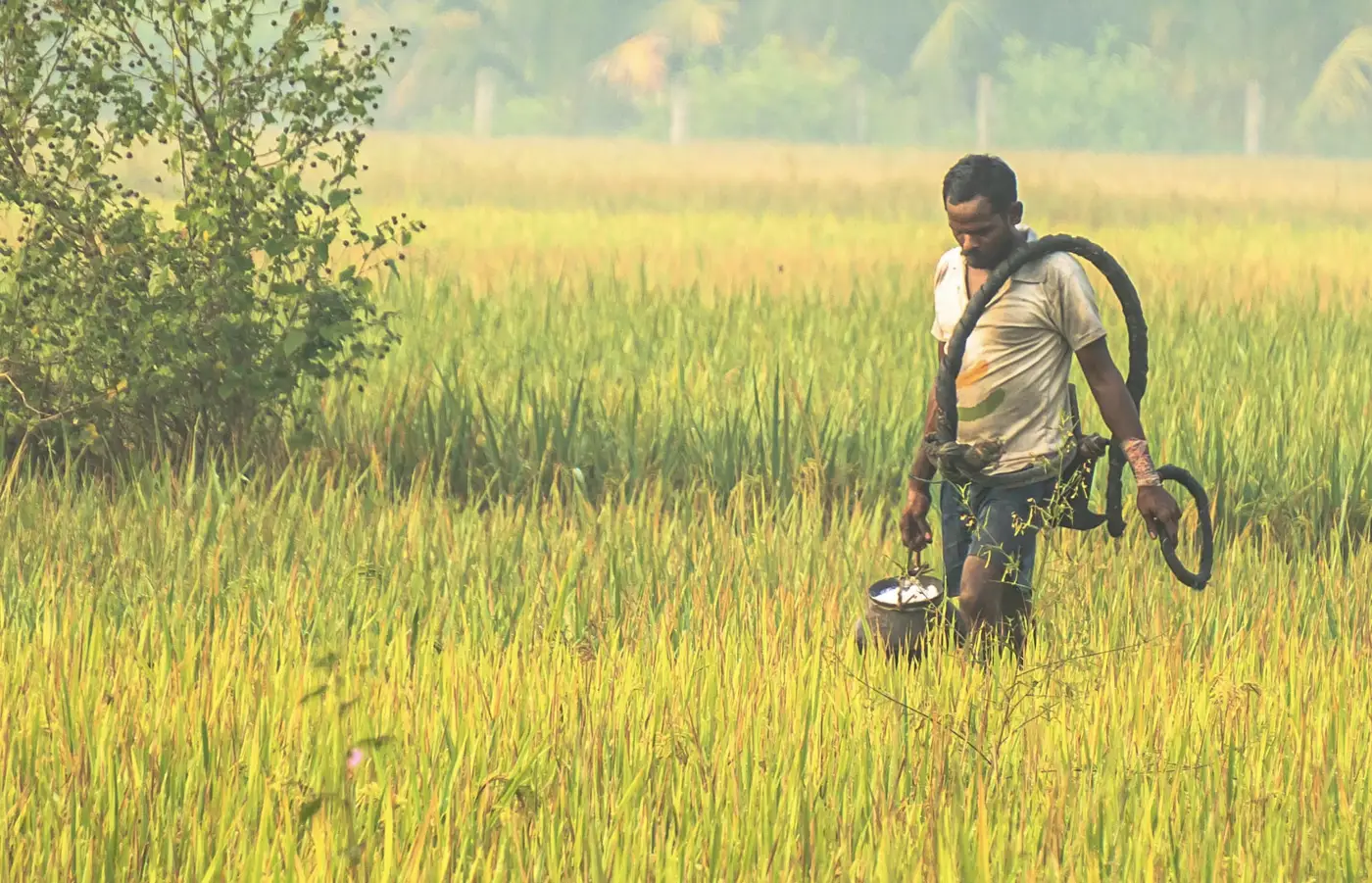
At dawn, an experienced toddy-cutter climbs the palm, binds the unopened flower spathe, and shaves a thin slice off its tip. A clean container - a bottle, shell or clay pot - is hung beneath the cut so the sap drips into it through the morning. Never climb a palm or cut a spathe unless you have been taught how: the climbing is dangerous, and a bad cut can kill the flower and the tree's yield.
The sap flows best in the cool of the early morning, which is why the cutter goes up at dawn and again in the evening.
Done when: Sap is dripping steadily into the container, clear and pale; the cut tip is clean and the container hangs secure.
-
2
Collect and Strain the Sap
5 Mins
No heat, about 28°C (82°F)
Bring the container down and pour the sap through a fine clean cloth or sieve into a jug, catching any insects, fibres or bits of bark. The strained sap should look cloudy, pale and slightly milky, and smell faintly sweet and floral. Taste a spoonful: fresh kaleve is honey-sweet with no sourness at all.
If the sap already smells sour or sharp, or tastes tangy, it has begun to ferment - do not serve it as fresh kaleve (see the last step).
Done when: The sap is clear of bits and fibres, cloudy pale, and sweet-smelling with no sour note.
-
3
Serve Fresh and Cold, Right Away
3 Mins
No heat, about 28°C (82°F)
Pour about 250 ml into each glass, over ice if you like, and drink it at once - within two hours of collection at the latest. In Tuvalu the morning kaleve is shared as soon as the cutter comes down from the tree, often with breakfast, and hosts offer it to guests before anything else. Keep the jug covered and cool between glasses; do not leave it standing in the sun.
Fresh kaleve does not wait - the two-hour window is the whole point of the recipe, so serve it the moment it is strained.
Done when: Each glass holds a cool, cloudy, honey-sweet drink with no sour smell.
-
4
Warm a Cup for Breakfast (Ssali Kaleve)
5 Mins
60°C (140°F)
For the breakfast version, ssali kaleve, pour a glass of the strained sap into a small pan and warm it gently until it is hot to drink, about 60°C (140°F), stirring once. Do not let it boil - boiling dulls the fresh sweetness and the light floral note. Serve warm, in a cup, with breakfast.
Warm only the glass you are about to drink - never warm the whole jug and put it back, as reheated sap sours fastest of all.
Done when: The sap is steaming and hot to drink, about 60°C (140°F), but has never boiled.
-
5
Know When It Has Turned to Kao
2 Mins
No heat, about 28°C (82°F)
Check what is left before you put the jug away. Wild yeasts in the air begin fermenting fresh sap within a few hours in tropical heat, and the drink turns into kao, the mildly alcoholic sour toddy - a different drink, and not the one this recipe covers. If the sap smells sour, tastes tangy or is fizzing, it has turned: do not serve it as fresh kaleve, do not give it to children, and do not drive after drinking it. In Tuvalu, sap kept for kao is a deliberate choice made by adults, not an accident.
When in doubt, throw it out - a sour smell is the sap telling you it has already changed.
Done when: You know, before anyone drinks, whether the sap is still fresh or has turned to kao.
auto_awesome Finishing Touches & Plating
Drink the kaleve the morning it is tapped, cold over ice or warm as ssali kaleve with breakfast, and share it - in Tuvalu the morning sap is offered to guests as soon as the cutter comes down. If it has begun to sour, it is no longer fresh kaleve, and this recipe ends there.

 Tuvalu
40m
 Spain