
Curated recipes from 193 countries  •  New seasonal Mediterranean issue out now

Overview

Yakitori

Yakitori — Grilled Chicken Skewers

This yakitori recipe grills bite-size chicken thigh and scallion skewers over high heat, brushing them with a glossy homemade tare sauce of soy, mirin and sake. One serving is about 165 g, two skewers with sauce.

Yakitori — literally 'grilled bird' — grew out of Japan's street stalls and izakaya pubs, where bite-size pieces of chicken are grilled over charcoal and brushed with tare, a sweet soy glaze. It became a fixture of evening drinking culture, cooked to order over binchotan charcoal, and today it is one of Japan's best-known grilled dishes, eaten with rice or beer at the counter.

Pairs well with: Steamed rice and a cold cucumber salad

Provenance

Japan flag Japan

Japanese Izakaya Classic

East & South Asia

Time Dedication

40m

20m prep • 20m cook

Batch Yield

4 Servings

366 kcal per serving

1 serving ≈ 165 g

Technical Skill

Intermediate

Intermediate (Grill)

Meal Timing & Digestive Fit

Breakfast

Not Advised

Lunch

Hearty Midday Main

Dinner

Ideal Hearty Main

Snack & Tea

Inappropriate

High Protein Occasions: Weekend barbecue, izakaya-style dinner at home, casual dinner with friends Cost: Medium — about $4–5 per serving at home
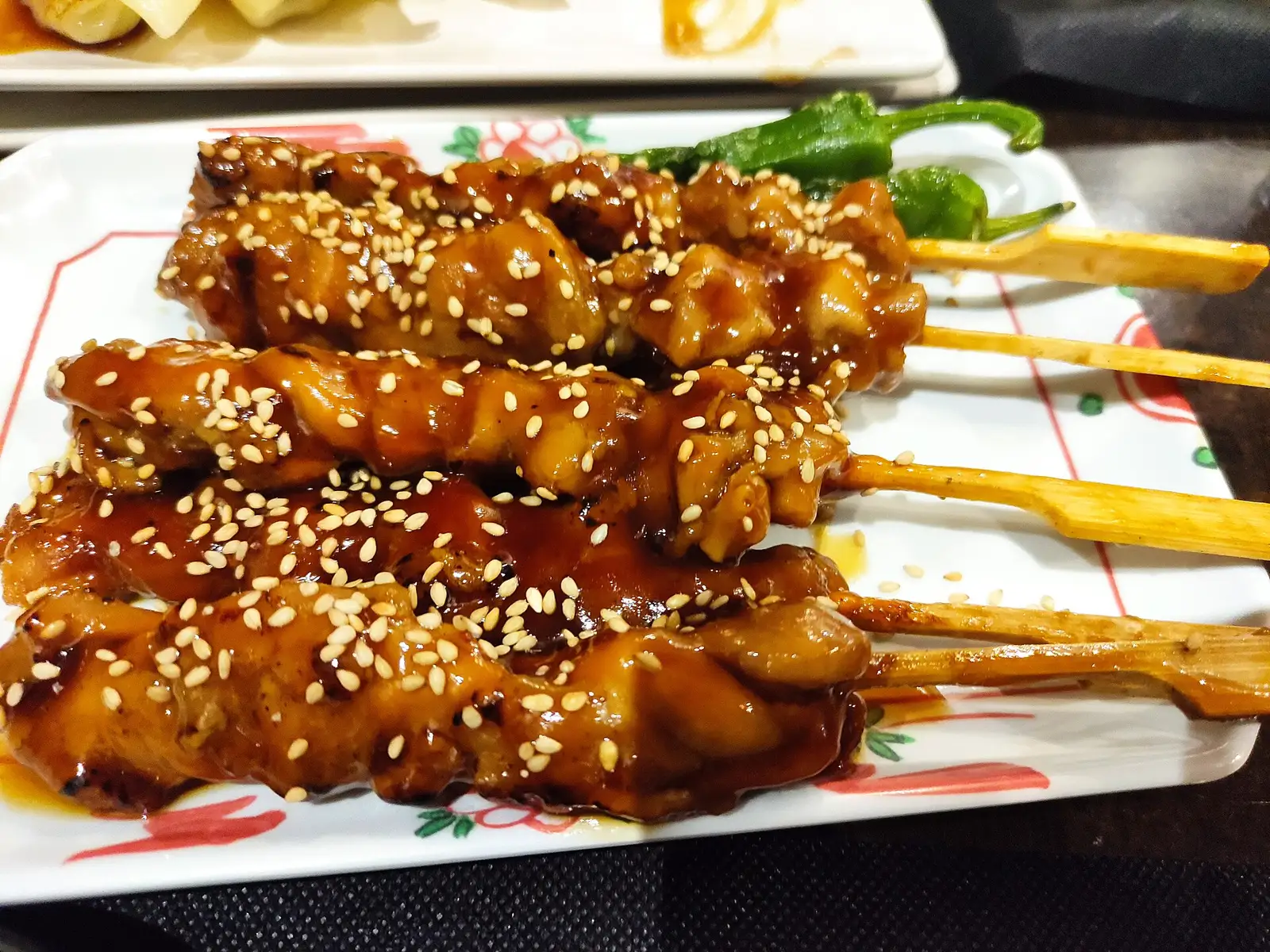
Glazed yakitori chicken skewers with sesame seeds and a shishito pepper on a plate

Japanese Izakaya Classic

Photo: Francesc Fort, CC BY-SA 4.0, via Wikimedia Commons

The Heritage Formulary

Measured Ingredients

Estimated cost: Medium — about $4–5 per serving at home (USD)

Good yakitori is juicy inside with charred edges, and the tare should be glossy and balanced — sweet first, then salty, never sticky.

Execution Methodology & Culinary Technique

Step-by-Step Cooking Guide

Active 40m
P

Prep Stage: Soak, Cut and Mix the Tare

20 Mins • Knife Work

Soak 8 bamboo skewers in water for 10 minutes so they do not burn on the grill. Cut the chicken into even 2.5 cm cubes and the scallions into 3 cm pieces, then measure out the soy sauce, mirin, sake and sugar for the tare.

Maestro Tip: Even cubes are the whole trick — a small piece next to a big one means one is raw and the other is dry.

  1. 1

    Soak the Skewers and Cut the Chicken

    15 Mins Room temperature, ~20°C (68°F)

    Soak 8 bamboo skewers in water for 10 minutes. Meanwhile cut the 600 g of chicken thigh into even 2.5 cm cubes and the scallions into 3 cm pieces.

    Soaking the skewers is what stops them charring before the chicken is done.

    Done when: The chicken cubes are all about the same size; the skewers are fully soaked.

  2. 2

    Make the Tare Sauce

    8 Mins Simmer, ~95°C (203°F)

    Put the soy sauce, mirin, sake and sugar in a small pan. Bring to a gentle simmer and cook for 8 minutes, until the sauce thickens enough to coat the back of a spoon. Set aside half for brushing and half for serving.

    Do not boil the tare hard — it should reduce slowly and stay glossy, not sticky.

    Done when: The sauce coats a spoon and drips in a slow ribbon.

  3. 3

    Thread the Skewers

    5 Mins Room temperature, ~20°C (68°F)

    Thread the chicken and scallion pieces onto the skewers, alternating 3 pieces of chicken with 2 pieces of scallion on each skewer. Leave a little space between pieces so the heat reaches all sides.

    Push the skewer through the centre of each cube — off-centre pieces spin and cook unevenly.

    Done when: Each skewer holds 3 chicken cubes and 2 scallion pieces, evenly spaced.

  4. 4

    Grill the Skewers

    10 Mins Medium-high heat, ~200°C (400°F)

    Oil the grill lightly. Grill the skewers for 5 minutes on the first side, then turn and grill for 5 minutes more, brushing with tare during the last 2 minutes. The chicken must reach 74°C (165°F) at the thickest part.

    Brush the tare on late — the sugar in it burns if it goes on too early.

    Done when: The chicken is browned at the edges and reads 74°C (165°F) inside.

  5. 5

    Glaze and Serve

    2 Mins Serve hot, ~70°C (158°F)

    Brush the skewers once more with the reserved tare, sprinkle with sesame seeds and serve at once with the remaining sauce for dipping.

    Serve immediately — yakitori dries out fast once it leaves the grill.

    Done when: The skewers are glossy, hot and juicy.

Finishing Touches & Plating

Brush the skewers once more with tare just before serving and sprinkle with sesame seeds. Serve hot, while the glaze is still glossy and the chicken is juicy.

Nutritional Physiology & Benefits

Nutrition

Energy

366

kcal / serving

Protein

28g

Complete AA

Carbs

15g

Complex

Fats

20g

Healthy

Per serving (4 servings · 1 serving ≈ 165 g)
Energy366 kcal
Protein28 g
Carbohydrates15 g
Fat20 g
Fibre1.0 g
Sugar11.8 g
Sodium936 mg
Per 100g
Energy222 kcal
Protein17 g
Carbohydrates8.9 g
Fat12.4 g
Fibre0.6 g
Sugar7.1 g
Sodium567 mg

Nutrition values are estimated — calculated from USDA FoodData Central values for the listed ingredients.

Vitamins & minerals: B vitamins and niacin (chicken), vitamin K (scallions), iron (chicken thigh).

High-Protein, Filling Dinner

About 28 g of protein per serving from chicken thigh keeps you full for hours after a modest plate.

Scallions in Every Bite

Grilled scallion adds fibre and vitamin K between the chicken pieces, so the skewers are not just meat.

Simple, Honest Ingredients

Chicken, scallion, soy, mirin and sake — the flavour comes from the grill and the glaze, not from a long list of additives.

Food Pairings

What to Eat With

To optimize nutrient absorption and elevate the sensory depth, pair with these authentic accompaniments:

Sides

Steamed Rice

Plain rice soaks up the extra tare sauce and turns two skewers into a complete dinner.

Vegetables

Cucumber Salad

Cool, vinegary cucumber cuts through the sweet-salty glaze and resets the palate between skewers.

Drinks

Iced Green Tea

Unsweetened and light, it cools the charred edges without adding sugar to an already sweet glaze.

Full Menus

As Part of an Izakaya Spread

Serve the skewers family-style with rice, cucumber salad and a simple soup — yakitori is the smoky centre of the table.

Complete menu

Serve two skewers per person over steamed rice with a cool cucumber salad on the side, and finish with iced green tea.

Digestive Guardrails

What NOT to Combine

To prevent digestive distress, sluggishness, or palate clash, avoid pairing the dish with these elements:

A Second Sweet-Salty Sauce

The tare is already sweet and salty; adding another sweet sauce makes the meal cloying and pushes the sugar up. Serve a plain, sharp side instead. This is general guidance, not medical advice.

Undercooked Chicken

Chicken skewers must reach 74°C (165°F) inside — never serve them pink in the middle, and do not reuse the brushing sauce for dipping without boiling it first.

General information only, not medical advice — consult a doctor for personal dietary decisions.

Who Should Eat It

Who Should Eat

  • General adultsA satisfying, protein-rich dinner — two skewers with rice and a fresh salad.
  • ChildrenSuitable from age 6+ if you skip the togarashi and cut the chicken into small pieces; the tare is sweet and mild.
  • ElderlyEasy to chew when the chicken is cut small; keep the portion moderate and the sauce light.
  • Pregnant womenGenerally suitable if the chicken is cooked fully through to 74°C (165°F); the alcohol in the tare cooks off.
  • Breastfeeding womenGenerally suitable; the protein supports recovery — keep the sweet sauce moderate.
  • AthletesA strong post-workout dinner: about 28 g of protein per serving with rice for glycogen.
  • Weight gainA good choice — take a full portion of rice and a second skewer.
  • Weight lossA good choice if you skip the extra rice and load up on the cucumber salad; the tare is the main source of sugar.

Health Conditions — Adjust or Avoid

Conditions

  • DiabetesThe tare adds sugar — about 12 g per serving; keep the sauce light and ask your clinician about portion size.
  • High blood pressureSoy sauce carries most of the salt; use the dipping sauce sparingly. Ask your clinician about a suitable portion.
  • Kidney diseaseLimit the tare sauce (sodium); ask your clinician about portion size.
  • GoutEat occasionally and in smaller portions — chicken thigh with skin is moderately rich.
  • Stomach issuesThe glaze is sweet and the chicken is grilled; if grilled food bothers your stomach, eat a small portion with plain rice.
  • Cardiovascular diseaseKeep the portion modest and favour the chicken and scallion over extra sauce; the skin adds saturated fat.
  • Fatty liverKeep the portion modest and go easy on the sweet tare; load up on the cucumber salad.
  • Food allergiesContains soy and sesame; soy sauce may contain wheat — check the label if you have a wheat allergy.
  • Special therapeutic dietsIf you follow a prescribed low-sodium or low-sugar diet, use low-sodium soy sauce and half the sugar, and check with your clinician.

If you have a medical condition, consult your doctor before changing your diet.

Storage & Use

Storage & Use

How to store
Cool quickly and store the skewers and sauce separately in airtight containers.
In the fridge
Cooked skewers 3 days; tare sauce 1 week.
In the freezer
Cooked skewers 2 months; do not freeze the sauce.
How to reheat
Reheat the skewers in a hot pan or under the grill until steaming; reheat to 74°C (165°F). Brush with a little fresh tare after reheating.
Freezing recommended
Yes — the cooked skewers freeze well for up to 2 months.
Signs it has spoiled
Sour smell, slimy surface, or grey, dull chicken.

More recipes to explore

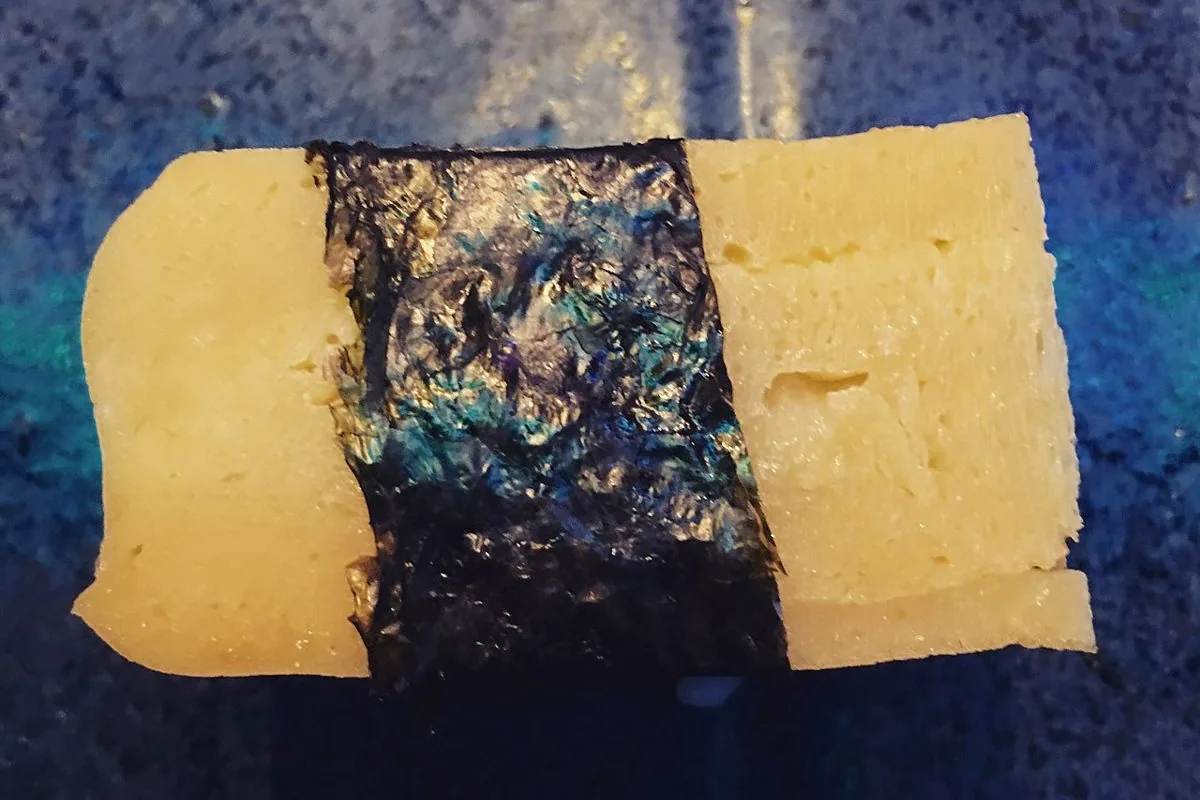
Sliced tamagoyaki rolled omelette wrapped in nori on a blue plate Japan flag Japan 25m
Breakfast •Edo Traditional

Tamagoyaki, Miso & Gohan

Dashi-infused rolled omelet served with live cultured miso broth and sea kelp for foundational gastrointestinal conditioning. One serving is about 580 g.

Digestive Gut Health

Silky rolled omelette with miso soup and steamed rice.

Pairs Well With
Fermented Natto & Sencha Green Tea
High Protein • Fermented / Gut Health • Quick Prep (<30m)
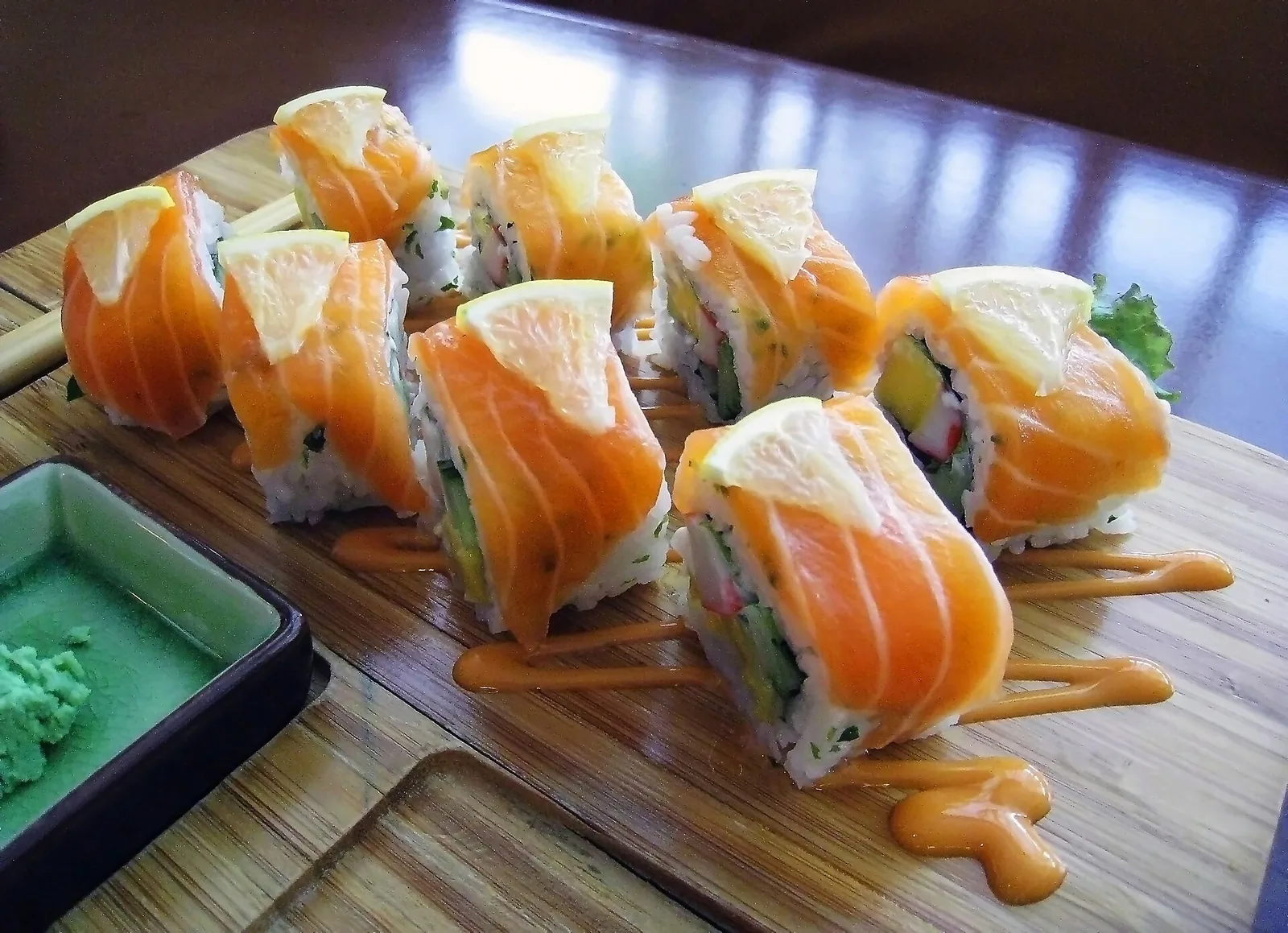
Salmon sushi rolls topped with salmon and lemon wedges on a wooden board, with wasabi Japan flag Japan 1h
Lunch •Edo-Style Sushi

Salmon Sushi Rolls (Maki)

This salmon sushi rolls recipe shows how to season sushi rice, slice sashimi-grade salmon and roll neat maki with cucumber and avocado. One serving is about 393 g — one full roll, cut into 8 pieces.

Light & Fresh

Sushi rice, sashimi-grade salmon and cucumber rolled in nori — light, fresh and protein-rich.

Pairs Well With
Miso soup, pickled ginger and a pot of green tea
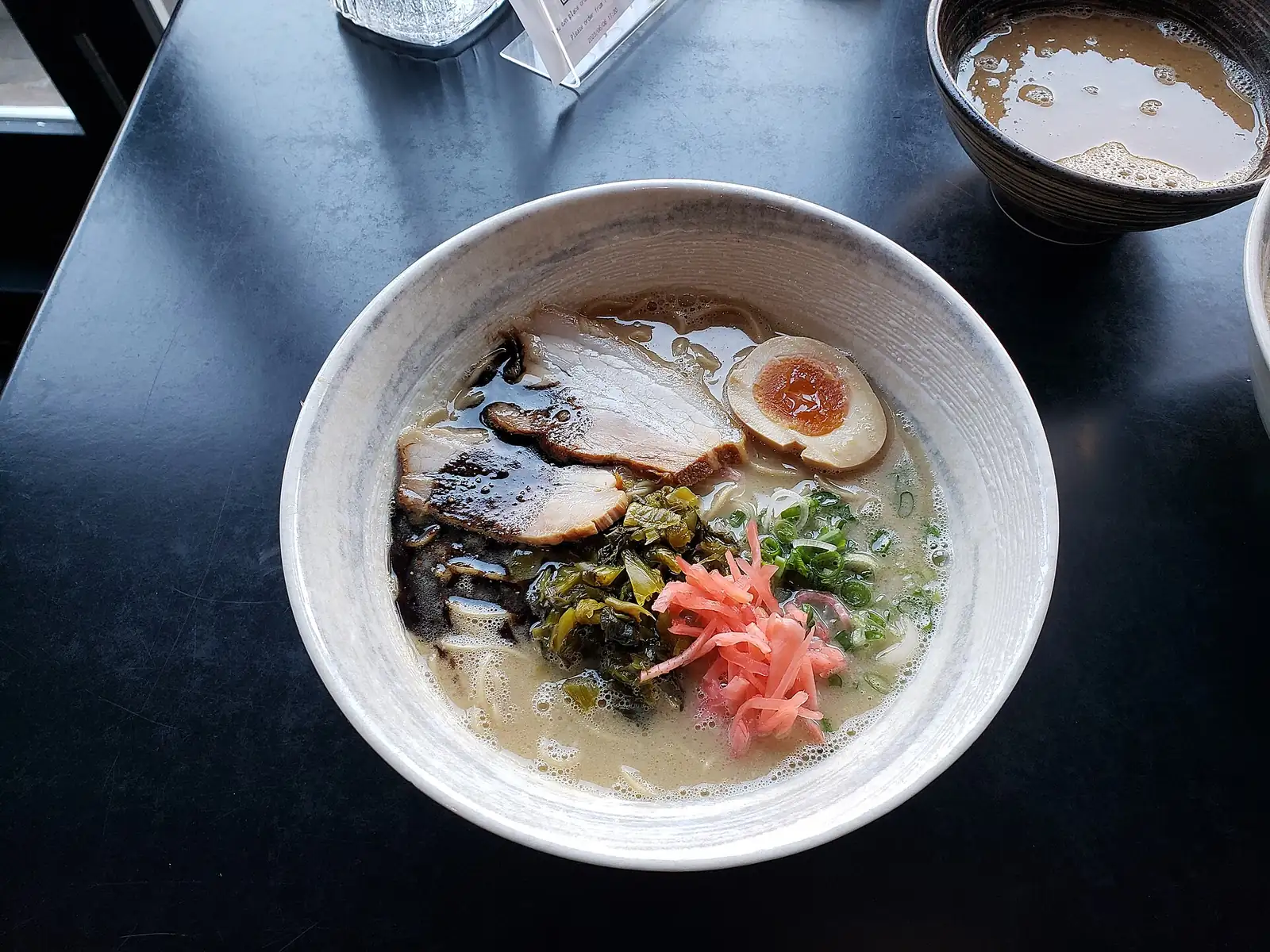
A bowl of tonkotsu ramen with chashu pork, a soft egg, spring onion and pickled ginger Japan flag Japan 3h 30m
Lunch •Hakata Yatai Style

Tonkotsu Ramen

This tonkotsu ramen recipe uses a pressure cooker to get the milky, pork-bone broth that normally takes all day, then builds the bowl with thin noodles, chashu pork and a soft egg. One serving is about 760 g.

Rich & Warming

Milky pork-bone broth, thin noodles, chashu pork and a soft egg — the richest bowl in ramen.

Pairs Well With
Gyoza, pickled ginger and a cold beer or iced barley tea
Soups & Broths • High Protein
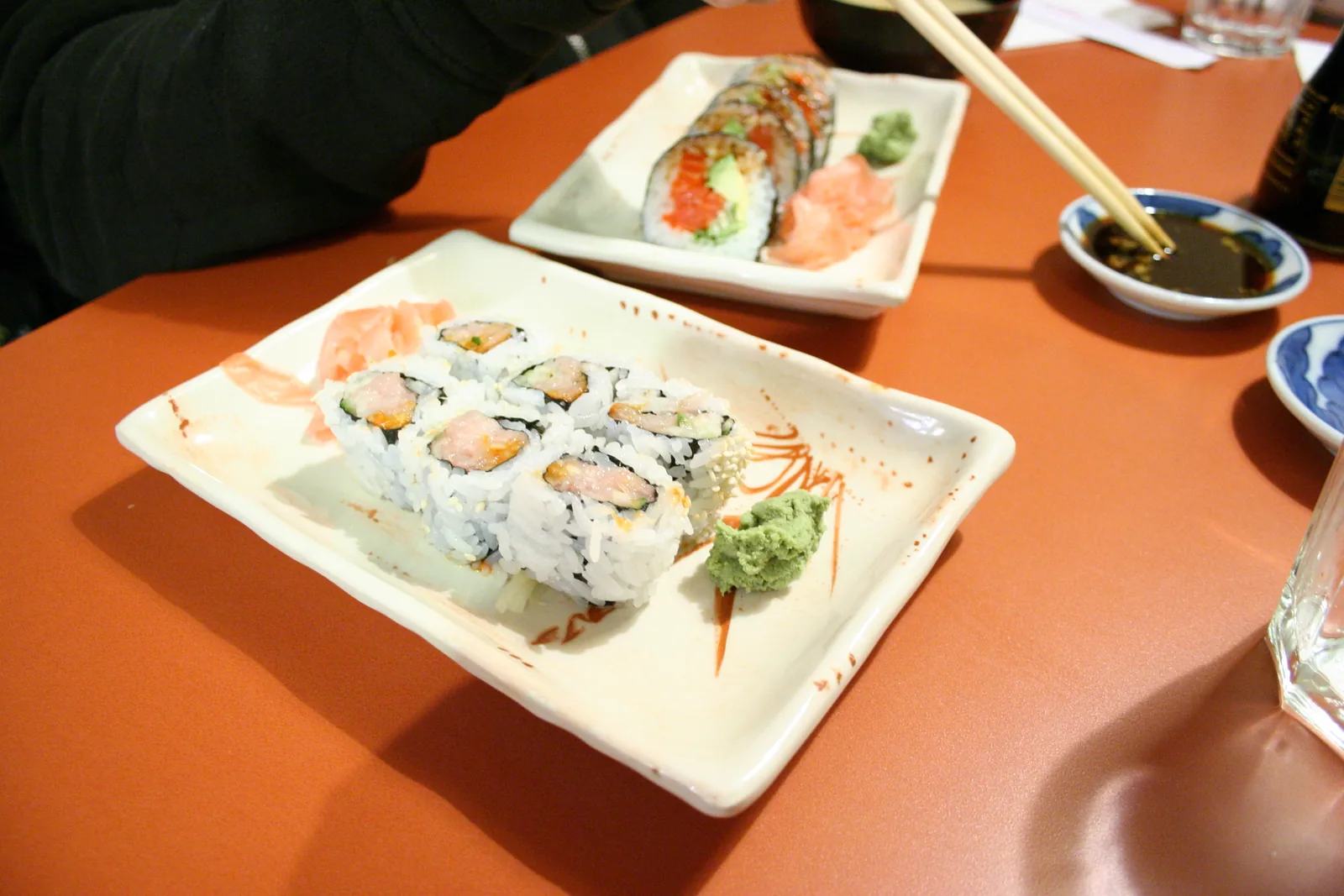
A plate of spicy tuna uramaki rolls with pickled ginger and wasabi, the pink tuna filling visible in the cut rolls Japan flag Japan 1h
Lunch •American Sushi Classic

Spicy Tuna Roll

This spicy tuna roll recipe shows how to season sushi rice, chop sashimi-grade tuna with spicy mayo, and roll neat rice-outside uramaki with cucumber and avocado. One serving is about 355 g — one full roll, cut into 8 pieces.

Light & Fresh

A cool, light sushi roll with raw tuna, cucumber and avocado — fresh, filling and quick to assemble once the rice is ready.

Pairs Well With
Miso soup, pickled ginger and iced green tea

The Dinner Gazette

Never wonder what’s for dinner again

One email a week with easy dinner ideas from around the world — ingredients, steps and nutrition, tested in our kitchen first.

Delivered every Thursday morning. Unsubscribe anytime.