Curated recipes from 193 countries  •  New seasonal Mediterranean issue out now

Overview

Bahamian Conch Salad

Conch Salad, Bahamian Ceviche, Scorch Conch Salad

This bahamian conch salad recipe is the Bahamas' answer to ceviche: raw queen conch, tenderised and diced small, tossed with tomato, sweet onion, green pepper, celery and cucumber, then cured in fresh lime and orange juice with a little goat pepper heat. No stove, no frying — the citrus does the work, firming the conch and turning it opaque at the edges while the vegetables stay crisp. It is the dish Nassau's fish-fry vendors chop to order, piled high in a bowl and eaten cold with a spoon. One serving is about 362 g.

Conch has fed Bahamians since the Lucayan people first settled the islands, and the salad is its freshest form: raw conch, diced and cured in the juice of limes and sour oranges, the way ceviche is made across the Caribbean. At Arawak Cay in Nassau, vendors still chop it to order at the fish fry, piling the bright mix high in a bowl while customers watch — a performance as much as a lunch, and the bahamian conch salad recipe most visitors are told to try first.

Pairs well with: Johnny cake, crackers & a cold Kalik beer

Provenance

Bahamas flag Bahamas

Nassau Heritage

Latin America & Caribbean

Time Dedication

45m

30m prep • 15m cook

Batch Yield

4 Servings

219 kcal per serving

1 serving ≈ 362 g

Technical Skill

Intermediate

Medium (Knife Work)

Meal Timing & Digestive Fit

Breakfast

Not Advised

Lunch

Prime Metabolic Fit

Dinner

Ideal Hearty Main

Snack & Tea

Inappropriate

High Protein Occasions: Fish fry, Beach lunch, Summer picnic, Family lunch Cost: Medium — about $4–5 per serving at home (conch is the main cost)
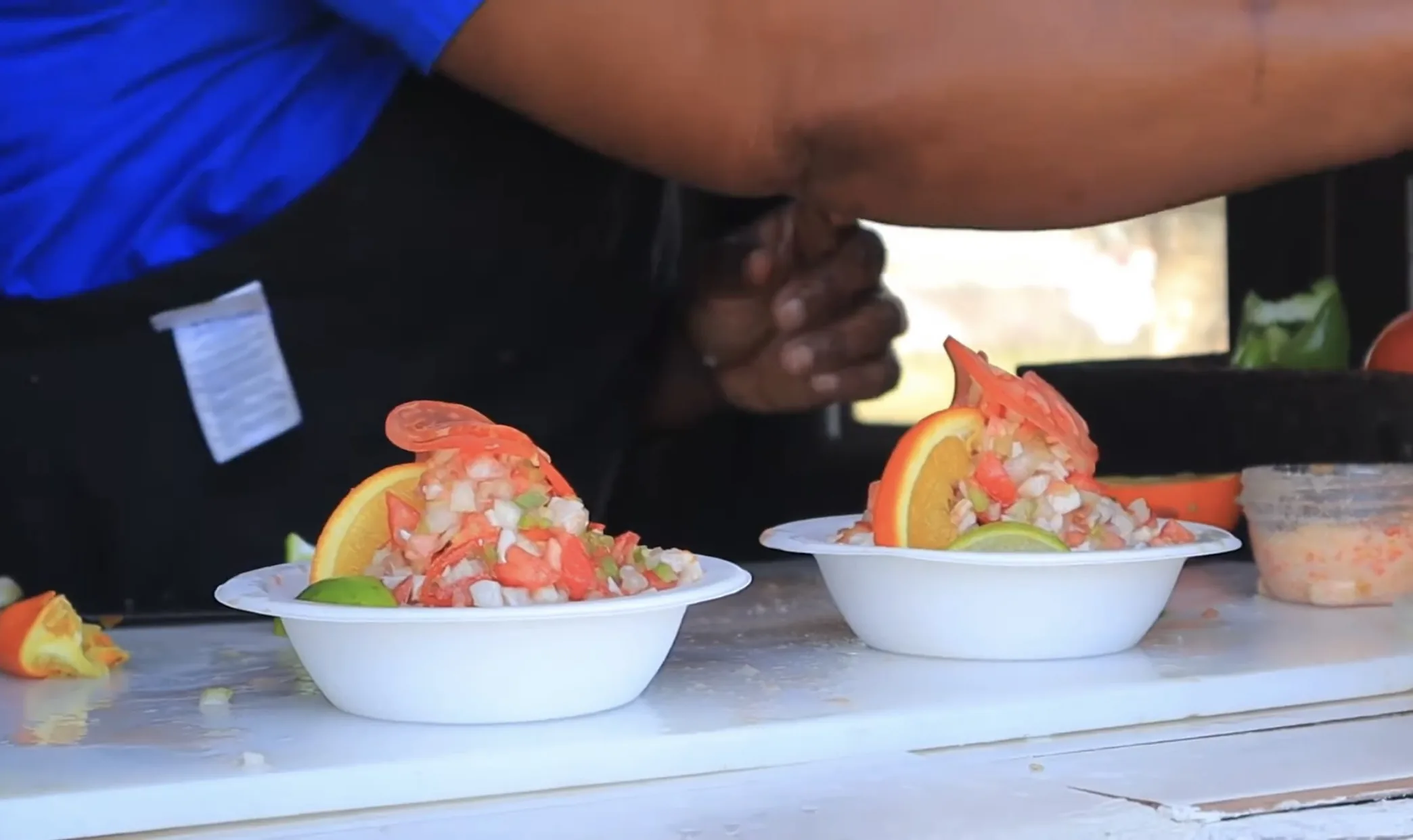
Two bowls of Bahamian conch salad — finely diced raw conch with tomato, onion and peppers — garnished with orange and lime wedges at a Nassau fish-fry stall

Nassau Heritage

Photo: Hannah On The Go, CC BY 3.0, via Wikimedia Commons

The Heritage Formulary

Measured Ingredients

Estimated cost: Medium — about $4–5 per serving at home (conch is the main cost) (USD)

Made with real queen conch, tenderised by hand and cured in fresh lime juice, never cooked.

Execution Methodology & Culinary Technique

Step-by-Step Cooking Guide

Active 45m
P

Prep Stage: Tenderise the Conch & Dice Everything Small

30 Mins • Tenderising & Dicing

Rinse the conch in cold salted water and pat it dry, then pound it flat with a meat mallet until it is about 1 cm thick — raw conch is tough, and this step is what makes it tender enough to eat raw. Dice the conch into pieces about 1 cm across, then dice the tomato, onion, pepper, celery and cucumber the same size so every spoonful has a little of everything. Squeeze the limes and the orange, strain out the pips, and keep the juice cold until you need it.

Maestro Tip: Keep the conch on ice while you work and dice everything the same size — uneven pieces cure unevenly, and big chunks of raw conch stay chewy.

  1. 1

    Tenderise and Dice the Conch

    10 Mins Keep the conch cold, at 4°C (39°F) or below

    Lay the cleaned conch on a board and pound it firmly with a meat mallet, turning it over once, until it is about 1 cm thick all over and the fibres have relaxed. Cut it into strips, then dice it into pieces about 1 cm across and put it in a large glass or ceramic bowl. Do not use a food processor — it turns the conch to paste.

    If the conch still springs back under the mallet, pound it again; a piece that resists the knife will resist your teeth.

    Done when: The conch is flat, pale and tender, and cuts cleanly into small even dice.

  2. 2

    Dice the Vegetables

    10 Mins No heat — work at room temperature, about 20°C (68°F)

    Dice the seeded tomato, onion, green pepper, celery and cucumber into pieces about 1 cm across and add them to the bowl with the conch. Add the minced goat pepper last, starting with half if you are unsure of the heat, and toss everything together with clean hands or a spoon so the colours are evenly mixed.

    Taste a pinch of the goat pepper on its own first — one pepper can be mild and the next fiery, so add it a little at a time.

    Done when: The bowl is a bright, even mix of white conch, red tomato, white onion and green pepper, with no large chunks anywhere.

  3. 3

    Mix the Citrus Cure

    5 Mins Juice at room temperature, about 20°C (68°F)

    In a small jug, stir the lime juice, orange juice and salt together until the salt has dissolved. Pour the juice over the conch and vegetables and toss well so every piece is coated — the acid is what cures the conch, firming the flesh and turning the edges opaque white, like ceviche.

    Pour the juice over the salad, not the salad into the juice — you want every piece coated at once, not sitting in a puddle.

    Done when: Every piece glistens with juice and the edges of the conch are starting to turn opaque white.

  4. 4

    Cure and Chill

    15 Mins Chill in the fridge at 4°C (39°F)

    Cover the bowl and leave it in the fridge for 15 minutes so the lime juice can cure the conch and the flavours can marry. Do not leave it longer than 30 minutes — the acid keeps working, and after an hour the conch turns rubbery and the vegetables go soft. Taste and add a pinch more salt or another squeeze of lime if it needs it.

    Fifteen minutes is the sweet spot: the conch is firm and bright, the vegetables are still crisp, and the heat of the pepper has spread through the bowl.

    Done when: The conch is opaque at the edges, firm but tender when bitten, and the salad tastes bright, salty and just hot enough.

  5. 5

    Serve Cold

    5 Mins Serve cold, at 4°C (39°F)

    Spoon the salad into bowls with some of its juices, pile it high like the vendors at Arawak Cay do, and garnish with lime and orange wedges. Serve at once, cold, with crackers or johnny cake on the side for scooping.

    Serve it the day you make it — this is a raw dish, and it does not improve with waiting.

    Done when: The salad is cold, bright and juicy, piled high in the bowl with citrus wedges on top.

Finishing Touches & Plating

Pile the salad high in bowls, garnish with lime and orange wedges, and serve this bahamian conch salad recipe cold with crackers or johnny cake for scooping — the way it is sold at the fish fry.
Nutritional Physiology & Benefits

Nutrition

Energy

219

kcal / serving

Protein

35g

Complete AA

Carbs

13g

Complex

Fats

2g

Healthy

Per serving (4 servings · 1 serving ≈ 362 g)
Energy219 kcal
Protein35 g
Carbohydrates13 g
Fat2 g
Fibre2.7 g
Sugar6.9 g
Sodium1036 mg
Per 100g
Energy61 kcal
Protein9.5 g
Carbohydrates3.6 g
Fat0.5 g
Fibre0.7 g
Sugar1.9 g
Sodium286 mg

Nutrition values are estimated — calculated from USDA FoodData Central values for the listed ingredients.

Vitamins & minerals: Vitamin B12 and iron (conch), vitamin C (lime, orange, peppers and tomato), vitamin A (tomato). Nutrition values are estimated.

High-Protein, Very Lean

Each serving carries about 34 g of protein from the conch, with only about 1.6 g of fat — a filling lunch that stays light.

Fresh Vegetables, No Cooking

Tomato, onion, pepper, celery and cucumber are eaten raw, so their crunch and vitamin C reach the bowl untouched by heat.

Bright Citrus, Not Heavy Dressing

Lime and orange juice do the work of a dressing, giving the salad its sharp, refreshing flavour without oil or mayonnaise.

Food Pairings

What to Eat With

To optimize nutrient absorption and elevate the sensory depth, pair with these authentic accompaniments:

Sides

Johnny Cake

A slice of Bahamian johnny cake is the classic partner — its mild, slightly sweet crumb soaks up the citrus juices and gives you something to scoop with.

Crackers

Plain water crackers are what the fish-fry stalls hand out with the salad: crisp, salty and neutral, they carry the salad without competing with it.

Vegetables

Sliced Avocado

Cool, buttery avocado rounds out the sharp lime and the heat of the goat pepper, and adds a soft contrast to the crisp vegetables.

Drinks

Cold Kalik Beer

The Bahamas' own lager is the traditional drink with a fish-fry plate: cold, light and refreshing against lime, salt and chilli heat.

Complete menu

Start with a bowl of conch salad and crackers, follow with cracked conch and Bahamian peas and rice, and finish with fresh tropical fruit.

Digestive Guardrails

What NOT to Combine

To prevent digestive distress, sluggishness, or palate clash, avoid pairing the dish with these elements:

Eating It the Next Day

This is a raw seafood dish cured in citrus, not cooked, so it must be eaten the day it is made and kept cold until serving; leftovers should not be kept. This is general information, not medical advice.

Leaving It Warm on the Table

Raw seafood held at warm room temperature can grow harmful bacteria quickly, so keep the salad chilled at 4°C (39°F) and return the bowl to the fridge between servings. This is general information, not medical advice.

General information only, not medical advice — consult a doctor for personal dietary decisions.

Who Should Eat It

Who Should Eat

  • General adultsA bright, light island lunch — best eaten fresh, cold, and shared at a fish fry or a beach picnic.
  • ChildrenThe salad is raw seafood, so it suits older children only, and only with the goat pepper left out; keep their portion small and make sure the conch is very fresh.
  • ElderlySoft, easy to chew and light, but it is raw seafood — older eaters with weaker immunity should be cautious and ask their clinician first.
  • Pregnant womenRaw shellfish is generally advised against during pregnancy; pregnant women should skip this dish or use fully cooked shrimp instead. Ask your clinician if you are unsure.
  • Breastfeeding womenA lean, protein-rich lunch that suits breastfeeding, as long as the conch is very fresh and the dish is eaten the day it is made.
  • AthletesAbout 34 g of protein per serving with very little fat makes it a useful light lunch after training, especially with johnny cake for energy.
  • Weight gainLow in energy at about 219 kcal per serving, so it suits people gaining weight only as part of a bigger plate with bread or rice.
  • Weight lossHigh in protein, low in fat and filling for its calories, so it fits a weight-loss plate well — just watch the salt.

Health Conditions — Adjust or Avoid

Conditions

  • DiabetesLow in carbohydrates at about 13 g per serving, so it fits a diabetes-friendly plate; the orange juice adds a little sugar, so keep the portion as written. Ask your clinician about portions.
  • High blood pressureThis serving carries about 1,036 mg sodium, mostly from the conch itself and the added salt, so people watching salt should eat a small portion and use less added salt; ask your clinician.
  • Kidney diseaseHigh in protein and sodium from the conch and salt; people with kidney disease should watch portion size and ask their clinician.
  • GoutConch is a shellfish and is moderate in purines; a large portion may not suit people prone to gout — ask your clinician.
  • Stomach issuesRaw seafood, citrus and chilli can all irritate a sensitive stomach; eat a small portion, leave out the goat pepper, and skip the dish during a flare-up.
  • Cardiovascular diseaseVery low in fat and rich in lean protein, which suits a heart-friendly plate, but the sodium is high — keep the portion modest and ask your clinician.
  • Fatty liverLean, low-fat and low in energy, so it fits a liver-friendly plate well; the main watch-out is the salt. Ask your clinician.
  • Food allergiesContains conch (shellfish). People with a shellfish allergy must not eat this dish. If you have any food allergy, check every ingredient and ask your clinician.
  • Special therapeutic dietsNaturally gluten-free and low-fat, but the high sodium and raw seafood rule it out for low-sodium therapeutic diets and for diets that require fully cooked food; discuss adaptations with your clinician or dietitian.

If you have a medical condition, consult your doctor before changing your diet.

Storage & Use

Storage & Use

How to store
Keep covered in a glass or ceramic bowl in the fridge; never store it in a metal bowl, as the acid reacts with the metal.
In the fridge
Eat the same day — do not keep overnight.
In the freezer
Not suitable for freezing.
How to reheat
Do not reheat — this is a raw, cold dish; heating it would cook the conch and spoil the salad.
Freezing recommended
No — freezing ruins the texture of the raw conch and the vegetables.
Signs it has spoiled
Fishy or sour smell, slimy conch, or vegetables that have gone soft and dull.

More recipes to explore

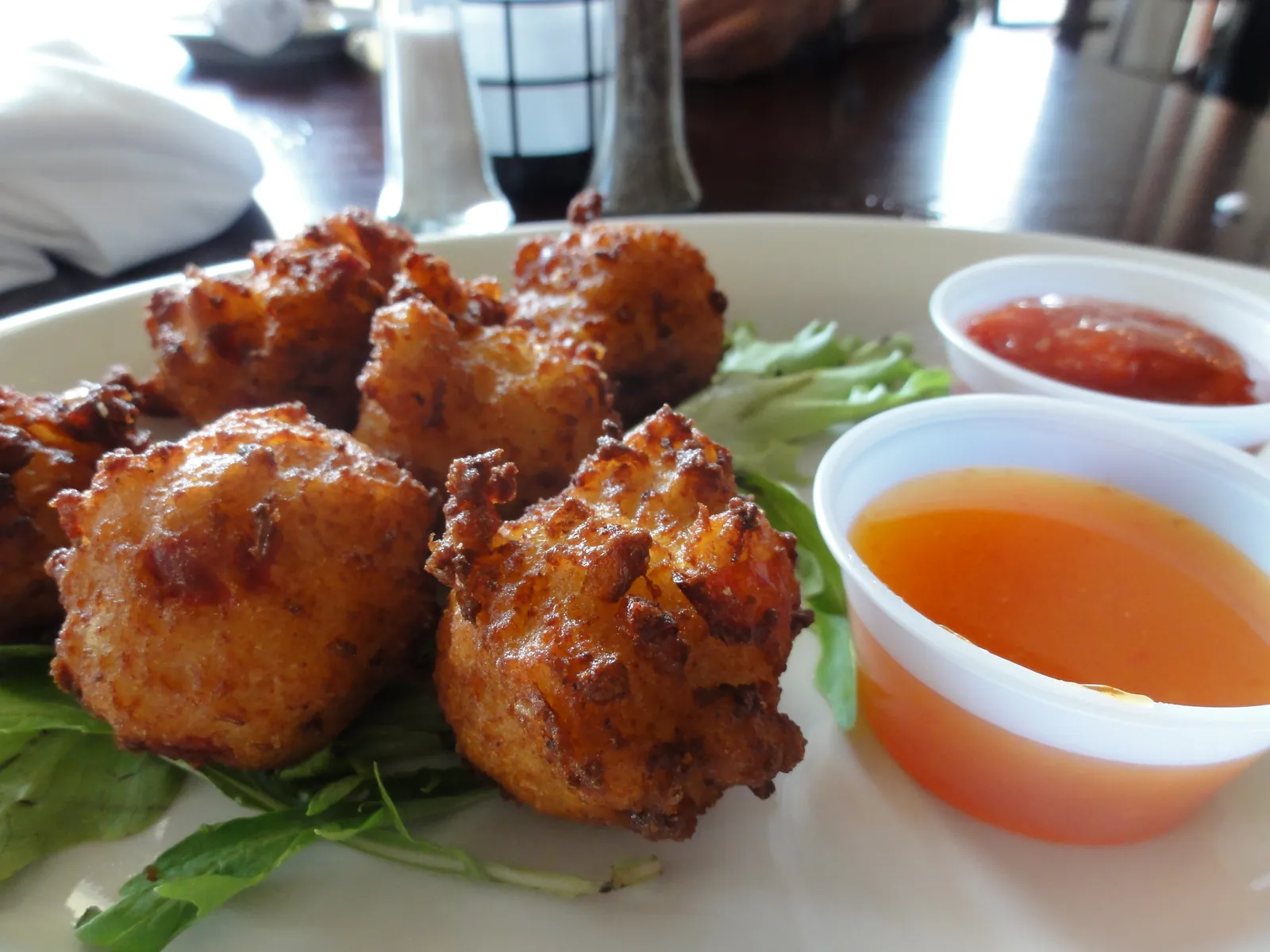
A plate of golden-brown Bahamian conch fritters with two small bowls of dipping sauce Bahamas flag Bahamas 45m
Snack & Tea •Nassau Heritage

Bahamian Conch Fritters

This bahamian conch fritters recipe turns tender queen conch into crisp, golden balls: the conch is minced and folded into a cornmeal batter with onion, sweet pepper, celery and a little heat from jalapeno, then deep-fried until the outside shatters and the inside stays soft and savoury. They are the snack every Bahamian fish fry starts with, best eaten hot from the oil with cocktail sauce or a squeeze of lime. One serving is about 200 g (5 fritters).

Island Snack & Sharing

Crisp golden balls of minced queen conch, cornmeal and island peppers, fried hot and served with a cool dipping sauce.

Pairs Well With
Cocktail sauce, lime wedges & a cold Kalik beer
A plate of golden fried cracked conch with peas and rice, plantain and tartar sauce Bahamas flag Bahamas 45m
Dinner •Nassau Heritage

Bahamian Cracked Conch

This bahamian cracked conch recipe is the national dish of the Bahamas: queen conch is pounded thin — 'cracked' — dipped in seasoned flour, egg and cracker crumbs, then fried until the crust is golden and shattering while the conch inside stays tender. It arrives at the table as a proper main plate, usually beside peas and rice, with tartar sauce and lime. One serving is about 212 g.

National Dish & Island Classic

Pounded conch steaks in a crisp cracker-crumb crust, fried golden and served with peas and rice.

Pairs Well With
Peas and rice, tartar sauce & lime
Tagliatelle al ragù Bolognese in a bowl with Parmigiano-Reggiano Italy flag Italy 4h 25m
Lunch •Emilia-Romagna

Tagliatelle al Ragù Bolognese

Slow-braised soffritto and coarse ground heritage meats layered over handmade egg yolk dough for mid-day stamina.

Lean Protein

Slow-simmered beef ragù tossed through fresh egg tagliatelle.

Pairs Well With
Bitter Radicchio & Aged Balsamico di Modena
Pasta & Noodles • High Protein
Pad kra pao gai — Thai holy basil chicken with fried egg and rice Thailand flag Thailand 30m
Lunch •Bangkok Street Flame

Pad Kra Pao Gai

High-heat wok flash of holy basil and crushed chillies over minced chicken, served over jasmine rice with a crispy-edged fried egg.

High Energy

Capsaicin brings the heat; holy basil adds a peppery, clove-like aroma.

Pairs Well With
Chilled Cucumber Salad & Fish Sauce Lime Dip
High Protein • Quick Prep (<30m)

The Dinner Gazette

Never wonder what’s for dinner again

One email a week with easy dinner ideas from around the world — ingredients, steps and nutrition, tested in our kitchen first.

Delivered every Thursday morning. Unsubscribe anytime.