
Curated recipes from 193 countries  •  New seasonal Mediterranean issue out now

Overview

Caponata

Caponata Siciliana, Sicilian Eggplant Relish, Sweet-Sour Eggplant

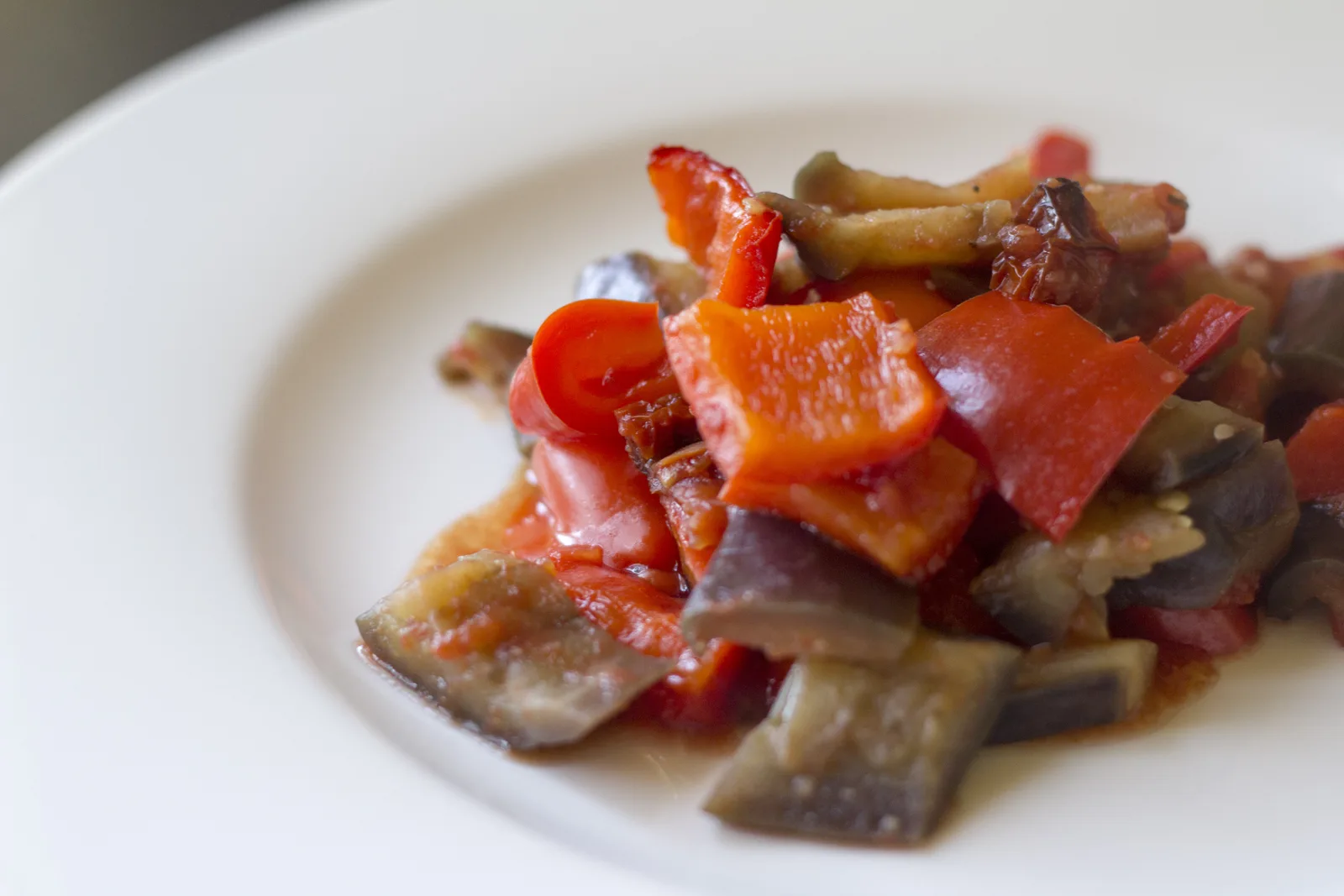
Sicilian caponata — fried eggplant, peppers and celery folded into a sweet-sour tomato sauce with green olives, capers and a splash of vinegar. It is cooked slowly, rested, and served at room temperature, when the agrodolce has had time to mellow. One serving is about 287 g.

Caponata is Sicily's sweet-sour vegetable dish, and its agrodolce — vinegar balanced with sugar — is the mark of the Arab influence on the island's cooking. Every Sicilian town makes its own version: Palermo leaves out the bell peppers, Catania (this recipe) keeps them in. It is always made ahead and served at room temperature, when the flavours have had time to settle.

Pairs well with: Grilled sourdough, a crisp white wine or a simple green salad.

Provenance

Italy flag Italy

Sicilian Agrodolce Classic

Mediterranean & Italy

Time Dedication

1h 10m

35m prep • 35m cook

Batch Yield

4 Servings

291 kcal per serving

1 serving ≈ 287 g

Technical Skill

Intermediate

Medium (Fry & Simmer)

Meal Timing & Digestive Fit

Breakfast

Not Advised

Lunch

Prime Metabolic Fit

Dinner

Ideal Hearty Main

Snack & Tea

Inappropriate

Occasions: Antipasto spreads, light lunches, summer picnics, make-ahead meals Cost: Low — about $2–3 per serving at home
Caponata with peppers served in a white bowl — glossy eggplant, tomato and celery in a sweet-sour sauce.

Sicilian Agrodolce Classic

Photo: Luca Nebuloni, CC BY 2.0, via Wikimedia Commons

The Heritage Formulary

Measured Ingredients

Estimated cost: Low — about $2–3 per serving at home (USD)

Fried eggplant, peppers and celery in a sweet-sour agrodolce with olives and capers, served at room temperature.

Execution Methodology & Culinary Technique

Step-by-Step Cooking Guide

Active 1h 10m
P

Prep Stage: Salt the Eggplant, Chop the Vegetables

35 Mins • Salting & Chopping

Cube and salt the eggplant first so it can drain for 20 minutes while you chop the peppers, celery and onion, rinse the capers and olives, and measure out the vinegar and sugar. Pat the eggplant dry before frying — wet cubes spit and steam.

Maestro Tip: Cut the eggplant into even 2 cm cubes so they fry at the same rate; small pieces burn before the big ones cook.

  1. 1

    Salt and drain the eggplant

    20 Mins No heat — room temperature, ~20°C (68°F)

    Toss the eggplant cubes with the salt in a colander set over a bowl. Leave for 20 minutes, then squeeze gently and pat dry with a clean cloth. This draws out bitterness and water so the eggplant fries instead of steaming.

    Do not rinse the salt off — the small amount left seasons the dish.

    Done when: Cubes dry to the touch, slightly darker, no liquid dripping.

  2. 2

    Fry the eggplant golden

    12 Mins Medium-high heat, ~180°C (350°F)

    Heat half the olive oil in a wide pan. Fry the eggplant in batches, in a single layer, for 3–4 minutes a side until golden. Lift out with a slotted spoon and drain on kitchen paper. Fry the pepper squares for 2 minutes in the same pan.

    Fry in batches — crowded eggplant steams grey instead of going golden.

    Done when: Eggplant golden and tender, not blackened; peppers softened but still bright.

  3. 3

    Build the tomato sauce

    15 Mins Medium heat, ~180°C (350°F), simmer ~95°C (200°F)

    In a clean pan, warm the remaining olive oil and cook the onion and celery for 5 minutes until soft. Stir in the tomato paste and cook 1 minute, then add the crushed tomatoes and simmer for 8–10 minutes until the sauce thickens.

    Cook the tomato paste until it darkens a shade — that is where the depth comes from.

    Done when: Sauce thick, glossy, and no longer watery.

  4. 4

    Fold in the agrodolce

    8 Mins Low simmer, ~95°C (200°F)

    Return the eggplant and peppers to the pan with the olives and capers. Stir the vinegar and sugar together, pour in, and simmer gently for 5–8 minutes so the flavours marry. Taste and adjust — it should be sweet, then sour, never just one.

    Add the vinegar at the very end of cooking so its edge survives.

    Done when: Vegetables coated in a glossy sauce, sweet-sour balance clear.

  5. 5

    Rest and serve

    10 Mins No heat — room temperature, ~20°C (68°F)

    Take the pan off the heat and rest for at least 10 minutes. Serve at room temperature, scattered with toasted pine nuts and torn basil, with bread for scooping.

    Caponata improves overnight — make it a day ahead and bring it to room temperature before serving.

    Done when: Lukewarm to room temperature, flavours mellowed.

Finishing Touches & Plating

Rest the caponata for at least 10 minutes before serving — ideally overnight in the fridge, brought back to room temperature. Scatter the pine nuts and basil over the top just before it goes to the table.

Nutritional Physiology & Benefits

Nutrition

Energy

291

kcal / serving

Protein

5g

Complete AA

Carbs

28g

Complex

Fats

20g

Healthy

Per serving (4 servings · 1 serving ≈ 287 g)
Energy291 kcal
Protein5 g
Carbohydrates28 g
Fat20 g
Fibre9.4 g
Sugar16.7 g
Sodium876 mg
Per 100g
Energy101 kcal
Protein1.8 g
Carbohydrates9.7 g
Fat7.1 g
Fibre3.3 g
Sugar5.8 g
Sodium305 mg

Nutrition values are estimated — calculated from USDA FoodData Central values for the listed ingredients.

Vitamins & minerals: Eggplant, peppers and celery supply vitamin C, potassium and folate; tomato paste concentrates lycopene; pine nuts add vitamin E and magnesium.

9.4 g Fibre per Serving

Eggplant, celery, onion and peppers bring about 9.4 g of fibre per serving, which slows digestion and keeps the dish satisfying for its calories.

Eggplant, Peppers & Celery

The vegetables add vitamin C, potassium and folate, and the tomato paste concentrates lycopene from the tomatoes.

Olive Oil & Olives

Olive oil and olives supply monounsaturated fats, the heart-friendly fats at the centre of the Mediterranean table.

Food Pairings

What to Eat With

To optimize nutrient absorption and elevate the sensory depth, pair with these authentic accompaniments:

Sides

Grilled Sourdough Bread

Grilled sourdough soaks up the sweet-sour sauce and gives the soft vegetables something to push against — the classic way to eat caponata.

Vegetables

Bitter Leaf Salad

A bitter leaf salad with lemon and olive oil refreshes the palate between spoonfuls of the rich, vinegary vegetables.

Drinks

Sicilian White Wine (Grillo)

A dry Sicilian white wine like Grillo matches the vinegar's acidity instead of fighting it, and its citrus notes lift the dish.

Full Menus

Caponata + Grilled Fish + Bread

Caponata, a piece of grilled fish and bread make a light Sicilian lunch — the fish adds protein while the caponata does the talking.

Complete menu

Caponata with grilled sourdough and a piece of grilled fish makes a light Sicilian lunch; it also works as an antipasto with cured meats and cheese.

Digestive Guardrails

What NOT to Combine

To prevent digestive distress, sluggishness, or palate clash, avoid pairing the dish with these elements:

Skipping the Salting Step

Unsalted eggplant stays bitter and drinks up oil, leaving a heavy, watery dish. Salt the cubes and drain them for 20 minutes first. This is general food information, not medical advice.

Adding the Vinegar Too Early

Vinegar added early in cooking evaporates before it can balance the sauce. Stir the vinegar and sugar in at the very end so the sweet-sour edge survives. This is general food information, not medical advice.

Serving It Piping Hot

Straight from the pan the flavours are sharp and separate; caponata needs at least 10 minutes of resting — ideally overnight — for the agrodolce to mellow and meld. This is general food information, not medical advice.

General information only, not medical advice — consult a doctor for personal dietary decisions.

Who Should Eat It

Who Should Eat

  • General adultsA light, flavourful lunch — about 291 kcal per serving, mostly vegetables with olive oil.
  • ChildrenSweet-sour and a little vinegary for young palates; serve a small portion with bread and go light on the capers.
  • ElderlySoft-cooked vegetables are easy to eat; serve at room temperature with bread for dipping.
  • Pregnant womenFine when made fresh and served the same day; the capers and olives are salty, so keep portions moderate.
  • Breastfeeding womenA vegetable-rich plate that adds variety; the olive oil and pine nuts bring healthy fats.
  • AthletesLight on protein at 5.2 g per serving — pair with grilled fish, beans or eggs to make a full recovery meal.
  • Weight gainLow in calories as written; serve with plenty of bread and extra pine nuts to make it more substantial.
  • Weight lossA strong choice — high fibre, big flavour, only 291 kcal a serving; use a little less oil and skip the pine nuts to go lower.

Health Conditions — Adjust or Avoid

Conditions

  • DiabetesAbout 27.8 g carbohydrate per serving, with 16.7 g natural and added sugars from the tomatoes and agrodolce; watch the bread you serve with it. Ask your clinician about portions.
  • High blood pressureSodium is about 876 mg per serving, mostly from the olives, capers and salt — rinse the capers and olives and halve the salt if you need to. Ask your clinician about portions.
  • Kidney diseaseTomatoes, eggplant and olives are high in potassium, so keep the portion modest if potassium is restricted. Ask your clinician about portions.
  • GoutVegetable-based and low in purines; the capers and olives are salty but not a purine concern. Ask your clinician about portions.
  • Stomach issuesVinegar, tomato and raw celery can irritate a sensitive stomach — use less vinegar and cook the celery very soft. Ask your clinician about portions.
  • Cardiovascular diseaseOlive oil and vegetables are a good fit; keep the pine nuts modest if you are watching total fat. Ask your clinician about portions.
  • Fatty liverA vegetable-heavy dish with healthy fats; use the lower end of the oil and serve with salad instead of bread. Ask your clinician about portions.
  • Food allergiesContains tree nuts (pine nuts) — leave them out for a nut allergy. Otherwise free of the common allergens.
  • Special therapeutic dietsVegan and gluten-free as written; serve with gluten-free bread if needed. Ask your clinician about portions.

If you have a medical condition, consult your doctor before changing your diet.

Storage & Use

Storage & Use

How to store
Cool completely, then store in a sealed container; keep the pine nuts and basil separate until serving.
In the fridge
Keeps 5 days in the fridge at 4°C (40°F) or below in a sealed container.
In the freezer
Freezes up to 3 months in a sealed container; thaw overnight in the fridge.
How to reheat
Warm gently in a pan over low heat until steaming, to 74°C (165°F), or serve at room temperature as tradition dictates.
Freezing recommended
Yes — it freezes well; add fresh basil after thawing.
Signs it has spoiled
Sour or yeasty smell, fizzing, or mould on the surface.

More recipes to explore

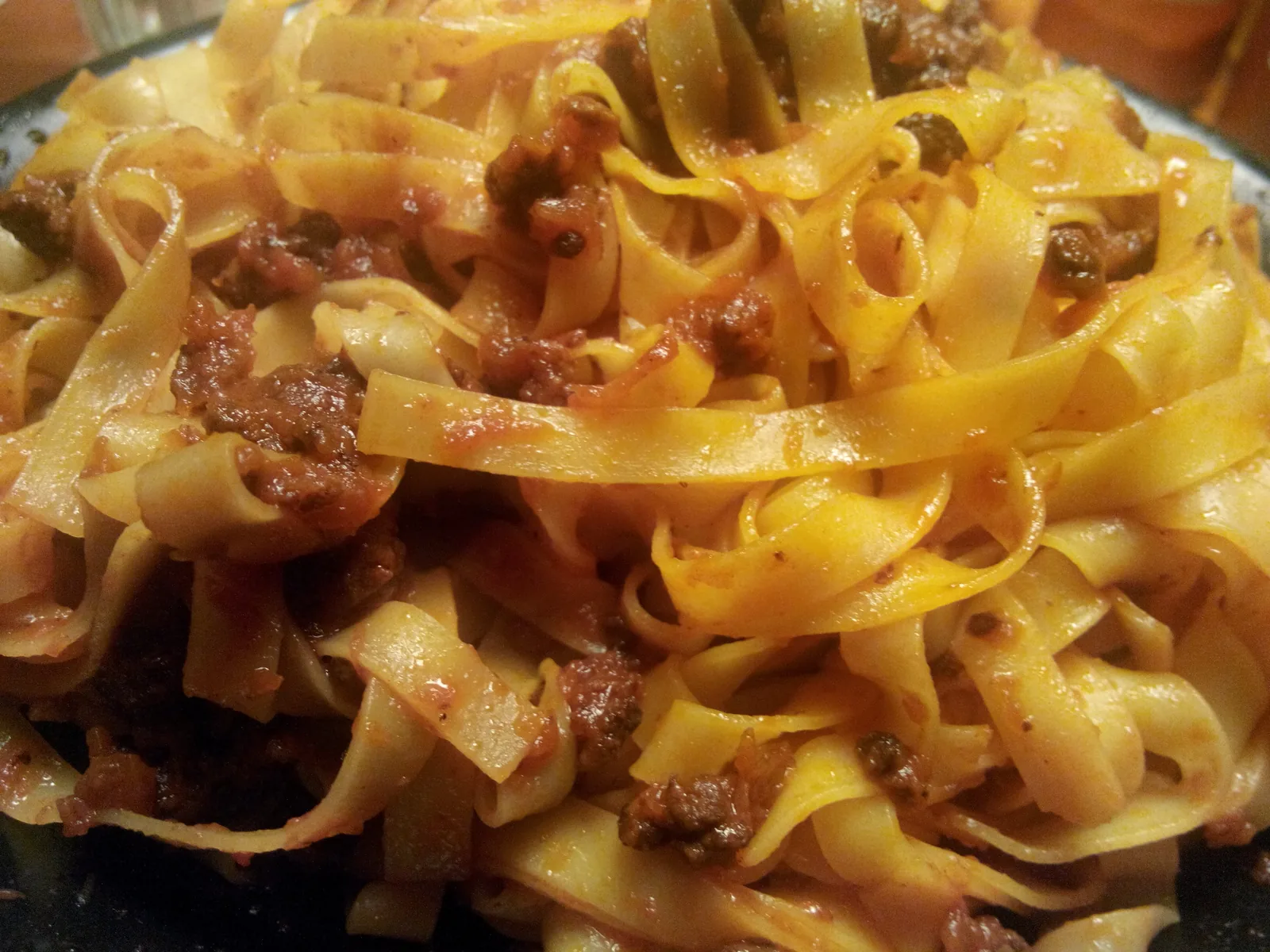
Tagliatelle al ragù Bolognese in a bowl with Parmigiano-Reggiano Italy flag Italy 4h 25m
Lunch •Emilia-Romagna

Tagliatelle al Ragù Bolognese

Slow-braised soffritto and coarse ground heritage meats layered over handmade egg yolk dough for mid-day stamina.

Lean Protein

Slow-simmered beef ragù tossed through fresh egg tagliatelle.

Pairs Well With
Bitter Radicchio & Aged Balsamico di Modena
Pasta & Noodles • High Protein
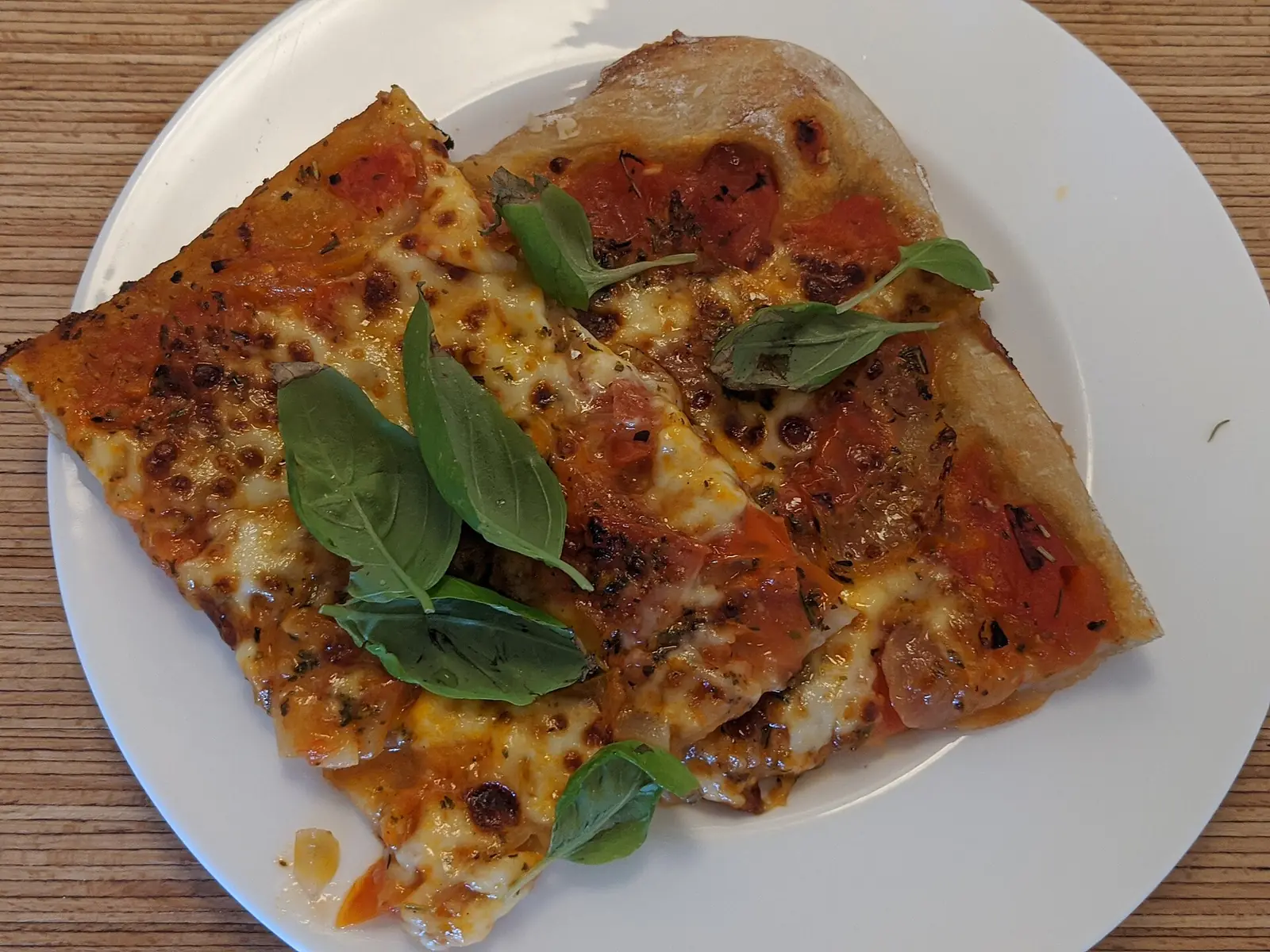
Two slices of pizza margherita with tomato, melted mozzarella and fresh basil on a white plate Italy flag Italy 45m
Dinner •Naples Classic

Pizza Margherita

This pizza margherita recipe makes a proper Neapolitan-style pizza at home: a soft, airy dough, San Marzano tomato sauce, fior di latte mozzarella and fresh basil. One serving is about 325 g — two slices.

Simple & Satisfying

Wood-fired-style pizza with tomato, fior di latte mozzarella and basil — three ingredients, done properly.

Pairs Well With
A simple green salad and a glass of Chianti or sparkling water
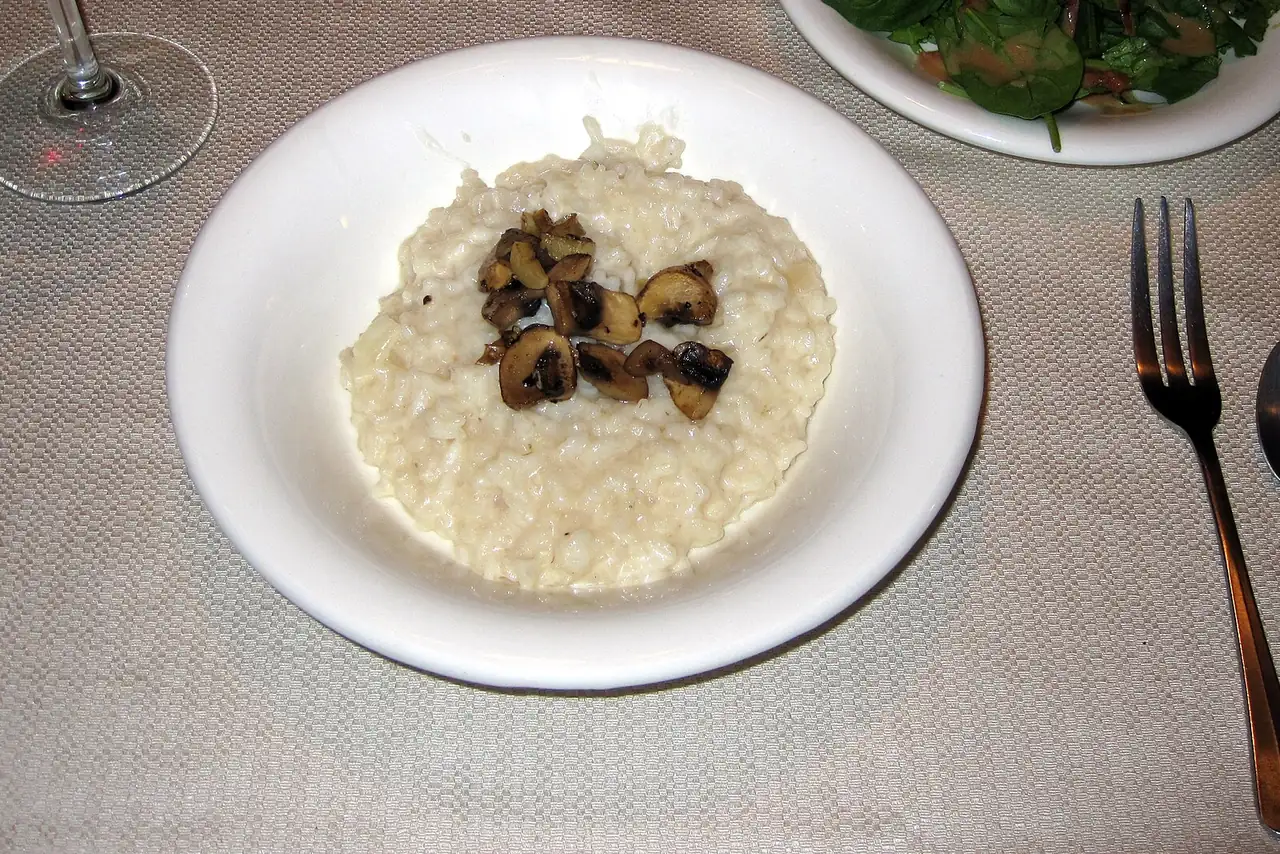
A bowl of creamy mushroom risotto topped with sautéed mushrooms, with a spinach salad beside it Italy flag Italy 50m
Dinner •Milanese Classic

Mushroom Risotto

This mushroom risotto recipe stirs Arborio rice slowly with hot stock, white wine and two kinds of mushrooms, then finishes it the Milanese way with cold butter and Parmesan. One serving is about 500 g.

Comfort & Warmth

Creamy Arborio rice, slowly stirred with mushrooms, white wine and Parmesan.

Pairs Well With
A rocket and Parmesan salad and a glass of dry white wine
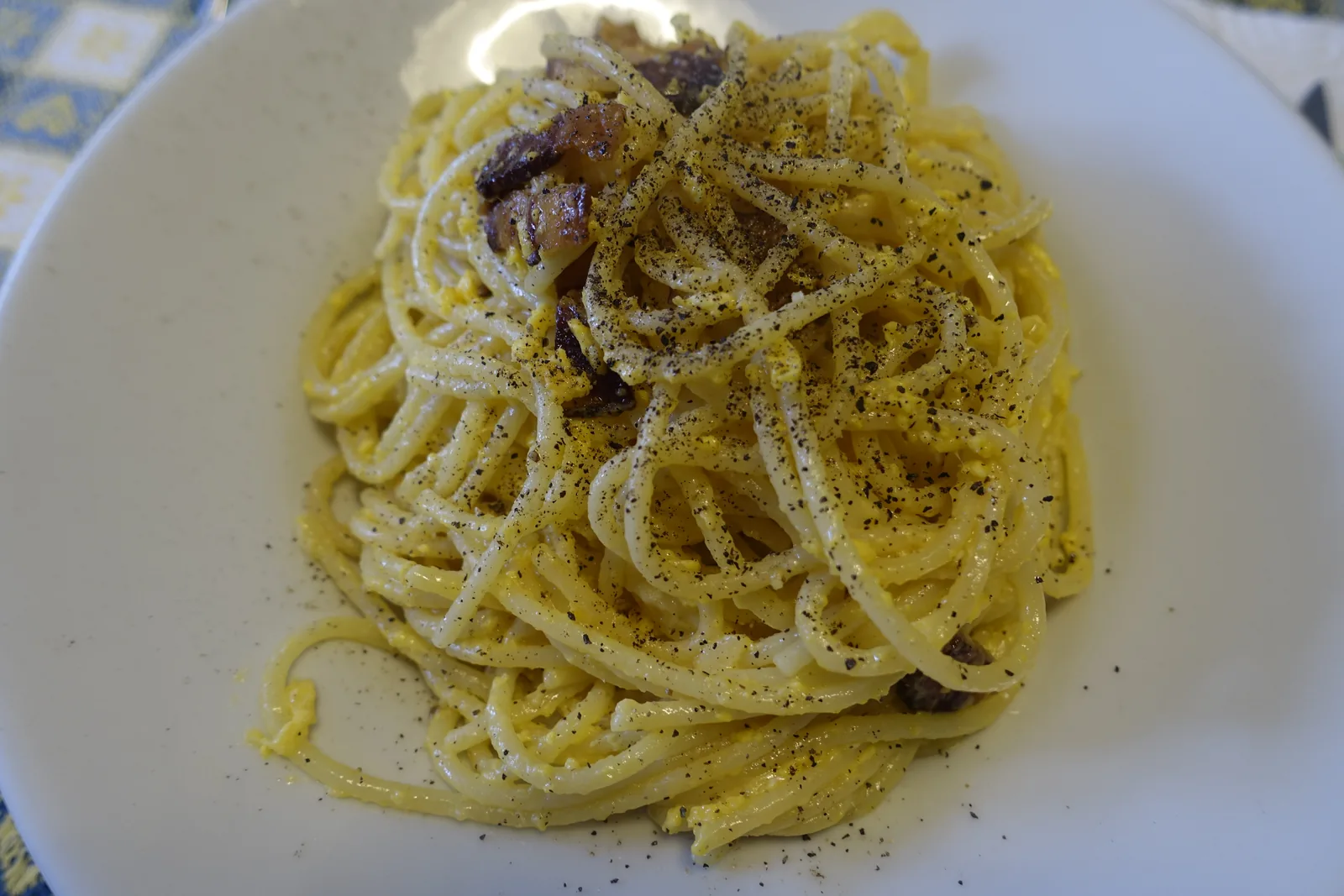
A plate of spaghetti carbonara with golden egg sauce, crisp guanciale and black pepper Italy flag Italy 30m
Dinner •Roman Classic

Spaghetti Carbonara

This spaghetti carbonara recipe is the Roman classic as it should be: spaghetti tossed with crisp guanciale, egg yolks, Pecorino Romano and black pepper — no cream, no bacon, no garlic. One serving is about 275 g. It takes 30 minutes, and the sauce comes together in the time the pasta cooks.

Comfort & Rich

Silky egg-and-cheese sauce over spaghetti with crisp guanciale and black pepper, ready in 30 minutes.

Pairs Well With
Pecorino Romano, black pepper & a crisp white wine
Pasta & Noodles • Quick Prep (<30m)

The Dinner Gazette

Never wonder what’s for dinner again

One email a week with easy dinner ideas from around the world — ingredients, steps and nutrition, tested in our kitchen first.

Delivered every Thursday morning. Unsubscribe anytime.