Curated recipes from 193 countries  •  New seasonal Mediterranean issue out now

Overview

Chao Tom (Sugarcane Shrimp)

Sugarcane Shrimp, Chao Tom Hue

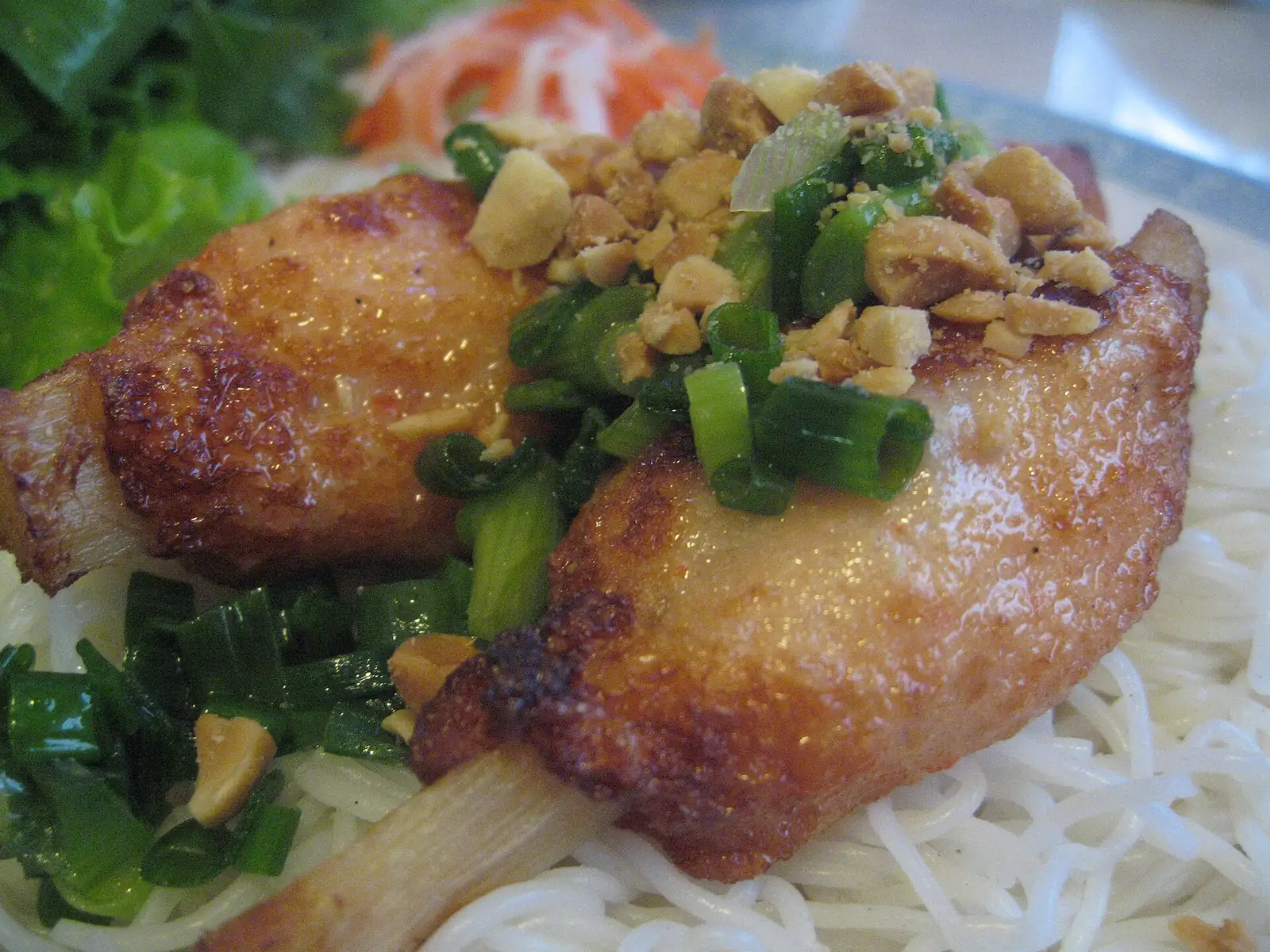
This chao tom recipe pounds raw shrimp with a little pork, garlic and fish sauce into a springy paste, moulds it onto sugarcane sticks and grills it until golden. It is served over rice vermicelli with scallion oil, crushed peanuts, pickles and nuoc cham for dipping. One serving is about 355 g.

Chao tom is one of Hue's most famous dishes, from the old imperial city in central Vietnam. Shrimp paste is pressed onto sticks of sugarcane — the cane perfumes the shrimp as it grills and gives you a handle to eat it with — and the dish is a fixture of Hue's markets and family meals, usually wrapped in rice paper with herbs or served over vermicelli.

Pairs well with: Rice vermicelli, pickled carrot and daikon, nuoc cham

Provenance

Vietnam flag Vietnam

Hue Street Classic

East & South Asia

Time Dedication

40m

25m prep • 15m cook

Batch Yield

4 Servings

496 kcal per serving

1 serving ≈ 355 g

Technical Skill

Intermediate

Medium (Paste + Grill)

Meal Timing & Digestive Fit

Breakfast

Not Advised

Lunch

Prime Metabolic Fit

Dinner

Ideal Hearty Main

Snack & Tea

Inappropriate

High Protein Occasions: Weekend lunch, Vietnamese family meal, barbecue with friends Cost: Medium — about $5–6 per serving at home
Two golden grilled chao tom shrimp-paste sticks on sugarcane over rice vermicelli, topped with crushed peanuts and scallion oil

Hue Street Classic

Photo: SauceSupreme, CC BY 2.0, via Wikimedia Commons

The Heritage Formulary

Measured Ingredients

Estimated cost: Medium — about $5–6 per serving at home (USD)

The paste is pounded until springy and grilled over medium heat, so the outside turns golden while the inside stays juicy.

Execution Methodology & Culinary Technique

Step-by-Step Cooking Guide

Active 40m
P

Prep Stage: Pound the Paste and Mix the Sauces

25 Mins • Pound + Mix

Pat the 500 g shrimp very dry, then pound or blitz them with the 80 g pork, 10 g garlic, 20 g spring onion whites, 10 g sugar, 15 g fish sauce, 2 g salt, 1 g white pepper, 10 g cornstarch and 5 g sesame oil until the paste is smooth, sticky and springy. While it chills, mix the nuoc cham from the 30 g fish sauce, 30 g lime juice, 15 g sugar, 60 ml water, 5 g garlic and 5 g chilli, and pickle the carrot and daikon in the 20 g rice vinegar with 8 g sugar. Cook the 200 g vermicelli and make the scallion oil by pouring hot oil over the 40 g sliced spring onions.

Maestro Tip: Dry shrimp and a cold bowl are the secret — a wet, warm paste will never turn springy.

  1. 1

    Pound the Shrimp Paste

    10 Mins Room temperature, about 20°C (68°F)

    Pound the 500 g shrimp in a mortar, or blitz in short pulses in a food processor, until smooth. Add the 80 g pork, 10 g garlic, 20 g spring onion whites, 10 g sugar, 15 g fish sauce, 2 g salt, 1 g white pepper, 10 g cornstarch and 5 g sesame oil, and pound or pulse again until the paste is sticky and springs back when pressed. Chill for 15 minutes.

    Stop while it is still slightly coarse — over-blitzed paste turns rubbery.

    Done when: A smooth, sticky paste that holds its shape and springs back when pressed.

  2. 2

    Mould onto the Sugarcane

    5 Mins Room temperature, about 20°C (68°F)

    Wet your hands, take a ball of paste about the size of a small egg, and press it around the top two-thirds of a sugarcane stick, shaping it into a smooth oval about 8 cm long. Repeat for all 8 sticks. The paste should be about 1.5 cm thick so it grills through evenly.

    Wet hands stop the paste sticking to your fingers instead of the cane.

    Done when: Eight smooth, even ovals of paste on the cane, no thin spots.

  3. 3

    Grill Until Golden

    10 Mins Medium heat, about 180°C (350°F)

    Grill the sticks over medium heat — a barbecue, a grill pan or the oven grill — turning every 2–3 minutes, for 8–10 minutes until the paste is golden brown outside and opaque white all the way through. Shrimp is safe at 63°C (145°F); the paste should feel firm and springy, not soft.

    Medium heat, not high — the sugar in the paste burns fast on fierce heat.

    Done when: Golden-brown outside, white and firm inside, smelling sweet and smoky.

  4. 4

    Cook the Vermicelli and Make the Toppings

    5 Mins Boiling water, 100°C (212°F)

    While the sticks grill, cook the 200 g vermicelli per the packet, drain and divide between four bowls. Heat the 15 g vegetable oil until shimmering and pour it over the 40 g sliced spring onions to make scallion oil. Have the pickles, 30 g crushed peanuts and nuoc cham ready.

    Rinse the cooked vermicelli in cold water so it does not clump.

    Done when: Loose, cool vermicelli; sizzling scallion oil; pickles and sauce within reach.

  5. 5

    Serve Over Vermicelli

    5 Mins Serving temperature, about 60°C (140°F)

    Lay two grilled sticks on each bowl of vermicelli, spoon over the scallion oil, scatter the pickles and crushed peanuts, and put the nuoc cham on the side for dipping and pouring. Eat by sliding the shrimp paste off the cane with chopsticks — the cane itself is not eaten.

    Serve at once while the sticks are hot and the vermicelli is cool — the contrast is the point.

    Done when: Hot golden sticks on cool noodles, peanuts and scallion oil on top, nuoc cham on the side.

Finishing Touches & Plating

Serve the sticks hot over the cool vermicelli with the nuoc cham on the side, and slide the shrimp paste off the cane with chopsticks — the cane is a handle and a perfume, not food.

Nutritional Physiology & Benefits

Nutrition

Energy

496

kcal / serving

Protein

35g

Complete AA

Carbs

60g

Complex

Fats

14g

Healthy

Per serving (4 servings · 1 serving ≈ 355 g)
Energy496 kcal
Protein35 g
Carbohydrates60 g
Fat14 g
Fibre2.7 g
Sugar10.7 g
Sodium1135 mg
Per 100g
Energy140 kcal
Protein9.8 g
Carbohydrates16.9 g
Fat3.9 g
Fibre0.8 g
Sugar3 g
Sodium320 mg

Nutrition values are estimated — calculated from USDA FoodData Central values for the listed ingredients.

Vitamins & minerals: Provides vitamin B12 and selenium from the shrimp, vitamin C from the lime and pickles, and vitamin A from the carrot.

High in Protein

About 34.7 g of protein per serving from the shrimp and pork, so this is a filling lunch that keeps you going.

Grilled, Not Fried

Grilling the shrimp paste keeps the fat low — about 14 g per serving — while the sugarcane adds sweetness without extra sugar.

Fresh Herbs and Pickles

The pickled carrot and daikon, lime and fresh chilli bring vitamin C and crunch that balance the rich shrimp paste.

Food Pairings

What to Eat With

To optimize nutrient absorption and elevate the sensory depth, pair with these authentic accompaniments:

Vegetables

Fresh Herbs and Lettuce

Mint, coriander and lettuce are the classic fresh wrap for chao tom — they cool the grilled paste and add crunch.

Sides

Rice Paper Wraps

Softened rice paper lets you roll the shrimp paste with herbs and pickles into a hand-held parcel, the Hue way to eat it.

Soups

Light Vegetable Soup

A clear, light soup on the side keeps the meal balanced without doubling the richness of the shrimp paste.

Drinks

Iced Tea with Lime

Cold unsweetened tea with lime cuts through the sweet-savoury paste and the salty nuoc cham.

Complete menu

Serve two chao tom sticks per person over rice vermicelli with pickles and nuoc cham, plus a plate of fresh herbs and a light vegetable soup for a complete Hue-style lunch.

Digestive Guardrails

What NOT to Combine

To prevent digestive distress, sluggishness, or palate clash, avoid pairing the dish with these elements:

Eating the Sugarcane Stick

The cane is a skewer and a flavouring — it is tough, fibrous and not meant to be eaten. Slide the paste off with chopsticks. This is general food information, not medical advice.

Undercooked Shrimp Paste

The paste must be opaque white and firm all the way through — raw shrimp in the centre carries a food-safety risk. This is general food information, not medical advice.

General information only, not medical advice — consult a doctor for personal dietary decisions.

Who Should Eat It

Who Should Eat

  • General adultsA filling lunch with about 34.7 g of protein per serving — enjoy two sticks with vermicelli and pickles.
  • ChildrenChildren love the sugarcane handle, but the paste must be cooked right through and the chilli kept out of their portion — and check for shellfish and peanut allergy first.
  • ElderlySoft, easy-to-chew paste suits older eaters; serve the sticks warm and the noodles cool.
  • Pregnant womenFine when the shrimp paste is cooked right through; keep the nuoc cham moderate, as it is salty. Ask your clinician about portions.
  • Breastfeeding womenA protein-rich lunch; one serving with vermicelli is plenty. Ask your clinician about portions.
  • AthletesAbout 34.7 g of protein and 496 kcal per serving make it good recovery food — serve with a full portion of vermicelli.
  • Weight gainAt about 496 kcal with plenty of protein it suits weight gain when served with a full portion of noodles.
  • Weight lossAt about 496 kcal a serving it can fit a weight-loss plan — keep the nuoc cham light and load the bowl with pickles and herbs.

Health Conditions — Adjust or Avoid

Conditions

  • DiabetesThe vermicelli is the main carbohydrate at about 59.9 g per serving — keep to one serving and ask your clinician about portion size.
  • High blood pressureAbout 1,135 mg of sodium per serving, mostly from the fish sauce in the paste and the nuoc cham — use the sauce sparingly. Ask your clinician.
  • Kidney diseaseHigh in protein and fairly salty, so keep to one serving and watch the salt. Ask your clinician about portions.
  • GoutShrimp contributes purines, so keep to one modest serving and drink water with the meal. Ask your clinician.
  • Stomach issuesGrilled and served with cool noodles and pickles, it is usually gentle — but the chilli in the nuoc cham can irritate a sensitive stomach, so leave it out if needed. Ask your clinician.
  • Cardiovascular diseaseLow in fat and high in protein, which suits a heart-friendly meal — the sodium is the part to watch. Ask your clinician.
  • Fatty liverAbout 14 g of fat per serving and grilled, not fried, so it fits a liver-friendly meal well. Ask your clinician.
  • Food allergiesContains shellfish (shrimp) and peanuts — two major allergens. Anyone allergic to shrimp or peanuts must not eat it.
  • Special therapeutic dietsHigh in protein with shellfish and peanut allergens and a salty sauce — check all three against your diet plan and ask your clinician.

If you have a medical condition, consult your doctor before changing your diet.

Storage & Use

Storage & Use

How to store
Cool the grilled sticks, then store in a sealed container in the fridge; keep the vermicelli, pickles and nuoc cham separate.
In the fridge
Grilled sticks 2 days; cooked vermicelli 2 days; nuoc cham 1 week.
In the freezer
The raw paste freezes well for 1 month; grilled sticks freeze for 2 weeks but dry out.
How to reheat
Grill or pan-fry the sticks for 3–4 minutes until hot all the way through, to 74°C (165°F); serve over freshly cooked vermicelli.
Freezing recommended
Yes for the raw paste, up to 1 month — mould it onto the cane after thawing.
Signs it has spoiled
Sour or fishy smell, slimy paste, or vermicelli that smells musty.

More recipes to explore

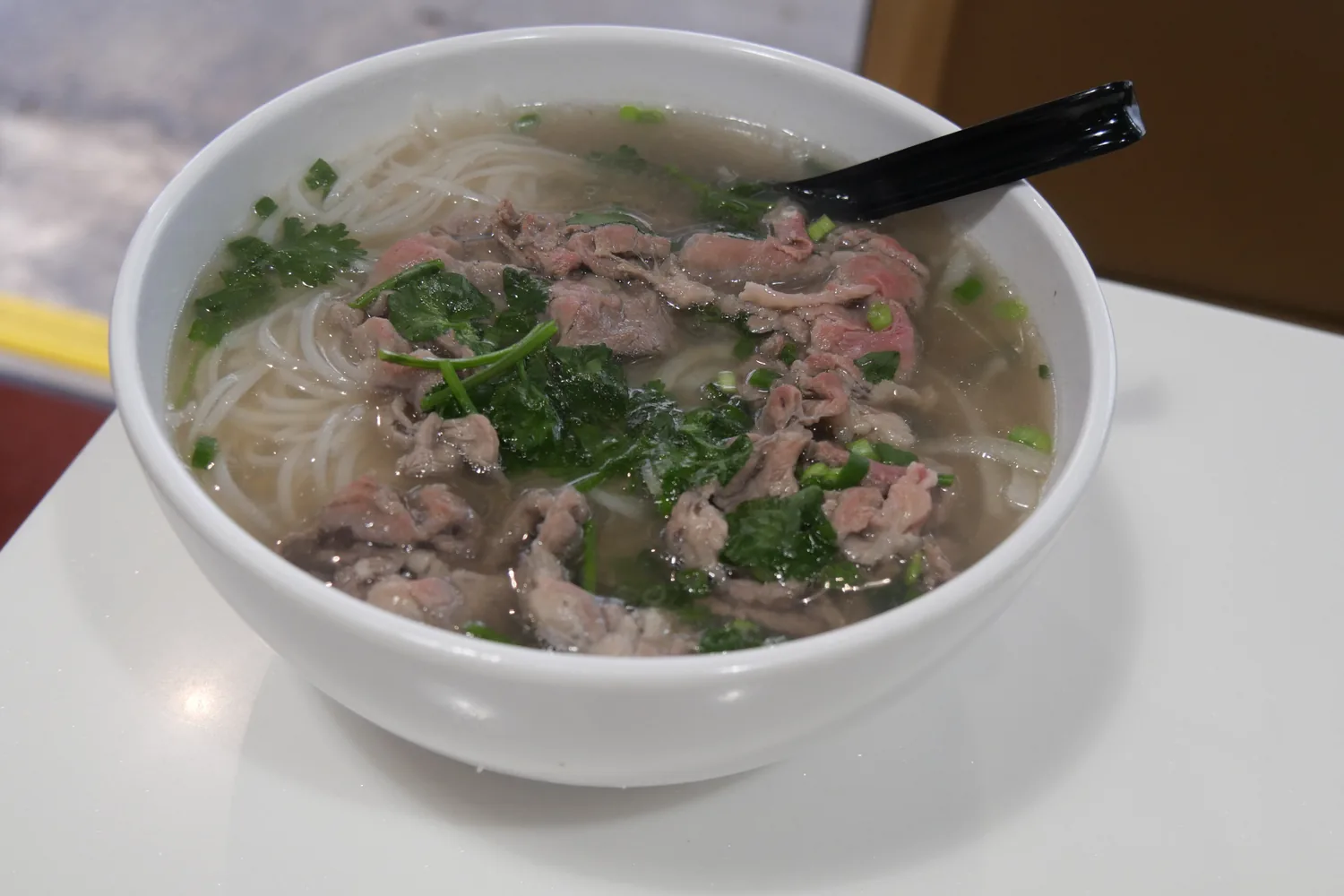
A bowl of Vietnamese phở bò with rare beef, rice noodles and fresh herbs Vietnam flag Vietnam 3h 30m
Breakfast •Hanoi Heritage

Phở Bò Tái Nạm

Slow-simmered star anise and cinnamon bone broth with hand-cut rice noodles, supplying clean restorative warmth and collagen. One serving is about 775 g.

Immunity & Warming

Slow-simmered bone broth with rice noodles, rare beef and fresh herbs.

Pairs Well With
Crispy quẩy, fresh lime & sawtooth coriander
Soups & Broths • High Protein
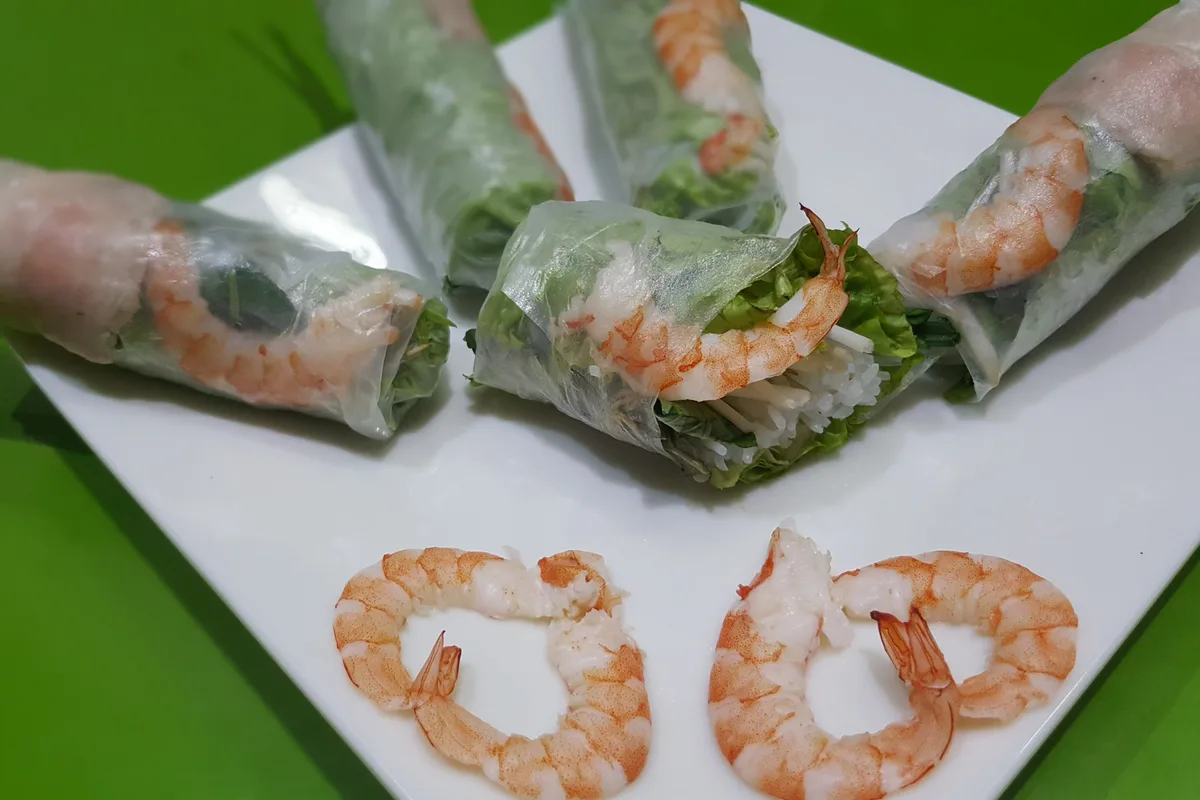
Gỏi cuốn — Vietnamese fresh spring rolls with prawn and pork Vietnam flag Vietnam 1h 5m
Snack & Tea •Saigon Refresh

Gỏi Cuốn Tôm Thịt

Fresh rice paper rolls filled with poached prawns, tender pork, rice vermicelli, lettuce, herbs and carrot, served with a peanut dipping sauce.

Light Digestion

Nothing is fried, so the rolls stay light and fresh — a cool, herb-filled snack for hot days.

Pairs Well With
Artisanal Peanut Dip & Fresh Lotus Root Water
High Protein
Vietnamese braised pork belly with golden eggs in caramel sauce Vietnam flag Vietnam 1h 45m
Dinner •One Pot

Vietnamese Braised Pork and Eggs

Pork belly slowly braised in coconut water and caramel until meltingly tender, with golden eggs that soak up the sweet-savoury sauce — the Vietnamese family dish that tastes better the next day.

Comfort & Sustained Energy

Slow-braised pork belly and eggs in coconut water and caramel.

Pairs Well With
Steamed rice & pickled mustard greens
High Protein
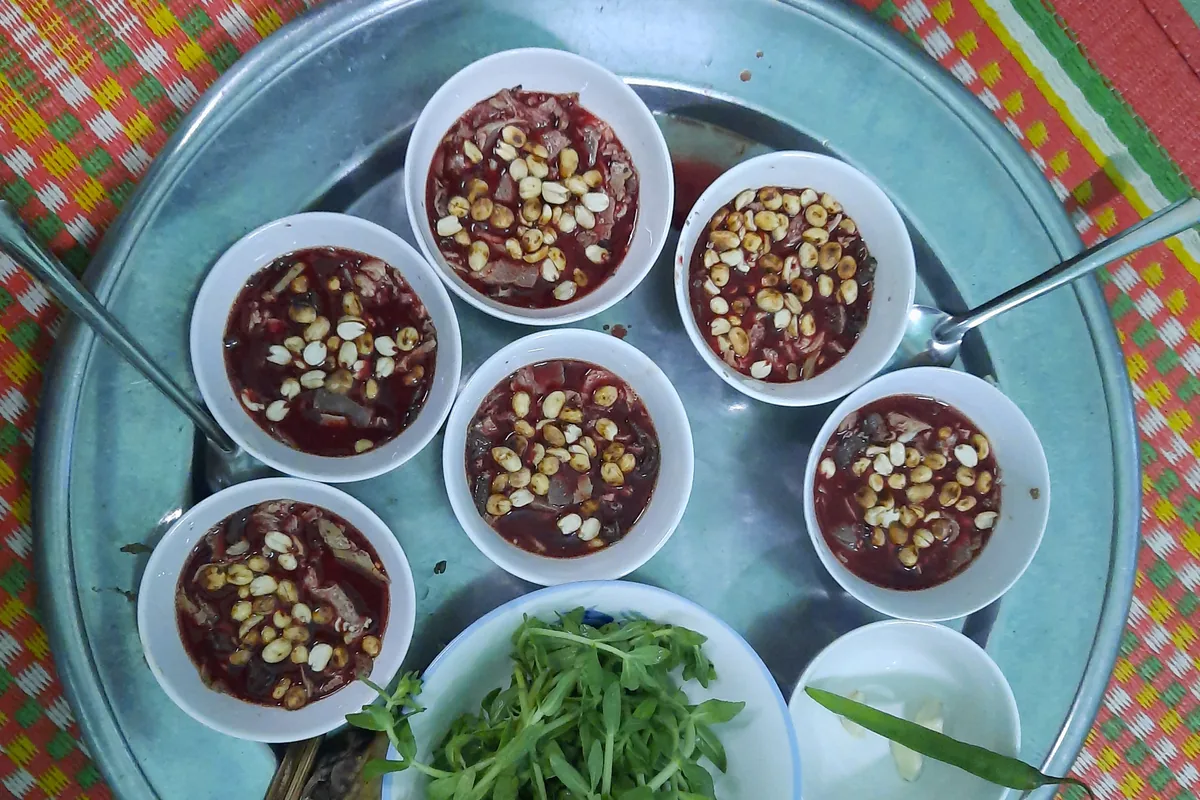
Six small bowls of Vietnamese duck blood pudding topped with roasted peanuts, with fresh herbs and a green chili on a metal tray Vietnam flag Vietnam 1h 10m
Snack & Tea •Hanoi Heritage

Vietnamese Tiết Canh

WARNING: This dish is made from raw duck blood and eating it is NOT recommended. Raw blood can carry Streptococcus suis (which causes meningitis and sepsis — people in Vietnam have died after eating pig-blood tiet canh), avian influenza from duck blood, salmonella and other dangerous germs. Vietnam's Ministry of Health advises against eating tiet canh, and no preparation method — not even blood from a fresh or trusted source — makes raw blood fully safe. This page describes the traditional Hanoi preparation, tiết canh vịt, for cultural knowledge only. One serving is about 241 g: a small bowl of fresh duck blood mixed with fish sauce, poured over finely chopped cooked duck meat and left to set into a soft, trembling jelly, then finished with crushed roasted peanuts, fresh herbs, lime and chili, and served cold.

Cultural Discovery

A traditional northern Vietnamese snack of raw duck blood set into a soft jelly with cooked duck meat, herbs and peanuts — described here for cultural knowledge, with a serious safety warning.

Pairs Well With
Fresh herbs, lime wedges, sliced chili and rice crackers on the side.

The Dinner Gazette

Never wonder what’s for dinner again

One email a week with easy dinner ideas from around the world — ingredients, steps and nutrition, tested in our kitchen first.

Delivered every Thursday morning. Unsubscribe anytime.