Curated recipes from 193 countries  •  New seasonal Mediterranean issue out now

Overview

Dulce de Guayaba

Guava Paste, Pasta de Guayaba, Goiabada, Bocadillo de Guayaba

This dulce de guayaba recipe turns ripe guavas into a firm, glossy paste the Paraguayan way: the fruit is simmered soft, blended and sieved, then cooked low and slow with sugar, lemon and vanilla until it holds its shape and slices cleanly. One serving is about 100 g, a thick slice of paste, and carries 306 calories. Serve it with cheese, spread it on toast, or cut it into cubes to eat on its own.

Dulce de guayaba is the guava paste of Paraguay and the wider Rio de la Plata region, made when guavas are plentiful and too soft to eat fresh. The fruit is cooked, sieved and reduced with sugar until it sets into a firm, sliceable block — the same paste Brazilians call goiabada and Colombians call bocadillo. In Paraguay it is most often eaten with cheese, the sweet paste against salty, mild queso Paraguay, or cut into cubes and served with coffee. It keeps for weeks once set, which is why it became a pantry staple in guava season.

Pairs well with: Sliced cheese, especially a mild white cheese, and crackers.

Provenance
Paraguay flag Paraguay

Paraguayan Heritage

Latin America & Caribbean

Time Dedication

2h

30m prep • 90m cook

Batch Yield

12 Servings

306 kcal per serving

1 serving ≈ 100 g

Technical Skill

Intermediate

Medium (Slow Reduction)

Meal Timing & Digestive Fit

Breakfast

Not Advised

Lunch

Inappropriate

Dinner

Inappropriate

Snack & Tea

Ideal Light Bite

Occasions: Afternoon snacks, family gatherings, holiday sweet tables, with cheese and coffee Cost: Low — about $1–2 per serving at home

A glossy deep-red triangular slice of firm guava paste on a white plate

Paraguayan Heritage

Photo: Voton, CC BY-SA 3.0, via Wikimedia Commons

The Heritage Formulary

Measured Ingredients

Estimated cost: Low — about $1–2 per serving at home (USD)
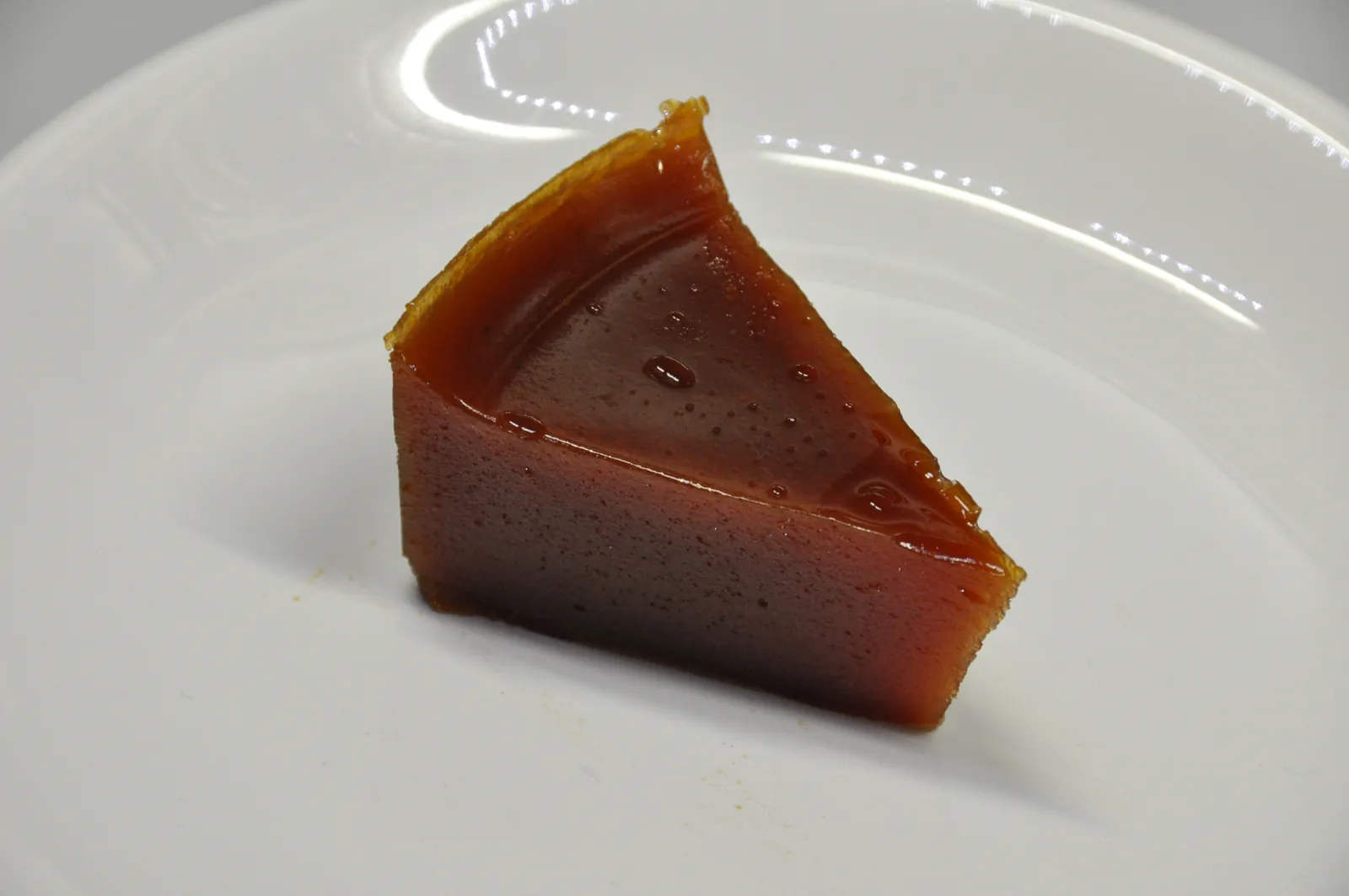
Made the Paraguayan way: simmered guavas, sieved puree, slow reduction until the paste holds a spoon line.

Execution Methodology & Culinary Technique

Step-by-Step Cooking Guide

Active 2h
P

Prep Stage: Guavas & Puree

30 Minutes • Simmering & Sieving

Simmer the guavas in water until soft, blend, then press through a sieve to a smooth, seedless puree before the sugar goes in.

Maestro Tip: Taste the puree before adding sugar: very ripe guavas need less.

  1. 1

    Simmer the Guavas

    25 Mins Simmering, about 100°C (212°F)

    Put the guava chunks and water in a large pot, bring to the boil, then simmer covered for 25 minutes until the fruit is soft enough to crush against the side of the pot.

    Keep the pot covered so the water does not boil away.

    Done when: Guavas soft and breaking apart.

  2. 2

    Blend & Sieve

    10 Mins Room temperature

    Blend the hot guavas with a little of their cooking liquid until smooth, then press the puree through a fine sieve, discarding the seeds and skins. You should have about 750 g of smooth puree.

    Press firmly with a spoon: the puree is what sets, the seeds are not.

    Done when: About 750 g of smooth, seedless puree.

  3. 3

    Add Sugar, Lemon & Vanilla

    5 Mins Room temperature

    Return the puree to a clean pot and stir in the sugar, lemon juice and vanilla until the sugar dissolves.

    Use a clean pot: any scorched bits from the first cooking will darken the paste.

    Done when: Sugar dissolved, puree smooth and glossy.

  4. 4

    Cook Low & Slow

    60 Mins Low heat, about 90°C (195°F)

    Cook the puree on low heat, stirring constantly with a wooden spoon, for about 60 minutes, until it is thick and pulls away from the bottom and sides of the pot. The paste is ready when a spoon drawn across the bottom leaves a clean line that holds for a few seconds.

    Do not walk away: the paste scorches easily once it thickens.

    Done when: Thick paste that pulls away from the pot and holds a spoon line.

  5. 5

    Mould & Set

    10 Mins + 4 Hours Setting Room temperature

    Brush the mould lightly with oil, pour in the hot paste and smooth the top. Leave to cool, then chill for at least 4 hours until firm enough to slice.

    A loaf tin lined with baking paper makes the paste easy to lift out.

    Done when: Firm to the touch, holding its shape.

  6. 6

    Slice & Serve

    5 Mins Serve at room temperature

    Turn the paste out of the mould and slice it with a damp knife. Serve with cheese, on toast, or cut into cubes to eat on its own.

    Wipe the knife between cuts for clean slices.

    Done when: Clean slices, glossy and firm.

Finishing Touches & Plating

Serve the paste sliced with a mild white cheese, or cut into cubes for a sweet bite with coffee.

Nutritional Physiology & Benefits

Nutrition

Energy

306

kcal / serving

Protein

2g

Complete AA

Carbs

76g

Complex

Fats

1g

Healthy

Per serving (12 servings · 1 serving ≈ 100 g)
Energy306 kcal
Protein2 g
Carbohydrates76 g
Fat1 g
Fibre3.4 g
Sugar72.2 g
Sodium1 mg
Per 100g
Energy306 kcal
Protein1.6 g
Carbohydrates75.7 g
Fat1 g
Fibre3.4 g
Sugar72.2 g
Sodium1 mg

Nutrition values are estimated — calculated from USDA FoodData Central values for the listed ingredients.

Vitamins & minerals: Guavas bring vitamin C and potassium, and the paste keeps a little of the fruit's fibre.

Real Fruit, Nothing Added

Guavas, sugar, lemon and vanilla: the paste sets on the fruit's own pectin, with no gelatin or preservatives.

Vitamin C from Guavas

Guavas are rich in vitamin C, and a slice of paste still carries some of it.

A Little Goes Far

The paste is intensely flavoured, so one 100 g slice is a satisfying sweet bite.

Food Pairings

What to Eat With

To optimize nutrient absorption and elevate the sensory depth, pair with these authentic accompaniments:

Sides

Mild White Cheese

A mild white cheese balances the paste's sweetness with salt and creaminess — the classic Paraguayan pairing.

Crackers

Plain crackers give crunch and a neutral base that lets the guava flavour stand out.

Drinks

Black Coffee

A small cup of black coffee cuts the sweetness and turns the paste into an afternoon treat.

Full Menus

Snack Plate

A full Paraguayan snack plate — toast, butter, guava paste and cheese, with coffee on the side — makes the paste the centre of the table.

Complete menu

Serve slices of the paste with mild white cheese, crackers and black coffee for a classic Paraguayan afternoon snack.

Digestive Guardrails

What NOT to Combine

To prevent digestive distress, sluggishness, or palate clash, avoid pairing the dish with these elements:

Storing It Warm & Damp

Warmth and moisture invite mould; keep the paste cool, dry and wrapped. This is general food information, not medical advice.

Eating the Whole Block

The paste is almost entirely sugar, so a thick slice is plenty; the rest keeps for weeks in the fridge. This is general food information, not medical advice.

General information only, not medical advice — consult a doctor for personal dietary decisions.

Who Should Eat It

Who Should Eat

  • General adultsA sweet slice with cheese makes a fine afternoon snack for most adults.
  • ChildrenChildren love the sweet, fruity paste; one small slice is plenty because of the sugar.
  • ElderlySoft and easy to eat, with no chewing trouble; keep the slice small if sugar is a concern.
  • Pregnant womenSafe to eat in small amounts; the high sugar means one slice, not several. Ask your clinician about portions.
  • Breastfeeding womenA quick sweet bite for energy; pair it with cheese so it is more filling.
  • AthletesFast carbohydrate for energy after training; pair with cheese for some protein.
  • Weight gainEnergy-dense and easy to eat, which helps when more calories are needed.
  • Weight lossOne thin slice with cheese is the lighter choice; the paste is almost all sugar.

Health Conditions — Adjust or Avoid

Conditions

  • DiabetesThe paste is almost entirely sugar, so keep to a thin slice and pair it with cheese. Ask your clinician about portions.
  • High blood pressureThe paste itself is very low in salt; the cheese on the side adds most of the sodium. Ask your clinician about portions.
  • Kidney diseaseGuavas add potassium, so keep portions small and ask your clinician about portions.
  • GoutFruit paste is low in purines; the sugar is the main concern, so keep to one slice. Ask your clinician about portions.
  • Stomach issuesThe paste is smooth and gentle, but the sugar can be sharp on an empty stomach; eat it with cheese. Ask your clinician about portions.
  • Cardiovascular diseaseFat-free and low in salt, but very high in sugar; one thin slice fits better than a thick one. Ask your clinician about portions.
  • Fatty liverThe high sugar load makes this a small-portion food; one thin slice with cheese is enough. Ask your clinician about portions.
  • Food allergiesFree from gluten, dairy, egg and nuts as made here. Check the cheese served with it for dairy. Ask your clinician about allergies.
  • Special therapeutic dietsEasy to adapt: use less sugar for a softer, spoonable paste, or serve a smaller slice. Ask your clinician about portions.

If you have a medical condition, consult your doctor before changing your diet.

Storage & Use

Storage & Use

How to store
Cool completely, wrap tightly in baking paper and foil.
In the fridge
Keeps 3–4 weeks in the fridge at 4°C (40°F) or below.
In the freezer
Freezes up to 3 months; thaw in the fridge.
How to reheat
No reheating needed; bring to room temperature before serving.
Freezing recommended
Yes — in portions.
Signs it has spoiled
Mould, sour smell, or a sticky, weeping surface.

More recipes to explore

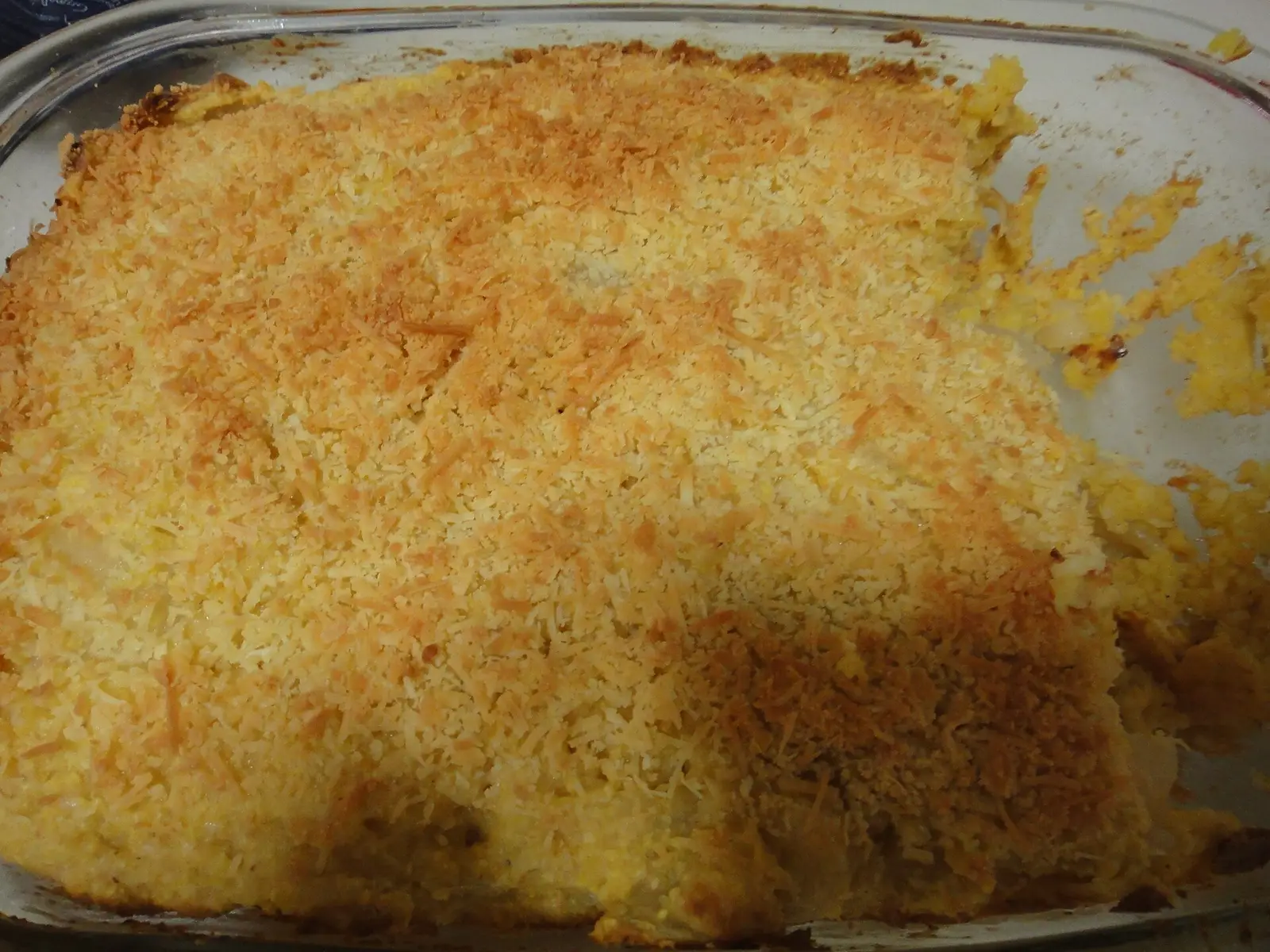
A golden baked sopa paraguaya cornmeal and cheese cake in a glass baking dish with one square cut out Paraguay flag Paraguay 1h 5m
Lunch •Asunción Heritage

Sopa Paraguaya

This sopa paraguaya recipe turns cornmeal, salty Paraguay cheese, onion, milk and eggs into a golden, spongy cake that slices like bread. Despite the name — sopa means soup — there is no broth here: the dish is solid, rich and meant to be cut into squares. One serving is about 180 g.

Comfort & Warmth

A golden, spongy cornmeal and cheese cake — Paraguay’s national dish, baked until the top is crisp and the inside stays soft.

Pairs Well With
Warm squares with grilled meat or a bowl of soup
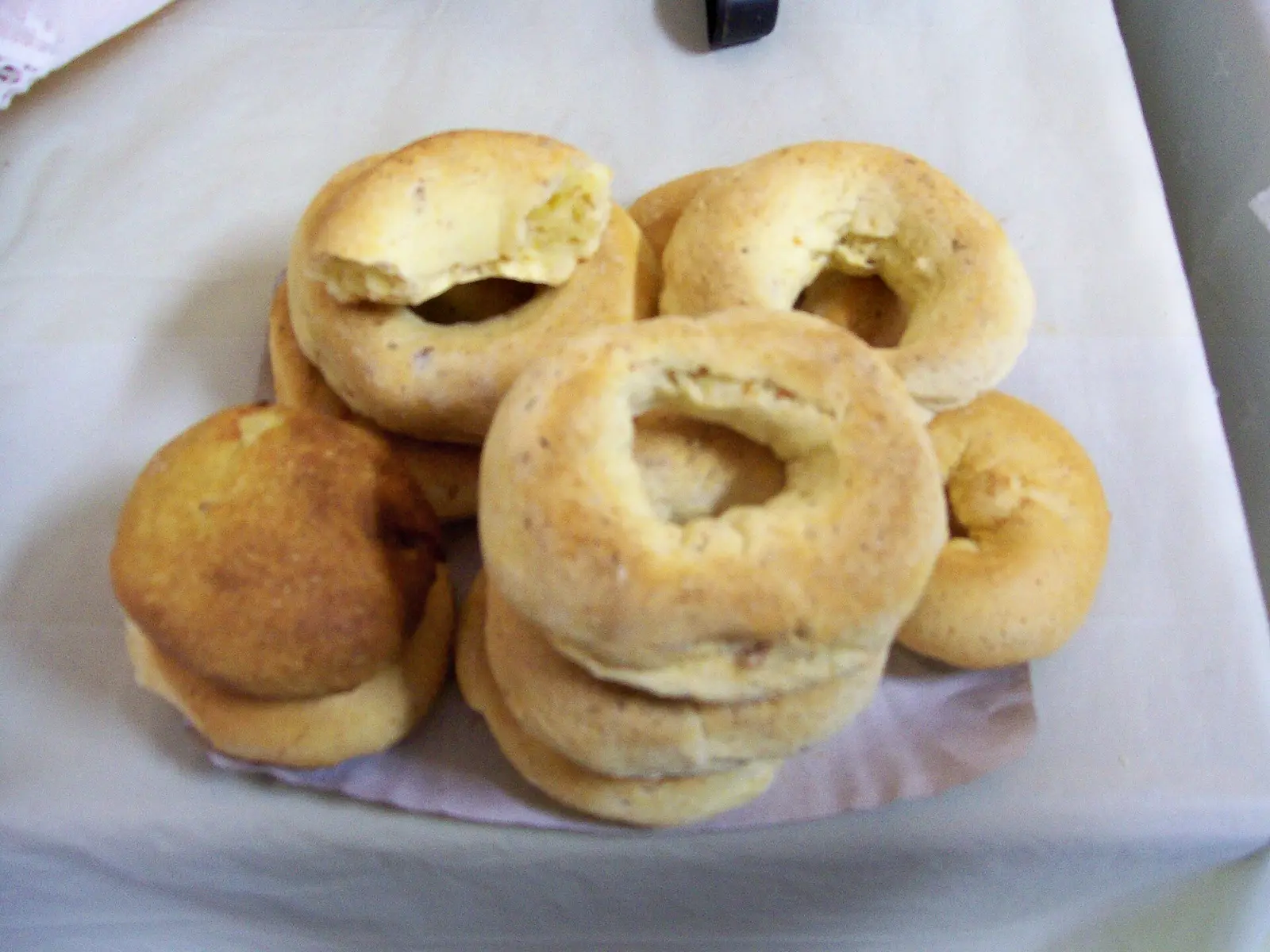
A pile of golden baked chipa cheese bread rings, one broken open to show the soft crumb Paraguay flag Paraguay 50m
Snack & Tea •Paraguayan Heritage

Chipa

This chipa recipe makes 12 golden Paraguayan cheese bread rings from cassava starch, salty cheese, eggs and a pinch of anise. The dough is rolled into ropes, closed into rings and baked until puffed and lightly cracked — crisp on the outside, soft and chewy inside. One serving is about 185 g (two rings).

Snack & Sharing

Small baked cheese bread rings made from cassava starch — crisp outside, chewy inside, best eaten warm.

Pairs Well With
Warm rings with a cup of cocido (mate cocido)
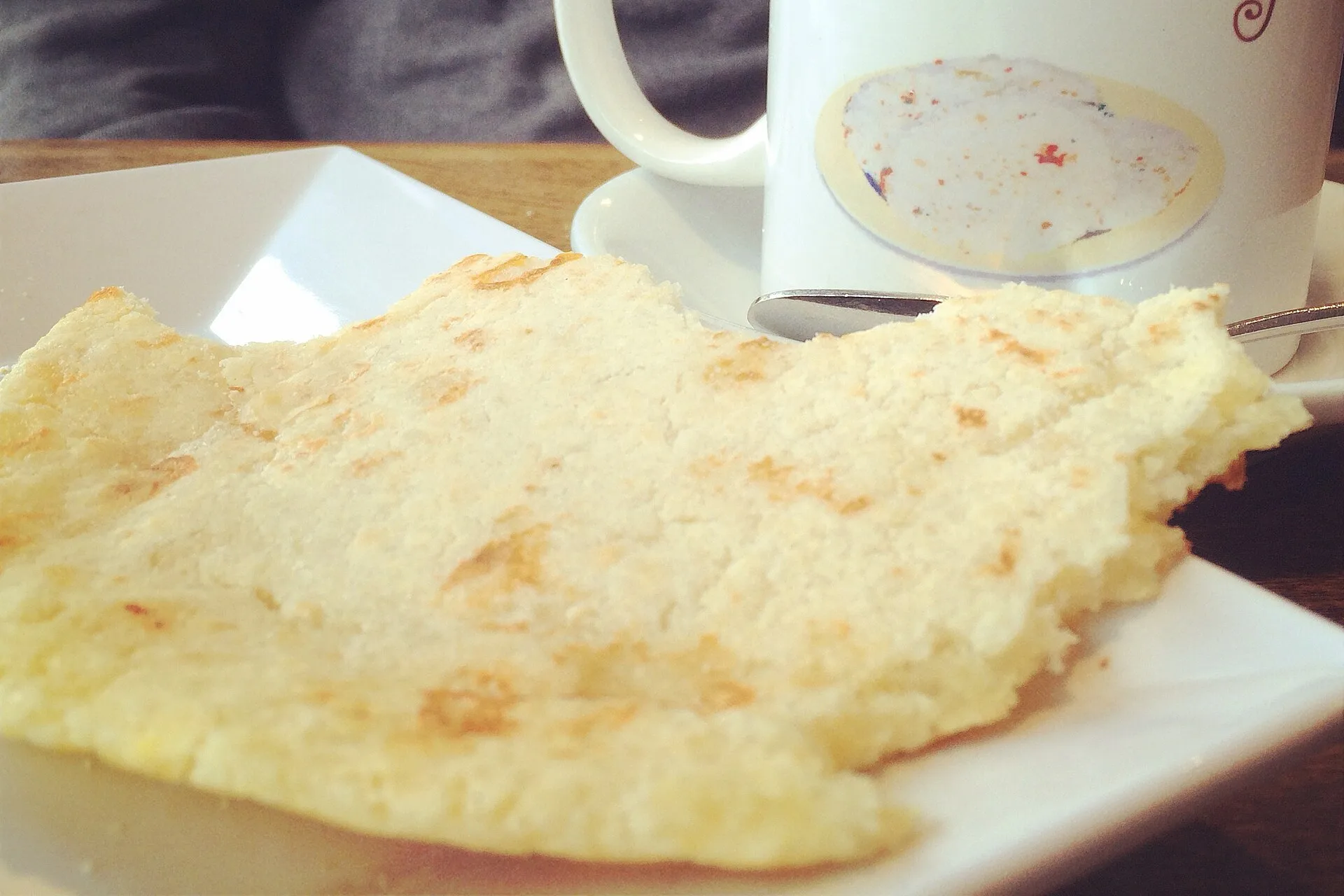
A golden mbejú cassava cheese pancake on a white plate beside a mug of cocido Paraguay flag Paraguay 30m
Snack & Tea •Guaraní Heritage

Mbejú

This mbeju recipe presses cassava starch and cheese into a golden griddled pancake — Paraguay’s classic snack, cooked in a dry pan and flipped once. It shares its two main ingredients with chipa, but the form is entirely different: chipa is kneaded and baked into bread rings, while mbejú stays a crumbly, sandy mixture that is pressed flat in the pan and never sees an oven. One serving is about 215 g (one pancake).

Snack & Sharing

A flat, griddled cassava-starch and cheese pancake — crisp at the edges, soft inside, cooked in a pan, never baked.

Pairs Well With
A warm pancake with a cup of mate cocido
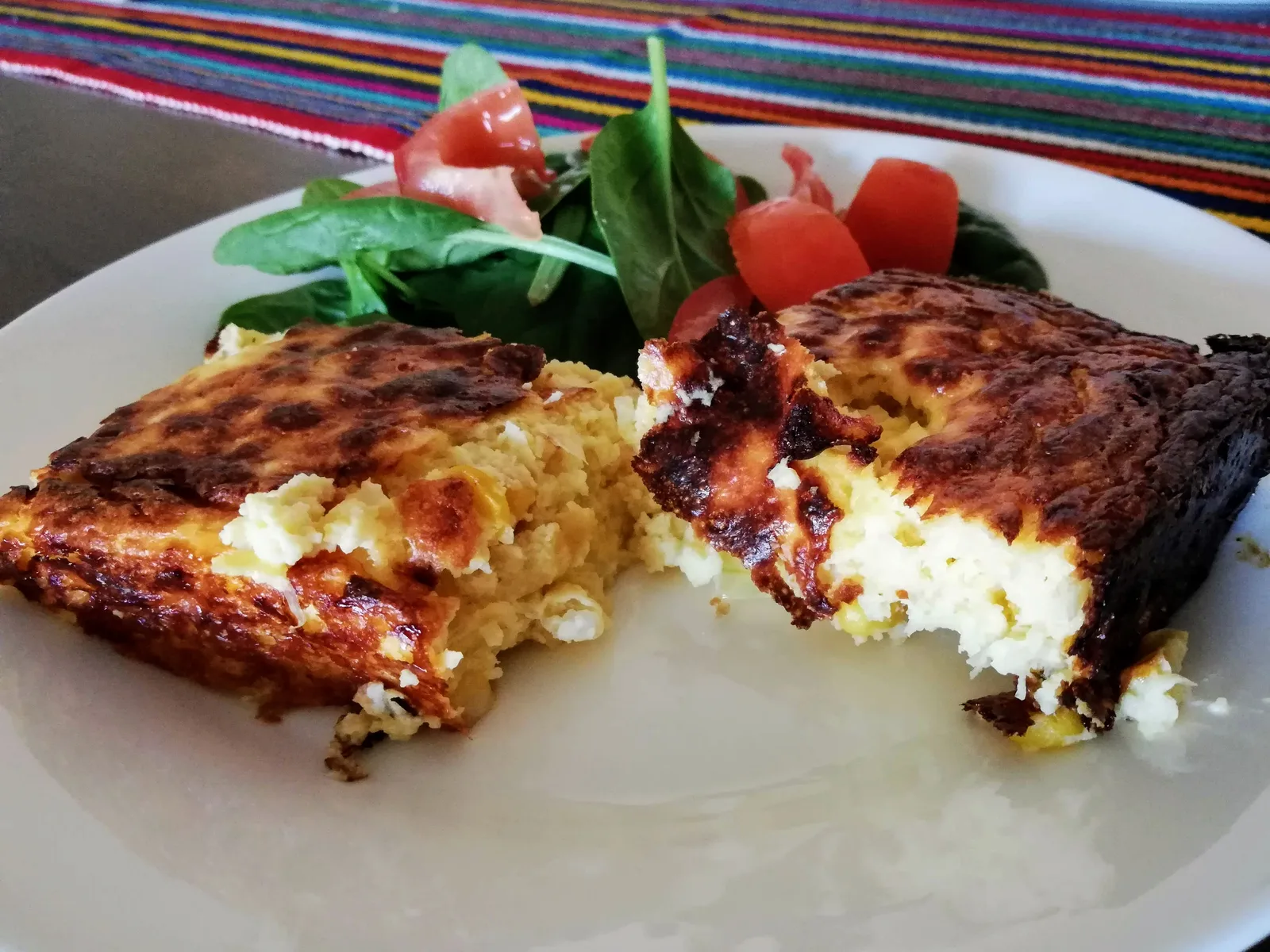
Two golden squares of chipa guasu with a fresh corn and cheese crumb, served with tomato and spinach salad Paraguay flag Paraguay 1h 5m
Lunch •Guaraní Heritage

Chipa Guasu

This chipa guasu recipe blends fresh corn kernels with eggs, milk, onion and salty Paraguay cheese, then bakes the mixture into a golden, moist cake that is cut into squares. It is not sopa paraguaya: chipa guasu is made with whole fresh corn kernels, while sopa paraguaya is made with cornmeal — the two dishes look alike but taste quite different. One serving is about 222 g.

Comfort & Warmth

A golden, moist bake of fresh corn kernels, Paraguay cheese, eggs and milk — the national side dish, served warm in squares.

Pairs Well With
Warm squares of chipa guasu with grilled meat and salad

The Dinner Gazette

Never wonder what’s for dinner again

One email a week with easy dinner ideas from around the world — ingredients, steps and nutrition, tested in our kitchen first.

Delivered every Thursday morning. Unsubscribe anytime.