Curated recipes from 193 countries  •  New seasonal Mediterranean issue out now

Overview

Lebanese Eggplant Fatteh

Fattet Batenjan, Fatteh Batenjan, Eggplant Fattah

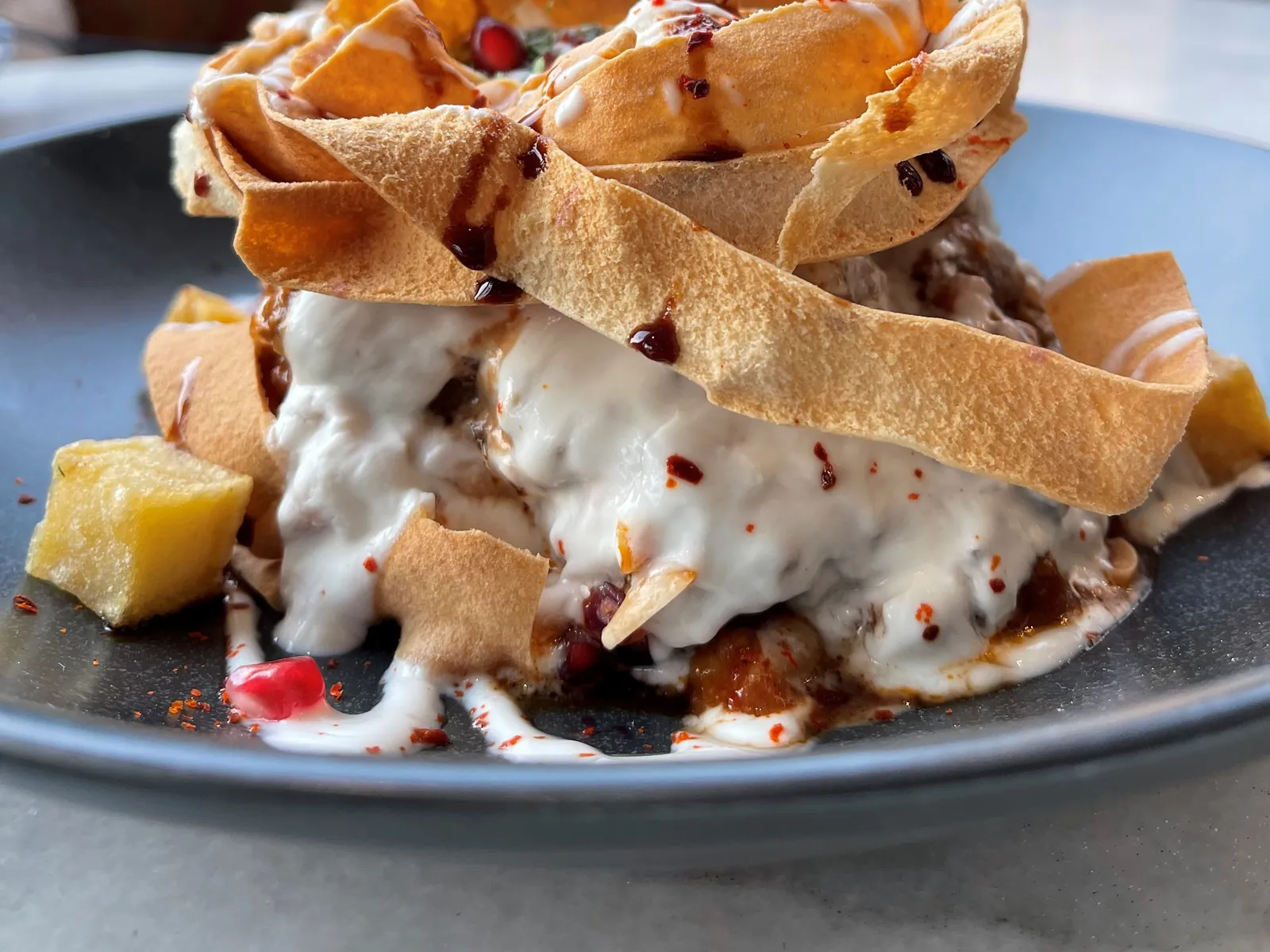
Lebanese eggplant fatteh, or fattet batenjan, layers golden fried eggplant and potato with crisp toasted pita, then blankets it all in a garlicky yogurt-tahini sauce finished with pomegranate seeds, pine nuts and a drizzle of pomegranate molasses. It is crunchy, creamy, tangy and warm all at once, and it is eaten as a mezze or a light lunch across Lebanon. One serving is about 397 g.

Fatteh takes its name from the Arabic word fatta, meaning to crumble, for the torn bread at its base. It is a family of layered dishes found across the Levant, and fattet batenjan is the Lebanese eggplant version: fried eggplant and potato layered with crisp pita and a garlicky yogurt-tahini sauce, finished with nuts and pomegranate. It is served as a mezze or a light lunch, and cooks vary it freely — some add warm chickpeas or spiced minced meat, others keep it meat-free as here.

Pairs well with: Warm pita, a crisp cucumber-tomato salad and mint tea.

Provenance

Lebanon flag Lebanon

Beirut Mezze Classic

Middle Eastern

Time Dedication

45m

20m prep • 25m cook

Batch Yield

4 Servings

522 kcal per serving

1 serving ≈ 397 g

Technical Skill

Intermediate

Medium (Frying & Layering)

Meal Timing & Digestive Fit

Breakfast

Not Advised

Lunch

Prime Metabolic Fit

Dinner

Ideal Hearty Main

Snack & Tea

Inappropriate

Occasions: Mezze spreads, family lunches, vegetarian gatherings, summer lunches Cost: Low — about $2–3 per serving at home
Lebanese eggplant fatteh on a dark plate: crisp pita strips over white yogurt-tahini sauce with pomegranate seeds, fried potato and a pomegranate molasses drizzle

Beirut Mezze Classic

Photo: Lam-w, CC BY-SA 4.0, via Wikimedia Commons

The Heritage Formulary

Measured Ingredients

Estimated cost: Low — about $2–3 per serving at home (USD)

A Levantine layered mezze: fried eggplant and potato, crisp pita and yogurt-tahini sauce, served warm with a cool sauce.

Execution Methodology & Culinary Technique

Step-by-Step Cooking Guide

Active 45m
P

Cube the vegetables and whisk the sauce

20 minutes

Cut the eggplant into 2 cm cubes, sprinkle with a pinch of salt and leave for 10 minutes, then pat very dry with a clean cloth. Peel and cube the potatoes, tear the pita into bite-size pieces, and whisk the yogurt with the tahini, garlic, lemon juice, cumin, half the Aleppo pepper and the remaining salt until smooth and pourable, adding 1 to 2 tablespoons of water if it is too thick. Chop the parsley and set the pomegranate seeds, pine nuts and molasses by the stove so layering is fast.

Maestro Tip: Dry eggplant fries instead of steaming: if the cubes are wet, they drink oil and turn soggy.

  1. 1

    Crisp the pita

    8 minutes 200°C (400°F)

    Toss the torn pita with 15 g of the olive oil and a pinch of salt, spread on a baking tray in one layer and bake at 200°C (400°F) for 6 to 8 minutes, turning once, until golden and crisp all over.

    One layer only: piled-up pita steams in the middle and stays chewy.

    Done when: The pieces are golden, dry and snap when bent.

  2. 2

    Fry the eggplant

    10 minutes 180°C (350°F)

    Heat the remaining 45 g of olive oil in a wide pan over medium-high heat until it shimmers, about 180°C (350°F). Fry the eggplant cubes in two batches for 4 to 5 minutes each, turning once, until deeply golden and tender inside. Lift out with a slotted spoon and drain on paper towels.

    Do not crowd the pan: a single layer fries, a crowd stews. Toss the hot cubes with half the pomegranate molasses while they are still warm.

    Done when: Golden brown outside, completely soft and creamy inside, with no raw white centre.

  3. 3

    Fry the potatoes

    8 minutes 180°C (350°F)

    In the same oil, fry the potato cubes for 6 to 8 minutes, turning once, until golden with crisp edges and a fluffy centre. Drain on paper towels and season lightly with salt while hot.

    The potatoes can fry while the first batch of eggplant drains, so the two finish together.

    Done when: Crisp and golden outside; a knife slides through the centre with no resistance.

  4. 4

    Toast the pine nuts

    3 minutes Medium heat (about 160°C / 320°F)

    Tip the pine nuts into a dry pan over medium heat and shake the pan for 2 to 3 minutes until they turn pale gold and smell nutty. Tip them straight onto a plate so they do not burn in the hot pan.

    Watch them without blinking: pine nuts go from golden to burnt in seconds.

    Done when: Evenly pale gold and fragrant, with no dark spots.

  5. 5

    Whisk the yogurt-tahini sauce

    5 minutes Room temperature (20°C / 68°F)

    Whisk the yogurt until smooth, then whisk in the tahini, grated garlic, lemon juice, cumin, half the Aleppo pepper and the remaining salt. Add 1 to 2 tablespoons of cold water, a little at a time, until the sauce pours in a thick ribbon.

    Add the water slowly: a sauce that is too thin slides off the layers instead of coating them.

    Done when: Smooth, thick and pourable, tasting garlicky, lemony and lightly spiced.

  6. 6

    Layer and serve

    5 minutes Room temperature (20°C / 68°F)

    Spread half the crisp pita on a wide serving plate, top with the fried eggplant and potatoes, then spoon over half the sauce. Repeat with the remaining pita and sauce, then scatter the pine nuts, pomegranate seeds and parsley, dust with the remaining Aleppo pepper and drizzle with the rest of the pomegranate molasses. Serve at once, while the pita is still crisp and the vegetables are warm under the cool sauce.

    Layer, do not stir: the contrast of hot vegetables, cool sauce and crisp bread is the whole point of the dish. Some Lebanese cooks add a cup of warm chickpeas between the layers.

    Done when: The plate shows crisp golden pita, white sauce, red pomegranate and green parsley, and the first spoonful is warm, creamy and crunchy at once.

Finishing Touches & Plating

Serve immediately, with extra crisp pita on the side for scooping, because the bread softens within minutes under the sauce.

Nutritional Physiology & Benefits

Nutrition

Energy

522

kcal / serving

Protein

13g

Complete AA

Carbs

54g

Complex

Fats

31g

Healthy

Per serving (4 servings · 1 serving ≈ 397 g)
Energy522 kcal
Protein13 g
Carbohydrates54 g
Fat31 g
Fibre8.5 g
Sugar15.0 g
Sodium707 mg
Per 100g
Energy132 kcal
Protein3.3 g
Carbohydrates13.5 g
Fat7.8 g
Fibre2.1 g
Sugar3.8 g
Sodium178 mg

Nutrition values are estimated — calculated from USDA FoodData Central values for the listed ingredients.

Vitamins & minerals: Provides vitamin C, vitamin K and potassium from the eggplant, potato and parsley, plus calcium from the yogurt and tahini. Nutrition is estimated.

Naturally meat-free

Eggplant, potato and yogurt carry the dish, so it is vegetarian and much lighter in saturated fat than meat versions of fatteh.

Fibre from eggplant and potato

Each serving gives about 8.5 g of fibre, which supports normal digestion and helps the meal feel filling.

Steady energy

Potato and pita provide slow-release carbohydrates, and the yogurt adds protein, so one serving keeps you going without a heavy feeling.

Food Pairings

What to Eat With

To optimize nutrient absorption and elevate the sensory depth, pair with these authentic accompaniments:

Sides

Cucumber and tomato salad

The cool crunch and sharp lemon dressing cut through the rich fried vegetables and creamy sauce.

Vegetables

Tabbouleh

Its parsley, lemon and bulgur freshness balances the warm, soft fatteh and adds a second texture to the plate.

Drinks

Mint tea

Hot mint tea refreshes the palate between bites of fried eggplant and garlicky yogurt.

Full Menus

Mezze with hummus and olives

Fatteh sits naturally in a mezze spread: hummus and olives add protein and salt while the fatteh brings warmth and crunch.

Complete menu

Serve the eggplant fatteh as the warm centre of a mezze with hummus, tabbouleh, olives and extra pita, followed by fresh fruit and mint tea.

Digestive Guardrails

What NOT to Combine

To prevent digestive distress, sluggishness, or palate clash, avoid pairing the dish with these elements:

Very hot chilli sauce

The dish already carries Aleppo pepper, and a fiery sauce on top of fried food can irritate a sensitive stomach. Keep the heat gentle. This is general information, not medical advice.

A heavy cream dessert straight after

A rich, fatty main slows stomach emptying, so a very rich dessert straight after can leave you feeling uncomfortably full. Fresh fruit is a lighter finish. This is general information, not medical advice.

General information only, not medical advice — consult a doctor for personal dietary decisions.

Who Should Eat It

Who Should Eat

  • General adultsA filling, satisfying lunch. One serving is rich, so pair it with salad rather than a second starchy main.
  • ChildrenUsually popular: mild, creamy and crunchy. Keep the Aleppo pepper light for young children and check for sesame and nut allergies first.
  • ElderlySoft fried eggplant and cool yogurt are easy to eat. Serve the pita slightly less crisp if chewing is difficult, and keep portions moderate.
  • Pregnant womenGenerally suitable: the vegetables are cooked through and the yogurt is pasteurised. Use pasteurised yogurt and fresh pomegranate seeds, and ask your clinician about any personal dietary limits.
  • Breastfeeding womenA filling, energy-rich lunch with protein and calcium from the yogurt. Drink water alongside, as fried foods can be thirsty work.
  • AthletesGood after training for carbohydrates and some protein, but at about 13 g of protein per serving it is not a high-protein meal: add chickpeas or a boiled egg on the side if protein is the goal.
  • Weight gainEnergy-dense at about 522 kcal per serving, so it suits a higher-energy day. A second helping of the fried vegetables adds calories easily.
  • Weight lossRich for a lunch: the fried vegetables and oil carry most of the calories. Halve the oil by roasting the eggplant and potato instead of frying, and keep to one serving.

Health Conditions — Adjust or Avoid

Conditions

  • DiabetesOne serving carries about 53.5 g of carbohydrates, mostly from potato and pita, so portion size matters and blood sugar should be monitored. If in doubt, ask your clinician or dietitian for advice that fits your own situation.
  • High blood pressureOne serving has about 707 mg of sodium, largely from the pita and salt. Use low-sodium pita and hold back the added salt if you watch sodium. If in doubt, ask your clinician for advice that fits your own situation.
  • Kidney diseaseThe dish is fairly high in potassium from potato and eggplant and in sodium from pita and salt, so check portions against your own limits. If in doubt, ask your clinician or dietitian for advice that fits your own situation.
  • GoutThe dish is low in purines, which suits most gout diets, but fried foods can add weight, and weight gain can worsen gout. If in doubt, ask your clinician for advice that fits your own situation.
  • Stomach issuesFried eggplant, raw garlic and Aleppo pepper can trouble a sensitive stomach. Use less garlic and pepper, and roast instead of frying if that suits you better. If in doubt, ask your clinician for advice that fits your own situation.
  • Cardiovascular diseaseOlive oil and vegetables are a good base, but frying adds fat: about 30.9 g per serving. Roasting the vegetables cuts the fat sharply. If in doubt, ask your clinician for advice that fits your own situation.
  • Fatty liverFried foods and added oil add up quickly here, so a roasted version with half the oil is a kinder choice. If in doubt, ask your clinician for advice that fits your own situation.
  • Food allergiesContains sesame (tahini), tree nuts (pine nuts), milk (yogurt) and gluten (pita). Swap pine nuts for seeds, use gluten-free pita and a dairy-free yogurt if needed, and check labels. If in doubt, ask your clinician for advice that fits your own situation.
  • Special therapeutic dietsThe dish is vegetarian but not vegan, gluten-free or low-sodium as written. Adapt the pita, yogurt and salt to your prescribed diet. If in doubt, ask your clinician or dietitian for advice that fits your own situation.

If you have a medical condition, consult your doctor before changing your diet.

Storage & Use

Storage & Use

How to store
Keep the components separate: sauce in a sealed tub, fried vegetables and pita in separate containers.
In the fridge
3 days at 4°C (39°F) or below for the sauce and vegetables; the pita keeps 2 days in a dry container.
In the freezer
Not recommended — the yogurt sauce splits and the pita turns soggy after thawing.
How to reheat
Warm the eggplant and potatoes in a hot oven until steaming, to 74°C (165°F), then layer with the cold sauce and freshly crisped pita.
Freezing recommended
No, the sauce separates and the bread loses its crunch.
Signs it has spoiled
Sour or sharp smell from the sauce, slimy eggplant, or soft, stale-smelling pita — discard if any appear.

More recipes to explore

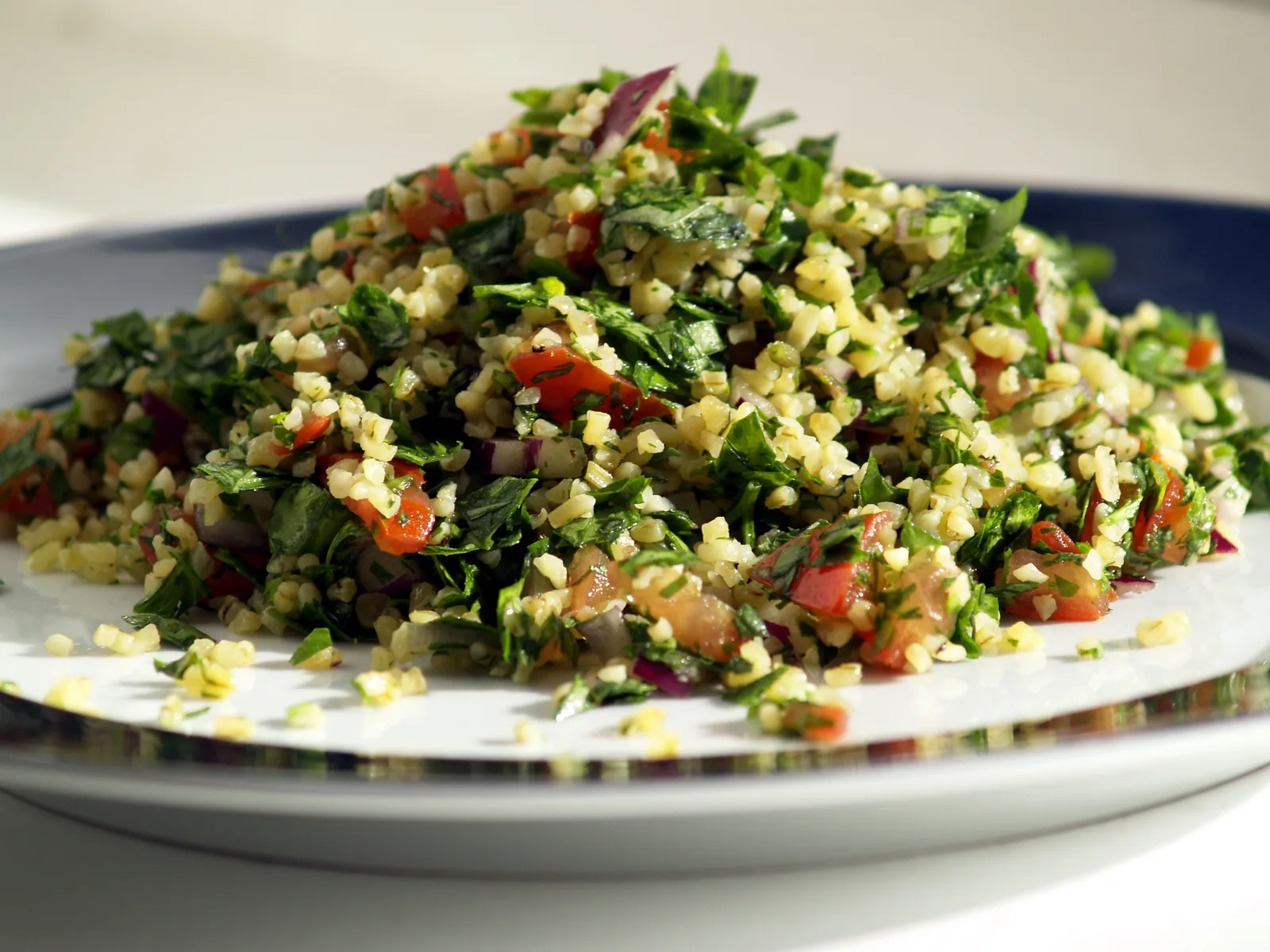
A plate of fresh Lebanese tabbouleh with chopped parsley, tomato and bulgur Lebanon flag Lebanon 25m
Lunch •Levantine Mezze Classic

Lebanese Tabbouleh

Tabbouleh is Lebanon's bright green parsley salad, where the herbs lead and fine bulgur plays a supporting role. Diced tomato, green onion and mint are tossed in lemon juice and olive oil for a fresh, lemony bite that wakes up any mezze table. One serving is about 216 g.

Light & Fresh

Mostly fresh parsley and tomato with a little bulgur, dressed in lemon and olive oil.

Pairs Well With
Warm pita bread, hummus and grilled halloumi
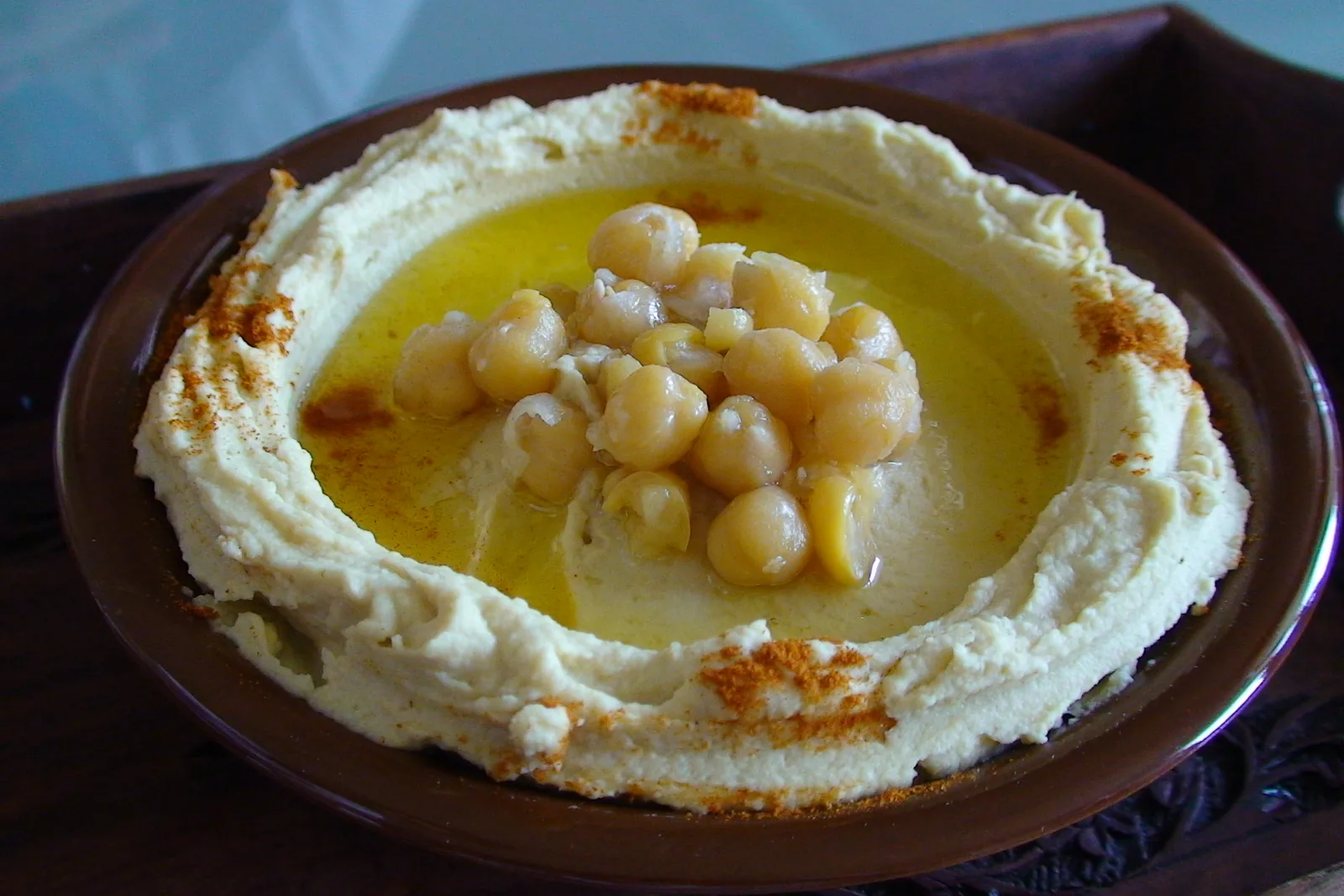
A bowl of cold Lebanese hummus with olive oil, whole chickpeas, paprika and parsley Lebanon flag Lebanon 1h 5m
Snack & Tea •Beirut Mezze Classic

Lebanese Hummus

Lebanese hummus is a cold, silky chickpea and tahini dip, lemon-forward with garlic and a pool of olive oil, topped with pine nuts and parsley. It is served chilled or at room temperature as part of a mezze spread, scooped up with warm pita — never served warm as a main plate. One serving is about 110 g.

Plant Protein Snack

Chickpeas and tahini blended into a smooth dip, with lemon, garlic and olive oil.

Pairs Well With
Warm pita bread, tabbouleh and olives
Quick Prep (<30m)
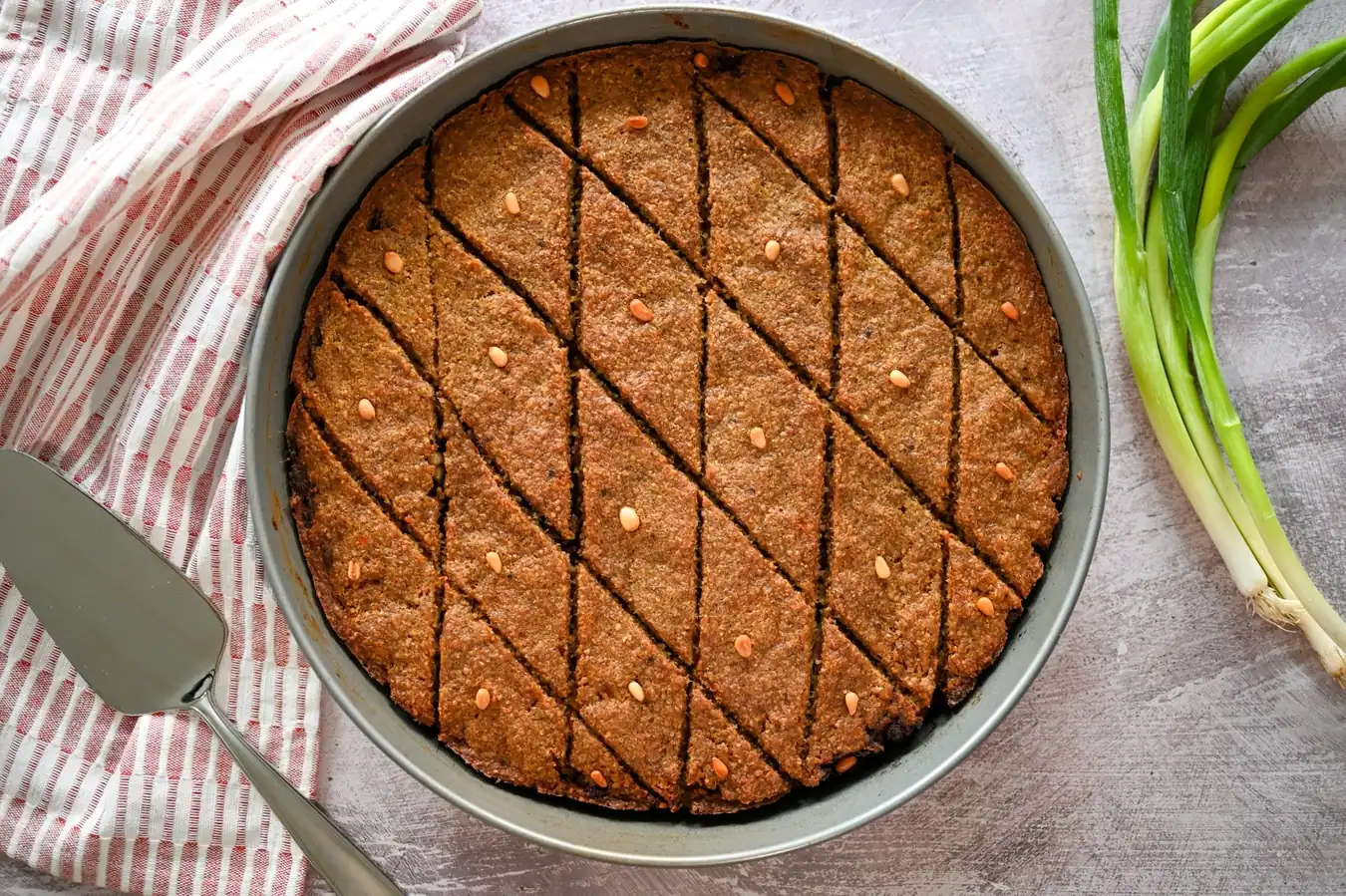
A baked tray of Lebanese kibbeh bil-saniyeh, scored into diamonds with pine nuts Lebanon flag Lebanon 1h 25m
Dinner •Lebanon's National Dish

Lebanese Kibbeh

Kibbeh bil-saniyeh is Lebanon's baked tray kibbeh: two layers of bulgur and lean beef sandwiching a spiced beef and pine-nut filling, scored into diamonds and baked until golden and crisp at the edges. It is the tray-baked form of Lebanon's national dish, made for sharing at the family table. One serving is about 202 g.

Hearty Family Dinner

Layers of bulgur and lean beef around a spiced pine-nut filling, baked until golden.

Pairs Well With
Yogurt, tabbouleh and warm pita bread
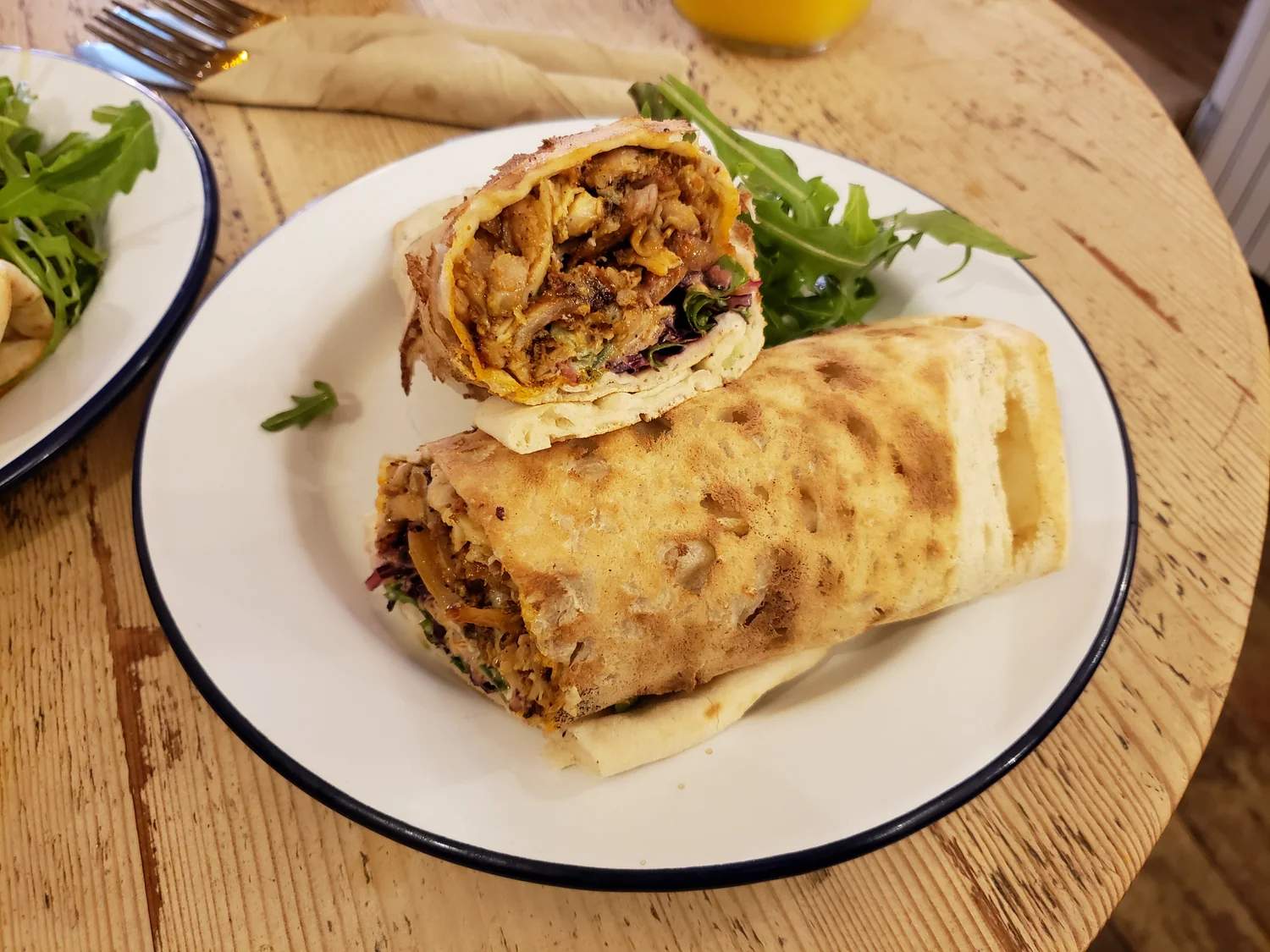
A sliced chicken shawarma wrap in toasted lavash showing spiced chicken, with rocket salad on a white plate Lebanon flag Lebanon 50m
Dinner •Beirut Street-Food Heritage

Lebanese Chicken Shawarma

This lebanese chicken shawarma recipe marinates boneless chicken thighs in yogurt, lemon, garlic and seven warm spices, then grills them until charred at the edges and slices them thin for rolling in soft Lebanese pita with toum, the whipped garlic sauce that defines the Lebanese version. Pickled turnips, dill pickles, tomato and parsley give every bite its sharp, fresh contrast. One serving is about 379 g.

High-Protein & Satisfying

Spice-marinated chicken thighs grilled and rolled in warm pita with toum, pickles and tomato — the Beirut street-food classic, made at home.

Pairs Well With
Toum, pickled turnips & fries
High Protein

The Dinner Gazette

Never wonder what’s for dinner again

One email a week with easy dinner ideas from around the world — ingredients, steps and nutrition, tested in our kitchen first.

Delivered every Thursday morning. Unsubscribe anytime.