Curated recipes from 193 countries  •  New seasonal Mediterranean issue out now

Overview

Lebanese Maamoul

Ma'amoul bi Tamer, Date Maamoul, Mamoul

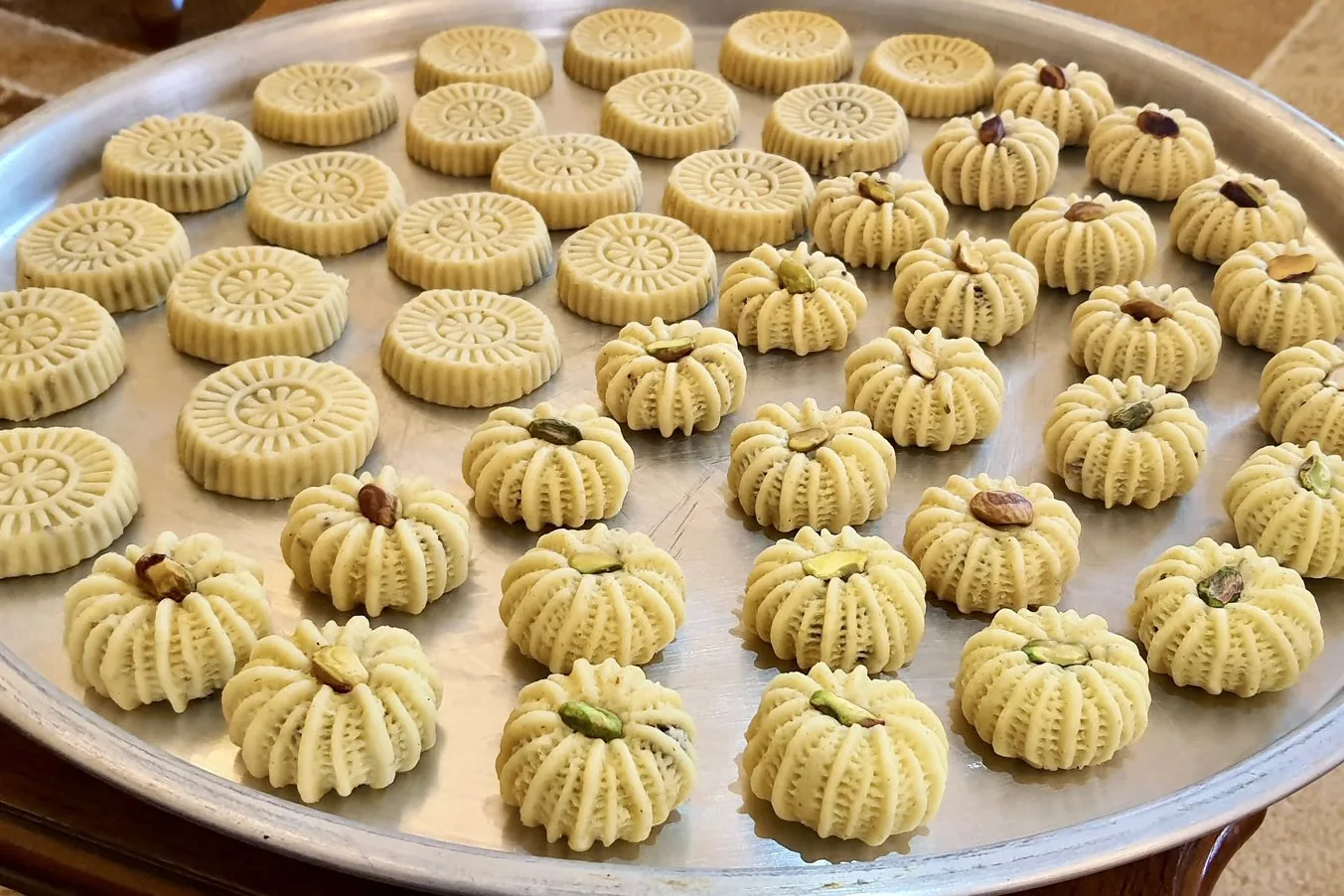
Lebanese maamoul are pale, crumbly semolina shortbread cookies wrapped around a soft, cinnamon-spiced date filling and pressed into a carved wooden mould. Families across Lebanon bake trays of them for Eid and Easter, and the mould's pattern tells you what is inside — a round dome means dates. One serving is 2 cookies, about 86 g.

Maamoul belongs to the Levant's oldest baking traditions: food historians link it to kleicha, a Mesopotamian date-filled cookie, and to kahk, the ancient Egyptian date cookie. In Lebanon the cookies are made for the big feasts — Christian families bake them for Easter and Muslim families for Eid al-Fitr and Eid al-Adha — and the carved wooden mould does double duty, because each shape signals the filling: a round dome for dates, an oval for walnuts, a pointed shape for pistachios. A walnut-filled maamoul recipe already appeared in the 1885 Beirut cookbook Ustadh al-Tabbakhin, and in 1883 the orientalist Carlo Landberg described ornamented date-filled maamoul being made for Eid in Syria.

Pairs well with: Arabic coffee and mint tea

Provenance

Lebanon flag Lebanon

Lebanese Festive Classic

Middle Eastern

Time Dedication

1h

40m prep • 20m cook

Batch Yield

12 Servings

359 kcal per serving

1 serving ≈ 86 g

Technical Skill

Intermediate

Intermediate (Moulded Cookies)

Meal Timing & Digestive Fit

Breakfast

Not Advised

Lunch

Inappropriate

Dinner

Inappropriate

Snack & Tea

Ideal Light Bite

Occasions: Eid al-Fitr, Eid al-Adha, Easter, Christmas, family gatherings, coffee with friends Cost: Low — about $1 per serving at home
A tray of Lebanese maamoul cookies, round date-filled ones with sunburst mould patterns beside domed pistachio ones

Lebanese Festive Classic

Photo: Rotana (روتانا), CC BY 4.0, via Wikimedia Commons

The Heritage Formulary

Measured Ingredients

Estimated cost: Low — about $1 per serving at home (USD)

A good maamoul stays pale, never browned, with a sandy crumb that melts on the tongue and a soft, spiced date centre.

Execution Methodology & Culinary Technique

Step-by-Step Cooking Guide

Active 1h
P

Prep Stage: Semolina Dough & Date Filling

40 Mins + Overnight Rest • Dough & Date Filling

Rub the melted butter into the semolina and flour with the sugar, mahlab and salt until sandy, then sprinkle in the flower waters and gather into a soft dough. Cover and leave it overnight so the semolina absorbs the butter. Meanwhile, knead the date paste with the softened butter, cinnamon and orange blossom water, and roll it into 24 small balls.

Maestro Tip: The overnight rest is the whole secret: semolina that has soaked up butter overnight bakes into a melting crumb, while un-rested dough turns hard.

  1. 1

    Make the Dough and Rest It Overnight

    15 Mins + Overnight Room temperature, about 20°C (68°F)

    Mix the semolina, flour, sugar, mahlab and salt in a large bowl. Pour in the warm melted butter and rub it through with your fingertips until the mixture looks like wet sand. Sprinkle in the orange blossom and rose waters, gather the dough gently into a ball, cover it and leave it at room temperature overnight, or at least 8 hours.

    Do not knead the dough hard: overworking develops gluten and makes tough cookies. Rub and gather, then stop.

    Done when: Dough soft, sandy and pliable, holding together when squeezed.

  2. 2

    Make the Date Filling

    10 Mins Room temperature, about 20°C (68°F)

    Knead the date paste with the softened butter, cinnamon and orange blossom water until smooth and pliable. Roll it into 24 small balls, each about 12 g. If the paste is stiff, warm it for 10 seconds in the microwave or knead in a drop of warm water.

    Keep the date balls covered while you work: exposed date paste dries out and cracks when you shape the cookies.

    Done when: Date paste smooth, soft and easy to roll, with no dry crumbs.

  3. 3

    Shape and Mould the Cookies

    25 Mins Oven preheating to 180°C (350°F)

    Heat the oven to 180°C (350°F) and line two baking trays with parchment. Take a piece of dough about the size of a walnut, flatten it in your palm, place a date ball in the middle, and fold the dough up and around it, pinching to seal. Press the ball into a floured maamoul mould, tap it out onto the tray, and repeat. The round, flat mould is the traditional shape for date maamoul.

    Flour the mould lightly between cookies so the pattern releases cleanly. If a cookie sticks, tap the mould firmly on the counter rather than digging it out.

    Done when: Cookies neatly patterned, sealed all round, with no filling showing.

  4. 4

    Bake Pale, Never Browned

    20 Mins Oven, 180°C (350°F)

    Bake one tray at a time for 18-20 minutes until the cookies are set and just firm underneath, but still pale on top — maamoul should not brown. Lift them onto a rack to cool completely; they are fragile while hot.

    Check at 18 minutes: ovens vary, and two extra minutes is the difference between melting and dry. The bottoms should look barely coloured.

    Done when: Cookies pale, set and firm underneath, with no golden colour on top.

  5. 5

    Cool and Dust with Sugar

    5 Mins Room temperature, about 20°C (68°F)

    Once the cookies are completely cool, dust them lightly with sifted powdered sugar. Store in an airtight tin, layered with parchment, and serve at room temperature with coffee or tea.

    Dust only when fully cool: sugar on warm cookies melts into a sticky glaze instead of a snowy coat.

    Done when: Cookies cool, firm and lightly dusted, ready to serve.

Finishing Touches & Plating

Let the cookies cool completely on the tray — they firm up as they cool — then dust lightly with powdered sugar and pile them on a plate. Serve with Arabic coffee or mint tea, and watch them disappear.

Nutritional Physiology & Benefits

Nutrition

Energy

359

kcal / serving

Protein

5g

Complete AA

Carbs

53g

Complex

Fats

15g

Healthy

Per serving (12 servings · 1 serving ≈ 86 g)
Energy359 kcal
Protein5 g
Carbohydrates53 g
Fat15 g
Fibre3.1 g
Sugar23.3 g
Sodium181 mg
Per 100g
Energy418 kcal
Protein5.9 g
Carbohydrates62 g
Fat17.4 g
Fibre3.6 g
Sugar27.1 g
Sodium210 mg

Nutrition values are estimated — calculated from USDA FoodData Central values for the listed ingredients.

Vitamins & minerals: Dates provide potassium, magnesium and fiber; semolina adds B vitamins and iron. All nutrition values are estimated.

Dates for Fibre and Natural Sweetness

Dates give natural sweetness with about 3 g of fibre per serving, so two cookies satisfy a sweet craving without refined sugar alone.

Potassium and Magnesium from Dates

Semolina and dates supply potassium, magnesium and B vitamins — a festive cookie with more to offer than plain shortbread.

One Batch Feeds a Whole Holiday

One batch makes 24 cookies that keep for weeks, so a single afternoon of baking covers every holiday visit. The mould does the decorating for you.

Food Pairings

What to Eat With

To optimize nutrient absorption and elevate the sensory depth, pair with these authentic accompaniments:

Drinks

Arabic Coffee

Strong, cardamom-scented Arabic coffee is the classic partner: its bitterness balances the buttery, sweet cookie perfectly.

Fresh Mint Tea

Fresh mint tea cleanses the palate between cookies and its sweetness is gentle, so the date filling stays the star.

Sides

Fresh Fruit on the Side

A few slices of orange or a small bowl of berries add a fresh, sharp contrast to the rich, crumbly cookies.

Full Menus

Full Menu: Mezze, Then Maamoul

Start with a mezze spread of hummus and tabbouleh, then finish with a plate of maamoul and coffee — the Lebanese holiday meal in miniature.

Complete menu

A plate of date maamoul with Arabic coffee, a small bowl of fresh fruit and a pot of mint tea — the classic Lebanese holiday spread.

Digestive Guardrails

What NOT to Combine

To prevent digestive distress, sluggishness, or palate clash, avoid pairing the dish with these elements:

Skipping the Overnight Rest

Semolina needs an overnight soak in butter to turn sandy and tender. Skip the rest and the cookies bake up hard and gritty instead of melting in the mouth. This is general food information, not medical advice.

Browning the Cookies

Maamoul should stay pale and just set, never browned. Overbaking dries the crumb and turns the date filling tough. Pull the tray out while the cookies still look pale underneath. This is general food information, not medical advice.

Overfilling the Dough

Too much filling splits the dough in the mould and leaks in the oven. Use a small ball of date paste, about a third of the dough ball, and seal it fully inside. This is general food information, not medical advice.

General information only, not medical advice — consult a doctor for personal dietary decisions.

Who Should Eat It

Who Should Eat

  • General adultsTwo cookies with coffee or tea make a satisfying sweet snack for most adults; the date filling is naturally sweet, so one serving is plenty.
  • ChildrenKids love the soft, crumbly cookies; give younger children one cookie, as the date filling is very sweet and sticky.
  • ElderlySoft and easy to chew, with no hard nuts in the date version; the sweetness is the main thing to watch, so keep to one or two cookies.
  • Pregnant womenThe cookies are baked through and the filling is just dates and butter, so they are a fine occasional treat in pregnancy. Ask your clinician if unsure.
  • Breastfeeding womenA handy energy-rich snack between feeds, with dates for natural sweetness and fibre; keep the portion as stated.
  • AthletesAbout 53 g of carbohydrate per serving makes two cookies a quick, portable energy snack before or after training.
  • Weight gainAt 359 calories for two cookies, maamoul is an easy way to add energy; a glass of milk alongside raises it further.
  • Weight lossRich and sweet, so stick to one cookie instead of two and save the rest for another day.

Health Conditions — Adjust or Avoid

Conditions

  • DiabetesAbout 53 g of carbohydrate and 23 g of sugar per serving, mostly from dates; one cookie instead of two is the safer portion. Ask your clinician about portions.
  • High blood pressureSodium is low at about 181 mg per serving, so blood pressure is not the main concern here; the sugar is. Ask your clinician about portions.
  • Kidney diseaseDates are high in potassium, so keep the portion small and infrequent if you watch potassium. Ask your clinician.
  • GoutMaamoul is low in purines, so gout is not a particular concern; the sugar is the thing to watch. Ask your clinician if unsure.
  • Stomach issuesThe buttery, crumbly dough is usually gentle, but the fibre in dates can be gassy for some; eat slowly and keep to one cookie. Ask your clinician if unsure.
  • Cardiovascular diseaseButter makes this a rich, saturated-fat cookie, so it is a festive treat rather than an everyday snack. Ask your clinician about portions.
  • Fatty liverSugar and butter together make this an occasional food; one cookie with unsweetened tea is a lighter way to enjoy it. Ask your clinician about portions.
  • Food allergiesContains wheat (gluten) from semolina and flour, and milk from butter. The date filling has no nuts, but moulds are often shared with nut versions, so check if nut allergy is severe. Ask your clinician if unsure.
  • Special therapeutic dietsVegetarian as written. It is not gluten-free or dairy-free; a gluten-free version needs a different flour, which changes the crumb. Ask your clinician for a version that fits your plan.

If you have a medical condition, consult your doctor before changing your diet.

Storage & Use

Storage & Use

How to store
Store in an airtight tin at room temperature, layered with parchment paper.
In the fridge
Up to 3 weeks at 4°C (40°F) or below in an airtight tin; bring to room temperature before serving.
In the freezer
Freeze baked, undusted cookies in a sealed bag for up to 3 months at -18°C (0°F); thaw at room temperature and dust with sugar before serving.
How to reheat
No reheating needed. If you like them warm, heat for 5 minutes in a 150°C (300°F) oven, then cool before dusting.
Freezing recommended
Yes — baked cookies freeze very well; freeze without the sugar dusting.
Signs it has spoiled
Stale, cardboard smell, soft or damp texture, or any mould — throw them away.

More recipes to explore

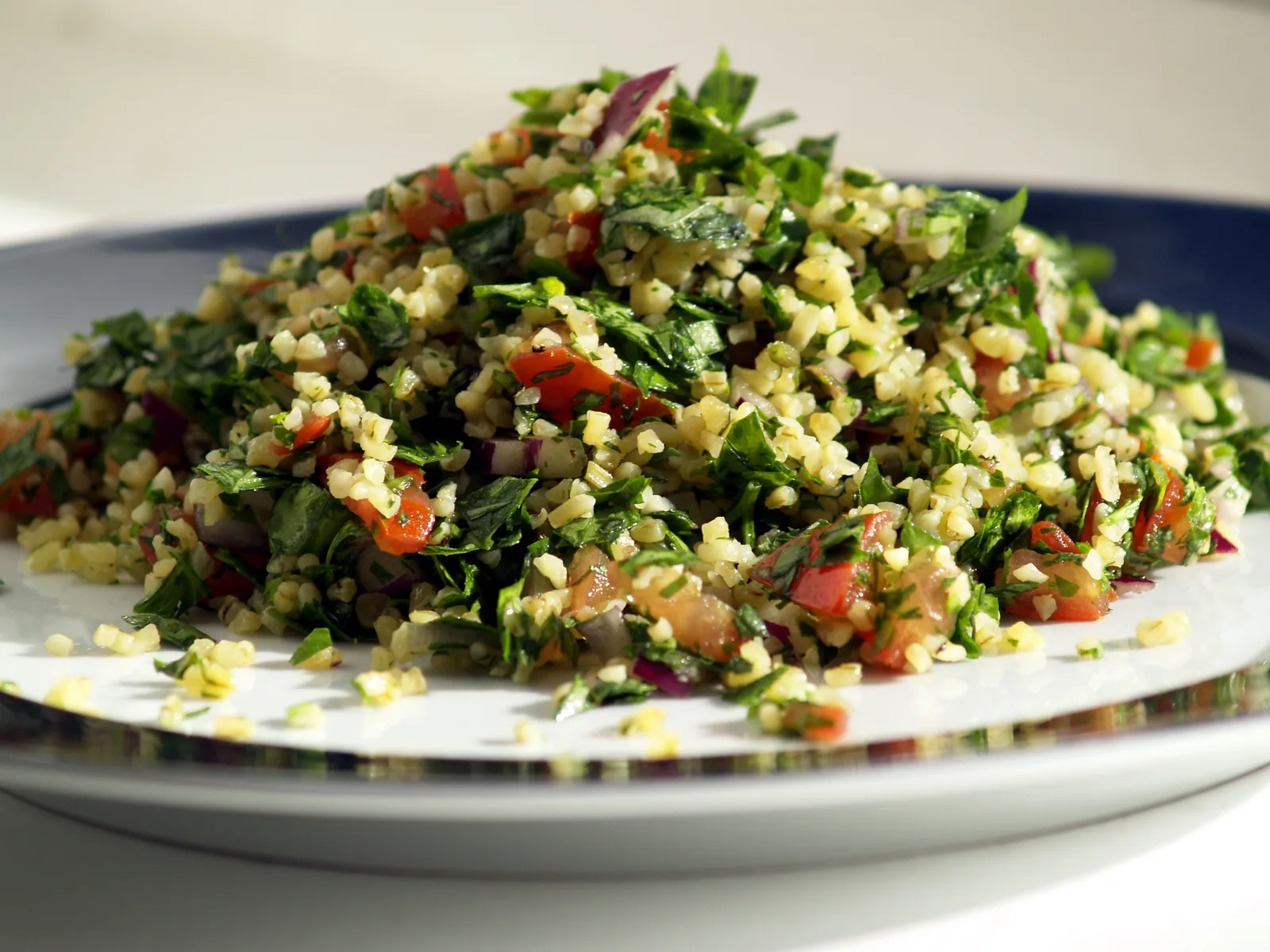
A plate of fresh Lebanese tabbouleh with chopped parsley, tomato and bulgur Lebanon flag Lebanon 25m
Lunch •Levantine Mezze Classic

Lebanese Tabbouleh

Tabbouleh is Lebanon's bright green parsley salad, where the herbs lead and fine bulgur plays a supporting role. Diced tomato, green onion and mint are tossed in lemon juice and olive oil for a fresh, lemony bite that wakes up any mezze table. One serving is about 216 g.

Light & Fresh

Mostly fresh parsley and tomato with a little bulgur, dressed in lemon and olive oil.

Pairs Well With
Warm pita bread, hummus and grilled halloumi
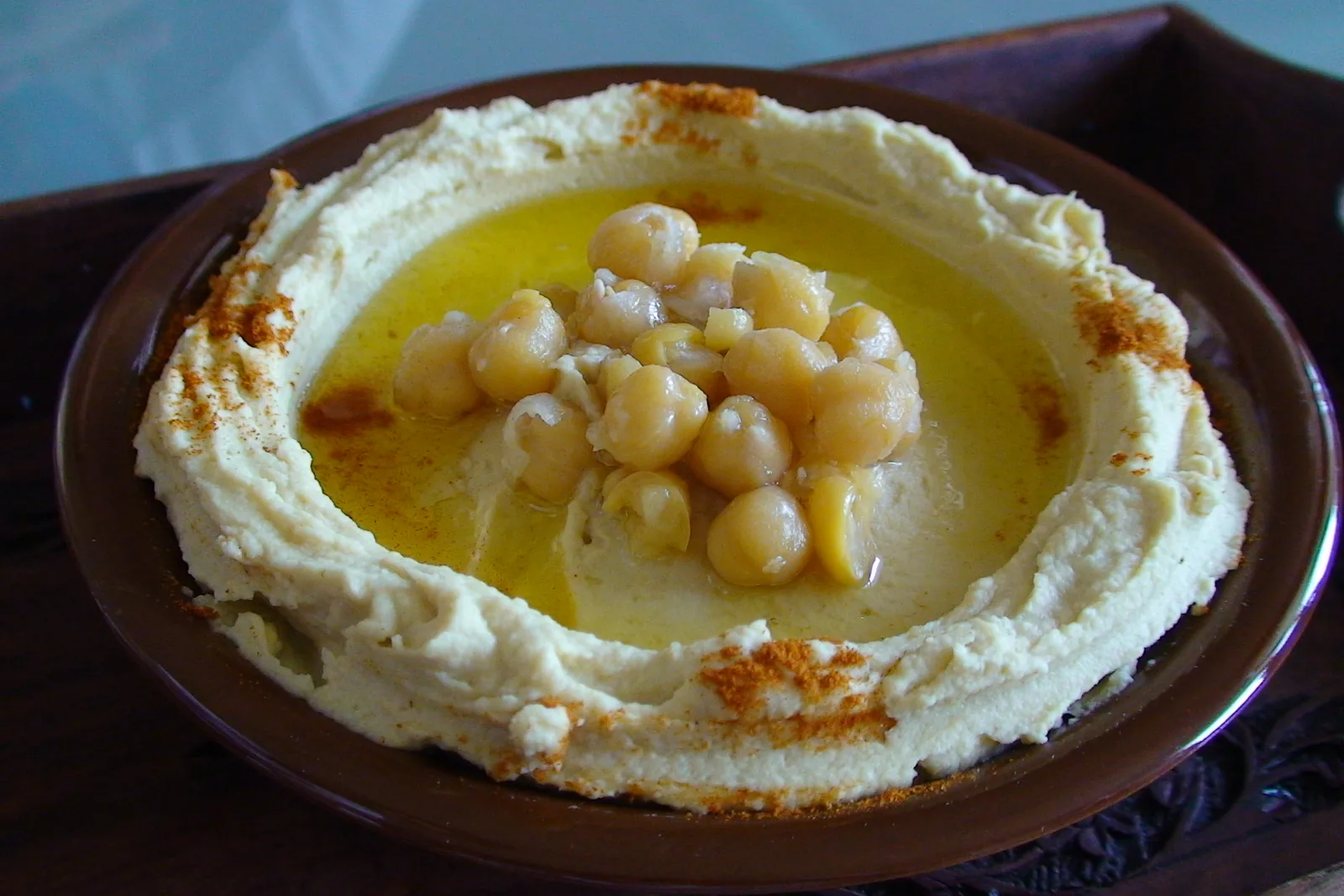
A bowl of cold Lebanese hummus with olive oil, whole chickpeas, paprika and parsley Lebanon flag Lebanon 1h 5m
Snack & Tea •Beirut Mezze Classic

Lebanese Hummus

Lebanese hummus is a cold, silky chickpea and tahini dip, lemon-forward with garlic and a pool of olive oil, topped with pine nuts and parsley. It is served chilled or at room temperature as part of a mezze spread, scooped up with warm pita — never served warm as a main plate. One serving is about 110 g.

Plant Protein Snack

Chickpeas and tahini blended into a smooth dip, with lemon, garlic and olive oil.

Pairs Well With
Warm pita bread, tabbouleh and olives
Quick Prep (<30m)
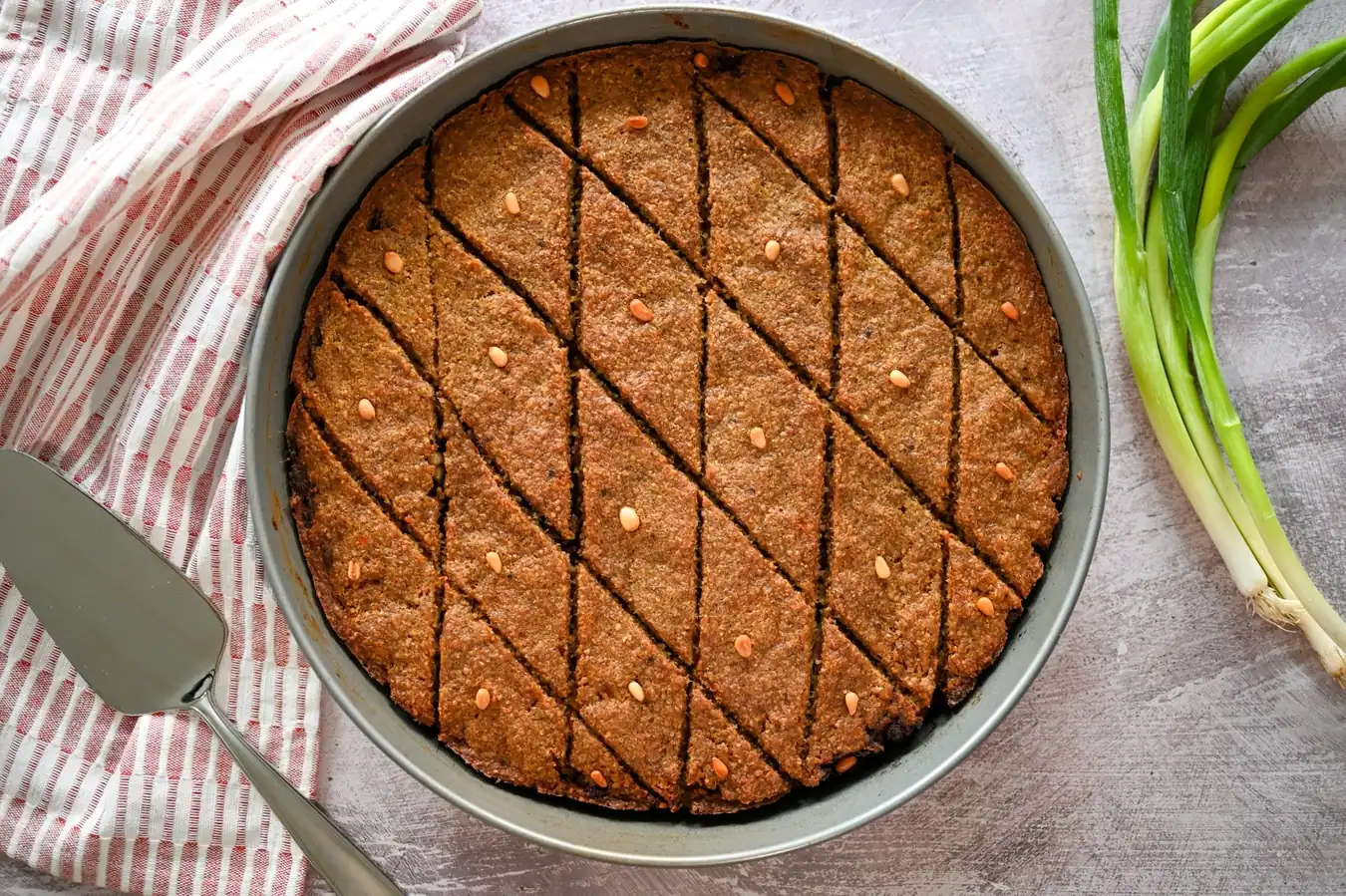
A baked tray of Lebanese kibbeh bil-saniyeh, scored into diamonds with pine nuts Lebanon flag Lebanon 1h 25m
Dinner •Lebanon's National Dish

Lebanese Kibbeh

Kibbeh bil-saniyeh is Lebanon's baked tray kibbeh: two layers of bulgur and lean beef sandwiching a spiced beef and pine-nut filling, scored into diamonds and baked until golden and crisp at the edges. It is the tray-baked form of Lebanon's national dish, made for sharing at the family table. One serving is about 202 g.

Hearty Family Dinner

Layers of bulgur and lean beef around a spiced pine-nut filling, baked until golden.

Pairs Well With
Yogurt, tabbouleh and warm pita bread
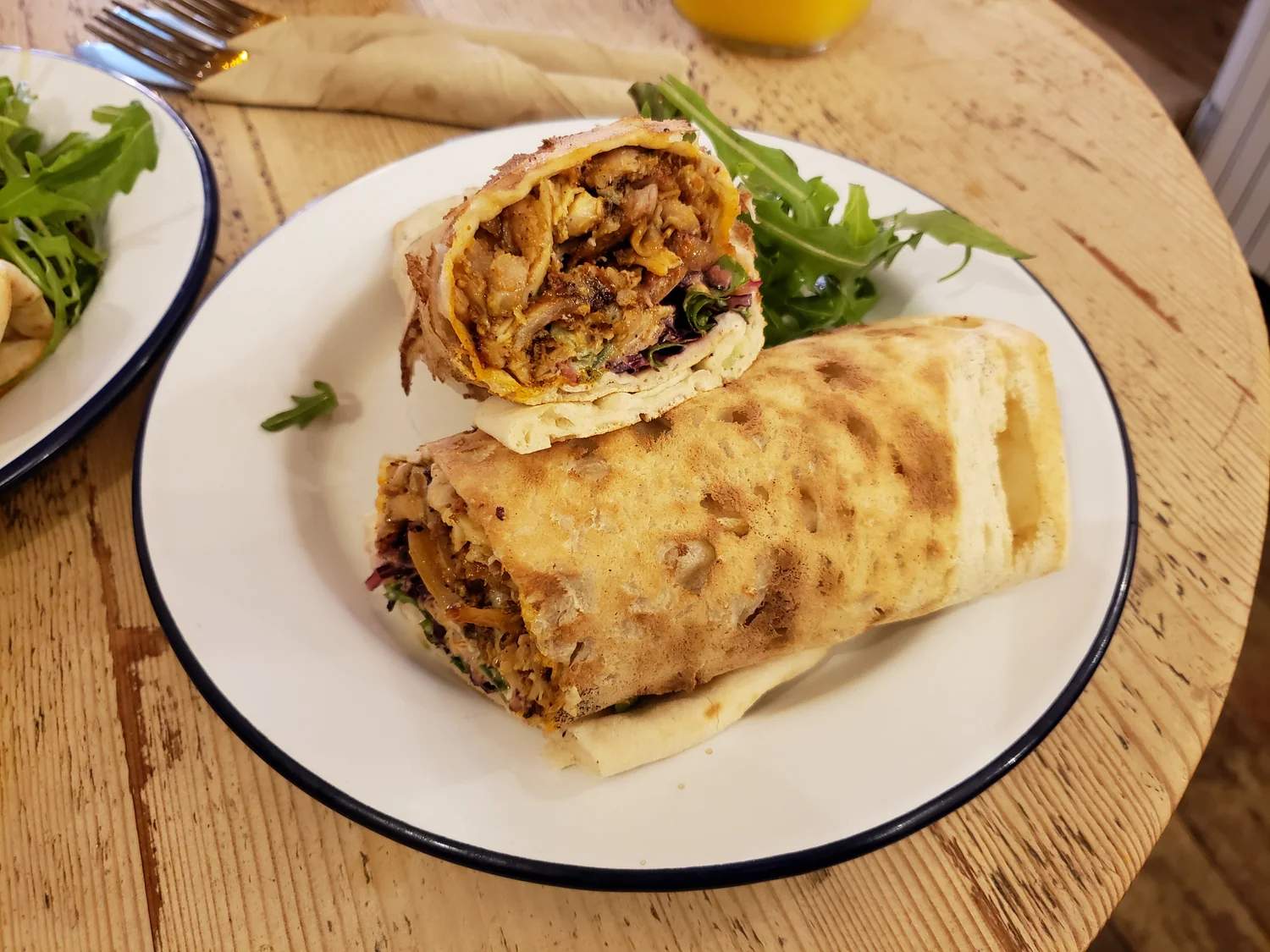
A sliced chicken shawarma wrap in toasted lavash showing spiced chicken, with rocket salad on a white plate Lebanon flag Lebanon 50m
Dinner •Beirut Street-Food Heritage

Lebanese Chicken Shawarma

This lebanese chicken shawarma recipe marinates boneless chicken thighs in yogurt, lemon, garlic and seven warm spices, then grills them until charred at the edges and slices them thin for rolling in soft Lebanese pita with toum, the whipped garlic sauce that defines the Lebanese version. Pickled turnips, dill pickles, tomato and parsley give every bite its sharp, fresh contrast. One serving is about 379 g.

High-Protein & Satisfying

Spice-marinated chicken thighs grilled and rolled in warm pita with toum, pickles and tomato — the Beirut street-food classic, made at home.

Pairs Well With
Toum, pickled turnips & fries
High Protein

The Dinner Gazette

Never wonder what’s for dinner again

One email a week with easy dinner ideas from around the world — ingredients, steps and nutrition, tested in our kitchen first.

Delivered every Thursday morning. Unsubscribe anytime.