Curated recipes from 193 countries  •  New seasonal Mediterranean issue out now

Overview

Nepalese Sekuwa

Sekuwa, Nepalese Barbecue Skewers, Grilled Sekuwa

Cubes of chicken and goat marinated in smoked mustard oil, yogurt, garlic, ginger and timur pepper, then grilled over charcoal until smoky and charred at the edges. This nepalese sekuwa recipe is Nepal's answer to barbecue, best eaten hot off the skewer. One serving is about 200 g.

Sekuwa takes its name from the Nepali verb seknu, to roast, and it is meat roasted over a live fire — traditionally wood coals, with the skewers turned by hand. It is the speciality of the roadside grills of eastern Nepal, around Dharan, where shops marinate goat, buff, pork or chicken for hours in mustard oil, ginger, garlic and timur, the Himalayan pepper that gives Nepali food its citrusy, slightly numbing bite.

Pairs well with: Beaten rice (chiura), pickled vegetables, and a cold lager or masala chiya

Provenance

Nepal flag Nepal

Nepalese Charcoal Grill

East & South Asia

Time Dedication

50m

30m prep • 20m cook

Batch Yield

4 Servings

431 kcal per serving

1 serving ≈ 200 g

Technical Skill

Intermediate

Medium (Charcoal Grill)

Meal Timing & Digestive Fit

Breakfast

Not Advised

Lunch

Hearty Midday Main

Dinner

Ideal Hearty Main

Snack & Tea

Inappropriate

High Protein Occasions: Evening barbecues, festival gatherings, family dinners, Newari feasts Cost: Moderate — about $4–5 per serving at home
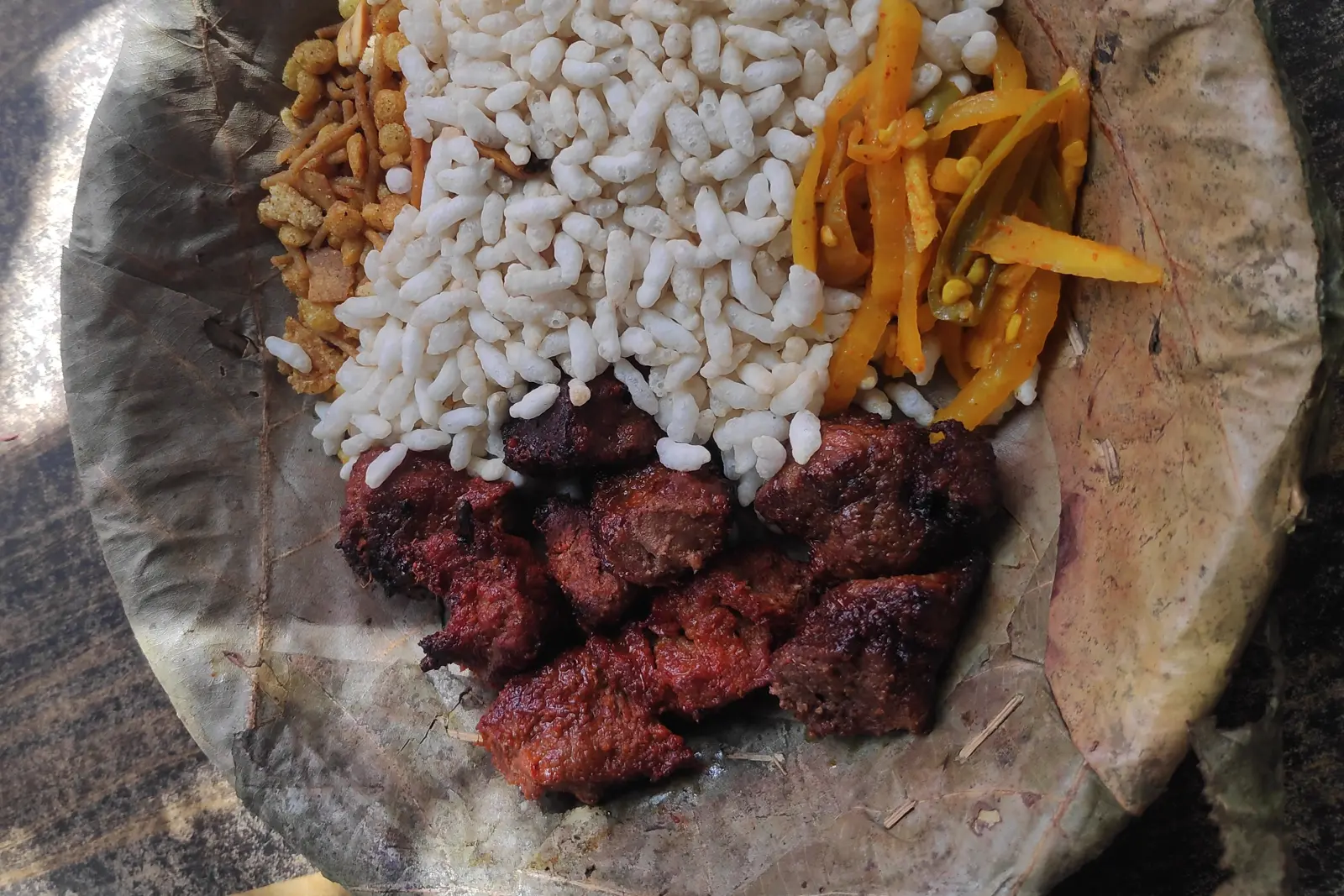
Nepalese sekuwa — charcoal-grilled marinated meat chunks served on a leaf plate with puffed rice and pickled vegetables

Nepalese Charcoal Grill

Photo: Gaurav Dhwaj Khadka, CC BY-SA 4.0, via Wikimedia Commons

The Heritage Formulary

Measured Ingredients

Estimated cost: Moderate — about $4–5 per serving at home (USD)

Marinated for at least four hours and grilled over grey-ashed charcoal for a smoky char.

Execution Methodology & Culinary Technique

Step-by-Step Cooking Guide

Active 50m
P

Prep Stage: Cut, Smoke the Oil & Marinate

30 Mins

Cut the chicken and goat into 3 cm cubes. Smoke the mustard oil until it just shimmers and cool it completely, then whisk it with the yogurt, garlic, ginger, lemon juice, cumin, coriander, turmeric, chilli, timur and salt. Massage the marinade into the meat and refrigerate for at least 4 hours, ideally overnight. Soak bamboo skewers for 30 minutes if you use them, or use flat metal skewers.

Maestro Tip: Never pour hot mustard oil onto the meat — it cooks the surface and the marinade will not stick. Smoke it, cool it completely, then mix.

  1. 1

    Cut the Meat

    10 Mins Room temperature, about 21°C (70°F)

    Cut the 400 g chicken thighs and 400 g goat into even 3 cm (1 1/4 inch) cubes, trimming any tough gristle from the goat. Keep the two meats in separate bowls so they can be skewered separately — chicken and goat cook at different speeds.

    Even cubes cook evenly; a small piece next to a big one means one burns while the other stays raw inside.

    Done when: The cubes are all roughly the same size, about the size of a walnut.

  2. 2

    Mix the Marinade and Marinate

    10 Mins Active, 4 Hours Marinating Refrigerated, about 4°C (39°F)

    Heat the 30 ml mustard oil in a small pan until it just smokes, then take it off the heat and cool completely. Whisk it with the 60 g yogurt, grated garlic and ginger, 30 ml lemon juice, cumin, coriander, turmeric, chilli powder, timur and 5 g salt. Massage the marinade into the chicken and goat, cover, and refrigerate for at least 4 hours, ideally overnight.

    The timur and mustard oil are slow to give up their flavour — four hours is the minimum, overnight is noticeably better.

    Done when: The meat is evenly coated in a thick, golden, spice-flecked marinade.

  3. 3

    Thread the Skewers

    10 Mins Room temperature, about 21°C (70°F)

    Thread the chicken onto some skewers and the goat onto others, leaving a small gap between cubes so the heat can reach all sides. Do not pack the meat tightly, and keep chicken and goat on separate skewers.

    Flat metal skewers stop the cubes spinning when you turn them; if you use bamboo, soak them for 30 minutes first so they do not burn.

    Done when: Each skewer holds 5–6 cubes with a finger-width gap between them.

  4. 4

    Build the Charcoal Fire

    20 Mins Hot charcoal, about 230°C (450°F)

    Burn hardwood or lumpwood charcoal down until the coals are grey-ashed with no flame — a flaming fire deposits soot, while grey coals give clean radiant heat of about 230°C (450°F).

    Wait for the grey ash; impatience here is the most common reason sekuwa tastes of smoke instead of spice.

    Done when: The coals are evenly grey, glowing underneath, with no visible flame.

  5. 5

    Grill the Skewers

    15 Mins Hot charcoal, about 230°C (450°F); chicken must reach 74°C (165°F)

    Lay the skewers over the coals and grill for 12–15 minutes, turning every 2 minutes so the edges char in patches without burning. Baste once with a little extra mustard oil halfway through. The chicken must reach 74°C (165°F) at its thickest point and the goat should be cooked through with no pink in the centre.

    Sear first for colour, then move the skewers to a cooler part of the grill to finish — the char is a flavour, not an accident, but black all over is burnt.

    Done when: The cubes are browned and charred at the edges, the juices run clear, and the chicken reads 74°C (165°F) on a thermometer.

  6. 6

    Rest and Serve

    5 Mins Serve hot, above 60°C (140°F)

    Rest the skewers for 5 minutes, then slide the meat off onto a plate. Squeeze over the remaining lemon, scatter with the sliced onion and fresh coriander, and serve at once with beaten rice and pickles.

    Resting lets the juices settle back into the meat — cut into a cube straight off the fire and the juice runs out onto the plate.

    Done when: The meat is hot, juicy, and smoky, with a citrusy tingle from the timur.

Finishing Touches & Plating

Slide the skewers off the grill, rest them for 5 minutes, then pile the meat onto a plate with sliced onion and coriander — serve hot, straight from the coals, with beaten rice and pickles on the side.

Nutritional Physiology & Benefits

Nutrition

Energy

431

kcal / serving

Protein

49g

Complete AA

Carbs

8g

Complex

Fats

22g

Healthy

Per serving (4 servings · 1 serving ≈ 200 g)
Energy431 kcal
Protein49 g
Carbohydrates8 g
Fat22 g
Fibre1.7 g
Sugar2.1 g
Sodium666 mg
Per 100g
Energy215 kcal
Protein24.3 g
Carbohydrates3.8 g
Fat11.1 g
Fibre0.8 g
Sugar1 g
Sodium333 mg

Nutrition values are estimated — calculated from USDA FoodData Central values for the listed ingredients.

Vitamins & minerals: Iron and zinc (goat, chicken), vitamin B12 and niacin (chicken, goat), vitamin C (lemon, chillies), vitamin B6 (chicken, ginger). Nutrition values are estimated.

High in Protein

Chicken and goat give about 49 g of protein per serving, so one plate is a substantial, filling dinner.

Real Spices, No Packet Mix

The flavour comes from timur, cumin, coriander, turmeric and chilli — a short list of real spices, with no added sugar.

Charcoal-Grilled, Not Fried

Grilling over charcoal lets fat drip away instead of soaking back in, and gives the smoky char that defines sekuwa.

Food Pairings

What to Eat With

To optimize nutrient absorption and elevate the sensory depth, pair with these authentic accompaniments:

Sides

Beaten Rice (Chiura)

Flattened rice is the classic sekuwa partner: it soaks up the meat juices and the mustard-oil marinade, and its crunch contrasts with the soft grilled cubes.

Vegetables

Pickled Vegetables (Achar)

Sharp, sour pickles cut through the rich, oily marinade and reset the palate between bites of charred meat.

Sliced Onion and Tomato Salad

Raw onion rings and tomato add cool crunch and acidity, and the onion is the traditional sekuwa garnish, scattered over the hot meat.

Drinks

Masala Chiya or Cold Lager

Spiced Nepali milk tea is the traditional fireside drink, while a cold lager cools the chilli heat — either way, something cold and refreshing suits the smoky meat.

Complete menu

Serve the grilled chicken and goat with beaten rice, pickled vegetables and a sliced onion and tomato salad, with masala chiya — the classic Nepali sekuwa plate.

Digestive Guardrails

What NOT to Combine

To prevent digestive distress, sluggishness, or palate clash, avoid pairing the dish with these elements:

A Heavy Cream Sauce on Top

Sekuwa is already rich from the mustard-oil marinade, so a heavy cream sauce adds a large amount of fat on top; sharp pickles are the lighter contrast. This is general information, not medical advice.

Grilling Over Flames

A flaming fire deposits soot and burns the outside before the inside cooks — always wait for grey-ashed coals. This is general cooking advice, not medical advice.

General information only, not medical advice — consult a doctor for personal dietary decisions.

Who Should Eat It

Who Should Eat

  • General adultsA hearty grilled dinner — one plate with beaten rice and pickles is a full meal.
  • ChildrenSuitable for older children, but hold back the chilli powder and timur for young children and cut the meat small.
  • ElderlyTender grilled meat that is easy to chew; serve warm, not piping hot, and keep the spice mild.
  • Pregnant womenEat only fully cooked meat — the chicken must reach 74°C (165°F); avoid sekuwa from street stalls where the cooking temperature is uncertain.
  • Breastfeeding womenA high-protein choice; make sure the meat is cooked through and freshly grilled.
  • AthletesAbout 49 g of protein per serving makes this a strong post-training dinner.
  • Weight gainEnergy-dense and protein-rich, so it suits a weight-gain plate in normal portions.
  • Weight lossFilling and high in protein, but watch the beaten rice portion — the meat itself is low in carbohydrate.

Health Conditions — Adjust or Avoid

Conditions

  • DiabetesThe meat itself is low in carbohydrate; the beaten rice is the main carbohydrate, so keep that portion modest and ask your clinician about portions.
  • High blood pressureContains about 666 mg of sodium per serving; go easy on extra salt and pickles if you watch sodium, and ask your clinician.
  • Kidney diseaseA large protein load in one sitting; people with kidney disease should ask their clinician about portion size.
  • GoutGoat is a red meat with purines, so people with gout should keep portions modest and ask their clinician.
  • Stomach issuesTimur, chilli and mustard oil can irritate sensitive stomachs — eat a small portion first and skip the chilli if spice is a problem.
  • Cardiovascular diseaseGrilled rather than fried, with mostly unsaturated fat from mustard oil, which fits a heart-friendly pattern in modest portions; ask your clinician.
  • Fatty liverChar-grilled meat with a rich marinade is a heavier choice; keep the portion moderate and the rice small, and ask your clinician if you follow a liver-friendly diet.
  • Food allergiesContains milk (yogurt) and mustard oil — both can be allergens for some people. The dish is otherwise free of gluten, egg, soy and nuts; check for mustard allergy before serving.
  • Special therapeutic dietsHigh in protein and naturally gluten-free; people on a therapeutic diet should ask their clinician or dietitian about fitting the meat and rice portions in.

If you have a medical condition, consult your doctor before changing your diet.

Storage & Use

Storage & Use

How to store
Cool quickly and store in airtight containers in the fridge.
In the fridge
Cooked sekuwa 2 days; uncooked marinated meat 1 day.
In the freezer
Up to 2 months.
How to reheat
Reheat in a hot oven at 180°C (350°F) until steaming hot throughout, to 74°C (165°F); microwaving makes it rubbery.
Freezing recommended
Yes, up to 2 months; freeze the uncooked marinated meat, and grill from thawed.
Signs it has spoiled
Sour smell, slimy surface, or grey discoloration.

More recipes to explore

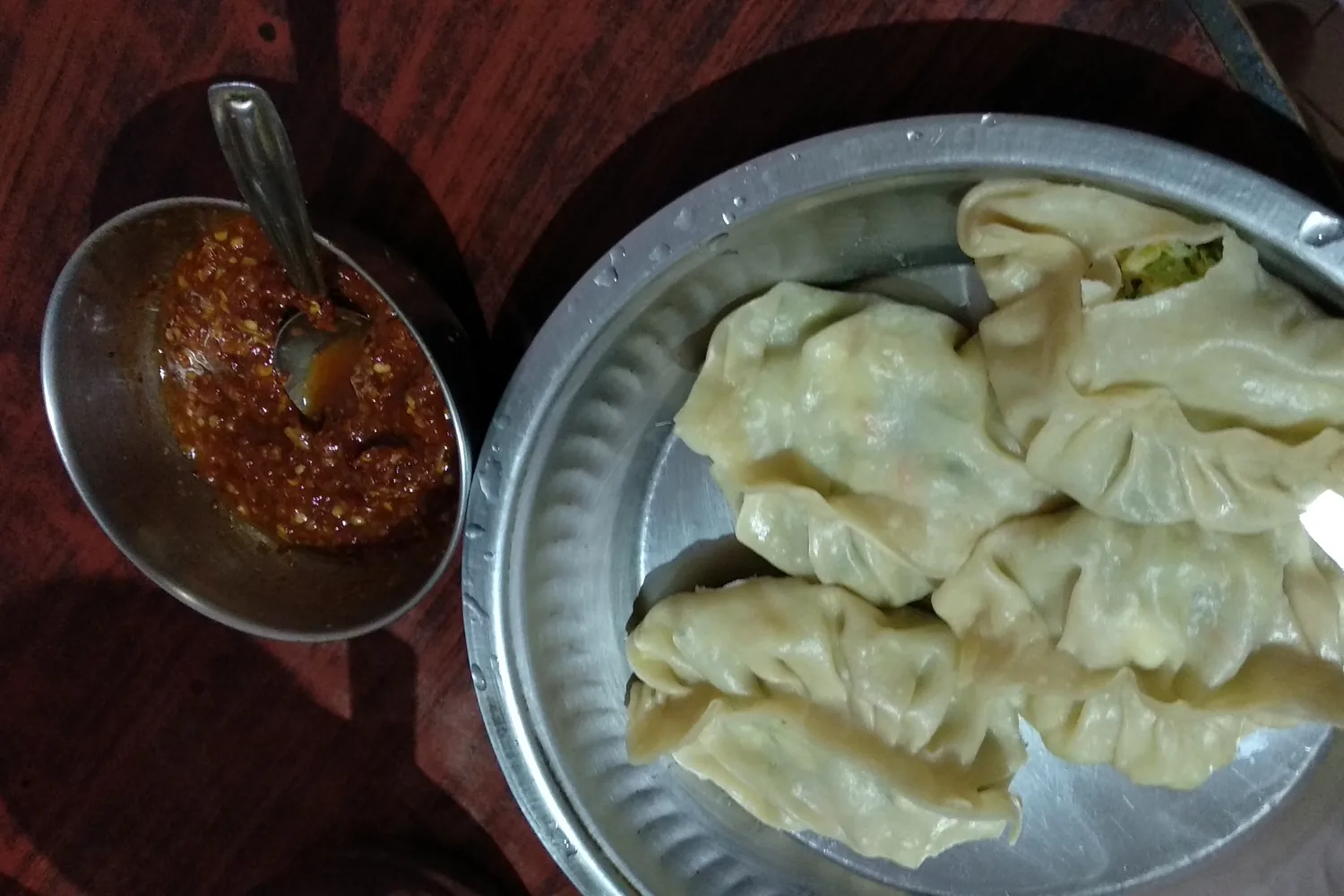
Nepalese momo — steamed chicken dumplings on a steel plate with a bowl of red chilli achar Nepal flag Nepal 1h 25m
Dinner •Nepalese Street-Food Favourite

Nepalese Momo

This nepalese momo recipe wraps spiced ground chicken, onion, cabbage, ginger and coriander in paper-thin wrappers, steams the little pleated dumplings until juicy, and serves them hot with a fiery tomato-sesame achar. One serving is about 410 g.

Comfort & Warmth

Small steamed dumplings filled with spiced chicken, served hot with a fiery tomato-sesame achar.

Pairs Well With
Tomato-sesame achar, cucumber salad, hot masala chiya
High Protein
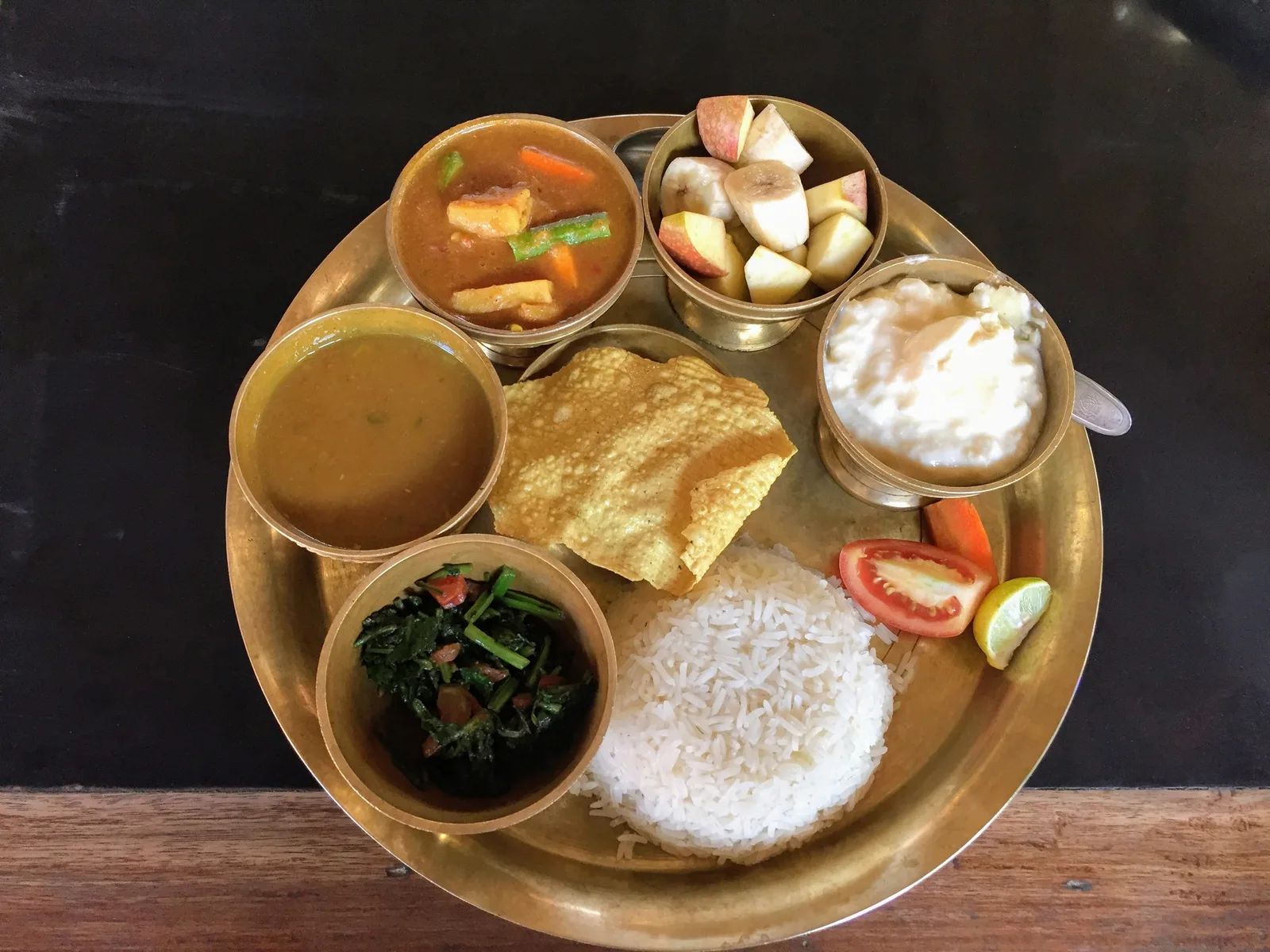
Nepali dal bhat on a brass thali — a mound of white rice with bowls of yellow dal, vegetable tarkari, saag greens, yogurt and papad, with fresh fruit Nepal flag Nepal 1h 5m
Dinner •Nepal's National Dish

Dal Bhat

This dal bhat recipe is Nepal's everyday dinner plate: a mound of steamed basmati rice with a bowl of golden lentil dal, potato and cauliflower tarkari, wilted spinach saag, cool yogurt and a crisp papad, all served together on one plate. The dal is finished with a sizzling tempering of cumin, garlic and ginger in ghee, and a squeeze of lemon wakes the whole plate up. One serving is about 610 g.

Everyday Comfort

Steamed rice with soft lentils, vegetable tarkari, saag, yogurt and papad — Nepal's everyday dinner plate.

Pairs Well With
Tomato achar, cucumber salad & masala chiya
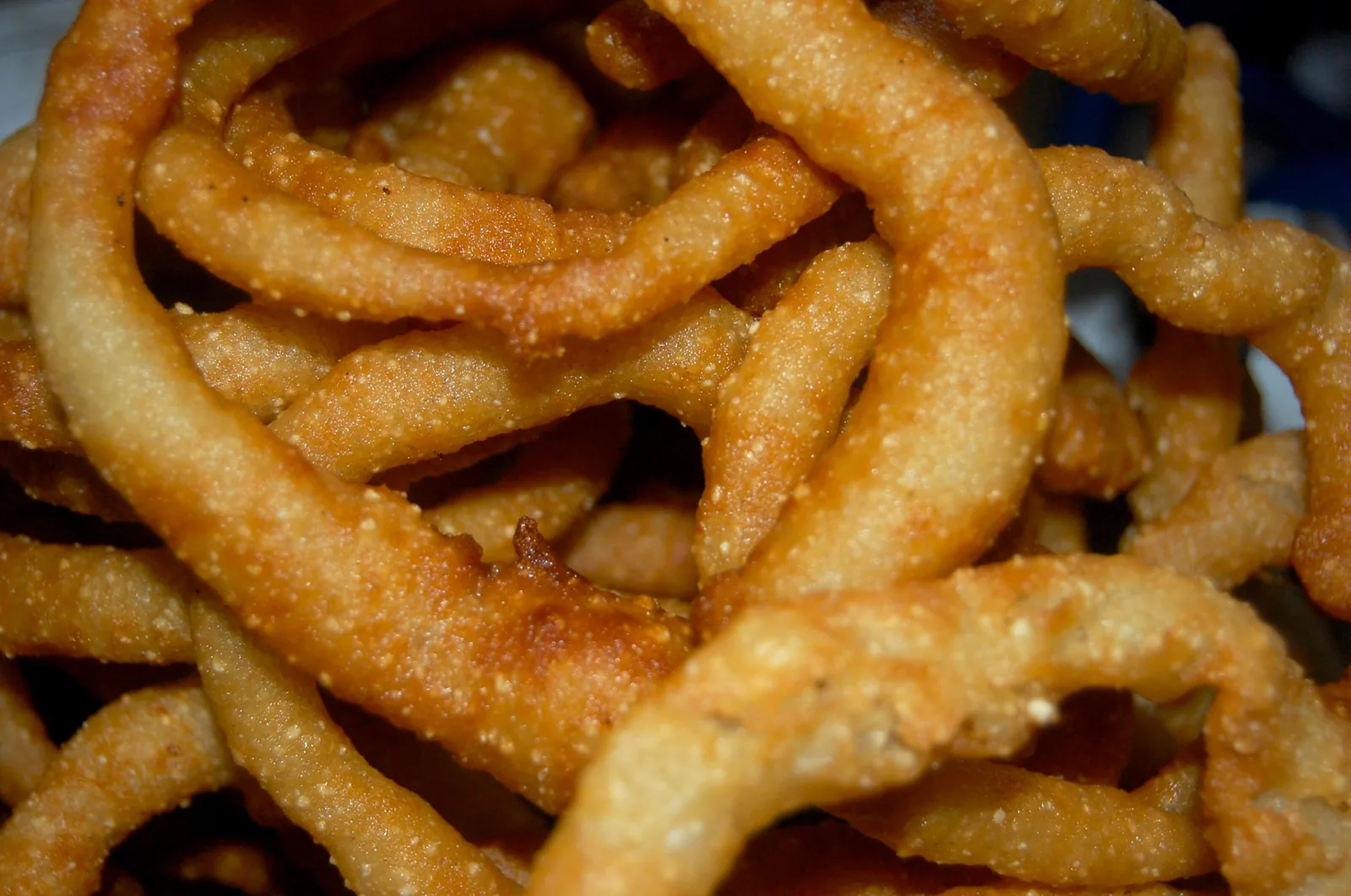
A pile of golden-brown sel roti — crisp ring-shaped Nepali rice doughnuts Nepal flag Nepal 1h 5m
Snack & Tea •Nepal Festival Classic

Sel Roti

This sel roti recipe makes Nepal's beloved ring-shaped rice doughnuts: a sweet batter of soaked rice, banana, sugar and cardamom, poured in a circle into hot oil and fried until crisp outside and soft inside. The rings are best eaten warm, pulled apart by hand, with a cup of milky chiya. One serving is about 115 g (2 rings).

Festive Sweet Snack

A sweet, crisp-edged ring to share with tea at festivals and family gatherings.

Pairs Well With
Milky chiya, aloo achar & plain yoghurt
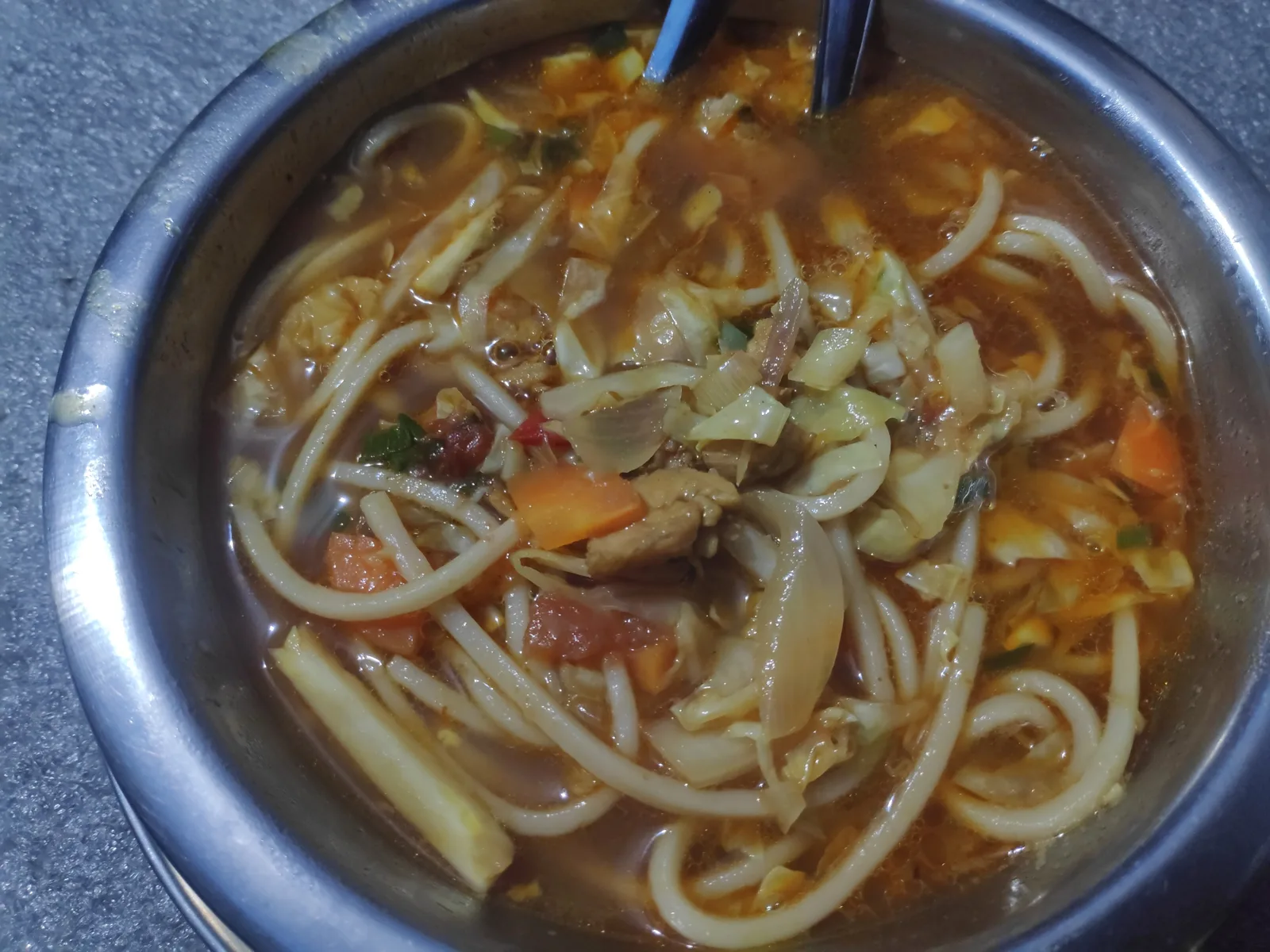
A steel bowl of Nepalese thukpa: thick wheat noodles, chicken pieces, carrots and cabbage in a spiced orange broth, with chopsticks resting on the rim. Nepal flag Nepal 55m
Dinner •Himalayan Heritage

Nepalese Thukpa

This nepalese thukpa recipe simmers chicken with ginger, garlic, tomatoes and garam masala into a warm, spiced broth, then adds thick wheat noodles, carrots and cabbage until everything is tender. Timur pepper gives it its gentle Himalayan tingle, and lime juice and spring onions finish each bowl. One serving is about 600 g, served steaming hot in a deep bowl.

Comfort & Warmth

A Himalayan noodle soup of chicken, hand-pulled-style wheat noodles and vegetables in a spiced tomato-ginger broth, finished with lime and fresh herbs.

Pairs Well With
Chilli sauce and lemon wedges on the side, with hot milk tea or sparkling water.
Soups & Broths • Pasta & Noodles

The Dinner Gazette

Never wonder what’s for dinner again

One email a week with easy dinner ideas from around the world — ingredients, steps and nutrition, tested in our kitchen first.

Delivered every Thursday morning. Unsubscribe anytime.