Curated recipes from 193 countries  •  New seasonal Mediterranean issue out now

Overview

New Zealand Afghan Biscuits

Afghans, Chocolate Cornflake Biscuits

This afghan biscuits recipe bakes 24 crunchy cocoa and cornflake biscuits from the classic Edmonds Cookery Book version — butter, sugar, flour, cocoa and cornflakes, finished with chocolate icing and a walnut half on each one. One serving is one biscuit, about 32 g. They keep for a week in a tin, which is why they are a New Zealand bake-sale staple.

Afghans are thought to have come from New Zealand, not Afghanistan — the earliest printed recipes appeared in The Timaru Herald in 1933 and 1934, and a recipe has been in the Edmonds Cookery Book since the 1955 De Luxe edition. Nobody knows for certain where the name came from, and several theories exist, none proven. The biscuit became one of New Zealand’s three classic biscuits, alongside ANZAC biscuits and gingernuts, and the Edmonds version — cocoa and cornflakes, chocolate icing, one walnut half per biscuit — is the one most Kiwis still bake. In recent years some makers have dropped the name, with Griffin’s renaming its version Milk Chocolate Roughs, while Edmonds still calls its recipe Afghans.

Pairs well with: A flat white or a cold glass of milk

Provenance

New Zealand flag New Zealand

Kiwi Baking Classic

Oceania & Pacific

Time Dedication

35m

20m prep • 15m cook

Batch Yield

24 Servings

158 kcal per serving

1 serving ≈ 32 g

Technical Skill

Easy

Easy (One Bowl)

Meal Timing & Digestive Fit

Breakfast

Not Advised

Lunch

Inappropriate

Dinner

Inappropriate

Snack & Tea

Ideal Light Bite

Occasions: Morning tea, afternoon tea, school lunches, bake sales, picnics Cost: Low — about $0.40–0.50 per serving at home
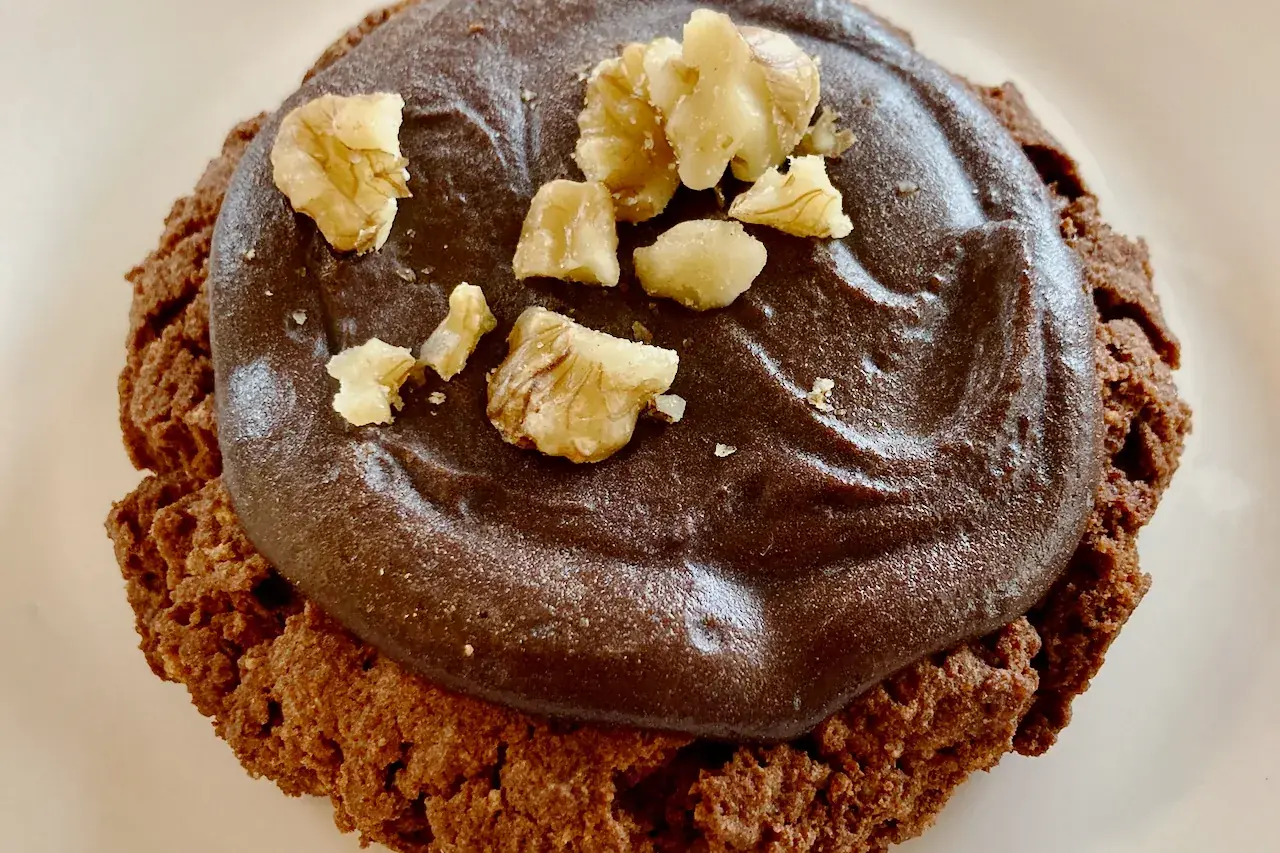
A New Zealand Afghan biscuit with dark chocolate icing and walnut pieces on top, on a white plate

Kiwi Baking Classic

Photo: Mike Dickison, CC BY 4.0, via Wikimedia Commons

The Heritage Formulary

Measured Ingredients

Estimated cost: Low — about $0.40–0.50 per serving at home (USD)

A good Afghan is crisp and crunchy from the cornflakes, with a thick glossy chocolate icing cap and a walnut half set in the middle.

Execution Methodology & Culinary Technique

Step-by-Step Cooking Guide

Active 35m
P

Prep Stage: Soft Butter, Hot Oven

20 Mins • One Bowl & A Lined Tray

Heat the oven to 180°C (350°F) and line two baking trays with baking paper. Sift the flour and the biscuit cocoa together into a bowl. Crush the cornflakes lightly in a bag — you want flakes and crumbs, not dust. Set the walnut halves aside in a small bowl so they are ready the moment the icing goes on.

Maestro Tip: Soft butter is the key to this recipe: too cold and it will not cream, too melted and the biscuits spread flat.

  1. 1

    Cream the Butter and Sugar

    5 Mins Room temperature, about 20°C (68°F)

    Beat the 200 g of softened butter with the caster sugar until pale and fluffy, about 3 minutes with a wooden spoon or an electric beater. The mixture should look light and feel smooth, with no sugar grit when you rub a little between your fingers.

    Creaming beats air into the butter, which is the only lift these biscuits get — there is no baking powder.

    Done when: Pale, fluffy and smooth.

  2. 2

    Mix in the Flour, Cocoa and Cornflakes

    5 Mins Room temperature, about 20°C (68°F)

    Stir the sifted flour and cocoa into the creamed butter, then fold in the crushed cornflakes. Mix just until it comes together into a firm, crumbly dough — the cornflakes should stay in visible flakes, not turn to mush.

    Stop as soon as the flour disappears; over-mixing crushes the cornflakes and makes the biscuits tough.

    Done when: A firm dough with visible cornflake pieces.

  3. 3

    Shape and Bake

    15 Mins 180°C (350°F)

    Roll the dough into 24 balls about the size of a walnut, place them on the lined trays with space between them, and press each one flat to about 1 cm (1/2 in) thick. Bake for 15 minutes until the edges are firm and the tops look dry — the centres will still feel slightly soft, and that is right.

    Press them flat before baking: round balls stay raw in the middle and crack on top.

    Done when: Edges firm, tops dry, centres just set.

  4. 4

    Cool Completely

    20 Mins Room temperature, about 20°C (68°F)

    Leave the biscuits on the trays for 5 minutes, then move them to a wire rack and let them cool completely, about 20 minutes. Warm biscuits melt the icing, so do not rush this step.

    A wire rack stops the bases going soft from trapped steam.

    Done when: Biscuits cold right through, firm and crisp.

  5. 5

    Make the Chocolate Icing

    5 Mins Hot water, about 80°C (175°F)

    Sift the icing sugar and the remaining cocoa into a bowl, add the 25 g of soft butter, the vanilla and 2 tablespoons of hot water, and beat until smooth and glossy. Add hot water a teaspoon at a time if it is too thick — it should spread, not run.

    Hot water melts the butter and cocoa into a glossy icing; cold water leaves it dull and lumpy.

    Done when: Smooth, thick and glossy, holding a soft peak.

  6. 6

    Ice and Top with Walnut

    10 Mins Room temperature, about 20°C (68°F)

    Spread a spoonful of icing on top of each cold biscuit, swirling it to the edges, and press one walnut half gently into the centre. Leave the biscuits for 20 to 30 minutes until the icing sets firm.

    Ice generously — the thick icing cap is the signature look of an Afghan.

    Done when: A thick chocolate cap with a walnut half set in the middle of each biscuit.

Finishing Touches & Plating

Leave the iced biscuits until the icing sets firm, about 30 minutes, then pack them into an airtight tin. They taste best the next day, once the icing has fully set and the cornflake crunch has settled.

Nutritional Physiology & Benefits

Nutrition

Energy

158

kcal / serving

Protein

2g

Complete AA

Carbs

19g

Complex

Fats

9g

Healthy

Per serving (24 servings · 1 serving ≈ 32 g)
Energy158 kcal
Protein2 g
Carbohydrates19 g
Fat9 g
Fibre1.0 g
Sugar11.2 g
Sodium82 mg
Per 100g
Energy500 kcal
Protein4.9 g
Carbohydrates61.3 g
Fat28.4 g
Fibre3.1 g
Sugar35.3 g
Sodium257 mg

Nutrition values are estimated — calculated from USDA FoodData Central values for the listed ingredients.

Vitamins & minerals: Iron and magnesium (cocoa), B vitamins (flour, cornflakes), vitamin E and healthy fats (walnuts).

Steady Energy in a Small Biscuit

At 158 kcal each, one Afghan with a cup of tea is a measured afternoon boost — enough to carry you to dinner without a second biscuit.

Real, Pantry Ingredients

Butter, flour, cocoa, cornflakes and walnuts — no mixes, no preservatives, and everything already in most New Zealand kitchens.

Bakes in One Bowl

From measuring to eating in about 35 minutes plus cooling, with no chilling, no rolling and no cutters — baking a beginner can finish in one sitting.

Food Pairings

What to Eat With

To optimize nutrient absorption and elevate the sensory depth, pair with these authentic accompaniments:

Drinks

A Flat White

The cafe pairing: hot milky coffee softens the dark chocolate icing and the cornflake crunch, which is why Afghans sit next to the coffee machine in every New Zealand cafe.

A Cold Glass of Milk

Milk is the children’s pairing — it cools the cocoa richness and makes the biscuit a proper after-school snack.

More Pairings

Vanilla Ice Cream

Crumble an Afghan over vanilla ice cream and the crunchy, chocolatey crumbs become a sundae topping — the icing melts slightly against the cold cream.

Sides

Fresh Berries

Raspberries or strawberries cut through the sweet icing with tartness, and their freshness balances a rich biscuit on a dessert plate.

Complete menu

Serve an Afghan biscuit with a flat white and fresh berries for morning tea, or crumbled over vanilla ice cream as a simple dessert.

Digestive Guardrails

What NOT to Combine

To prevent digestive distress, sluggishness, or palate clash, avoid pairing the dish with these elements:

Over-Baking the Biscuits

Afghans go from crisp to hard in two extra minutes. Take them out when the edges are firm and the tops look dry — they firm up as they cool. This is general information, not medical advice.

Icing Warm Biscuits

Icing melts and slides off a warm biscuit, leaving a bare, sticky mess. Wait until the biscuits are cold right through before the icing goes on. This is general information, not medical advice.

Eating Too Many at Once

At 158 kcal and 11.2 g of sugar each, three biscuits are a small meal’s worth of sugar. One with a hot drink is the serving. This is general information, not medical advice.

General information only, not medical advice — consult a doctor for personal dietary decisions.

Who Should Eat It

Who Should Eat

  • General adultsFine as an occasional biscuit with tea or coffee — one or two is the serving, not the whole tin.
  • ChildrenA classic after-school biscuit, but sweet — one biscuit with milk is plenty, and the walnut is a choking hazard for very young children.
  • ElderlyCrunchy rather than hard, and easy to eat with a hot drink — but sweet, so one biscuit is the serving if sugar is a concern.
  • Pregnant womenSafe to eat in a small portion; there is no raw egg and the biscuits are fully baked, but keep the sugar in mind.
  • Breastfeeding womenA quick energy snack in a small portion is fine; pair it with something savoury so it is not all sugar.
  • AthletesFast carbs and a little fat make it a handy post-training snack, but it has almost no protein — eat it with a protein food.
  • Weight gainAn easy calorie boost in a small package — a biscuit or two between meals adds energy without much volume.
  • Weight lossBest saved for a planned treat — one biscuit, eaten slowly with a drink, rather than eating from the tin.

Health Conditions — Adjust or Avoid

Conditions

  • DiabetesHigh in sugar at 11.2 g per biscuit, so it will raise blood glucose — one biscuit only, and only if it fits your plan. Ask your clinician about a safe portion.
  • High blood pressureSodium is low at 82 mg per biscuit, so blood pressure is not the main concern — the sugar and saturated fat are. Ask your clinician if you are unsure.
  • Kidney diseaseLow in protein, which helps, but high in sugar and the cocoa adds potassium — check with your clinician before making it a regular food.
  • GoutNo purine-rich ingredients, so gout is not a direct concern — the risk is the sugar, which can raise uric acid over time. Ask your clinician if you eat sweets often.
  • Stomach issuesRich, buttery and sweet, so it can feel heavy on a sensitive stomach — one biscuit after a meal is easier than eating it alone. Ask your clinician if rich foods trigger symptoms.
  • Cardiovascular diseaseHigh in saturated fat from butter and added sugar, so it is an occasional treat, not an everyday food. Ask your clinician about how often sweet treats fit your diet.
  • Fatty liverAdded sugar is the main concern for fatty liver — keep portions small and infrequent. Ask your clinician about a safe frequency.
  • Food allergiesContains gluten (wheat flour), milk (butter) and tree nuts (walnuts). Cornflakes may contain barley malt — check the packet if you have allergies.
  • Special therapeutic dietsNot suitable for low-sugar, dairy-free, gluten-free or nut-free diets as written; leaving the walnut off helps with nut allergy, but check with your clinician or dietitian first.

If you have a medical condition, consult your doctor before changing your diet.

Storage & Use

Storage & Use

How to store
Cool completely, then store in an airtight tin at room temperature, in a single layer if possible.
In the fridge
Up to 1 week in an airtight tin at room temperature is best; in the fridge they keep 2 weeks but soften slightly.
In the freezer
Freeze un-iced biscuits in a sealed bag for up to 3 months; thaw at room temperature, then ice and top as usual.
How to reheat
No reheating needed — eat at room temperature. If iced biscuits have softened, a few minutes in a cool, dry tin firms them again.
Freezing recommended
Yes — freeze the biscuits un-iced and ice them after thawing for the best result.
Signs it has spoiled
Soft, stale texture, rancid smell from the butter or walnuts, or any mould.

More recipes to explore

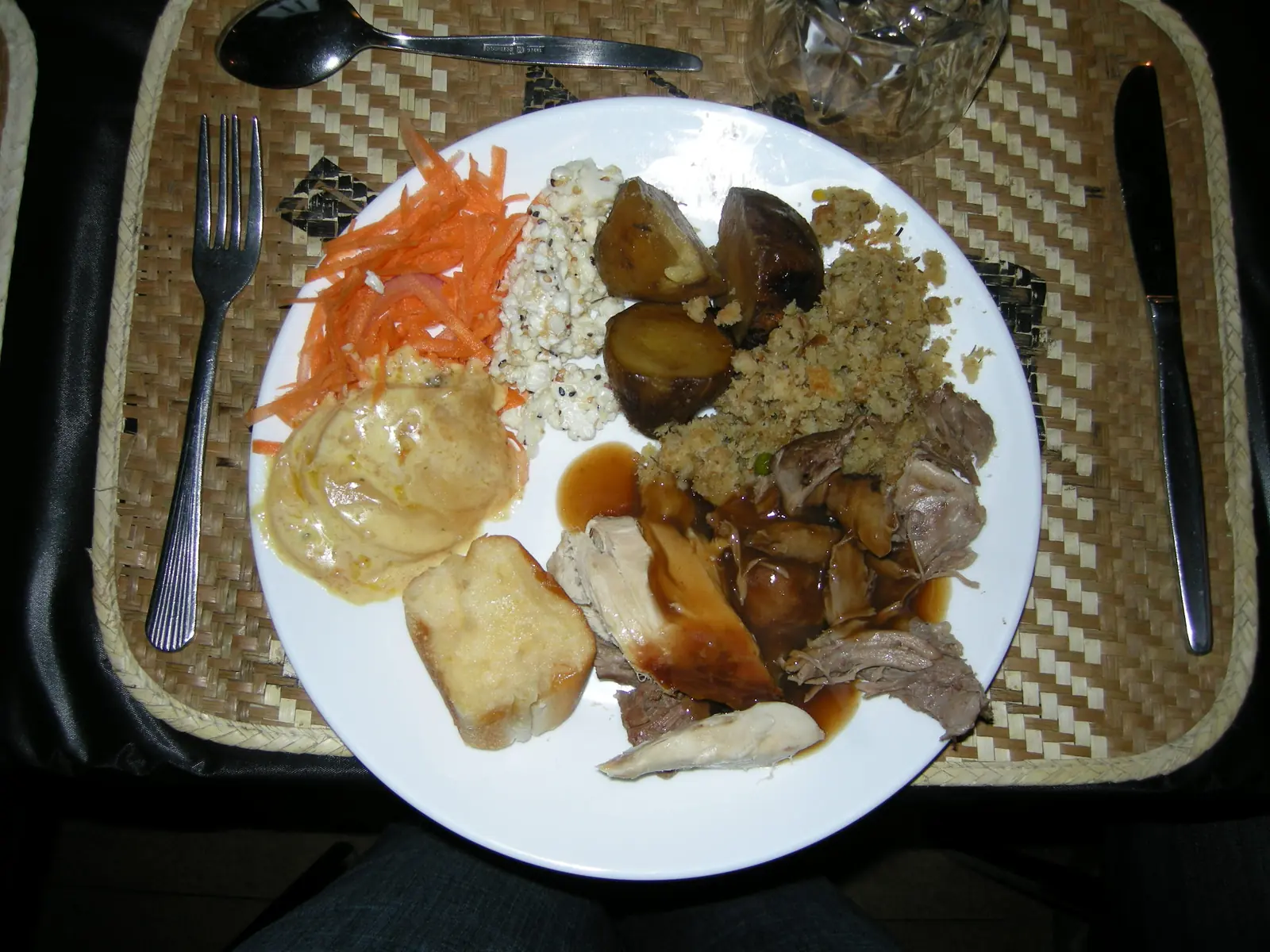
A plated hāngī dinner — slow-cooked meat with gravy, sage stuffing, roast potato and kūmara, and carrot salad on a woven flax placemat New Zealand flag New Zealand 4h
Dinner •Māori Earth-Oven Feast

New Zealand Hāngī

This hangi recipe brings New Zealand's Māori earth-oven feast into a home kitchen: pork, lamb and chicken rubbed with garlic and salt, layered with kūmara, potato, pumpkin, cabbage and carrots in cabbage-leaf-lined parcels with sage stuffing, then slow-roasted until everything is tender and smoky. Traditionally the food goes into flax baskets over white-hot stones in a pit dug in the ground and is buried under wet sacks and earth; here a low oven and foil do the same job, and the recipe says so plainly. One serving is about 773 g.

Hearty & Communal

Pork, lamb and chicken slow-roasted with kūmara, potato, pumpkin and cabbage, cooked the Māori way and built for sharing.

Pairs Well With
Watercress salad and rewena bread on the side, with gravy from the pan juices
High Protein
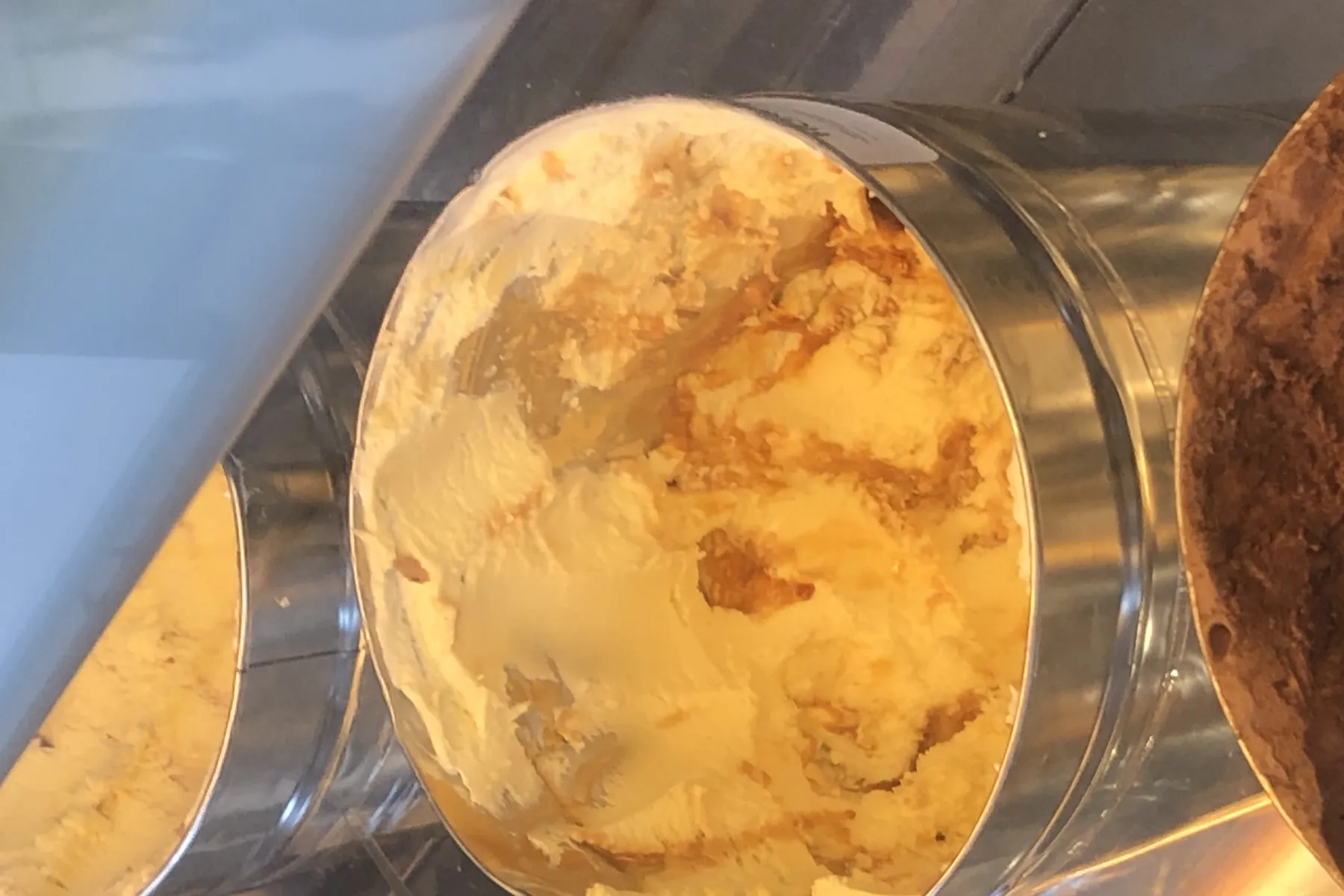
A tub of hokey pokey ice cream in a parlour display — pale vanilla ice cream swirled with golden honeycomb toffee pieces New Zealand flag New Zealand 6h 30m
Snack & Tea •New Zealand Kiwiana Classic

New Zealand Hokey Pokey Ice Cream

This hokey pokey ice cream recipe starts with a silky no-churn vanilla base — whipped cream, sweetened condensed milk and vanilla — then folds in shards of homemade hokey pokey, the golden honeycomb toffee New Zealanders have loved for generations. The honeycomb stays crunchy against the cold cream, giving every spoonful a caramel snap. One serving is about 146 g.

Sweet & Comforting

Creamy no-churn vanilla ice cream folded with crunchy homemade honeycomb toffee — a rich, sweet treat to enjoy in small scoops.

Pairs Well With
Crisp wafers or a waffle cone, with a cup of black tea or flat white coffee
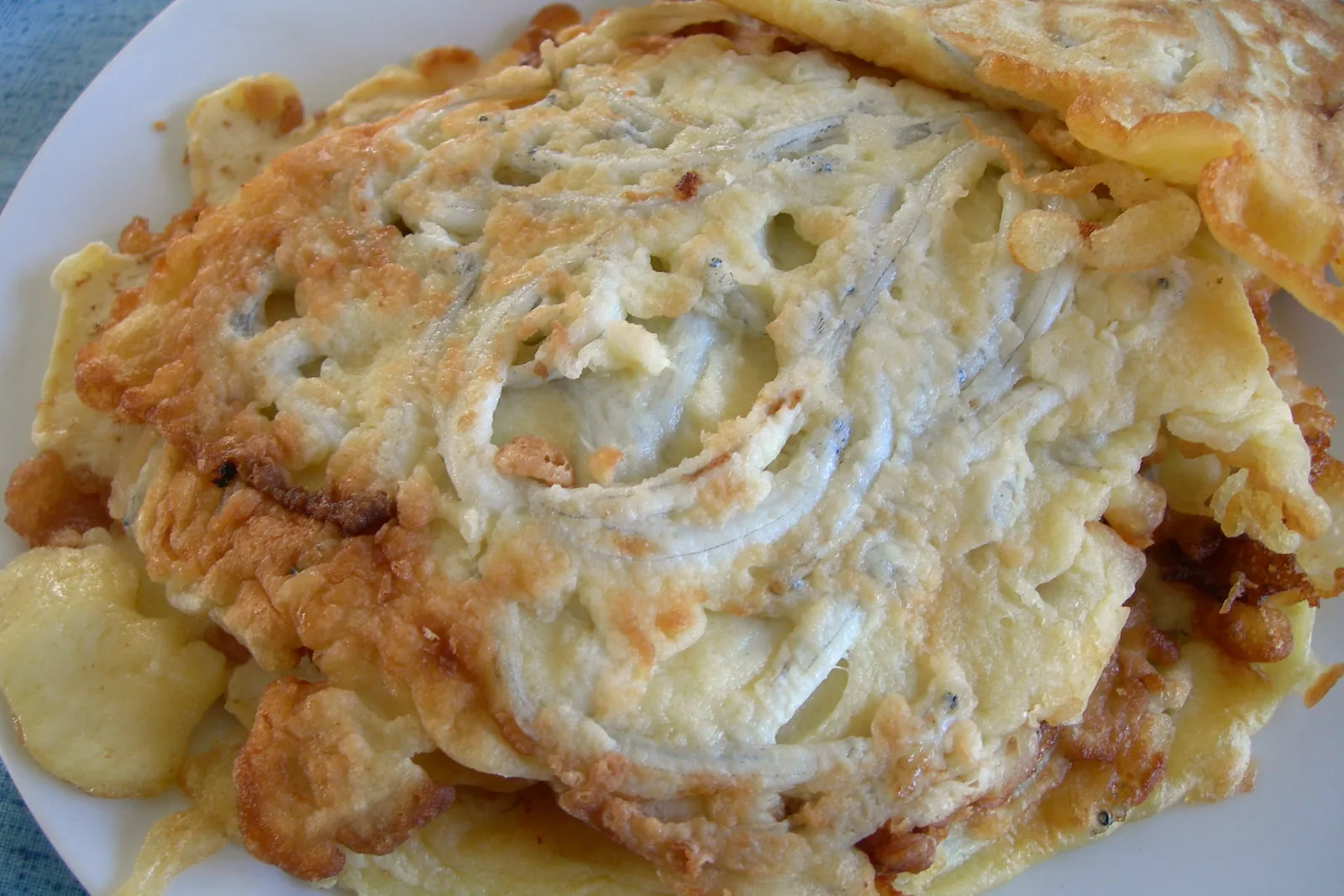
Golden New Zealand whitebait fritters on a white plate, tiny whitebait visible curled through the egg batter New Zealand flag New Zealand 22m
Lunch •New Zealand Seasonal Classic

New Zealand Whitebait Fritters

This whitebait fritters recipe folds tiny New Zealand whitebait through lightly beaten egg with just a spoonful of flour, then pan-fries spoonfuls in butter until golden. The fish stay clearly visible, curled through the egg — the classic Kiwi way to eat the seasonal catch. One serving is about 173 g.

Delicate & Savoury

Tiny whole whitebait folded through egg with just a spoonful of flour, pan-fried in butter — high in protein and light on the stomach.

Pairs Well With
Buttered white bread and lemon wedges, with a crisp green salad
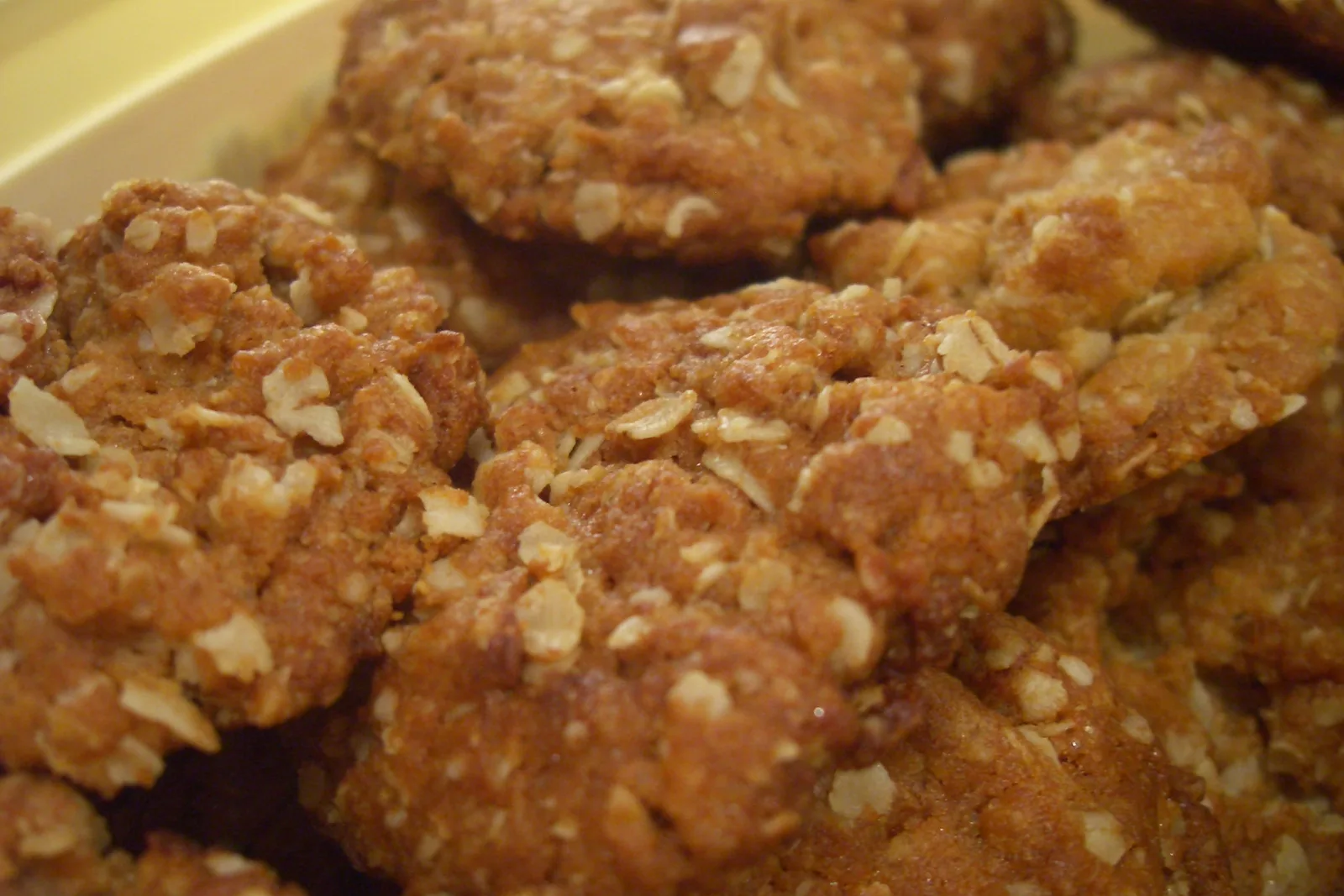
A pile of freshly baked golden ANZAC biscuits with visible rolled oats New Zealand flag New Zealand 30m
Snack & Tea •Anzac Day Classic

New Zealand ANZAC Biscuits

This anzac biscuits recipe makes 24 chewy, golden oat biscuits with desiccated coconut and golden syrup, baked until crisp at the edges and soft in the middle. One serving is two biscuits, about 50 g. There are no eggs in the dough, which is exactly why the biscuits keep so well — the same reason they became a wartime favourite more than a century ago.

Comfort & Warmth

A chewy oat biscuit with golden syrup and coconut — a sweet, filling snack that keeps well and travels well.

Pairs Well With
A hot cup of tea or a cold glass of milk

The Dinner Gazette

Never wonder what’s for dinner again

One email a week with easy dinner ideas from around the world — ingredients, steps and nutrition, tested in our kitchen first.

Delivered every Thursday morning. Unsubscribe anytime.