
Curated recipes from 193 countries  •  New seasonal Mediterranean issue out now

Overview

New Zealand ANZAC Biscuits

ANZAC Biscuits, Anzac Bikkies

This anzac biscuits recipe makes 24 chewy, golden oat biscuits with desiccated coconut and golden syrup, baked until crisp at the edges and soft in the middle. One serving is two biscuits, about 50 g. There are no eggs in the dough, which is exactly why the biscuits keep so well — the same reason they became a wartime favourite more than a century ago.

Anzac biscuits are named for the Australian and New Zealand Army Corps of the First World War, and they are baked most of all around Anzac Day on 25 April. The earliest known recipe combining the words 'Anzac' and 'biscuit' appeared in 1916, and a similar recipe was printed in the St Andrew's Cookery Book in New Zealand in 1919. Tradition holds that wives and mothers at home baked them to send to soldiers overseas: with no eggs and very little moisture, the biscuits kept for the long sea voyage. Whether they were ever actually posted to the front is debated — the origin is shared and contested between Australia and New Zealand — but the biscuit itself, oats and golden syrup baked crisp, has not changed in a century.

Pairs well with: A hot cup of tea or a cold glass of milk

Provenance

New Zealand flag New Zealand

Anzac Day Classic

Oceania & Pacific

Time Dedication

30m

15m prep • 15m cook

Batch Yield

12 Servings

258 kcal per serving

1 serving ≈ 50 g

Technical Skill

Easy

Easy (One Bowl)

Meal Timing & Digestive Fit

Breakfast

Not Advised

Lunch

Inappropriate

Dinner

Inappropriate

Snack & Tea

Ideal Light Bite

Occasions: Anzac Day (25 April), morning tea, school lunches, bake sales, tramping snacks Cost: Low — about $0.30–0.40 per serving at home
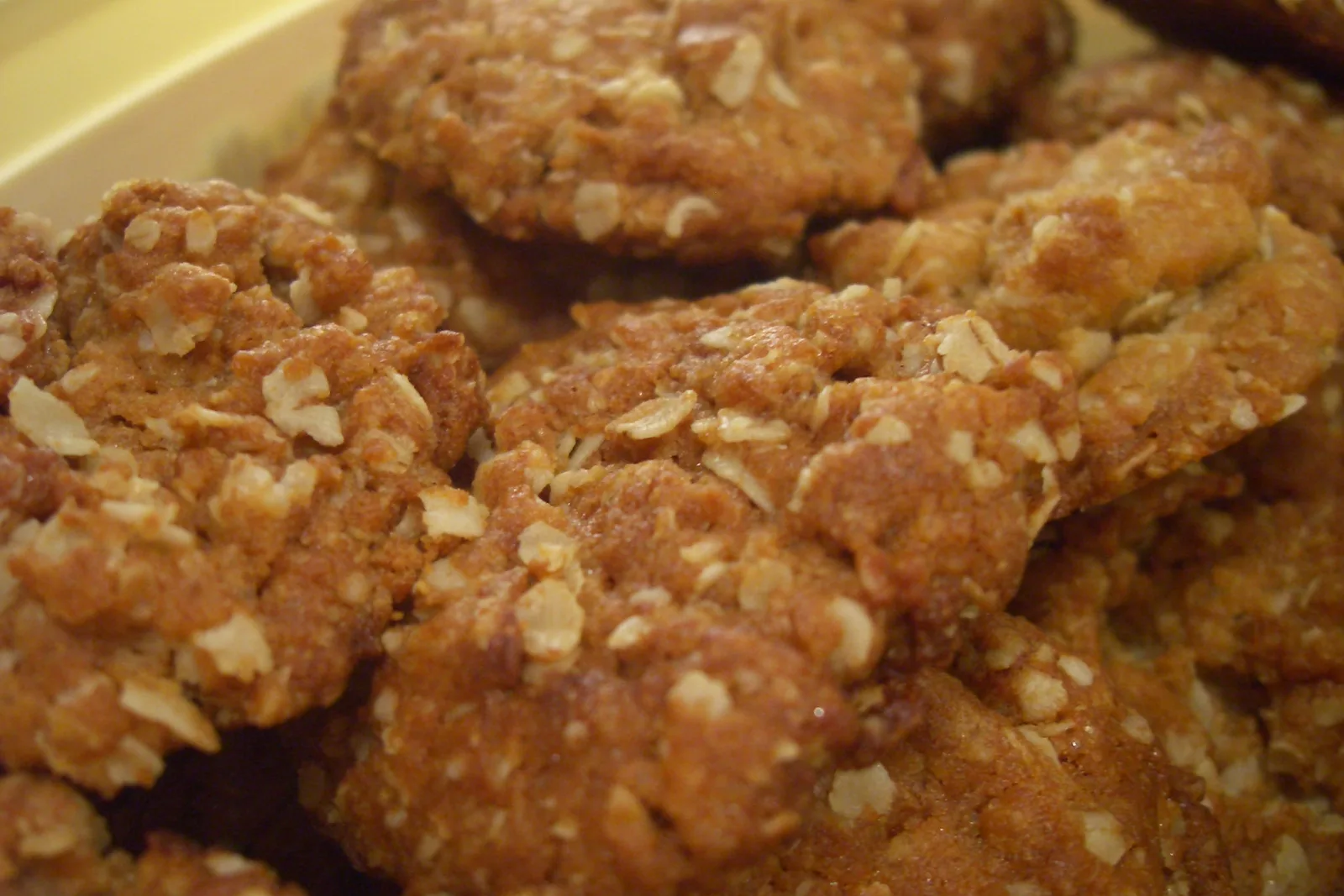
A pile of freshly baked golden ANZAC biscuits with visible rolled oats

Anzac Day Classic

Photo: pfctdayelise, CC BY-SA 2.5, via Wikimedia Commons

The Heritage Formulary

Measured Ingredients

Estimated cost: Low — about $0.30–0.40 per serving at home (USD)

A good Anzac biscuit is golden at the edges, chewy in the middle, and snaps rather than crumbles when cool.

Execution Methodology & Culinary Technique

Step-by-Step Cooking Guide

Active 30m
P

Prep Stage: Measure, Melt & Line the Trays

15 Mins • One Bowl & One Pan

Heat the oven to 180°C (350°F) and line two baking trays with baking paper. Measure the oats, flour, sugar and coconut into a large bowl and stir them together. Put the butter and golden syrup in a small pan. Dissolve the baking soda in the boiling water in a cup — it will fizz at once, so use a cup with room to spare.

Maestro Tip: Line the trays before you mix anything. Once the syrup hits the dry ingredients the dough firms up fast, and you want the trays ready to go.

  1. 1

    Heat the Oven and Line the Trays

    5 Mins 180°C (350°F)

    Heat the oven to 180°C (350°F) and line two large baking trays with baking paper. Leave a little space between trays on the oven racks so the hot air can move around the biscuits.

    Baking paper, not greasing: the syrup in the dough can stick hard to a bare tray.

    Done when: Oven at 180°C (350°F); two trays lined and ready.

  2. 2

    Mix the Dry Ingredients

    5 Mins Room temperature

    Tip the rolled oats, plain flour, white sugar and desiccated coconut into a large mixing bowl. Stir with a wooden spoon until the coconut and oats are evenly spread through the flour — no white pockets of flour left, no clumps of coconut.

    Stir from the bottom of the bowl. Coconut and oats sink; flour hides underneath.

    Done when: One even, speckled dry mix with no flour pockets.

  3. 3

    Melt the Butter and Golden Syrup

    5 Mins Low heat

    Put the butter cubes and golden syrup in a small pan over low heat. Stir gently until the butter has just melted and the two have combined into a smooth amber liquid — about 3 minutes. Take the pan off the heat at once; do not let it boil. Stir the baking soda into the boiling water, then pour the foaming mixture into the pan and stir. It will bubble up and lighten in colour.

    Off the heat the moment the butter melts. Boiled syrup darkens and the biscuits turn bitter.

    Done when: A pale, foamy, bubbling syrup mixture.

  4. 4

    Bring the Dough Together

    5 Mins Room temperature

    Pour the warm syrup mixture into the dry ingredients and stir with a wooden spoon until everything is damp and clumping together. The dough should hold its shape when you squeeze a handful, but still look rough and oaty — not smooth like cookie dough. If it feels dry and crumbly, add a teaspoon of hot water; if it feels wet and sticky, add a spoonful of oats.

    Stir just until it comes together. Over-mixing makes tough biscuits.

    Done when: A rough, damp dough that holds together when squeezed.

  5. 5

    Shape and Bake the Biscuits

    12–15 Mins 180°C (350°F)

    Roll tablespoonfuls of dough into balls about 4 cm across and place them on the lined trays, leaving about 5 cm between them — they spread as they bake. Flatten each ball lightly with your palm or the back of a fork. Bake for 12–15 minutes until the biscuits are deep golden brown at the edges and paler in the middle. Bake one tray at a time for the most even colour, or swap the trays halfway through.

    Pull them out when the edges are golden even if the centres still look soft — they firm up as they cool. Leave them in too long and they turn hard.

    Done when: Deep golden edges, paler centres, biscuits spread flat.

  6. 6

    Cool on the Tray, Then on a Rack

    10 Mins Room temperature

    Leave the biscuits on the hot tray for 5 minutes — they are soft and will break if you move them now. Then slide a spatula under each one and transfer them to a wire rack to cool completely. They crisp up as they cool; the chew comes from the oats and syrup, not from under-baking.

    Cooling on the rack, not the tray, keeps the bottoms crisp instead of steaming soft.

    Done when: Biscuits firm, crisp at the edges, chewy in the middle.

Finishing Touches & Plating

Eat them the same day while the edges are still crisp, or pack them into an airtight tin once completely cool. A cooled biscuit should snap at the edge and chew in the middle — if it bends, it needed another minute in the oven.

Nutritional Physiology & Benefits

Nutrition

Energy

258

kcal / serving

Protein

3g

Complete AA

Carbs

34g

Complex

Fats

13g

Healthy

Per serving (12 servings · 1 serving ≈ 50 g)
Energy258 kcal
Protein3 g
Carbohydrates34 g
Fat13 g
Fibre2.1 g
Sugar19.7 g
Sodium184 mg
Per 100g
Energy516 kcal
Protein5.7 g
Carbohydrates67.3 g
Fat26.2 g
Fibre4.2 g
Sugar39.5 g
Sodium368 mg

Nutrition values are estimated — calculated from USDA FoodData Central values for the listed ingredients.

Vitamins & minerals: B vitamins and iron (rolled oats), vitamin E (butter), and small amounts of calcium, magnesium and potassium.

Slow-Release Energy

Rolled oats provide complex carbohydrates and about 2.1 g of fibre per serving, so two biscuits give steadier energy than a plain sweet biscuit.

Simple Pantry Ingredients

Oats, flour, sugar, coconut, butter and golden syrup — no eggs, no preservatives, and nothing you need a special shop for.

Keeps for Weeks

With no eggs and very little moisture, the biscuits stay edible for weeks in a tin, which is why they travelled so well in the first place.

Food Pairings

What to Eat With

To optimize nutrient absorption and elevate the sensory depth, pair with these authentic accompaniments:

Drinks

A Cup of Tea

The classic pairing: hot tea softens the biscuit's chew slightly and balances the syrup's sweetness, which is why Anzac biscuits are a morning-tea staple.

Cold Milk

Milk cools the palate after the caramel sweetness and adds a little protein to what is otherwise a mostly carbohydrate snack — the school-lunchbox pairing.

Sides

Fresh Fruit

A sliced apple or a few berries add water, fibre and a tart note that cuts through the rich, buttery biscuit.

Full Menus

As Part of a Baking Spread

Serve alongside pikelets and a fruit loaf at a morning tea or bake sale — the chewy biscuit contrasts nicely with soft, fresh baking.

Complete menu

Serve two Anzac biscuits with a pot of tea and a fruit platter for morning tea, or pack them with sandwiches and an apple for a tramping lunch.

Digestive Guardrails

What NOT to Combine

To prevent digestive distress, sluggishness, or palate clash, avoid pairing the dish with these elements:

Eating Them Straight From the Oven

Fresh from the oven the biscuits are soft and the syrup is very hot; they can burn your mouth and they break apart. Wait at least 5 minutes on the tray. This is general information, not medical advice.

A Whole Tin in One Sitting

At about 258 kcal and 19.7 g of sugar per two biscuits, a handful more adds up fast. Two biscuits with a cup of tea is the serving — enjoy the tin over days, not in one afternoon. This is general information, not medical advice.

Storing Them While Still Warm

Warm biscuits steam inside a closed tin and turn soft and stale-tasting. Cool them completely on a rack first, then seal the tin. This is general information, not medical advice.

General information only, not medical advice — consult a doctor for personal dietary decisions.

Who Should Eat It

Who Should Eat

  • General adultsTwo biscuits with tea or coffee is a perfectly reasonable snack — sweet, filling and easy to carry.
  • ChildrenA lunchbox favourite. Keep it to one or two biscuits; they are high in sugar, so they work best as a treat rather than an everyday filler.
  • ElderlySoft enough to eat comfortably once cooled, and the oats add useful fibre. Watch the sugar if you manage blood sugar.
  • Pregnant womenSafe to eat — there are no raw eggs and everything is fully baked. Keep portions modest because of the sugar.
  • Breastfeeding womenA handy, energy-dense snack to keep by the chair while feeding; the oats and calories are genuinely useful. Pair with water or milk.
  • AthletesUseful quick energy before or after training — about 33.7 g of carbohydrate per serving — but low in protein, so pair with milk or yoghurt.
  • Weight gainAn easy way to add energy: two biscuits add about 258 kcal without feeling like a meal.
  • Weight lossEnjoy one biscuit, not two, and eat it slowly with a hot drink. A full serving is very energy-dense for its size.

Health Conditions — Adjust or Avoid

Conditions

  • DiabetesAbout 33.7 g of carbohydrate and 19.7 g of sugar per serving, so this is a high-sugar food. If you live with diabetes, treat it as an occasional small treat and ask your clinician or dietitian how it fits your plan.
  • High blood pressureSodium is moderate at about 184 mg per serving, mostly from the baking soda and salted butter. Using unsalted butter lowers it. Ask your clinician if you follow a low-sodium diet.
  • Kidney diseaseHigh in sugar and moderately salty; the oats and coconut add potassium and phosphorus. If you follow a kidney diet, ask your clinician before making this a regular snack.
  • GoutOats contain purines, but a two-biscuit serving is small. The bigger concern is sugar, which can raise uric acid. Keep portions small and ask your clinician if you have gout.
  • Stomach issuesOats and coconut are high in fibre, which can be uncomfortable in large amounts for sensitive stomachs. One biscuit with tea is usually better tolerated than two. Ask your clinician if you have ongoing stomach problems.
  • Cardiovascular diseaseButter and coconut are high in saturated fat — about 13.1 g of fat per serving. Enjoy occasionally in small portions rather than daily. Ask your clinician or dietitian for advice on fats in your diet.
  • Fatty liverHigh in added sugar and saturated fat, both of which matter for fatty liver. Keep this an occasional treat in small portions and ask your clinician for guidance.
  • Food allergiesContains wheat (gluten), milk (butter) and coconut, which the US FDA lists as a tree nut. The recipe has no egg, peanut or soy. Check every label if you cook for someone with an allergy.
  • Special therapeutic dietsNot suitable for gluten-free, dairy-free or low-sugar diets as written. A gluten-free flour blend and dairy-free spread can work, but the result will differ — ask your dietitian before adapting it for a therapeutic diet.

If you have a medical condition, consult your doctor before changing your diet.

Storage & Use

Storage & Use

How to store
Cool completely, then store in an airtight tin or container at room temperature.
In the fridge
No need to refrigerate; the fridge makes them go soft. Keep at room temperature for up to 3 weeks.
In the freezer
Freeze in a sealed bag or container for up to 3 months; thaw at room temperature for 30 minutes.
How to reheat
Not usually reheated. To re-crisp, warm in a 150°C (300°F) oven for 3–4 minutes, then cool on a rack.
Freezing recommended
Yes — they freeze very well.
Signs it has spoiled
Soft, stale texture, rancid or soapy smell from old coconut or butter, or any mould.

More recipes to explore

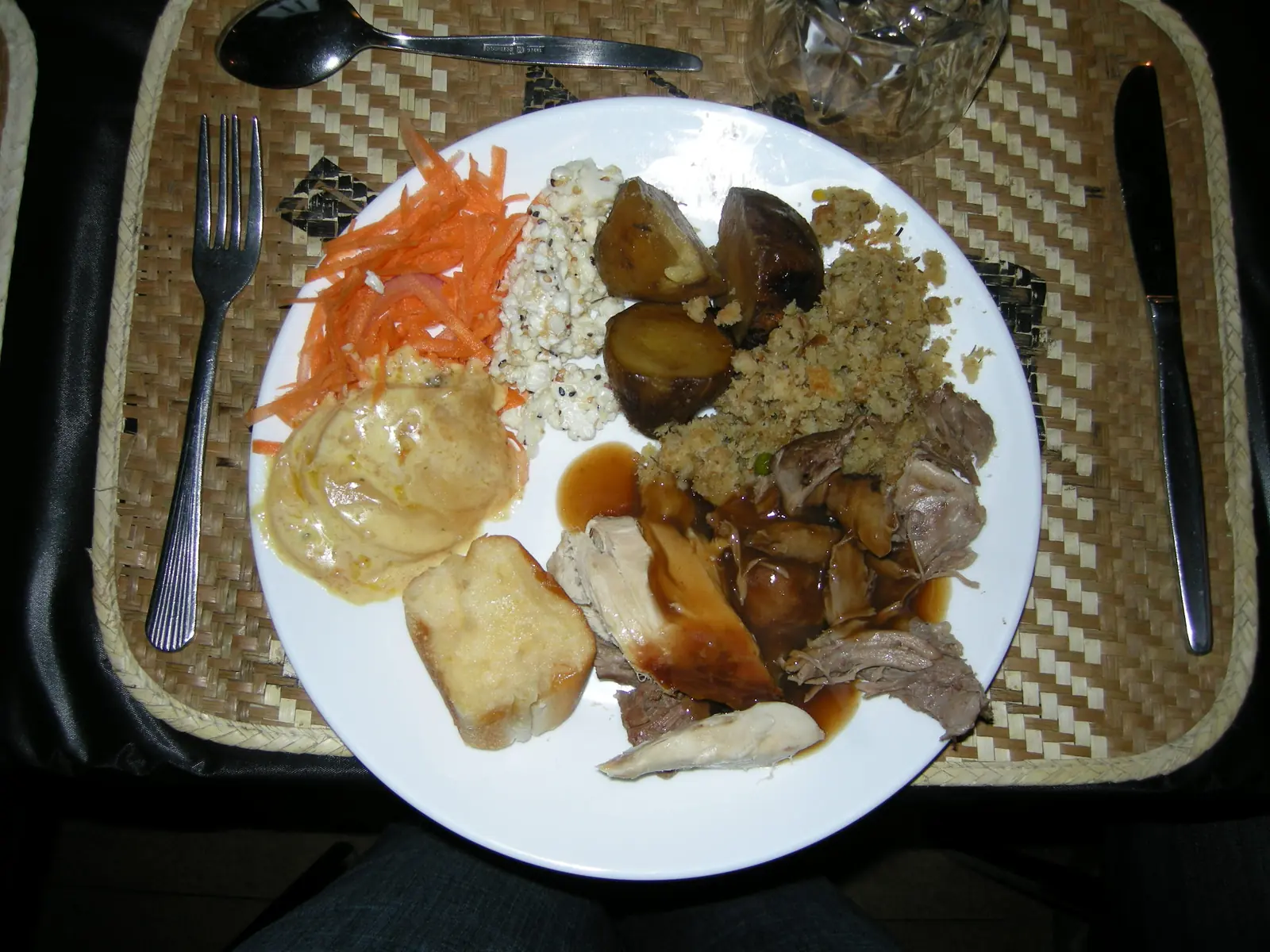
A plated hāngī dinner — slow-cooked meat with gravy, sage stuffing, roast potato and kūmara, and carrot salad on a woven flax placemat New Zealand flag New Zealand 4h
Dinner •Māori Earth-Oven Feast

New Zealand Hāngī

This hangi recipe brings New Zealand's Māori earth-oven feast into a home kitchen: pork, lamb and chicken rubbed with garlic and salt, layered with kūmara, potato, pumpkin, cabbage and carrots in cabbage-leaf-lined parcels with sage stuffing, then slow-roasted until everything is tender and smoky. Traditionally the food goes into flax baskets over white-hot stones in a pit dug in the ground and is buried under wet sacks and earth; here a low oven and foil do the same job, and the recipe says so plainly. One serving is about 773 g.

Hearty & Communal

Pork, lamb and chicken slow-roasted with kūmara, potato, pumpkin and cabbage, cooked the Māori way and built for sharing.

Pairs Well With
Watercress salad and rewena bread on the side, with gravy from the pan juices
High Protein
A tub of hokey pokey ice cream in a parlour display — pale vanilla ice cream swirled with golden honeycomb toffee pieces New Zealand flag New Zealand 6h 30m
Snack & Tea •New Zealand Kiwiana Classic

New Zealand Hokey Pokey Ice Cream

This hokey pokey ice cream recipe starts with a silky no-churn vanilla base — whipped cream, sweetened condensed milk and vanilla — then folds in shards of homemade hokey pokey, the golden honeycomb toffee New Zealanders have loved for generations. The honeycomb stays crunchy against the cold cream, giving every spoonful a caramel snap. One serving is about 146 g.

Sweet & Comforting

Creamy no-churn vanilla ice cream folded with crunchy homemade honeycomb toffee — a rich, sweet treat to enjoy in small scoops.

Pairs Well With
Crisp wafers or a waffle cone, with a cup of black tea or flat white coffee
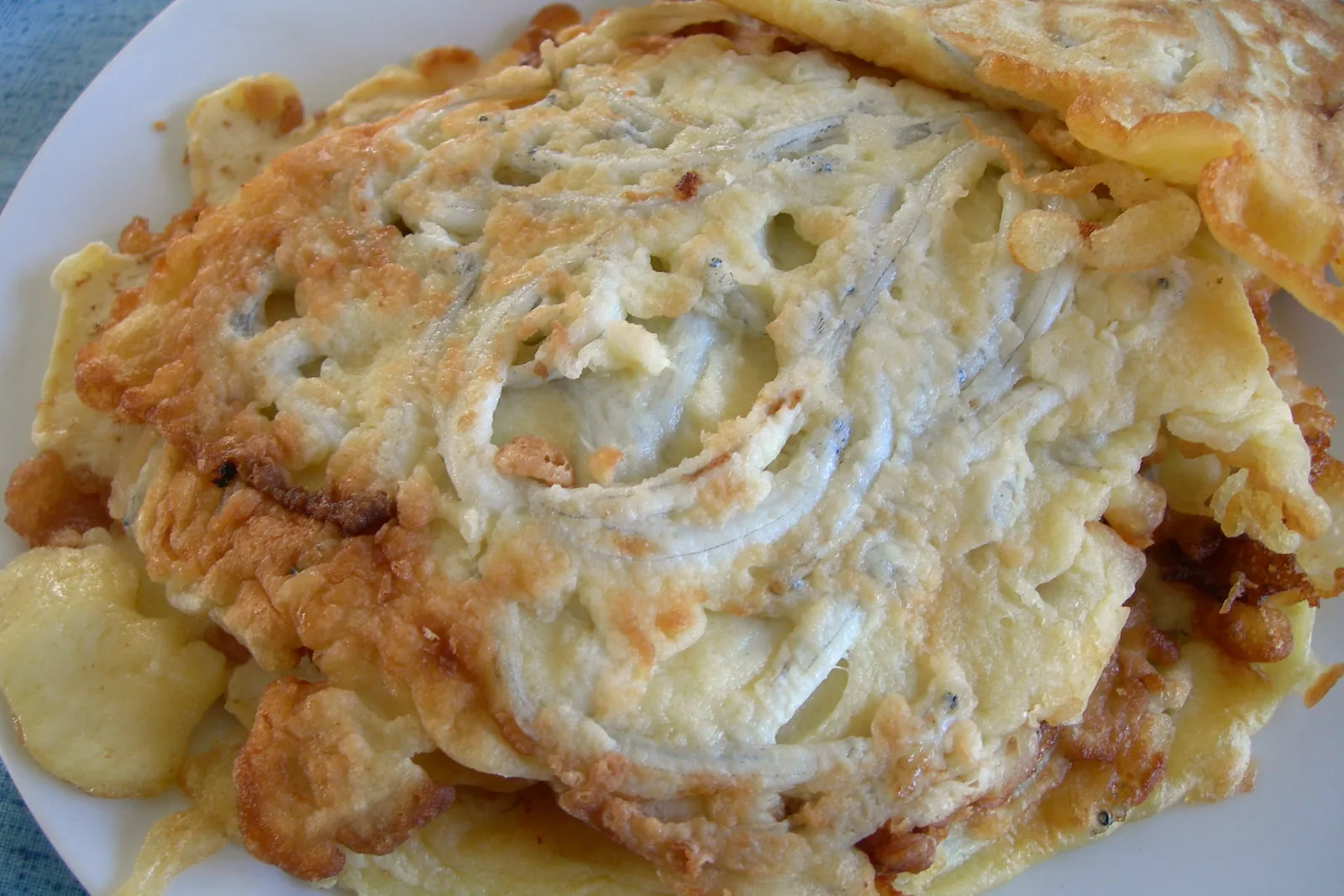
Golden New Zealand whitebait fritters on a white plate, tiny whitebait visible curled through the egg batter New Zealand flag New Zealand 22m
Lunch •New Zealand Seasonal Classic

New Zealand Whitebait Fritters

This whitebait fritters recipe folds tiny New Zealand whitebait through lightly beaten egg with just a spoonful of flour, then pan-fries spoonfuls in butter until golden. The fish stay clearly visible, curled through the egg — the classic Kiwi way to eat the seasonal catch. One serving is about 173 g.

Delicate & Savoury

Tiny whole whitebait folded through egg with just a spoonful of flour, pan-fried in butter — high in protein and light on the stomach.

Pairs Well With
Buttered white bread and lemon wedges, with a crisp green salad
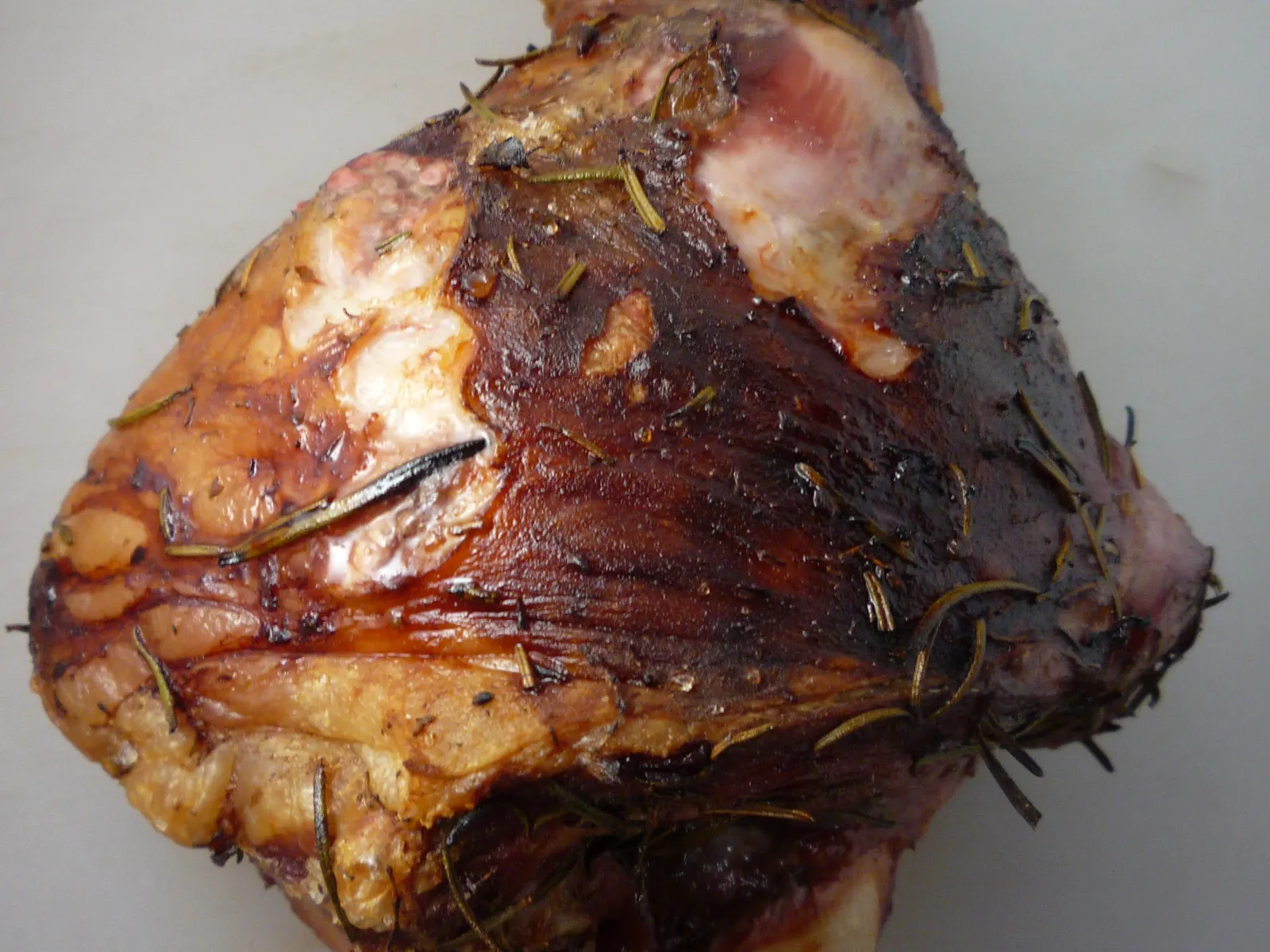
A whole roasted leg of lamb studded with rosemary, fresh from the oven New Zealand flag New Zealand 2h 25m
Dinner •Kiwi Sunday Roast

New Zealand Roast Lamb

This new zealand roast lamb recipe roasts a bone-in leg of lamb with rosemary and garlic until the outside is browned and crisp and the inside stays pink and juicy, with kumara, pumpkin, potatoes and carrots roasting in the pan juices underneath. One serving is about 400 g — a good pile of sliced lamb with roast vegetables and gravy. It is the classic Kiwi Sunday roast, and the one New Zealanders cook when the whole family comes home.

Hearty & Satisfying

A slow-roasted leg of New Zealand lamb with rosemary, garlic and roast kumara, pumpkin and potatoes — a generous, high-protein Sunday dinner.

Pairs Well With
Mint sauce, gravy from the pan juices, and a green salad
High Protein

The Dinner Gazette

Never wonder what’s for dinner again

One email a week with easy dinner ideas from around the world — ingredients, steps and nutrition, tested in our kitchen first.

Delivered every Thursday morning. Unsubscribe anytime.