
Curated recipes from 193 countries  •  New seasonal Mediterranean issue out now

Overview

New Zealand Roast Lamb

Roast Leg of Lamb, Kiwi Sunday Roast

This new zealand roast lamb recipe roasts a bone-in leg of lamb with rosemary and garlic until the outside is browned and crisp and the inside stays pink and juicy, with kumara, pumpkin, potatoes and carrots roasting in the pan juices underneath. One serving is about 400 g — a good pile of sliced lamb with roast vegetables and gravy. It is the classic Kiwi Sunday roast, and the one New Zealanders cook when the whole family comes home.

New Zealand began exporting frozen lamb in 1882, when the first refrigerated shipment left Dunedin — and lamb has been the country's signature meat ever since, raised on grass in a mild climate that suits sheep perfectly. The Sunday roast itself came with British settlers, who brought the tradition of a big joint of meat, roast potatoes and gravy at the end of the week. In New Zealand the roast changed to fit the land: kumara and pumpkin joined the potatoes in the pan, and the lamb, often from the family farm, became the centrepiece. It is still the meal New Zealanders cook when everyone comes home.

Pairs well with: Mint sauce, gravy from the pan juices, and a green salad

Provenance

New Zealand flag New Zealand

Kiwi Sunday Roast

Oceania & Pacific

Time Dedication

2h 25m

25m prep • 120m cook

Batch Yield

8 Servings

551 kcal per serving

1 serving ≈ 400 g

Technical Skill

Intermediate

Medium (Roast & Rest)

Meal Timing & Digestive Fit

Breakfast

Not Advised

Lunch

Hearty Midday Main

Dinner

Ideal Hearty Main

Snack & Tea

Inappropriate

High Protein Occasions: Sunday roast, Christmas, Easter, family gatherings Cost: Medium — about $6–8 per serving at home
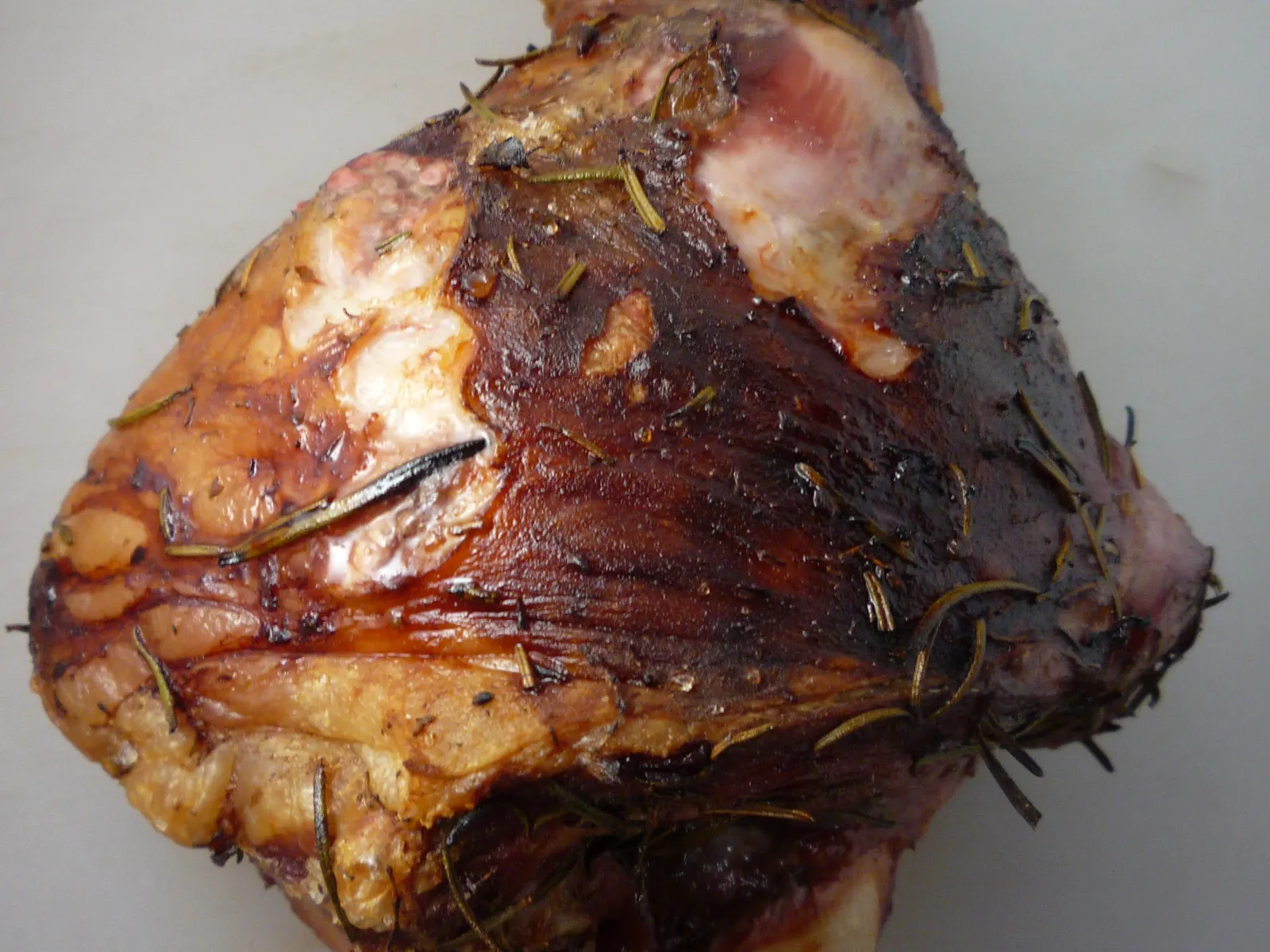
A whole roasted leg of lamb studded with rosemary, fresh from the oven

Kiwi Sunday Roast

Photo: Beck, CC BY 2.0, via Wikimedia Commons

The Heritage Formulary

Measured Ingredients

Estimated cost: Medium — about $6–8 per serving at home (USD)

A good roast leg is browned and crisp outside, pink and juicy inside, and rested before carving so the juices stay in the meat.

Execution Methodology & Culinary Technique

Step-by-Step Cooking Guide

Active 2h 25m
P

Prep Stage: Season the Lamb & Cut the Vegetables

25 Mins • Knife Work & Seasoning

Take the lamb out of the fridge an hour before cooking so it roasts evenly. Pat it dry, score the fat cap in a diamond pattern, and push slivers of garlic and rosemary leaves into the cuts. Rub the whole leg with olive oil, crushed garlic, salt and pepper. Peel and cut the potatoes, kumara, pumpkin and carrots into large chunks and toss them with the remaining oil, salt and pepper in the roasting pan.

Maestro Tip: Score the fat — the cuts let the garlic and rosemary flavour soak into the meat, and the fat crisps up instead of staying rubbery.

  1. 1

    Season the Lamb

    20 Mins Room temperature

    Pat the leg dry with paper towels and score the fat cap in a diamond pattern, cutting just through the fat and not into the meat. Push the garlic slivers and half the rosemary leaves into the cuts. Mix the crushed garlic with 1 tablespoon of the olive oil, the salt and the pepper, and rub the paste all over the leg. Leave it at room temperature while you prepare the vegetables — no more than an hour.

    Dry meat browns; wet meat steams. Pat it properly dry before the rub goes on.

    Done when: Leg scored, studded with garlic and rosemary, and evenly coated in the rub.

  2. 2

    Start the Roast Hot

    20 Mins 200°C (400°F)

    Heat the oven to 200°C (400°F). Put the lamb fat-side up on a rack in the roasting pan, scatter the remaining rosemary sprigs underneath, and roast for 20 minutes. This hot start browns the fat cap and seals in the juices before the long slow roast.

    Fat-side up lets the fat baste the meat as it renders. Do not skip the hot start — it is what makes the crust.

    Done when: Fat cap browned and sizzling after 20 minutes.

  3. 3

    Add the Vegetables and Slow-Roast

    1 Hour 40 Mins 180°C (350°F)

    Turn the oven down to 180°C (350°F). Lift the lamb out briefly, spread the potatoes, kumara, pumpkin and carrots in the pan underneath, and put the lamb back on the rack above them so the drippings baste the vegetables. Roast for about 1 hour 40 minutes, turning the vegetables once halfway, until the lamb's thickest part reads 63°C (145°F) on a meat thermometer for medium-rare, or 71°C (160°F) for medium. The vegetables should be golden and tender right through.

    Trust the thermometer, not the clock — legs vary, and 5°C makes the difference between pink and grey. Baste the vegetables with the pan juices when you turn them.

    Done when: Lamb at 63°C (145°F) or 71°C (160°F) in the thickest part; vegetables golden and soft.

  4. 4

    Rest the Lamb

    20 Mins Room temperature

    Lift the lamb onto a carving board and cover it loosely with foil. Rest for 20 minutes — the temperature will rise a few degrees and the juices will settle back into the meat. While it rests, keep the vegetables warm in the turned-off oven and make a quick gravy from the pan juices if you like: skim off the fat, stir in a little flour and hot water, and simmer until it thickens.

    Cutting into a roast straight from the oven spills the juices onto the board. Twenty minutes of rest is not optional.

    Done when: Lamb rested, juices settled, meat still warm to the touch.

  5. 5

    Carve and Serve

    10 Mins Room temperature

    Carve the lamb across the grain into slices about 1 cm thick, working from the thick end toward the shank. Serve each plate with sliced lamb, a pile of the roast vegetables and a spoonful of gravy. Put mint sauce on the table for anyone who wants it — the sharp, sweet vinegar cuts through the rich lamb beautifully.

    Slice across the grain, not along it. Across the grain keeps each slice tender; along it makes it chewy.

    Done when: Thin, even slices; plates piled with lamb, roast vegetables and gravy.

Finishing Touches & Plating

Bring the whole leg to the table on a board and carve it there if you can — a roast lamb is a centrepiece, and carving at the table is half the occasion. Pour the pan juices over the sliced meat and serve the vegetables from the pan they roasted in.

Nutritional Physiology & Benefits

Nutrition

Energy

551

kcal / serving

Protein

45g

Complete AA

Carbs

42g

Complex

Fats

23g

Healthy

Per serving (8 servings · 1 serving ≈ 400 g)
Energy551 kcal
Protein45 g
Carbohydrates42 g
Fat23 g
Fibre6.1 g
Sugar7.5 g
Sodium423 mg
Per 100g
Energy138 kcal
Protein11.1 g
Carbohydrates10.5 g
Fat5.8 g
Fibre1.5 g
Sugar1.9 g
Sodium106 mg

Nutrition values are estimated — calculated from USDA FoodData Central values for the listed ingredients.

Vitamins & minerals: Iron, zinc and vitamin B12 (lamb), vitamin A (pumpkin, carrots, kumara), vitamin C and potassium (potatoes, kumara).

High in Protein

About 44.5 g of protein per serving, with all the essential amino acids — one of the most protein-rich Sunday dinners you can cook.

Iron and B12

Lamb is a rich source of haem iron and vitamin B12, the nutrients that support healthy red blood cells and energy.

Vegetables Roasted in the Juices

Kumara, pumpkin, potatoes and carrots roast in the lamb drippings, so the vegetables carry flavour and add fibre, vitamin A and potassium to the plate.

Food Pairings

What to Eat With

To optimize nutrient absorption and elevate the sensory depth, pair with these authentic accompaniments:

Sauces

Mint Sauce

The classic partner: sharp vinegar and mint cut through the lamb's richness and refresh the palate between bites, which is why it has been served with roast lamb for generations.

Gravy From the Pan Juices

The juices in the roasting pan are the best gravy you will ever make — they carry the rosemary, garlic and roasted flavour of the whole dish.

Vegetables

Green Salad

A simple lettuce, cucumber and tomato salad with a sharp dressing gives crunch and acidity next to the soft, rich roast vegetables.

Drinks

A Glass of Red Wine

A medium-bodied red, such as a New Zealand Pinot Noir, stands up to the lamb's richness without overpowering it — the traditional Sunday-roast drink.

Complete menu

Start with a green salad, serve the roast lamb with its vegetables, mint sauce and gravy, and finish with pavlova or fresh fruit for a classic Kiwi Sunday dinner.

Digestive Guardrails

What NOT to Combine

To prevent digestive distress, sluggishness, or palate clash, avoid pairing the dish with these elements:

Serving Undercooked Lamb

Lamb must reach 63°C (145°F) in the thickest part, then rest for at least 3 minutes — pink in the middle is fine, but raw and cool in the centre is not. Always check with a thermometer. This is general information, not medical advice.

Leaving the Roast Out for Hours

A big roast cools slowly through the temperature range where bacteria grow fastest. Serve within 2 hours, refrigerate leftovers promptly at 4°C (39°F) or below, and reheat to 74°C (165°F). This is general information, not medical advice.

Skipping the Rest

Carving straight from the oven loses the juices to the board and leaves dry meat. Rest the leg for 20 minutes under loose foil before you carve. This is general information, not medical advice.

General information only, not medical advice — consult a doctor for personal dietary decisions.

Who Should Eat It

Who Should Eat

  • General adultsA generous, satisfying Sunday dinner — about 551 kcal per serving with plenty of protein and vegetables.
  • ChildrenFine for children once the meat is cooked through and cooled enough to eat. Serve small, thin slices and let them pick their favourite roast vegetables.
  • ElderlyChoose the tenderest slices and cut them small; the long roast makes the lamb soft, but the plate is rich, so a modest portion with plenty of vegetables suits most older diners.
  • Pregnant womenSafe when the lamb reaches 63°C (145°F) and rests, and the food is eaten freshly cooked and hot. If you prefer, cook to 71°C (160°F) for extra certainty.
  • Breastfeeding womenA good energy- and iron-rich meal while breastfeeding — the protein and calories are genuinely useful. Drink plenty of water with it.
  • AthletesExcellent after heavy training: about 44.5 g of protein and 42.0 g of carbohydrate per serving. Eat within a couple of hours of training.
  • Weight gainAn easy way to add energy: a full plate is about 551 kcal, and the roast vegetables add calories without feeling heavy.
  • Weight lossTake a smaller plate — mostly lamb and pumpkin, less kumara and potato, and skip the gravy fat. A full serving is too energy-dense for a regular weight-loss meal.

Health Conditions — Adjust or Avoid

Conditions

  • DiabetesAbout 42.0 g of carbohydrate per serving, mostly from the roast roots. Kumara and pumpkin raise blood sugar more slowly than potato, so favour those. Ask your clinician or dietitian how a roast plate fits your plan.
  • High blood pressureSodium is about 423 mg per serving, mostly from the added salt. Use less salt on the vegetables and skip extra salty gravy. Ask your clinician if you follow a low-sodium diet.
  • Kidney diseaseVery high in protein and moderately high in potassium from the vegetables. If you follow a kidney diet, keep the portion small and ask your clinician before eating a full roast plate.
  • GoutRed meat is moderately high in purines, and a roast lamb plate is a large serving of it. Keep portions modest and ask your clinician if you have gout.
  • Stomach issuesRoast lamb is rich and fatty, which can be hard on a sensitive stomach. Choose lean slices, eat slowly, and go easy on the gravy. Ask your clinician if you have ongoing stomach problems.
  • Cardiovascular diseaseLamb contains saturated fat — about 23.1 g of fat per serving. Trim visible fat, favour the lean slices, and keep this an occasional meal rather than a weekly one. Ask your clinician or dietitian for advice on fats in your diet.
  • Fatty liverA rich, fatty roast with starchy vegetables is a heavy meal for fatty liver. Take a smaller plate, favour pumpkin and carrots over kumara and potato, and ask your clinician for guidance.
  • Food allergiesContains no common allergens as written — no gluten, egg, dairy, nuts or soy. Mint sauce and gravy can contain gluten, so check those if you serve them.
  • Special therapeutic dietsSuitable for low-carbohydrate and gluten-free diets as written if you skip the potato and kumara. Not suitable for vegetarian or low-protein diets. Ask your dietitian before adapting it for a therapeutic diet.

If you have a medical condition, consult your doctor before changing your diet.

Storage & Use

Storage & Use

How to store
Cool leftovers quickly, then store sliced lamb and vegetables separately in covered containers in the fridge.
In the fridge
Up to 3 days at 4°C (39°F) or below.
In the freezer
Sliced lamb freezes well for up to 3 months; roast vegetables turn soft and watery after freezing, so freeze the meat only.
How to reheat
Reheat to 74°C (165°F) throughout — covered in the oven at 160°C (320°F) with a splash of water or stock, or gently in a pan with a lid. Do not reheat more than once.
Freezing recommended
Yes for the sliced lamb; no for the roast vegetables.
Signs it has spoiled
Sour or off smell, slimy or grey meat, or vegetables that smell sour or have gone mouldy.

More recipes to explore

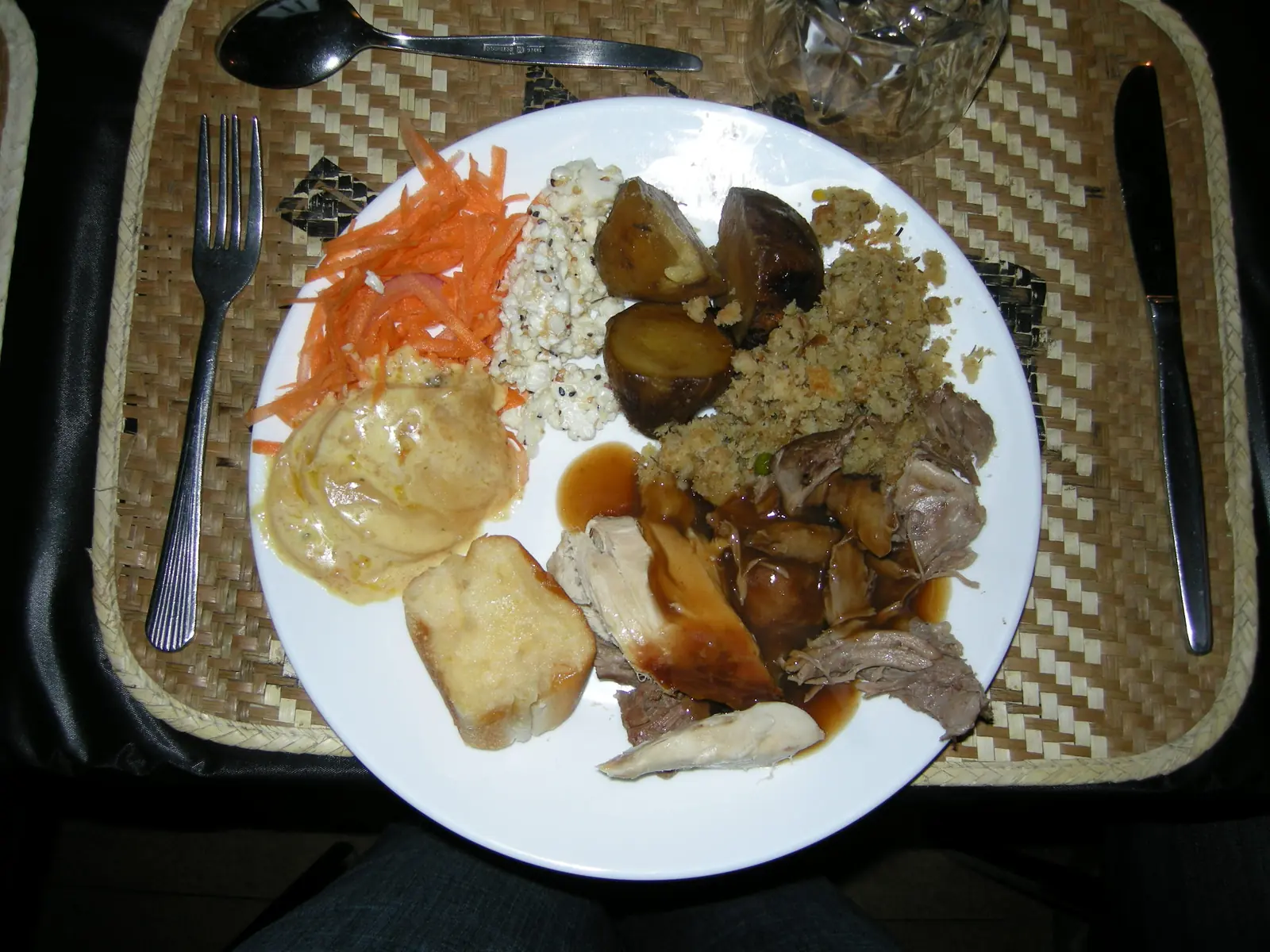
A plated hāngī dinner — slow-cooked meat with gravy, sage stuffing, roast potato and kūmara, and carrot salad on a woven flax placemat New Zealand flag New Zealand 4h
Dinner •Māori Earth-Oven Feast

New Zealand Hāngī

This hangi recipe brings New Zealand's Māori earth-oven feast into a home kitchen: pork, lamb and chicken rubbed with garlic and salt, layered with kūmara, potato, pumpkin, cabbage and carrots in cabbage-leaf-lined parcels with sage stuffing, then slow-roasted until everything is tender and smoky. Traditionally the food goes into flax baskets over white-hot stones in a pit dug in the ground and is buried under wet sacks and earth; here a low oven and foil do the same job, and the recipe says so plainly. One serving is about 773 g.

Hearty & Communal

Pork, lamb and chicken slow-roasted with kūmara, potato, pumpkin and cabbage, cooked the Māori way and built for sharing.

Pairs Well With
Watercress salad and rewena bread on the side, with gravy from the pan juices
High Protein
A tub of hokey pokey ice cream in a parlour display — pale vanilla ice cream swirled with golden honeycomb toffee pieces New Zealand flag New Zealand 6h 30m
Snack & Tea •New Zealand Kiwiana Classic

New Zealand Hokey Pokey Ice Cream

This hokey pokey ice cream recipe starts with a silky no-churn vanilla base — whipped cream, sweetened condensed milk and vanilla — then folds in shards of homemade hokey pokey, the golden honeycomb toffee New Zealanders have loved for generations. The honeycomb stays crunchy against the cold cream, giving every spoonful a caramel snap. One serving is about 146 g.

Sweet & Comforting

Creamy no-churn vanilla ice cream folded with crunchy homemade honeycomb toffee — a rich, sweet treat to enjoy in small scoops.

Pairs Well With
Crisp wafers or a waffle cone, with a cup of black tea or flat white coffee
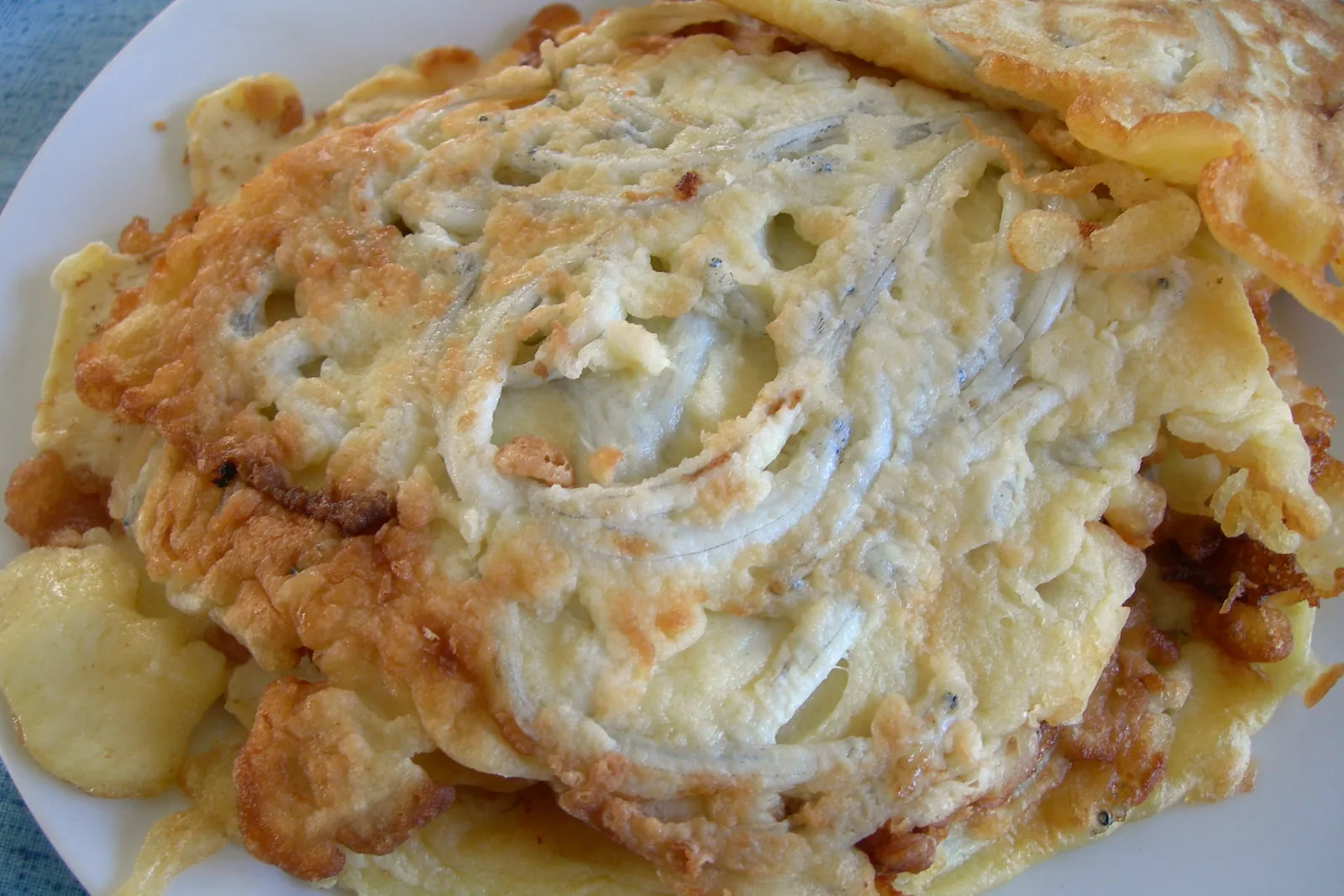
Golden New Zealand whitebait fritters on a white plate, tiny whitebait visible curled through the egg batter New Zealand flag New Zealand 22m
Lunch •New Zealand Seasonal Classic

New Zealand Whitebait Fritters

This whitebait fritters recipe folds tiny New Zealand whitebait through lightly beaten egg with just a spoonful of flour, then pan-fries spoonfuls in butter until golden. The fish stay clearly visible, curled through the egg — the classic Kiwi way to eat the seasonal catch. One serving is about 173 g.

Delicate & Savoury

Tiny whole whitebait folded through egg with just a spoonful of flour, pan-fried in butter — high in protein and light on the stomach.

Pairs Well With
Buttered white bread and lemon wedges, with a crisp green salad
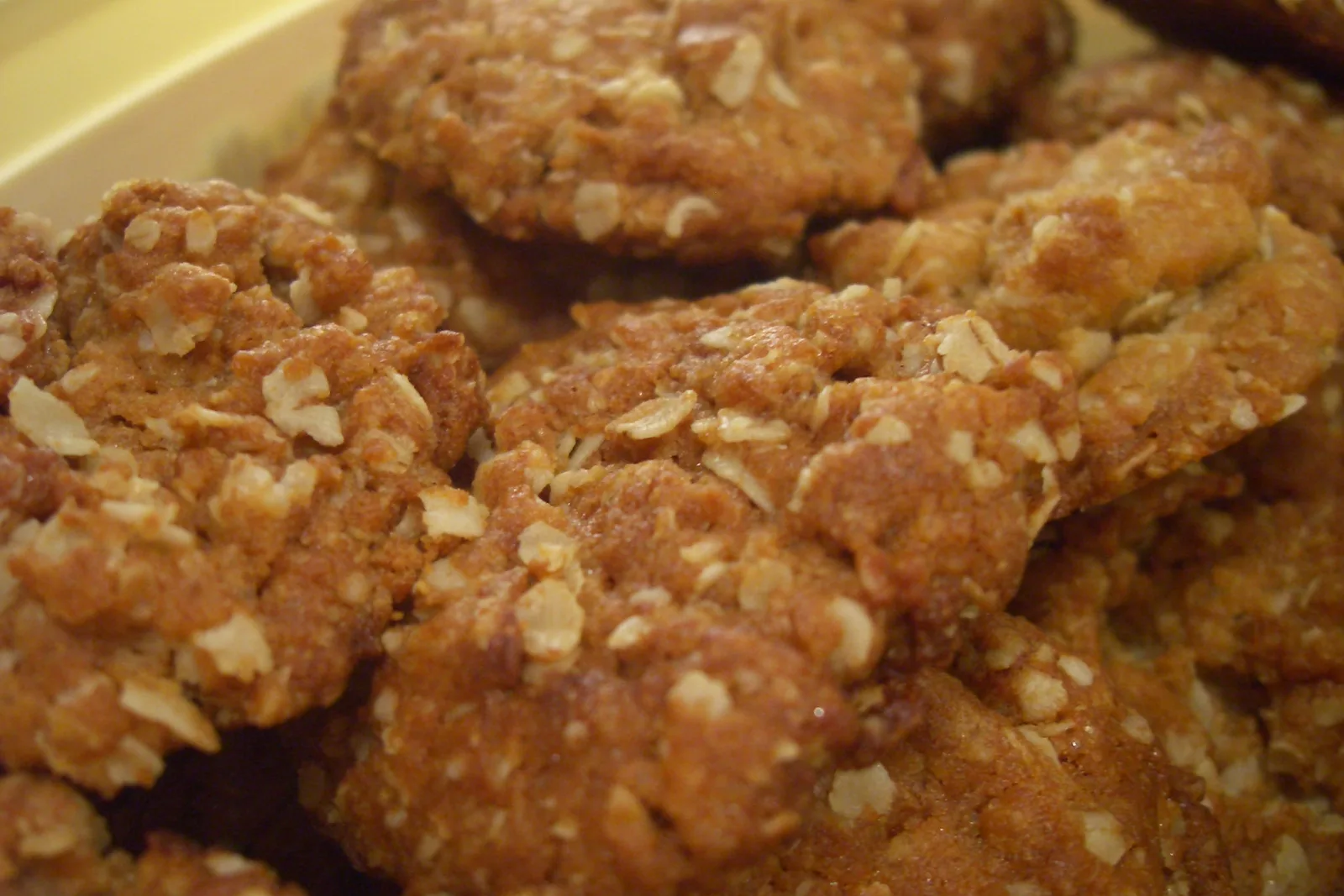
A pile of freshly baked golden ANZAC biscuits with visible rolled oats New Zealand flag New Zealand 30m
Snack & Tea •Anzac Day Classic

New Zealand ANZAC Biscuits

This anzac biscuits recipe makes 24 chewy, golden oat biscuits with desiccated coconut and golden syrup, baked until crisp at the edges and soft in the middle. One serving is two biscuits, about 50 g. There are no eggs in the dough, which is exactly why the biscuits keep so well — the same reason they became a wartime favourite more than a century ago.

Comfort & Warmth

A chewy oat biscuit with golden syrup and coconut — a sweet, filling snack that keeps well and travels well.

Pairs Well With
A hot cup of tea or a cold glass of milk

The Dinner Gazette

Never wonder what’s for dinner again

One email a week with easy dinner ideas from around the world — ingredients, steps and nutrition, tested in our kitchen first.

Delivered every Thursday morning. Unsubscribe anytime.