
Curated recipes from 193 countries  •  New seasonal Mediterranean issue out now

Overview

Māori Boil Up

Boil Up, Kōhua Kai

This maori boil up recipe simmers pork neck bones in a big pot until the meat loosens from the bone, then adds potato, kūmara, carrot, cabbage and onion, and finishes with watercress and soft flour doughboys poached in the broth. It is the kind of one-pot dinner that feeds a whole whānau from a single pot, with a bowl of rich broth for everyone. One serving is about 600 g.

Boil up is a Māori home-cooking classic from New Zealand, cooked in a single pot — a kōhua — and shared at whānau gatherings. The dish as it is known today grew after European arrival, when pork and wheat flour joined the Māori way of cooking food together in a pot: the bones simmer for hours, the roots go in next, and the flour doughboys and greens finish the meal. The greens have always been whatever grows nearby — pūhā, watercress or cabbage — and every family has its own order for what goes into the pot.

Pairs well with: Fried bread (parāoa parai) for mopping up the broth, with a cold drink on the side

Provenance

New Zealand flag New Zealand

Māori Home Cooking

Oceania & Pacific

Time Dedication

3h

30m prep • 150m cook

Batch Yield

6 Servings

528 kcal per serving

1 serving ≈ 600 g

Technical Skill

Intermediate

Easy (One Pot)

Meal Timing & Digestive Fit

Breakfast

Not Advised

Lunch

Hearty Midday Main

Dinner

Ideal Hearty Main

Snack & Tea

Inappropriate

Soups & BrothsHigh Protein Occasions: Family dinners, Matariki, winter evenings, large whānau gatherings, cold-weather comfort meals Cost: Low — about $3–4 per serving at home
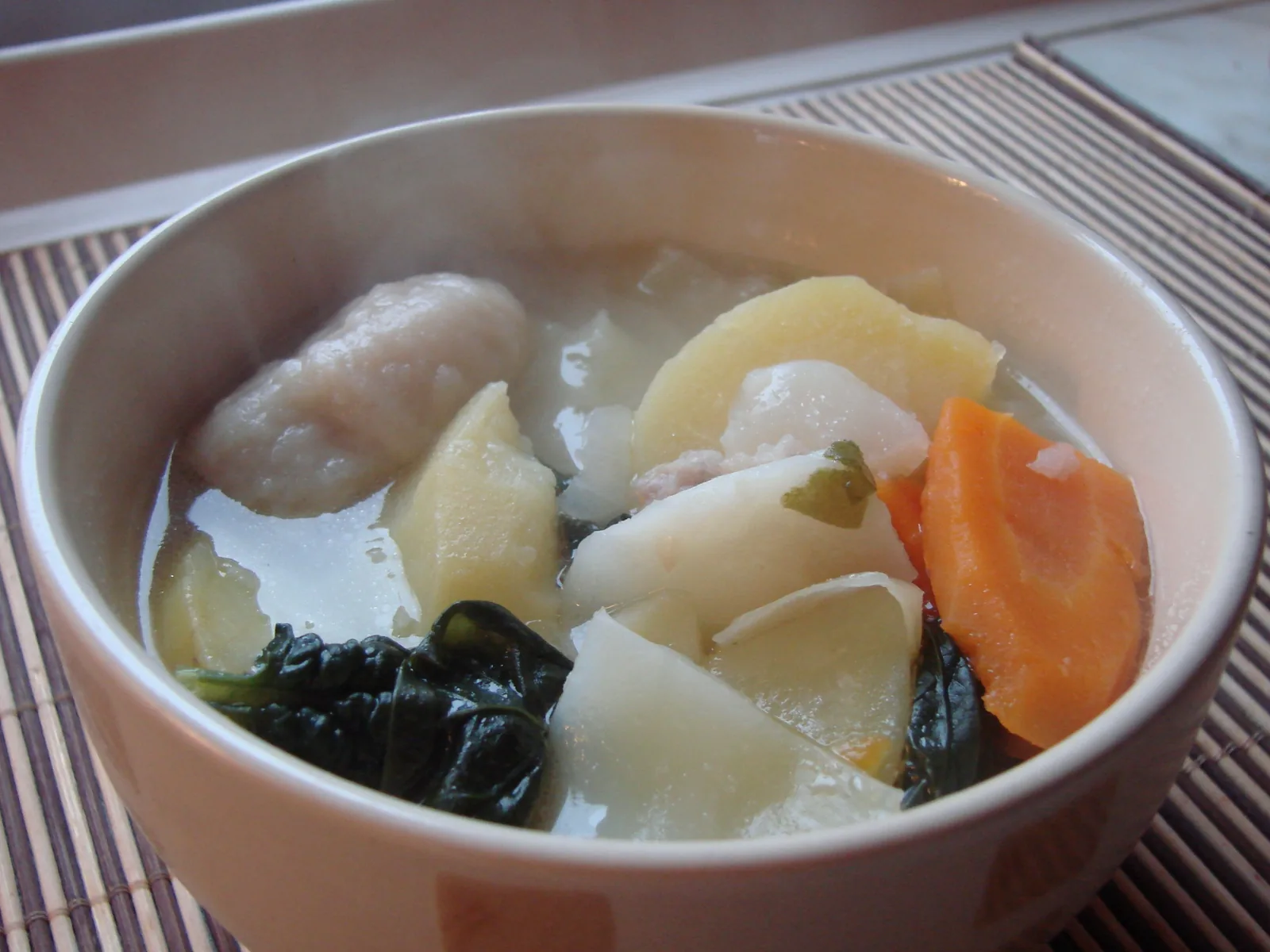
A steaming bowl of Māori boil up — a doughboy, potato, carrot and wilted watercress in clear pork broth

Māori Home Cooking

Photo: Matyas Havel, CC BY-SA 3.0, via Wikimedia Commons

The Heritage Formulary

Measured Ingredients

Estimated cost: Low — about $3–4 per serving at home (USD)

A good boil up is judged by the broth: it should taste rich and porky, the meat should fall off the bone, and every bowl should hold a doughboy.

Execution Methodology & Culinary Technique

Step-by-Step Cooking Guide

Active 3h
P

Get the Pot Ready

30 Mins

Rinse the pork neck bones and put them in the largest pot you own. Peel the potatoes, kūmara and carrots and cut them into large chunks, all roughly the same size so they cook evenly. Slice the onion, cut the cabbage into wedges, and wash the watercress in cold water, trimming the tough stem bases. Mix the flour, baking powder and a pinch of the salt in a bowl, ready to make the doughboy dough later.

Maestro Tip: Cut the roots big — small pieces fall apart in a two-hour simmer, and a boil up should have whole, tender chunks you can spear with a fork.

  1. 1

    Simmer the Pork Bones

    100 Mins 100°C (212°F) to boil, then 95°C (203°F) to simmer

    Put the pork neck bones in the pot with the sliced onion and 2.5 litres of cold water. Bring to a rolling boil over high heat, then skim off the grey foam that rises. Turn the heat down so the pot barely bubbles, put the lid on slightly ajar, and simmer for about 100 minutes. The meat should start to loosen from the bone and the broth should taste rich and porky.

    Skim the foam in the first 10 minutes — it keeps the broth clear and sweet-tasting instead of cloudy.

    Done when: The meat pulls away from the bone with gentle pressure from a fork, and the pork reaches at least 63°C (145°F) inside.

  2. 2

    Add the Roots and Cabbage

    30 Mins 95°C (203°F) gentle simmer

    Lift the heat back to a gentle simmer and add the potatoes, kūmara, carrots and cabbage wedges to the pot, tucking them around the bones so they sit under the broth. Season with the salt and pepper. Simmer for 30 minutes, turning the roots once halfway through so they cook evenly.

    Do not stir hard — a wooden spoon dragged through the pot will break the kūmara into mush. Turn the pieces gently instead.

    Done when: A knife slides into the thickest potato chunk with no resistance, and the kūmara is soft right through.

  3. 3

    Make and Drop In the Doughboys

    15 Mins 95°C (203°F) gentle simmer, lid on

    While the roots cook, make the doughboy dough: add about 120 ml of cold water to the flour and baking powder a little at a time, mixing with a fork until a soft, slightly sticky dough forms. Do not knead it. With wet hands, roll the dough into 12 balls about the size of a golf ball. Drop them gently into the simmering pot, spacing them out, and put the lid on. Cook for 15 minutes without lifting the lid.

    Keep the lid on the whole time — the steam is what puffs the doughboys up, and lifting it lets the heat out and makes them heavy.

    Done when: A doughboy cut open is cooked right through with no raw dough in the middle, and it feels light and springy when pressed.

  4. 4

    Wilt the Watercress and Serve

    5 Mins 95°C (203°F) gentle simmer

    Push the doughboys aside and lay the washed watercress over the top of the pot. Put the lid back on for 5 minutes until the leaves wilt and turn dark green. Taste the broth and add a little more salt if it needs it. Ladle into deep bowls, making sure everyone gets a doughboy, a piece of pork, roots and greens, with plenty of broth.

    Watercress goes in last on purpose — five minutes is enough to soften it, and any longer and it disappears into the broth.

    Done when: The watercress is wilted but still bright green, the pork is falling off the bone, and the broth is hot and steaming.

Finishing Touches & Plating

Serve the boil up straight from the pot into deep bowls, with fried bread on the side for mopping up the broth. Eat it hot, while the doughboys are still puffed and the watercress is bright.

Nutritional Physiology & Benefits

Nutrition

Energy

528

kcal / serving

Protein

29g

Complete AA

Carbs

69g

Complex

Fats

15g

Healthy

Per serving (6 servings · 1 serving ≈ 600 g)
Energy528 kcal
Protein29 g
Carbohydrates69 g
Fat15 g
Fibre8.5 g
Sugar8.7 g
Sodium640 mg
Per 100g
Energy88 kcal
Protein4.8 g
Carbohydrates11.5 g
Fat2.5 g
Fibre1.4 g
Sugar1.4 g
Sodium107 mg

Nutrition values are estimated — calculated from USDA FoodData Central values for the listed ingredients.

Vitamins & minerals: Vitamin A (carrots, kūmara), vitamin C and folate (watercress, cabbage, potatoes), vitamin K (watercress, cabbage), B vitamins, iron and zinc (pork), potassium (potatoes, kūmara).

Filling and Energising

Pork, potatoes, kūmara and doughboys give a full 528 kcal per serving with 29.1 g of protein, so one bowl keeps you going for hours.

Greens in Every Bowl

Watercress and cabbage add vitamin C, vitamin K and folate to a pot that is otherwise mostly meat and roots.

Simple, Whole Ingredients

The pot is built from meat, roots, greens and flour — no sauces, no stock cubes, no processed extras.

Food Pairings

What to Eat With

To optimize nutrient absorption and elevate the sensory depth, pair with these authentic accompaniments:

Sides

Parāoa Parai (Fried Bread)

Golden fried bread is the classic partner because it soaks up the pork broth that is too good to leave in the bowl.

Vegetables

Watercress Salad

A small bowl of raw watercress with a squeeze of lemon adds a fresh, peppery bite that cuts through the rich pork broth.

Drinks

Cold Drink or Cup of Tea

A cold drink or a strong cup of tea balances the salt and richness of a long-simmered pork pot.

Full Menus

Steamed Pudding to Finish

A simple steamed pudding with custard rounds out the meal — the same homely, filling style as the boil up itself.

Complete menu

Start with a small watercress salad, follow with the boil up — pork neck bones, potato, kūmara, carrot, cabbage and doughboys in broth — with parāoa parai on the side, and finish with steamed pudding and custard.

Digestive Guardrails

What NOT to Combine

To prevent digestive distress, sluggishness, or palate clash, avoid pairing the dish with these elements:

Very Salty Extras

The broth already carries salt from the pork bones and the seasoning, so very salty sides such as soy sauce or salty pickles can push the meal too far. This is general information, not medical advice — ask a clinician if you follow a low-sodium diet.

Raw or Undercooked Pork

Pork bones must be simmered until the meat reaches at least 63°C (145°F) and pulls easily from the bone; eating undercooked pork can cause foodborne illness. This is general information, not medical advice.

Reheating Again and Again

Reheat leftovers only once, to 74°C (165°F) throughout, and throw away any portion that has sat out for more than 2 hours. This is general information, not medical advice.

General information only, not medical advice — consult a doctor for personal dietary decisions.

Who Should Eat It

Who Should Eat

  • General adultsA hearty, balanced one-pot dinner — one bowl with meat, roots and greens covers the main food groups.
  • ChildrenSuitable from about age 2 in small portions; cut the pork off the bone, break the doughboys open to check they are cooked through, and watch for small bones.
  • ElderlySoft, easy-to-chew food once the meat is off the bone; serve the meat already cut up and the broth warm, not scalding.
  • Pregnant womenFine when the pork is fully cooked through and the watercress is well washed; avoid any portion that has been sitting out, and ask your clinician if unsure.
  • Breastfeeding womenA filling, protein-rich meal that suits the extra energy needs of breastfeeding; drink plenty of water alongside.
  • AthletesGood after training: 29.1 g of protein and 69.0 g of carbohydrate per serving help recovery; add an extra doughboy for more energy.
  • Weight gainAn easy way to add energy — a second doughboy and an extra ladle of broth raise the calories without extra cooking.
  • Weight lossTake a smaller portion with extra watercress and cabbage and only one doughboy, and skip the fried bread on the side.

Health Conditions — Adjust or Avoid

Conditions

  • DiabetesThe potatoes, kūmara and doughboys are starchy, so keep the portion modest and load the bowl with watercress and cabbage instead. Ask your clinician or dietitian for portion advice.
  • High blood pressureThe broth is salty, so use less added salt and take more broth-free solids than liquid. Ask your clinician about a suitable sodium limit.
  • Kidney diseaseThe dish is high in protein, potassium and sodium, which may not suit a kidney diet. Ask your clinician or dietitian before eating it.
  • GoutPork and pork broth contain purines, so a large bowl may not suit people with gout. Ask your clinician for advice on portion and frequency.
  • Stomach issuesThe broth is rich and the cabbage and onion can be gassy for some people; eat a small bowl and skip the cabbage if it troubles you. Ask your clinician if symptoms persist.
  • Cardiovascular diseasePork bones make a fatty broth — skim the fat from the surface before serving and choose leaner cuts where possible. Ask your clinician about saturated fat in your diet.
  • Fatty liverKeep the portion modest, skim the fat, and fill the bowl with greens and roots rather than extra pork. Ask your clinician for dietary advice.
  • Food allergiesContains wheat (gluten) in the doughboys. Pork is the main protein, so people with pork or wheat allergy should not eat this dish. Check all ingredients if you cook for someone with allergies.
  • Special therapeutic dietsThe dish contains gluten, pork and a salty broth, so it does not fit gluten-free, vegetarian or low-sodium therapeutic diets as written. Ask your clinician or dietitian about a modified version.

If you have a medical condition, consult your doctor before changing your diet.

Storage & Use

Storage & Use

How to store
Cool the pot quickly — divide into shallow containers so it cools within 2 hours — then cover and refrigerate. Keep the doughboys in the broth so they stay moist.
In the fridge
Up to 3 days at 4°C (39°F) or below.
In the freezer
The pork and broth freeze well for up to 3 months; the potatoes, kūmara and doughboys turn grainy and watery after freezing, so freeze the meat and broth only.
How to reheat
Reheat to 74°C (165°F) throughout — gently on the stove with the lid on, adding a splash of water if the broth has thickened. Do not reheat more than once.
Freezing recommended
Yes for the pork and broth; no for the roots, greens and doughboys.
Signs it has spoiled
Sour or off smell, slimy pork, mould on the surface, or broth that has turned cloudy and sour.

More recipes to explore

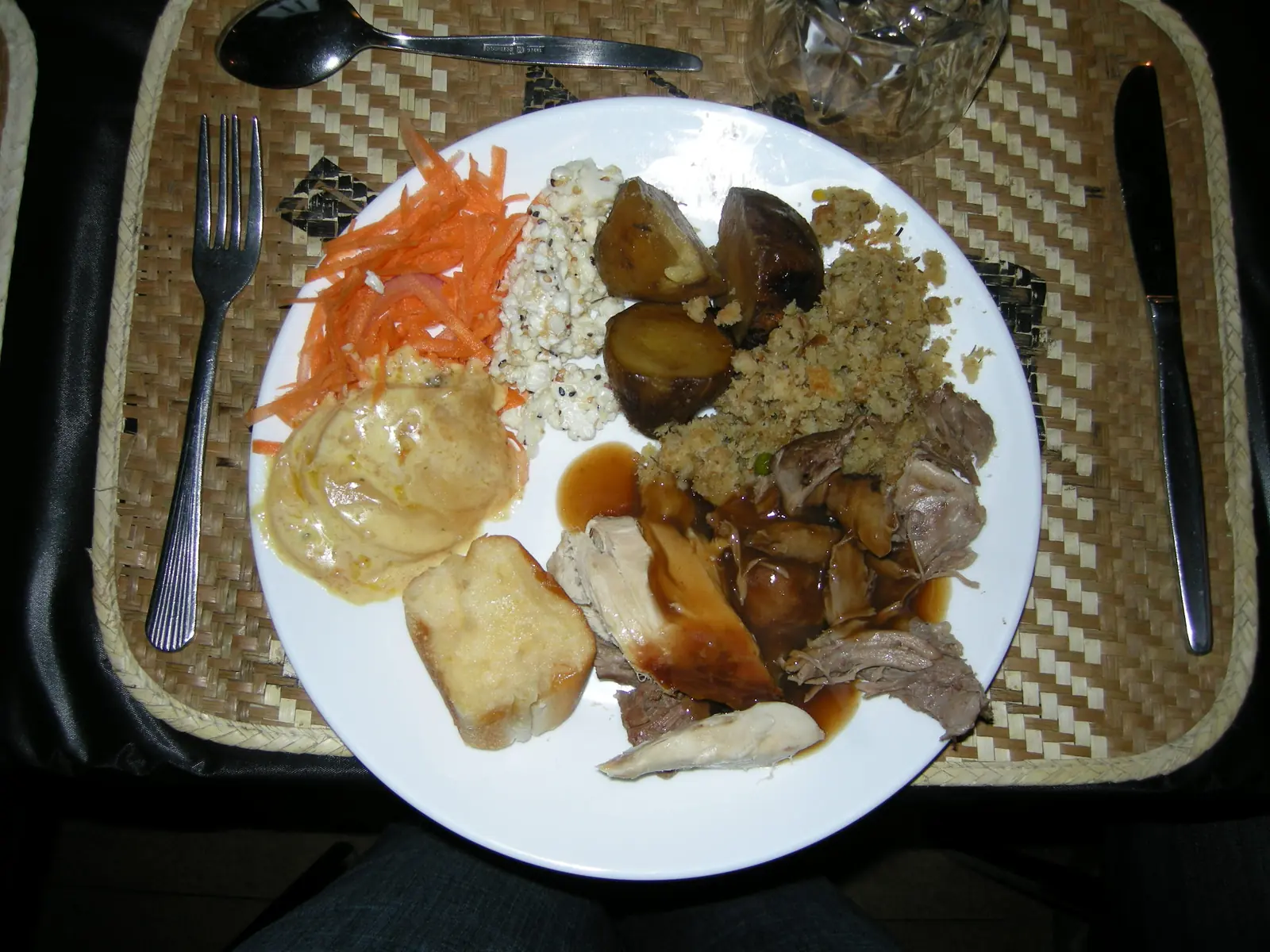
A plated hāngī dinner — slow-cooked meat with gravy, sage stuffing, roast potato and kūmara, and carrot salad on a woven flax placemat New Zealand flag New Zealand 4h
Dinner •Māori Earth-Oven Feast

New Zealand Hāngī

This hangi recipe brings New Zealand's Māori earth-oven feast into a home kitchen: pork, lamb and chicken rubbed with garlic and salt, layered with kūmara, potato, pumpkin, cabbage and carrots in cabbage-leaf-lined parcels with sage stuffing, then slow-roasted until everything is tender and smoky. Traditionally the food goes into flax baskets over white-hot stones in a pit dug in the ground and is buried under wet sacks and earth; here a low oven and foil do the same job, and the recipe says so plainly. One serving is about 773 g.

Hearty & Communal

Pork, lamb and chicken slow-roasted with kūmara, potato, pumpkin and cabbage, cooked the Māori way and built for sharing.

Pairs Well With
Watercress salad and rewena bread on the side, with gravy from the pan juices
High Protein
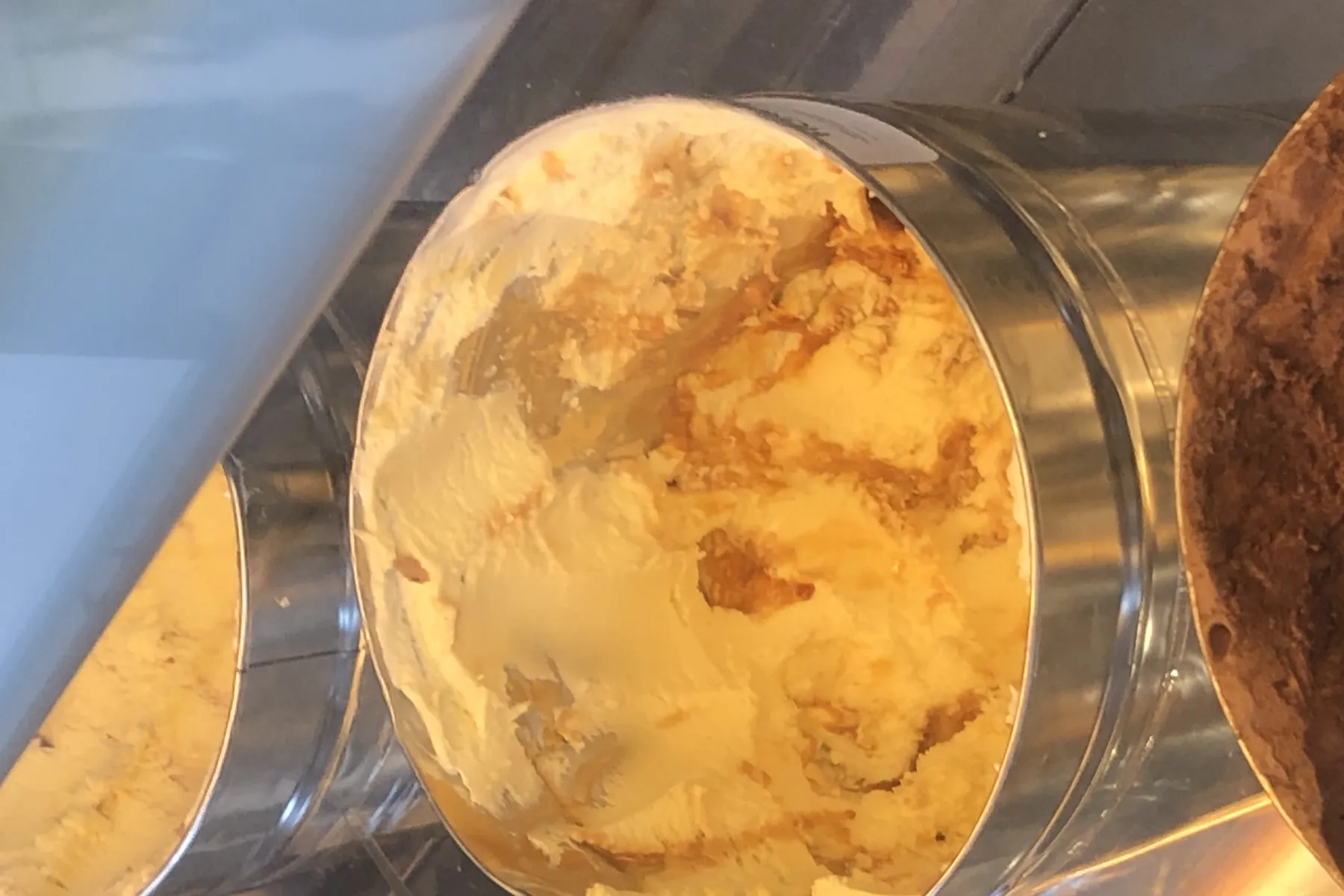
A tub of hokey pokey ice cream in a parlour display — pale vanilla ice cream swirled with golden honeycomb toffee pieces New Zealand flag New Zealand 6h 30m
Snack & Tea •New Zealand Kiwiana Classic

New Zealand Hokey Pokey Ice Cream

This hokey pokey ice cream recipe starts with a silky no-churn vanilla base — whipped cream, sweetened condensed milk and vanilla — then folds in shards of homemade hokey pokey, the golden honeycomb toffee New Zealanders have loved for generations. The honeycomb stays crunchy against the cold cream, giving every spoonful a caramel snap. One serving is about 146 g.

Sweet & Comforting

Creamy no-churn vanilla ice cream folded with crunchy homemade honeycomb toffee — a rich, sweet treat to enjoy in small scoops.

Pairs Well With
Crisp wafers or a waffle cone, with a cup of black tea or flat white coffee
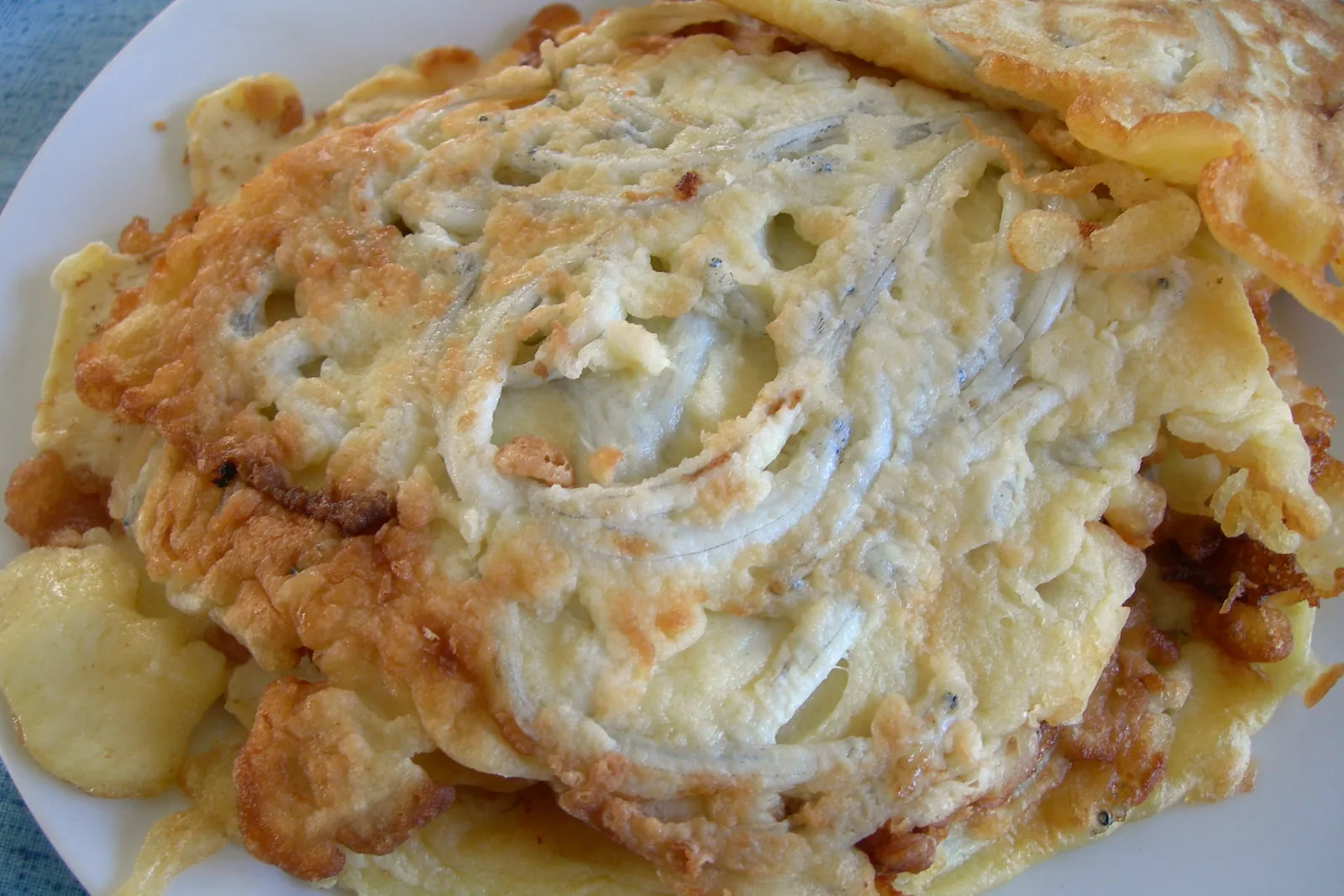
Golden New Zealand whitebait fritters on a white plate, tiny whitebait visible curled through the egg batter New Zealand flag New Zealand 22m
Lunch •New Zealand Seasonal Classic

New Zealand Whitebait Fritters

This whitebait fritters recipe folds tiny New Zealand whitebait through lightly beaten egg with just a spoonful of flour, then pan-fries spoonfuls in butter until golden. The fish stay clearly visible, curled through the egg — the classic Kiwi way to eat the seasonal catch. One serving is about 173 g.

Delicate & Savoury

Tiny whole whitebait folded through egg with just a spoonful of flour, pan-fried in butter — high in protein and light on the stomach.

Pairs Well With
Buttered white bread and lemon wedges, with a crisp green salad
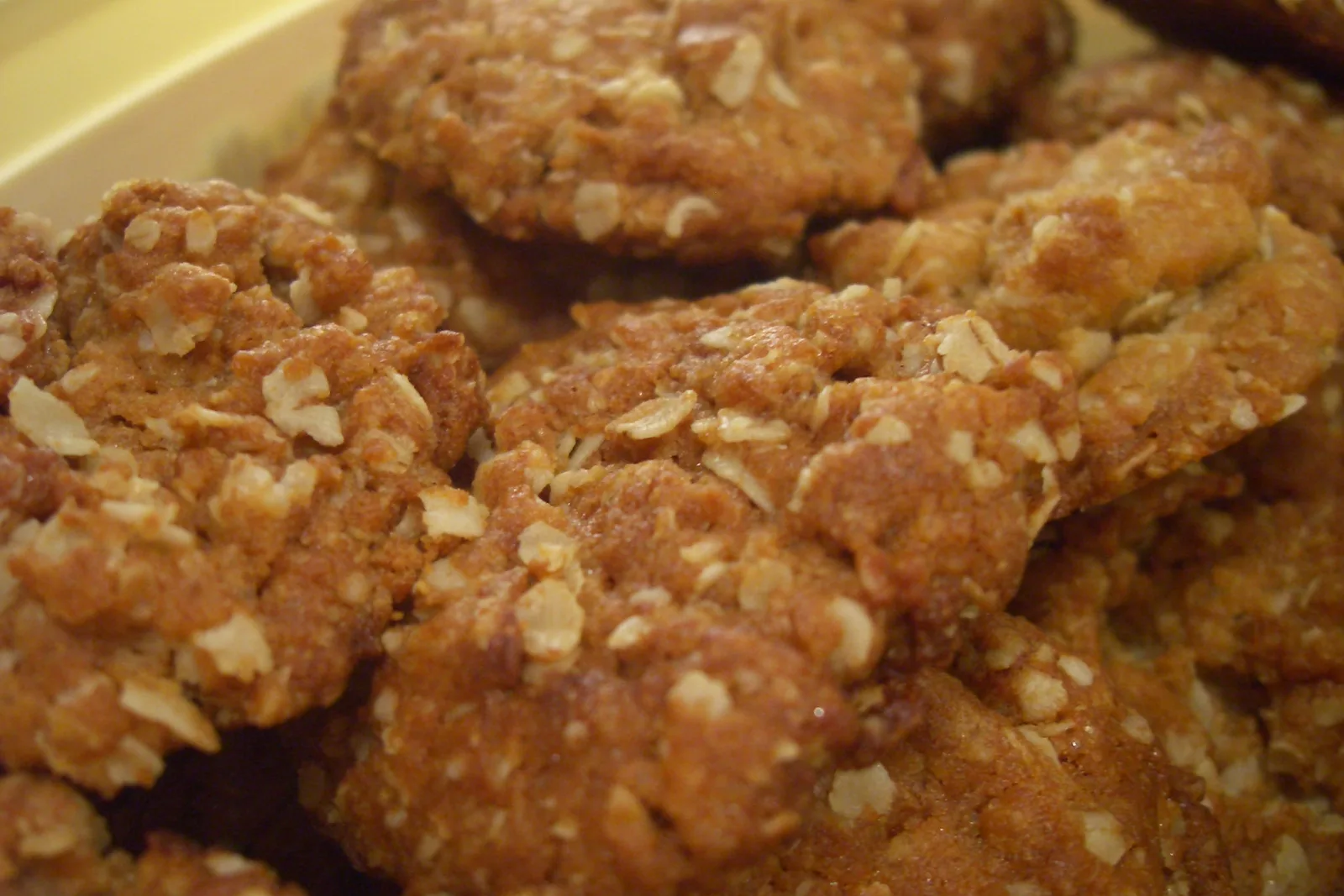
A pile of freshly baked golden ANZAC biscuits with visible rolled oats New Zealand flag New Zealand 30m
Snack & Tea •Anzac Day Classic

New Zealand ANZAC Biscuits

This anzac biscuits recipe makes 24 chewy, golden oat biscuits with desiccated coconut and golden syrup, baked until crisp at the edges and soft in the middle. One serving is two biscuits, about 50 g. There are no eggs in the dough, which is exactly why the biscuits keep so well — the same reason they became a wartime favourite more than a century ago.

Comfort & Warmth

A chewy oat biscuit with golden syrup and coconut — a sweet, filling snack that keeps well and travels well.

Pairs Well With
A hot cup of tea or a cold glass of milk

The Dinner Gazette

Never wonder what’s for dinner again

One email a week with easy dinner ideas from around the world — ingredients, steps and nutrition, tested in our kitchen first.

Delivered every Thursday morning. Unsubscribe anytime.