
Curated recipes from 193 countries  •  New seasonal Mediterranean issue out now

Overview

Patat Dous nan Kokoye

Patat Dous, Haitian Sweet Potato in Coconut Milk, Patate Douce au Lait de Coco

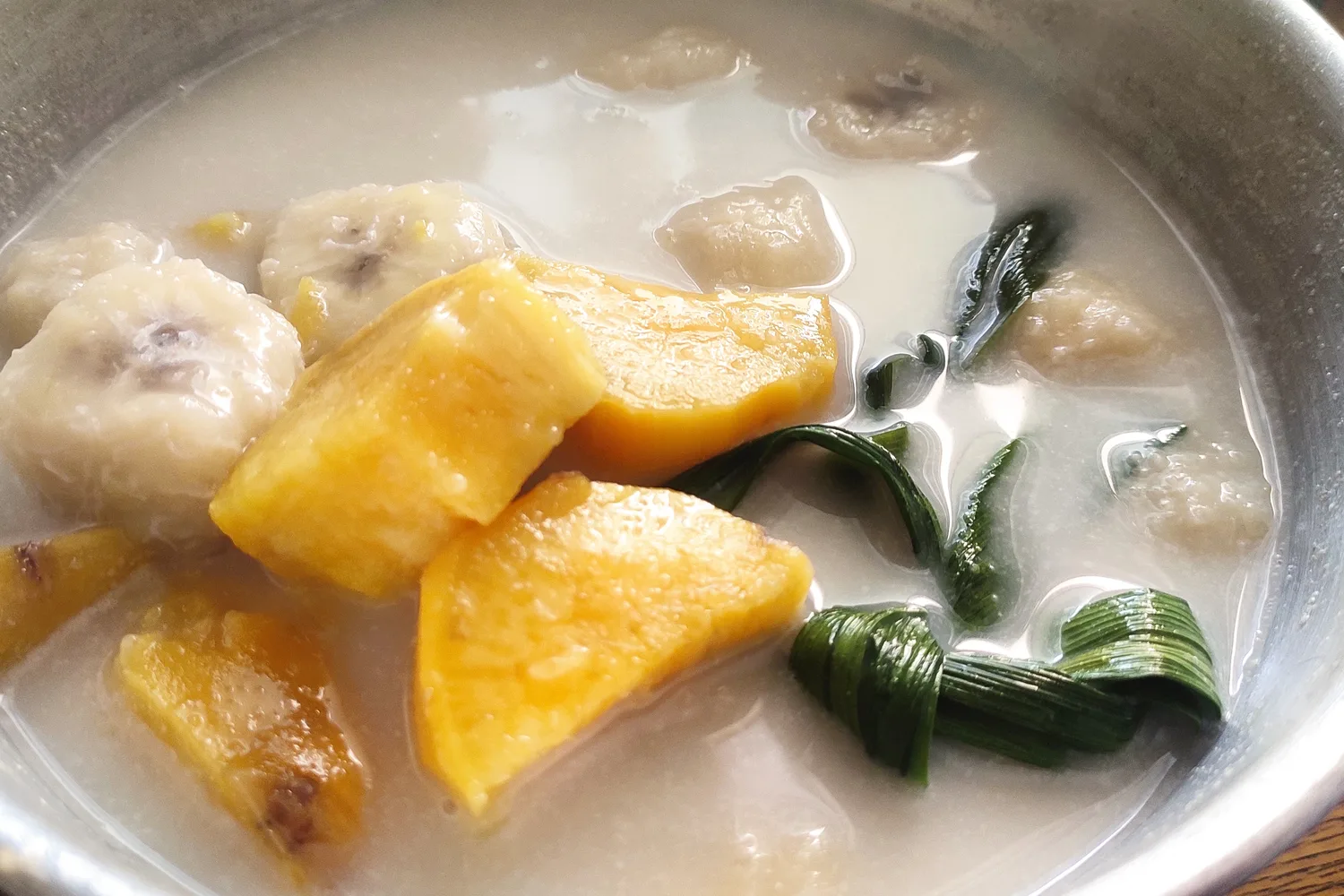
This patat dous nan kokoye recipe simmers chunks of sweet potato in creamy coconut milk with brown sugar, cinnamon and nutmeg until tender and glossy, a sweet Haitian side that sits happily next to griot or grilled fish. One serving is about 345 g. The photo shows sweet potato and banana simmered in coconut milk, the same style of coconut-milk pot this recipe makes.

Sweet potatoes are native to the Americas and have been a Haitian staple for centuries, while coconut palms, carried to the Caribbean in the colonial era, made coconut milk a natural cooking liquid. Simmering sweet potato in coconut milk with island spices is a home-style preparation found across the Caribbean, and in Haiti it is served as a sweet side, distinct from the baked sweet-potato pudding called pain patate.

Pairs well with: Fried pork griot or grilled fish, with pikliz on the side.

Provenance

Haiti flag Haiti

Haitian Heritage

Latin America & Caribbean

Time Dedication

45m

15m prep • 30m cook

Batch Yield

4 Servings

459 kcal per serving

1 serving ≈ 345 g

Technical Skill

Easy

Easy (One Pot)

Meal Timing & Digestive Fit

Breakfast

Not Advised

Lunch

Prime Metabolic Fit

Dinner

Ideal Hearty Main

Snack & Tea

Inappropriate

Occasions: Sunday lunch, family meals, everyday sides Cost: Low — about $2–3 per serving at home
Chunks of orange sweet potato and banana simmered in creamy white coconut milk with a pandan leaf knot, served in a metal bowl

Haitian Heritage

Photo: Fhikri Latifi, CC0, via Wikimedia Commons

The Heritage Formulary

Measured Ingredients

Estimated cost: Low — about $2–3 per serving at home (USD)

Made with white or orange sweet potato, full-fat coconut milk and island spices, simmered gently until tender, never boiled hard.

Execution Methodology & Culinary Technique

Step-by-Step Cooking Guide

Active 45m
P

Prep Stage: Peel & Cube

15 Mins • Peeling & Measuring

Peel the sweet potato and cut it into even 2.5 cm (1 inch) chunks so they cook at the same speed. Measure out the coconut milk, water, sugar and spices, and grate the lime zest, so everything is ready before the pot goes on the heat.

Maestro Tip: Cut the chunks evenly: small pieces turn to mush while big ones are still hard in the middle.

  1. 1

    Peel & Cube the Sweet Potato

    10 Mins No heat

    Peel the sweet potato with a vegetable peeler and cut it into even 2.5 cm (1 inch) chunks. Rinse the chunks in cold water and drain them well.

    Rinsing washes off loose starch, which keeps the sauce from going gluey.

    Done when: Even pale chunks, all about the same size.

  2. 2

    Start the Coconut Milk

    5 Mins Medium heat, ~175°C (350°F)

    Pour the coconut milk and water into a wide saucepan and bring it to a gentle simmer over medium heat, stirring now and then. Do not let it boil hard.

    A hard boil can split coconut milk into oil and curds; a lazy simmer keeps it smooth.

    Done when: Milky liquid steaming gently, with small bubbles at the edges.

  3. 3

    Simmer the Sweet Potato

    20 Mins Low heat, gentle simmer ~95°C (200°F)

    Add the sweet potato chunks and the salt, cover the pan, and simmer gently for about 20 minutes until the potato is tender right through when pierced with a knife.

    Lift the lid and stir once halfway through so the pieces at the bottom do not stick.

    Done when: Potato yields easily to a knife, sauce slightly thickened.

  4. 4

    Sweeten & Spice

    5 Mins Low heat, gentle simmer ~95°C (200°F)

    Stir in the brown sugar, cinnamon, nutmeg, vanilla and lime zest, and simmer for 5 minutes more, stirring gently, until the sugar has dissolved and the sauce turns glossy and coats the potato.

    Taste before adding more sugar: sweet potatoes vary, and some need less.

    Done when: Glossy sauce that coats a spoon, potato tender but still holding its shape.

  5. 5

    Rest & Serve

    5 Mins No heat

    Take the pan off the heat, stir in the butter until it melts, and rest for 5 minutes. Spoon into bowls with plenty of the coconut-milk sauce.

    The rest lets the sauce thicken a little and the spices settle.

    Done when: Warm, glossy chunks in a creamy sauce, ready to serve.

Finishing Touches & Plating

Serve warm, spooned into bowls with plenty of the coconut-milk sauce, as a sweet side next to griot or grilled fish.

Nutritional Physiology & Benefits

Nutrition

Energy

459

kcal / serving

Protein

5g

Complete AA

Carbs

59g

Complex

Fats

25g

Healthy

Per serving (4 servings · 1 serving ≈ 345 g)
Energy459 kcal
Protein5 g
Carbohydrates59 g
Fat25 g
Fibre6.4 g
Sugar23.1 g
Sodium346 mg
Per 100g
Energy133 kcal
Protein1.5 g
Carbohydrates17 g
Fat7.1 g
Fibre1.8 g
Sugar6.7 g
Sodium100 mg

Nutrition values are estimated — calculated from USDA FoodData Central values for the listed ingredients.

Vitamins & minerals: Sweet potato is rich in vitamin A and vitamin C, with potassium and fibre; coconut milk adds small amounts of iron and manganese.

Rich in Vitamin A

Sweet potato is one of the richest everyday sources of vitamin A, which supports normal vision and skin health.

Good Fibre

About 6.4 g of fibre per serving from the sweet potato, which helps the dish feel filling.

Naturally Gluten-Free

The dish contains no wheat or gluten, so it fits a gluten-free table as written.

Food Pairings

What to Eat With

To optimize nutrient absorption and elevate the sensory depth, pair with these authentic accompaniments:

Sides

Haitian Griot

Crisp fried pork is the classic partner: the salty, savoury meat balances the sweet, creamy potato.

Grilled Fish

A plain grilled fish lets the sweet coconut sauce shine and keeps the plate from feeling heavy.

White Rice

Plain white rice soaks up the coconut-milk sauce and turns the side into a filling part of the meal.

Vegetables

Pikliz

The sharp, pickled heat of pikliz cuts through the richness of the coconut milk and wakes the whole plate up.

Drinks

Haitian Lemonade

A cold, lightly sweet lime drink refreshes the palate between rich, sweet mouthfuls.

Complete menu

Serve the sweet potato next to griot or grilled fish with white rice and pikliz, and finish with fresh mango.

Digestive Guardrails

What NOT to Combine

To prevent digestive distress, sluggishness, or palate clash, avoid pairing the dish with these elements:

Boiling Hard Instead of Simmering

A rolling boil breaks the potato apart and can split the coconut milk into oil and curds; keep the simmer gentle and the sauce stays smooth. This is general food information, not medical advice.

Storing Warm Leftovers

Cool the dish quickly and refrigerate within 2 hours; leaving a pot of sweet potato in milk warm on the stove lets bacteria grow. Reheat until steaming hot, to 74°C (165°F). This is general food information, not medical advice.

General information only, not medical advice — consult a doctor for personal dietary decisions.

Who Should Eat It

Who Should Eat

  • General adultsA sweet, comforting side, about 459 calories per serving, best next to griot or grilled fish.
  • ChildrenChildren usually love it; serve a small portion and check the pieces are soft enough to mash with a fork.
  • ElderlyOlder eaters will enjoy it if the potato is cooked until very soft and served warm, not hot.
  • Pregnant womenPregnant women can eat it as part of a varied diet; it is a simple, well-cooked dish with no raw ingredients.
  • Breastfeeding womenBreastfeeding women can eat it as part of a varied diet; the spice level is mild.
  • AthletesAthletes get quick energy from the sweet potato and coconut milk, useful after training with a protein main.
  • Weight gainFor weight gain, serve a generous portion with griot and rice on the side.
  • Weight lossFor weight loss, keep the portion as stated and skip the butter, since the dish is sweet and rich at 459 calories a serving.

Health Conditions — Adjust or Avoid

Conditions

  • DiabetesThe dish is sweet, about 58.5 g of carbs and 23.1 g of sugar per serving, so keep the portion small. Ask your clinician about portions.
  • High blood pressureSodium is about 346 mg per serving, which is modest, but salty mains like griot add more, so watch the extras. Ask your clinician about portions.
  • Kidney diseaseThe dish is low in protein, about 5.3 g per serving, so it works best as a side next to a protein main. Ask your clinician about portions.
  • GoutSweet potato and coconut milk are low in purines, so the dish itself is not a gout concern; the main course matters more. Ask your clinician about portions.
  • Stomach issuesThe dish is soft, mild and easy to digest, though the cinnamon and lime zest can bother a very sensitive stomach. Ask your clinician if symptoms persist.
  • Cardiovascular diseaseThe dish is high in saturated fat from the coconut milk, about 24.6 g of fat per serving, so keep portions modest. Ask your clinician about portions.
  • Fatty liverThe dish is sweet, with 23.1 g of sugar per serving, so it is best kept as an occasional side rather than a daily one. Ask your clinician about portions.
  • Food allergiesContains milk (coconut milk is not dairy, but check the can for traces) and no gluten, egg or nuts as written; people with a tree-nut allergy should note that coconut is a tree nut for labelling purposes.
  • Special therapeutic dietsOn a therapeutic diet, ask your clinician or dietitian whether the sugar and fat levels fit your plan.

If you have a medical condition, consult your doctor before changing your diet.

Storage & Use

Storage & Use

How to store
Cool within 2 hours and store in a covered container; the sauce thickens as it cools.
In the fridge
Keeps 3 days in the fridge at 4°C (40°F) or below.
In the freezer
Up to 2 months in a sealed container.
How to reheat
Reheat gently on the hob, stirring, until steaming hot throughout, to 74°C (165°F); add a splash of coconut milk if the sauce has thickened.
Freezing recommended
Yes — freezes well, though the sauce may separate a little; stir well while reheating.
Signs it has spoiled
A sour smell, mould on the surface or a slimy texture means it should be thrown away.

More recipes to explore

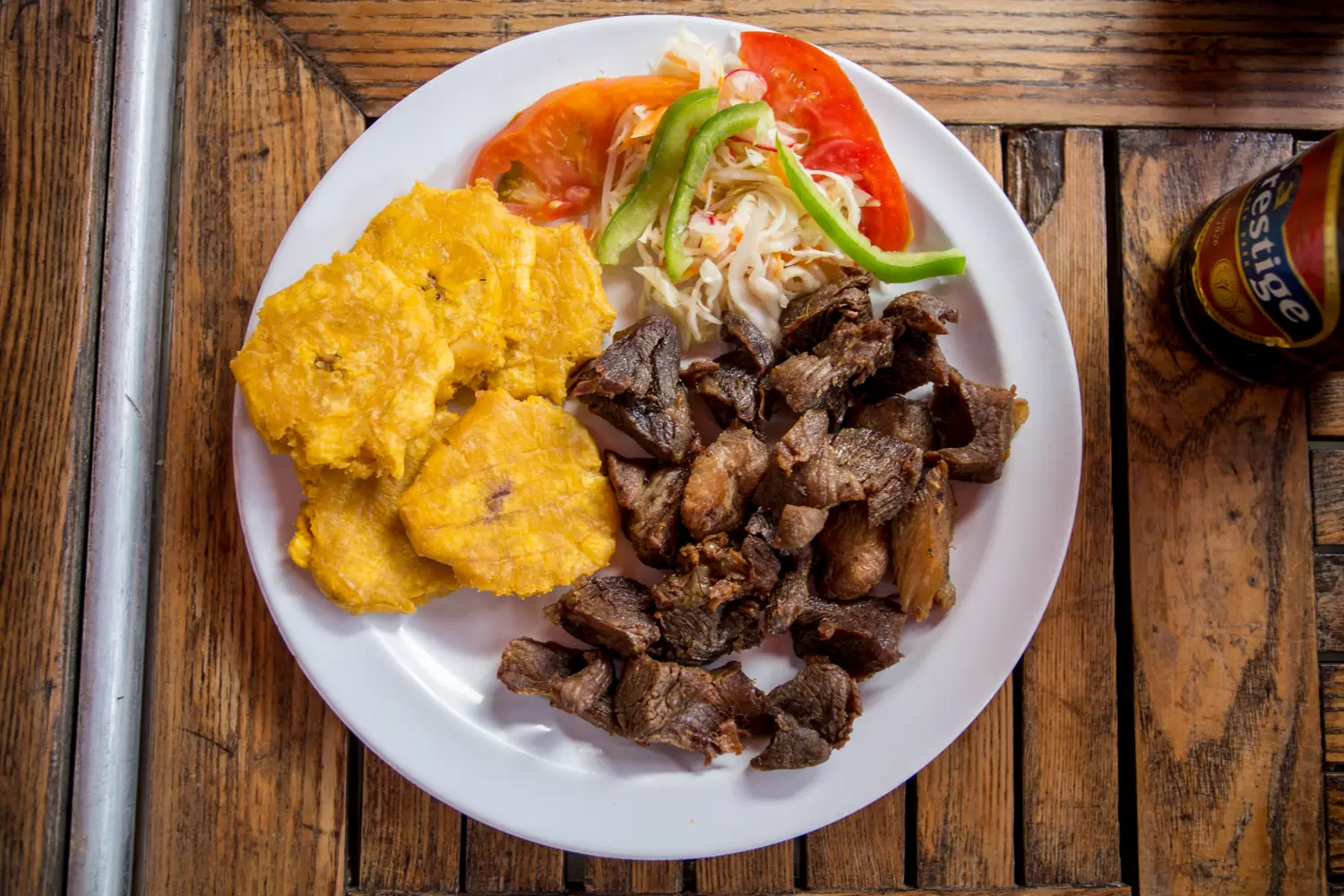
A plate of Haitian griot: dark crisp fried pork cubes with fried plantains and pikliz slaw with tomato and green pepper Haiti flag Haiti 2h 10m
Dinner •Haiti Heritage

Haitian Griot

This Haitian griot recipe starts with pork shoulder rubbed in sour citrus and epis, Haiti's green seasoning paste of scallions, garlic, parsley and Scotch bonnet, then braised in its own marinade until tender and fried in hot oil until the edges turn dark and crisp. It is served with pikliz, a sharp pickled cabbage slaw that cuts through the richness. One serving is about 215 g of crisp fried pork with pikliz.

Hearty & Celebratory

Haiti's most loved party dish: citrus-marinated pork, braised tender, then fried until crisp and served with fiery pickled pikliz.

Pairs Well With
Fried plantains (bannann peze) and rice and beans, with pikliz on the side.
A bowl of Soup Joumou with beef, spaghetti, potato and golden pumpkin broth Haiti flag Haiti 2h 40m
Lunch •Haiti's Independence Soup

Soup Joumou

Soup joumou is Haiti's golden pumpkin soup: tender beef simmered in a thick purée of giraumon squash, with root vegetables, cabbage and spaghetti in a rich, spiced broth. This soup joumou recipe follows the home-cooked method Haitian families use every 1 January, when the soup marks Independence Day. One serving is about 480 g.

Comfort & Warmth

A hot, hearty bowl of pumpkin, beef and vegetables that warms up a family lunch on a cold day or a festive table.

Pairs Well With
Serve hot with crusty French bread for dipping and a spoonful of pikliz on the side.
Soups & Broths
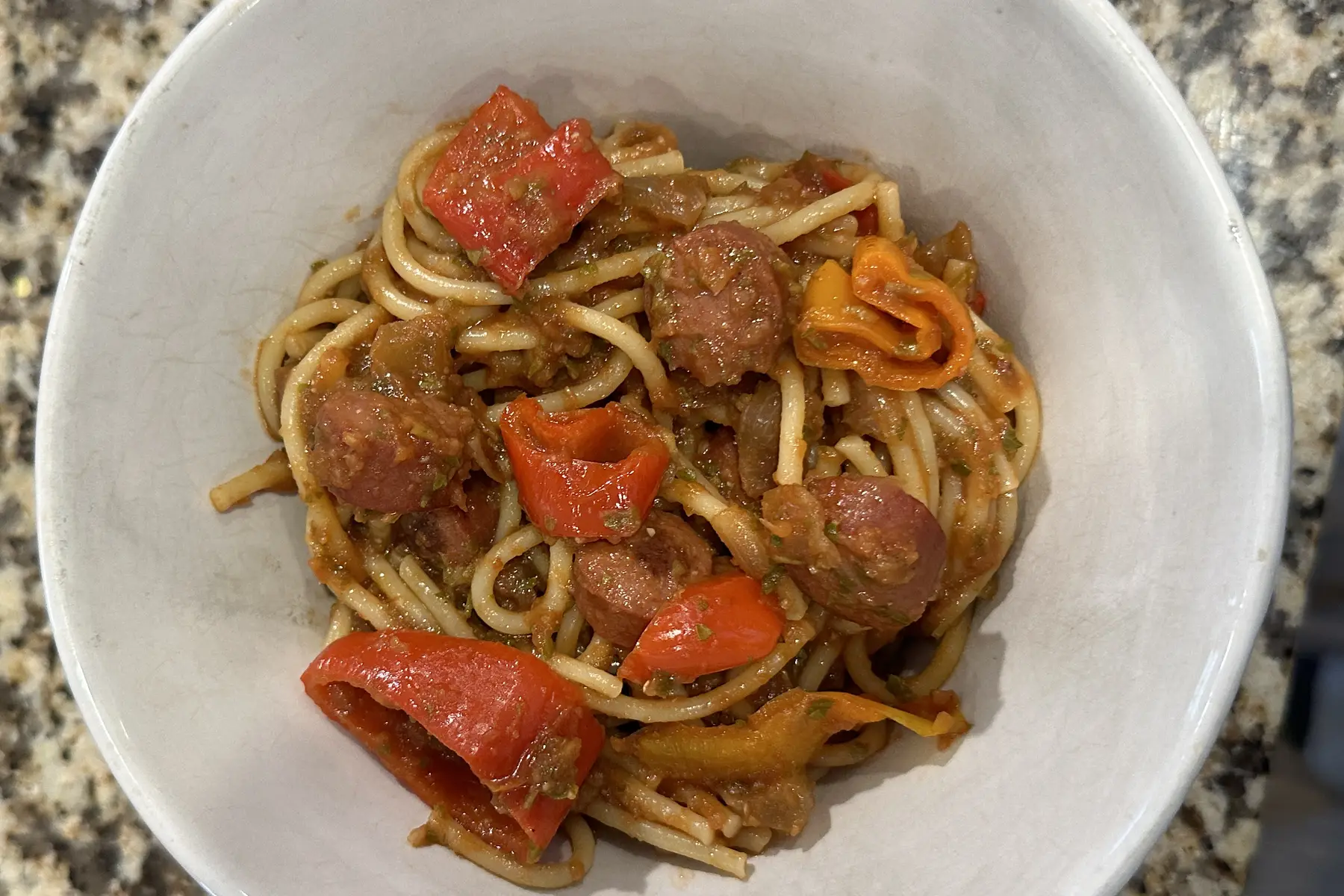
Haitian spaghetti in a white bowl — spaghetti in a rust-red epis and tomato sauce with sliced hot dogs and red peppers Haiti flag Haiti 40m
Breakfast •Haitian Breakfast Espageti

Haitian Spaghetti

This haitian spaghetti recipe is Haiti's beloved breakfast pasta: dried spaghetti cooked in one pot with epis, the green Haitian seasoning base, tomato paste, sweet peppers, onion and sliced hot dogs, until every strand is stained rust-red and full of flavour. It is pantry cooking at its best — cheap, fast and boldly seasoned — and it lands on the table in about 40 minutes. One serving is about 380 g.

Hearty & Comforting

One-pot spaghetti coated in a savoury epis and tomato sauce with sliced hot dogs, peppers and onion — a filling Haitian breakfast.

Pairs Well With
Boiled egg, avocado & pikliz
Pasta & Noodles • Quick Prep (<30m)
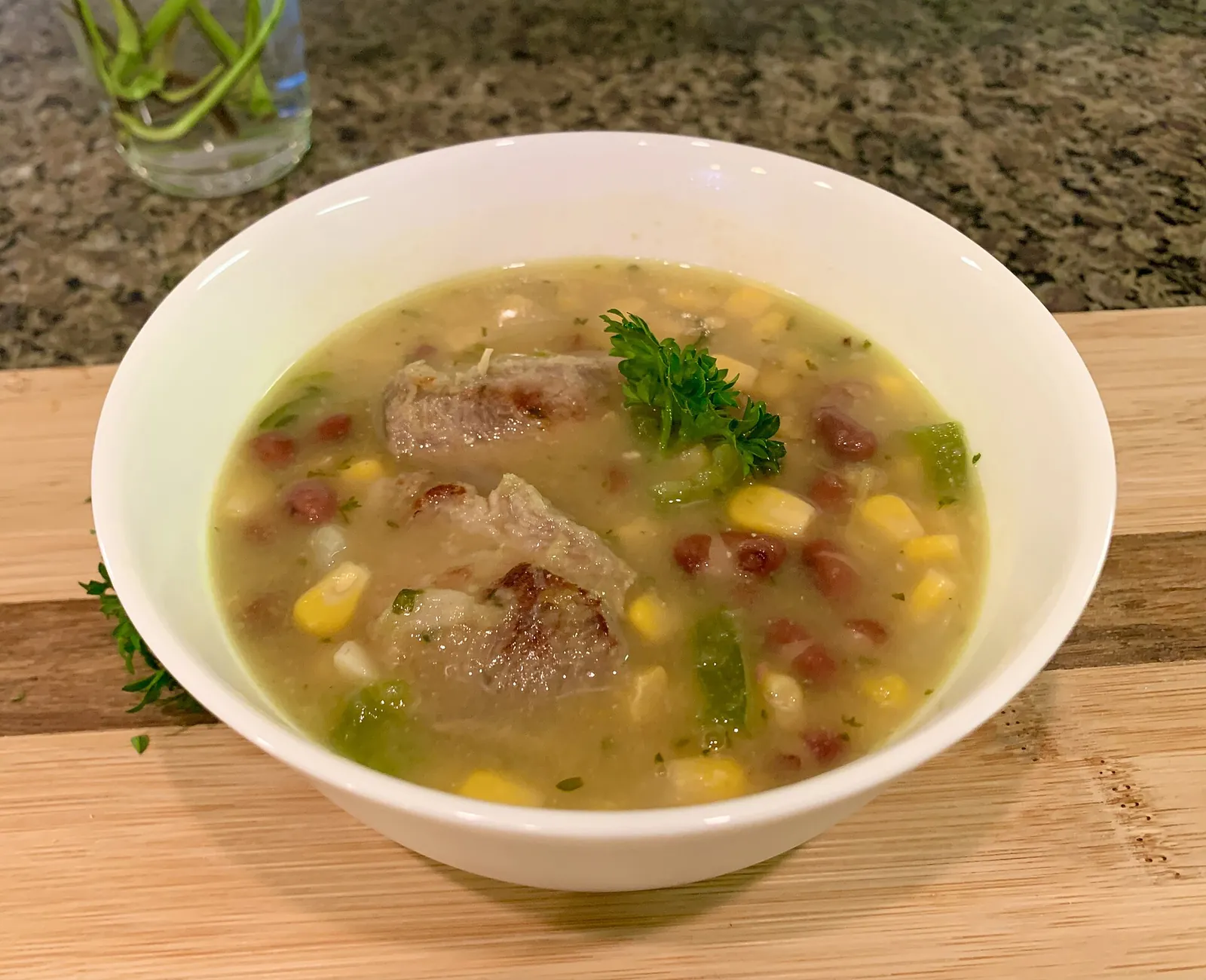
A white bowl of Haitian tchaka with corn kernels, red beans and smoked pork chunks in a light broth, garnished with parsley Haiti flag Haiti 3h 20m
Lunch •Haitian Heritage Stew

Tchaka

This tchaka recipe soaks dried corn and red kidney beans overnight, then simmers them for hours with smoked pork, pumpkin and a fragrant epis of garlic, scallion, parsley and thyme until the pot turns thick and hearty. The smoked pork is what gives tchaka its deep, salty flavour, and the Scotch bonnet — left whole so it perfumes the stew without burning — is the quiet heat underneath it all. One serving is about 400 g.

Comfort & Warmth

Dried corn and red beans simmered for hours with smoked pork, pumpkin and epis until thick — Haiti's slow, hearty celebration stew.

Pairs Well With
Crusty bread, pikliz & avocado
Soups & Broths

The Dinner Gazette

Never wonder what’s for dinner again

One email a week with easy dinner ideas from around the world — ingredients, steps and nutrition, tested in our kitchen first.

Delivered every Thursday morning. Unsubscribe anytime.