Curated recipes from 193 countries  •  New seasonal Mediterranean issue out now

Overview

Philly Cheesesteak

Philadelphia Cheesesteak, Philly Steak Sandwich

This philly cheesesteak recipe brings the South Philadelphia sandwich shop to your own griddle: ribeye sliced paper-thin, seared fast and hot, folded together with caramelized onions, peppers and melted provolone, then loaded into a toasted hoagie roll. It is rich, juicy and unapologetically messy — the kind of lunch you eat with both hands and a stack of napkins. One serving is about 375 g.

In 1930, Pat Olivieri ran a hot dog stand at 9th and Passyunk in South Philadelphia and, on a whim, grilled some sliced beef from the butcher and put it in a roll instead of a hot dog — a passing cab driver asked for one, and the steak sandwich was born. Cheese came later: provolone in the 1940s, and Cheez Whiz, the processed cheese sauce, became a fixture in the 1950s. Pat's King of Steaks still stands on that corner, and since 1966 Geno's Steaks has stood directly across the street, turning the question of whose cheesesteak is better into one of Philadelphia's friendliest rivalries.

Pairs well with: Crisp french fries or a crunchy dill pickle spear, with an ice-cold cola or lager.

Provenance

United States flag United States

Philadelphia Classic

North America

Time Dedication

50m

30m prep • 20m cook

Batch Yield

4 Servings

933 kcal per serving

1 serving ≈ 375 g

Technical Skill

Intermediate

Medium (Griddle)

Meal Timing & Digestive Fit

Breakfast

Not Advised

Lunch

Prime Metabolic Fit

Dinner

Ideal Hearty Main

Snack & Tea

Inappropriate

High Protein Occasions: Game-day food, casual lunches, weekend treats, late-night diner food, family cookouts Cost: Moderate — about $5–6 per serving at home
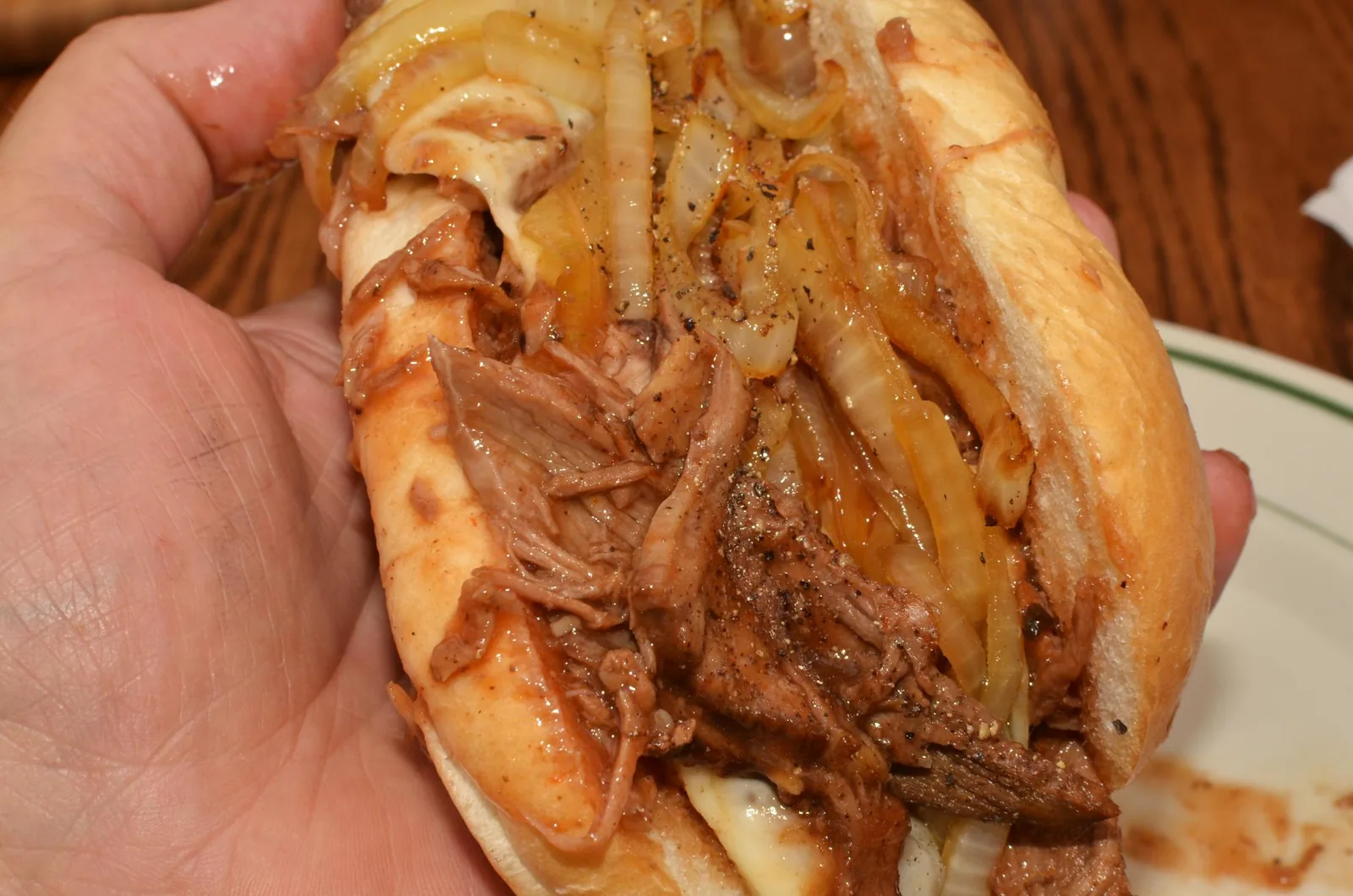
A Philly cheesesteak in a soft hoagie roll filled with thin-sliced seared ribeye, caramelized onions and melted cheese

Philadelphia Classic

Photo: jeffreyw, CC BY 2.0, via Wikimedia Commons

The Heritage Formulary

Measured Ingredients

Estimated cost: Moderate — about $5–6 per serving at home (USD)

Made the classic way: ribeye sliced paper-thin, seared fast on a hot griddle with onions and peppers, provolone melted over the meat, and loaded into a soft hoagie roll.

Execution Methodology & Culinary Technique

Step-by-Step Cooking Guide

Active 50m
P

Prep Stage: Chill, Slice & Chop

30 Mins • Chilling & Slicing

Put the ribeye in the freezer for 30 minutes until it is firm at the edges but not frozen solid, then slice it across the grain into strips as thin as you can manage — about 2 mm — and pile them loosely on a plate. While the steak chills, slice the onion into thin half-moons, the pepper into strips and the mushrooms into thin slices, tear the provolone into strips, and split the rolls lengthways, leaving one side hinged. Set out the oil, butter, salt and pepper so everything is within reach once the griddle is hot.

Maestro Tip: A half-frozen steak slices far thinner than a soft one, and thin slices are the whole secret of a real cheesesteak — they cook in seconds and stay tender. If the steak softens while you slice, pop it back in the freezer for 10 minutes.

  1. 1

    Freeze and slice the steak

    35 Mins Freezer, −18°C (0°F)

    Put the ribeye in the freezer for 30 minutes until firm at the edges, then slice it across the grain into strips about 2 mm thick. Work with a long, sharp knife and steady, even strokes, and pile the slices loosely on a plate without packing them down.

    Slice across the grain, not along it — cutting through the muscle fibres is what keeps the cooked meat tender instead of chewy.

    Done when: A loose pile of paper-thin steak strips, still cold and pink.

  2. 2

    Soften the onions, peppers and mushrooms

    8 Mins Medium-high heat, 190°C (375°F)

    Heat the olive oil on a large griddle or cast-iron pan over medium-high heat. Add the onion, pepper and mushrooms in one even layer and cook for 6–8 minutes, stirring now and then, until the onion turns soft and golden at the edges and the pepper strips have just lost their crunch. Season lightly with a pinch of salt, then push the vegetables to one side of the griddle.

    Do not crowd the vegetables or stir them constantly — give them time sitting still on the hot surface so they caramelize instead of steaming.

    Done when: Onions soft and golden, peppers tender but still holding their shape.

  3. 3

    Sear the steak on the griddle

    4 Mins High heat, 230°C (450°F)

    Turn the heat to high and add the butter to the empty side of the griddle. Spread the sliced steak out in a thin, even layer — work in two batches if the griddle is crowded — and season with the salt and pepper. Leave it untouched for about 1 minute so it browns, then chop and flip it with two spatulas, breaking the slices apart as you go, for another 1–2 minutes until no pink remains. Fold the cooked vegetables back into the steak and mix everything together.

    Thin slices overcook in seconds, so keep the heat high and the time short — browned edges and no pink is the target, not a long fry.

    Done when: Steak browned at the edges with no pink left; the slices reach at least 63°C (145°F) inside, then rest for 3 minutes before serving.

  4. 4

    Melt the cheese over the steak

    3 Mins Medium heat, 175°C (350°F)

    Divide the steak mixture into 4 long mounds, roughly the length of a roll. Lay the provolone strips over each mound, turn the heat down to medium, and cover the griddle loosely with a large lid or a sheet of foil for 1–2 minutes so the cheese melts down into the meat. If you are using Cheez Whiz instead, spoon it generously over each mound and let the heat of the steak warm it through.

    The lid traps steam and melts the cheese in seconds without drying the steak — lift it as soon as the cheese is soft and glossy.

    Done when: Cheese fully melted, draping over the steak and starting to drip into the gaps.

  5. 5

    Toast the rolls and load the sandwiches

    3 Mins Medium heat, 175°C (350°F)

    While the cheese melts, toast the split rolls cut-side down on the griddle for 1–2 minutes until lightly golden. Open each roll and slide a spatula under one cheesy steak mound, lifting the whole mound in one piece and tucking it into the roll. Press the roll gently closed, wrap it in foil if you like the Philadelphia takeaway style, and serve immediately while the cheese is still stretching.

    Lift each mound in one confident scoop — breaking it apart to spoon the filling in is what makes a cheesesteak fall apart in your hands.

    Done when: Rolls warm and lightly toasted, filled edge to edge with hot, cheesy steak.

Finishing Touches & Plating

Serve each cheesesteak hot, wrapped in foil or on a plate with a pickle spear on the side, and hand out plenty of napkins — a good cheesesteak is meant to be eaten with both hands, leaning slightly forward.

Nutritional Physiology & Benefits

Nutrition

Energy

933

kcal / serving

Protein

50g

Complete AA

Carbs

65g

Complex

Fats

51g

Healthy

Per serving (4 servings · 1 serving ≈ 375 g)
Energy933 kcal
Protein50 g
Carbohydrates65 g
Fat51 g
Fibre3.8 g
Sugar8.1 g
Sodium1092 mg
Per 100g
Energy249 kcal
Protein13.4 g
Carbohydrates17.2 g
Fat13.5 g
Fibre1 g
Sugar2.2 g
Sodium291 mg

Nutrition values are estimated — calculated from USDA FoodData Central values for the listed ingredients.

Vitamins & minerals: The ribeye supplies iron, zinc and vitamin B12, the provolone adds calcium and phosphorus, and the onion, pepper and mushrooms add vitamin C and potassium. Nutrition is estimated.

High in Protein

One sandwich carries about 50.2 g of protein from the ribeye and provolone, which makes it a genuinely filling lunch.

Iron, Zinc & B12

Beef is a natural source of iron, zinc and vitamin B12, and the provolone adds calcium and phosphorus.

Real Vegetables in Every Bite

Onions, peppers and mushrooms add fibre, vitamin C and potassium to a sandwich that is otherwise all meat, cheese and bread.

Food Pairings

What to Eat With

To optimize nutrient absorption and elevate the sensory depth, pair with these authentic accompaniments:

Sides

French Fries

Crisp, salty fries are the classic partner — their crunch and salt balance the soft roll and the rich, juicy steak and cheese.

Coleslaw

Cool, crunchy coleslaw adds a light, acidic contrast to the hot, rich sandwich and keeps the meal from feeling too heavy.

Vegetables

Dill Pickle Spear

The sharp vinegar tang of a dill pickle cuts through the fat of the ribeye and cheese and refreshes the palate between bites.

Drinks

Ice-Cold Cola or Lager

A cold, fizzy drink cleanses the palate after each rich, cheesy bite — this is how the sandwich is usually ordered in Philadelphia.

Full Menus

Cherry Water Ice

A Philadelphia water ice after the sandwich is the local tradition: cold, sweet and light, it finishes a heavy lunch without adding another rich course.

Complete menu

Serve the cheesesteaks with french fries and a dill pickle spear, follow with a simple coleslaw if anyone is still hungry, and finish with a cherry water ice and an ice-cold cola.

Digestive Guardrails

What NOT to Combine

To prevent digestive distress, sluggishness, or palate clash, avoid pairing the dish with these elements:

Undercooked Steak Slices

Thin slices cook fast, but they still need to reach 63°C (145°F) all the way through with no pink left — a quick sear that leaves raw pink centres is not safe. Always check the thickest pieces. This is general food information, not medical advice.

Very Salty Sides

One sandwich already carries about 1092 mg of sodium from the cheese, roll and seasoning, so salty fries, cured meats or extra pickles on the same plate push one meal very far. This is general food information, not medical advice.

Wheat and Milk Allergens

This sandwich contains wheat (the hoagie roll) and milk (provolone and butter), so it is not suitable for people with a wheat or milk allergy unless a safe roll and dairy-free cheese are used. Check every label. This is general food information, not medical advice.

General information only, not medical advice — consult a doctor for personal dietary decisions.

Who Should Eat It

Who Should Eat

  • General adultsA satisfying, protein-rich lunch at about 933 kcal — enjoy it as a full meal with a pickle or slaw rather than adding more rich sides.
  • ChildrenChildren love cheesesteaks — serve a half sandwich in a small roll, cut it into short pieces, and make sure the steak is cooked right through with no pink.
  • ElderlySoft and easy to chew, but rich and salty — a half sandwich with plenty of vegetables is the comfortable choice.
  • Pregnant womenFine as an occasional lunch when the steak is cooked right through to 63°C (145°F) and the cheese is pasteurised provolone. Ask your clinician about portions.
  • Breastfeeding womenAn energy-rich meal with good protein, iron and B12 — one sandwich is plenty, and pair it with vegetables rather than extra fries.
  • AthletesGood recovery food, with about 50.2 g of protein and plenty of carbohydrate per serving — a solid post-training lunch.
  • Weight gainEnergy-dense and easy to eat, so it suits weight gain when served with its usual sides like fries.
  • Weight lossRich at about 933 kcal — use a smaller roll, load up the peppers and mushrooms, and swap the fries for a big salad to bring it down.

Health Conditions — Adjust or Avoid

Conditions

  • DiabetesThe roll is the main carbohydrate here, about 64.6 g per sandwich, so keep to one sandwich and skip sugary drinks. Ask your clinician about portions.
  • High blood pressureOne sandwich carries about 1092 mg of sodium, so keep other salty foods out of the same meal and skip extra salt at the table. Ask your clinician about portions.
  • Kidney diseasePortions should stay modest, and the salt and protein content matter for some kidney diets. Ask your clinician about portions.
  • GoutRed meat is a purine source, so keep to one modest sandwich and drink water with the meal. Ask your clinician about portions.
  • Stomach issuesA rich, fatty sandwich can be heavy on a sensitive stomach; eat slowly, take a smaller portion, and skip extra fried sides if they bother you. Ask your clinician about portions.
  • Cardiovascular diseaseThe dish is rich in saturated fat, so one modest sandwich with a big salad is a better balance than a second helping or a pile of fries. Ask your clinician about portions.
  • Fatty liverThe sandwich is energy-dense and high in fat, so a smaller portion with extra vegetables and no fried sides is the wiser choice. Ask your clinician about portions.
  • Food allergiesContains wheat (roll) and milk (provolone, butter). People with a wheat or milk allergy should use a safe roll and dairy-free cheese, and check every label. Ask your clinician about substitutions.
  • Special therapeutic dietsThis is a rich, high-protein, high-sodium sandwich, so it may not fit low-sodium, low-fat or other therapeutic diets without changes. Ask your clinician about portions.

If you have a medical condition, consult your doctor before changing your diet.

Storage & Use

Storage & Use

How to store
Cool leftovers quickly and keep the steak mixture and rolls separate in covered containers, so the bread does not go soggy.
In the fridge
Cooked steak mixture keeps 3 days in the fridge at 4°C (40°F) or below; rolls keep 2 days in a bag.
In the freezer
The cooked steak and vegetable mixture freezes well for up to 2 months in a sealed bag; rolls freeze for up to 1 month.
How to reheat
Reheat the steak mixture in a pan or oven until steaming hot all the way through, to 74°C (165°F); warm the rolls briefly in the oven and build the sandwich fresh — do not microwave the assembled sandwich.
Freezing recommended
Yes — freeze the steak mixture only, not the assembled sandwich.
Signs it has spoiled
Sour or off smell, grey or slimy meat, or mould on the rolls — discard if any appear.

More recipes to explore

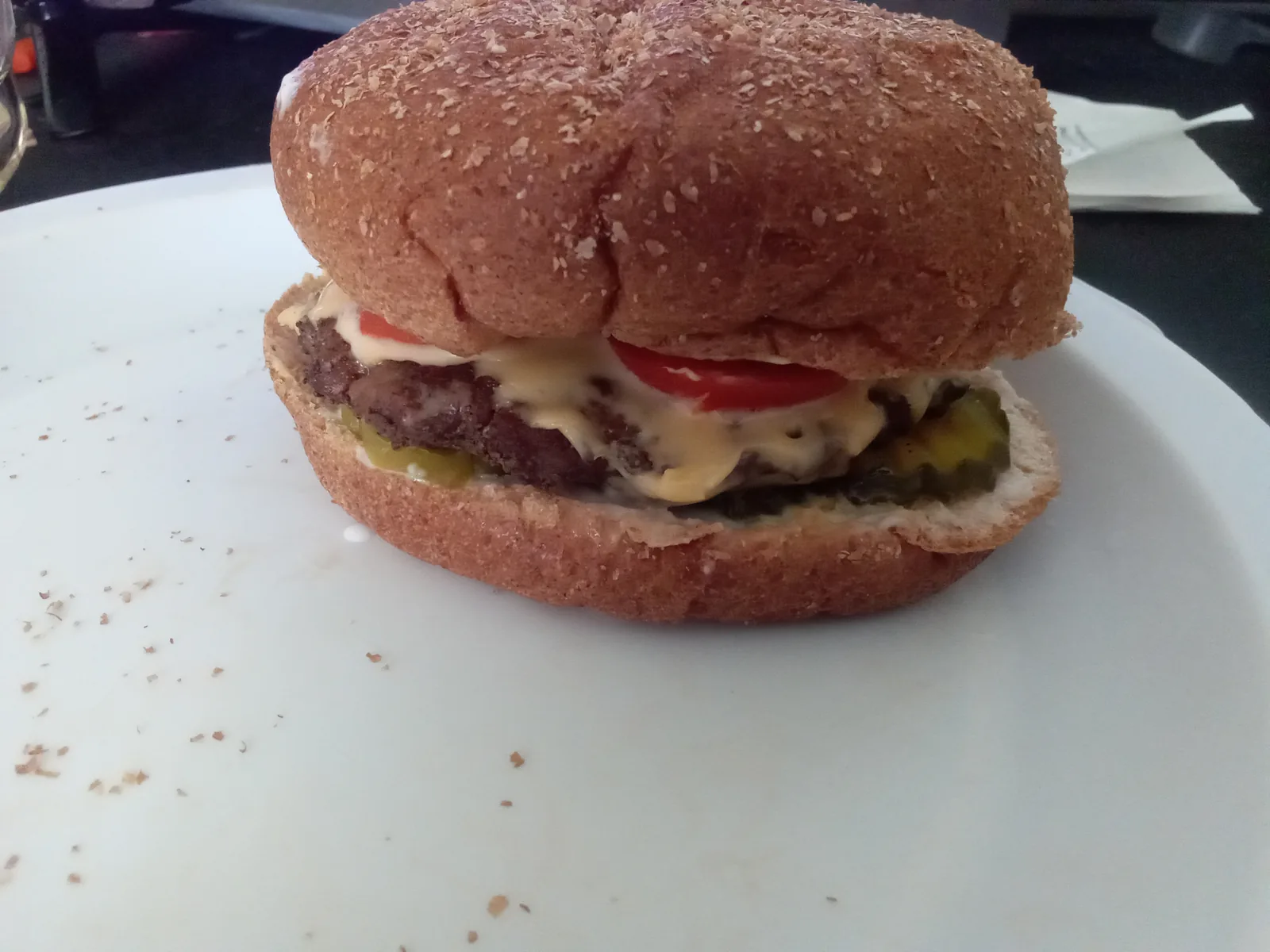
An American cheeseburger with a beef patty, melted cheese, tomato and pickles in a wholemeal bun on a white plate United States flag United States 35m
Lunch •American Heritage

American Cheeseburger

This american cheeseburger recipe turns a thick, well-seasoned beef patty, a slice of sharp cheddar and a soft toasted bun into the classic American lunch. The cheese melts over the hot patty, the pickles and tomato cut through the richness, and the whole thing comes together in about 35 minutes. One serving is about 340 g, one full burger.

Comfort & Satisfaction

A juicy grilled beef patty with melted cheddar, fresh tomato, lettuce and pickles in a soft toasted bun.

Pairs Well With
Crisp french fries or a simple coleslaw, with an ice-cold cola or lemonade.
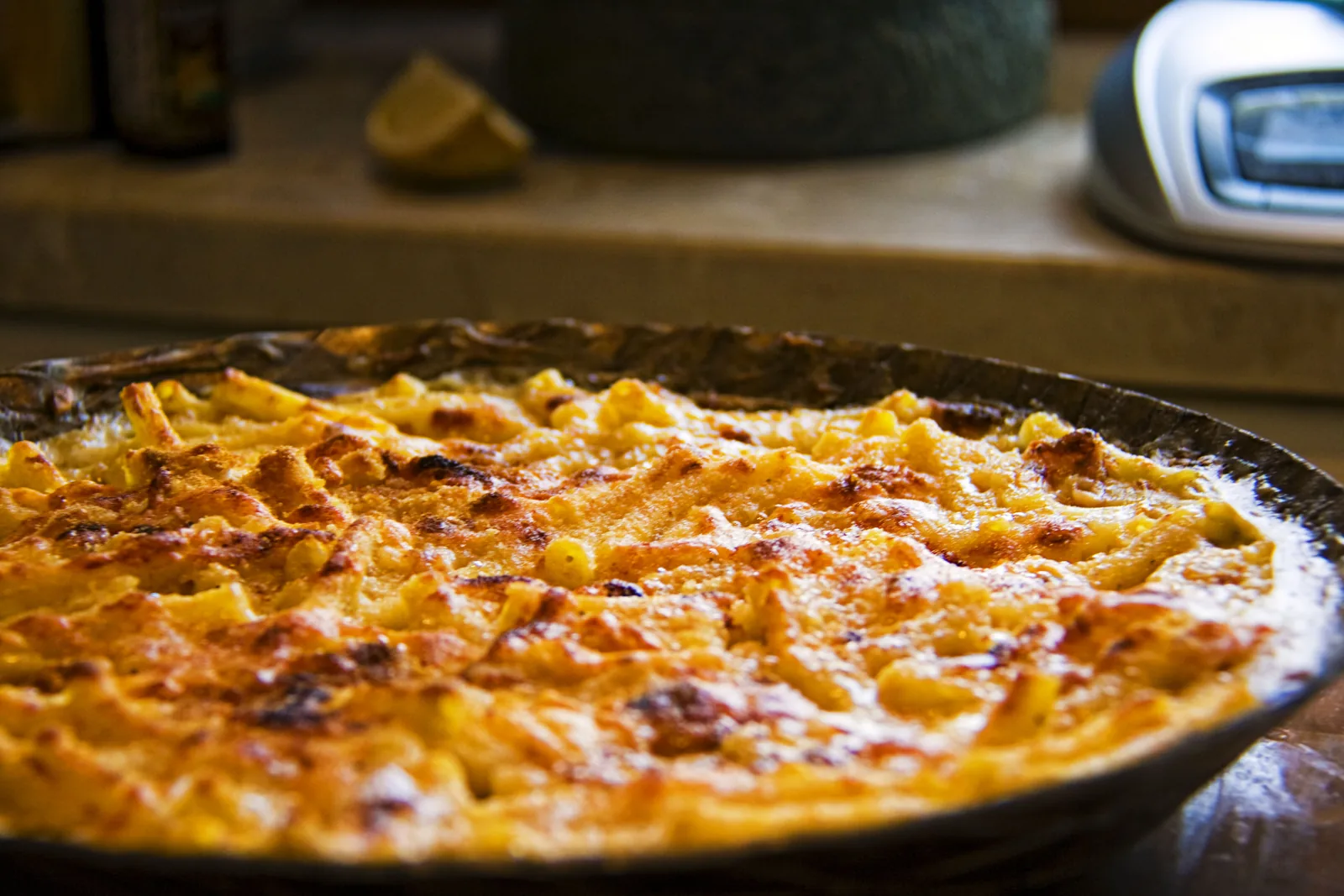
Baked mac and cheese in a baking dish with a golden-brown crust United States flag United States 1h 5m
Dinner •American Heritage

Baked Mac and Cheese

This baked mac and cheese recipe layers elbow macaroni in a smooth béchamel sauce made with sharp cheddar and Gruyère, then bakes it under a golden, buttered panko crust until the top is crisp and the sauce bubbles at the edges. It is the American comfort dish that turns up at family dinners, Thanksgiving tables and potlucks all over the country. One serving is about 290 g.

Comfort & Warmth

Elbow macaroni baked in a sharp cheddar and Gruyère béchamel under a golden panko crust — the classic American comfort casserole.

Pairs Well With
Roasted broccoli & green salad
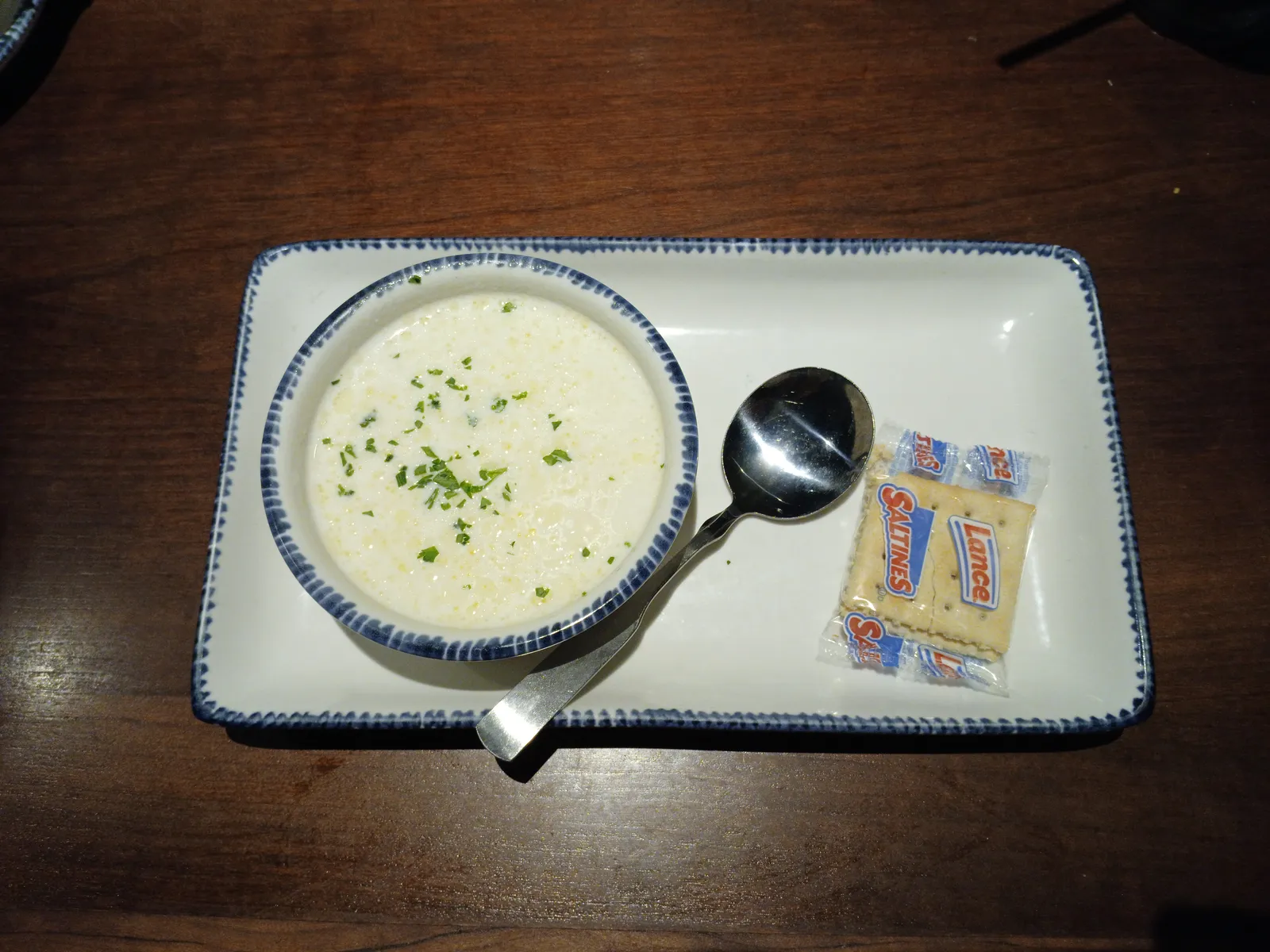
A cup of creamy white clam chowder with chopped parsley, served on a plate with saltine crackers and a spoon United States flag United States 55m
Lunch •New England Heritage

New England Clam Chowder

This new england clam chowder recipe turns fresh clam meat, potatoes, onion and celery into the creamy white soup New England is known for, with crisp bacon and a splash of cream at the end. It is a proper lunch in a bowl, best eaten with oyster crackers crumbled over the top. One serving is about 450 g.

Comfort & Warmth

A creamy white chowder of tender clams, potatoes and bacon, thickened lightly and served steaming hot with crackers.

Pairs Well With
Oyster crackers and a buttered slice of sourdough, with a cold glass of lemonade or iced tea.
Soups & Broths
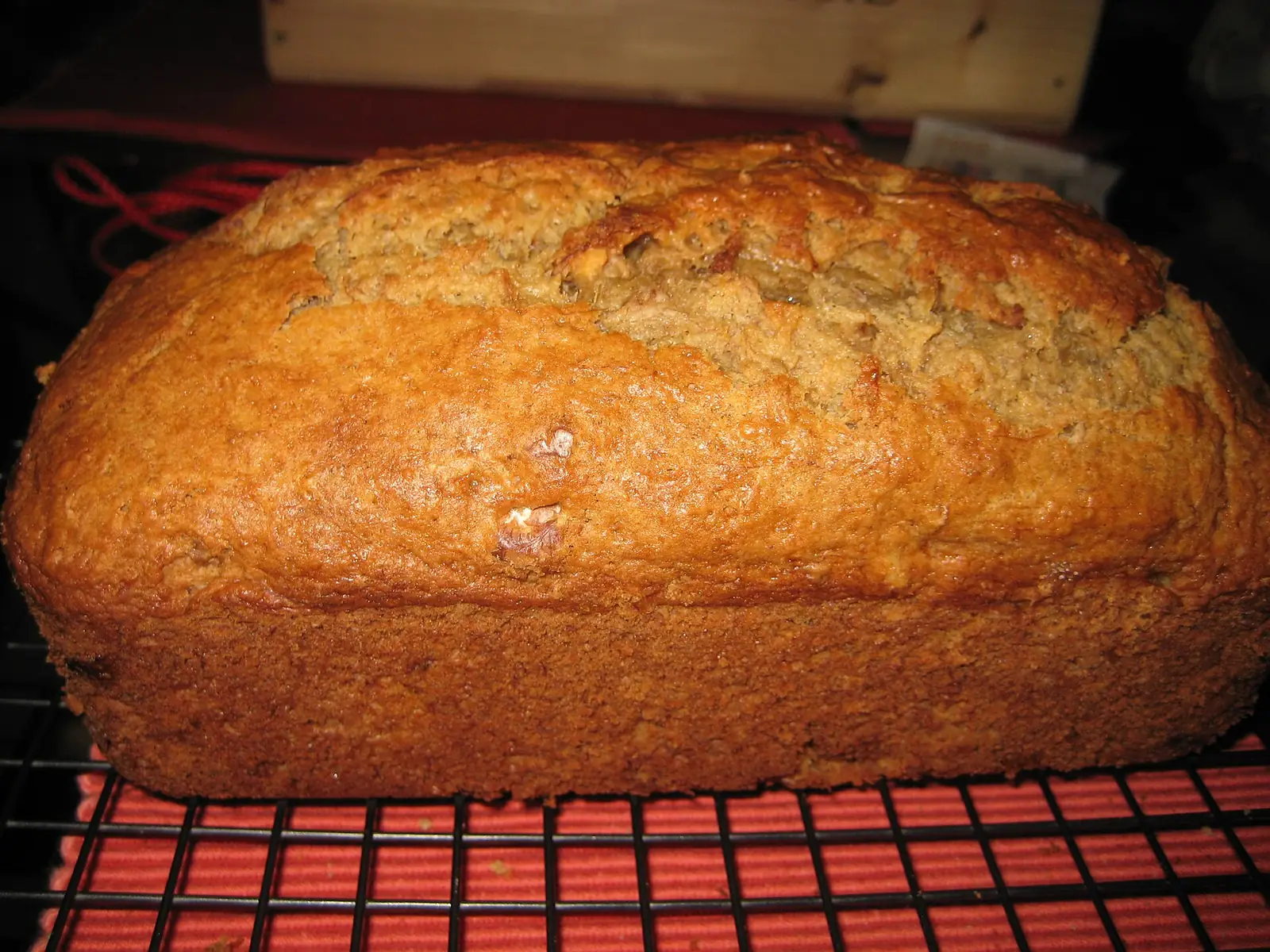
A whole golden-brown loaf of banana bread cooling on a wire rack United States flag United States 1h 15m
Breakfast •American Heritage

Banana Bread

This banana bread recipe turns four very ripe bananas into a moist, golden loaf with a tender crumb, a crackled top and crunchy walnuts in every slice. It is a one-bowl quick bread: no yeast, no mixer, no fuss — just mash, stir and bake. One serving is about 107 g.

Cozy & Comforting

A moist, golden loaf of mashed ripe bananas, butter and walnuts — the classic American way to rescue overripe bananas.

Pairs Well With
Salted butter, a smear of cream cheese & hot coffee

The Dinner Gazette

Never wonder what’s for dinner again

One email a week with easy dinner ideas from around the world — ingredients, steps and nutrition, tested in our kitchen first.

Delivered every Thursday morning. Unsubscribe anytime.