Curated recipes from 193 countries  •  New seasonal Mediterranean issue out now

Overview

Pwason Gros Sel

Poisson Gros Sel, Haitian Rock Salt Fish, Grilled Red Snapper with Coarse Salt

Pwason gros sel recipe: a whole red snapper rubbed with coarse rock salt, lime juice and epis, grilled until the skin crisps and the flesh flakes, then finished with a spoonful of warm court-bouillon and a side of pikliz. One serving is about 329 g.

Poisson gros sel — 'fish with big salt' — is the Haitian dish of Good Friday, when fish replaces meat for Lent, though families cook it all year round. The name refers to the coarse rock salt the fish is rubbed with, together with lime and the epis seasoning base; the classic version is poached in its court-bouillon, and the grilled rendering here follows the Haitian food writer Tchakayiti, who grills the salted snapper on a cast-iron grill and pours the same broth over it. Served with pikliz, plantains and rice, it is the fish plate that marks a Haitian Friday table.

Pairs well with: Pikliz, fried plantains & diri ak pwa

Provenance

Haiti flag Haiti

Haitian Heritage

Latin America & Caribbean

Time Dedication

50m

30m prep • 20m cook

Batch Yield

4 Servings

288 kcal per serving

1 serving ≈ 329 g

Technical Skill

Intermediate

Medium (Whole Fish)

Meal Timing & Digestive Fit

Breakfast

Not Advised

Lunch

Hearty Midday Main

Dinner

Ideal Hearty Main

Snack & Tea

Inappropriate

Occasions: Good Friday, family dinners, weekend grills, Lenten Fridays, coastal suppers Cost: Medium — about $6–8 per serving at home
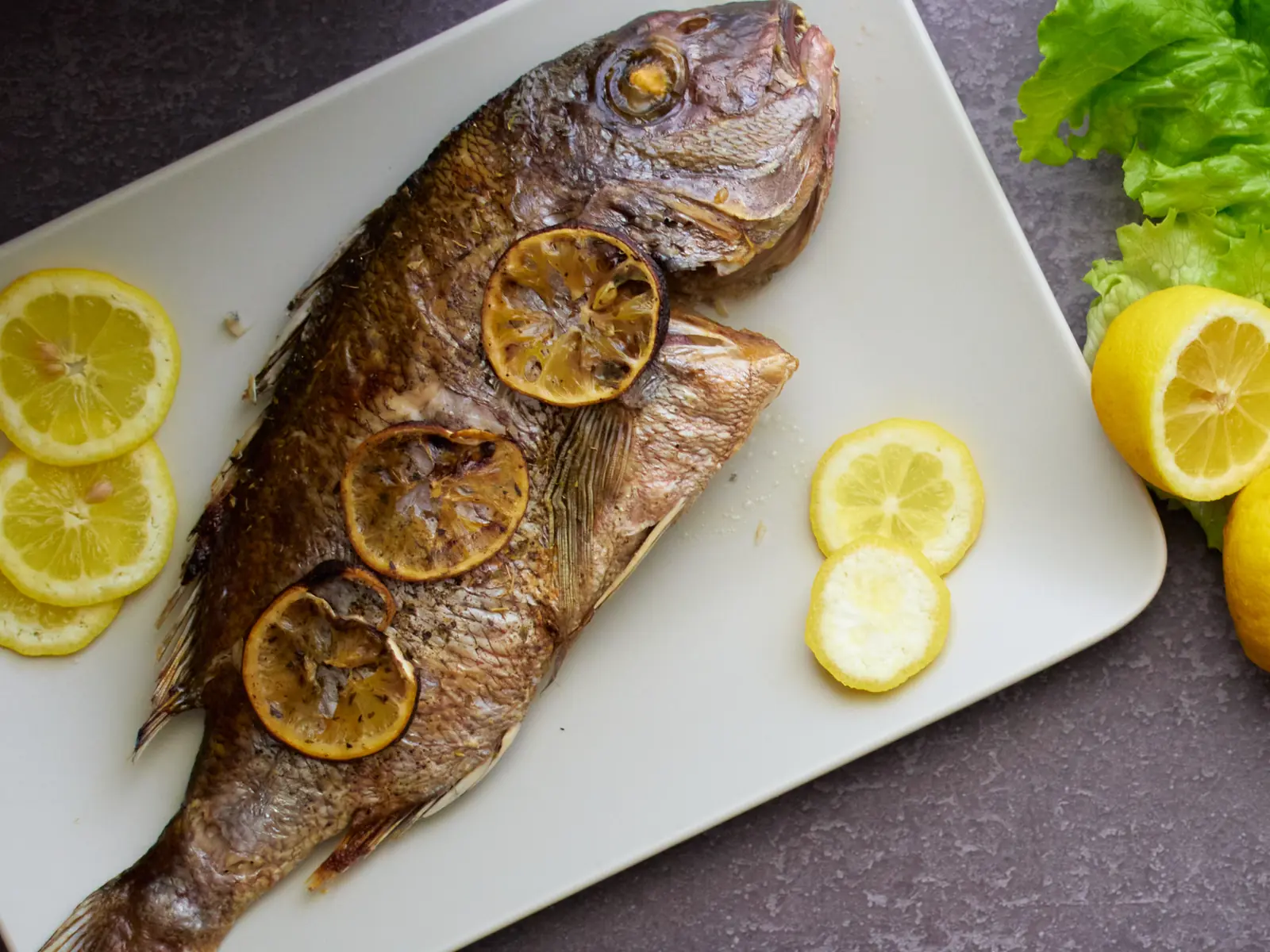
Whole grilled fish with charred lemon slices on a white platter, with fresh lemons and lettuce

Haitian Heritage

Photo: Christin568, CC BY-SA 4.0, via Wikimedia Commons

The Heritage Formulary

Measured Ingredients

Estimated cost: Medium — about $6–8 per serving at home (USD)

A good pwason gros sel is seasoned through, not just on the surface: the salt and epis must reach the flesh through the slashes, and the skin should be crisp from the grill, not softened by the broth.

Execution Methodology & Culinary Technique

Step-by-Step Cooking Guide

Active 50m
P

Prep Stage: Clean, Score & Salt the Fish

30 Mins + 3 Hrs Marinating

Rinse the 2 cleaned snappers under cold water and pat them dry inside and out — a dry surface takes the seasoning and grills instead of steaming. Cut 3 diagonal slashes on each side, down to the bone, so the seasoning reaches the flesh. Rub the 1 tbsp coarse rock salt and the juice of 2 limes over and inside each fish, tucking a few lime wedges into the cavity, then set the fish in a shallow dish, cover and refrigerate for 3 hours, turning once. The salt firms the flesh and seasons it through, and the lime is the Haitian way of cleaning fish. The 3 hours are inactive marinating time on top of the 30 active minutes.

Maestro Tip: Do not skip the slashes: without them the thickest part of a whole snapper stays bland while the outside over-seasons.

  1. 1

    Rub the Fish with Salt, Lime & Epis

    15 Mins + 3 Hrs Rest Refrigerated at 4°C (40°F)

    Lift the fish from the salt and lime marinade and rinse off the loose salt under cold water, then pat dry again. Mash the 4 cloves garlic, 80g onion, 2 scallions, 1 Scotch bonnet, 10g parsley, 3g thyme, 2 tbsp olive oil, 1 tbsp white vinegar and 1/2 tsp black pepper into a coarse paste — a mortar and pestle is traditional, a small blender works too — and rub it over and inside both fish, working it into the slashes. Cover and refrigerate for 3 hours, turning the fish once so the seasoning stays even.

    Rinsing the coarse salt off matters: the salt has already seasoned the flesh, and leaving the crystals on would make the finished fish far too salty.

    Done when: Fish is coated in green epis paste, slashes filled, and smells of lime, garlic and thyme.

  2. 2

    Make the Court-Bouillon

    10 Mins Medium heat, simmering at about 95°C (200°F)

    While the fish marinates, put the 1/4 cup white wine, 1/2 cup water, 40g sliced shallot, 60g sliced green bell pepper and 1 tbsp tomato paste in a small pan. Bring to a gentle simmer over medium heat and cook for 8–10 minutes until the shallot is soft and the broth tastes bright and lightly sweet. Keep it warm on the lowest heat — this is the broth that gets spooned over the grilled fish at the end, the way Tchakayiti serves it.

    Keep the simmer gentle, not a rolling boil: a hard boil turns the shallot bitter and clouds the broth.

    Done when: Broth is fragrant and lightly coloured, shallot soft, about 1/2 cup left in the pan.

  3. 3

    Heat & Oil the Grill

    10 Mins Medium-high grill, about 200°C (400°F)

    Heat a grill or cast-iron grill pan over medium-high heat until a drop of water sizzles and evaporates at once — about 200°C (400°F). Brush the grates generously with oil using a folded paper towel held in tongs. A well-oiled, properly hot grill is what stops the fish skin sticking and tearing.

    Oil the grates, not the fish: oil on the fish drips and flares, while oiled grates release the skin cleanly.

    Done when: Grates are hot, lightly oiled and just starting to smoke.

  4. 4

    Grill the Fish

    10 Mins Medium-high grill, about 200°C (400°F)

    Lay the 2 snappers on the hot grill and cook for about 5 minutes on the first side without moving them — the skin needs that time to crisp and release. Turn each fish once with two spatulas or a wide fish slice, and grill 5 minutes more. The fish is done when the flesh at the thickest slash flakes easily and a thermometer in the thickest part reads 63°C (145°F).

    Turn once only. Every extra flip risks breaking the fish, and the skin that sticks is the skin that was moved too soon.

    Done when: Skin is crisp and lightly charred at the edges; flesh flakes cleanly and reads 63°C (145°F) inside.

  5. 5

    Spoon Over the Court-Bouillon

    5 Mins Court-bouillon warm, about 60°C (140°F)

    Move the grilled fish to a platter and spoon the warm court-bouillon over the top, letting it run into the slashes, with the softened shallot and bell pepper arranged over the fish. Rest for 5 minutes so the broth soaks in and the flesh relaxes before serving.

    Spoon, do not pour from a height: a gentle spooning keeps the crisp skin intact instead of washing it soft.

    Done when: Fish glistens with broth, shallot and pepper sitting on top, and the flesh is still hot through.

  6. 6

    Serve with Pikliz & Lime

    2 Mins Serve hot, about 60°C (140°F)

    Serve each fish — or half a fish per person — with the remaining lime wedges and a generous spoonful of pikliz on the side, plus fried plantains and diri ak pwa if you are making the full plate. Eat it while the skin is still crisp.

    Put the pikliz on the side, not on the fish: its sharp vinegar bite is meant to be taken in small spoonfuls against the rich grilled fish.

    Done when: Plate holds hot grilled fish, bright pikliz and lime wedges, ready to eat at once.

Finishing Touches & Plating

Serve the grilled snapper hot from the grill with the warm court-bouillon spooned over it and pikliz on the side — the salt, lime and epis should be the first flavours you taste, with the sharp pickled heat of the pikliz cutting through the rich fish.

Nutritional Physiology & Benefits

Nutrition

Energy

288

kcal / serving

Protein

37g

Complete AA

Carbs

11g

Complex

Fats

9g

Healthy

Per serving (4 servings · 1 serving ≈ 329 g)
Energy288 kcal
Protein37 g
Carbohydrates11 g
Fat9 g
Fibre2.2 g
Sugar3.5 g
Sodium594 mg
Per 100g
Energy88 kcal
Protein11.4 g
Carbohydrates3.3 g
Fat2.8 g
Fibre0.7 g
Sugar1.1 g
Sodium181 mg

Nutrition values are estimated — calculated from USDA FoodData Central values for the listed ingredients.

Vitamins & minerals: Vitamin D, selenium and iodine (red snapper), vitamin C (lime, bell pepper), vitamin A (parsley, bell pepper) and potassium (onion, tomato).

Lean Protein, Big Flavour

Each serving carries about 37.4 g of protein from the snapper for only 288 kcal, so the plate is filling without being heavy.

Omega-3s & Minerals from the Fish

Red snapper is a source of omega-3 fats, vitamin D, selenium and iodine, and the lime, bell pepper and parsley add vitamin C to the plate.

Simple, Honest Seasoning

Coarse salt, lime, garlic, herbs and a little oil — no sauces from a jar, no added sugar, and you know exactly what went on the fish.

Food Pairings

What to Eat With

To optimize nutrient absorption and elevate the sensory depth, pair with these authentic accompaniments:

Sides

Pikliz

The essential Haitian partner: shredded cabbage, carrot and Scotch bonnet pickled in vinegar. Its sharp, hot acidity cuts through the rich grilled fish and resets the palate between bites.

Fried Plantains (Bannann Fri)

Sweet, caramelised plantains balance the salt and heat of the fish, and their soft richness makes the plate feel complete.

Full Menus

Diri ak Pwa (Rice & Beans)

Haiti's everyday rice and red beans soak up the court-bouillon and stretch the fish into a full family dinner.

Drinks

Fresh Lime Juice or Kola

A cold, tart lime drink echoes the lime in the marinade and cools the Scotch bonnet heat; a sweet Haitian kola is the traditional festive alternative.

Complete menu

Start with a whole grilled red snapper with court-bouillon spooned over it, a big spoonful of pikliz and fried plantains on the side, and diri ak pwa to soak up the broth; finish with fresh lime juice and a slice of mango.

Digestive Guardrails

What NOT to Combine

To prevent digestive distress, sluggishness, or palate clash, avoid pairing the dish with these elements:

Extra Salt at the Table

The fish was already rubbed with coarse salt and the court-bouillon carries salt too, so adding more at the table can push the sodium of the meal well past what you need. Taste first, and let the lime and pikliz do the seasoning work. This is general nutrition information, not medical advice.

Very Sugary Drinks With the Plate

Sweet sodas and sugary juices add a large sugar load to a meal that is otherwise lean protein and vegetables, and they dull the lime and pikliz flavours. Water or unsweetened lime juice is the better match. This is general nutrition information, not medical advice.

General information only, not medical advice — consult a doctor for personal dietary decisions.

Who Should Eat It

Who Should Eat

  • General adultsAn excellent dinner choice — lean protein, modest fat and real flavour. Watch the bones in a whole fish and eat slowly.
  • ChildrenSuitable from age 2+ in small, carefully deboned pieces; leave the Scotch bonnet out of a child's portion and serve the pikliz separately.
  • ElderlyGood choice — soft, flaky fish is easy to chew and rich in protein. Serve deboned and keep the pikliz mild.
  • Pregnant womenGenerally suitable: red snapper is a low-mercury fish and the fish is cooked through to 63°C (145°F). Keep to the usual 2–3 fish servings a week and ask your clinician about portion guidance.
  • Breastfeeding womenGenerally suitable as a protein- and iodine-rich dinner; keep the Scotch bonnet moderate if your baby is sensitive to spicy food.
  • AthletesA strong post-training plate: about 37 g of protein per serving with rice and beans for carbohydrate recovery.
  • Weight gainAdd a larger portion of rice and plantains, and a second half-fish, to raise the energy of the meal.
  • Weight lossA good choice — 288 kcal per serving of mostly protein. Fill the rest of the plate with salad and pikliz rather than extra rice.

Health Conditions — Adjust or Avoid

Conditions

  • DiabetesThe fish itself is very low in carbohydrate (about 10.8 g per serving, mostly from the vegetables and broth), so it fits well; watch the rice and plantain portions. Ask your clinician about portion size.
  • High blood pressureSodium is about 594 mg per serving, mostly from the salt rub — most of the coarse salt is rinsed off before grilling. Avoid adding salt at the table and ask your clinician if you follow a low-sodium diet.
  • Kidney diseaseFish is high in protein and the broth adds potassium and phosphorus, so keep portions moderate and ask your clinician whether this dish fits your diet.
  • GoutFish contains purines, and snapper is moderate in purines, so keep to one serving and avoid eating it daily. Ask your clinician about frequency.
  • Stomach issuesGrilled fish is usually gentle, but the Scotch bonnet and the vinegar in the pikliz can irritate a sensitive stomach — leave both out and keep the lime light.
  • Cardiovascular diseaseLean fish with omega-3 fats and little saturated fat is a heart-friendly main; the main caution is the sodium from the salt rub, so ask your clinician about portion size.
  • Fatty liverA lean, low-sugar main that fits well; keep the fried plantains small and favour rice and salad on the side. Ask your clinician if unsure.
  • Food allergiesContains fish (red snapper). The court-bouillon may contain wine — the alcohol cooks off, but check with your clinician if you avoid alcohol entirely. The Scotch bonnet is a chilli, not a nut or seed allergen.
  • Special therapeutic dietsIf you follow a prescribed low-sodium or low-purine diet, this dish needs portion care — ask your clinician or dietitian before eating it.

If you have a medical condition, consult your doctor before changing your diet.

Storage & Use

Storage & Use

How to store
Cool leftover fish within 2 hours and store in an airtight container, with the court-bouillon kept separately.
In the fridge
Up to 2 days in the fridge at 4°C (40°F) or below; the skin will soften, so reheat gently.
In the freezer
Up to 1 month, wrapped tightly; thaw overnight in the fridge. The texture softens after freezing.
How to reheat
Warm in a 160°C (320°F) oven for 8–10 minutes, or gently in a covered pan with a spoonful of the broth. Reheat to 74°C (165°F) throughout.
Freezing recommended
Only if needed — freshly grilled is far better, and freezing softens the crisp skin.
Signs it has spoiled
A sour or ammonia smell, slimy flesh, or dull, sunken eyes on any leftover whole fish — discard it.

More recipes to explore

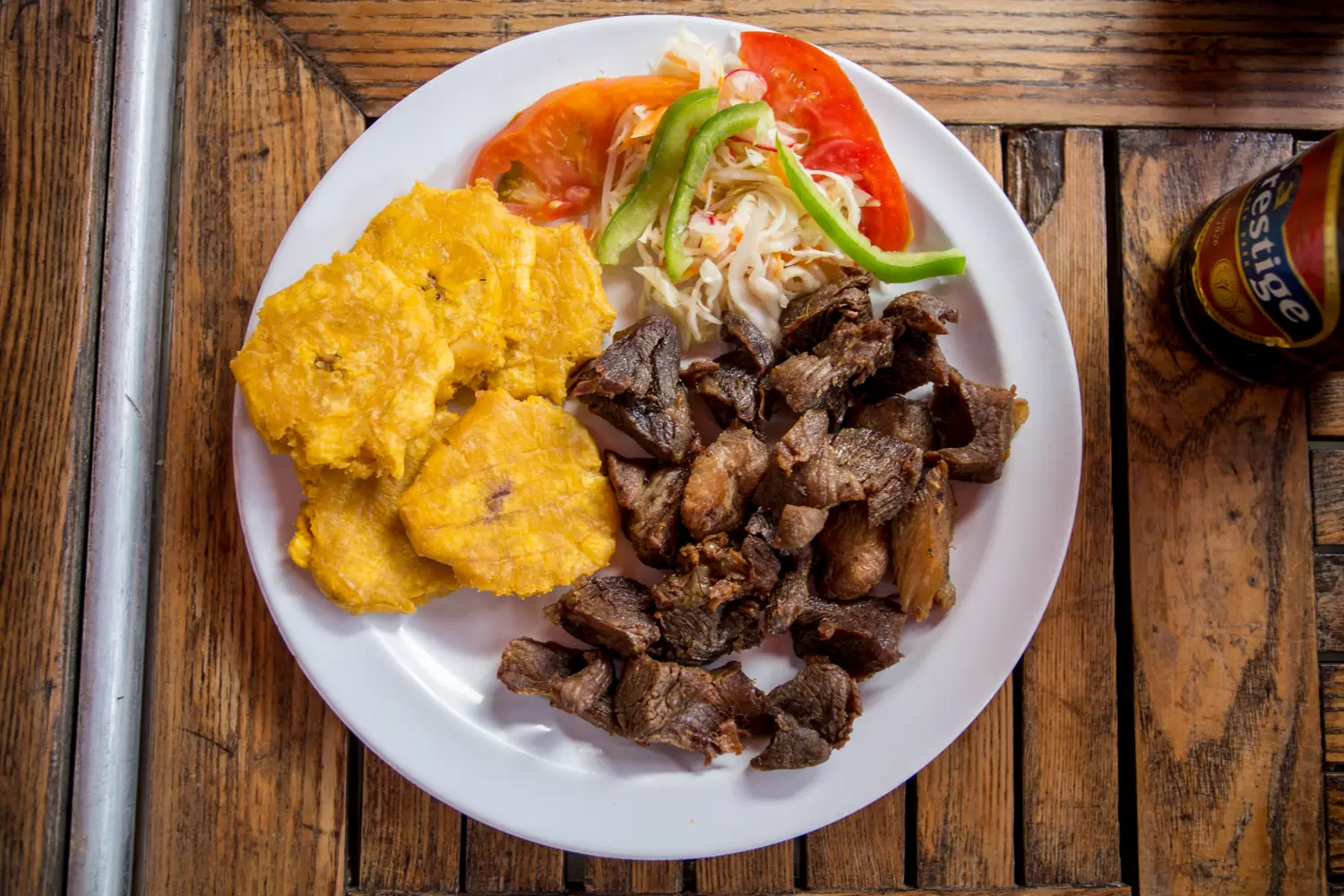
A plate of Haitian griot: dark crisp fried pork cubes with fried plantains and pikliz slaw with tomato and green pepper Haiti flag Haiti 2h 10m
Dinner •Haiti Heritage

Haitian Griot

This Haitian griot recipe starts with pork shoulder rubbed in sour citrus and epis, Haiti's green seasoning paste of scallions, garlic, parsley and Scotch bonnet, then braised in its own marinade until tender and fried in hot oil until the edges turn dark and crisp. It is served with pikliz, a sharp pickled cabbage slaw that cuts through the richness. One serving is about 215 g of crisp fried pork with pikliz.

Hearty & Celebratory

Haiti's most loved party dish: citrus-marinated pork, braised tender, then fried until crisp and served with fiery pickled pikliz.

Pairs Well With
Fried plantains (bannann peze) and rice and beans, with pikliz on the side.
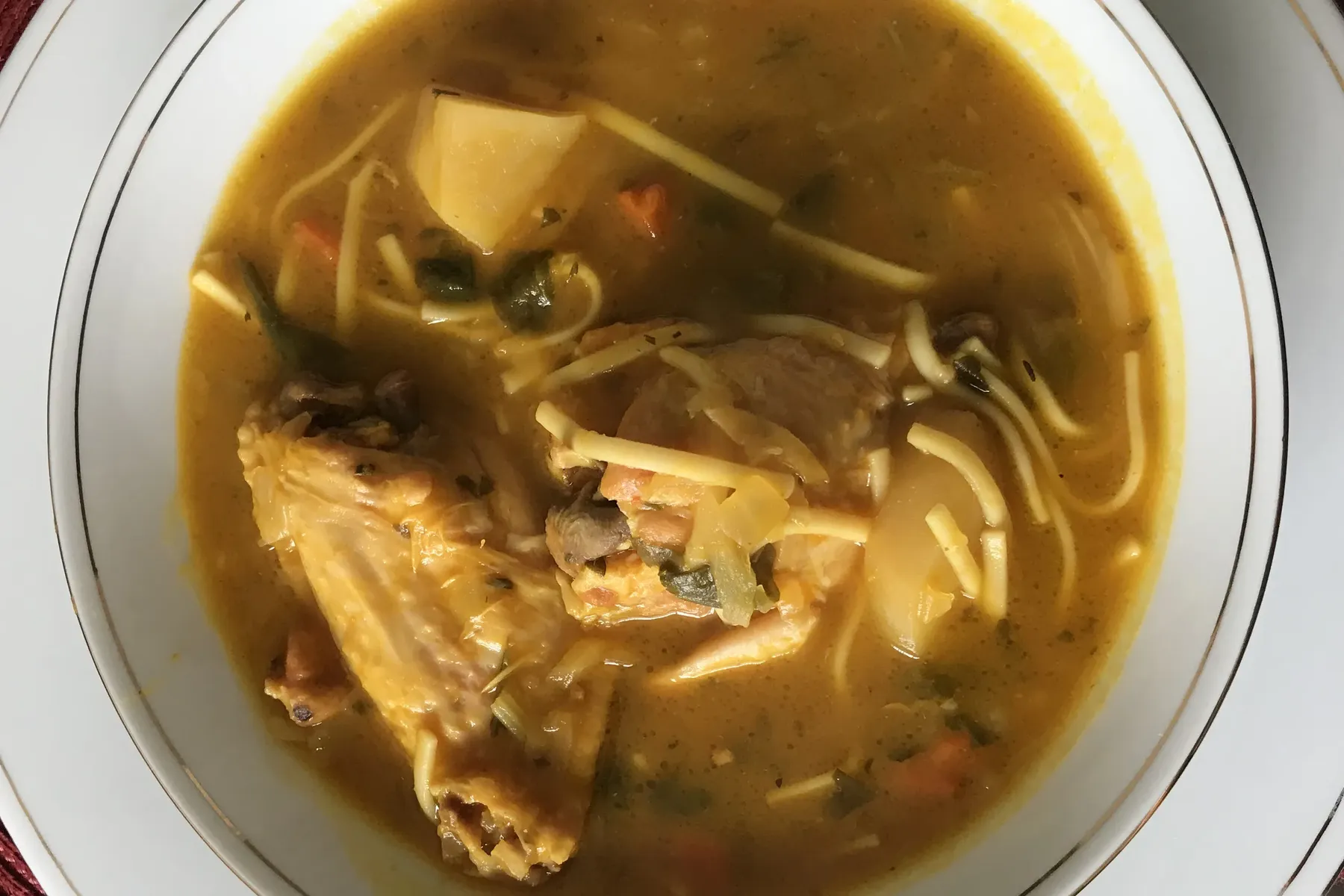
A bowl of Soup Joumou with beef, spaghetti, potato and golden pumpkin broth Haiti flag Haiti 2h 40m
Lunch •Haiti's Independence Soup

Soup Joumou

Soup joumou is Haiti's golden pumpkin soup: tender beef simmered in a thick purée of giraumon squash, with root vegetables, cabbage and spaghetti in a rich, spiced broth. This soup joumou recipe follows the home-cooked method Haitian families use every 1 January, when the soup marks Independence Day. One serving is about 480 g.

Comfort & Warmth

A hot, hearty bowl of pumpkin, beef and vegetables that warms up a family lunch on a cold day or a festive table.

Pairs Well With
Serve hot with crusty French bread for dipping and a spoonful of pikliz on the side.
Soups & Broths
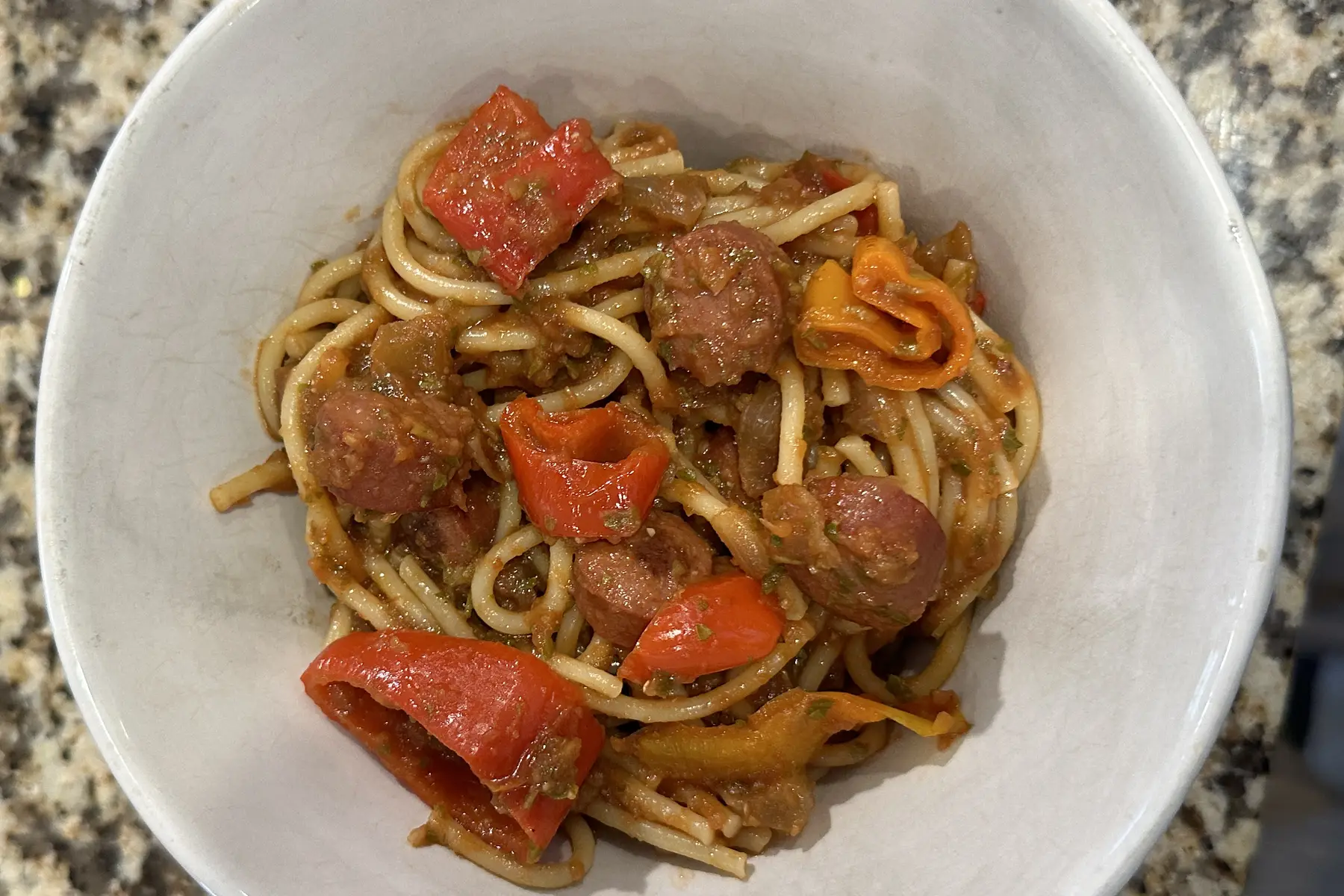
Haitian spaghetti in a white bowl — spaghetti in a rust-red epis and tomato sauce with sliced hot dogs and red peppers Haiti flag Haiti 40m
Breakfast •Haitian Breakfast Espageti

Haitian Spaghetti

This haitian spaghetti recipe is Haiti's beloved breakfast pasta: dried spaghetti cooked in one pot with epis, the green Haitian seasoning base, tomato paste, sweet peppers, onion and sliced hot dogs, until every strand is stained rust-red and full of flavour. It is pantry cooking at its best — cheap, fast and boldly seasoned — and it lands on the table in about 40 minutes. One serving is about 380 g.

Hearty & Comforting

One-pot spaghetti coated in a savoury epis and tomato sauce with sliced hot dogs, peppers and onion — a filling Haitian breakfast.

Pairs Well With
Boiled egg, avocado & pikliz
Pasta & Noodles • Quick Prep (<30m)
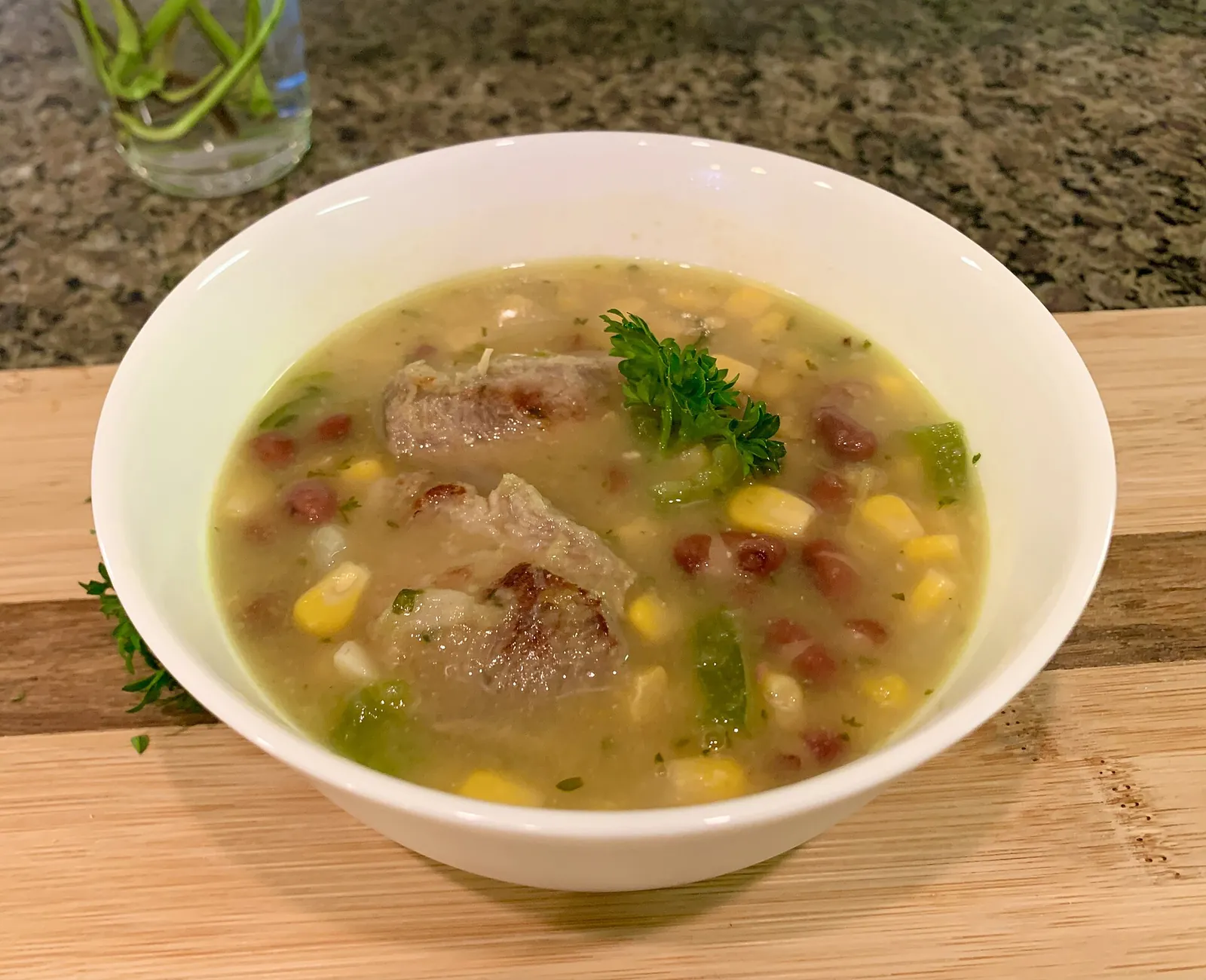
A white bowl of Haitian tchaka with corn kernels, red beans and smoked pork chunks in a light broth, garnished with parsley Haiti flag Haiti 3h 20m
Lunch •Haitian Heritage Stew

Tchaka

This tchaka recipe soaks dried corn and red kidney beans overnight, then simmers them for hours with smoked pork, pumpkin and a fragrant epis of garlic, scallion, parsley and thyme until the pot turns thick and hearty. The smoked pork is what gives tchaka its deep, salty flavour, and the Scotch bonnet — left whole so it perfumes the stew without burning — is the quiet heat underneath it all. One serving is about 400 g.

Comfort & Warmth

Dried corn and red beans simmered for hours with smoked pork, pumpkin and epis until thick — Haiti's slow, hearty celebration stew.

Pairs Well With
Crusty bread, pikliz & avocado
Soups & Broths

The Dinner Gazette

Never wonder what’s for dinner again

One email a week with easy dinner ideas from around the world — ingredients, steps and nutrition, tested in our kitchen first.

Delivered every Thursday morning. Unsubscribe anytime.