Curated recipes from 193 countries  •  New seasonal Mediterranean issue out now

Overview

Lebanese Kafta

Kafta, Kafta Kebabs, Lebanese Kofta

This lebanese kafta recipe makes the grilled minced-meat skewers found at every Lebanese grill house: beef and lamb kneaded with grated onion, parsley, garlic and warm spices, pressed onto flat skewers and cooked until charred at the edges and juicy inside. The mix stays soft because the onion is grated, not chopped, and the skewers go straight onto a hot grill. One serving is about 175 g of kafta (2 skewers), before pita and salad.

Kafta is the ground-meat kebab of the Levant, and in Lebanon it is a grill-house staple: beef, lamb or a mix of both kneaded with onion, parsley and seven-spice-style seasoning, pressed onto flat metal skewers and cooked over charcoal. The name comes from the Arabic word for minced meat, and the same mix appears across the region — shaped into fingers for the grill, into patties for the pan, or pressed into a tray and baked. In Lebanon the skewer version is the classic, served with pita, tahini and salad, and eaten with the hands.

Pairs well with: Warm pita bread, tahini sauce and a chopped tomato-cucumber salad.

Provenance

Lebanon flag Lebanon

Lebanese Heritage

Middle Eastern

Time Dedication

32m

20m prep • 12m cook

Batch Yield

4 Servings

380 kcal per serving

1 serving ≈ 175 g

Technical Skill

Intermediate

Medium (Grill)

Meal Timing & Digestive Fit

Breakfast

Not Advised

Lunch

Hearty Midday Main

Dinner

Ideal Hearty Main

Snack & Tea

Inappropriate

High Protein Occasions: Weekend barbecues, family grill nights, mezze spreads, summer dinners Cost: Moderate — about $4–5 per serving at home

Two grilled Lebanese kafta skewers on a white plate with grilled tomato, onion and zucchini over shredded lettuce

Lebanese Heritage

Photo: Daderot, CC0, via Wikimedia Commons

The Heritage Formulary

Measured Ingredients

Estimated cost: Moderate — about $4–5 per serving at home (USD)
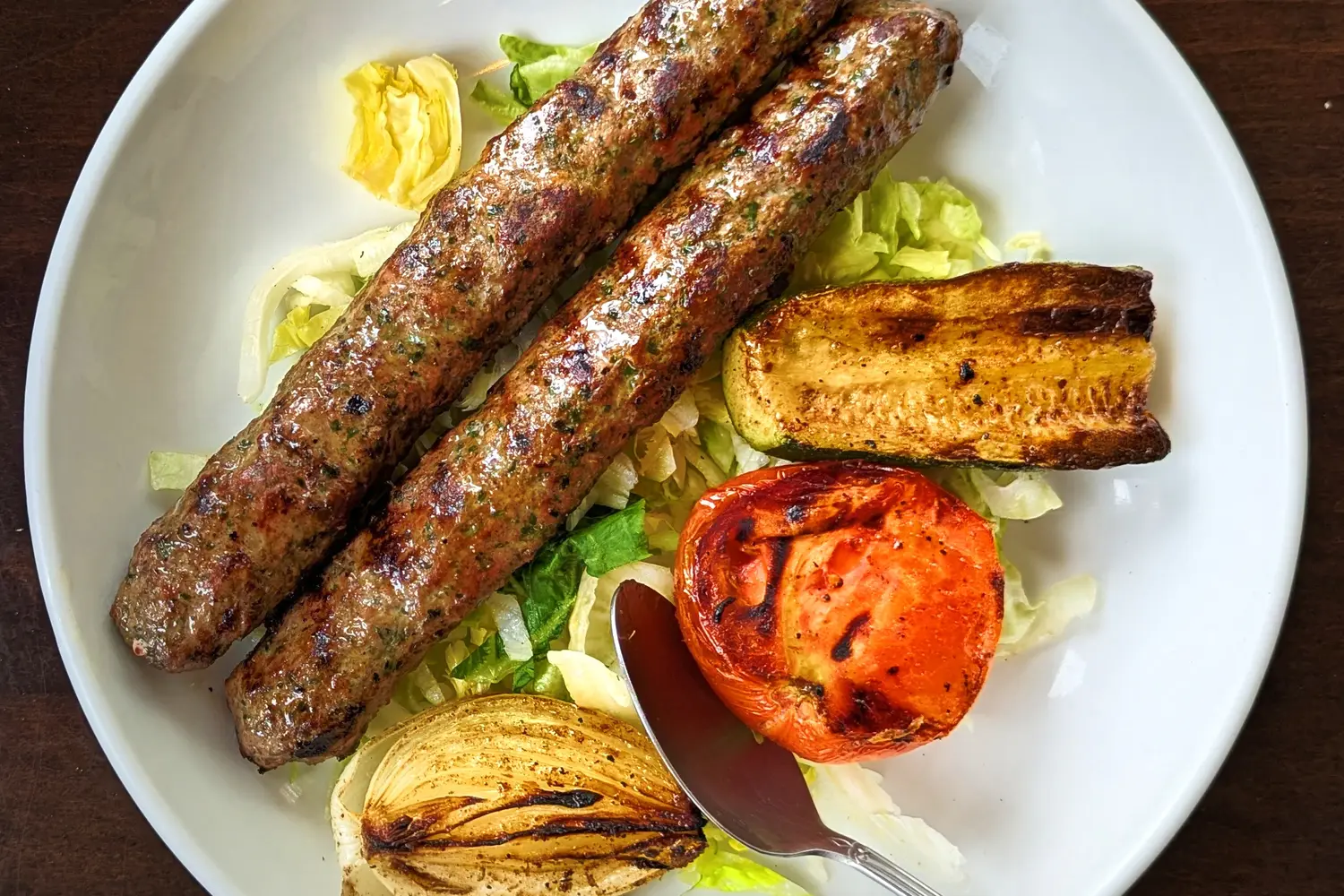
Made the Lebanese way: grated onion kneaded into the mix until tacky, shaped on flat skewers, and grilled hot until charred outside and 71°C (160°F) inside.

Execution Methodology & Culinary Technique

Step-by-Step Cooking Guide

Active 32m
P

Prep Stage: Grate, Chop & Knead

20 Mins • Grating & Mixing

Grate the onion and squeeze out most of its liquid. Chop the parsley finely, grate the garlic, and dice the seeded tomato. Put the beef and lamb in a large bowl with the onion, parsley, garlic, tomato, spices and salt, then knead for 2 to 3 minutes until the mix feels sticky and holds together.

Maestro Tip: Knead until the mix turns tacky and pale streaks appear — that stickiness is what keeps the kafta from sliding off the skewer. Keep the mix cold; warm mince falls apart.

  1. 1

    Mix and Knead the Kafta

    10 Mins No heat

    Combine the beef, lamb, grated onion, parsley, garlic, tomato, cumin, allspice, cinnamon, cayenne, dried mint and salt in a large bowl. Knead with your hands for 2 to 3 minutes until the mixture is sticky and uniform, then cover and rest for 10 minutes in the fridge.

    Squeeze the grated onion well first: a wet mix will not hold its shape on the skewer.

    Done when: A uniform, tacky mixture that holds a ball shape when squeezed.

  2. 2

    Shape onto Skewers

    10 Mins No heat

    Divide the mix into 8 equal portions of about 105 g each. With wet hands, press each portion around a flat metal skewer into a cylinder about 12 cm (5 in) long and 3 cm (1 in) thick, squeezing firmly so there are no air gaps.

    Wet hands stop the mix sticking to your fingers, and flat skewers stop the kafta spinning when you turn it. If you have no flat skewers, shape the kafta into thick fingers and grill them in a grill basket.

    Done when: Even, firm cylinders with no cracks or gaps.

  3. 3

    Preheat the Grill

    10 Mins High heat, about 230°C (450°F)

    Heat a gas or charcoal grill to high heat and brush the grates with olive oil. The grill must be properly hot before the kafta goes on, or the meat will stick and dry out.

    Hold your hand 15 cm above the grate: you should only manage 2 to 3 seconds. That is hot enough.

    Done when: Clean, oiled grates too hot to hold a hand over.

  4. 4

    Grill the Kafta

    12 Mins High heat, about 230°C (450°F)

    Lay the skewers on the grill and cook without moving them for 5 to 6 minutes until a brown crust forms and the meat releases easily. Turn once and grill 5 to 6 minutes more. The kafta is done when the outside is charred in spots and a thermometer in the thickest part reads 71°C (160°F), the safe minimum for ground meat.

    Do not press the kafta with a spatula — it squeezes out the juices. If flare-ups happen, move the skewers to a cooler part of the grill for a moment.

    Done when: Charred in spots, firm to the touch, 71°C (160°F) inside, with no pink in the centre.

  5. 5

    Rest and Serve

    5 Mins No heat

    Slide the kafta off the skewers onto a warm plate and rest for 3 minutes. Serve with warm pita, tahini sauce and salad while still hot.

    A short rest lets the juices settle back into the meat instead of running out on the first bite.

    Done when: Juicy skewers that slice cleanly, served hot with pita and tahini.

Finishing Touches & Plating

Serve the kafta straight off the grill with warm pita for wrapping, a spoonful of tahini, and a simple chopped salad — the meal is built for eating with your hands.

Nutritional Physiology & Benefits

Nutrition

Energy

380

kcal / serving

Protein

30g

Complete AA

Carbs

6g

Complex

Fats

26g

Healthy

Per serving (4 servings · 1 serving ≈ 175 g)
Energy380 kcal
Protein30 g
Carbohydrates6 g
Fat26 g
Fibre1.8 g
Sugar1.7 g
Sodium689 mg
Per 100g
Energy217 kcal
Protein16.9 g
Carbohydrates3.7 g
Fat14.8 g
Fibre1 g
Sugar1 g
Sodium394 mg

Nutrition values are estimated — calculated from USDA FoodData Central values for the listed ingredients.

Vitamins & minerals: Beef and lamb supply iron, zinc and B vitamins including B12 and niacin; parsley and tomato add vitamin C, vitamin K and folate.

High in Protein

One serving carries about 29.6 g of protein from the beef and lamb, which makes two skewers a substantial main meal, not a snack.

Iron, Zinc & B12

Beef and lamb are rich in iron, zinc and vitamin B12, and the parsley and tomato add vitamin C, which helps the body absorb the iron from the meat.

Fresh Herbs, No Filler

The mix is meat, onion, herbs and spices only — no breadcrumbs or egg filler — so the kafta tastes of the meat and the herbs, and stays naturally low in carbohydrate at about 6.4 g per serving.

Food Pairings

What to Eat With

To optimize nutrient absorption and elevate the sensory depth, pair with these authentic accompaniments:

Sides

Warm Pita Bread

Soft pita is how kafta is eaten in Lebanon: the bread wraps the hot skewers, soaks up the juices, and turns the kebabs into a complete, hand-held meal.

Grilled Vegetables

Grilled tomato, onion and zucchini cook on the same grill while the kafta rests, and their smoky softness matches the kebabs.

Sauces

Tahini Sauce

Cool, nutty tahini balances the char and the warm spices, and its creaminess softens the leaner beef in the mix.

Vegetables

Chopped Tomato-Cucumber Salad

Crisp cucumber, tomato and onion with lemon add crunch and acidity that cut through the richness of the lamb.

Drinks

Mint Tea or Ayran

A cold yoghurt drink or hot mint tea cools the palate between bites of spiced meat, which is why both are common at Lebanese grill tables.

Complete menu

Start with the grilled kafta skewers and warm pita, add tahini sauce and a chopped tomato-cucumber salad, and finish with mint tea.

Digestive Guardrails

What NOT to Combine

To prevent digestive distress, sluggishness, or palate clash, avoid pairing the dish with these elements:

Undercooked Ground Meat

Ground meat must reach 71°C (160°F) all the way through, because grinding spreads bacteria through the whole piece — a pink centre is not safe the way it can be in a steak. Use a thermometer rather than guessing. This is general food information, not medical advice.

Very Salty Pickles and Sauces Together

One serving already carries about 689 mg of sodium, so piling on salty pickles, salty cheese and extra soy-style sauces in the same meal can push the salt load too high. Choose one salty accompaniment, not three. This is general food information, not medical advice.

General information only, not medical advice — consult a doctor for personal dietary decisions.

Who Should Eat It

Who Should Eat

  • General adultsA filling, protein-rich dinner — about 29.6 g protein and 380 kcal per serving of kafta, before pita and tahini.
  • ChildrenChildren usually like the mild, herby skewers; cut them into small pieces and serve with pita and yoghurt, and keep the cayenne out of their portion if they dislike heat.
  • ElderlyThe minced meat is soft and easy to chew, but the meal is rich, so a modest portion with plenty of salad is the comfortable choice.
  • Pregnant womenFine as an occasional meal when the kafta is cooked right through to 71°C (160°F); keep the portion modest. Ask your clinician about portions.
  • Breastfeeding womenA protein-rich meal that helps meet the higher protein needs of breastfeeding; one serving is enough because the skewers are filling.
  • AthletesGood recovery food, with about 29.6 g protein per serving — add the pita for carbohydrate after training.
  • Weight gainEnergy-dense and easy to eat in a good amount with pita and tahini, so it suits weight gain when served as a full meal.
  • Weight lossAt about 380 kcal for the kafta alone, keep to one serving of two skewers, go easy on the tahini, and fill the plate with salad.

Health Conditions — Adjust or Avoid

Conditions

  • DiabetesLow in carbohydrate at about 6.4 g per serving for the kafta, but the pita adds a large amount, so count the bread in your meal plan. Ask your clinician about portions.
  • High blood pressureOne serving carries about 689 mg sodium, so keep other salty foods out of the same meal. Ask your clinician about portions.
  • Kidney diseasePortions should stay modest, and the protein content matters for some kidney diets. Ask your clinician about portions.
  • GoutRed meat is a purine source, so keep to one modest serving and drink water with the meal. Ask your clinician about portions.
  • Stomach issuesThe spices and fat can bother a sensitive stomach, so eat slowly and keep the portion modest. Ask your clinician about portions.
  • Cardiovascular diseaseThe dish is rich in saturated fat from the lamb, so one modest serving with a big salad is a better balance than a second helping. Ask your clinician about portions.
  • Fatty liverThe dish is energy-dense, so keep portions modest and skip the extra tahini. Ask your clinician about portions.
  • Food allergiesContains wheat (pita) and sesame (tahini). People with wheat or sesame allergy should skip those accompaniments. Ask your clinician about safe alternatives.
  • Special therapeutic dietsNot suitable for a low-fat or low-sodium therapeutic diet as written; any lighter version changes the dish and should be discussed with a clinician.

If you have a medical condition, consult your doctor before changing your diet.

Storage & Use

Storage & Use

How to store
Cool the cooked kafta quickly and store in a covered container; keep pita and tahini separate.
In the fridge
Cooked kafta keeps 3 days in the fridge at 4°C (40°F) or below.
In the freezer
Up to 2 months; freeze the raw shaped mix on a tray, then bag it, or freeze cooked kafta in portions.
How to reheat
Reheat gently in a covered pan or oven until steaming hot, to 74°C (165°F); do not overcook or it dries out.
Freezing recommended
Yes — raw shaped kafta freezes very well and grills straight from thawed.
Signs it has spoiled
Sour smell, slimy surface, or grey colour on the meat.

More recipes to explore

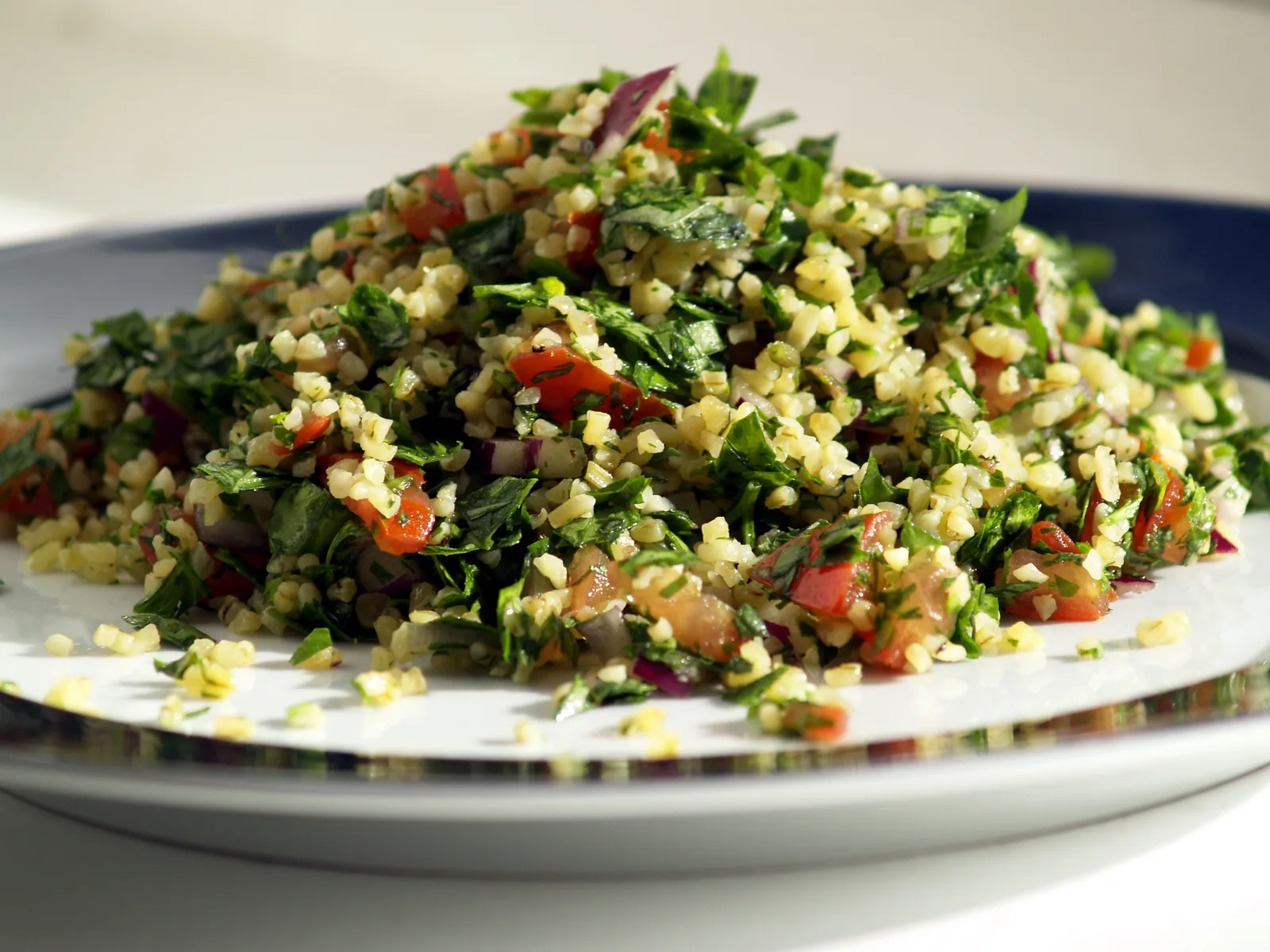
A plate of fresh Lebanese tabbouleh with chopped parsley, tomato and bulgur Lebanon flag Lebanon 25m
Lunch •Levantine Mezze Classic

Lebanese Tabbouleh

Tabbouleh is Lebanon's bright green parsley salad, where the herbs lead and fine bulgur plays a supporting role. Diced tomato, green onion and mint are tossed in lemon juice and olive oil for a fresh, lemony bite that wakes up any mezze table. One serving is about 216 g.

Light & Fresh

Mostly fresh parsley and tomato with a little bulgur, dressed in lemon and olive oil.

Pairs Well With
Warm pita bread, hummus and grilled halloumi
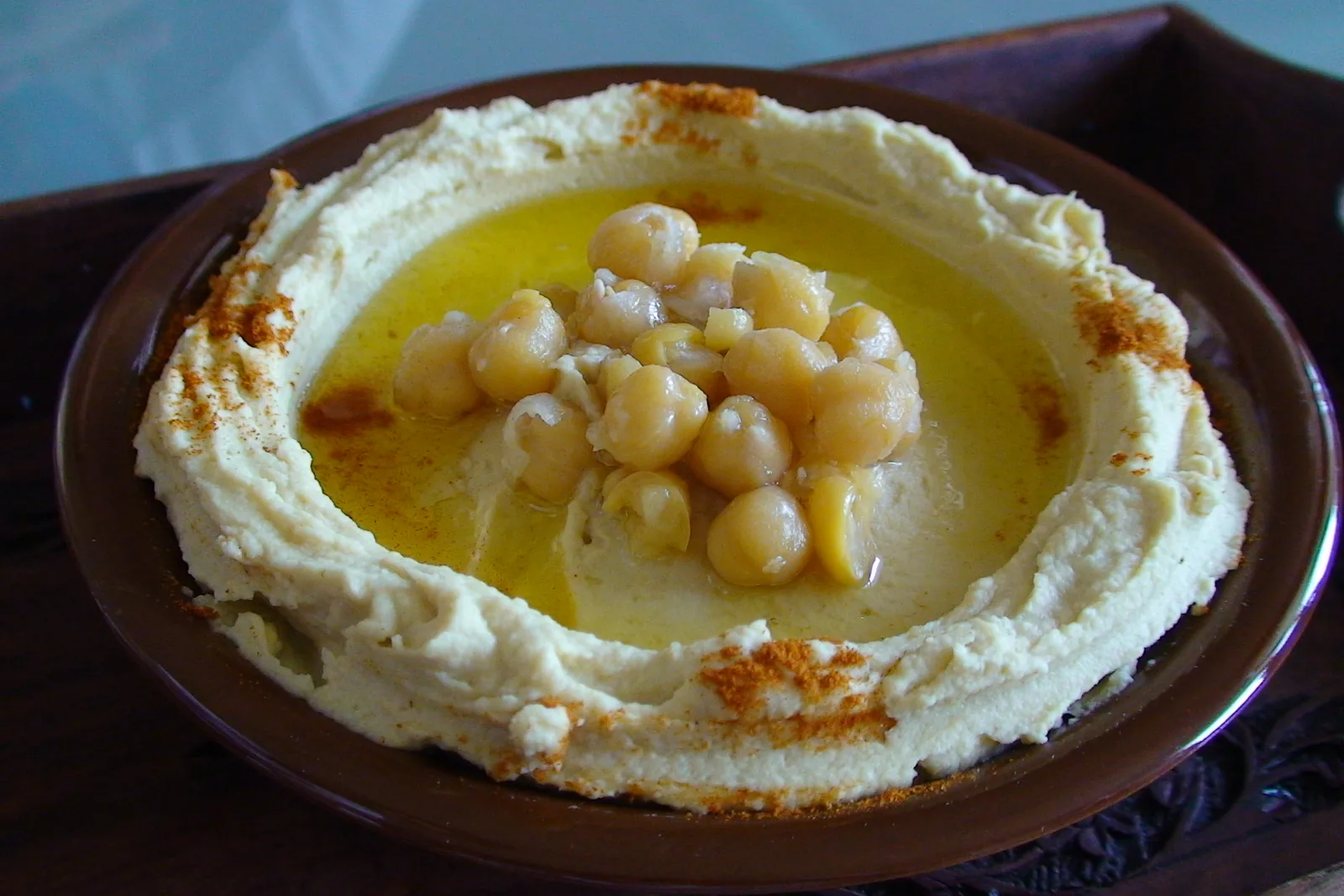
A bowl of cold Lebanese hummus with olive oil, whole chickpeas, paprika and parsley Lebanon flag Lebanon 1h 5m
Snack & Tea •Beirut Mezze Classic

Lebanese Hummus

Lebanese hummus is a cold, silky chickpea and tahini dip, lemon-forward with garlic and a pool of olive oil, topped with pine nuts and parsley. It is served chilled or at room temperature as part of a mezze spread, scooped up with warm pita — never served warm as a main plate. One serving is about 110 g.

Plant Protein Snack

Chickpeas and tahini blended into a smooth dip, with lemon, garlic and olive oil.

Pairs Well With
Warm pita bread, tabbouleh and olives
Quick Prep (<30m)
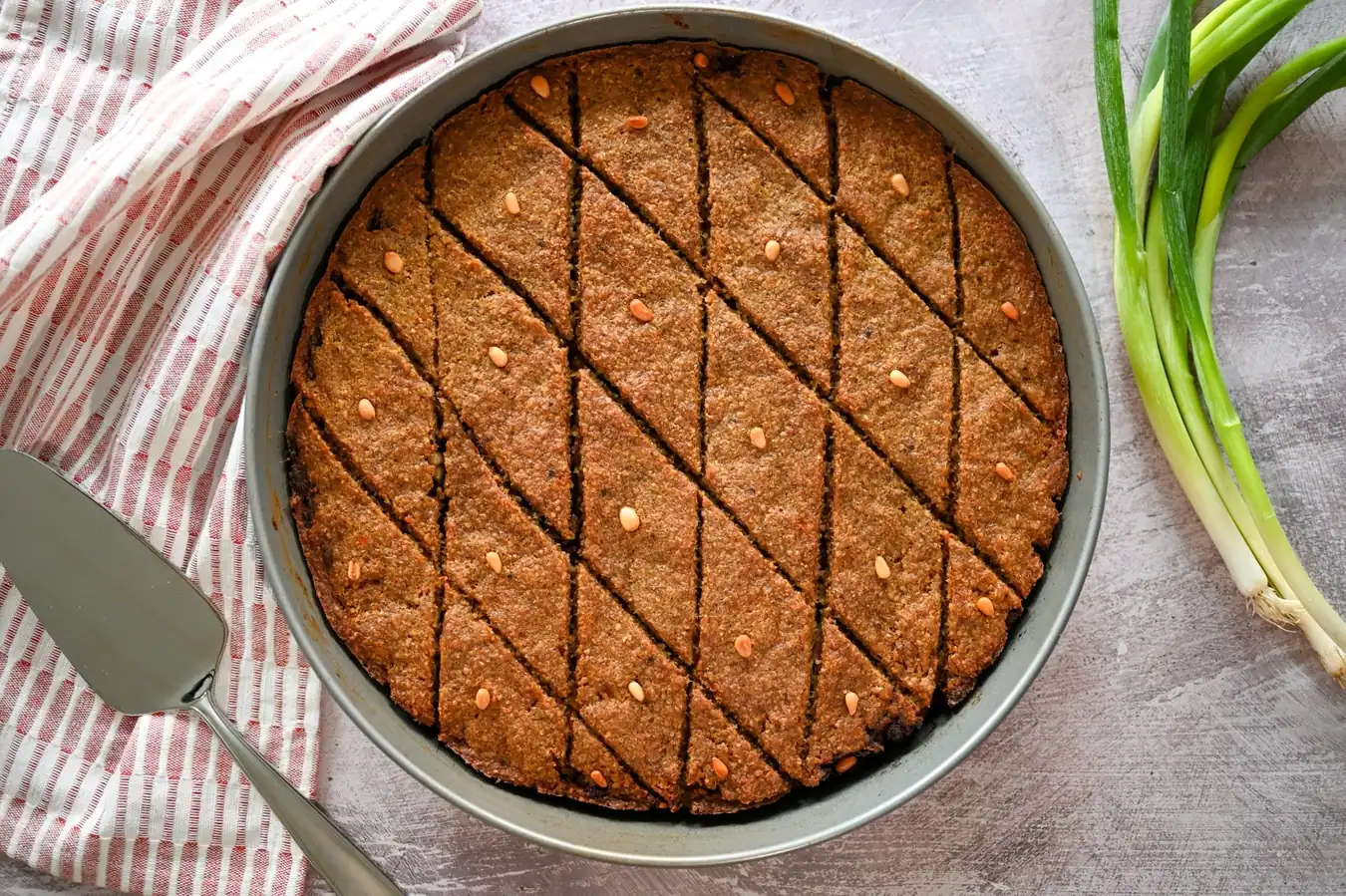
A baked tray of Lebanese kibbeh bil-saniyeh, scored into diamonds with pine nuts Lebanon flag Lebanon 1h 25m
Dinner •Lebanon's National Dish

Lebanese Kibbeh

Kibbeh bil-saniyeh is Lebanon's baked tray kibbeh: two layers of bulgur and lean beef sandwiching a spiced beef and pine-nut filling, scored into diamonds and baked until golden and crisp at the edges. It is the tray-baked form of Lebanon's national dish, made for sharing at the family table. One serving is about 202 g.

Hearty Family Dinner

Layers of bulgur and lean beef around a spiced pine-nut filling, baked until golden.

Pairs Well With
Yogurt, tabbouleh and warm pita bread
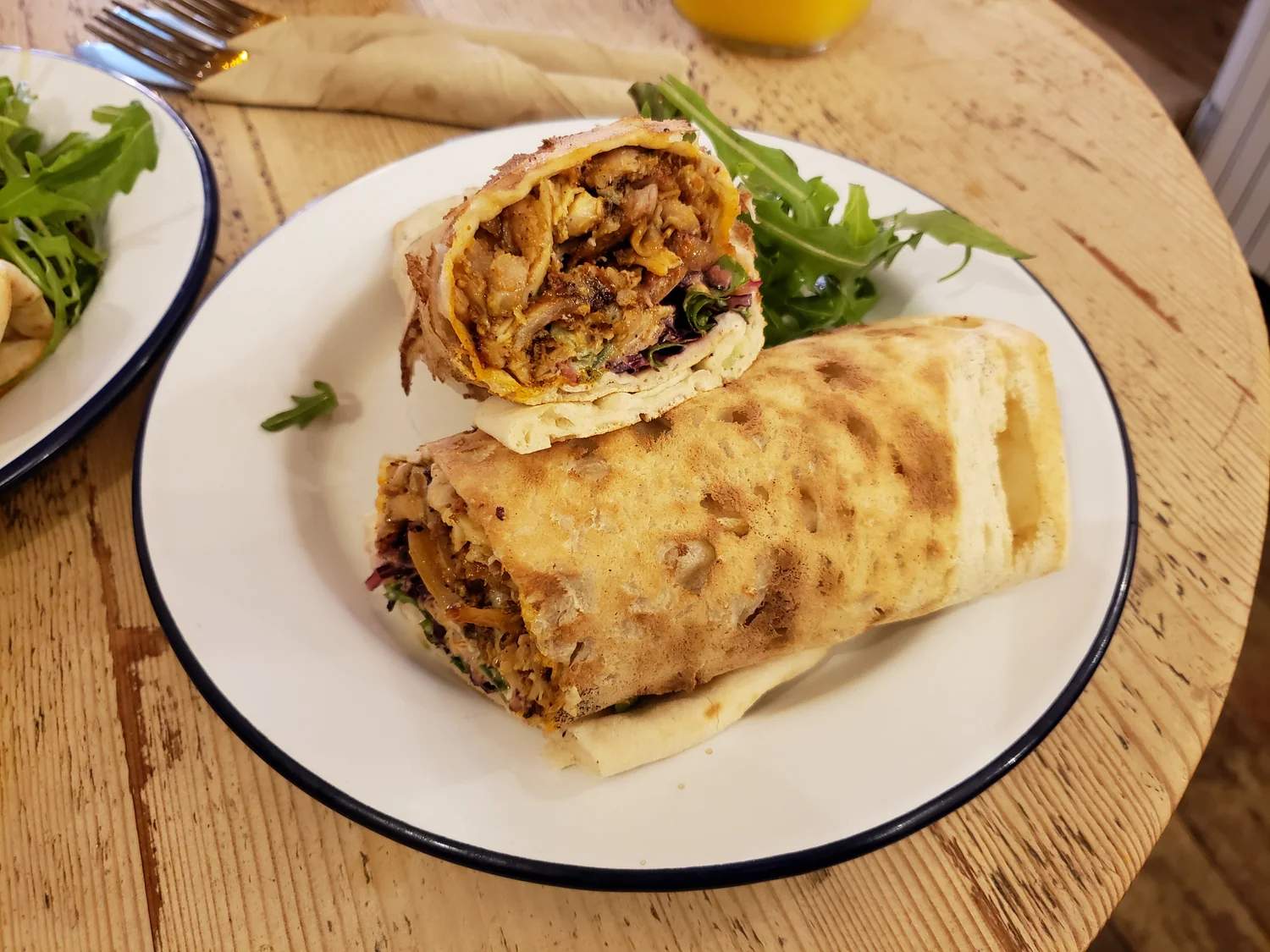
A sliced chicken shawarma wrap in toasted lavash showing spiced chicken, with rocket salad on a white plate Lebanon flag Lebanon 50m
Dinner •Beirut Street-Food Heritage

Lebanese Chicken Shawarma

This lebanese chicken shawarma recipe marinates boneless chicken thighs in yogurt, lemon, garlic and seven warm spices, then grills them until charred at the edges and slices them thin for rolling in soft Lebanese pita with toum, the whipped garlic sauce that defines the Lebanese version. Pickled turnips, dill pickles, tomato and parsley give every bite its sharp, fresh contrast. One serving is about 379 g.

High-Protein & Satisfying

Spice-marinated chicken thighs grilled and rolled in warm pita with toum, pickles and tomato — the Beirut street-food classic, made at home.

Pairs Well With
Toum, pickled turnips & fries
High Protein

The Dinner Gazette

Never wonder what’s for dinner again

One email a week with easy dinner ideas from around the world — ingredients, steps and nutrition, tested in our kitchen first.

Delivered every Thursday morning. Unsubscribe anytime.