Curated recipes from 193 countries  •  New seasonal Mediterranean issue out now

Overview

Lebanese Sujuk

Sujuk — Spicy Lebanese Beef Sausage, Sujuk Sandwich

This lebanese sujuk recipe makes the spicy beef sausage from scratch: ground beef kneaded with garlic, cumin, paprika and fenugreek, rested overnight, then sliced and grilled until the edges crisp. It is the sausage Lebanese grill shops and breakfast tables are known for — fiery, garlicky and deeply savoury. One serving is about 170 g.

Sujuk travelled with the Ottoman world: a spiced beef sausage of Central Asian origin that butchers carried across Turkey, the Balkans and the Levant, each region seasoning it its own way. In Lebanon and Syria, Armenian butchers made it a winter staple, hanging the sausages to dry and slicing them to fry for breakfast. The Lebanese version is defined by its heavy hand with garlic, cumin and fenugreek, and it is still sold by the link in Beirut butcher shops, grilled for breakfast or tucked into pita as a sandwich.

Pairs well with: Warm pita bread, pickled cucumbers, fresh mint and a fried egg

Provenance

Lebanon flag Lebanon

Lebanese Grill Classic

Middle Eastern

Time Dedication

55m

40m prep • 15m cook

Batch Yield

4 Servings

425 kcal per serving

1 serving ≈ 170 g

Technical Skill

Advanced

Advanced (Sausage Making)

Meal Timing & Digestive Fit

Breakfast

Prime Morning Fit

Lunch

Inappropriate

Dinner

Inappropriate

Snack & Tea

Inappropriate

High Protein Occasions: Weekend breakfasts, grill nights, mezze spreads, brunch gatherings Cost: Low — about $3–4 per serving at home
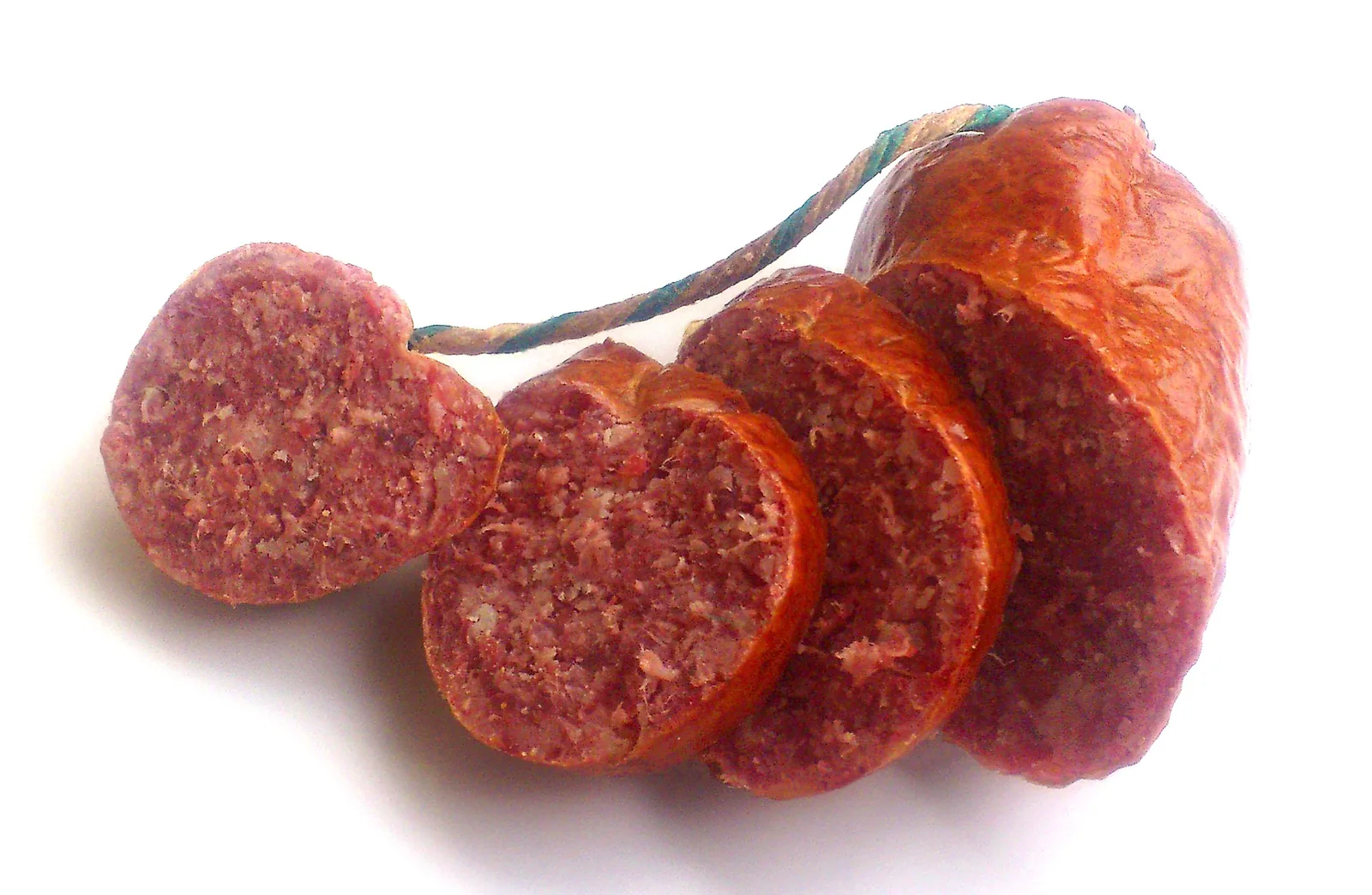
Sliced beef sujuk sausage showing its deep red, spice-flecked filling

Lebanese Grill Classic

Photo: Off-shell, CC BY-SA 4.0, via Wikimedia Commons

The Heritage Formulary

Measured Ingredients

Estimated cost: Low — about $3–4 per serving at home (USD)

Made the Lebanese way: beef kneaded with garlic, cumin, paprika and fenugreek, rested overnight, then sliced and grilled until the edges crisp.

Execution Methodology & Culinary Technique

Step-by-Step Cooking Guide

Active 55m
P

Prep Stage: Cold Meat, Measured Spices, Overnight Rest

40 Mins + Overnight Rest • Bowl, Sausage Stuffer or Cling Film

Keep the beef cold from the fridge until the moment you mix it — cold meat binds into a proper sausage instead of turning into loose mince. Measure all the spices into one small bowl, mince the garlic, and decide now whether you are stuffing casings or rolling casing-free links in cling film. The mixed sausage then rests overnight in the fridge so the garlic and spices soak right through the meat.

Maestro Tip: Chill the mixing bowl too. Warm hands and a warm bowl make the fat smear instead of staying in tiny pieces, and smeared fat gives a greasy, crumbly sausage.

  1. 1

    Mix the spiced beef

    15 Mins No heat — cold, straight from the fridge

    Put the cold ground beef in a large chilled bowl. Add the minced garlic, salt, sweet and hot paprika, cumin, fenugreek, black pepper, cayenne and red wine vinegar. Knead with your hands for 5 to 6 minutes, folding and pressing, until the mixture turns sticky and holds together in one mass instead of falling apart — that stickiness is the protein binding, and it is what keeps the sausage juicy.

    Fry a teaspoon of the mixture in a small pan and taste it now. It is the only chance to fix the salt and heat before the sausage is stuffed.

    Done when: Mixture sticky and tacky, pulling away from the bowl in one piece.

  2. 2

    Stuff the casings — or roll casing-free links

    20 Mins No heat — cold

    If using casings, slide one onto the stuffer nozzle, tie the end, and fill firmly without air pockets, twisting into 4 links about 15 cm long. If going casing-free, divide the meat into 4 equal portions, roll each into a firm log about 4 cm thick on a sheet of cling film, wrap tightly and twist the ends like a sweet wrapper.

    Prick any air bubbles in the casings with a fine needle — trapped air makes the sausage burst when it hits the heat.

    Done when: Links firm, evenly filled, no air pockets.

  3. 3

    Rest the sujuk overnight

    12 Hours (Passive) Fridge, 4°C (40°F) or below

    Lay the links on a rack over a tray, uncovered if they are in casings, or wrapped if they are cling-film rolls. Leave in the fridge overnight, or at least 8 hours. The salt firms the texture and the garlic, cumin and fenugreek soak through the meat — sujuk mixed and cooked the same day tastes flat by comparison.

    Do not skip the rest. This is the step that turns seasoned mince into sujuk.

    Done when: Links firm to the touch, surface slightly dry, smelling strongly of garlic and spice.

  4. 4

    Slice and grill the sujuk

    12 Mins Medium-high heat, about 200°C (400°F); ground meat must reach 71°C (160°F)

    Cut the links into slices about 1 cm thick. Heat the olive oil in a heavy pan over medium-high heat. Fry the slices in a single layer for 2 to 3 minutes per side until deep reddish-brown with crisp, curled edges and no pink left in the centre — check that the middle reaches at least 71°C (160°F). The fat will render out and the slices will shrink slightly.

    Do not crowd the pan or the slices steam instead of crisping. Work in two batches and keep the first warm under foil.

    Done when: Deep reddish-brown, edges crisp and curled, hot through with no pink in the centre.

  5. 5

    Serve the sujuk

    5 Mins Hot, straight from the pan

    Pile the hot slices onto a plate or tuck them into warm pita with pickled cucumber, sliced tomato and fresh mint. In Lebanon the classic breakfast adds a fried egg on the side, the yolk running over the spicy sausage.

    Serve at once — sujuk firms up and loses its crisp edges as it cools.

    Done when: Served steaming hot, slices still crisp at the edges.

Finishing Touches & Plating

Serve the sujuk the moment it leaves the pan, with warm bread to catch the spiced fat — that first hot, crisp-edged bite is the whole point of making it yourself.

Nutritional Physiology & Benefits

Nutrition

Energy

425

kcal / serving

Protein

43g

Complete AA

Carbs

7g

Complex

Fats

25g

Healthy

Per serving (4 servings · 1 serving ≈ 170 g)
Energy425 kcal
Protein43 g
Carbohydrates7 g
Fat25 g
Fibre2.4 g
Sugar0.6 g
Sodium1092 mg
Per 100g
Energy250 kcal
Protein25.3 g
Carbohydrates4.2 g
Fat14.7 g
Fibre1.4 g
Sugar0.4 g
Sodium642 mg

Nutrition values are estimated — calculated from USDA FoodData Central values for the listed ingredients.

Vitamins & minerals: Provides iron, zinc and vitamin B12 from the beef, vitamin C from the garlic and paprika, and manganese from the cumin. All nutrition values are estimated.

High in Protein

About 43 g of protein per serving from the beef — a genuinely filling start to the day that keeps hunger away for hours.

Iron and B12 from Beef

Beef is a natural source of iron and vitamin B12, which contribute to normal energy levels and red blood cell formation as part of a varied diet.

No Fillers or Preservatives

Made at home, this sujuk has no added nitrates, fillers or flavourings — just meat, salt, garlic and spices.

Food Pairings

What to Eat With

To optimize nutrient absorption and elevate the sensory depth, pair with these authentic accompaniments:

Sides

Warm Pita Bread

Soft pita is the traditional vehicle — it soaks up the spiced fat from the sausage and turns the plate into a sandwich.

Fried Egg

A fried egg is the classic partner — the runny yolk coats the crisp sausage slices and softens their fire.

Vegetables

Pickled Cucumbers and Mint

Sharp pickles and cool mint cut through the richness and heat of the sausage, which is why they appear on every Lebanese breakfast table with sujuk.

Drinks

Mint Tea

Hot mint tea cleanses the palate between bites of the fatty, spicy sausage and is the usual breakfast drink alongside it.

Full Menus

Lebanese Breakfast Spread

Serve the sujuk with labneh, olives, tomatoes and warm bread for a full Lebanese breakfast table that everyone shares from.

Complete menu

Serve the grilled sujuk with warm pita, a fried egg, pickled cucumbers and mint, and finish with hot mint tea — the classic Lebanese breakfast.

Digestive Guardrails

What NOT to Combine

To prevent digestive distress, sluggishness, or palate clash, avoid pairing the dish with these elements:

Undercooked Ground Meat

Ground meat must reach 71°C (160°F) all the way through — unlike a steak, minced meat cannot be served rare, because bacteria mix through the whole sausage. Cook until no pink remains. This is general food-safety guidance, not medical advice.

A Second Large Portion

Sujuk is high in fat and salt, so a second big helping adds a lot of energy and sodium. Enjoy one serving with plenty of bread, pickles and salad alongside. This is general food information, not medical advice.

General information only, not medical advice — consult a doctor for personal dietary decisions.

Who Should Eat It

Who Should Eat

  • General adultsA bold, filling breakfast — one serving with bread and an egg is a complete meal.
  • ChildrenVery spicy as written; make a mild batch for children with only sweet paprika and no cayenne, and cut the slices small.
  • ElderlySoft and easy to chew once sliced, but the sausage is salty and rich — keep the portion modest.
  • Pregnant womenSafe only when cooked right through to 71°C (160°F) with no pink left; the sausage is salty, so keep the portion small and ask your clinician.
  • Breastfeeding womenA protein-rich breakfast; the garlic and spice can flavour breast milk, so watch how your baby responds.
  • AthletesAbout 43 g of protein per serving — a strong recovery breakfast after a hard morning session.
  • Weight gainA very good choice — energy-dense, protein-rich and easy to eat with bread.
  • Weight lossKeep to one serving, use leaner beef, and fill the plate with tomato, cucumber and mint instead of extra bread.

Health Conditions — Adjust or Avoid

Conditions

  • DiabetesLow in carbohydrate as written, but the bread alongside adds up — count the pita, and ask your clinician.
  • High blood pressureSujuk is a salty cured-style sausage — about 1,092 mg of sodium per serving. Keep the portion small and skip extra salty pickles. Ask your clinician.
  • Kidney diseaseHigh in protein and salt — keep the portion small and ask your clinician before eating cured-style sausages.
  • GoutBeef and organ-style cured meats are sources of purines; enjoy occasionally in a modest portion and ask your clinician.
  • Stomach issuesChilli, garlic and fat can irritate a sensitive stomach or reflux — eat a small portion with bread, and ask your clinician if symptoms persist.
  • Cardiovascular diseaseHigh in saturated fat and salt, so keep portions modest and balance the plate with salad. Ask your clinician about fitting it into your eating plan.
  • Fatty liverA fatty, fried sausage — keep the portion small and favour the salad and bread over a second helping.
  • Food allergiesContains no gluten, dairy, egg or nuts as written; check the casings if you use them, and note the sausage is beef-based.
  • Special therapeutic dietsNaturally gluten-free and low-carb; ask your clinician or dietitian about fitting a salty sausage into a prescribed diet.

If you have a medical condition, consult your doctor before changing your diet.

Storage & Use

Storage & Use

How to store
Cool the cooked slices quickly and store in a covered container in the fridge; store uncooked links wrapped tightly.
In the fridge
Cooked slices keep 3 days in the fridge at 4°C (40°F) or below; uncooked links keep 2 days.
In the freezer
Uncooked links freeze well for up to 3 months, wrapped tightly; cooked slices freeze for up to 1 month.
How to reheat
Reheat slices in a hot pan until steaming hot throughout, to 74°C (165°F); do not microwave them or they go rubbery.
Freezing recommended
Yes — freeze the uncooked links, then thaw overnight in the fridge before slicing and grilling.
Signs it has spoiled
Sour or off smell, slimy surface, or grey-green discolouration.

More recipes to explore

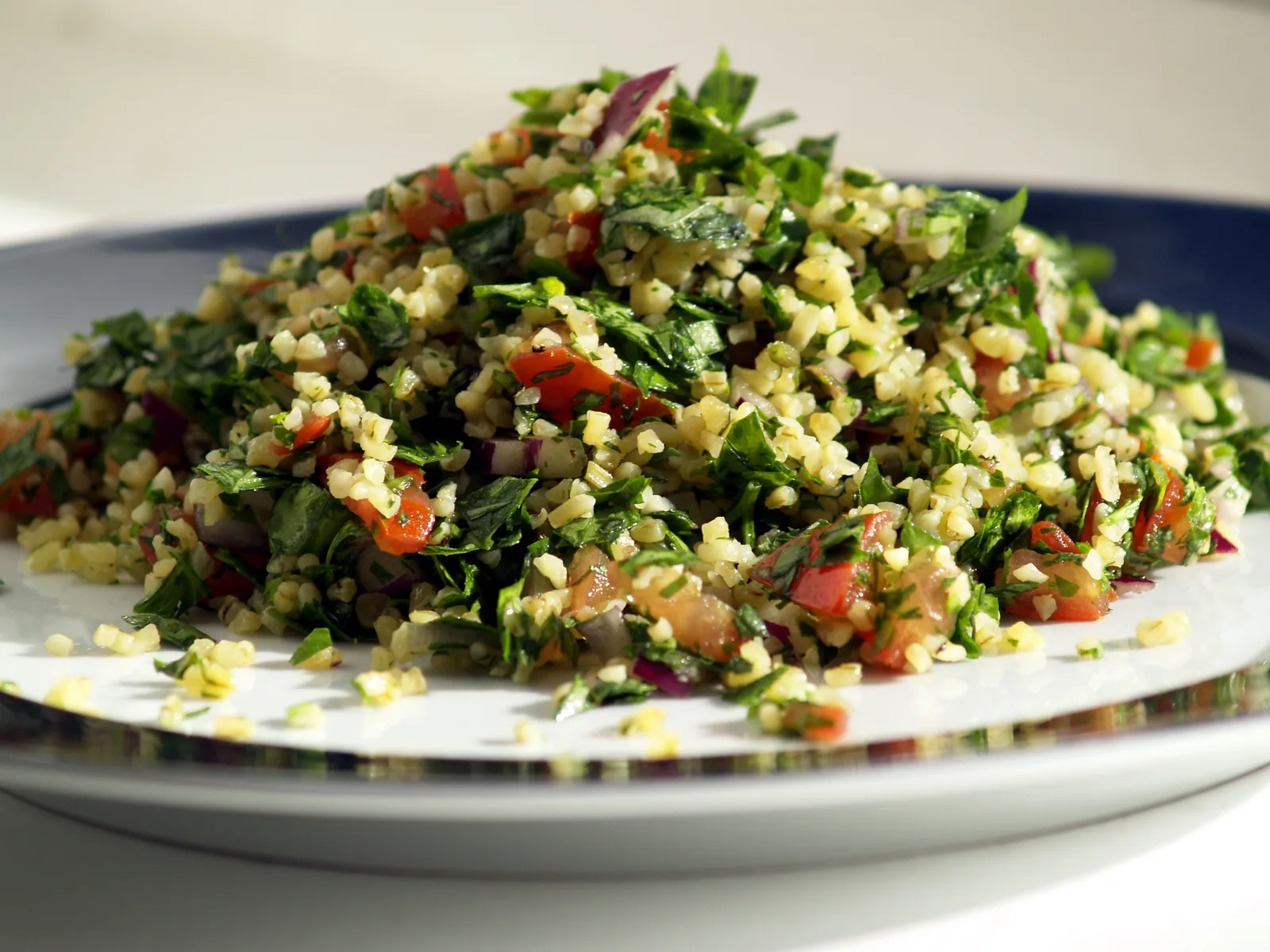
A plate of fresh Lebanese tabbouleh with chopped parsley, tomato and bulgur Lebanon flag Lebanon 25m
Lunch •Levantine Mezze Classic

Lebanese Tabbouleh

Tabbouleh is Lebanon's bright green parsley salad, where the herbs lead and fine bulgur plays a supporting role. Diced tomato, green onion and mint are tossed in lemon juice and olive oil for a fresh, lemony bite that wakes up any mezze table. One serving is about 216 g.

Light & Fresh

Mostly fresh parsley and tomato with a little bulgur, dressed in lemon and olive oil.

Pairs Well With
Warm pita bread, hummus and grilled halloumi
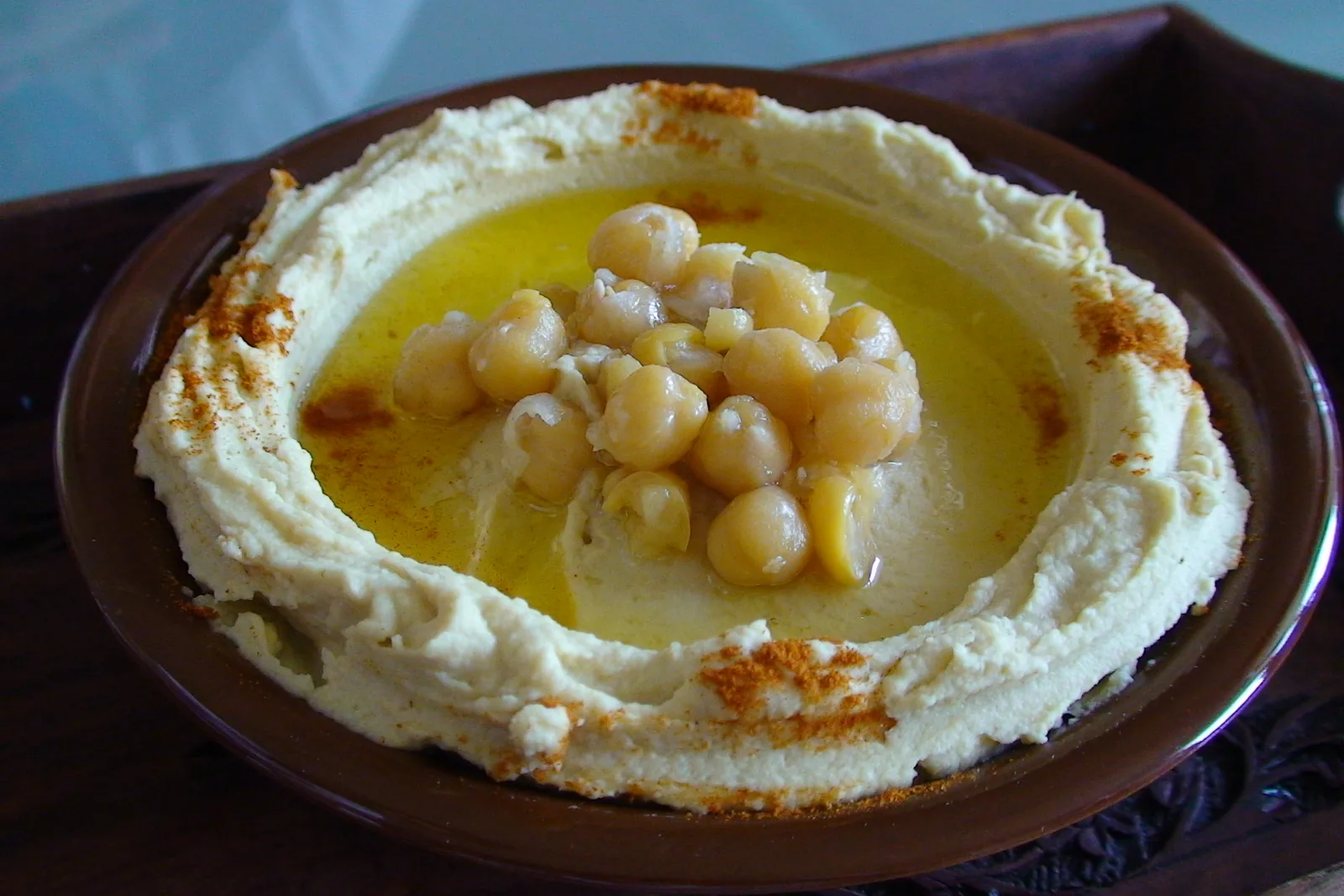
A bowl of cold Lebanese hummus with olive oil, whole chickpeas, paprika and parsley Lebanon flag Lebanon 1h 5m
Snack & Tea •Beirut Mezze Classic

Lebanese Hummus

Lebanese hummus is a cold, silky chickpea and tahini dip, lemon-forward with garlic and a pool of olive oil, topped with pine nuts and parsley. It is served chilled or at room temperature as part of a mezze spread, scooped up with warm pita — never served warm as a main plate. One serving is about 110 g.

Plant Protein Snack

Chickpeas and tahini blended into a smooth dip, with lemon, garlic and olive oil.

Pairs Well With
Warm pita bread, tabbouleh and olives
Quick Prep (<30m)
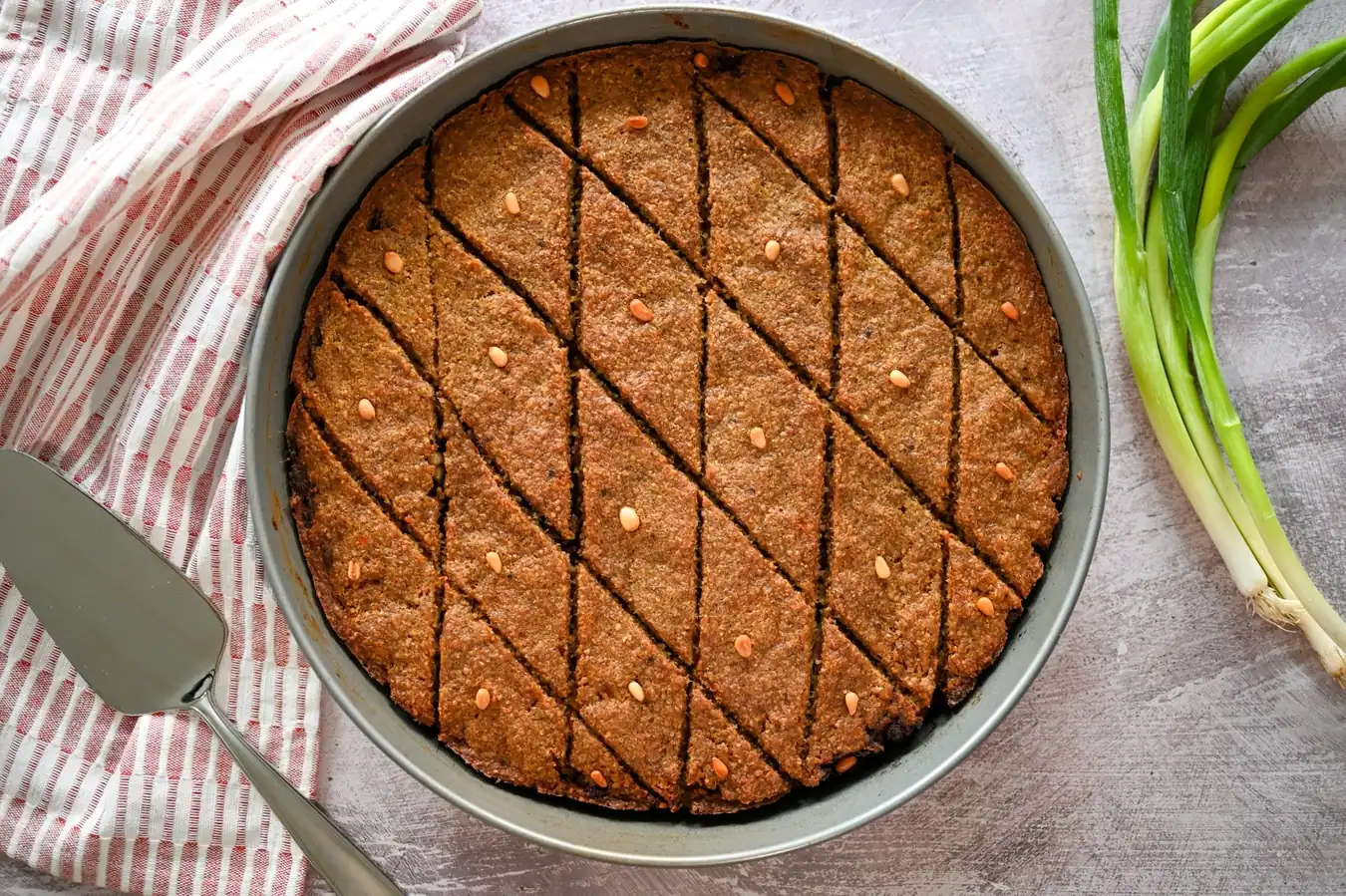
A baked tray of Lebanese kibbeh bil-saniyeh, scored into diamonds with pine nuts Lebanon flag Lebanon 1h 25m
Dinner •Lebanon's National Dish

Lebanese Kibbeh

Kibbeh bil-saniyeh is Lebanon's baked tray kibbeh: two layers of bulgur and lean beef sandwiching a spiced beef and pine-nut filling, scored into diamonds and baked until golden and crisp at the edges. It is the tray-baked form of Lebanon's national dish, made for sharing at the family table. One serving is about 202 g.

Hearty Family Dinner

Layers of bulgur and lean beef around a spiced pine-nut filling, baked until golden.

Pairs Well With
Yogurt, tabbouleh and warm pita bread
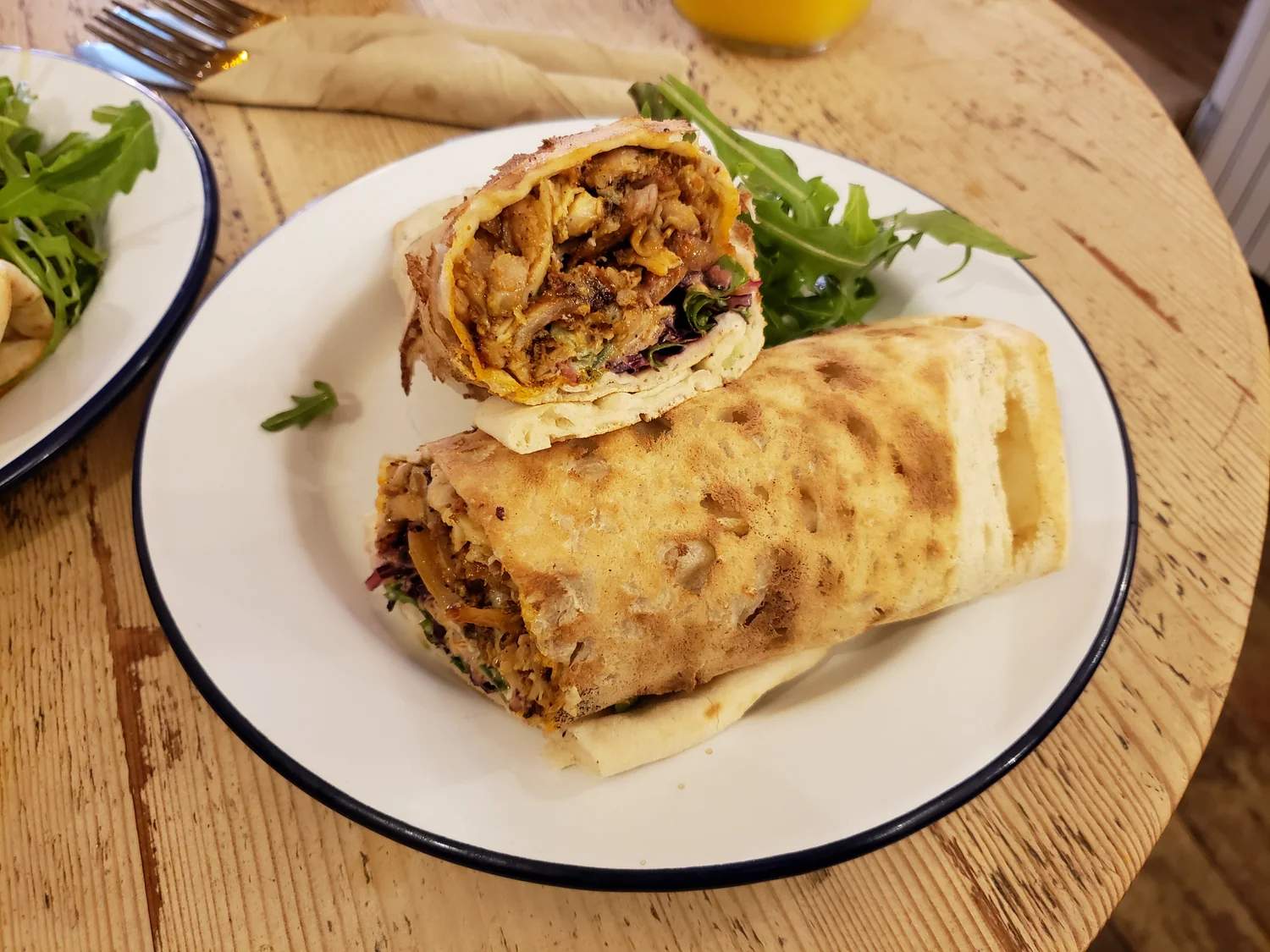
A sliced chicken shawarma wrap in toasted lavash showing spiced chicken, with rocket salad on a white plate Lebanon flag Lebanon 50m
Dinner •Beirut Street-Food Heritage

Lebanese Chicken Shawarma

This lebanese chicken shawarma recipe marinates boneless chicken thighs in yogurt, lemon, garlic and seven warm spices, then grills them until charred at the edges and slices them thin for rolling in soft Lebanese pita with toum, the whipped garlic sauce that defines the Lebanese version. Pickled turnips, dill pickles, tomato and parsley give every bite its sharp, fresh contrast. One serving is about 379 g.

High-Protein & Satisfying

Spice-marinated chicken thighs grilled and rolled in warm pita with toum, pickles and tomato — the Beirut street-food classic, made at home.

Pairs Well With
Toum, pickled turnips & fries
High Protein

The Dinner Gazette

Never wonder what’s for dinner again

One email a week with easy dinner ideas from around the world — ingredients, steps and nutrition, tested in our kitchen first.

Delivered every Thursday morning. Unsubscribe anytime.